Orang Paling Sial: Nol Panggilan API, Disusupi Biaya 1 Miliar Yuan oleh Anthropic Secara Diam-diam

marsbitPublished on 2026-07-13Last updated on 2026-07-13

Abstract

Pengembang Korea terkenal remy_notes memposting dua faktur dari Anthropic di Threads pada 8 Juli: pertama $1,669 juta (sekitar 11,3 juta RMB) dan kedua $16,62 juta (sekitar 110 juta RMB), dengan selisih kurang dari 24 jam. Ia awalnya mengira itu email phishing, tetapi alamat pengirim dan tautan pembayaran menunjuk ke domain Stripe resmi Anthropic. Kartu debit banknya menolak dua penarikan dari "ANTHROP" karena batas transaksi. Akunnya adalah paket gratis tanpa kartu kredit terikat, dan dashboard menunjukkan penggunaan API nol. Hingga kini, Anthropic belum menjelaskan penyebab "tagihan hantu" ini. Perusahaan audit tagihan AI Vaudit menemukan penagihan berlebih sekitar $1,7 juta dari total $34 juta yang diaudit untuk 60 perusahaan antara Maret dan Juni, sebagian besar terkait Claude Code milik Anthropic. Pola umum termasuk penagihan model baru yang lebih mahal untuk penggunaan model lama, penagihan untuk permintaan yang gagal atau error, serta penagihan berulang untuk percobaan ulang (retry storm). Meski Anthropic membantah masalah umum, mereka dan perusahaan AI besar lainnya telah mengembalikan sekitar 80% dari jumlah yang diperselisihkan. Komunitas pengembang semakin tidak percaya dengan penagihan Anthropic, dipicu oleh bug penagihan "HERMES.md" pada April dan gugatan kelas pada Juni mengenai ketidakjelasan perhitungan kuota paket langganan Max. Perubahan harga model Fable 5 dan ketidakstabilan ketersediaannya memperdalam ketidakpercayaan ini. Anthropic, yang dikenal denga...

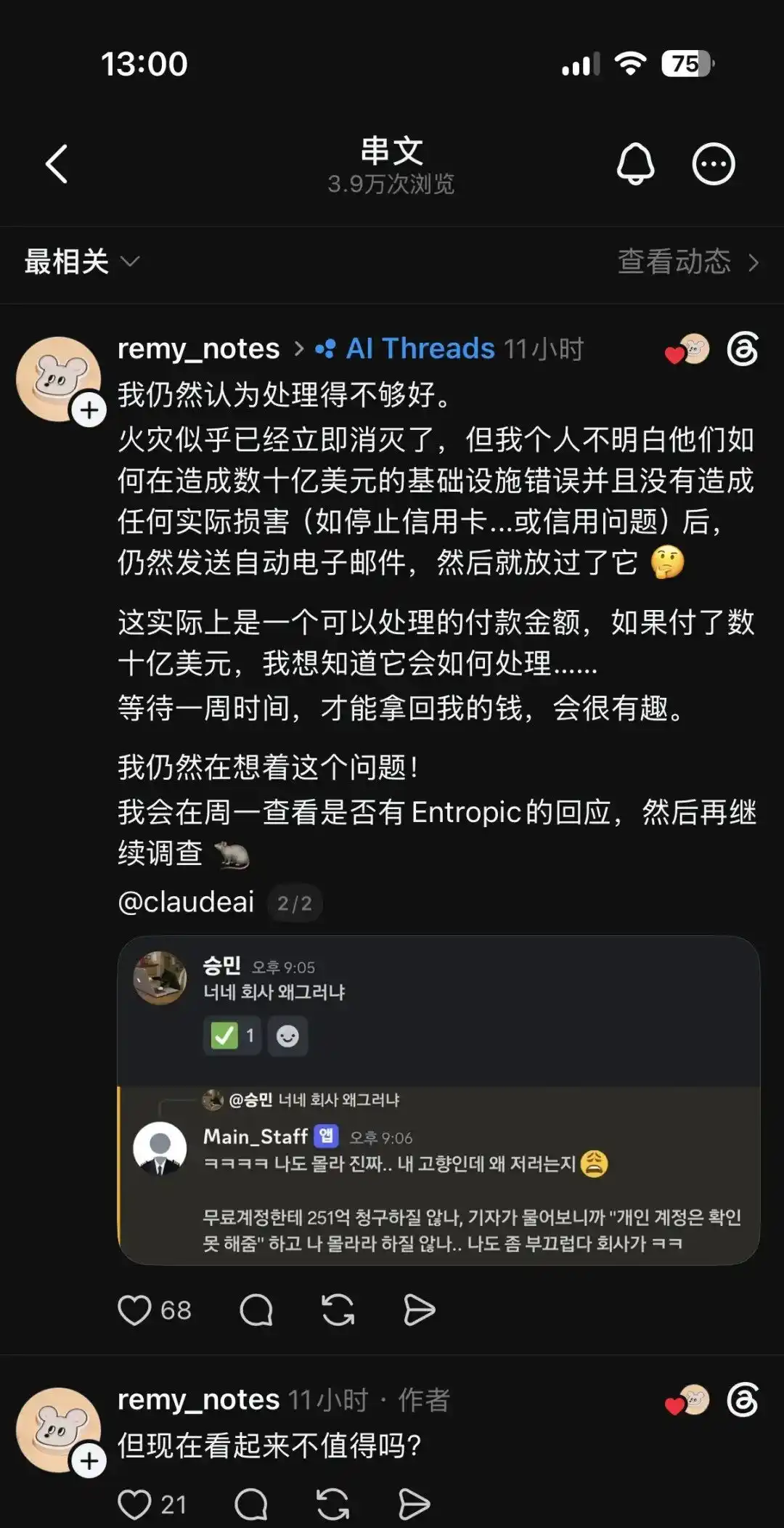
Tanggal 8 Juli, pengembang terkenal Korea remy_notes memamerkan dua tangkapan layar faktur Anthropic di Threads: yang pertama sebesar 1,669 juta dolar AS (sekitar 11,3 juta yuan RMB), dan yang kedua sebesar 16,62 juta dolar AS (sekitar 110 juta yuan RMB). Dua faktur tersebut jaraknya kurang dari 24 jam, dan jumlahnya meningkat hampir 10 kali lipat.
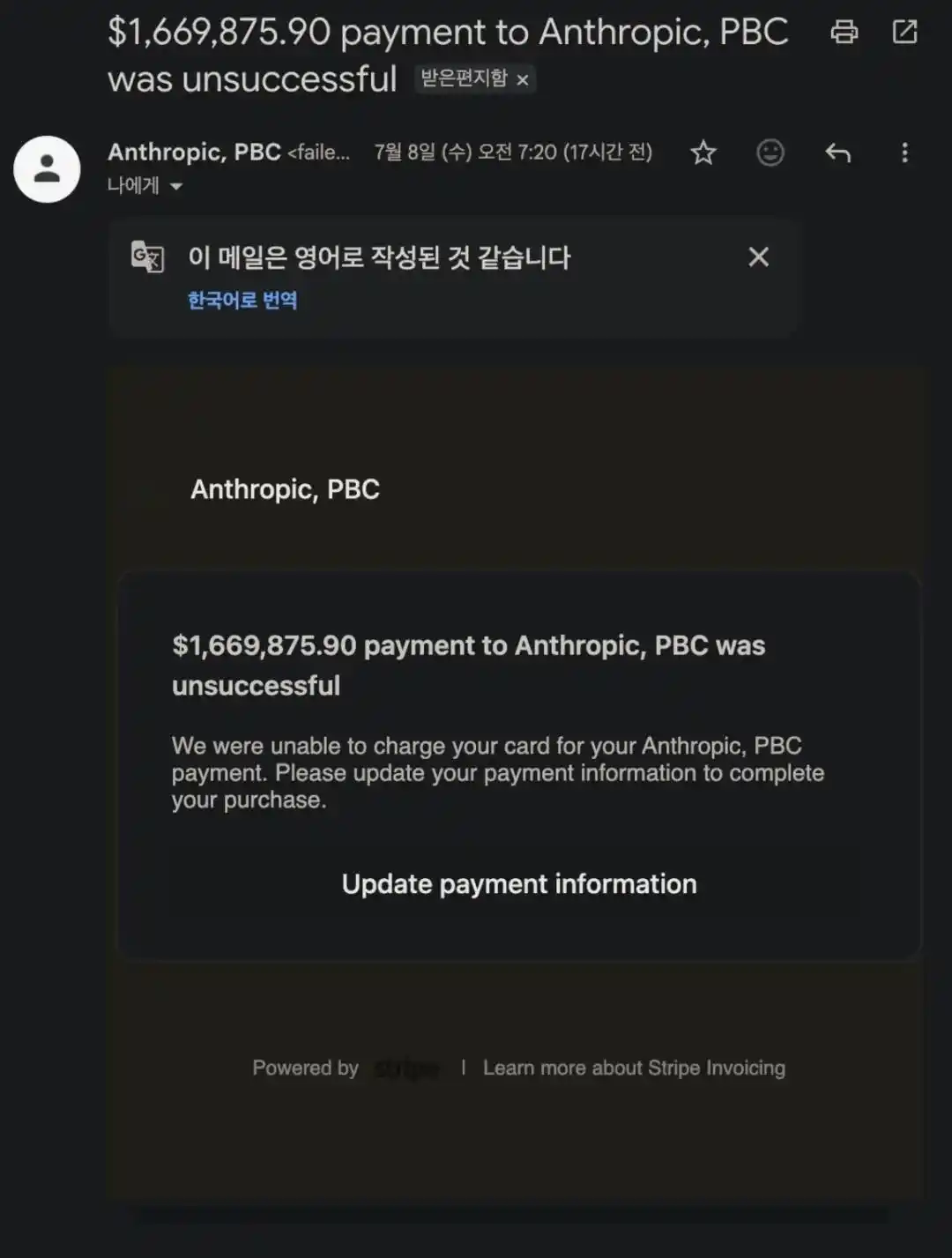
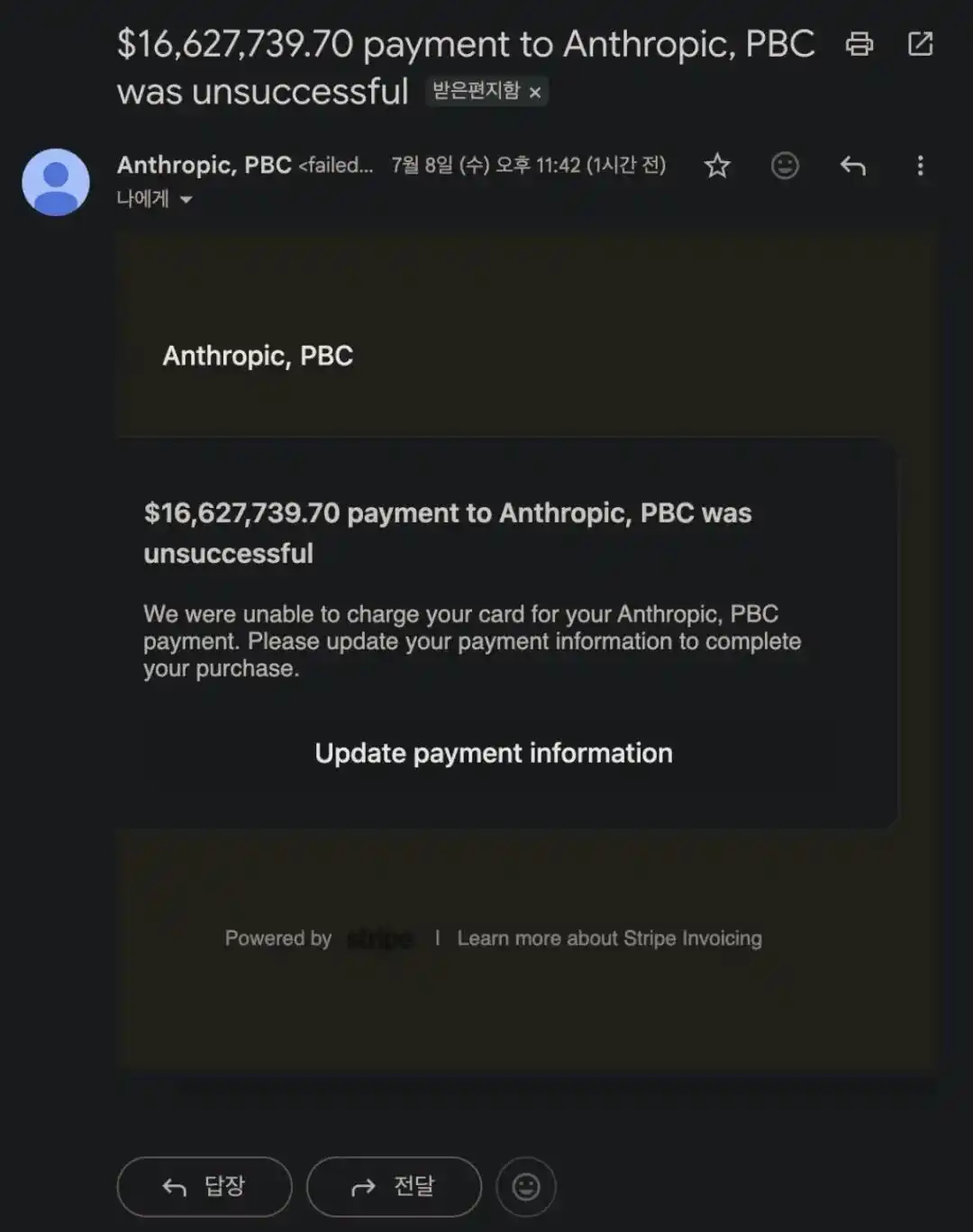
Awalnya dia mengira itu email phishing, tetapi alamat pengirim dan tautan pembayaran mengarah ke domain Stripe resmi Anthropic.
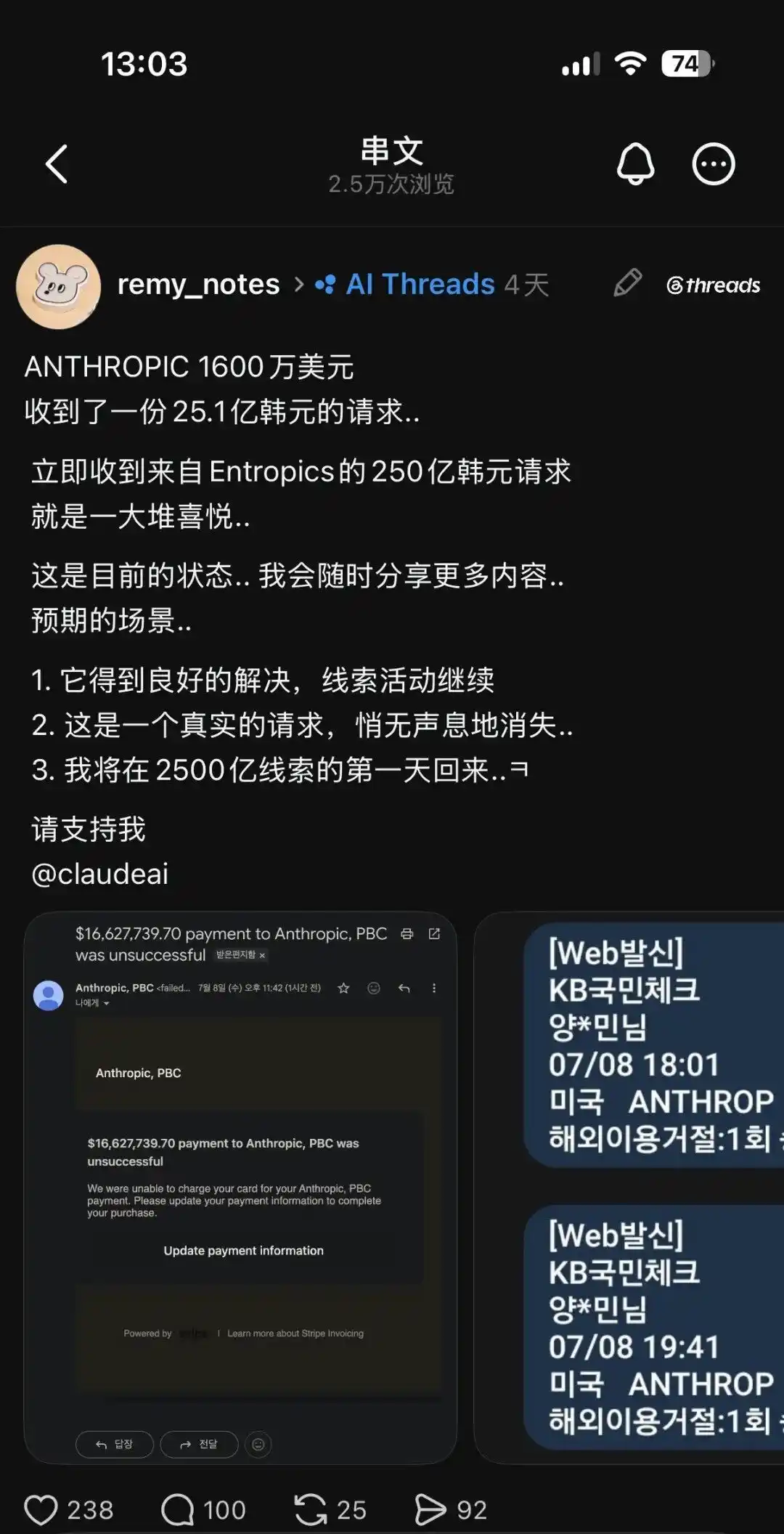
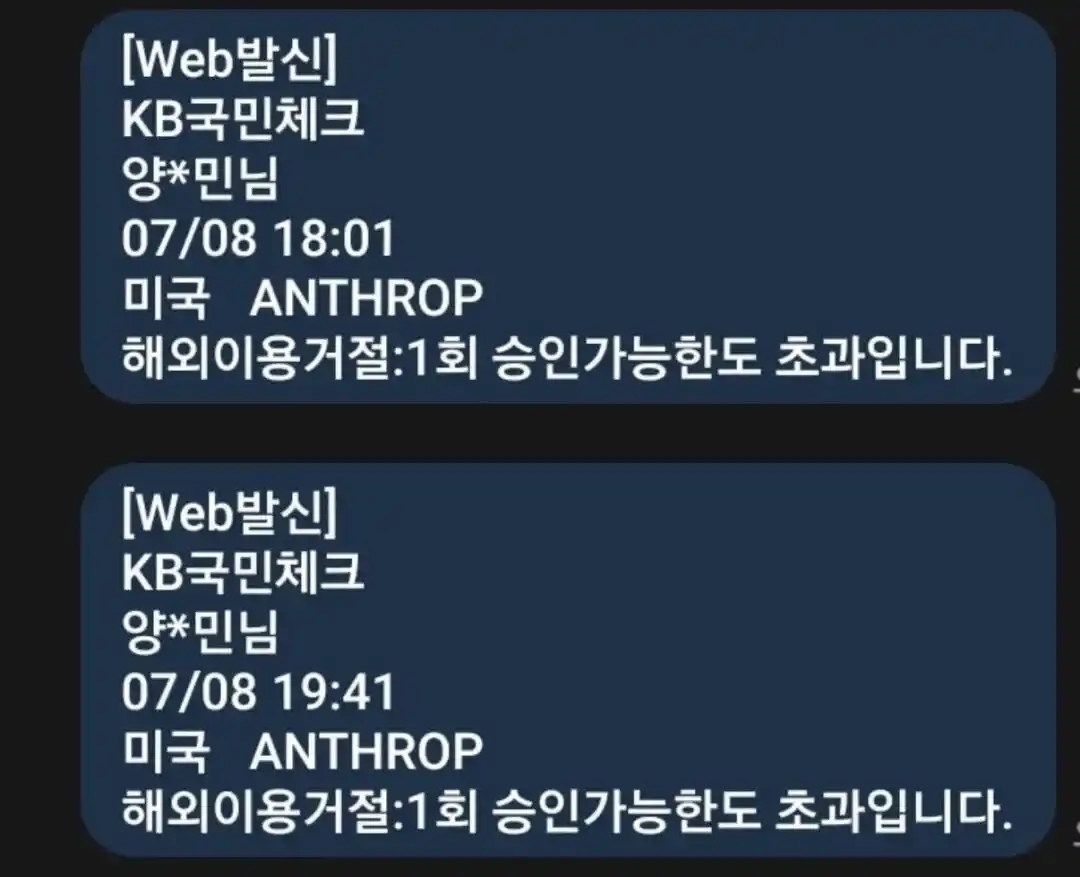
Kartu debit KB Kookmin Bank miliknya pada hari yang sama memblokir dua permintaan potongan dari pedagang luar negeri "ANTHROP" di AS — ditolak karena batas tunggal tidak mencukupi.
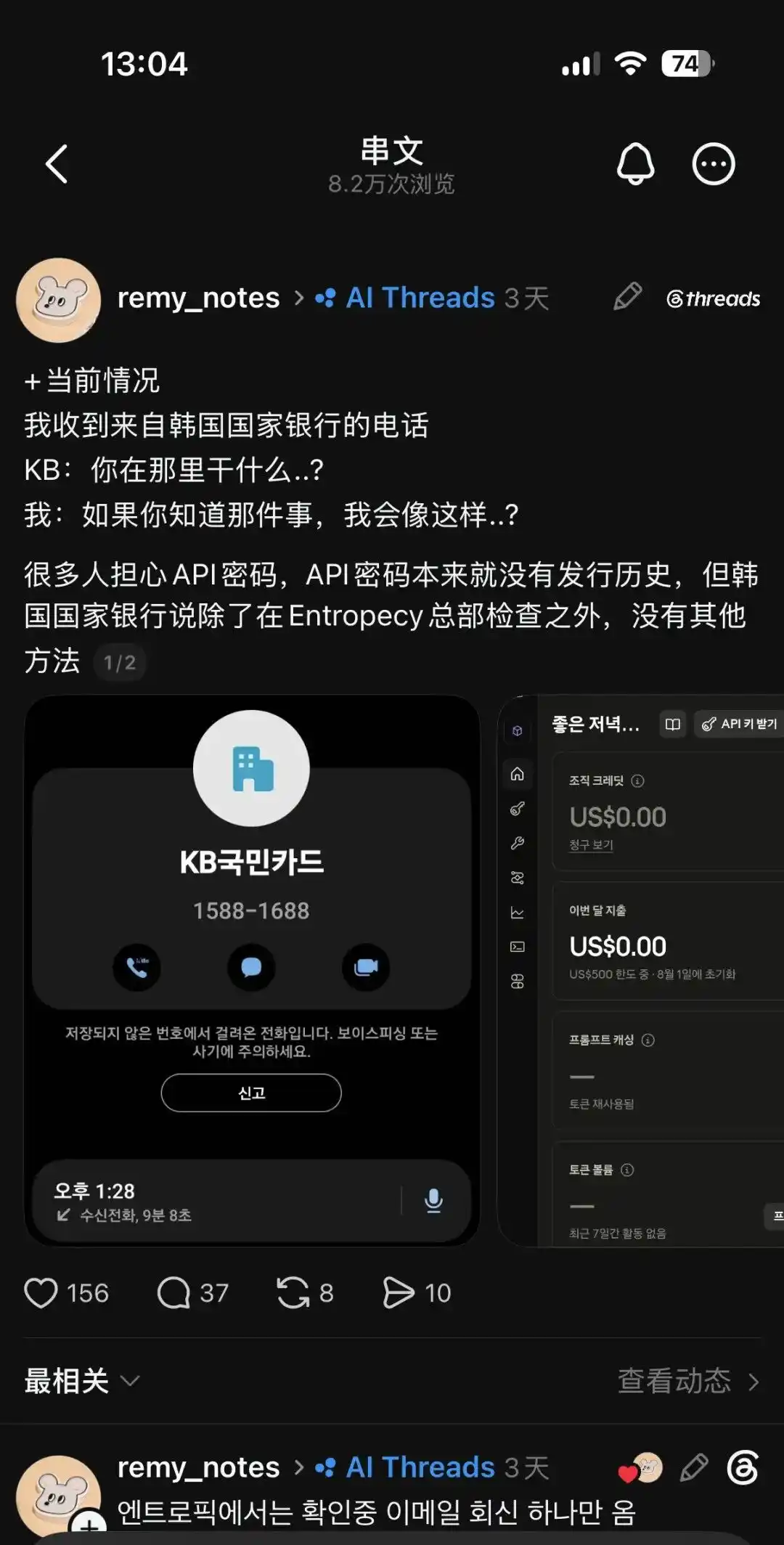
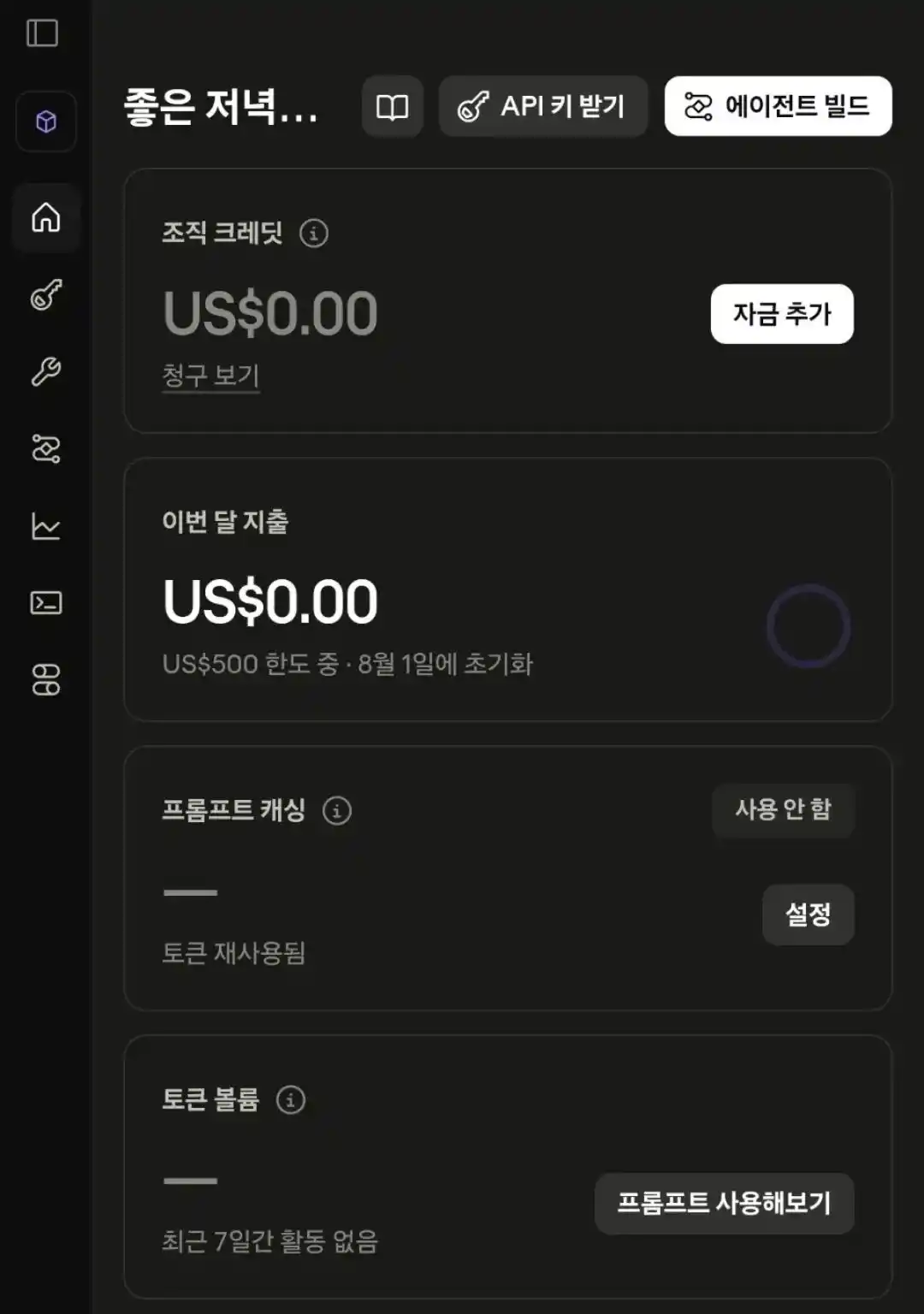
Akunnya adalah paket gratis, tidak terikat kartu kredit, dan dashboard menunjukkan penggunaan API nol.
Sampai berita ini ditulis, Anthropic belum memberikan penjelasan publik tentang penyebab "tagihan hantu" ini.
Bukan Cuma Satu "Tagihan Hantu"

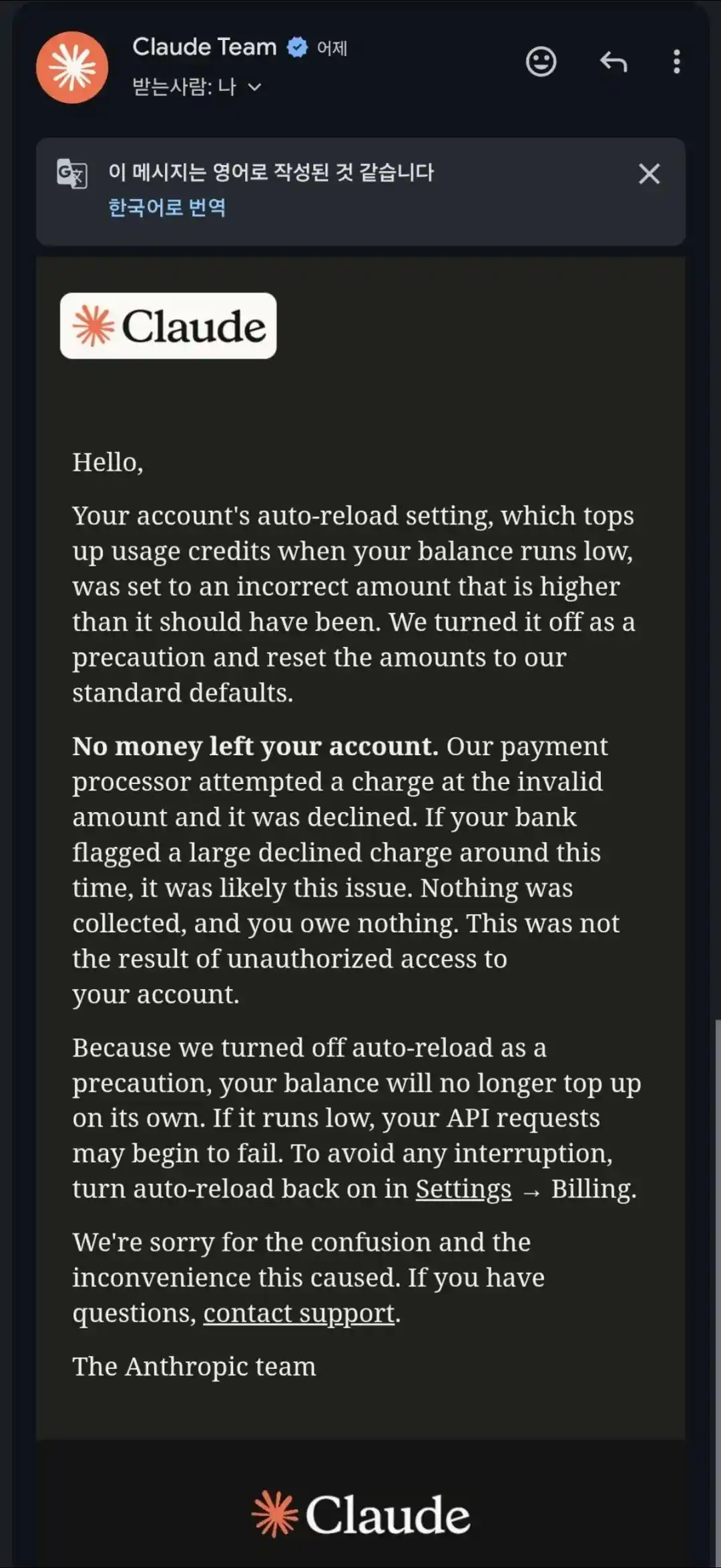
Angka 16,6 juta dolar AS cukup mengejutkan, tetapi yang benar-benar perlu diperhatikan adalah masalah sistemik yang muncul di baliknya.

Perusahaan audit tagihan AI Vaudit antara bulan Maret hingga Juni memeriksa tagihan AI senilai total 34 juta dolar AS dari 60 perusahaan, dan menemukan kesalahan penagihan berlebih sekitar 1,7 juta dolar AS, di mana sebagian besar terkait dengan Claude Code dari Anthropic.

Klien Vaudit termasuk Panasonic, HP, dan Honda.

CEO Vaudit Michael Hahn

CEO Vaudit Michael Hahn menggambarkan beberapa pola umum penagihan berlebih kepada The Information:

Klien menggunakan model lama yang lebih murah, tetapi ditagih dengan tarif model baru yang lebih mahal;

Permintaan dari AI Agent atau chatbot yang tidak selesai atau bahkan mengembalikan informasi kesalahan, tetap dikenakan biaya;

Agent yang mencoba ulang berulang kali (badai percobaan ulang) setelah tugas gagal, setiap percobaan ulang dikenakan biaya.

Juru bicara Anthropic menanggapi dengan mengatakan bahwa perusahaan tidak menagih untuk permintaan yang tidak selesai atau informasi kesalahan, tidak mengarahkan permintaan pengguna ke model lama, "penagihan berlebih tampaknya bukan masalah yang umum."

Tetapi setelah pengaduan dari Vaudit dan klien, Amazon, Google, Microsoft, Anthropic, dan OpenAI mengembalikan sekitar 80% dari jumlah yang diperselisihkan.

Hahn mengatakan perusahaan-perusahaan ini "sangat kooperatif" dalam menangani sengketa tagihan.

Satu detail yang perlu diperhatikan: Sebagian klien yang diaudit Vaudit tidak membeli layanan langsung dari Anthropic, tetapi melalui platform cloud seperti AWS, Google Cloud, atau Microsoft Azure sebagai perantara.

Setelah tagihan melewati satu lapisan tambahan, tanggung jawab menjadi lebih kabur.

Mengapa Tagihan AI Semakin Sulit Dipahami

Ketidakpercayaan komunitas pengembang terhadap penagihan Anthropic tidak terakumulasi dalam semalam.

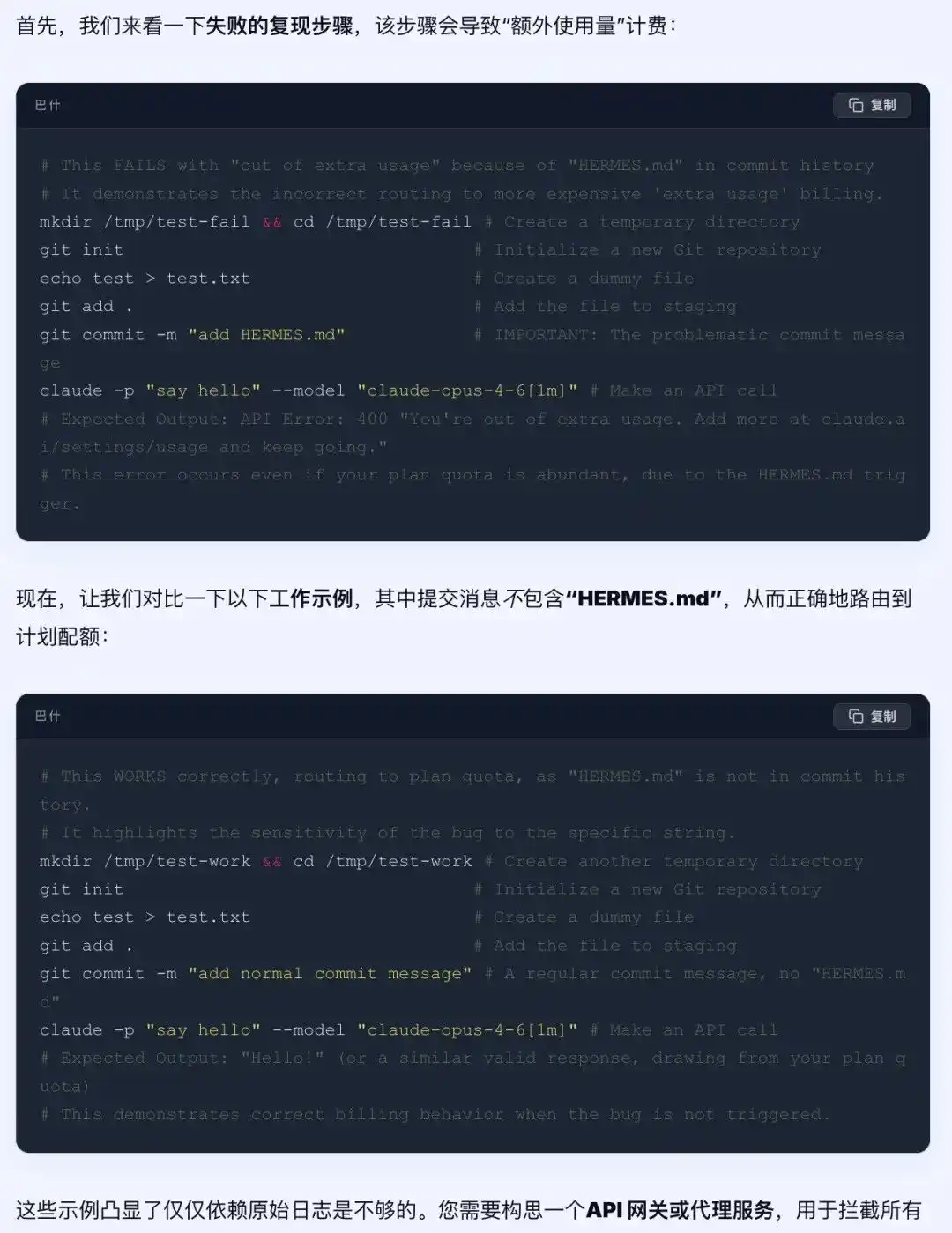
Pada April tahun ini, pengembang menemukan bug penagihan yang disebut "bug HERMES.md": ketika catatan commit kode berisi string tertentu, backend Anthropic akan secara diam-diam mengarahkan permintaan yang seharusnya dipotong dari kuota paket Max, ke saluran penagihan "penggunaan ekstra" yang lebih mahal.

Pengguna membayar biaya berlangganan $200/bulan, tetapi sebenarnya dikenakan biaya terpisah dengan tarif API.

Anthropic mengkategorikannya sebagai "masalah perutean autentikasi", tetapi awalnya menolak pengembalian dana, memicu banyak pengembang melakukan pembatalan kartu kredit (chargeback).
Tanggal 14 Juni, pengguna Karl Kahn dari Washington DC mengajukan gugatan class action di Pengadilan Distrik Federal Distrik Utara California, menuduh Anthropic menyesatkan dalam janji penggunaan untuk paket berlangganan Max 5x ($100/bulan) dan Max 20x ($200/bulan).

Kahn mengatakan saat menggunakan paket Max 20x, satu sesi pemrograman 5 jam menghabiskan 15% dari kuota mingguan.

Gugatan berpendapat bahwa metode perhitungan penggunaan Anthropic tidak transparan, dan pengguna hampir tidak dapat memverifikasi apakah mereka mendapatkan layanan yang dijanjikan.

Perubahan harga Fable 5 semakin memperbesar ketidakpercayaan ini.

Model publik terkuat Anthropic sepanjang sejarah ini, saat diluncurkan pada 9 Juni dimasukkan ke dalam paket berlangganan, tetapi hanya 13 hari kemudian dipisahkan, dan diubah menjadi penagihan berdasarkan kuota penggunaan dengan tarif API ($10 per juta token input, $50 per juta token output) — dua kali harga Opus 4.8.

Bacaan lebih lanjut: Dadakan! Anthropic Menonaktifkan Claude 5 Secara Global

Selama itu juga diturunkan secara global selama 19 hari karena kontrol ekspor pemerintah AS.

Setelah dipulihkan pada 1 Juli, Anthropic hanya memberikan jendela gratis 6 hari, kemudian diperpanjang hingga 12 Juli.

Ketika "Keamanan" Tidak Melindungi Dompet

Anthropic menjadikan "Keamanan AI" sebagai narasi inti mereknya.

Tapi bagi pengguna berbayar, definisi keamanan sedang berkembang: Bukan hanya berarti model tidak akan menghasilkan konten berbahaya, tetapi juga seharusnya mencakup bahwa Anda tidak akan dikenakan biaya yang tidak bisa dijelaskan tanpa sepengetahuan Anda.

Ini bukan hanya masalah Anthropic saja.

Struktur penagihan layanan AI secara alami kompleks — tingkat model, penggunaan token, jumlah panggilan API, percobaan ulang, penambahan harga platform cloud, jalur pembelian langsung dan penjualan ulang yang berbeda — semuanya ditumpuk, membentuk kotak hitam yang hampir tidak bisa diverifikasi secara mandiri oleh pengguna biasa.

Munculnya perusahaan audit seperti Vaudit sendiri adalah sinyal: tagihan AI sudah terlalu kompleks hingga membutuhkan pihak ketiga profesional untuk bisa memahaminya.

Pesaing sudah mencium peluang.

Microsoft pada konferensi Build bulan Juni meluncurkan MAI-Thinking-1, kepala AI Mustafa Suleyman mengatakan kepada Bloomberg, "Banyak orang sedang mencari pengganti model mahal Anthropic dengan mendesak."

OpenAI dilaporkan sedang mempertimbangkan untuk menurunkan harga Token secara signifikan.

Harga Token output DeepSeek V4 kira-kira 1/90 dari Sonnet 4.6, mulai dimasukkan oleh pengembang ke dalam opsi perbandingan biaya.

Tahun lalu, perusahaan AI memenangkan pengguna dengan kemampuan modelnya.

Pada tahap kompetisi berikutnya, transparansi penagihan akan menjadi bagian dari pengalaman produk.

Saat pengguna mulai memeriksa tagihan Anda dengan alat audit, mempertanyakan janji harga Anda dengan gugatan class action, "model kami lebih pintar" sudah tidak cukup.

Masalah yang dihadapi Anthropic hari ini, akan dihadapi seluruh industri — siapa yang pertama membuat tagihan menjadi jelas, dia yang mendapatkan tiket masuk kepercayaan putaran berikutnya.

Referensi:

https://www.internationalcyberdigest.com/anthropic-tried-to-phantom-charge-16-6m/

https://www.theinformation.com/newsletters/applied-ai/anthropic-customers-find-errant-charges-auditing-startup-says

Artikel ini berasal dari akun WeChat publik "Xin Zhi Yuan", penulis: ASI Apocalypse

Trending Cryptos

Related Questions

QSiapa yang melaporkan kasus 'tagihan hantu' dari Anthropic?

ASeorang pengembang terkenal Korea Selatan bernama remy_notes yang melaporkannya di Threads dengan menunjukkan tangkapan layar dua faktur Anthropic senilai $166.9 ribu dan $16.62 juta.

QApa masalah sistemik yang terungkap dari kasus penagihan Anthropic ini?

AMasalah sistemiknya adalah adanya kesalahan penagihan yang berulang, termasuk mengenakan biaya untuk model yang lebih mahal padahal menggunakan model lama, menagih permintaan yang gagal atau memberikan error, serta penagihan untuk percobaan ulang (retry storm) yang berulang kali oleh AI Agent.

QApa yang ditemukan oleh perusahaan audit tagihan AI Vaudit dalam investigasinya?

AVaudit menemukan sekitar $1.7 juta dalam kesalahan penagihan berlebihan dari total $34 juta yang diaudit, terutama terkait dengan Claude Code dari Anthropic. Perusahaan-perusahaan besar seperti Panasonic, HP, dan Honda termasuk klien mereka.

QBagaimana respons Anthropic terhadap tuduhan penagihan yang bermasalah?

AAnthropic menyatakan bahwa mereka tidak menagih untuk permintaan yang tidak selesai atau pesan kesalahan, tidak mengarahkan permintaan pengguna ke model lama, dan mengklaim bahwa 'penagihan berlebihan tampaknya bukan masalah umum'. Namun, mereka telah mengembalikan sekitar 80% dari jumlah yang disengketakan setelah adanya pengaduan.

QApa dampak dari kasus ini terhadap persepsi pengguna dan tren di industri AI?

AKasus ini mengurangi kepercayaan pengguna terhadap transparansi penagihan AI. Persaingan mulai bergeser ke arah transparansi tagihan, dengan perusahaan seperti Microsoft, OpenAI, dan DeepSeek menawarkan alternatif yang lebih murah atau jelas. Pengguna kini lebih kritis dan menggunakan audit atau gugatan kelas untuk mempertanyakan praktik penagihan.

Related Reads

Bitcoin Mining Farms Are Becoming AI Factories

Bitcoin mines are transforming into AI factories. This shift is driven by the convergence of three key assets from the previous crypto cycle: infrastructure, talent, and capital. Crypto mining companies like Crusoe, CoreWeave, and Bitdeer are repurposing their core competency—securing power, land, and grid connections in remote locations—to build data centers for AI clients. These firms are signing multi-billion dollar, long-term contracts with companies like Anthropic, AWS, and Microsoft, as AI's demand for reliable, high-capacity compute surpasses the profitability of Bitcoin mining. Simultaneously, crypto entrepreneurs and engineers are applying their skills to new AI ventures. Examples include OpenSea's co-founder launching OpenRouter (an AI model aggregator), and former Coinbase engineers building Fal.ai (a generative media infrastructure platform). Their experience in building scalable, global software networks translates effectively to the AI space. Furthermore, capital accumulated during the crypto boom is now fueling AI. Figures like Jed McCaleb (co-founder of Ripple) funded Voltage Park, a large-scale GPU cloud provider. Notably, some crypto investments, like FTX's early bets on Anthropic and Cursor, have generated astronomical paper returns, demonstrating how high-risk crypto capital flowed into AI before it became mainstream. The transition is not just about repurposing hardware, but about redirecting critical resources—power infrastructure, distributed systems expertise, and venture funding—to the next technological frontier: artificial intelligence.

链捕手1h ago

Bitcoin Mining Farms Are Becoming AI Factories

链捕手1h ago

Morpho Launches Fixed-Rate Product Midnight: Lenders and Borrowers Set Their Own Rates, Ending the Era of Interest Rate Models

Morpho Launches Fixed-Rate Product Midnight: Lenders and Borrowers Set Their Own Rates, Ending the Era of Algorithmic Interest Models On-chain lending has grown to $60 billion but remains minuscule compared to traditional finance's $200 trillion annual credit volume. Morpho identifies the lack of fixed rates and maturity dates as key bottlenecks. Institutions need predictability, not the passive floating rates set by algorithmic models. Midnight allows lenders and borrowers to directly quote rates, set terms, and become price makers, not takers. Fixed-rate lending is now viable due to cheaper, faster blockchains and the entry of institutions demanding control and certainty over returns, costs, and duration. Morpho Blue previously gave users control over risk; Midnight adds control over interest rates. Past attempts at on-chain fixed-rate lending failed primarily because they were built on top of floating-rate pools (creating unpredictability) or lacked sufficient active participants. Midnight avoids these pitfalls as a standalone primitive with fixed rates at its core, built upon Morpho Blue's existing large and active user base. Midnight offers distinct value: institutions gain predictable term structures and full control; fintech companies can offer tailored fixed-rate products; lenders/borrowers achieve predictability and efficiency; and curators can now differentiate by configuring both risk and interest rates. Morpho Midnight is not a replacement for Morpho Blue. The Morpho network will now feature two complementary market structures: floating-rate/open-term (Blue) for flexibility and fixed-rate/fixed-term (Midnight) for predictability. Liquidity can flow between them. The launch will be gradual, prioritizing security. Initially, it will support direct lending on Base network with one trading pair (cbBTC/USDC) and limited maturity dates. Advanced features like auto-rollovers will be introduced later.

marsbit1h ago

Morpho Launches Fixed-Rate Product Midnight: Lenders and Borrowers Set Their Own Rates, Ending the Era of Interest Rate Models

marsbit1h ago

Trading

Spot

Hot Articles

How to Buy WELL

Welcome to HTX.com! We've made purchasing Moonwell Artemis (WELL) simple and convenient. Follow our step-by-step guide to embark on your crypto journey.Step 1: Create Your HTX AccountUse your email or phone number to sign up for a free account on HTX. Experience a hassle-free registration journey and unlock all features.Get My AccountStep 2: Go to Buy Crypto and Choose Your Payment MethodCredit/Debit Card: Use your Visa or Mastercard to buy Moonwell Artemis (WELL) instantly.Balance: Use funds from your HTX account balance to trade seamlessly.Third Parties: We've added popular payment methods such as Google Pay and Apple Pay to enhance convenience.P2P: Trade directly with other users on HTX.Over-the-Counter (OTC): We offer tailor-made services and competitive exchange rates for traders.Step 3: Store Your Moonwell Artemis (WELL)After purchasing your Moonwell Artemis (WELL), store it in your HTX account. Alternatively, you can send it elsewhere via blockchain transfer or use it to trade other cryptocurrencies.Step 4: Trade Moonwell Artemis (WELL)Easily trade Moonwell Artemis (WELL) on HTX's spot market. Simply access your account, select your trading pair, execute your trades, and monitor in real-time. We offer a user-friendly experience for both beginners and seasoned traders.

2.7k Total ViewsPublished 2024.03.29Updated 2026.06.02

How to Buy WELL

What is $WELL

WELL3, $$WELL: Revolutionizing Health and Wellness with DePIN and AI Introduction In the rapidly evolving landscape of digital technology, the health and wellness sector stands at the forefront of innovation, striving to enhance patient care and promote healthier lifestyles. A groundbreaking player in this domain is WELL3, a pioneering Web3 project that seeks to revolutionize how individuals engage with their health. By leveraging technologies such as Decentralized Physical Infrastructure Network (DePIN), Decentralized Identity (DID), and Artificial Intelligence (AI), WELL3 aims to foster secure, data-empowered health journeys. This comprehensive article delves deep into the core aspects of WELL3, $$WELL, exploring its functionalities, creators, investors, and unique features. What is WELL3, $$WELL? WELL3 serves as an innovative platform set to redefine the approach towards health and wellness. Focused on integrating DePIN and DID alongside AI systems, the project is designed to create personalized user experiences while ensuring the safety and privacy of individuals' health data. With an impressive figure of over one million pre-registered users, the primary mission of WELL3 revolves around enhancing well-being through secure, data-driven health journeys. At its core, WELL3 employs advanced blockchain technologies to ensure that users have complete control over their personal information. This project not only addresses the challenges of data security and accessibility but also aspires to create a vibrant community connected by a shared commitment to better health. Key Features of WELL3: DePIN and DID: These technologies enable secure ownership and authentication of data, giving users full control over their information. AI Integration: Utilizing AI analytics, WELL3 offers personalized insights and solutions tailored to individual health needs. Community Engagement: Facilitates a supportive environment where users can connect, share experiences, and motivate each other toward healthier living. Creator of WELL3, $$WELL The identity of the creator of WELL3 remains unspecified in the available information. As the project progresses, further details may emerge, shedding light on the visionary minds behind this transformative initiative. Investors of WELL3, $$WELL WELL3 has garnered support from a myriad of influential investment entities, highlighting its credibility and potential in the health and wellness space. Notable investors include: Animoca Brands AWS Samsung The Spartan Group Blocore Fenbushi Capital Newman Group Soul Capital XY Finance Lumoz The backing from these established organizations demonstrates a strong belief in WELL3's mission, providing it with the necessary resources to innovate and expand its offerings. How Does WELL3, $$WELL Work? WELL3 operates by melding cutting-edge technologies in a multichain framework, ensuring a seamless and innovative user experience. Below are some factors that uniquely position WELL3 in the wellness market: 1. Secure Data Ownership With the integration of DePIN and DID, users can maintain complete control over their personal health information. This layer of security is paramount in today's digital age, where data breaches and unauthorized access are rampant. Through WELL3, data ownership is decentralised, enabling users to manage their information proactively. 2. Personalization through AI WELL3 implements AI-driven analytics to provide users with tailored health insights. By harnessing the power of AI, the platform can offer individualised recommendations and solutions, encouraging users to achieve their health goals more effectively. 3. Multichain Framework The WELL3 project is designed to work across multiple blockchain platforms, including Bitcoin, Ethereum, Polygon, Solana, Blast, and TON. This multichain capability ensures that users can interact with the platform seamlessly across different networks, enhancing accessibility and usability. 4. WELL Token Central to the WELL3 ecosystem is the WELL Token, which serves multiple functions including utility, governance, and rewards. The token allows for ecosystem participation, supports health data sharing, and incentivizes users based on their engagement with the platform. Timeline of WELL3, $$WELL The trajectory of WELL3 showcases significant milestones in its development, each contributing to the project's overall success. Here is a brief timeline of critical events in the history of WELL3: February 10, 2024: WELL3 launched its NFT project, quickly rising to prominence as the largest NFT collection on the opBNB chain with over 324,000 owners and reaching 8 million NFTs created by April 27, 2024. Public Sale: The project achieved a remarkable total value locked (TVL) of approximately 15,237.2 ETH within just seven days, indicating robust market interest and backing. WELL ID Launch: The platform saw over 900,000 users sign up for the WELL ID and its corresponding NFT Ring whitelist, marking a significant adoption phase within the ecosystem. Partnership Development: WELL3 established partnerships with leading entities including Animoca Brands, AWS, Samsung, and others to enhance its ecosystem and expand its reach. Transaction Volume: WELL3 has facilitated over $17 million in transactions, reflecting its growing utility and engagement within the health and wellness community. Key Points About WELL3, $$WELL As a progressive initiative shifting towards the wellness market, WELL3 has identified several vital elements that will contribute to its ongoing success. Here are some key takeaways to note: Tokenomics The $$WELL token has a maximum supply of 42 billion, with a significant 71% earmarked for community initiatives. This distribution strategy emphasises the project's commitment to its user base and long-term sustainability. Lock-Up Period To ensure stability within the ecosystem, tokens are released in batches over a 24-month lock-up period, promoting trust and confidence among users. Ecosystem Development WELL3's vision extends toward creating a comprehensive and sustainable ecosystem to encourage thriving community engagement, health-enhancing behaviors, and digital solutions that address the pressing needs of the wellness domain. Market Fit The wellness industry, valued at $5.6 trillion, presents a lucrative opportunity that WELL3 aims to tap into. With an anticipated annual growth rate of 5-10%, the project is ideally positioned amid a rising trend towards health-conscious living. Wearables Introducing the WELL3 Ring, a crypto-incentivized wearable, aligns with the growing demand for personalized health data. This device not only enhances user experience but also redefines what it means to be engaged with one’s health in the context of Web3. Conclusion WELL3 represents a significant advancement in the integration of blockchain technology within the health and wellness sector. By addressing crucial issues around data ownership, personalization, and community engagement, this innovative platform offers a forward-thinking solution to enhance individual well-being. With robust backing from notable investors and a commitment to pioneering technologies, WELL3 stands poised to make a lasting impact in the wellness landscape. For those seeking to navigate the complexities of health in the digital age, WELL3 is certainly one to watch as it continues to evolve and grow.

815 Total ViewsPublished 2024.07.14Updated 2024.12.03

What is $WELL

Discussions

Welcome to the HTX Community. Here, you can stay informed about the latest platform developments and gain access to professional market insights. Users' opinions on the price of WELL (WELL) are presented below.

活动图片