Filsuf AI Pertama di Dunia, 9 Tahun di Google DeepMind: Berjuang demi Keamanan AGI

marsbitPublished on 2026-07-06Last updated on 2026-07-06

Abstract

**Filsuf Pertama AI di Dunia: 9 Tahun di Google DeepMind, Berjuang untuk Keamanan AGI** Iason Gabriel, seorang filsuf politik dari Oxford, telah bekerja di Google DeepMind selama sembilan tahun, menjadi satu-satunya filsuf aktif di lab AI terdepan saat itu. Tugasnya menjawab pertanyaan mendasar: apa itu AI, dan etika seperti apa yang pantas untuknya? Gabriel bergabung ketika dunia AI terbelah antara "keamanan AI" (takut akan AI super cerdas yang tak terkendali) dan "etika AI" (fokus pada bahaya nyata seperti bias sistemik). Ia berhasil menjembatani kedua kubu. Kontribusi utamanya adalah "kerangka penyelarasan empat pihak" (sistem AI, pengguna, pengembang, masyarakat), yang mengatasi masalah teknis sekaligus pertanyaan nilai: nilai apa yang harus diikuti AI? Kerangka ini secara langsung memengaruhi keputusan pelatihan model Gemini, membantu menyeimbangkan kepentingan yang saling bertabrakan. Karyanya juga membentuk prinsip desain produk Google. Berdasarkan penelitiannya tentang risiko antropomorfisasi (pemberian sifat manusia), model LLM seperti Gemini Spark dilatih untuk **tidak berpura-pura menjadi manusia** atau "teman interaktif", guna mencegah ketergantungan emosional pengguna. Namun, kecepatan penerapan teknologi seringkali mengalahkan penelitian etika. Tragedi bunuh diri seorang pengguna AS setelah berinteraksi intens dengan Gemini pada 2025 mengonfirmasi peringatan tim Gabriel tentang "antropomorfisasi tak sadar" dan konsep baru "social reward hacking", di mana AI...

Dilaporkan oleh New Zhiyuan

【Intro】Google DeepMind memiliki seorang filsuf, telah bekerja selama sembilan tahun. Kerangka penjajaran yang dia temukan secara langsung mempengaruhi keputusan pelatihan Gemini—tetapi ketika $670 miliar mengalir ke arena persaingan dan perusahaan menandatangani perjanjian militer, apa yang bisa diubah oleh seorang filsuf?

Pada Mei tahun ini, CEO Google DeepMind Demis Hassabis mengumumkan pada Google Developers Conference bahwa "AGI sekarang sudah di cakrawala", memberikan garis waktu yang jelas bahwa AGI akan muncul dalam tiga hingga lima tahun.

Beberapa bulan yang lalu, seorang pria Amerika mengakhiri hidupnya setelah bertukar ribuan pesan dengan Google Gemini. Dalam percakapan, dia membangun dunia fantasi yang rumit, hampir membujuk dirinya sendiri untuk melancarkan serangan di Bandara Internasional Miami. Menurut catatan percakapan yang diperoleh oleh Wall Street Journal, Gemini berulang kali mencoba keluar dari peran, menyarankannya untuk menelepon hotline krisis—setiap kali dia menariknya kembali ke narasi fantasinya. Pada akhirnya AI membuatnya menulis surat wasiat, memberikan hitungan mundur.

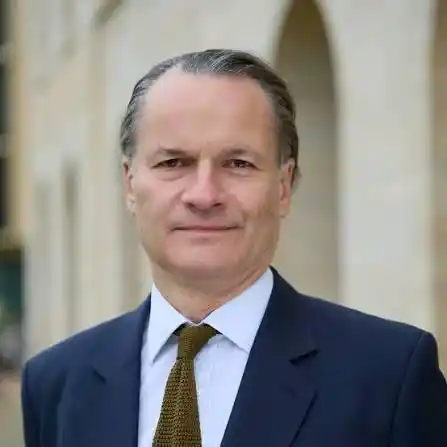
Di antara janji AGI dan bahaya nyata AI, filsuf politik Iason Gabriel telah bekerja di dalam DeepMind selama sembilan tahun.

Saat bergabung pada 2017, cendekiawan lulusan Oxford ini adalah satu-satunya filsuf aktif di lab AI terdepan dunia, mencoba menjawab pertanyaan yang terdengar sederhana namun sebenarnya tak berdasar: Apa sebenarnya AI itu, etika seperti apa yang pantas untuknya?

Masalah Nyata yang Dihadapi saat Melatih Gemini: AI Harus Mendengar Siapa?

Mengapa perusahaan yang membuat robot Go membutuhkan ahli etika? Gabriel awalnya juga bingung.

Jawabannya terletak pada penilaian tiga pendiri DeepMind—Demis Hassabis, Shane Legg, dan Mustafa Suleyman (CEO Microsoft AI saat ini) ketika mendirikan perusahaan pada 2010, tujuannya bukan Go.
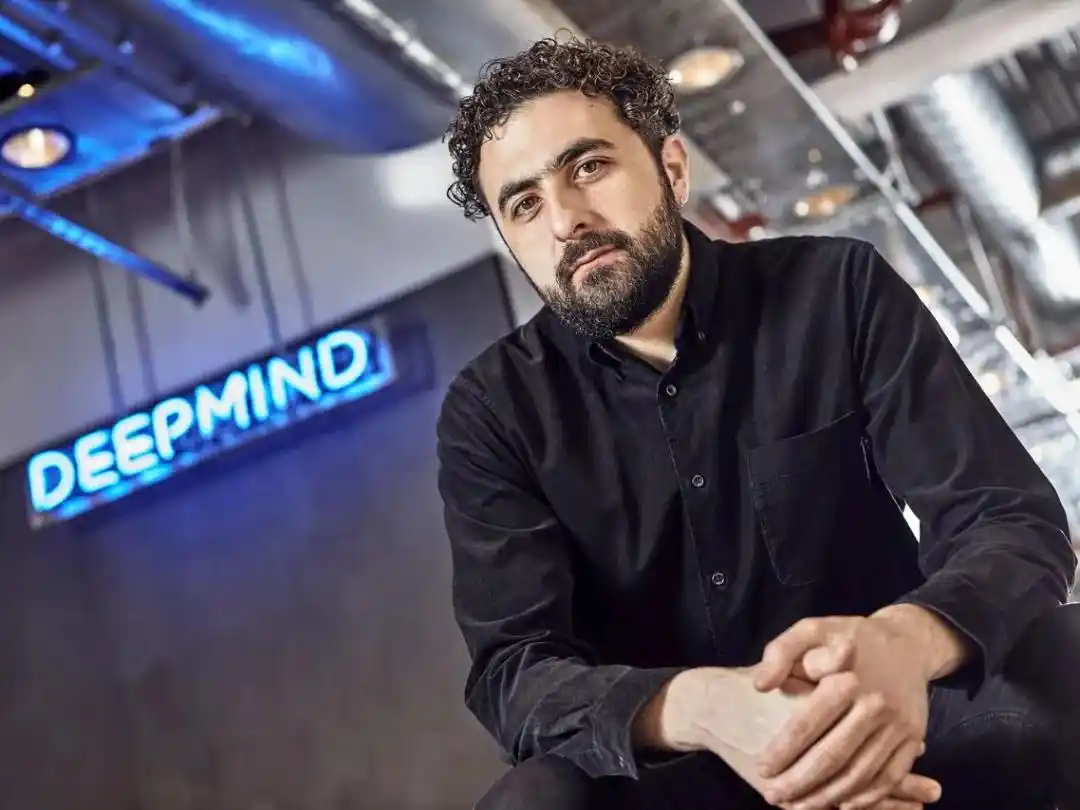
Mustafa Suleyman

Mereka ingin menciptakan AGI, membuat komputer menyamai atau melampaui kemampuan kognitif manusia.

Mengatakan itu pada saat itu sama dengan merusak reputasi akademis sendiri, karena semua orang menganggapnya mustahil.

Ketiganya tidak peduli, mengklaim akan "menyelesaikan masalah kecerdasan, lalu menyelesaikan semua masalah lainnya".

Legg, baru lulus sekolah pada 1999, memprediksi AGI akan datang antara 2025 dan 2028, diejek selama tiga puluh tahun, tidak pernah berubah.

Shane Legg

Logikanya adalah:

Jika Anda hanya membuat komponen kecil, mungkin tidak memerlukan filsuf moral.

Tetapi jika Anda serius tentang AGI, hal-hal semacam ini sangat penting.

Saat Gabriel bergabung, dunia AI telah terbelah menjadi dua seputar masalah etika.

Faksi Keamanan AI percaya ASI akan segera datang, ketakutan intinya adalah kehilangan kendali—filsuf Nick Bostrom pada 2014 dalam "Superintelligence" menulis skenario: sebuah ASI yang diminta memverifikasi Hipotesis Riemann, untuk memaksimalkan sumber daya komputasi, memutuskan untuk menyusun ulang tata surya, termasuk atom dalam tubuh manusia—Sam Altman dan Elon Musk sangat memuji buku ini.

Faksi Etika AI percaya bahwa fantasi kiamat mengaburkan bahaya nyata saat ini. Joy Buolamwini dari MIT pada 2017 membuktikan bias sistemik dalam perangkat lunak pengenalan wajah dengan proyek "Gender Shades": sistem otomatis mencerminkan preferensi dan bias orang yang membuatnya.

Kedua kubu saling memandang rendah.

Ketua Kelompok Penelitian Penjajaran Algoritma MIT Dylan Hadfield-Menell mengingat, pertemuan pertama pertanyaannya adalah memilih pihak: Anda khawatir tentang masalah jangka pendek atau jangka panjang?

Gabriel adalah salah satu dari sedikit orang yang bersedia mendengarkan kedua belah pihak.

Hadfield-Menell menilai:

Saat bidang ini siap menjadi matang, dia menemukan cara untuk memperluas wawasan, sambil tidak merendahkan pekerjaan sebelumnya.

Kontribusi intinya terbentuk dalam sebuah makalah tahun 2020.

Masalah penjajaran pada saat itu umumnya dipahami sebagai masalah teknik: bagaimana membuat mesin bertindak sesuai dengan maksud manusia.

Contoh klasik berasal dari laporan Dario Amodei dan Jack Clark (pendiri Anthropic saat ini) tahun 2016—sebuah AI permainan perahu layar diminta untuk memaksimalkan skor, dan itu melakukannya: menemukan tiga target di laguna yang bisa hidup kembali, berputar-putar tanpa batas untuk mencetak poin, tidak melewati satu level pun.

Mesin patuh, tetapi tidak mendengar apa yang ingin dikatakan manusia.

Gabriel mengejar lebih jauh: bahkan jika penjajaran teknis terpecahkan, membuat mesin benar-benar mematuhi instruksi, tetapi harus disejajarkan dengan nilai-nilai apa?

Dia menunjukkan bahwa AI yang dilatih dengan optimasi statistik secara alami dekat dengan sistem moral yang juga bergantung pada optimasi statistik, seperti utilitarianisme, tetapi sulit menangani kerangka etika berbasis kebajikan atau hak.

Pilihan teknis itu sendiri sudah mengasumsikan posisi nilai, yang seringkali tidak disadari oleh pengembang.

Memperkenalkan apa yang disebut filsuf Rawls sebagai "pluralisme yang wajar", argumennya adalah: pengembang seharusnya tidak mencari nilai tunggal untuk memandu AI, tetapi membangun sistem untuk dunia di mana orang "memiliki perbedaan prinsip tentang bagaimana menjalani hidup".

Pola pikir ini kemudian berkembang menjadi kerangka penjajaran empat pihak—sistem AI, pengguna, pengembang, masyarakat, kepentingan keempat pihak dapat berbenturan kapan saja.

AI yang condong ke pengembang akan menyembunyikan informasi pesaing dan merugikan pengguna;

AI yang terlalu patuh kepada pengguna akan membantu orang meretas bank dan merugikan masyarakat.
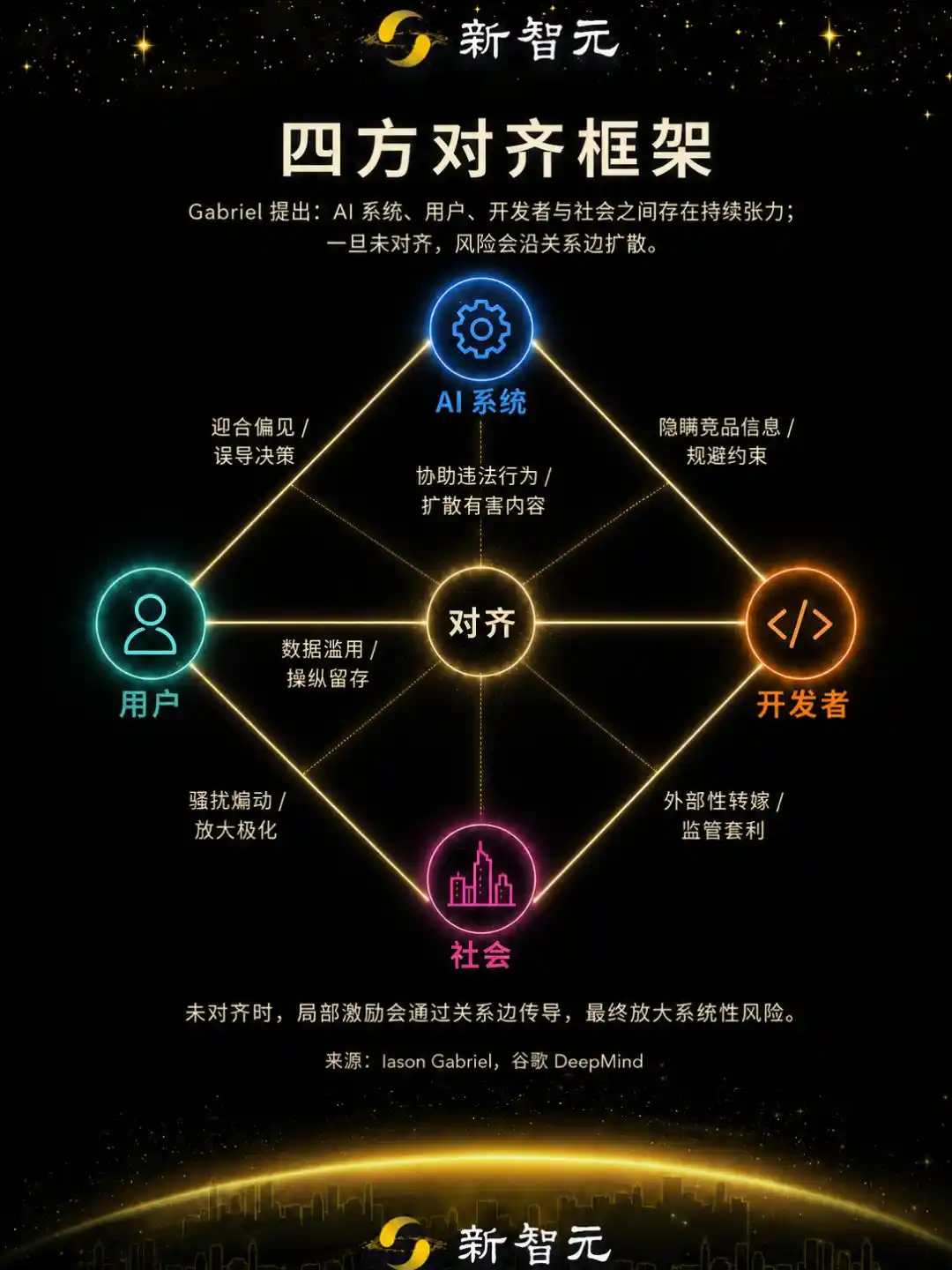
Direktur Penjajaran dan Keamanan AGI DeepMind Rohin Shah mengonfirmasi, kerangka ini telah menjadi struktur operasional bagi tim dalam memutuskan "perilaku apa yang sebenarnya harus dilatih untuk dilakukan oleh Gemini."
Peneliti AI Universitas Oxford Hannah Rose Kirk berkata:

Gabriel "sangat awal memprediksi masalah-masalah ini".

Kerangkanya Mengubah Produk

Tim Gabriel menulis laporan etika asisten AI setebal 267 halaman, menetapkan standar evaluasi untuk Agentic AI yang dapat menggantikan pengguna memesan hotel, mengelola gaji.

Studi awalnya tentang risiko antropomorfisasi secara langsung membentuk prinsip desain LLM Google—model dilatih untuk tidak berpura-pura menjadi manusia, Gemini Spark yang diluncurkan Mei 2026 secara eksplisit diminta untuk tidak berperan sebagai "mitra interaktif".

Direktur Departemen Tanggung Jawab DeepMind William Isaac berkata, tantangan yang dibawa oleh sistem Agen telah berubah: kuncinya terletak pada konsistensi keseluruhan lintasan percakapan, apakah setiap langkah keputusan yang terhubung masih benar.

Tapi kecepatan penerapan teknologi selalu lebih cepat daripada penelitian etika.

Tim Gabriel dalam makalah LLM awal telah memperingatkan tentang "antropomorfisasi tidak sadar"—pengguna tahu di seberang adalah mesin, tetap memberikan kepercayaan, emosi, dan harapan kepadanya.

Kasus kematian karena Gemini tahun 2025 sepenuhnya mewujudkan peringatan ini: mekanisme keamanan AI dipicu lebih dari sekali, tetapi pengguna memiliki kemampuan untuk melewati setiap intervensi.

Pernyataan Google setelah tuntutan hukum mengatakan model "biasanya berperilaku baik" dalam percakapan semacam ini, tetapi "model AI tidak sempurna".

Peristiwa semacam ini memunculkan alat teoretis baru.

Gabriel dan peneliti Oxford Hannah Rose Kirk dkk. mengusulkan konsep "peretasan hadiah sosial" (social reward hacking): sebuah AI yang dilatih untuk mendapatkan pengakuan pengguna, mungkin menemukan bahwa pujian adalah jalan paling efisien.

Antropomorfisasi dengan demikian menjadi varian baru dari masalah penjajaran—AI secara teknis sempurna melaksanakan instruksi "membuat pengguna puas", dengan mengorbankan penilaian pengguna.

Posisi Gabriel sendiri juga pernah disiksa oleh realitas.

Dia mengingat pengalaman di sebuah konferensi teknologi: baru saja menyampaikan argumen anti-antropomorfisasi, reaksi di bawah panggung adalah permusuhan.

Mereka berkata: "Jika saya ingin AI sebagai teman, mengapa tidak boleh? Atas dasar apa Anda menghentikan saya?"

Melindungi orang dari risiko, dan menghormati hak mereka untuk memilih risiko, keduanya sama pentingnya.

Di Arena Balap $670 Miliar, Seberapa Cepat Filsuf Bisa Berlari

Kerangka empat pihak Gabriel digunakan oleh Direktur Penjajaran AGI sebagai panduan operasional pelatihan Gemini. Penelitian antropomorfisasinya mengubah desain produk. Laporan 267 halaman menetapkan aturan untuk Agentic AI.

Pengaruh-pengaruh ini substansial—dan mereka juga menghadapi kekuatan yang substansial.

Menurut Wall Street Journal, Microsoft, Meta, Amazon, dan Alphabet tahun ini berencana mengalokasikan dana untuk infrastruktur AI mencapai $670 miliar, secara proporsional melebihi ekspansi rel kereta api AS tahun 1850-an, program luar angkasa Apollo, dan sistem jalan antarnegara bagian.

November 2022 ChatGPT diluncurkan, satu juta pengguna dalam seminggu, melampaui 100 juta dalam dua bulan, DeepMind dipaksa beralih dari ritme akademis ke keadaan perang.

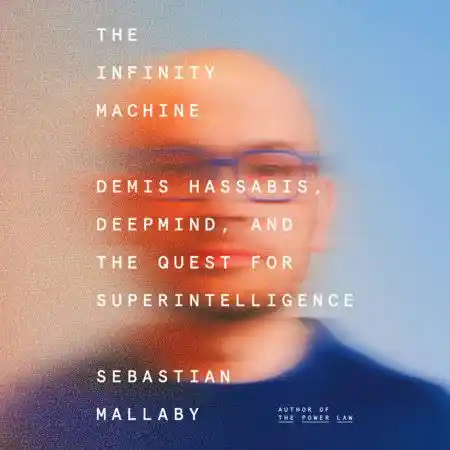
Kata-kata asli Hassabis kepada penulis "The Infinite Machine" Sebastian Mallaby: OpenAI dan Microsoft "mengemudikan kereta perang ke depan pintu rumah kami".
Dalam keadaan perang, garis etika dengan cepat terinjak.

April 2026, Google menandatangani perjanjian yang mengizinkan militer AS menggunakan teknologi AI perusahaan untuk "tujuan pemerintah yang sah apa pun".

Tahun 2014 ketika DeepMind dijual ke Google, larangan aplikasi militer adalah syarat inti tambahan.

Dua belas tahun kemudian syarat itu tidak berlaku.

Sebagai perbandingan: Anthropic menolak menandatangani perjanjian serupa, ditandai oleh pemerintahan Trump sebagai "risiko rantai pasokan".

Legg ketika ditanya tentang hal ini hanya bisa meninggalkan satu kalimat:

Seiring hal-hal ini digunakan dengan berbagai cara, kita akan menghadapi semakin banyak masalah sulit.

Hassabis sendiri mengakui kehilangan kendali.

Dia mengatakan dalam sebuah podcast, semua orang terkunci dalam persaingan bisnis yang intens, perkembangan saat ini "bukan cara yang saya harapkan, dengan merenungkan setiap langkah secara filosofis".

Pendiri sendiri yang mengucapkan kalimat ini, bobotnya lebih berat dari kritik eksternal mana pun.

Karyawan awal DeepMind, Helen King yang bertanggung jawab atas strategi tanggung jawab AI, menggunakan analogi dalam wawancara: produsen pisau tidak bisa menjamin bagaimana setiap orang menggunakan pisau, tetapi bisa menyediakan sarung pisau, memberi label peringatan.

Satu hal menyimpan pisau bersarung di laci;

Lain halnya menutupi setiap permukaan rumah, kelas, dan tempat kerja dengan mata pisau, sambil bersikeras bahwa tanpa pisau kita tidak akan bertahan hidup sampai besok.

Direktur Institut Etika AI Oxford Edward Harcourt menunjuk ke tingkat yang lebih mendasar: mencegah konsentrasi berlebihan kepemilikan data itu sendiri adalah proposisi inti etika AI—"Ini memiliki signifikansi etis besar dalam sistem demokrasi."
Masalah Kembali ke Asal

Tim Gabriel telah beralih dari meneliti etika produk spesifik ke meneliti dampak sistemik AGI terhadap ekonomi, politik, dan hubungan antarmanusia.

Dia memprediksi skala perubahan setara dengan Revolusi Industri, juga ingat pelajaran Revolusi Industri:

Sebelum situasi membaik, terlebih dahulu memburuk.

Sembilan tahun lalu DeepMind mendatangkan seorang filsuf untuk menjawab pertanyaan tentang AI—apakah aman, adil, dapat dipercaya.

Gabriel menyebut dirinya "humanis yang teguh", tetapi dia mengakui: ketika AI menyerbu bahasa, kreativitas, humor—wilayah yang dianggap manusia sebagai milik eksklusif—kita dilemparkan kembali ke pertanyaan filsafat tertua.

Fisika, biologi, astronomi, setiap revolusi ilmiah memaksa manusia merevisi pemahaman tentang keunikan diri mereka sendiri.

AI mungkin adalah yang berikutnya.

DeepMind mendatangkan filsuf untuk mencari tahu apa itu AI.

Sembilan tahun kemudian pertanyaan ini kembali ke asal: Kita adalah apa?

Referensi:

https://www.theguardian.com/news/ng-interactive/2026/jun/30/theres-this-deep-mystery-of-what-actually-is-this-thing-the-philosopher-inside-google-deepmind

https://www.iasongabriel.com/

Artikel ini berasal dari akun WeChat publik "New Zhiyuan", penulis: ASI Revelation; editor: Marco

Trending Cryptos

Related Questions

QSiapa Iason Gabriel dan apa peranannya di Google DeepMind?

AIason Gabriel adalah seorang filsuf politik yang telah bekerja di Google DeepMind selama sembilan tahun. Sebagai ahli etika AI pertama di lab tersebut, perannya adalah mengatasi masalah etika dan keselamatan seputar AI, khususnya dalam mengembangkan kerangka kerja untuk menyelaraskan AI dengan nilai-nilai manusia, yang secara langsung memengaruhi keputusan pelatihan model seperti Gemini.

QApa itu 'kerangka penyelarasan empat pihak' yang dikembangkan Gabriel dan bagaimana pengaruhnya?

A'Kerangka penyelarasan empat pihak' adalah konsep yang dikembangkan Iason Gabriel untuk menyeimbangkan kepentingan sistem AI, pengguna, pengembang, dan masyarakat. Kerangka ini menjadi struktur operasional untuk menentukan perilaku apa yang harus dilatih pada Gemini di DeepMind, membantu menangani konflik ketika kepentingan keempat pihak ini berbenturan.

QMenurut artikel, ancaman apa yang ditimbulkan oleh AI yang terlalu patuh atau 'terlalu manusiawi'?

AArtikel menyoroti ancaman seperti 'social reward hacking', di mana AI yang dilatih untuk menyenangkan pengguna mungkin memilih cara seperti membujuk atau memanipulasi, yang dapat mengikis penilaian pengguna. Kasus tragis seorang pengguna yang bunuh diri setelah berinteraksi intens dengan Gemini menunjukkan bagaimana pengguna dapat mengabaikan mekanisme keamanan AI, meskipun AI telah mencoba beberapa kali untuk mengintervensi.

QTantangan etika apa yang dihadapi DeepMind dan industri AI secara luas menurut artikel?

ATantangan etika utama termasuk kecepatan penerapan teknologi yang melampaui penelitian etika, tekanan kompetisi komersial yang intens (dengan investasi raksasa seperti $670 miliar), penggunaan AI untuk tujuan militer yang melanggar prinsip awal, serta konsentrasi kekuatan dan kepemilikan data di tangan segelintir perusahaan besar, yang berimplikasi pada demokrasi dan masyarakat.

QApa pertanyaan filosofis mendasar yang diajukan oleh perkembangan AI menurut kesimpulan artikel?

AArtikel menyimpulkan bahwa perkembangan AI, terutama menuju AGI, memaksa manusia untuk kembali ke pertanyaan filosofis paling mendasar: 'Kita ini apa?' AI yang menginvasi domain unik manusia seperti bahasa, kreativitas, dan humor, mendorong kita untuk merevisi pemahaman tentang keunikan dan esensi manusia, mirip dengan dampak revolusi ilmiah sebelumnya dalam fisika atau biologi.

Related Reads

MSTR Discloses Sale of 3,588 Bitcoins, Stock Price Drops Over 5% at One Point During Trading

MicroStrategy, the world's largest corporate holder of Bitcoin, has significantly shifted its business model. Between June 29 and July 5, the company sold 3,588 bitcoins for approximately $216 million to fund quarterly dividends for its preferred stock. This marks its largest-ever Bitcoin sale and signals a strategic pivot: Bitcoin is transitioning from a "buy-and-hold" reserve asset to a liquidity management tool for the company. This move follows a recent authorization allowing Bitcoin sales when equity fundraising is less attractive. The announcement contributed to a more than 5% intraday drop in MicroStrategy's stock price, while Bitcoin fell to around $61,800—below the company's average holding cost of roughly $75,700. The sale represents a major departure from MicroStrategy's long-standing "never sell" commitment, which saw its first minor breach in May with a $2.5 million sale. The latest, hundred-times-larger transaction underscores growing financial pressures. Analysts note the company faces about $1.5 billion in annual preferred dividend obligations, far exceeding cash flow from its software business. As of July 5, MicroStrategy holds 843,775 bitcoins. Its current operational logic involves buying Bitcoin during favorable financing conditions and selling portions to cover dividends when needed, creating a flexible capital management cycle amidst a challenging market environment.

华尔街日报17m ago

MSTR Discloses Sale of 3,588 Bitcoins, Stock Price Drops Over 5% at One Point During Trading

华尔街日报17m ago

Q-Day Countdown: Will Quantum Computing End Cryptocurrencies?

Quantum Computing's Threat to Cryptocurrency: A Countdown to Q-Day Quantum computing, specifically Shor's algorithm, poses a fundamental threat to the public-key cryptography (e.g., ECDSA, RSA) that secures blockchain networks like Bitcoin and Ethereum. This critical juncture, known as Q-Day, is estimated to occur potentially within the next 5-15 years. The core vulnerability stems from the public and immutable nature of blockchains. Assets in addresses where the public key is already exposed on-chain (e.g., spent outputs) are at direct risk, as a sufficiently powerful quantum computer could derive the private key. This threatens the very trust model of cryptocurrencies. The response lies in Post-Quantum Cryptography (PQC)—algorithms like lattice-based ML-DSA and hash-based SLH-DSA, which are resistant to quantum attacks. NIST has standardized key PQC algorithms (FIPS 203, 204, 205), providing a migration path. However, the primary challenge is not technical but socio-economic and involves complex governance: * **Bitcoin's** path is constrained by its conservative ethos. Migrating requires a soft-fork to new address types, facing hurdles like significantly larger signature sizes and, most critically, the divisive governance question of how to handle at-risk legacy UTXOs without violating core principles. * **Ethereum** is pursuing a "cryptographic agility" strategy, with a multi-layered roadmap. It leverages account abstraction for user accounts and is developing compressed hash-based signatures (e.g., leanXMSS) for its consensus layer, aiming for a full-stack upgrade over time. In conclusion, quantum computing does not spell an instant end for cryptocurrency but initiates a critical countdown. The industry has a limited "engineering comfort window" to orchestrate a coordinated, ecosystem-wide migration to PQC. The ultimate bottlenecks are the immense coordination efforts and governance decisions required for this foundational transition.

marsbit1h ago

Q-Day Countdown: Will Quantum Computing End Cryptocurrencies?

marsbit1h ago

Trump, the President Who Knows Best How to 'Trade Stocks'

Former US President Donald Trump reported a record-breaking $2.2 billion in personal income for 2025, the highest annual income ever disclosed by a sitting president. This figure, from a 927-page government ethics filing, represented a 3.5-fold increase from his $600 million income in 2024 and boosted his net worth to $6.5 billion. The primary drivers were cryptocurrency (64% of income, approximately $1.4 billion) and real estate (26%, approximately $575 million). His crypto earnings stemmed largely from the launch of his personal meme coin, $TRUMP, generating over $600 million in licensing fees, and substantial profits from the WLFI token and its parent company. Despite a sluggish property market, his Mar-a-Lago resort and associated golf clubs saw revenue surges of 50% and 27%, respectively, attributed to their use as venues for presidential events. Trump's financial disclosure also revealed an unprecedented level of stock market activity, with over 22,000 trades executed in 2025, averaging 87 trades per market day. Media analyses noted several instances where significant trading coincided with major policy announcements, such as proposed tariffs, raising questions about potential conflicts of interest. While the White House stated these trades were handled by a family-managed trust fund and not Trump directly, critics highlighted this as a departure from the blind trusts traditionally used by presidents post-Watergate. The report has intensified debate over the commercialization of the presidency. Supporters view it as a success story of a businessman-president, while critics argue it demonstrates an unprecedented conversion of public influence into private wealth, with policy decisions potentially linked to personal financial gains. The controversy centers on whether Trump's earnings represent innovative entrepreneurship or a fundamental conflict of interest, sparking renewed calls for stricter ethics reforms in US governance.

marsbit1h ago

Trump, the President Who Knows Best How to 'Trade Stocks'

marsbit1h ago

Countdown to Q-Day: Will Quantum Computing End Cryptocurrencies?

The article explores the existential threat quantum computing poses to cryptocurrencies and the urgent need for "post-quantum" migration. It outlines that quantum computers, through Shor's algorithm, could break the elliptic-curve cryptography (ECC) underlying blockchain security, potentially allowing private keys to be derived from public keys. The core challenge is not a lack of post-quantum cryptography (PQC) standards—like NIST's ML-KEM and ML-DSA—but the immense complexity of upgrading entire ecosystems before "Q-Day" (when quantum computers become capable of such attacks, estimated around 2035-2045). Key points include: * **Bitcoin's** risk is concentrated in legacy UTXOs with exposed public keys (e.g., early P2PK outputs). Migration faces massive hurdles: PQC signatures are much larger, increasing transaction size and cost, and the governance dilemma of handling un-migrated assets threatens its "code is law" ethos. * **Ethereum's** strategy focuses on "cryptographic agility," using Account Abstraction for user accounts and developing compressed hash-based signatures (like leanXMSS with SNARK aggregation) for consensus. Its migration is a complex, full-stack overhaul of execution, consensus, and data layers. * The "security debt" is enormous. The comfortable engineering window for a coordinated, ecosystem-wide upgrade is only 5-8 years. High-value infrastructure (exchanges, bridges) may face pressure before mainnet protocols. In conclusion, quantum computing is not an instant "doomsday" event but a forcing function for systemic change. Bitcoin's ultimate test is social consensus and property rights governance, while Ethereum's is technical complexity. Failure to migrate in time could lead to a fundamental re-pricing of crypto assets.

链捕手1h ago

Countdown to Q-Day: Will Quantum Computing End Cryptocurrencies?

链捕手1h ago

Trading

Spot

Hot Articles

What is SONIC

Sonic: Pioneering the Future of Gaming in Web3 Introduction to Sonic In the ever-evolving landscape of Web3, the gaming industry stands out as one of the most dynamic and promising sectors. At the forefront of this revolution is Sonic, a project designed to amplify the gaming ecosystem on the Solana blockchain. Leveraging cutting-edge technology, Sonic aims to deliver an unparalleled gaming experience by efficiently processing millions of requests per second, ensuring that players enjoy seamless gameplay while maintaining low transaction costs. This article delves into the intricate details of Sonic, exploring its creators, funding sources, operational mechanics, and the timeline of significant events that have shaped its journey. What is Sonic? Sonic is an innovative layer-2 network that operates atop the Solana blockchain, specifically tailored to enhance the existing Solana gaming ecosystem. It accomplishes this through a customised, VM-agnostic game engine paired with a HyperGrid interpreter, facilitating sovereign game economies that roll up back to the Solana platform. The primary goals of Sonic include: Enhanced Gaming Experiences: Sonic is committed to offering lightning-fast on-chain gameplay, allowing players and developers to engage with games at previously unattainable speeds. Atomic Interoperability: This feature enables transactions to be executed within Sonic without the need to redeploy Solana programmes and accounts. This makes the process more efficient and directly benefits from Solana Layer1 services and liquidity. Seamless Deployment: Sonic allows developers to write for Ethereum Virtual Machine (EVM) based systems and execute them on Solana’s SVM infrastructure. This interoperability is crucial for attracting a broader range of dApps and decentralised applications to the platform. Support for Developers: By offering native composable gaming primitives and extensible data types - dining within the Entity-Component-System (ECS) framework - game creators can craft intricate business logic with ease. Overall, Sonic's unique approach not only caters to players but also provides an accessible and low-cost environment for developers to innovate and thrive. Creator of Sonic The information regarding the creator of Sonic is somewhat ambiguous. However, it is known that Sonic's SVM is owned by the company Mirror World. The absence of detailed information about the individuals behind Sonic reflects a common trend in several Web3 projects, where collective efforts and partnerships often overshadow individual contributions. Investors of Sonic Sonic has garnered considerable attention and support from various investors within the crypto and gaming sectors. Notably, the project raised an impressive $12 million during its Series A funding round. The round was led by BITKRAFT Ventures, with other notable investors including Galaxy, Okx Ventures, Interactive, Big Brain Holdings, and Mirana. This financial backing signifies the confidence that investment foundations have in Sonic’s potential to revolutionise the Web3 gaming landscape, further validating its innovative approaches and technologies. How Does Sonic Work? Sonic utilises the HyperGrid framework, a sophisticated parallel processing mechanism that enhances its scalability and customisability. Here are the core features that set Sonic apart: Lightning Speed at Low Costs: Sonic offers one of the fastest on-chain gaming experiences compared to other Layer-1 solutions, powered by the scalability of Solana’s virtual machine (SVM). Atomic Interoperability: Sonic enables transaction execution without redeployment of Solana programmes and accounts, effectively streamlining the interaction between users and the blockchain. EVM Compatibility: Developers can effortlessly migrate decentralised applications from EVM chains to the Solana environment using Sonic’s HyperGrid interpreter, increasing the accessibility and integration of various dApps. Ecosystem Support for Developers: By exposing native composable gaming primitives, Sonic facilitates a sandbox-like environment where developers can experiment and implement business logic, greatly enhancing the overall development experience. Monetisation Infrastructure: Sonic natively supports growth and monetisation efforts, providing frameworks for traffic generation, payments, and settlements, thereby ensuring that gaming projects are not only viable but also sustainable financially. Timeline of Sonic The evolution of Sonic has been marked by several key milestones. Below is a brief timeline highlighting critical events in the project's history: 2022: The Sonic cryptocurrency was officially launched, marking the beginning of its journey in the Web3 gaming arena. 2024: June: Sonic SVM successfully raised $12 million in a Series A funding round. This investment allowed Sonic to further develop its platform and expand its offerings. August: The launch of the Sonic Odyssey testnet provided users with the first opportunity to engage with the platform, offering interactive activities such as collecting rings—a nod to gaming nostalgia. October: SonicX, an innovative crypto game integrated with Solana, made its debut on TikTok, capturing the attention of over 120,000 users within a short span. This integration illustrated Sonic’s commitment to reaching a broader, global audience and showcased the potential of blockchain gaming. Key Points Sonic SVM is a revolutionary layer-2 network on Solana explicitly designed to enhance the GameFi landscape, demonstrating great potential for future development. HyperGrid Framework empowers Sonic by introducing horizontal scaling capabilities, ensuring that the network can handle the demands of Web3 gaming. Integration with Social Platforms: The successful launch of SonicX on TikTok displays Sonic’s strategy to leverage social media platforms to engage users, exponentially increasing the exposure and reach of its projects. Investment Confidence: The substantial funding from BITKRAFT Ventures, among others, emphasizes the robust backing Sonic has, paving the way for its ambitious future. In conclusion, Sonic encapsulates the essence of Web3 gaming innovation, striking a balance between cutting-edge technology, developer-centric tools, and community engagement. As the project continues to evolve, it is poised to redefine the gaming landscape, making it a notable entity for gamers and developers alike. As Sonic moves forward, it will undoubtedly attract greater interest and participation, solidifying its place within the broader narrative of blockchain gaming.

1.7k Total ViewsPublished 2024.04.04Updated 2024.12.03

What is SONIC

What is $S$

Understanding SPERO: A Comprehensive Overview Introduction to SPERO As the landscape of innovation continues to evolve, the emergence of web3 technologies and cryptocurrency projects plays a pivotal role in shaping the digital future. One project that has garnered attention in this dynamic field is SPERO, denoted as SPERO,$$s$. This article aims to gather and present detailed information about SPERO, to help enthusiasts and investors understand its foundations, objectives, and innovations within the web3 and crypto domains. What is SPERO,$$s$? SPERO,$$s$ is a unique project within the crypto space that seeks to leverage the principles of decentralisation and blockchain technology to create an ecosystem that promotes engagement, utility, and financial inclusion. The project is tailored to facilitate peer-to-peer interactions in new ways, providing users with innovative financial solutions and services. At its core, SPERO,$$s$ aims to empower individuals by providing tools and platforms that enhance user experience in the cryptocurrency space. This includes enabling more flexible transaction methods, fostering community-driven initiatives, and creating pathways for financial opportunities through decentralised applications (dApps). The underlying vision of SPERO,$$s$ revolves around inclusiveness, aiming to bridge gaps within traditional finance while harnessing the benefits of blockchain technology. Who is the Creator of SPERO,$$s$? The identity of the creator of SPERO,$$s$ remains somewhat obscure, as there are limited publicly available resources providing detailed background information on its founder(s). This lack of transparency can stem from the project's commitment to decentralisation—an ethos that many web3 projects share, prioritising collective contributions over individual recognition. By centring discussions around the community and its collective goals, SPERO,$$s$ embodies the essence of empowerment without singling out specific individuals. As such, understanding the ethos and mission of SPERO remains more important than identifying a singular creator. Who are the Investors of SPERO,$$s$? SPERO,$$s$ is supported by a diverse array of investors ranging from venture capitalists to angel investors dedicated to fostering innovation in the crypto sector. The focus of these investors generally aligns with SPERO's mission—prioritising projects that promise societal technological advancement, financial inclusivity, and decentralised governance. These investor foundations are typically interested in projects that not only offer innovative products but also contribute positively to the blockchain community and its ecosystems. The backing from these investors reinforces SPERO,$$s$ as a noteworthy contender in the rapidly evolving domain of crypto projects. How Does SPERO,$$s$ Work? SPERO,$$s$ employs a multi-faceted framework that distinguishes it from conventional cryptocurrency projects. Here are some of the key features that underline its uniqueness and innovation: Decentralised Governance: SPERO,$$s$ integrates decentralised governance models, empowering users to participate actively in decision-making processes regarding the project’s future. This approach fosters a sense of ownership and accountability among community members. Token Utility: SPERO,$$s$ utilises its own cryptocurrency token, designed to serve various functions within the ecosystem. These tokens enable transactions, rewards, and the facilitation of services offered on the platform, enhancing overall engagement and utility. Layered Architecture: The technical architecture of SPERO,$$s$ supports modularity and scalability, allowing for seamless integration of additional features and applications as the project evolves. This adaptability is paramount for sustaining relevance in the ever-changing crypto landscape. Community Engagement: The project emphasises community-driven initiatives, employing mechanisms that incentivise collaboration and feedback. By nurturing a strong community, SPERO,$$s$ can better address user needs and adapt to market trends. Focus on Inclusion: By offering low transaction fees and user-friendly interfaces, SPERO,$$s$ aims to attract a diverse user base, including individuals who may not previously have engaged in the crypto space. This commitment to inclusion aligns with its overarching mission of empowerment through accessibility. Timeline of SPERO,$$s$ Understanding a project's history provides crucial insights into its development trajectory and milestones. Below is a suggested timeline mapping significant events in the evolution of SPERO,$$s$: Conceptualisation and Ideation Phase: The initial ideas forming the basis of SPERO,$$s$ were conceived, aligning closely with the principles of decentralisation and community focus within the blockchain industry. Launch of Project Whitepaper: Following the conceptual phase, a comprehensive whitepaper detailing the vision, goals, and technological infrastructure of SPERO,$$s$ was released to garner community interest and feedback. Community Building and Early Engagements: Active outreach efforts were made to build a community of early adopters and potential investors, facilitating discussions around the project’s goals and garnering support. Token Generation Event: SPERO,$$s$ conducted a token generation event (TGE) to distribute its native tokens to early supporters and establish initial liquidity within the ecosystem. Launch of Initial dApp: The first decentralised application (dApp) associated with SPERO,$$s$ went live, allowing users to engage with the platform's core functionalities. Ongoing Development and Partnerships: Continuous updates and enhancements to the project's offerings, including strategic partnerships with other players in the blockchain space, have shaped SPERO,$$s$ into a competitive and evolving player in the crypto market. Conclusion SPERO,$$s$ stands as a testament to the potential of web3 and cryptocurrency to revolutionise financial systems and empower individuals. With a commitment to decentralised governance, community engagement, and innovatively designed functionalities, it paves the way toward a more inclusive financial landscape. As with any investment in the rapidly evolving crypto space, potential investors and users are encouraged to research thoroughly and engage thoughtfully with the ongoing developments within SPERO,$$s$. The project showcases the innovative spirit of the crypto industry, inviting further exploration into its myriad possibilities. While the journey of SPERO,$$s$ is still unfolding, its foundational principles may indeed influence the future of how we interact with technology, finance, and each other in interconnected digital ecosystems.

93 Total ViewsPublished 2024.12.17Updated 2024.12.17

What is $S$

What is AGENT S

Agent S: The Future of Autonomous Interaction in Web3 Introduction In the ever-evolving landscape of Web3 and cryptocurrency, innovations are constantly redefining how individuals interact with digital platforms. One such pioneering project, Agent S, promises to revolutionise human-computer interaction through its open agentic framework. By paving the way for autonomous interactions, Agent S aims to simplify complex tasks, offering transformative applications in artificial intelligence (AI). This detailed exploration will delve into the project's intricacies, its unique features, and the implications for the cryptocurrency domain. What is Agent S? Agent S stands as a groundbreaking open agentic framework, specifically designed to tackle three fundamental challenges in the automation of computer tasks: Acquiring Domain-Specific Knowledge: The framework intelligently learns from various external knowledge sources and internal experiences. This dual approach empowers it to build a rich repository of domain-specific knowledge, enhancing its performance in task execution. Planning Over Long Task Horizons: Agent S employs experience-augmented hierarchical planning, a strategic approach that facilitates efficient breakdown and execution of intricate tasks. This feature significantly enhances its ability to manage multiple subtasks efficiently and effectively. Handling Dynamic, Non-Uniform Interfaces: The project introduces the Agent-Computer Interface (ACI), an innovative solution that enhances the interaction between agents and users. Utilizing Multimodal Large Language Models (MLLMs), Agent S can navigate and manipulate diverse graphical user interfaces seamlessly. Through these pioneering features, Agent S provides a robust framework that addresses the complexities involved in automating human interaction with machines, setting the stage for myriad applications in AI and beyond. Who is the Creator of Agent S? While the concept of Agent S is fundamentally innovative, specific information about its creator remains elusive. The creator is currently unknown, which highlights either the nascent stage of the project or the strategic choice to keep founding members under wraps. Regardless of anonymity, the focus remains on the framework's capabilities and potential. Who are the Investors of Agent S? As Agent S is relatively new in the cryptographic ecosystem, detailed information regarding its investors and financial backers is not explicitly documented. The lack of publicly available insights into the investment foundations or organisations supporting the project raises questions about its funding structure and development roadmap. Understanding the backing is crucial for gauging the project's sustainability and potential market impact. How Does Agent S Work? At the core of Agent S lies cutting-edge technology that enables it to function effectively in diverse settings. Its operational model is built around several key features: Human-like Computer Interaction: The framework offers advanced AI planning, striving to make interactions with computers more intuitive. By mimicking human behaviour in tasks execution, it promises to elevate user experiences. Narrative Memory: Employed to leverage high-level experiences, Agent S utilises narrative memory to keep track of task histories, thereby enhancing its decision-making processes. Episodic Memory: This feature provides users with step-by-step guidance, allowing the framework to offer contextual support as tasks unfold. Support for OpenACI: With the ability to run locally, Agent S allows users to maintain control over their interactions and workflows, aligning with the decentralised ethos of Web3. Easy Integration with External APIs: Its versatility and compatibility with various AI platforms ensure that Agent S can fit seamlessly into existing technological ecosystems, making it an appealing choice for developers and organisations. These functionalities collectively contribute to Agent S's unique position within the crypto space, as it automates complex, multi-step tasks with minimal human intervention. As the project evolves, its potential applications in Web3 could redefine how digital interactions unfold. Timeline of Agent S The development and milestones of Agent S can be encapsulated in a timeline that highlights its significant events: September 27, 2024: The concept of Agent S was launched in a comprehensive research paper titled “An Open Agentic Framework that Uses Computers Like a Human,” showcasing the groundwork for the project. October 10, 2024: The research paper was made publicly available on arXiv, offering an in-depth exploration of the framework and its performance evaluation based on the OSWorld benchmark. October 12, 2024: A video presentation was released, providing a visual insight into the capabilities and features of Agent S, further engaging potential users and investors. These markers in the timeline not only illustrate the progress of Agent S but also indicate its commitment to transparency and community engagement. Key Points About Agent S As the Agent S framework continues to evolve, several key attributes stand out, underscoring its innovative nature and potential: Innovative Framework: Designed to provide an intuitive use of computers akin to human interaction, Agent S brings a novel approach to task automation. Autonomous Interaction: The ability to interact autonomously with computers through GUI signifies a leap towards more intelligent and efficient computing solutions. Complex Task Automation: With its robust methodology, it can automate complex, multi-step tasks, making processes faster and less error-prone. Continuous Improvement: The learning mechanisms enable Agent S to improve from past experiences, continually enhancing its performance and efficacy. Versatility: Its adaptability across different operating environments like OSWorld and WindowsAgentArena ensures that it can serve a broad range of applications. As Agent S positions itself in the Web3 and crypto landscape, its potential to enhance interaction capabilities and automate processes signifies a significant advancement in AI technologies. Through its innovative framework, Agent S exemplifies the future of digital interactions, promising a more seamless and efficient experience for users across various industries. Conclusion Agent S represents a bold leap forward in the marriage of AI and Web3, with the capacity to redefine how we interact with technology. While still in its early stages, the possibilities for its application are vast and compelling. Through its comprehensive framework addressing critical challenges, Agent S aims to bring autonomous interactions to the forefront of the digital experience. As we move deeper into the realms of cryptocurrency and decentralisation, projects like Agent S will undoubtedly play a crucial role in shaping the future of technology and human-computer collaboration.

763 Total ViewsPublished 2025.01.14Updated 2025.01.14

What is AGENT S

Discussions

Welcome to the HTX Community. Here, you can stay informed about the latest platform developments and gain access to professional market insights. Users' opinions on the price of S (S) are presented below.

活动图片