Phân tích nóng | Bài đăng 'giá trị tình cảm nhất'! STRC có phải LUNA tiếp theo không?

Foresight NewsPublished on 2026-06-26Last updated on 2026-06-26

Abstract

**Tóm tắt bài viết bằng tiếng Việt:** Tuần này, thị trường tiền điện tử trải qua đợt giảm mạnh, khiến BTC mất hơn 20% trong tháng 6. Trên Reddit, một bài đăng với thông điệp "Hãy quên đi nỗi sợ, sự không chắc chắn và nghi ngờ (FUD)!" đã trở thành điểm tựa tinh thần, nơi cộng đồng chia sẻ tâm trạng và cổ vũ nhau "HODL" (giữ vững). Đáng chú ý, STRC - cổ phiếu ưu đãi vĩnh viễn của công ty MicroStrategy - đã mất neo, giảm khoảng 25% so với mệnh giá 100 USD. Nguyên nhân đến từ lo ngại về khả năng chi trả cổ tức 11.5%/năm của MicroStrategy, với khoản chi dự kiến lên tới 1.2 tỷ USD trong khi dự trữ tiền mặt chỉ khoảng 1.4 tỷ USD. Dù không giống với sự sụp đổ của LUNA vì không có nghĩa vụ pháp lý phải trả cổ tức, tình hình vẫn tiềm ẩn rủi ro nếu niềm tin vào cổ phiếu phổ thông MSTR bị ảnh hưởng. Một phân tích khác đi sâu vào 1.828 bài đăng của "Xuyên Mộc", một trader nổi tiếng từng biến 500 USD thành 1 triệu USD với ORDI và tiếp tục thành công trong chứng khoán. Bài phân tích chỉ ra chiến lược của anh ta là tìm hiểu các "nút thắt cổ chai" trong một xu hướng lớn (như AI) thay vì chỉ chọn mã cụ thể, giúp anh di chuyển vốn từ crypto sang cổ phiếu cơ sở hạ tầng AI như SK Hynix, Samsung, Marvell. Tuy nhiên, một số ý kiến cũng chỉ ra mặt trái, nghi ngờ về việc "kêu gọi đầu tư" một số tài sản rồi bán ra mà không thông báo, tạo nên hình ảnh mâu thuẫn. Tóm lại, tuần qua chứng kiến sự cổ vũ tinh thần giữa đám đông, những tính toán tài chính căng thẳng phía sau một loại tài sản, và những bà...


Tác giả: Nicky, Foresight News


Chào mừng trở lại với "Phân tích nóng", chuyên mục hàng tuần dẫn bạn quan sát những cảnh tượng "cổ vũ, thoát neo, bán lén" nổi tiếng trong thế giới crypto.


Tuần này có ba chuyện, lần lượt là "Các anh em Reddit khích lệ nhau trong thị trường gấu, STRC của Strategy có phải LUNA tiếp theo không, 1828 dòng tweet của một trader bị moi móc".


Bài đăng 'có giá trị tình cảm nhất' tháng này


Tháng 6, thị trường tiền mã hóa đón nhận một đợt giảm mạnh. BTC giảm hơn 20% trong tháng, phá vỡ mốc 60 nghìn USD, tâm lý thị trường một thời rơi xuống điểm đóng băng.
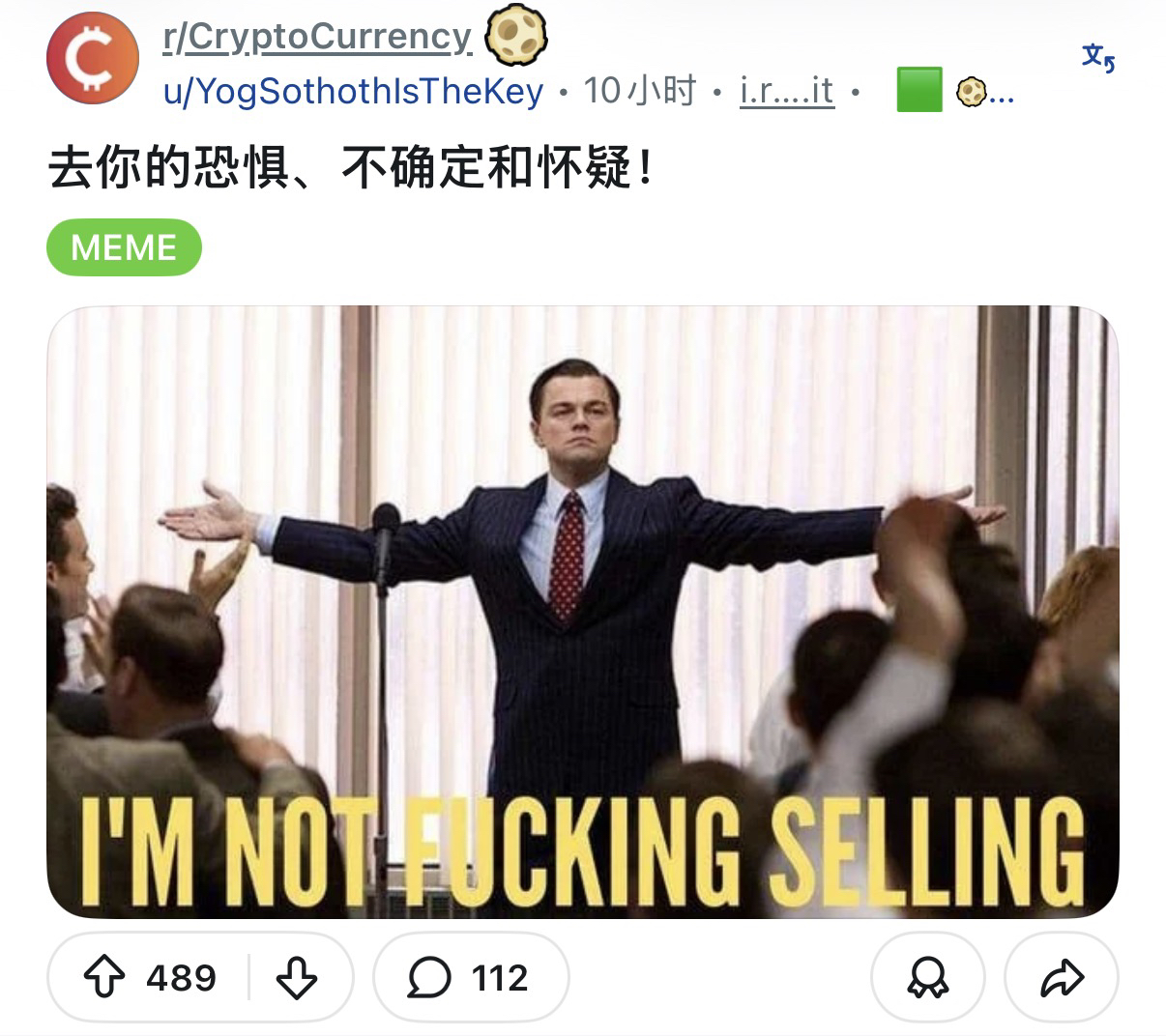


Trên diễn đàn Reddit CryptoCurrency, có người đăng một bài chỉ với một câu:


"Mẹ kiếp nỗi sợ, sự bất định và nghi ngờ!"


Phần bình luận ngay lập tức trở thành nơi giải tỏa cảm xúc của các nhà đầu tư nhỏ lẻ:


"FUD là dành cho tay mơ, bàn tay kim cương chỉ biết cúi đầu mua thêm."


Bình luận gay gắt: "Đây là bài đăng có giá trị tình cảm nhất tháng."
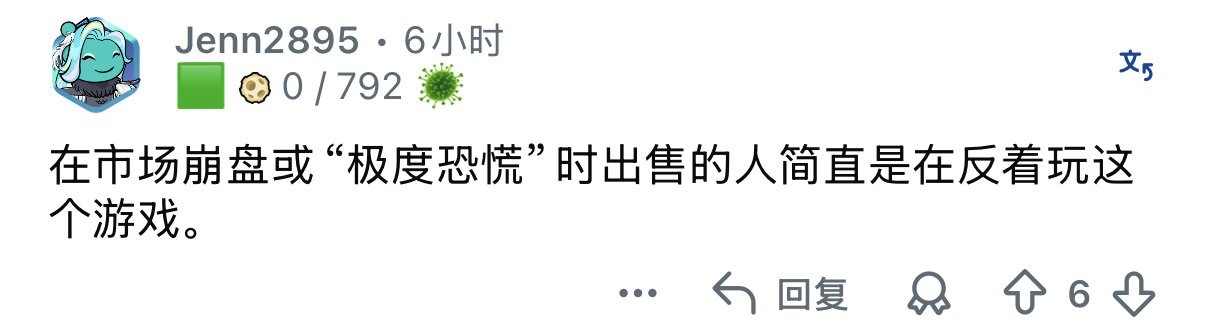


Người khác sợ hãi, tôi tham lam; người khác tham lam, tôi sợ hãi.



Xin kính trọng những người vẫn tiếp tục nắm giữ 🫡.
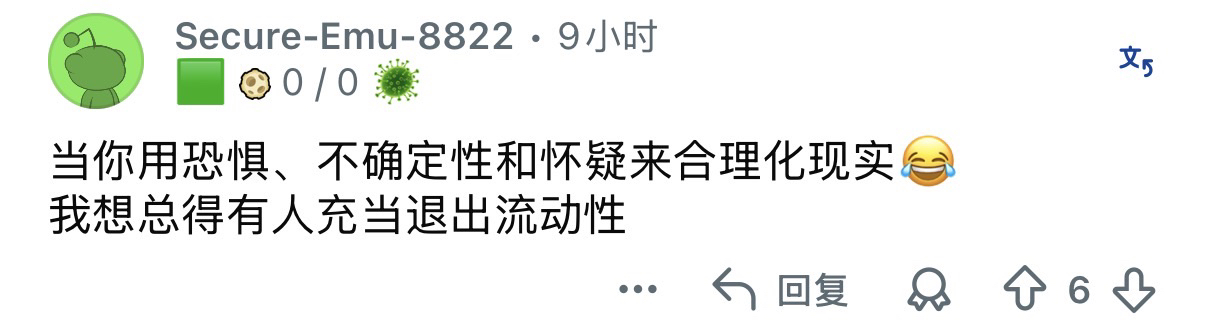


Ai sẽ đóng vai thanh khoản thoát ra đây 🤔?
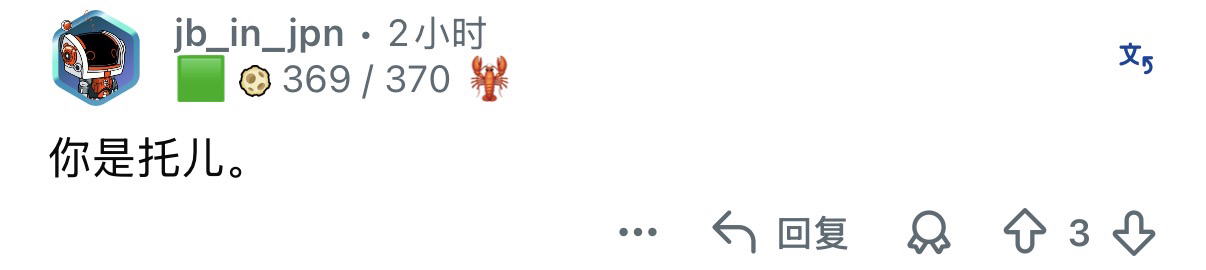


Những "cò mồi" nói với mọi người là đừng bán 🤣.
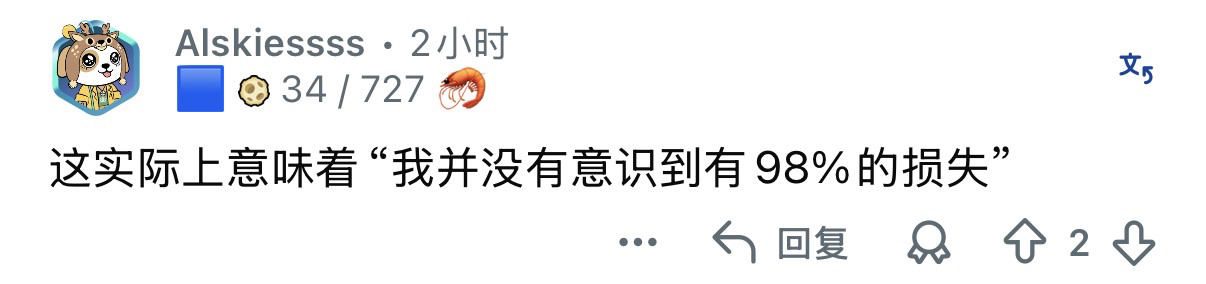


Không bán thì đều là "lỗ trên giấy" thôi 🥶.
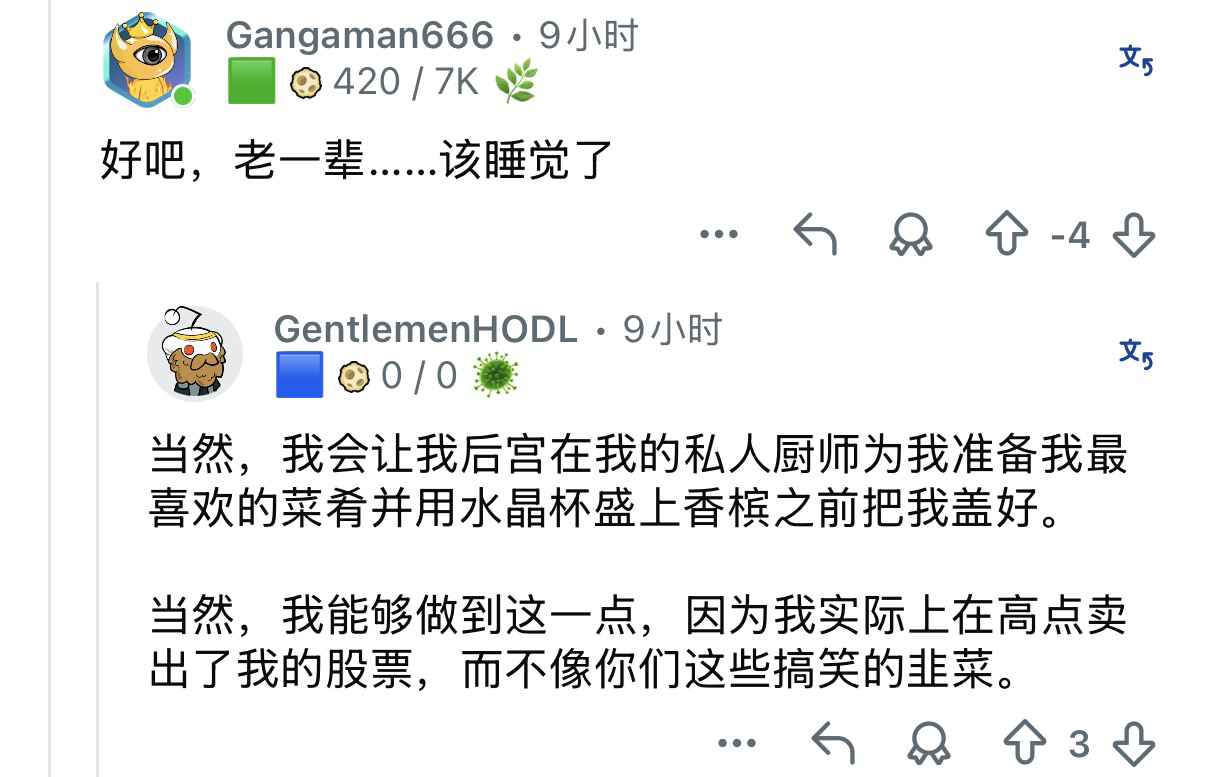


Vậy bán ở đỉnh thì có thể sống cuộc sống cao cấp không nhỉ 🤪?
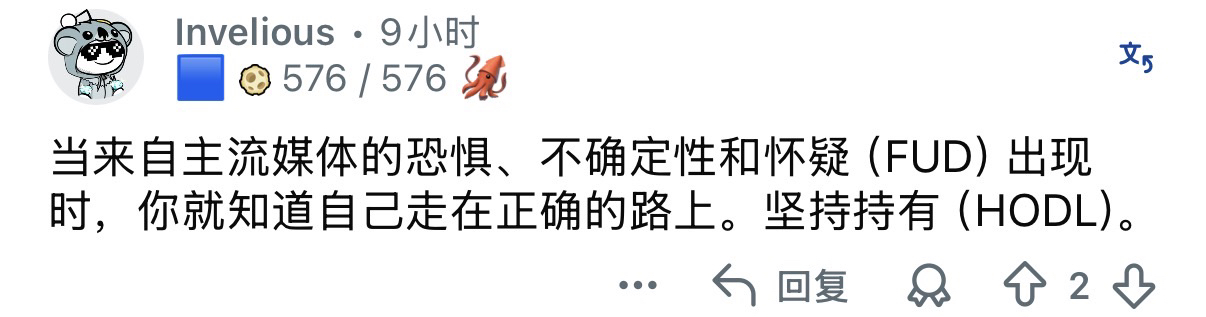


Kiên định nắm giữ (HODL)!
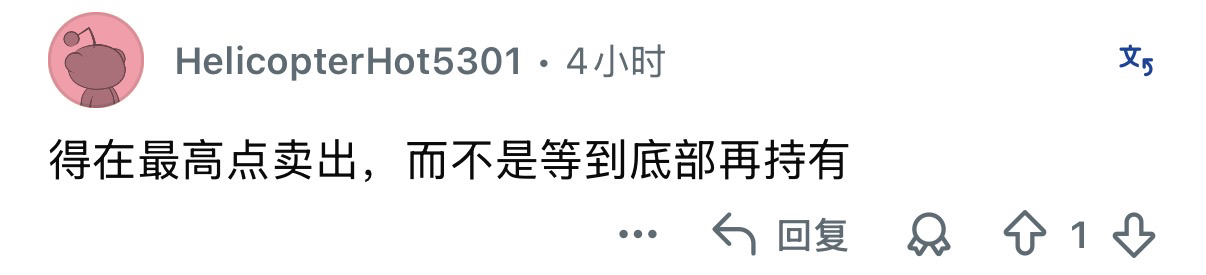


Bán ở đỉnh 📈, mua ở đáy 📉!
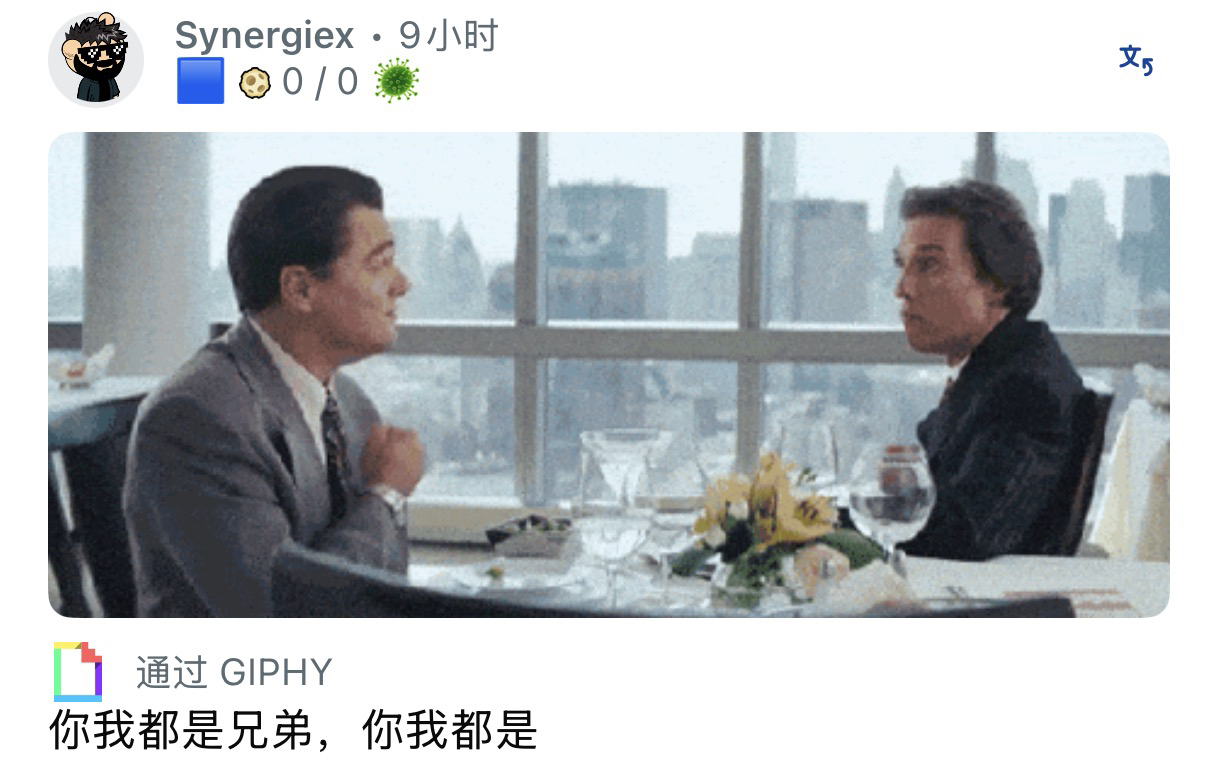


Chúng ta đều là huynh đệ tốt!


STRC thoát neo, có phải LUNA tiếp theo không?
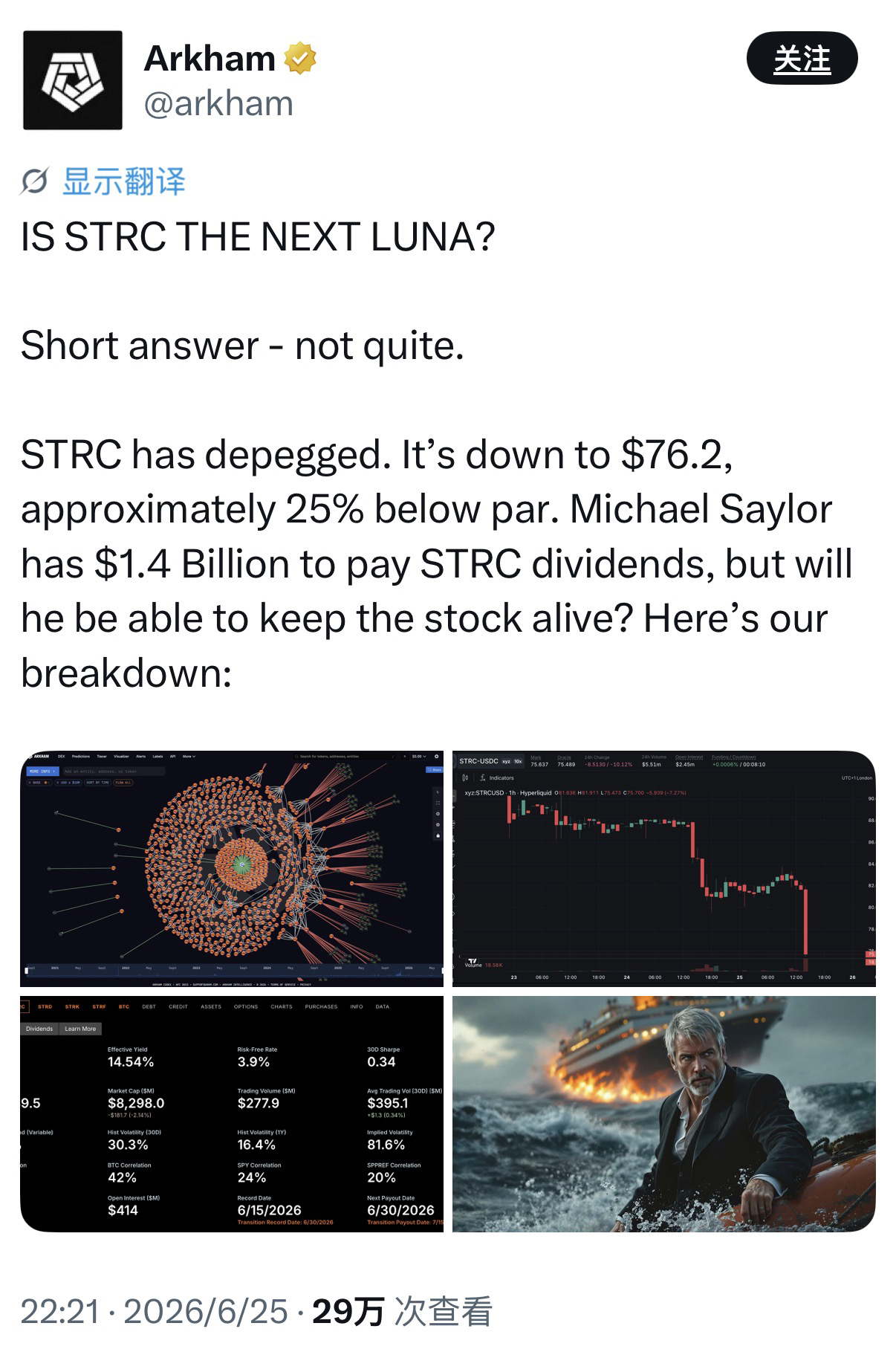


Tài khoản chính thức Arkham đã đăng bài vào ngày 25/6 đặt ra một câu hỏi nhạy cảm: "STRC có phải LUNA tiếp theo không?"


Câu trả lời là: Không hoàn toàn giống, nhưng vấn đề cũng không nhỏ.


Giải thích trước: STRC là cổ phiếu ưu đãi vĩnh viễn do công ty Strategy phát hành, mệnh giá 100 USD, trả cổ tức hàng năm 11.5%.
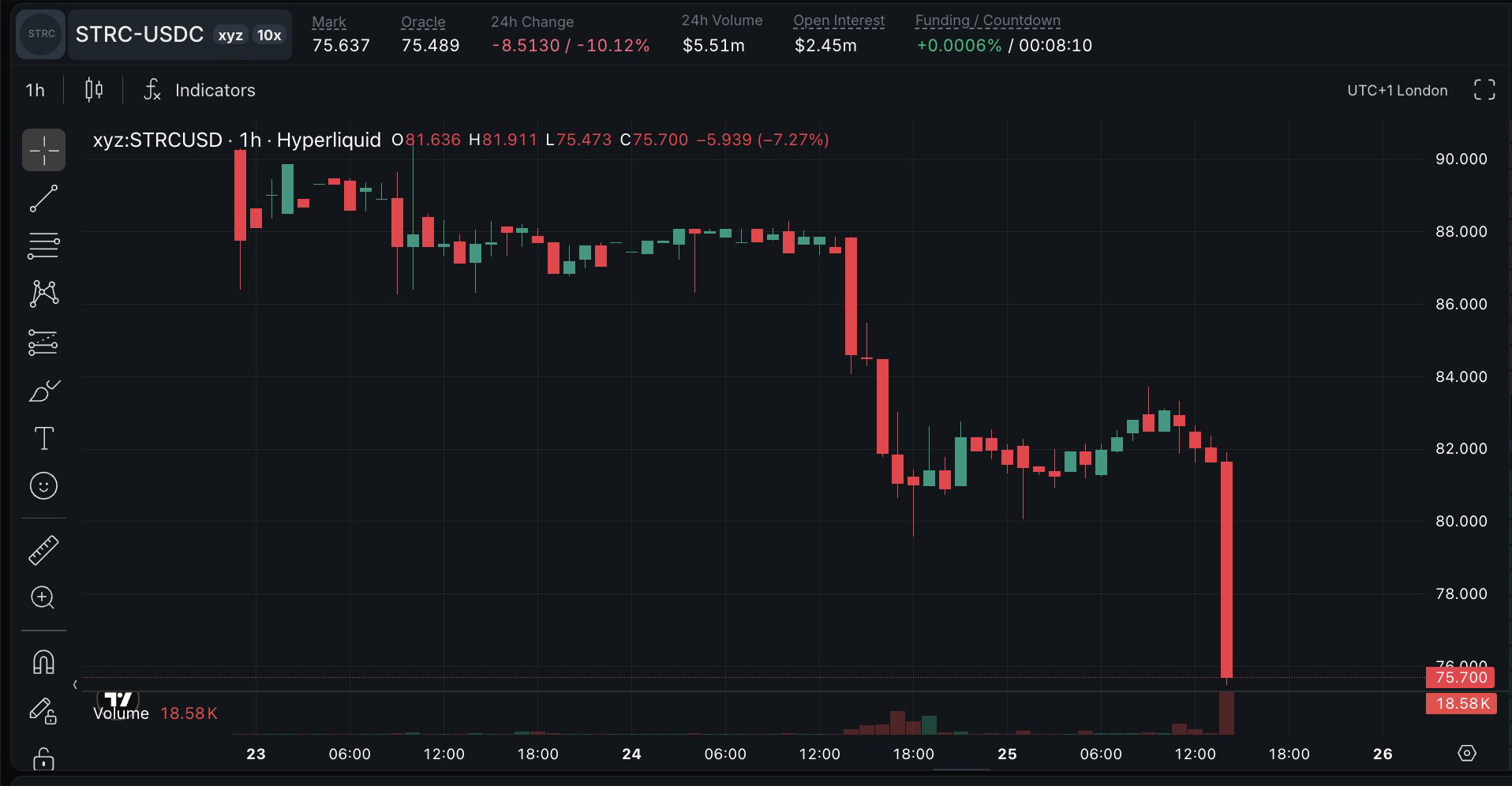


Hiện tại STRC đã giảm xuống khoảng 76.2 USD, chiết khấu khoảng 25% so với mệnh giá, tức là đã "thoát neo".


Tại sao giảm? Vì nhà đầu tư bắt đầu nghi ngờ: Saylor còn muốn và có khả năng tiếp tục bỏ ra 1.2 tỷ USD mỗi năm để trả cổ tức không?


Theo dữ liệu, STRC lưu hành khoảng 105 triệu cổ phiếu, chi trả cổ tức hàng năm khoảng 1.2 tỷ USD. Trong khi dự trữ USD của Strategy công bố hôm thứ Hai tuần này khoảng 1.4 tỷ USD, tức là đủ trả một năm, nhưng không đủ cho năm thứ hai.


Khác biệt then chốt: Saylor không có nghĩa vụ bắt buộc phải trả những khoản cổ tức này. Nếu ông ấy quyết định tạm ngừng chia cổ tức, STRC có thể tiếp tục giảm, nhưng bản thân Strategy sẽ không về zero trong một đêm như LUNA.


Tuy nhiên rủi ro vẫn ở phía sau: Nếu nhà đầu tư MSTR (cổ phiếu phổ thông của Strategy) phát hiện ra, tiền họ bỏ ra mua bị dùng để ưu tiên trả cổ tức cho cổ phiếu ưu đãi, họ có thể giảm mua MSTR.


Vậy rốt cuộc giá "đáy" là bao nhiêu nhỉ?



Biểu đồ k-line đã diễn tả "kết quả cuối cùng" rồi 📉.
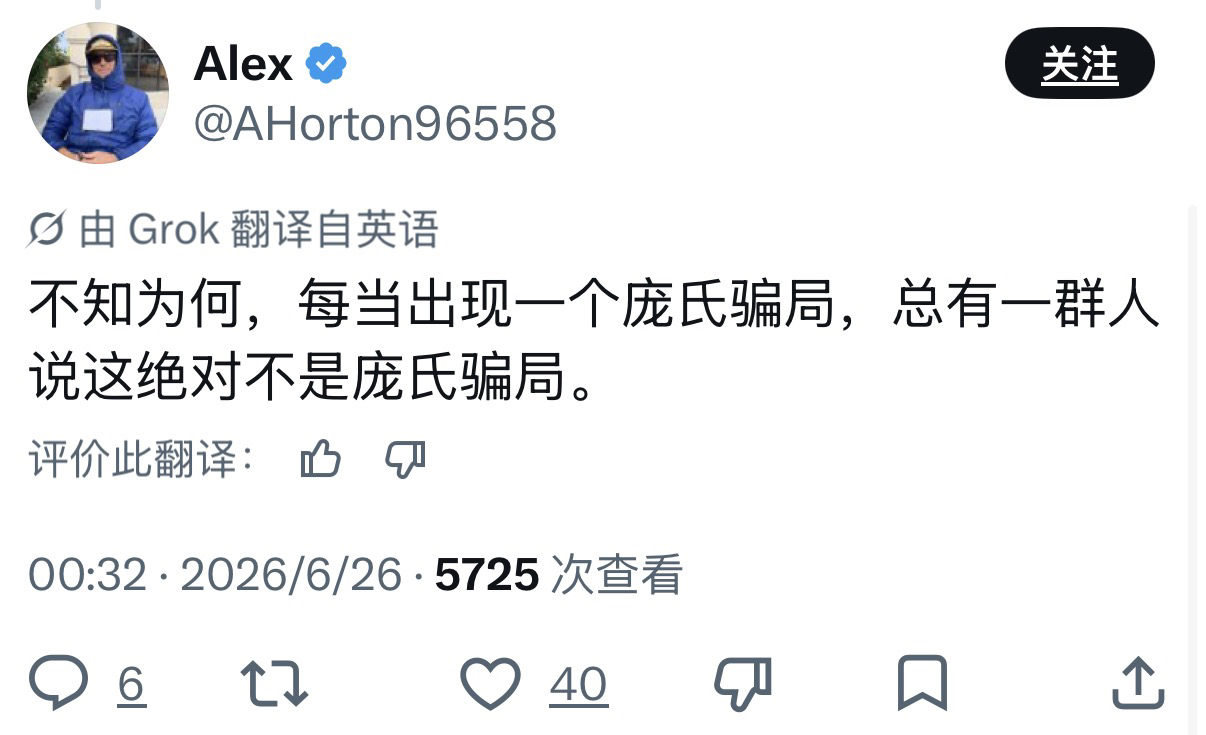


Có lẽ mọi người không muốn thừa nhận sự thật này 🫢.
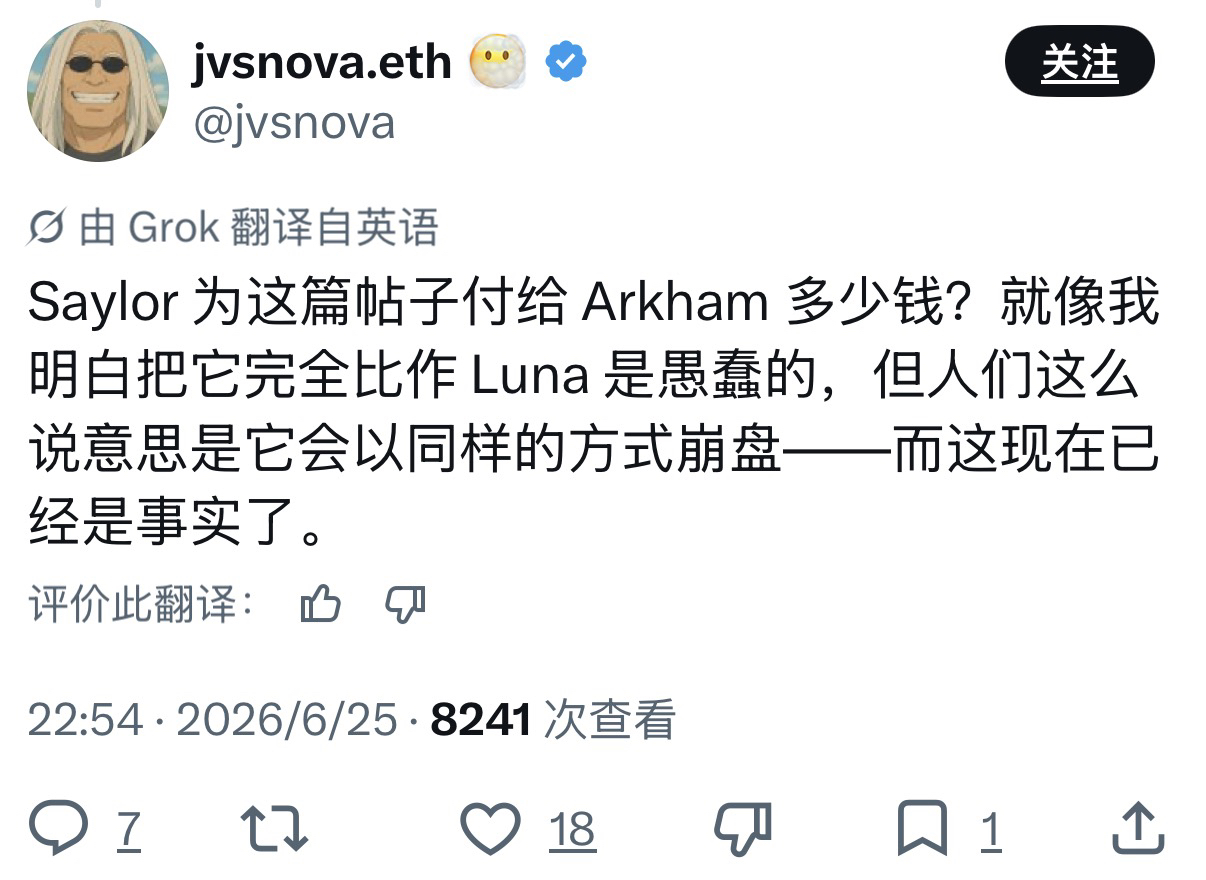


Saylor trả tiền là để nói với mọi người việc này khác với vụ sụp đổ LUNA à 😜?
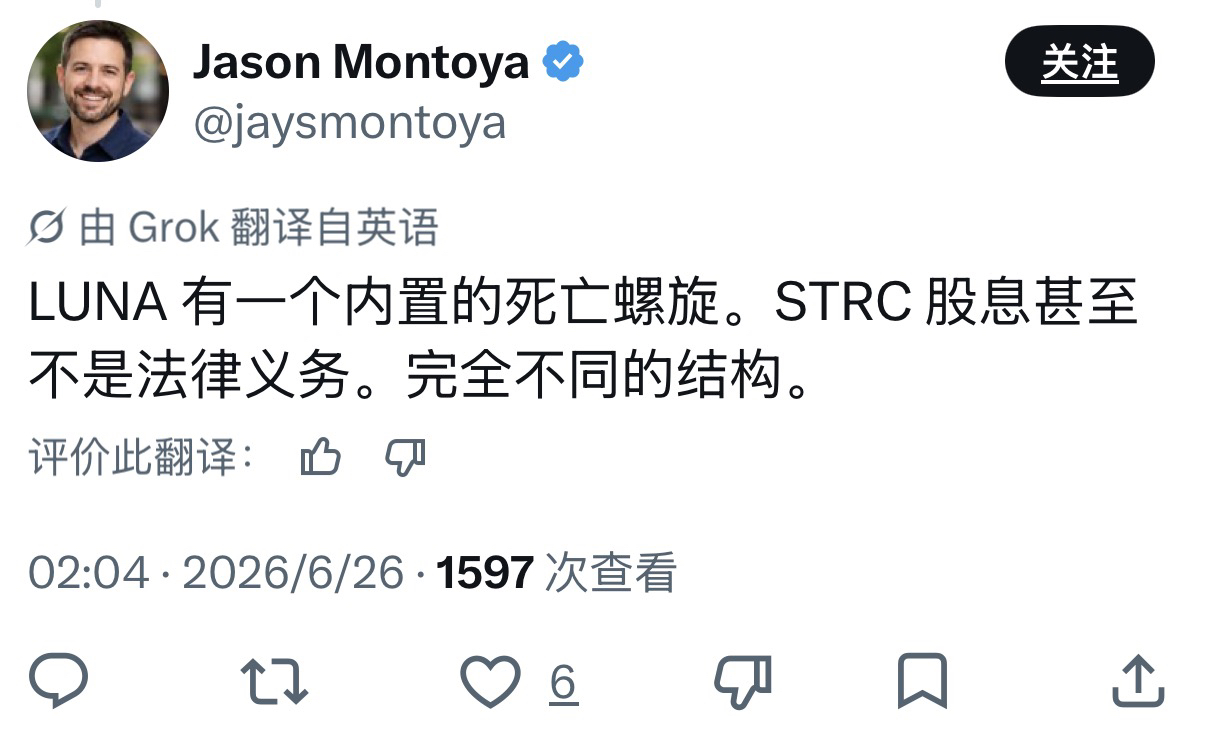


Vậy chúng ta có cần lo lắng không 🙂↕️?
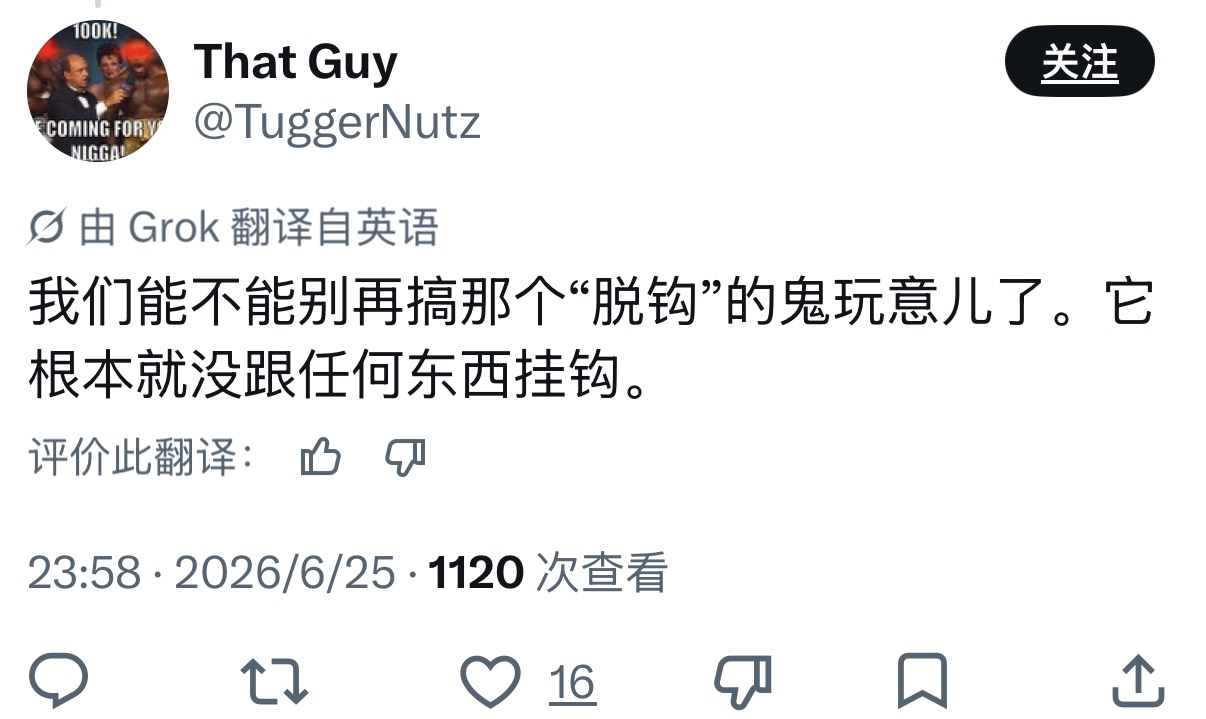


Chỉ là thị trường quyết định giá thôi mà 🧐.
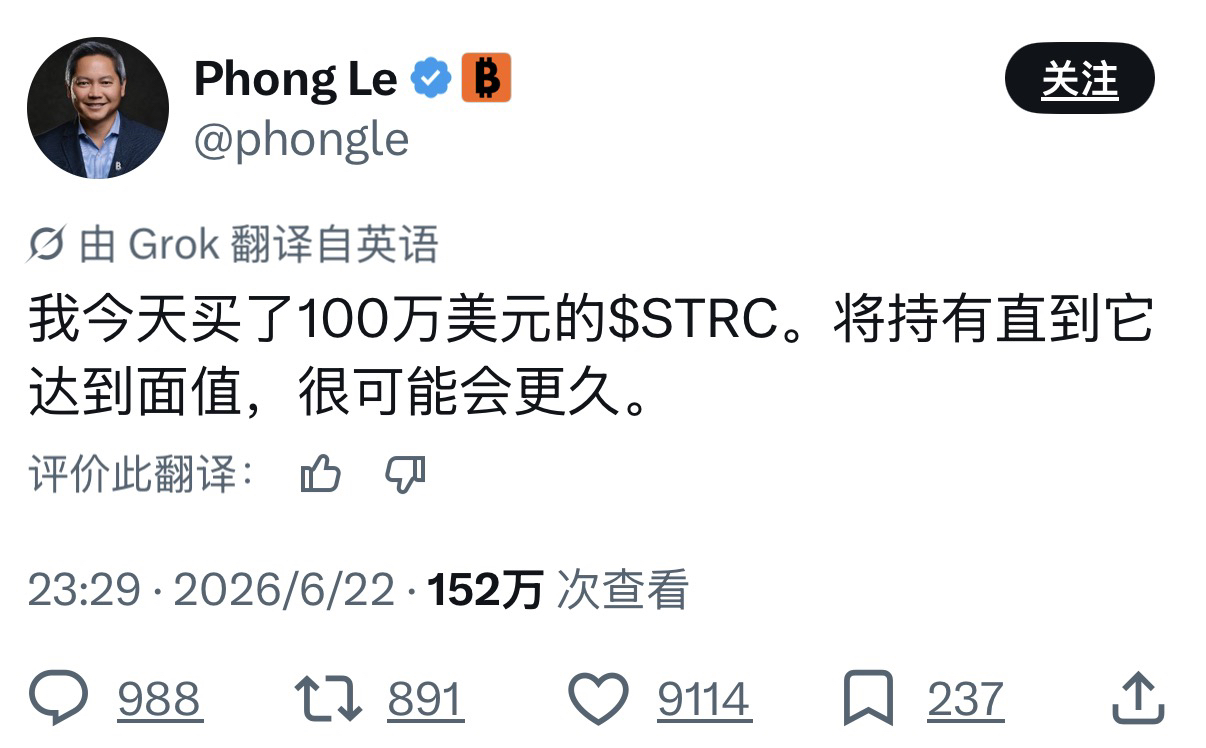


CEO Strategy Phong Le vào ngày 22/6 cho biết đã mua STRC trị giá 1 triệu USD.
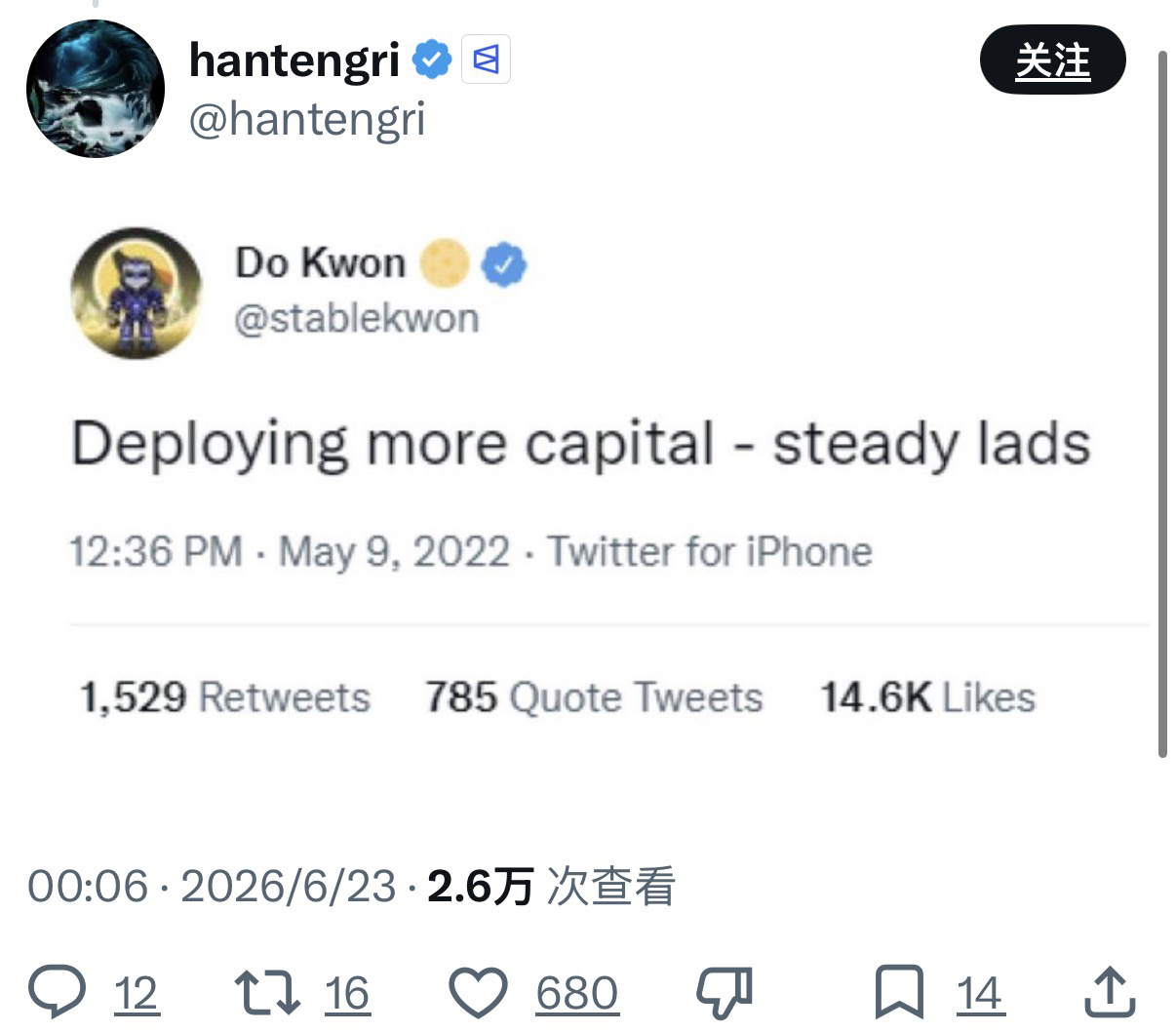


Trùng hợp là, "đang triển khai thêm vốn, ổn định", người sáng lập Luna Do Kwon cũng từng tweet thể hiện quan điểm tương tự 😅.
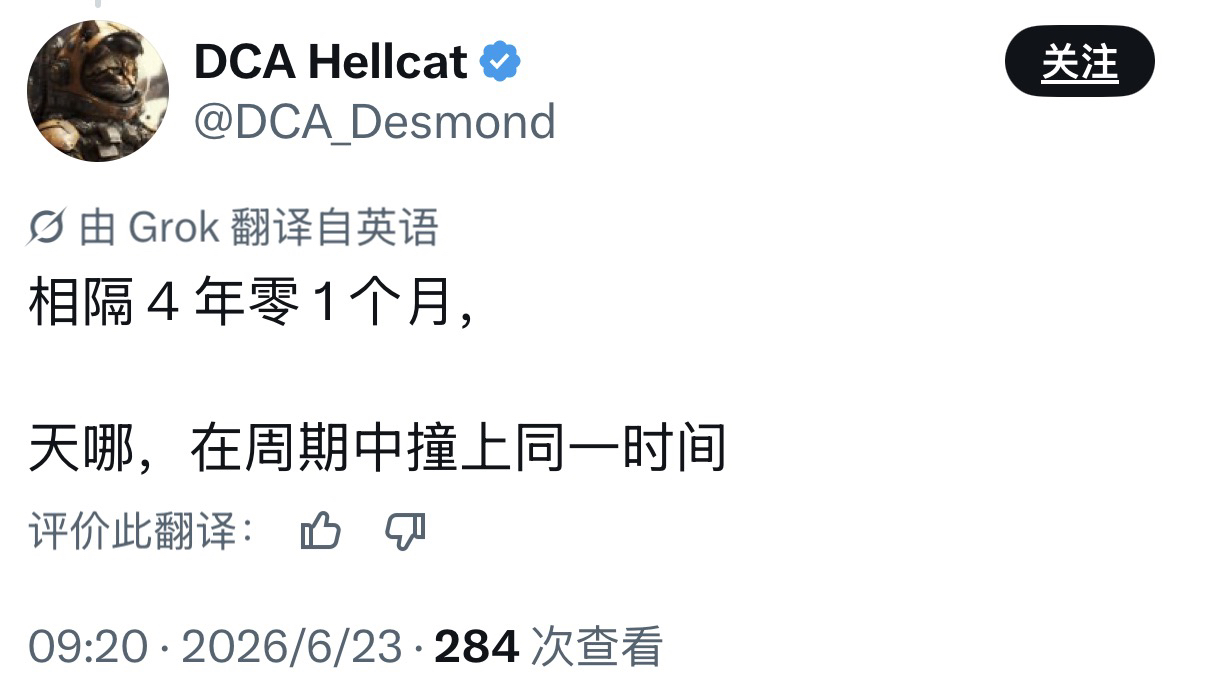


Hiện tại cách vụ sụp đổ LUNA đúng tròn 4 năm 1 tháng. Tuy nhiên so với LUNA, STRC ít nhất còn có một công ty thực sự bằng tiền thật đứng đằng sau.


1828 dòng tweet của Xuyên Mộc bị moi, lại lộ ra "hình tượng mâu thuẫn"


Có blogger làm một bài phân tích sâu, tiêu đề rất thẳng thắn: "Tôi moi 1828 dòng tweet của Xuyên Mộc"
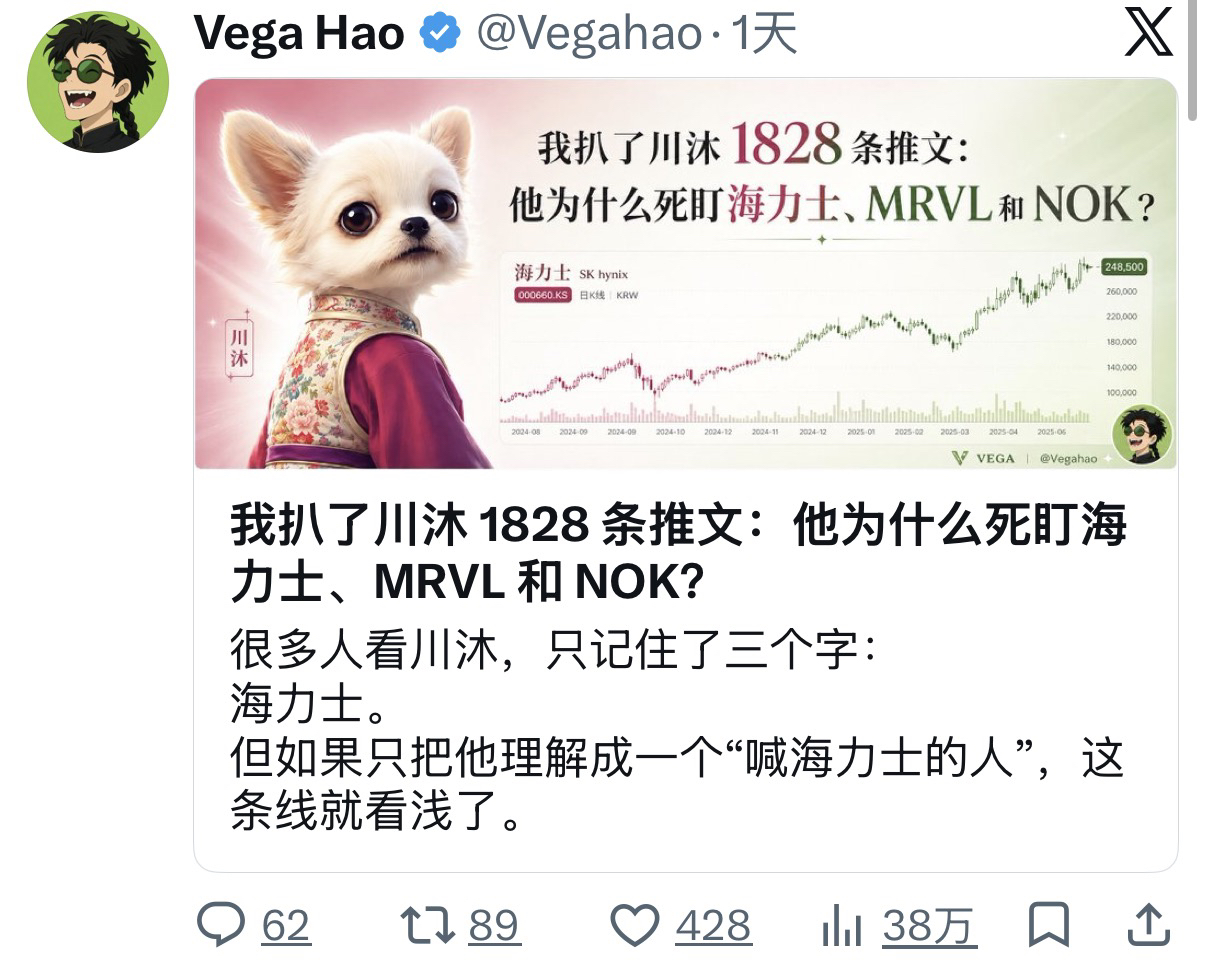


Xuyên Mộc là ai? Trong đợt tăng ORDI inscriptions năm 2023, từ 500 USD vốn ban đầu làm lên 1 triệu USD.


Năm 2025 crypto giảm mạnh, anh ta lại short một rổ altcoin, từ 10 nghìn USD lên 1 triệu USD trong một tháng.


Tháng 10/2025 công khai rời khỏi thị trường Crypto, né chính xác đợt giảm lớn, chuyển sang thị trường Hồng Kông / Mỹ / A-shares. SK Hynix, Samsung, MRVL, NOK... trúng nhiều cổ phiếu tăng mạnh, tài khoản chứng khoán vượt trăm triệu.


Tác giả bài viết thông qua phân tích các dòng tweet phát hiện, điều thực sự giỏi của Xuyên Mộc là cách đặt câu hỏi truy vấn của anh ta: Trong làn sóng AI, ứng dụng cuối là ai? Hạ tầng là ai? Nút thắt cổ chai chuỗi cung ứng là ai? Ai khó mở rộng sản xuất nhất? Ai bị thị trường định giá sai?


Anh ta không hỏi "cổ phiếu nào sẽ tăng" trước, mà hỏi "toàn bộ hệ thống sẽ kẹt ở đâu" trước.


Theo logic này, mạch chủ đạo của anh ta cũng di chuyển liên tục: Mùa hè 2025 vẫn làm crypto mapping trên thị trường Mỹ (MSTR, SBET, CRCL); Cuối 2025 chuyển sang manh mối sớm của hạ tầng AI (Micron, LITE); Đầu 2026 all-in Hynix, Samsung, tức là khâu thắt cổ AI storage khó nhất; Tháng 5/2026, mở rộng thêm sang chân trái storage (DRAM), chân phải optical communication (MRVL phụ trách chip-in optical interconnect, NOK phụ trách chip-out long-distance optical communication).


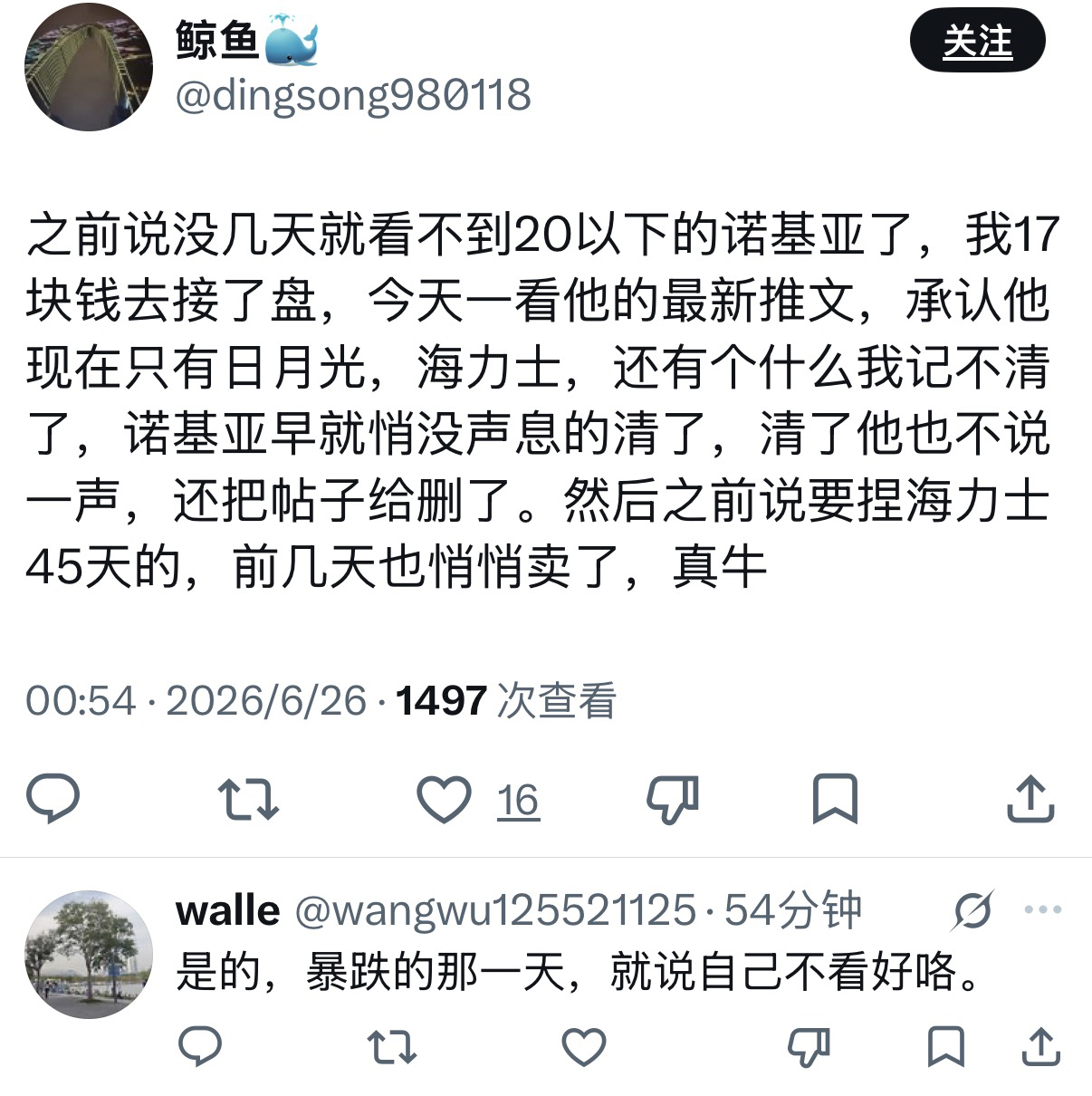
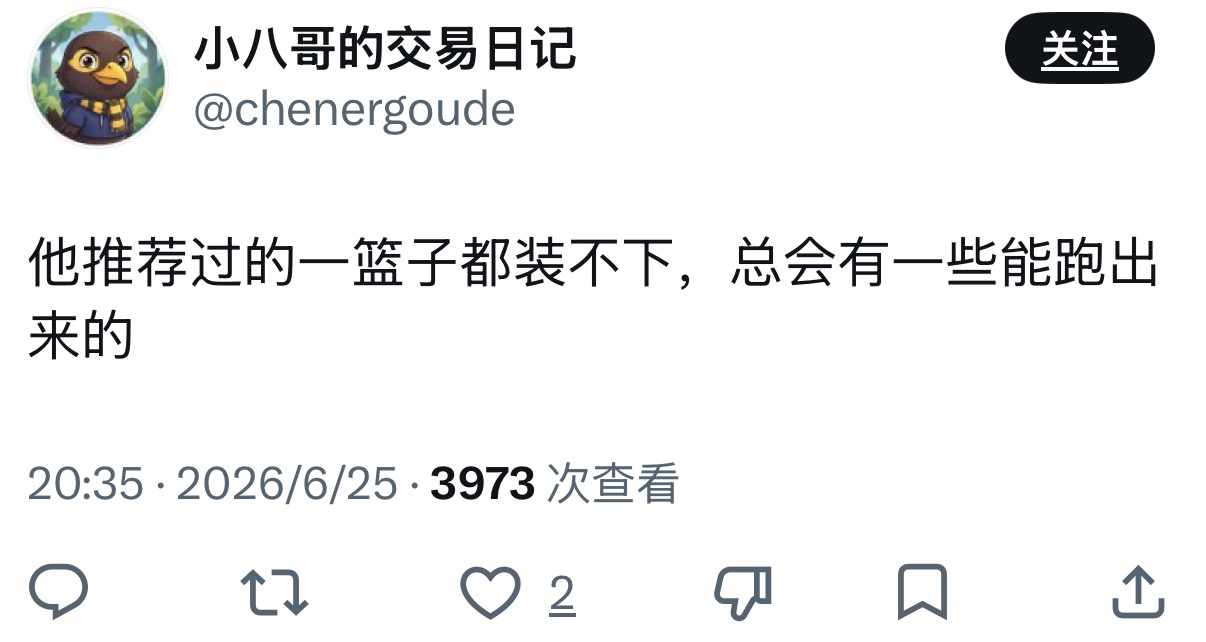
Nhưng cũng có netizen đặt nghi vấn với Xuyên Mộc, một số coin Xuyên Mộc từng call đã tạo ra đợt "gặt hái" sau đó. Đồng thời từng nói sẽ nắm giữ một thời gian một số cổ phiếu nhưng lại bán giữa chừng, trong khi netizen "follow trade" mua vào lại không hề hay biết 🥹.
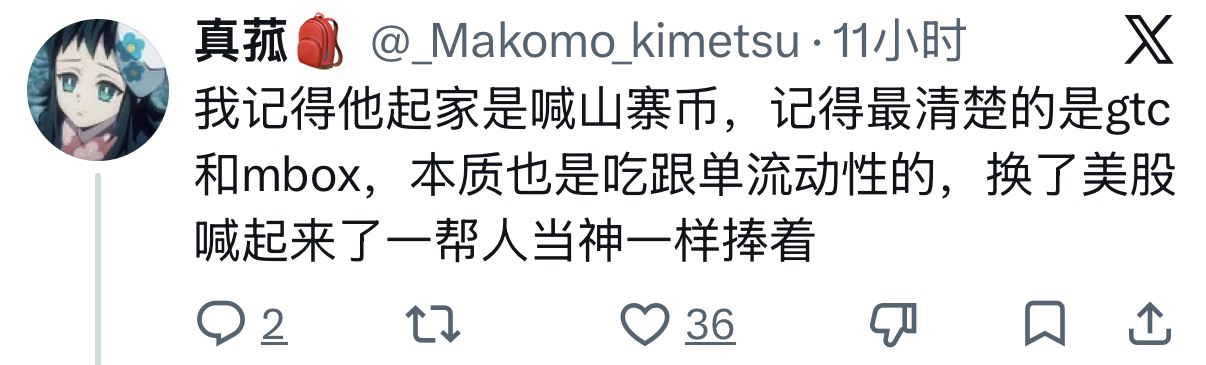


Vậy thành công rồi tự nhiên sẽ có "đại nho biện kinh" cho mình à 🫢?
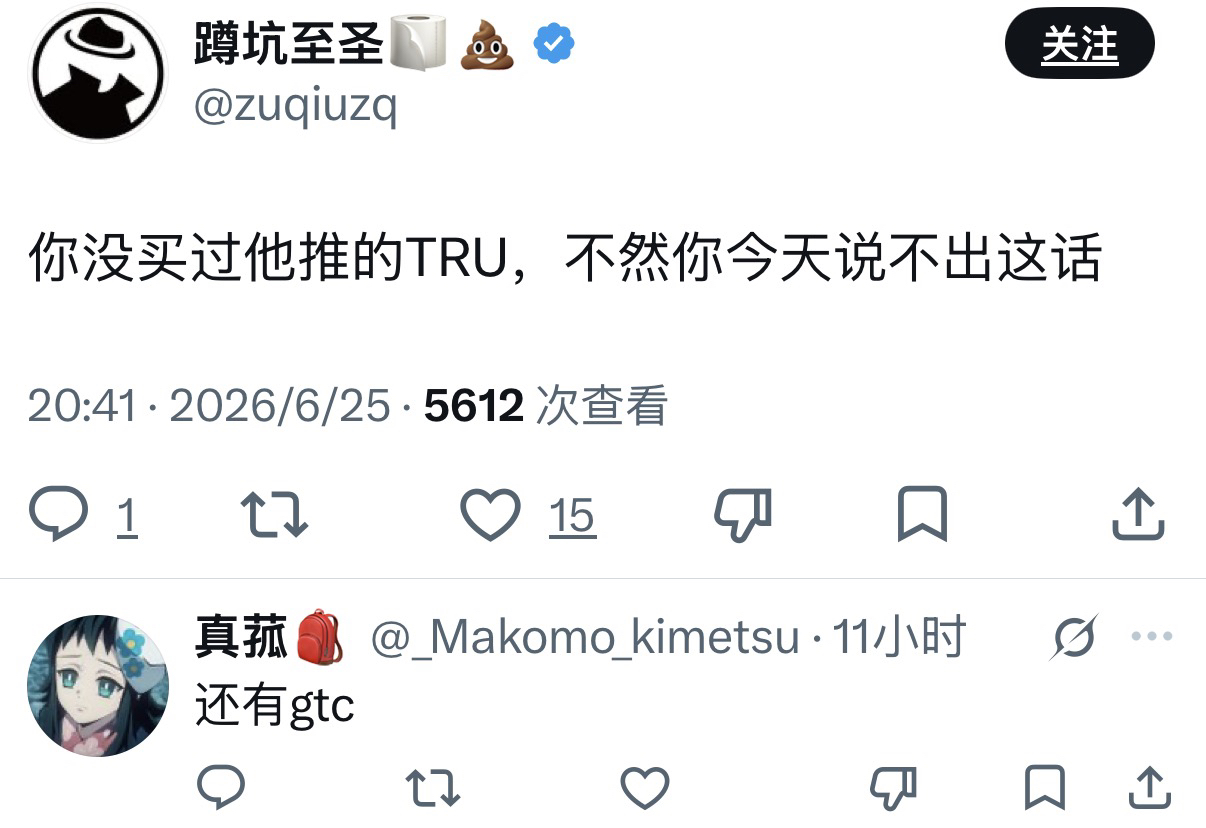


Người trải qua mới có quyền phát ngôn.


</p

"Call coin" trở thành một trò chơi xác suất 🎲.
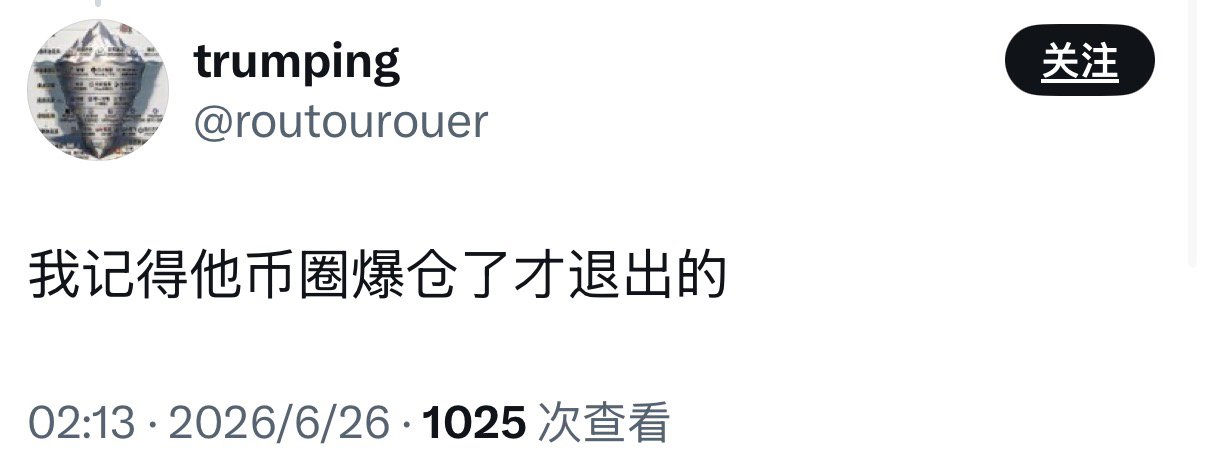


Đằng sau đều là câu chuyện máu và nước mắt 😭.
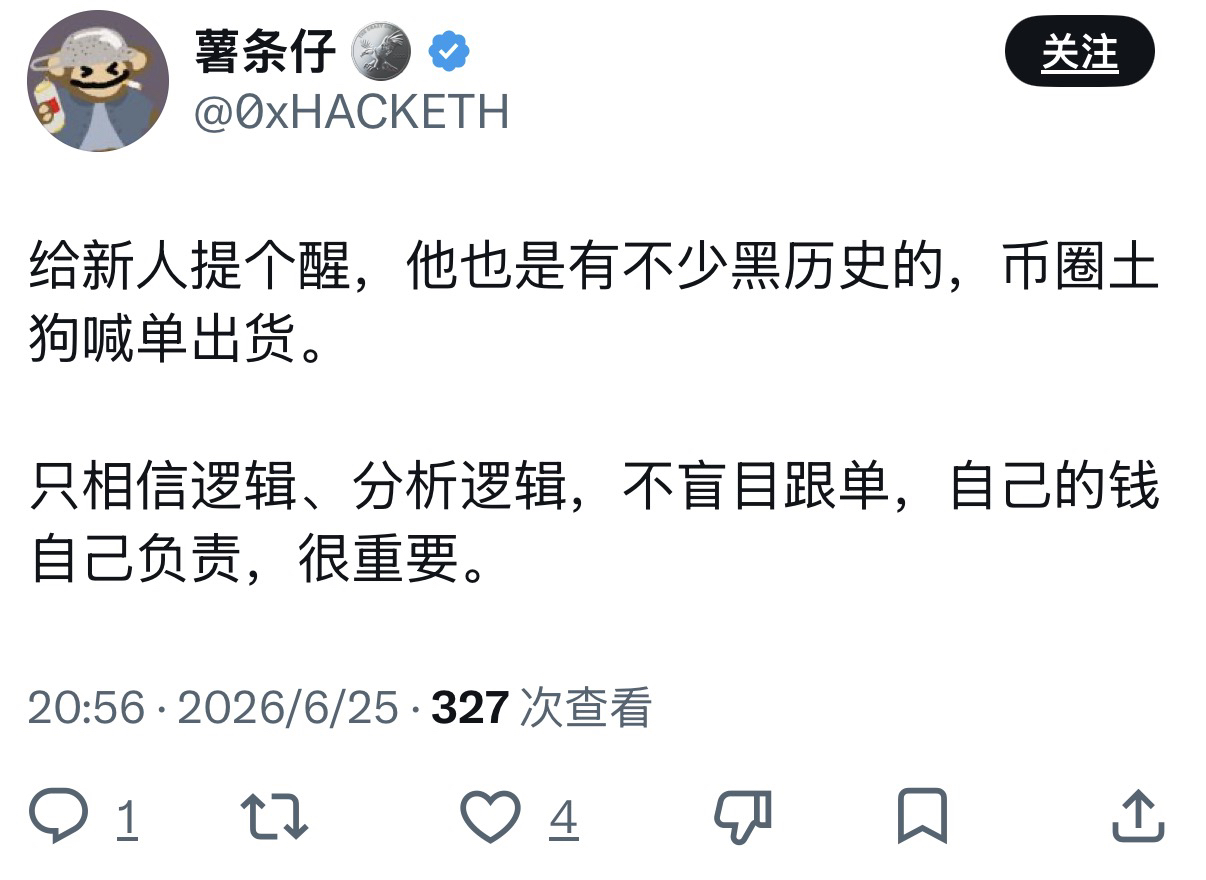


Cần phải xuất phát toàn diện để hiểu một người, không mù quáng tin tưởng, giữ năng lực phán đoán của bản thân!
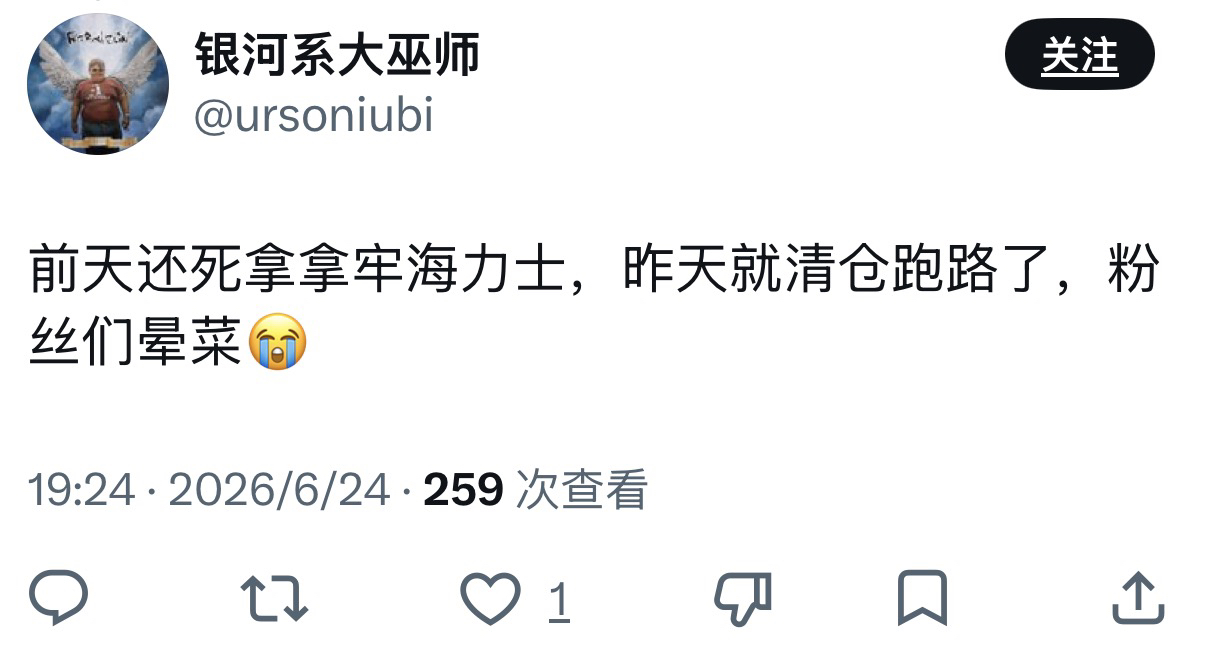


Thầy ơi lúc thầy xuống xe sao không thông báo một tiếng 🫪.


"Lợi nhuận" thể hiện ra là muốn mọi người thấy 🤩, còn một phần không muốn mọi người thấy.


Từ "phương pháp thắng lợi tinh thần Reddit" của BTC, đến "cuộc thẩm vấn cổ tức 1.2 tỷ USD" của STRC, rồi đến "hình tượng mâu thuẫn" của Xuyên Mộc. Tuần này, có người khích lệ nhau, có người tính toán dự trữ tiền mặt, có người lục lại tweet tìm điểm đến tiếp theo.


Chúc mọi người cuối tuần vui vẻ! Hẹn gặp lại tuần sau!


(Nội dung kỳ này bắt nguồn từ thông tin công khai và thảo luận mạng, giải thích nhẹ nhàng, chỉ để tham khảo.)


Các kỳ trước: Phân tích nóng | Michael Saylor phát biểu "ngôn luận sở khanh"; Bà cô 60 tuổi sau khi hợp đồng cháy tài khoản "suy sụp thanh niên"
Phân tích nóng | Ba câu chuyện nói cho bạn biết: Trong giới coin, càng nỗ lực càng "khổ sở"
Phân tích nóng | "Vua nhà đầu tư nhỏ lẻ" bị em trai hack tài khoản dùng để "lừa đảo"? AI "khai quật khảo cổ" phát hiện ra Bitcoin...

Trending Cryptos

Related Questions

QSTRC là gì và tại sao nó bị 'mất neo giá' (de-peg)?

ASTRC là cổ phiếu ưu đãi vĩnh viễn do công ty Strategy phát hành, mệnh giá 100 USD và trả cổ tức 11.5% hàng năm. Hiện STRC đã giảm xuống khoảng 76.2 USD, mất neo khoảng 25% so với mệnh giá. Nguyên nhân chính là do nhà đầu tư nghi ngờ khả năng Michael Saylor (người sáng lập Strategy) có thể và sẵn sàng tiếp tục chi trả khoản cổ tức hàng năm lên tới 1.2 tỷ USD hay không, khi dự trữ tiền mặt của công ty chỉ khoảng 1.4 tỷ USD (đủ trả một năm nhưng không đủ cho năm tiếp theo).

QSTRC có phải là 'LUNA tiếp theo' và điểm khác biệt chính là gì?

ACâu trả lời là 'không hoàn toàn giống'. Mặc dù cả hai đều liên quan đến sự mất neo giá, nhưng điểm khác biệt then chốt là Saylor *không có nghĩa vụ pháp lý bắt buộc* phải trả cổ tức cho STRC. Nếu ông ta quyết định tạm ngừng, STRC có thể tiếp tục giảm giá, nhưng bản thân công ty Strategy sẽ không sụp đổ và biến mất hoàn toàn như Terra (LUNA) đã làm. STC ít nhất có một công ty thực với tài sản và doanh thu đằng sau, khác với mô hình thuật toán không có tài sản thế chấp của LUNA.

QBài viết đề cập đến 'bài đăng có giá trị cảm xúc nhất' trong tháng trên Reddit. Nội dung và phản ứng của cộng đồng là gì?

ABài đăng đó trên diễn đàn r/CryptoCurrency của Reddit chỉ có một câu: 'Đồ khốn kiếp, hỡi nỗi sợ hãi, sự không chắc chắn và nghi ngờ!' (Screw you Fear, Uncertainty and Doubt!). Bình luận trở thành nơi cộng đồng nhà đầu tư nhỏ lẻ chia sẻ tâm trạng, với những câu như 'FUD là dành cho tay mơ, bàn tay kim cương chỉ biết mua thêm', 'Hãy giữ vững (HODL)!', thể hiện tinh thần lạc quan và khuyến khích nhau không bán tháo trong đợt suy giảm thị trường.

QChuan Mu (Xuyên Mộc) là ai và phương pháp đầu tư của anh ta được mô tả như thế nào trong bài viết?

AChuan Mu là một trader nổi tiếng trong cộng đồng tiền mã hóa Trung Quốc, được biết đến với thành tích từ 500 USD lên 1 triệu USD nhờ ORDI và từ 10,000 USD lên 1 triệu USD nhờ short altcoin. Bài viết phân tích 1828 tweet của anh ta và nhận thấy điểm mạnh nằm ở cách đặt câu hỏi: anh ta không hỏi 'cổ phiếu nào sẽ tăng' mà hỏi 'nút thắt cổ chai trong cả hệ thống sẽ ở đâu?'. Tư duy này dẫn dắt anh ta chuyển dịch dòng tiền từ crypto sang hạ tầng AI (bộ nhớ, quang học), tập trung vào các công ty khó mở rộng sản xuất và bị định giá sai.

QBài viết nêu lên những chỉ trích nào về Chuan Mu?

ACó hai chỉ trích chính về Chuan Mu: 1) Một số đồng tiền mà anh ta từng 'kêu gọi mua' (call) sau đó đã có diễn biến khiến những người đi theo bị 'thu hoạch' (tức mất tiền). 2) Anh ta từng tuyên bố sẽ nắm giữ một số cổ phiếu trong thời gian dài nhưng lại bán ra giữa chừng mà không thông báo cho những người đi theo ('xin thầy xuống xe sao không báo trước'). Điều này tạo nên một 'hình tượng mâu thuẫn', khiến người ta đặt câu hỏi về sự minh bạch và trách nhiệm của một người có ảnh hưởng.

Related Reads

Trading

Spot

Hot Articles

How to Buy LUNA

Welcome to HTX.com! We've made purchasing Terra (LUNA) simple and convenient. Follow our step-by-step guide to embark on your crypto journey.Step 1: Create Your HTX AccountUse your email or phone number to sign up for a free account on HTX. Experience a hassle-free registration journey and unlock all features.Get My AccountStep 2: Go to Buy Crypto and Choose Your Payment MethodCredit/Debit Card: Use your Visa or Mastercard to buy Terra (LUNA) instantly.Balance: Use funds from your HTX account balance to trade seamlessly.Third Parties: We've added popular payment methods such as Google Pay and Apple Pay to enhance convenience.P2P: Trade directly with other users on HTX.Over-the-Counter (OTC): We offer tailor-made services and competitive exchange rates for traders.Step 3: Store Your Terra (LUNA)After purchasing your Terra (LUNA), store it in your HTX account. Alternatively, you can send it elsewhere via blockchain transfer or use it to trade other cryptocurrencies.Step 4: Trade Terra (LUNA)Easily trade Terra (LUNA) on HTX's spot market. Simply access your account, select your trading pair, execute your trades, and monitor in real-time. We offer a user-friendly experience for both beginners and seasoned traders.

4.5k Total ViewsPublished 2024.03.29Updated 2026.06.02

How to Buy LUNA

What is $LUNA

Luna28 ($$LUNA): A Moon-Inspired Crypto Venture Introduction In the ever-evolving world of cryptocurrencies, innovation is key. Luna28 stands out as a project that not only embraces technology but also intertwines it with the mystique of cosmic cycles. Inspired by the moon's 28-day cycle, Luna28 ($$LUNA) aims to create a unique and engaging experience for its community, merging the concepts of tokenomics and lunar-themed non-fungible tokens (NFTs). At its core, this project employs a distinctive token burn mechanism aligned with lunar and solar eclipses, setting a new precedent in the crypto space. What is Luna28? Luna28 is a token-based cryptocurrency project built on the Ethereum blockchain. It seeks to offer its users a blend of cosmic engagement through a series of innovative features. Key to its identity is the launch of lunar-themed NFTs which enhance community interaction while celebrating the moon's cultural significance. The project aims to create a deeper connection between its community members and the cosmos. This connection is facilitated through a carefully crafted ecosystem that leverages lunar themes, token burns, and dynamic activities associated with celestial events. The goal is not just about enhancing token value but fostering a sense of belonging and enjoyment within the community. Creator of Luna28 The details surrounding the creator of Luna28 remain largely unknown. This lack of information has led to an air of mystery around the project, further adding to its uniqueness. The anonymous nature of its creation reflects a broader trend within the crypto industry, where the focus is often on the project and its community rather than individual profiles. Investors of Luna28 Currently, there is no publicly available information regarding the specific investment foundations or organizations that support Luna28. This aspect may indicate a grassroots initiative where the community plays a vital role in the project's development and growth. The absence of prominent investors can sometimes create a more decentralized and independent project, allowing for organic community engagement and involvement. How Does Luna28 Work? One of the most compelling aspects of Luna28 is how it operates, particularly its unique features that set it apart from other cryptocurrency projects. 1. Lunar and Solar Eclipse Token Burns Luna28 incorporates a special token burn mechanism, which involves periodically burning a portion of its token supply during lunar and solar eclipses. This approach not only creates excitement around celestial events but also works on the fundamental principle of increasing scarcity. By reducing the overall token supply through burns, the remaining tokens have the potential for increased value, benefiting all holders. 2. Tokenomics The economic structure of Luna28 is crafted to ensure sustainability and growth. Each transaction incurs a 4.4% tax: 2% contributes to the Moon Cycle Fund, which is burned every 28 days during the full moon. The remaining 2.4% is earmarked for development and marketing, facilitating the project’s expansion and continuous improvement. This tax structure establishes a steady flow of funding while maintaining a deflationary approach that can enhance the token's value proposition. 3. 100% Burned Liquidity Security and trust are paramount in any cryptocurrency project. Luna28 addresses these concerns by locking its liquidity pool tokens in a burn wallet. This ensures that liquidity is permanently secured, fostering confidence within the community as they engage with the platform. 4. NFT Drops Further enhancing community engagement, Luna28 plans to release lunar-themed NFTs. These digital collectibles not only serve as a source of fun and creativity but also offer users unique assets tied to the larger lunar theme. The introduction of NFTs reflects a growing trend in the crypto space, blending traditional forms of artistic expression with innovative technology. 5. Hyper Deflationary Token Luna28 is classified as a hyper deflationary token, emphasizing its commitment to a declining token supply through systematic burns. This design encourages long-term holding, as community members anticipate potential value growth driven by scarcity. 6. First Buyer Incentive In a bid to promote active participation, Luna28 offers a unique first buyer incentive. After each celestial burn event, the first participant in the market is rewarded with 10% of the tokens burned during that event. This encourages immediate engagement and interest surrounding each significant celestial phenomenon. 7. Sustainable Tax Structure The project's tax model is specifically designed to encourage sustainable growth, balancing the need for ongoing project development with the goal of enhancing token value. This innovative tax structure serves the dual purpose of supporting the community's interests while maintaining a healthy ecosystem for the project. Timeline of Luna28 A well-charted timeline helps in understanding the progression and milestones of Luna28. Here’s a synopsis of important events in the project’s history: Stealth Launch: The project entered the crypto arena under a stealth launch, garnering significant community interest and posting a remarkable 1792% increase from its initial listing. This initial surge indicated strong community reception and a solid foundation for future growth. Token Burns: Committing to its unique approach, Luna28 plans to burn 28% of its token supply over a three-year period, timed specifically during lunar and solar eclipses. Community members eagerly await their opportunities to participate in these events. Community Involvement: Emphasizing transparency and the importance of community feedback, Luna28 plans to notify its users in advance about upcoming token burn events. This engagement approach encourages active participation, fostering a strong sense of community. Key Features Luna28's distinctive features bolster its appeal within the cryptocurrency sector: Hyper Deflationary Nature: The project's focus on hyper deflationary mechanics enables a strategic reduction in supply, aiming for enhanced value retention. Incentives for Early Engagement: The project rewards early participants with direct benefits, which cultivates a proactive community eager to contribute. Commitment to Community Development: The sustainable tax model not only ensures the project's growth but also actively involves the community in shaping its future direction. Conclusion Luna28 represents a unique fusion of technology, community engagement, and celestial inspiration in the cryptocurrency landscape. By integrating innovative mechanisms such as token burns during astrological events and creating engaging lunar-themed NFTs, the project distinguishes itself as a trailblazer within its niche. As a community-driven endeavor, Luna28 promises to deliver not just another cryptocurrency but an experience that marries elements of cosmic fascination with blockchain technology. With its innovative features and strong emphasis on community involvement, Luna28 has the potential to create a lasting impact in the world of digital currencies. The connection it forges between its users and the universe represents not only a creative endeavor but also a brilliantly calculated business strategy poised for growth. As we observe the evolution of Luna28, it is evident that it is more than just a token; it is a concept that encourages its community to look up at the cosmos and ponder their place within it, all while navigating the exciting world of cryptocurrency. The future for Luna28 looks bright and full of potential, eagerly awaiting its next lunar cycle.

854 Total ViewsPublished 2024.04.01Updated 2024.12.03

What is $LUNA

What is TERRA

Exploring the Terra Ecosystem: A Comprehensive Overview Introduction In the ever-evolving landscape of blockchain technology and cryptocurrency, the Terra Ecosystem has emerged as an ambitious project designed to facilitate a decentralized financial system. This innovative platform focuses on creating stable and scalable algorithmic stablecoins, aimed at driving the widespread adoption of cryptocurrencies. In this article, we will delve into the foundational aspects of the Terra Ecosystem, exploring its operational mechanisms, its creators, investors, notable components, and the timeline of its development. What is the Terra Ecosystem? Founded in 2018, the Terra Ecosystem is a layer-one blockchain designed to provide an efficient and reliable payment platform. The core mission of Terra is to create a preferred form of money that is not only decentralized but also practical for everyday use. At the heart of the ecosystem is its native algorithmic stablecoin, TerraUSD (UST), which is pegged to the US dollar using an innovative algorithmic mechanism. This unique approach addresses a common concern in the cryptocurrency space: the volatility that often accompanies digital assets. The Terra Ecosystem aims to enhance the usability of cryptocurrencies by creating an environment where digital currencies function similarly to traditional currencies. By being user-friendly and stable, Terra sets out to attract users outside of the crypto community, ultimately fostering mass adoption. The Creators of the Terra Ecosystem The Terra Ecosystem emerged under the guidance of its co-founders Daniel Shin and Do Kwon. Both individuals, with a wealth of experience in entrepreneurship and technology, launched Terraform Labs to spearhead this groundbreaking project. Daniel Shin, a prominent figure in the South Korean tech landscape, has co-founded multiple tech companies, while Do Kwon has an extensive background in computer science and engineering. Their partnership is pivotal in steering the development and growth trajectory of the Terra Ecosystem. Investors in the Terra Ecosystem While detailed information about specific investors remains limited, it is widely acknowledged that Terraform Labs has garnered substantial financial support from a variety of angel investors and venture capital firms. This backing provides the necessary resources for the ongoing development and expansion of the Terra Ecosystem. The emphasis on acquiring diversified investment sources reflects the strong belief in the project's potential within the cryptocurrency community. How Does the Terra Ecosystem Work? At the core of the Terra Ecosystem's functionality lies its innovative proof-of-stake (PoS) consensus mechanism. This allows holders of the LUNA token, the native currency of the ecosystem, to participate in the governance and operation of the network. The dual-token structure differentiates Terra from many other projects, with LUNA serving both as a stake for validators and as a governance token. The mechanism operates in a distinctive way, whereby the supply of LUNA backs the stablecoin UST. If the demand for UST increases, the algorithm automatically adjusts the supply of LUNA to maintain the stability of UST at its dollar peg. Users are enabled to exchange 1 UST for an equivalent value in LUNA, ensuring that fluctuations in demand do not affect the peg. This innovative approach enables the Terra Ecosystem to maintain price stability, one of its primary goals. Timeline of the Terra Ecosystem The development journey of the Terra Ecosystem has been marked by significant milestones: 2018: Establishment of Terraform Labs by Daniel Shin and Do Kwon, laying the groundwork for the Terra Ecosystem. April 2019: The initial release of the Terra blockchain, initiating its journey into the broader cryptocurrency landscape. 2021: Terra experiences remarkable growth as its total value locked (TVL) reaches new heights, positioning it as a dominant player in decentralized finance (DeFi). May 2022: A turbulent period arises as the Terra blockchain is temporarily halted following the collapse of UST and LUNA, leading to a significant impact on market perception and capitalization. January 2024: Terraform Labs files for bankruptcy, marking another critical event in the project's history, sparking discussions on the sustainability and future of the ecosystem. Key Components of the Terra Ecosystem A variety of features contribute to the unique functionality of the Terra Ecosystem: Core Functionality The Terra Ecosystem includes essential functionalities such as managing transaction fees, monitoring price fluctuations, and maintaining historical balances of transactions, all of which are crucial for ensuring user experience and operational integrity. Applications One of the flagship features of the Terra Ecosystem is its diverse array of applications. This includes: Anchor Protocol: A money market protocol that provides high stablecoin yields and tokenized stakes for users seeking to maximize returns on their investments. Mirroring Technology: Enabling users to create assets that mirror real-world assets and trades, allowing for broader use cases and applications. Chai: A payment platform designed to facilitate everyday transactions using Terra's stablecoin technology. Swaps and Exchanges The ecosystem provides functionality for seamless asset exchanges. Notable features include native swapping capabilities and platforms such as Terraswap, allowing users to exchange Terra assets efficiently while benefiting from competitive rates. Governance Governance plays a critical role in the decentralized nature of the Terra Ecosystem. Token holders use their LUNA tokens to propose changes or vote on proposals that affect the network, ensuring collective decision-making and community involvement in the ecosystem's evolution. Notable Projects in the Terra Ecosystem Beyond the core functionalities, the Terra Ecosystem is also home to notable projects that further augment its capabilities: Terraswap: This decentralized exchange (DEX) emerged to facilitate easy swapping of Terra assets, thus promoting a vibrant trading environment within the ecosystem. Astroport: Another DEX known for its high total value locked, Astroport enhances trading opportunities and liquidity provision for users. Loop Markets: This integrated exchange hub offers users a range of trading tools and services, significantly contributing to the user experience across the Terra platform. Conclusion The Terra Ecosystem stands as a significant player within the blockchain and cryptocurrency domains, aiming to create a stable and scalable financial platform designed for widespread cryptocurrency adoption. Although the ecosystem faced dramatic challenges, notably the collapse of its stablecoin UST and the LUNA token, it continues to adapt and evolve in the face of adversity. As the project navigates its future, it remains committed to its foundational vision of building practical products accessible to a broader audience, thereby reinforcing the potential of decentralized finance. The Terra Ecosystem, with its robust features and innovative approach, holds promise as it seeks to redefine the landscape of digital currency use, remaining a focal point for enthusiasts and investors alike in the ongoing evolution of blockchain technology.

1.3k Total ViewsPublished 2024.12.17Updated 2024.12.17

What is TERRA

Discussions

Welcome to the HTX Community. Here, you can stay informed about the latest platform developments and gain access to professional market insights. Users' opinions on the price of LUNA (LUNA) are presented below.

活动图片