Model Baru Cursor 1.5T Tinggalkan Basis Kimi, Tukar Saham $600 Miliar untuk Cursor, Langkah Pertama Musk Tebas Microsoft GitHub

marsbitPublished on 2026-06-17Last updated on 2026-06-17

Abstract

Cursor mengumumkan pada konferensi Compile bahwa mereka sedang mengembangkan model baru dengan parameter di atas 1,5T. Model ini tidak lagi menggunakan dasar Kimi, melainkan dilatih dari nol dengan lebih dari 100.000 GPU. Peningkatan ini didukung oleh akuisisi SpaceX senilai $60 miliar dalam bentuk saham, yang diharapkan selesai pada kuartal ketiga 2026. CEO Michael Truell menekankan bahwa peningkatan sumber daya komputasi 10-20 kali lipat akan memungkinkan pengembangan kemampuan yang lebih berbeda dan canggih. Selain itu, Cursor meluncurkan Origin, platform Git yang dirancang khusus untuk agen AI, untuk menyaingi GitHub milik Microsoft. Origin dirancang untuk menangani beban kerja skala besar dari agen AI yang dapat melakukan kloning, commit, dan merger kode ribuan kali sehari, serta menyelesaikan konflik merger secara otomatis. Platform ini dijadwalkan rilis musim gugur ini. Dengan dukungan sumber daya komputasi dari SpaceX, Cursor bertujuan tidak hanya menjadi alat pemrograman, tetapi juga model AI umum yang dapat membantu berbagai tugas di luar pengkodean. Mereka berencana mengintegrasikan seluruh alur kerja pengembangan perangkat lunak, mulai dari penulisan kode di Cursor, tinjauan kode dengan alur kerja Graphite, hingga hosting dan merger melalui Origin.

Hari ini, Cursor mengumumkan beberapa produk "masa depan" di konferensi Compile: model baru 1.5T yang akan datang yang menggunakan lebih banyak daya komputasi, dan platform Git "mirip Github" bernama Origin yang ditujukan untuk agen cerdas.

Ini dengan cepat menarik perhatian banyak pengguna, karena ini diumumkan hampir bersamaan dengan kabar bahwa SpaceX secara resmi telah menggunakan hak akuisisi untuk membeli Cursor dengan transaksi seluruh saham. Menurut perjanjian, Cursor akan mendapatkan saham SpaceX senilai 600 miliar dolar AS, dan transaksi spesifiknya diperkirakan akan selesai pada kuartal ketiga 2026. Laporan sebelumnya menyebutkan bahwa Cursor tahun lalu menolak minat akuisisi dari beberapa perusahaan AI besar.

"Dengan kecepatan ini, Cursor akan menjadi agen pemrograman cerdas peringkat pertama atau kedua dalam satu tahun. Tim ini sangat hebat... sekarang didukung oleh daya komputasi tak terbatas. Ini adalah akuisisi terbaik sejak Instagram dan YouTube." komentar seorang netizen.

Dengan Jaminan Daya Komputasi, Latih Model dari Nol

Banyak netizen membocorkan bahwa CEO Cursor Michael Truell hari ini di konferensi Compile mengungkapkan situasi model baru: sebuah model baru dengan parameter di atas 1,5T, tidak lagi menggunakan kerangka (wrapper) kimi, dilatih dari awal (pre-trained) pada lebih dari 100.000 GPU.
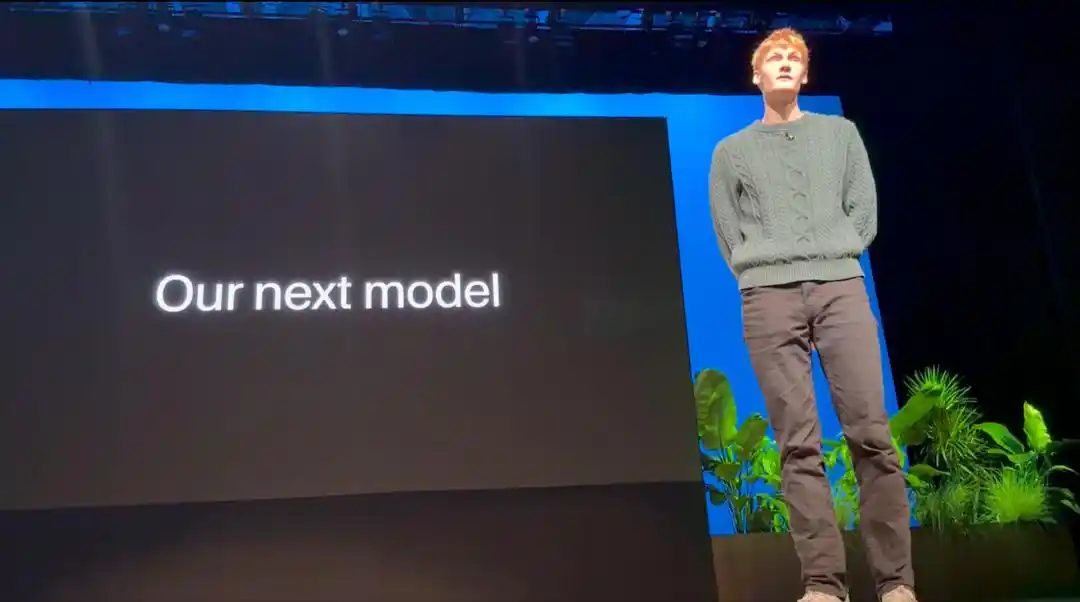
Selama beberapa bulan terakhir, SpaceXAI terus melatih model secara bersama dengan Cursor, model ini akan segera dirilis di Cursor dan Grok Build.

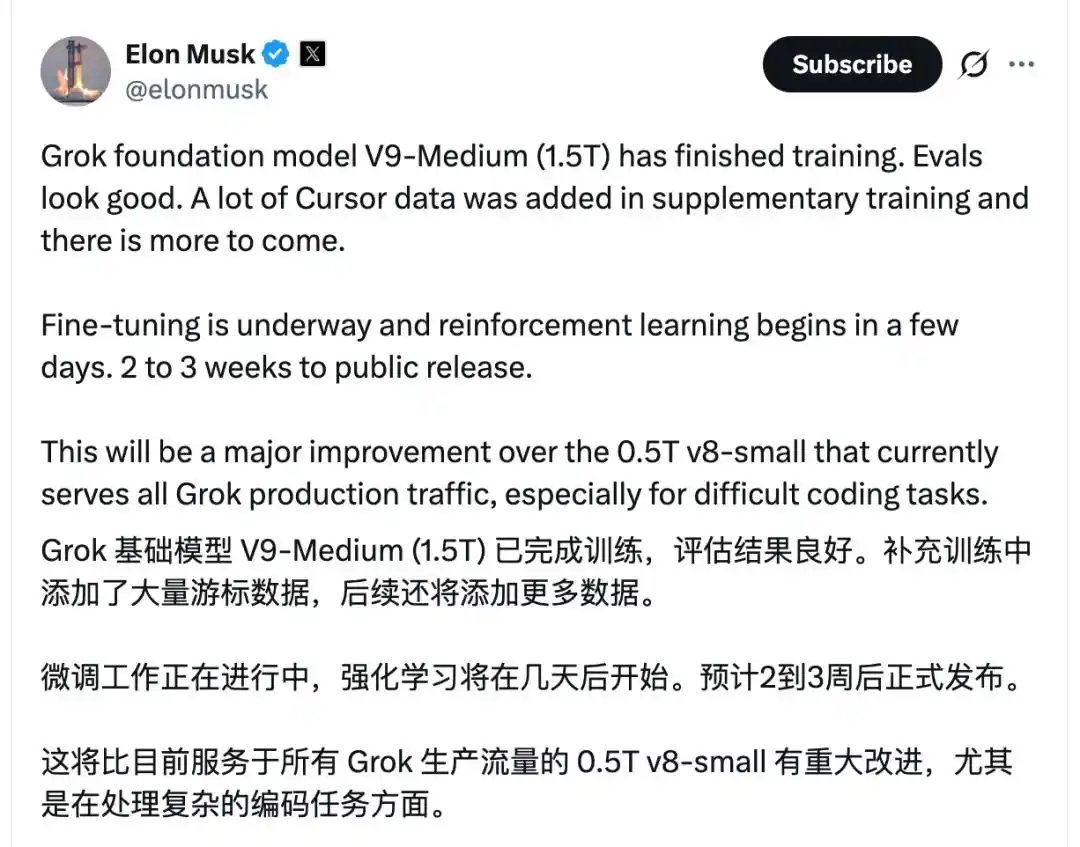
Orang-orang menduga model baru yang disebutkan Michael adalah model dasar 1,5T yang disebutkan Musk pada 25 Mei, kemudian ada dua pipeline pembelajaran penguatan (reinforcement learning), yaitu Cursor dan Grok.
Dalam konferensi, Michael mengungkapkan, model baru yang sedang dilatih memiliki 3 perbedaan.

Pertama, skalanya besar, berada pada tingkat yang sama dengan model tingkat AGI milik OpenAI.

Kedua, ia dilatih dari nol, bukan berdasarkan pelatihan lanjutan model open source. "Kami mencintai open source, dan juga berharap menemukan lebih banyak cara untuk memberi kembali kepada komunitas open source. Tetapi melatih model dasar dari awal memungkinkan kita mengontrol perilaku model dengan lebih baik, dan selanjutnya mencakup beban kerja yang benar-benar saya dan kalian pedulikan." kata Michael. Sebelumnya, Cursor pernah diungkap menggunakan kerangka (wrapper) Kimi.

Ketiga, dan ini juga poin yang sangat krusial, sumber daya komputasi yang digunakan Cursor sekarang adalah 10 hingga 20 kali lipat dari yang bisa didapatkan sebelumnya. Model generasi sebelumnya sudah menggunakan sedikit lebih banyak sumber daya komputasi dibandingkan masa lalu, tetapi kali ini baru benar-benar peningkatan skala besar pertama dalam investasi komputasi.

"Ini sangat penting." kata Michael, "Di masa lalu, dari Composer 1 ke Composer 2.5, skala daya komputasi yang digunakan untuk melatih model kami sebenarnya sangat kecil dibandingkan dengan laboratorium terdepan, ini akan sangat membatasi hal-hal yang bisa kami lakukan. Banyak metode untuk membuat model semakin baik, pada dasarnya akan mentok pada satu masalah: bisakah kami menjalankan lebih banyak eksperimen, melatih model lebih lama. Oleh karena itu, peningkatan daya komputasi skala 10 kali lipat kali ini, memang memberi kami kesempatan untuk menciptakan kemampuan yang berbeda, dan berharap segera menyerahkan kemampuan ini ke tangan kalian, membawa fitur baru yang benar-benar menarik dan cukup kuat."

Namun, netizen Lisan al Gaib mengungkapkan, "Opus 4.5 hingga 4.8, serta GPT-5 hingga GPT-5.5, sebenarnya tidak sebesar itu! (Semua di bawah 2 triliun parameter)" Dia melanjutkan, "Ini berarti, performa saat ini dari GPT-5.5 dan Opus 4.8, dapat dicapai oleh model open source. Karena tebak apa lagi yang juga sebesar ini? DeepSeek-V4-Pro."

Gaib mengatakan, satu-satunya pertahanan (moat) adalah skalabilitas:

Sampai saat ini, Anthropic adalah satu-satunya laboratorium yang berhasil melompat ke skala sekitar 10 triliun parameter, itulah mengapa saya tidak lagi berpikir OpenAI bisa mengejar pada akhir tahun ini. Selanjutnya, Anthropic hanya perlu terus menginvestasikan daya komputasi pembelajaran penguatan (reinforcement learning) pada Mythos, dan akan terus meningkat dalam 1 hingga 2 tahun ke depan.

Google tidak berhasil membuatnya sebesar itu, dan agak berlebihan dalam hal sparse (sparsifikasi). Mereka jelas juga tidak tahu bagaimana benar-benar memoles model hingga dapat digunakan melalui pembelajaran penguatan (reinforcement learning).

OpenAI masih terperangkap dalam bayang-bayang GPT-4.5.

xAI dan Meta masih dalam tahap perencanaan.

Sebelumnya, investor Wall Street Gavin Baker memberikan penilaian tinggi pada Cursor, "Selain Anthropic, jumlah token 'data pelatihan kode berpemilik' yang dimiliki Cursor lebih banyak daripada laboratorium lain mana pun di dunia. Model kode internal Cursor Composer 2.5, bahkan sebelum melalui pelatihan tingkat Colossus yang lengkap, sudah mendekati level model terdepan."

Ada netizen yang melihat prospek baik untuk transaksi akuisisi ini: "Cursor menguasai pembelajaran penguatan (reinforcement learning), sementara SpaceX memiliki daya komputasi yang cukup untuk melatih model 10T. Oleh karena itu, SpaceX mungkin akan memenangkan perlombaan AI."

Tidak Hanya Kode

Selain itu, ada netizen yang memperhatikan, Cursor dalam tweet pengumuman resminya tidak menyebut diri mereka "berorientasi pada pengembang", tetapi hanya mengatakan "AI yang berguna". Oleh karena itu, mereka berpendapat Cursor kemungkinan besar akan menjadi pesaing langsung Codex dan Claude Desktop.

Sampai batas tertentu, ini sesuai dengan penekanan Michael dalam konferensi terhadap posisi model baru: "Ini akan menjadi model cerdas yang tidak hanya mahir menulis kode."

Michael berpendapat, ini sangat penting untuk hal-hal yang ingin dilakukan tim. "Tujuan kami adalah, agar siapa pun dapat membangun apa yang mereka inginkan dengan komputer. Dan sekarang, hambatan (bottleneck) sedang bergeser dari 'menulis kode' itu sendiri, ke semua kemampuan yang Anda harapkan dari seorang rekan insinyur."

Ini berarti, ia harus bisa menggunakan alat yang digunakan insinyur; harus bisa melakukan pemantauan, perencanaan, benar-benar menguji perangkat lunak, dan mengklik tombol di antarmuka; juga berarti, tim perlu menyajikan dengan baik seputar pengalaman pengguna, sehingga pengguna dapat melihat dengan jelas apa yang diubah oleh agen cerdas tersebut.

"Jadi, kami akan melangkah keluar dari lingkup 'pengkodean terpercaya' semata, membuat model ini memiliki kecerdasan umum yang lebih kuat. Saat ini pelatihan terkait telah dimulai, dan akan dirilis dalam beberapa minggu ke depan. Dan semua ini didukung oleh kemitraan kami dengan SpaceX. Kalian juga tahu, ini sudah bukan kemitraan biasa lagi." kata Michael.

Menurutnya, saat ini sebenarnya tidak banyak pemain dan lembaga AI yang benar-benar mampu mendesain lapisan produk dan lapisan model secara bersamaan dan terkoordinasi. Gen perusahaan pemain lain, banyak yang berasal dari perusahaan teknologi besar, atau awalnya adalah laboratorium, kemudian baru secara bertahap beralih ke sisi pengembang dan produk. Sedangkan perusahaan di balik Cursor, baik buruknya, pada dasarnya dibangun di sekitar pengembang. Perusahaan ini terdiri dari sekelompok orang yang benar-benar ingin membuat alat yang berguna bagi pengembang.

Jadi, Michael berpendapat, ketika perusahaan memasuki tahap berikutnya, untuk pertama kalinya menyatukan sekelompok orang yang benar-benar memahami detail produk, memahami alur kerja pengembang, dengan kemampuan untuk memodifikasi langsung kemampuan dasar model. "Yang bisa kami pengaruhi bukan hanya piksel di layar, tetapi juga kemampuan dasar model itu sendiri, dan kemampuan model adalah bagian yang sangat penting dalam produk."

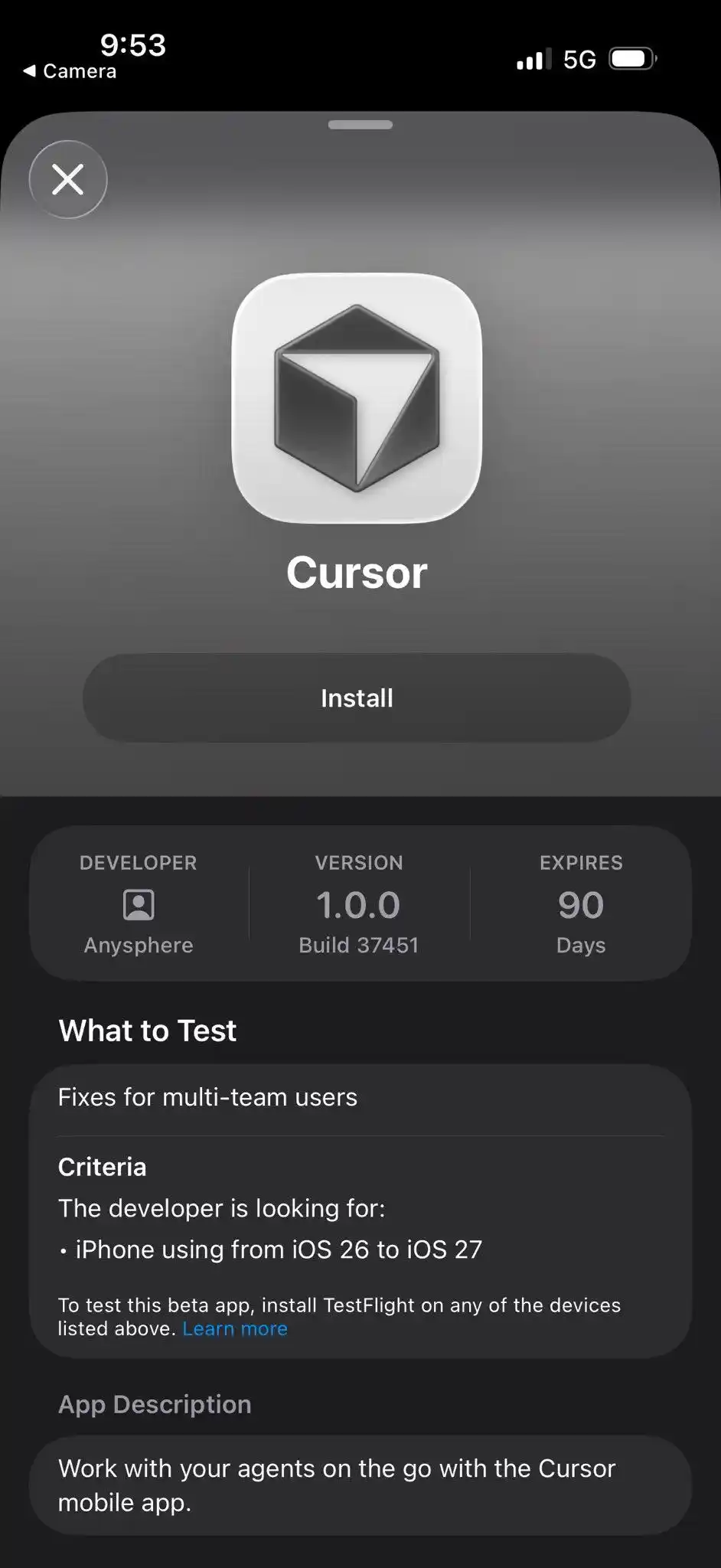
Perlu dicatat, Cursor Mobile sekarang telah memasuki versi beta, termasuk fitur kendali jarak jauh (remote control) untuk host Mac.
Platform Git Berorientasi Agen Cerdas, Bersaing dengan Microsoft GitHub

Selain model, Cursor juga merilis platform Git asli (native) untuk agen cerdas: Origin.

"Platform hosting Git modern dirancang untuk pengembang manusia: mereka hanya sesekali meng-clone repositori, melakukan beberapa commit kode per hari, bukan dirancang untuk agen cerdas yang akan meng-clone dan melakukan push ribuan kali per hari." kata insinyur Cursor Austin Nick Piel di X, "Sangat bersemangat membangun platform hosting kode Git untuk dunia baru ini."

Origin adalah pesaing GitHub yang mencoba dibangun Cursor sebagai "asli untuk agen cerdas": Ini adalah platform hosting kode yang kompatibel dengan Git, tetapi asumsi dasarnya adalah, di masa depan akan ada banyak agen AI secara paralel melakukan clone, membuat branch, commit kode, rebase, meninjau kode, serta memperbaiki tugas yang gagal.

Ada netizen yang berpendapat, ini juga membuat akuisisi Graphite tahun lalu oleh perusahaan menjadi lebih menarik. "Graphite membawa PR bertumpuk (stacked PR), alur peninjauan kode, antrian penggabungan (merge queue), serta pengalaman kolaborasi yang lebih jelas, sementara Origin menambahkan lapisan hosting kode di bawahnya."

Oleh karena itu, Cursor sudah tidak lagi hanya "VS Code dengan AI". Mereka mencoba menguasai seluruh pabrik perangkat lunak (software factory) AI: menulis kode di Cursor, menjalankan agen cerdas secara paralel, meninjau kode dengan alur kerja gaya Graphite, lalu menghosting dan menggabungkan kode melalui Origin.

"GitHub dibangun untuk pengembangan perangkat lunak skala manusia. Sedangkan Origin dikemas sebagai infrastruktur yang ditujukan untuk hambatan (bottleneck) berikutnya: di era generasi kode skala besar oleh agen cerdas, bagaimana mengoordinasikan, meninjau, dan menggabungkan kode-kode ini dengan aman." simpulnya.

Berdasarkan video yang dirilis netizen, di konferensi Compile, Tomas Reimers, salah satu pendiri Graphite, yang memperkenalkan Origin.
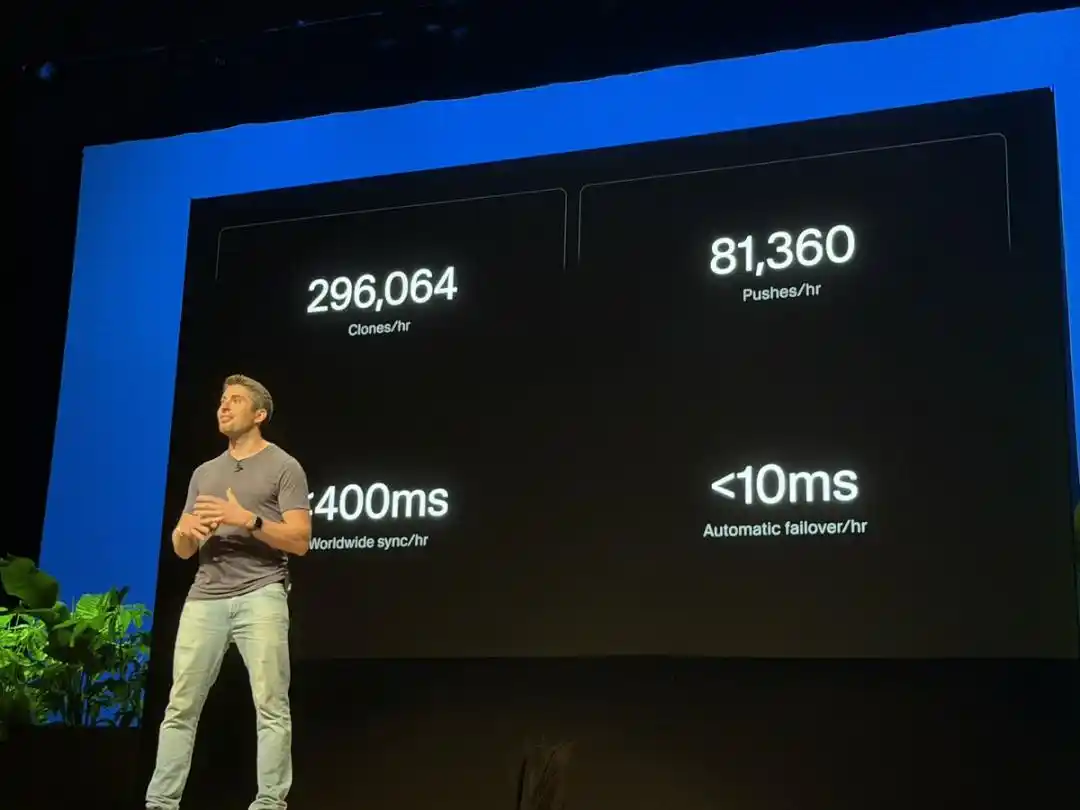
Pengembangan perangkat lunak jauh lebih dari sekadar menulis kode. Ini juga mencakup pengujian, peninjauan, penggabungan, dan penerapan (deployment) yang benar. Kami terus berusaha menemukan cara terbaik untuk mempercepat semua link ini dalam proses pengembangan perangkat lunak.

"Dalam beberapa tahun terakhir, kami melihat sebuah tren: seiring perusahaan-perusahaan ini mulai mengadopsi pemrograman AI, alat-alat yang mereka andalkan di masa lalu mulai menjadi tidak dapat diandalkan. Ini karena beberapa tahun terakhir, alat-alat AI telah sepenuhnya mengubah seluruh industri. Ini memberi setiap pengembang peluang untuk menjadi pengembang dengan peningkatan efisiensi 10 hingga 100 kali lipat." kata Tomas, "Tetapi perubahan ini juga menuntut alat pengembangan berubah secara fundamental. Itulah mengapa setelah diakuisisi oleh Cursor, kami mempercepat proyek paling ambisius kami: membangun kembali lapisan infrastruktur ini dari awal."

Diketahui, Origin dapat diskalakan untuk menyesuaikan beban kerja (workload) agen cerdas, mendukung API dan ekstensi MCP, dan memiliki mekanisme penyelesaian otomatis oleh agen cerdas untuk konflik penggabungan (merge conflict) dan kegagalan kolaborasi (collaboration failure).

Ada pengembang yang mengatakan, "Fitur yang paling saya sukai mungkin adalah penyelesaian konflik otomatis. Ketika puluhan agen AI mengirimkan kode (commit) secara bersamaan, menyebabkan konflik penggabungan yang besar, Origin akan dapat memperbaiki konflik-konflik ini secara otomatis."

"Mungkin sudah waktunya mencari pesaing untuk GitHub, lihat apakah ini bisa membawa perubahan", ada juga netizen yang bercanda, "GitHub menyaksikan semua orang satu per satu secara perlahan mereplikasi fungsinya." Tentu saja ada juga yang mempertanyakan, "Cursor bahkan tidak bisa mengelola layanan pelanggannya sendiri, sekarang malah ingin membuat Git?"

Pihak resmi menyatakan, Origin akan diluncurkan musim gugur ini, dan sekarang sudah membuka daftar tunggu (waitlist). Ada pengembang yang khawatir, ketika produk "masa depan" ini benar-benar diluncurkan, mungkin orang-orang sudah melupakannya.

Penutup

Banyak orang berkomentar tentang pencapaian Cursor yang didirikan oleh 4 lulusan MIT pada 2023: awalnya adalah perusahaan rintisan komunikasi enkripsi, kemudian berkembang ke bidang alat pemrograman AI. Perusahaan ini adalah salah satu yang paling awal secara lengkap menyematkan kemampuan memanfaatkan model besar (large model) ke dalam IDE. Ini adalah fork dari Visual Studio Code, dan terintegrasi mendalam dengan kemampuan AI. Namun, platform yang sudah ada dan perusahaan AI yang lebih besar kemudian juga secara berturut-turut meluncurkan fungsi serupa.

Saat ini, pendapatan tahunan Cursor telah mencapai puluhan miliar dolar AS. Tetapi seiring Claude Code dari Anthropic mendominasi bidang ini, pangsa pasar Cursor juga mengalami penurunan. Media asing melaporkan, Cursor masih berusaha mencapai titik impas (break-even).

Alat yang dibuat Cursor memungkinkan pengembang beralih di antara berbagai model AI, termasuk model dari OpenAI, Anthropic, xAI, Google, dan perusahaan lainnya. Perusahaan ini bersaing dengan Claude Code dari Anthropic, Codex dari OpenAI, produk-produk ini semua dapat menulis kode, mendebug perangkat lunak, dan mengotomatiskan tugas.

Menjadi anak perusahaan penuh (wholly-owned subsidiary) SpaceX, Cursor memiliki lebih banyak daya komputasi, dan ada yang menganalisis, SpaceX juga bisa memanfaatkannya untuk memenangkan klien perusahaan yang menguntungkan. Sebelumnya, banyak klien perusahaan pada dasarnya tidak menggunakan asisten chat buatan sendiri SpaceX, Grok. Grok bersaing dengan Claude dan ChatGPT, Musk memposisikannya sebagai chatbot "anti-woke" yang mencari kebenaran, tetapi saat ini masih tertinggal dari model-model terdepan lainnya.

Untuk kabar akuisisi Cursor oleh SpaceX, sebenarnya sudah beredar sejak bulan April. Saat itu, SpaceX menandatangani perjanjian komputasi dan opsi dengan perusahaan induk Cursor, Anysphere. SpaceX akan menyediakan daya komputasi klaster GPU dalam skala tertentu kepada Cursor, kedua belah pihak akan bekerja sama memperbaiki model yang ada, termasuk Grok, dan mungkin bersama-sama mengembangkan model AI baru serta produk terkait.

Saat itu, kerja sama ini tidak berarti Cursor telah diakuisisi. Menurut dokumen penawaran umum perdana (prospektus) SpaceX, SpaceX mendapatkan hak, tetapi tidak ada kewajiban akuisisi wajib: di masa depan dapat mengakuisisi Cursor sesuai harga yang telah disepakati sebelumnya. Jika setelah penerbitan (IPO) selesai SpaceX menggunakan hak akuisisi, imbalannya akan dibayar dengan saham biasa Kelas A SpaceX, dasar perhitungannya adalah nilai ekuitas implisit Cursor sebesar 600 miliar dolar AS, serta harga penutupan rata-rata tertimbang volume perdagangan (volume weighted average closing price) saham biasa Kelas A SpaceX dalam tujuh hari perdagangan berturut-turut sebelum akuisisi selesai.

Perjanjian juga menetapkan biaya putus (break-up fee) yang tinggi. Jika SpaceX mengakhiri perjanjian opsi, atau Cursor mengakhiri perjanjian karena pelanggaran berat (material breach) SpaceX, Cursor berhak mendapatkan biaya terminasi 1,5 miliar dolar AS, serta biaya layanan tangguhan (deferred service fee) 8,5 miliar dolar AS di bawah perjanjian, total 10 miliar dolar AS. Biaya terkait dapat dibayar tunai; jika pada saat itu IPO SpaceX belum selesai, juga dapat dibayar dengan saham biasa Kelas A.

SpaceX menyelesaikan penawaran umum (public offering) Jumat lalu, harga saham hari pertama naik 19%, Senin naik 20%, Selasa naik sekitar 5%, kapitalisasi pasar saat ini sekitar 2,66 triliun dolar AS. Setelah kenaikan harga saham SpaceX, kapitalisasi pasarnya pada hari Selasa melampaui Amazon, masuk ke 5 perusahaan publik dengan kapitalisasi pasar tertinggi di Amerika Serikat.

Sampai hari ini, akuisisi Cursor oleh SpaceX sudah ditetapkan, tetapi ini juga awal yang baru. Apakah keduanya di masa depan dapat mengubah lanskap pasar saat ini seperti yang dinantikan banyak pengembang, kita tunggu dan lihat.

Referensi:

https://www.wsj.com/business/spacex-agrees-to-buy-ai-coding-agent-cursor-for-60-billion-7a473340?st=2addXh&reflink=article_copyURL_share

https://x.com/morganlinton/status/2066946225837109735

Artikel ini berasal dari akun WeChat resmi "InfoQ" (ID: infoqchina), penulis: Chu Xingjuan

Trending Cryptos

Related Questions

QApa yang dibahas dalam konferensi Compile oleh Cursor?

ADalam konferensi Compile, Cursor mengumumkan beberapa produk 'masa depan', termasuk model baru 1.5T yang akan dirilis, dan platform Git 'mirip GitHub' yang disebut Origin yang dirancang khusus untuk agen AI.

QBagaimana cara SpaceX mengakuisisi Cursor?

ASpaceX mengakuisisi Cursor melalui transaksi penuh saham, di mana Cursor akan menerima saham SpaceX senilai 600 miliar dolar AS. Transaksi ini diharapkan selesai pada kuartal ketiga tahun 2026.

QApa saja keunggulan dari model baru Cursor 1.5T?

AModel baru Cursor 1.5T dilatih dari awal (tidak berbasis model lain seperti Kimi sebelumnya) pada lebih dari 100.000 GPU. Skala parameternya berada di tingkat yang sama dengan model AGI OpenAI, dan mendapatkan peningkatan sumber daya komputasi 10 hingga 20 kali lipat dibandingkan sebelumnya, memungkinkan diferensiasi kemampuan yang lebih besar.

QApa itu Origin yang diumumkan Cursor?

AOrigin adalah platform hosting kode Git yang dirancang khusus untuk dunia AI, dengan asumsi dasar bahwa akan ada banyak agen AI yang mengkloning, membuat cabang, mengirimkan kode, dan melakukan review secara paralel. Platform ini dilengkapi mekanisme resolusi otomatis untuk konflik penggabungan kode.

QMengapa kolaborasi antara Cursor dan SpaceX dianggap penting?

AKolaborasi ini penting karena Cursor mendapatkan akses ke sumber daya komputasi besar-besaran dari SpaceX (10-20 kali lipat), yang memungkinkan mereka melatih model dasar skala besar dari nol dan mengembangkan kemampuan AI yang lebih kuat dan berbeda. SpaceX juga mendapat keuntungan dengan akses ke teknologi AI Cursor untuk menarik lebih banyak klien korporat.

Related Reads

Why Is the World Nervous About Japan Raising Interest Rates?

In June 2026, the Bank of Japan raised its policy rate to 1%, marking its first hike to this level since 1995. While this rate remains low compared to global peers like the US and Europe, the move signals a profound shift for a nation that has been a global source of ultra-cheap funding for decades. Japan's long-standing near-zero or negative interest rates had facilitated massive "yen carry trades," where international investors borrowed low-cost yen to invest in higher-yielding assets worldwide, such as US tech stocks and emerging market bonds. This made Japan a critical, often overlooked, source of global liquidity. Japan's ultra-loose policy stemmed from structural challenges post-1990s asset bubble: aging demographics, chronic low inflation/deflation, and high public debt. Recent shifts, including sustained wage growth (exceeding 5% in recent years) and inflation consistently above the 2% target, have created a "wage-price spiral" possibility, prompting the policy normalization. The global market's concern lies not in the absolute rate but in the potential unwinding of the yen carry trade. As Japanese borrowing costs rise, the economics of these leveraged global investments change, potentially triggering deleveraging and capital outflows from risk assets. Market anxiety focuses on the end of a thirty-year consensus that Japan would perpetually provide cheap funding. Ultimately, the global impact will depend on the interplay with US monetary policy. While Japan is tightening, the significant interest rate differential with the US remains. The key future dynamic is whether simultaneous Japanese hikes and eventual US rate cuts will narrow this gap, forcing a major recalibration of global capital flows and asset pricing built on an era of abundant, cheap yen liquidity.

marsbit9h ago

Why Is the World Nervous About Japan Raising Interest Rates?

marsbit9h ago

Trading

Spot
Futures

Hot Articles

What is SONIC

Sonic: Pioneering the Future of Gaming in Web3 Introduction to Sonic In the ever-evolving landscape of Web3, the gaming industry stands out as one of the most dynamic and promising sectors. At the forefront of this revolution is Sonic, a project designed to amplify the gaming ecosystem on the Solana blockchain. Leveraging cutting-edge technology, Sonic aims to deliver an unparalleled gaming experience by efficiently processing millions of requests per second, ensuring that players enjoy seamless gameplay while maintaining low transaction costs. This article delves into the intricate details of Sonic, exploring its creators, funding sources, operational mechanics, and the timeline of significant events that have shaped its journey. What is Sonic? Sonic is an innovative layer-2 network that operates atop the Solana blockchain, specifically tailored to enhance the existing Solana gaming ecosystem. It accomplishes this through a customised, VM-agnostic game engine paired with a HyperGrid interpreter, facilitating sovereign game economies that roll up back to the Solana platform. The primary goals of Sonic include: Enhanced Gaming Experiences: Sonic is committed to offering lightning-fast on-chain gameplay, allowing players and developers to engage with games at previously unattainable speeds. Atomic Interoperability: This feature enables transactions to be executed within Sonic without the need to redeploy Solana programmes and accounts. This makes the process more efficient and directly benefits from Solana Layer1 services and liquidity. Seamless Deployment: Sonic allows developers to write for Ethereum Virtual Machine (EVM) based systems and execute them on Solana’s SVM infrastructure. This interoperability is crucial for attracting a broader range of dApps and decentralised applications to the platform. Support for Developers: By offering native composable gaming primitives and extensible data types - dining within the Entity-Component-System (ECS) framework - game creators can craft intricate business logic with ease. Overall, Sonic's unique approach not only caters to players but also provides an accessible and low-cost environment for developers to innovate and thrive. Creator of Sonic The information regarding the creator of Sonic is somewhat ambiguous. However, it is known that Sonic's SVM is owned by the company Mirror World. The absence of detailed information about the individuals behind Sonic reflects a common trend in several Web3 projects, where collective efforts and partnerships often overshadow individual contributions. Investors of Sonic Sonic has garnered considerable attention and support from various investors within the crypto and gaming sectors. Notably, the project raised an impressive $12 million during its Series A funding round. The round was led by BITKRAFT Ventures, with other notable investors including Galaxy, Okx Ventures, Interactive, Big Brain Holdings, and Mirana. This financial backing signifies the confidence that investment foundations have in Sonic’s potential to revolutionise the Web3 gaming landscape, further validating its innovative approaches and technologies. How Does Sonic Work? Sonic utilises the HyperGrid framework, a sophisticated parallel processing mechanism that enhances its scalability and customisability. Here are the core features that set Sonic apart: Lightning Speed at Low Costs: Sonic offers one of the fastest on-chain gaming experiences compared to other Layer-1 solutions, powered by the scalability of Solana’s virtual machine (SVM). Atomic Interoperability: Sonic enables transaction execution without redeployment of Solana programmes and accounts, effectively streamlining the interaction between users and the blockchain. EVM Compatibility: Developers can effortlessly migrate decentralised applications from EVM chains to the Solana environment using Sonic’s HyperGrid interpreter, increasing the accessibility and integration of various dApps. Ecosystem Support for Developers: By exposing native composable gaming primitives, Sonic facilitates a sandbox-like environment where developers can experiment and implement business logic, greatly enhancing the overall development experience. Monetisation Infrastructure: Sonic natively supports growth and monetisation efforts, providing frameworks for traffic generation, payments, and settlements, thereby ensuring that gaming projects are not only viable but also sustainable financially. Timeline of Sonic The evolution of Sonic has been marked by several key milestones. Below is a brief timeline highlighting critical events in the project's history: 2022: The Sonic cryptocurrency was officially launched, marking the beginning of its journey in the Web3 gaming arena. 2024: June: Sonic SVM successfully raised $12 million in a Series A funding round. This investment allowed Sonic to further develop its platform and expand its offerings. August: The launch of the Sonic Odyssey testnet provided users with the first opportunity to engage with the platform, offering interactive activities such as collecting rings—a nod to gaming nostalgia. October: SonicX, an innovative crypto game integrated with Solana, made its debut on TikTok, capturing the attention of over 120,000 users within a short span. This integration illustrated Sonic’s commitment to reaching a broader, global audience and showcased the potential of blockchain gaming. Key Points Sonic SVM is a revolutionary layer-2 network on Solana explicitly designed to enhance the GameFi landscape, demonstrating great potential for future development. HyperGrid Framework empowers Sonic by introducing horizontal scaling capabilities, ensuring that the network can handle the demands of Web3 gaming. Integration with Social Platforms: The successful launch of SonicX on TikTok displays Sonic’s strategy to leverage social media platforms to engage users, exponentially increasing the exposure and reach of its projects. Investment Confidence: The substantial funding from BITKRAFT Ventures, among others, emphasizes the robust backing Sonic has, paving the way for its ambitious future. In conclusion, Sonic encapsulates the essence of Web3 gaming innovation, striking a balance between cutting-edge technology, developer-centric tools, and community engagement. As the project continues to evolve, it is poised to redefine the gaming landscape, making it a notable entity for gamers and developers alike. As Sonic moves forward, it will undoubtedly attract greater interest and participation, solidifying its place within the broader narrative of blockchain gaming.

1.7k Total ViewsPublished 2024.04.04Updated 2024.12.03

What is SONIC

What is $S$

Understanding SPERO: A Comprehensive Overview Introduction to SPERO As the landscape of innovation continues to evolve, the emergence of web3 technologies and cryptocurrency projects plays a pivotal role in shaping the digital future. One project that has garnered attention in this dynamic field is SPERO, denoted as SPERO,$$s$. This article aims to gather and present detailed information about SPERO, to help enthusiasts and investors understand its foundations, objectives, and innovations within the web3 and crypto domains. What is SPERO,$$s$? SPERO,$$s$ is a unique project within the crypto space that seeks to leverage the principles of decentralisation and blockchain technology to create an ecosystem that promotes engagement, utility, and financial inclusion. The project is tailored to facilitate peer-to-peer interactions in new ways, providing users with innovative financial solutions and services. At its core, SPERO,$$s$ aims to empower individuals by providing tools and platforms that enhance user experience in the cryptocurrency space. This includes enabling more flexible transaction methods, fostering community-driven initiatives, and creating pathways for financial opportunities through decentralised applications (dApps). The underlying vision of SPERO,$$s$ revolves around inclusiveness, aiming to bridge gaps within traditional finance while harnessing the benefits of blockchain technology. Who is the Creator of SPERO,$$s$? The identity of the creator of SPERO,$$s$ remains somewhat obscure, as there are limited publicly available resources providing detailed background information on its founder(s). This lack of transparency can stem from the project's commitment to decentralisation—an ethos that many web3 projects share, prioritising collective contributions over individual recognition. By centring discussions around the community and its collective goals, SPERO,$$s$ embodies the essence of empowerment without singling out specific individuals. As such, understanding the ethos and mission of SPERO remains more important than identifying a singular creator. Who are the Investors of SPERO,$$s$? SPERO,$$s$ is supported by a diverse array of investors ranging from venture capitalists to angel investors dedicated to fostering innovation in the crypto sector. The focus of these investors generally aligns with SPERO's mission—prioritising projects that promise societal technological advancement, financial inclusivity, and decentralised governance. These investor foundations are typically interested in projects that not only offer innovative products but also contribute positively to the blockchain community and its ecosystems. The backing from these investors reinforces SPERO,$$s$ as a noteworthy contender in the rapidly evolving domain of crypto projects. How Does SPERO,$$s$ Work? SPERO,$$s$ employs a multi-faceted framework that distinguishes it from conventional cryptocurrency projects. Here are some of the key features that underline its uniqueness and innovation: Decentralised Governance: SPERO,$$s$ integrates decentralised governance models, empowering users to participate actively in decision-making processes regarding the project’s future. This approach fosters a sense of ownership and accountability among community members. Token Utility: SPERO,$$s$ utilises its own cryptocurrency token, designed to serve various functions within the ecosystem. These tokens enable transactions, rewards, and the facilitation of services offered on the platform, enhancing overall engagement and utility. Layered Architecture: The technical architecture of SPERO,$$s$ supports modularity and scalability, allowing for seamless integration of additional features and applications as the project evolves. This adaptability is paramount for sustaining relevance in the ever-changing crypto landscape. Community Engagement: The project emphasises community-driven initiatives, employing mechanisms that incentivise collaboration and feedback. By nurturing a strong community, SPERO,$$s$ can better address user needs and adapt to market trends. Focus on Inclusion: By offering low transaction fees and user-friendly interfaces, SPERO,$$s$ aims to attract a diverse user base, including individuals who may not previously have engaged in the crypto space. This commitment to inclusion aligns with its overarching mission of empowerment through accessibility. Timeline of SPERO,$$s$ Understanding a project's history provides crucial insights into its development trajectory and milestones. Below is a suggested timeline mapping significant events in the evolution of SPERO,$$s$: Conceptualisation and Ideation Phase: The initial ideas forming the basis of SPERO,$$s$ were conceived, aligning closely with the principles of decentralisation and community focus within the blockchain industry. Launch of Project Whitepaper: Following the conceptual phase, a comprehensive whitepaper detailing the vision, goals, and technological infrastructure of SPERO,$$s$ was released to garner community interest and feedback. Community Building and Early Engagements: Active outreach efforts were made to build a community of early adopters and potential investors, facilitating discussions around the project’s goals and garnering support. Token Generation Event: SPERO,$$s$ conducted a token generation event (TGE) to distribute its native tokens to early supporters and establish initial liquidity within the ecosystem. Launch of Initial dApp: The first decentralised application (dApp) associated with SPERO,$$s$ went live, allowing users to engage with the platform's core functionalities. Ongoing Development and Partnerships: Continuous updates and enhancements to the project's offerings, including strategic partnerships with other players in the blockchain space, have shaped SPERO,$$s$ into a competitive and evolving player in the crypto market. Conclusion SPERO,$$s$ stands as a testament to the potential of web3 and cryptocurrency to revolutionise financial systems and empower individuals. With a commitment to decentralised governance, community engagement, and innovatively designed functionalities, it paves the way toward a more inclusive financial landscape. As with any investment in the rapidly evolving crypto space, potential investors and users are encouraged to research thoroughly and engage thoughtfully with the ongoing developments within SPERO,$$s$. The project showcases the innovative spirit of the crypto industry, inviting further exploration into its myriad possibilities. While the journey of SPERO,$$s$ is still unfolding, its foundational principles may indeed influence the future of how we interact with technology, finance, and each other in interconnected digital ecosystems.

59 Total ViewsPublished 2024.12.17Updated 2024.12.17

What is $S$

What is AGENT S

Agent S: The Future of Autonomous Interaction in Web3 Introduction In the ever-evolving landscape of Web3 and cryptocurrency, innovations are constantly redefining how individuals interact with digital platforms. One such pioneering project, Agent S, promises to revolutionise human-computer interaction through its open agentic framework. By paving the way for autonomous interactions, Agent S aims to simplify complex tasks, offering transformative applications in artificial intelligence (AI). This detailed exploration will delve into the project's intricacies, its unique features, and the implications for the cryptocurrency domain. What is Agent S? Agent S stands as a groundbreaking open agentic framework, specifically designed to tackle three fundamental challenges in the automation of computer tasks: Acquiring Domain-Specific Knowledge: The framework intelligently learns from various external knowledge sources and internal experiences. This dual approach empowers it to build a rich repository of domain-specific knowledge, enhancing its performance in task execution. Planning Over Long Task Horizons: Agent S employs experience-augmented hierarchical planning, a strategic approach that facilitates efficient breakdown and execution of intricate tasks. This feature significantly enhances its ability to manage multiple subtasks efficiently and effectively. Handling Dynamic, Non-Uniform Interfaces: The project introduces the Agent-Computer Interface (ACI), an innovative solution that enhances the interaction between agents and users. Utilizing Multimodal Large Language Models (MLLMs), Agent S can navigate and manipulate diverse graphical user interfaces seamlessly. Through these pioneering features, Agent S provides a robust framework that addresses the complexities involved in automating human interaction with machines, setting the stage for myriad applications in AI and beyond. Who is the Creator of Agent S? While the concept of Agent S is fundamentally innovative, specific information about its creator remains elusive. The creator is currently unknown, which highlights either the nascent stage of the project or the strategic choice to keep founding members under wraps. Regardless of anonymity, the focus remains on the framework's capabilities and potential. Who are the Investors of Agent S? As Agent S is relatively new in the cryptographic ecosystem, detailed information regarding its investors and financial backers is not explicitly documented. The lack of publicly available insights into the investment foundations or organisations supporting the project raises questions about its funding structure and development roadmap. Understanding the backing is crucial for gauging the project's sustainability and potential market impact. How Does Agent S Work? At the core of Agent S lies cutting-edge technology that enables it to function effectively in diverse settings. Its operational model is built around several key features: Human-like Computer Interaction: The framework offers advanced AI planning, striving to make interactions with computers more intuitive. By mimicking human behaviour in tasks execution, it promises to elevate user experiences. Narrative Memory: Employed to leverage high-level experiences, Agent S utilises narrative memory to keep track of task histories, thereby enhancing its decision-making processes. Episodic Memory: This feature provides users with step-by-step guidance, allowing the framework to offer contextual support as tasks unfold. Support for OpenACI: With the ability to run locally, Agent S allows users to maintain control over their interactions and workflows, aligning with the decentralised ethos of Web3. Easy Integration with External APIs: Its versatility and compatibility with various AI platforms ensure that Agent S can fit seamlessly into existing technological ecosystems, making it an appealing choice for developers and organisations. These functionalities collectively contribute to Agent S's unique position within the crypto space, as it automates complex, multi-step tasks with minimal human intervention. As the project evolves, its potential applications in Web3 could redefine how digital interactions unfold. Timeline of Agent S The development and milestones of Agent S can be encapsulated in a timeline that highlights its significant events: September 27, 2024: The concept of Agent S was launched in a comprehensive research paper titled “An Open Agentic Framework that Uses Computers Like a Human,” showcasing the groundwork for the project. October 10, 2024: The research paper was made publicly available on arXiv, offering an in-depth exploration of the framework and its performance evaluation based on the OSWorld benchmark. October 12, 2024: A video presentation was released, providing a visual insight into the capabilities and features of Agent S, further engaging potential users and investors. These markers in the timeline not only illustrate the progress of Agent S but also indicate its commitment to transparency and community engagement. Key Points About Agent S As the Agent S framework continues to evolve, several key attributes stand out, underscoring its innovative nature and potential: Innovative Framework: Designed to provide an intuitive use of computers akin to human interaction, Agent S brings a novel approach to task automation. Autonomous Interaction: The ability to interact autonomously with computers through GUI signifies a leap towards more intelligent and efficient computing solutions. Complex Task Automation: With its robust methodology, it can automate complex, multi-step tasks, making processes faster and less error-prone. Continuous Improvement: The learning mechanisms enable Agent S to improve from past experiences, continually enhancing its performance and efficacy. Versatility: Its adaptability across different operating environments like OSWorld and WindowsAgentArena ensures that it can serve a broad range of applications. As Agent S positions itself in the Web3 and crypto landscape, its potential to enhance interaction capabilities and automate processes signifies a significant advancement in AI technologies. Through its innovative framework, Agent S exemplifies the future of digital interactions, promising a more seamless and efficient experience for users across various industries. Conclusion Agent S represents a bold leap forward in the marriage of AI and Web3, with the capacity to redefine how we interact with technology. While still in its early stages, the possibilities for its application are vast and compelling. Through its comprehensive framework addressing critical challenges, Agent S aims to bring autonomous interactions to the forefront of the digital experience. As we move deeper into the realms of cryptocurrency and decentralisation, projects like Agent S will undoubtedly play a crucial role in shaping the future of technology and human-computer collaboration.

733 Total ViewsPublished 2025.01.14Updated 2025.01.14

What is AGENT S

Discussions

Welcome to the HTX Community. Here, you can stay informed about the latest platform developments and gain access to professional market insights. Users' opinions on the price of S (S) are presented below.

活动图片