Cursor 1.5T новая модель отказывается от базовой модели Kimi, 60 миллиардов долларов акций обменены на Cursor, первым ударом Маска стал Microsoft GitHub

marsbitPublished on 2026-06-17Last updated on 2026-06-17

Abstract

Компания Cursor, известная своим AI-инструментом для программистов, анонсировала на конференции Compile новую крупную языковую модель (более 1,5 трлн параметров), которая обучается с нуля, а не на базе сторонних решений, как ранее. Это стало возможным благодаря 10-20-кратному увеличению вычислительных ресурсов после того, как SpaceX официально объявила о приобретении Cursor за 60 млрд долларов собственными акциями. Сделка должна завершиться в третьем квартале 2026 года. Новая модель позиционируется не только как инструмент для написания кода, но и как более универсальный AI-ассистент, способный выполнять различные задачи инженера. Параллельно Cursor анонсировала платформу Origin — Git-хостинг, переработанный для эры AI, где множество агентов могут параллельно работать с кодом. Origin должен автоматически разрешать конфликты слияний и станет конкурентом GitHub. Основатели Cursor подчеркивают, что уникальность компании — в глубоком понимании рабочих процессов разработчиков, что теперь сочетается с беспрецедентными вычислительными мощностями SpaceX. Это позволяет напрямую влиять как на продукт, так и на базовые возможности модели. Эксперты считают, что союз Cursor и SpaceX с их фокусом на RL и огромными ресурсами может серьезно повлиять на конкурентный ландшафт в сфере искусственного интеллекта.

Сегодня Cursor на конференции Compile представил несколько «продуктов будущего»: новую модель 1.5T с большей вычислительной мощностью, которая скоро будет выпущена, и Git-платформу Origin для агентов, подобную Github.

Это быстро привлекло внимание широкой аудитории, так как произошло практически одновременно с объявлением SpaceX о том, что она воспользовалась своим правом на поглощение и приобрела Cursor в рамках сделки с полной оплатой акциями. Согласно договору, Cursor получит акции SpaceX на сумму 60 миллиардов долларов США. Ожидается, что сделка будет завершена в третьем квартале 2026 года. Ранее сообщалось, что в прошлом году Cursor отказался от интересов к поглощению со стороны нескольких крупных AI-компаний.

«При такой скорости Cursor станет агентом для программирования №1 или №2 в течение года. Эта команда очень сильна... Теперь у них за спиной неограниченные вычислительные мощности. Это лучшая сделка после Instagram и YouTube». — прокомментировал один из пользователей сети.

С вычислительной мощностью как фундаментом — обучение модели с нуля

Несколько пользователей сети раскрыли подробности о новой модели, о которых сегодня на конференции Compile рассказал генеральный директор Cursor Майкл Труэлл: новая модель с более чем 1.5T параметров, не являющаяся оболочкой для kimi, предобучена с нуля на более чем 100 000 графических процессорах.
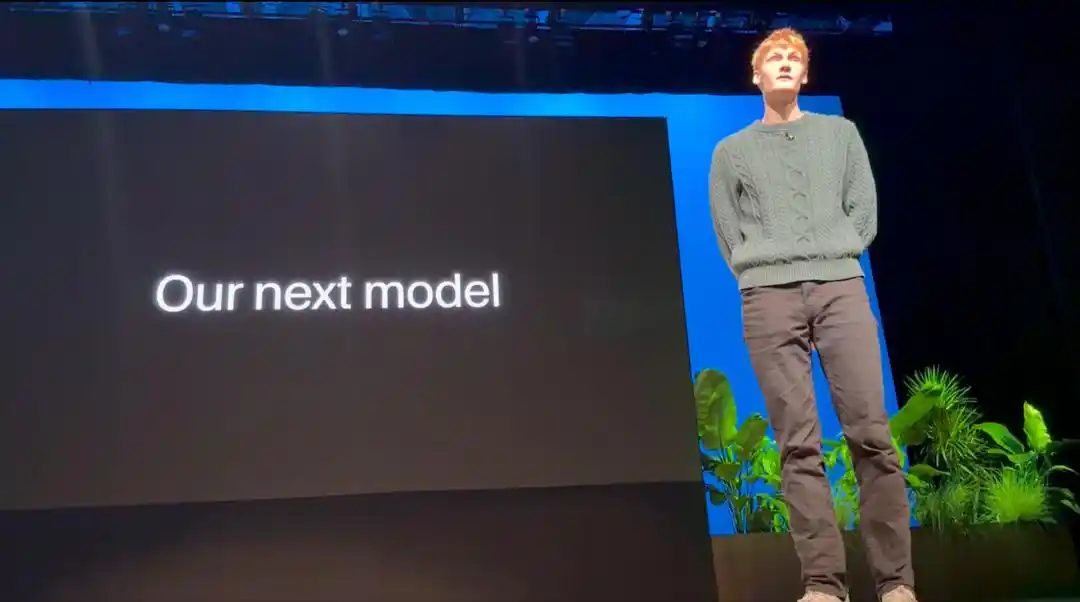
В последние несколько месяцев SpaceXAI совместно с Cursor обучали модель, которая вскоре будет выпущена в Cursor и Grok Build.

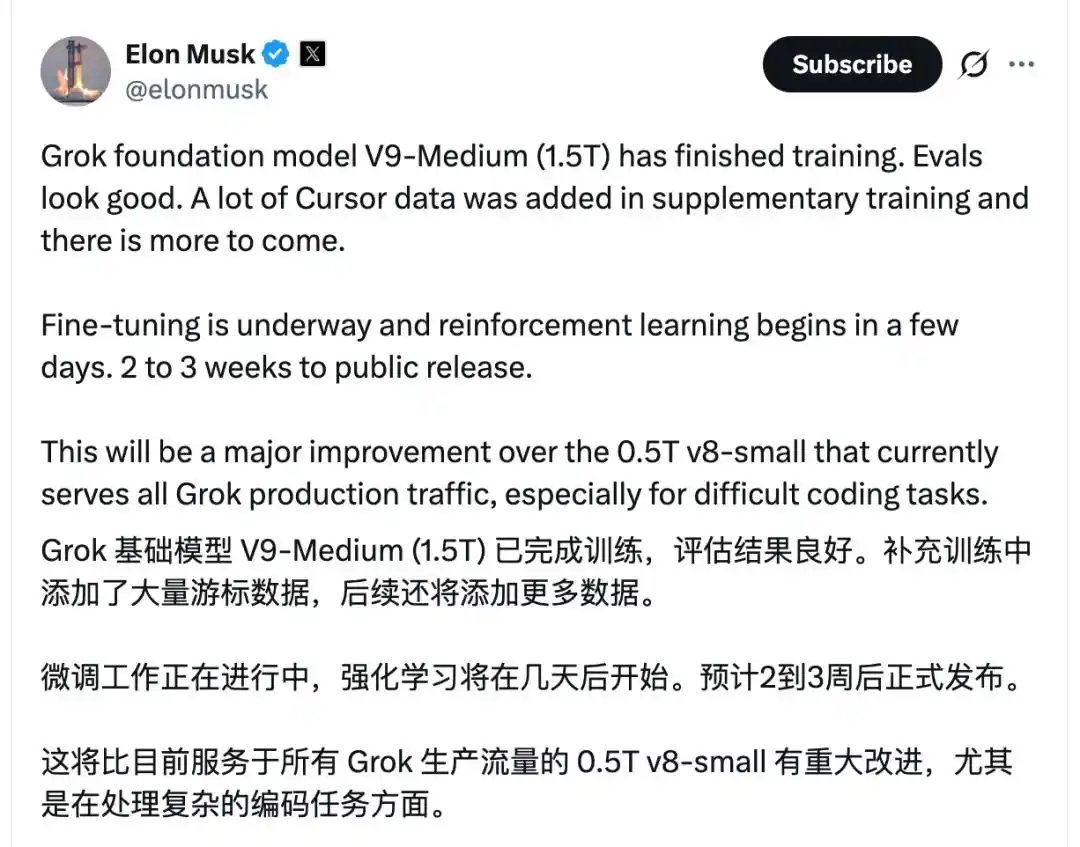
Предполагается, что новая модель, о которой говорил Майкл, — это та самая базовая модель на 1.5T, упомянутая Маском 25 мая, с двумя конвейерами обучения с подкреплением — для Cursor и Grok соответственно.
На конференции Майкл рассказал о трех отличиях новой обучаемой модели.

Во-первых, она очень крупная, сопоставима по масштабу с AGI-моделями OpenAI.

Во-вторых, она обучается с нуля, а не дообучается на основе открытой модели. «Мы любим open source и хотим найти больше способов отдавать сообществу. Но обучение базовой модели с нуля позволяет нам лучше контролировать поведение модели и более полно охватывать те рабочие нагрузки, которые действительно важны для меня и для вас», — сказал Майкл. Ранее Cursor обвиняли в создании оболочки для Kimi.

В-третьих, и это ключевой момент, вычислительные ресурсы, которые теперь использует Cursor, в 10-20 раз больше, чем те, что были доступны ранее. По сравнению с прошлым, в предыдущем поколении моделей уже использовалось больше вычислительных ресурсов, но сейчас впервые произошло действительно масштабное увеличение вычислительных затрат.

«Это очень важно», — сказал Майкл. «Раньше, от Composer 1 до Composer 2.5, вычислительные ресурсы, затраченные на обучение наших моделей, были очень малы по сравнению с передовыми лабораториями, что сильно ограничивало наши возможности. Многие методы улучшения моделей в конечном итоге упираются в один вопрос: можем ли мы проводить больше экспериментов, обучать модели дольше. Поэтому это увеличение вычислительной мощности на порядок действительно дает нам возможность создавать дифференцированные возможности, и мы надеемся вскоре передать их вам, представив по-настоящему впечатляющие и мощные новые функции».

Однако пользователь Lisan al Gaib сообщил: «На самом деле, Opus 4.5 — 4.8, а также GPT-5 — GPT-5.5, не такие уж и большие! (Все они имеют менее 2 триллионов параметров)». Он продолжил: «Это означает, что текущая производительность GPT-5.5 и Opus 4.8 достижима и для open-source моделей. Потому что угадайте, что еще имеет такой же масштаб? DeepSeek-V4-Pro».

Gaib заявил, что единственный ров — это масштабирование:

На данный момент Anthropic — единственная лаборатория, успешно совершившая переход к масштабу примерно в 10 триллионов параметров, и именно поэтому я больше не считаю, что OpenAI сможет догнать их к концу года. В дальнейшем Anthropic просто нужно продолжать вкладывать вычислительные ресурсы в обучение с подкреплением на Mythos, и она продолжит совершенствоваться в ближайшие 1-2 года.

Google не достиг таких масштабов и, кажется, переборщил с разреженностью. Они явно также не знают, как довести модель до реальной пригодности к использованию с помощью обучения с подкреплением.

OpenAI все еще скована тенью GPT-4.5.

xAI и Meta все еще находятся на стадии планирования.

Ранее инвестор с Уолл-стрит Гэвин Бейкер очень высоко оценил Cursor: «За исключением Anthropic, у Cursor «количество токенов в проприетарных данных для обучения коду» больше, чем у любой другой лаборатории в мире. Внутренняя кодовая модель Cursor Composer 2.5, даже не пройдя полного обучения уровня Colossus, уже приближается к уровню передовых моделей».

Некоторые пользователи оптимистично оценивают эту сделку: «Cursor сильна в обучении с подкреплением, а у SpaceX достаточно вычислительных мощностей для обучения 10T модели. Поэтому, возможно, SpaceX выиграет гонку искусственного интеллекта».

Не только код

Кроме того, некоторые пользователи заметили, что в официальном твите о своем анонсе Cursor не называет себя «ориентированной на разработчиков», а лишь говорит о «полезном ИИ». Поэтому они полагают, что Cursor, скорее всего, станет прямым конкурентом Codex и Claude Desktop.

В какой-то степени это соответствует тому, что Майкл подчеркивал на конференции относительно позиционирования новой модели: «Это будет умная модель, которая умеет не только писать код».

Майкл считает, что это очень важно для того, чем команда хочет заниматься. «Наша цель — позволить любому человеку создавать на компьютере то, что он хочет. Сейчас узкое место смещается от самого «написания кода» ко всем тем навыкам, которые вы ожидаете от коллеги-инженера».

Это означает, что модель должна уметь пользоваться инструментами инженера; уметь проводить мониторинг, планирование, реальное тестирование ПО и нажимать кнопки в интерфейсе; также это означает, что команде необходимо хорошо организовать пользовательский опыт, чтобы пользователь четко видел, что именно изменил агент.

«Поэтому мы выйдем за рамки просто «надежного кодирования», наделив эту модель более сильным общим интеллектом. Соответствующее обучение уже началось и будет выпущено в ближайшие недели. И все это поддерживается нашим сотрудничеством со SpaceX. Как вы уже знаете, это уже не просто обычное партнерство», — сказал Майкл.

По его мнению, сейчас на самом деле не так много AI-игроков и организаций, которые одновременно могут слаженно проектировать как продуктовый уровень, так и модельный уровень. Происхождение других игроков часто связано либо с крупными технологическими компаниями, либо они изначально были лабораториями, которые позже постепенно переориентировались на разработчиков и продукты. Компания же, стоящая за Cursor, независимо от её недостатков, изначально создавалась вокруг разработчиков. Её составляют люди, которые искренне хотят сделать инструменты полезными для разработчиков.

Поэтому Майкл считает, что на следующем этапе компания впервые объединила группу людей, которые действительно понимают детали продукта и рабочие процессы разработчиков, со способностью напрямую модифицировать базовые возможности модели. «Мы можем влиять не только на пиксели на экране, но и редактировать фундаментальные возможности самой модели, а возможности модели — очень важная часть продукта».

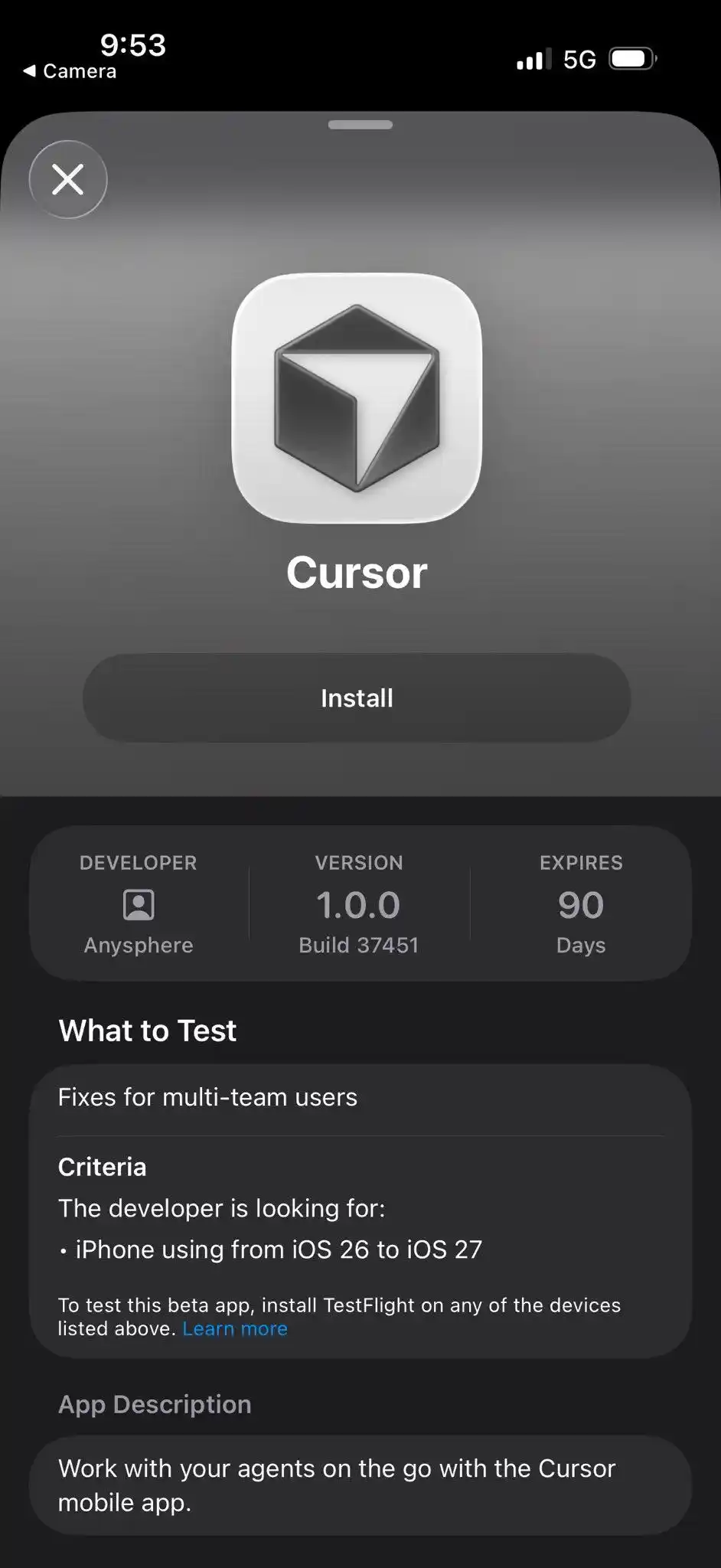
Примечательно, что Cursor Mobile сейчас находится в бета-тестировании, включая функцию удаленного управления хостом на Mac.
Git-платформа для агентов — соперничество с Microsoft GitHub

Помимо модели, Cursor также представила нативную для агентов Git-платформу: Origin.

«Современные Git-хостинги созданы для разработчиков-людей: они лишь изредка клонируют репозитории, делают несколько коммитов в день, а не для агентов, которые будут клонировать и пушить тысячи раз в день», — написал инженер Cursor Остин Ник Пил на X. «Очень рад создать Git-хостинг для этого нового мира».

Origin — это конкурент GitHub, который Cursor пытается создать как «агент-нативный»: это платформа для хостинга кода, совместимая с Git, но в её основу заложено предположение, что в будущем множество AI-агентов будут параллельно клонировать, создавать ветки, коммитить, делать rebase, проверять код и исправлять неудачные задачи.

Некоторые пользователи считают, что это делает приобретение Graphite в прошлом году еще более интересным. «Graphite привнес стек PR, процесс код-ревью, очередь слияния и более четкий опыт совместной работы, а Origin дополняет его ниже уровнем хостинга кода».

Таким образом, Cursor больше не является просто «VS Code с ИИ». Они пытаются контролировать всю AI-фабрику ПО: писать код в Cursor, запускать агентов параллельно, проверять код с помощью рабочего процесса Graphite, а затем размещать и сливать код через Origin.

«GitHub создан для разработки ПО в человеческих масштабах. А Origin позиционируется как инфраструктура для следующего узкого места: как координировать, проверять и безопасно объединять код в эпоху массовой генерации кода агентами». — резюмируют они.

Согласно видео, опубликованному пользователями, на конференции Compile Origin представлял сооснователь Graphite Томас Реймерс.
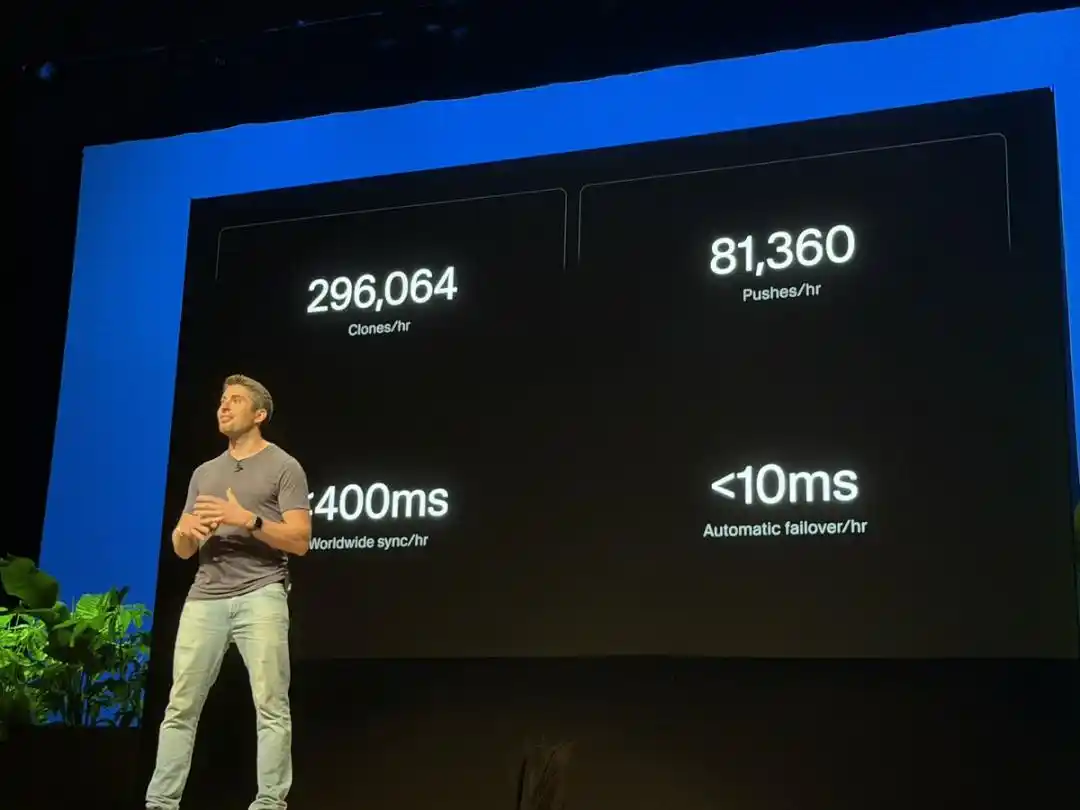
Разработка программного обеспечения — это не только написание кода. Она также включает тестирование, проверку, слияние и правильное развертывание. Мы постоянно стараемся найти лучший способ ускорить эти этапы процесса разработки ПО.

«За последние несколько лет мы заметили тенденцию: по мере того, как эти компании начали внедрять AI-программирование, инструменты, на которые они раньше полагались, начали становиться ненадежными. Потому что за последние годы AI-инструменты кардинально изменили всю отрасль. Они дали возможность каждому разработчику стать в 10-100 раз более эффективным», — сказал Томас. «Но такие изменения также требуют, чтобы инструменты разработки изменились на фундаментальном уровне. Именно поэтому после поглощения Cursor мы ускорили реализацию нашего самого амбициозного проекта: перестроить этот инфраструктурный уровень с нуля».

Сообщается, что Origin масштабируется для адаптации к рабочим нагрузкам агентов, поддерживает API и расширения MCP и имеет встроенные механизмы автоматического разрешения конфликтов слияния и коллаборационных сбоев агентами.

Один разработчик сказал: «Моя любимая функция, наверное, — автоматическое разрешение конфликтов. Когда десятки AI-агентов одновременно коммитят код, вызывая огромные конфликты слияния, Origin сможет автоматически их исправлять».

«Пожалуй, пора найти конкурента для GitHub, посмотрим, принесет ли это перемены», — пошутил другой пользователь. «GitHub смотрит, как все один за другим медленно воспроизводят его функциональность». Конечно, были и скептики: «Cursor не может даже справиться со своей собственной службой поддержки, а теперь хочет взяться за Git?»

По официальной информации, Origin будет запущен осенью этого года, и запись в лист ожидания уже открыта. Некоторые разработчики опасаются, что когда этот «продукт будущего» действительно запустится, люди, возможно, уже забудут о нем.

Заключение

Многие поражаются нынешним достижениям Cursor, основанной в 2023 году четырьмя выпускниками MIT: изначально это был стартап в области шифрованной связи, позже расширившийся до сферы AI-инструментов для программирования. Компания была одной из первых, кто полностью внедрил возможности больших моделей в IDE. Это форк Visual Studio Code с глубокой интеграцией функций ИИ. Однако позже аналогичные функции начали внедрять и существующие платформы, и более крупные AI-компании.

В настоящее время годовой доход Cursor составляет десятки миллиардов долларов. Однако по мере того, как Claude Code от Anthropic стал доминировать в этой области, доля рынка Cursor также снизилась. По сообщениям зарубежных СМИ, Cursor все еще пытается выйти на уровень безубыточности.

Инструменты, создаваемые Cursor, позволяют разработчикам переключаться между различными AI-моделями, включая модели от OpenAI, Anthropic, xAI, Google и других компаний. Компания конкурирует с Claude Code от Anthropic и Codex от OpenAI — продуктами, которые могут писать код, отлаживать ПО и автоматизировать выполнение задач.

Став полностью дочерней компанией SpaceX, Cursor получила больше вычислительных мощностей. Аналитики считают, что SpaceX также сможет за счет этого привлечь прибыльных корпоративных клиентов. Ранее многие корпоративные клиенты практически не использовали собственного чат-помощника SpaceX — Grok. Grok конкурирует с Claude и ChatGPT, Маск позиционирует его как «анти-пробужденного», ищущего правду чат-бота, но он все еще отстает от других передовых моделей.

Слухи о поглощении Cursor компанией SpaceX появились еще в апреле. Тогда SpaceX и материнская компания Cursor Anysphere подписали соглашение о вычислениях и опционах. SpaceX предоставит Cursor вычислительные мощности кластера GPU определенного масштаба, стороны будут сотрудничать для улучшения существующих моделей, включая Grok, и могут совместно разрабатывать новые AI-модели и связанные с ними продукты.

Тогда это сотрудничество еще не означало, что Cursor уже поглощена. Согласно проспекту эмиссии SpaceX, SpaceX получила право, но не обязательство по принудительному поглощению: в будущем она может приобрести Cursor по заранее согласованной цене. Если SpaceX воспользуется своим правом на поглощение после завершения данного размещения, расчет будет производиться акциями класса A SpaceX на основе подразумеваемой стоимости собственного капитала Cursor в 60 миллиардов долларов и средневзвешенной цены закрытия акций класса A SpaceX за семь торговых дней до завершения поглощения.

Соглашение также предусматривает высокий выходной «штраф за расторжение». Если SpaceX расторгнет опционное соглашение или Cursor расторгнет его в связи с существенным нарушением со стороны SpaceX, Cursor имеет право на получение 1.5 миллиарда долларов США в качестве платы за расторжение, а также на расчет отложенной платы за услуги в размере 8.5 миллиардов долларов США по соглашению, в сумме составляющей 10 миллиардов долларов США. Соответствующие платежи могут быть произведены наличными; если к тому моменту IPO SpaceX еще не будет завершено, они также могут быть оплачены акциями класса A.

В прошлую пятницу SpaceX завершила публичное размещение, в первый день акции выросли на 19%, в понедельник — на 20%, а во вторник — примерно на 5%. В настоящее время рыночная капитализация составляет около 2.66 триллиона долларов США. После роста акций SpaceX её рыночная капитализация во вторник превысила капитализацию Amazon, войдя в пятерку компаний с самой высокой рыночной капитализацией в США.

На сегодняшний день поглощение Cursor компанией SpaceX можно считать свершившимся фактом, но это также и новое начало. Сбудется ли ожидание многих разработчиков, что они смогут изменить текущую рыночную ситуацию, покажет время.

Ссылки для справки:

https://www.wsj.com/business/spacex-agrees-to-buy-ai-coding-agent-cursor-for-60-billion-7a473340?st=2addXh&reflink=article_copyURL_share

https://x.com/morganlinton/status/2066946225837109735

Эта статья взята с официального аккаунта WeChat «InfoQ» (ID: infoqchina), автор Чу Синцзюань.

Trending Cryptos

Related Questions

QЧто нового объявила Cursor на конференции Compile, и как это связано с приобретением SpaceX?

ACursor объявила о предстоящем выпуске новой модели с более чем 1,5 трлн параметров, полностью обученной с нуля, и о платформе для размещения кода Origin, предназначенной для ИИ-агентов. Эти анонсы последовали почти сразу после сообщения о том, что SpaceX воспользовалась опционом на приобретение Cursor за акции на сумму 60 млрд долларов, что предоставляет Cursor доступ к значительным вычислительным ресурсам.

QЧем новая модель Cursor, согласно заявлению её CEO, будет отличаться от предыдущих?

AСогласно CEO Cursor Майклу Труэллу, новая модель отличается тремя ключевыми особенностями: 1) Она имеет очень большой масштаб, сравнимый с моделями AGI-уровня от OpenAI. 2) Она обучается с нуля, а не дообучается на основе открытых моделей, что даёт больший контроль. 3) Для её обучения используется в 10-20 раз больше вычислительных ресурсов, чем раньше, что открывает новые возможности.

QЧто такое Origin и какую проблему она призвана решить?

AOrigin — это новая платформа для размещения кода (Git-хостинг), созданная специально для эпохи ИИ-агентов. Она предназначена для обработки огромного количества параллельных операций (клонирование, коммиты и т.д.), которые будут выполнять ИИ, а не люди. Ключевые функции включают масштабируемость под нагрузку от агентов и автоматическое разрешение конфликтов при слиянии кода.

QКаковы финансовые условия сделки между SpaceX и Cursor?

AСделка является полностью акционной. SpaceX приобретает Cursor, выплачивая акции на сумму 60 млрд долларов, исходя из оценочной стоимости Cursor. Сделка должна быть завершена в третьем квартале 2026 года. В соглашении также предусмотрен высокий штраф за разрыв (отступное) в размере 100 млрд долларов, если SpaceX откажется от сделки или допустит существенное нарушение.

QКак аналитики оценивают перспективы Cursor после присоединения к SpaceX?

AМногие наблюдатели оценивают перспективы высоко, видя синергию между экспертизой Cursor в области машинного обучения (особенно обучении с подкреплением) и практически безграничными вычислительными ресурсами SpaceX. Это сочетание может позволить им обучить модель колоссального масштаба (например, на 10 трлн параметров) и стать серьёзным конкурентом на рынке ИИ, потенциально бросив вызов таким игрокам, как GitHub (Microsoft) и другим крупным лабораториям ИИ.

Related Reads

Foundation Steps Back, Ethlabs Steps Forward: Ethereum Undergoes Its Largest Restructuring in History

On June 23rd, the Ethereum ecosystem witnessed two major shifts, signaling a significant governance realignment. First, former Ethereum Foundation researchers established Ethlabs, a new independent non-profit. Backed by major ETH holders like Bitmine and SharpLink, Ethlabs aims to address practical needs for institutional adoption, including faster settlement, native asset issuance, cross-chain transactions, and mainnet scaling. Secondly, the Ethereum Foundation announced a major restructuring, laying off 54 employees (20% of its staff) to become a leaner entity focused on protocol governance and maintenance rather than being the primary builder. This move represents a pivotal correction. Criticisms had mounted over the Foundation's perceived slowness, lack of clear strategy, and over-reliance on Vitalik Buterin's influence. Ethlabs emerges as a more execution-oriented, "industrialized" layer focused on market adoption—bridging the gap between research and real-world use. Notably, Vitalik Buterin is absent from its list of supporters, interpreted as an intentional step to avoid excessive personal endorsement and allow the organization to build independent credibility. The Ethereum Foundation's downsizing and redefinition mark a retreat from its former central coordinating role. It now aims to share the "privilege of stewarding Ethereum" with other emerging groups like Ethlabs, the Ethereum Applications Guild, and The Ethereum Economic Zone. Analysts frame this dual shift as the Foundation ensuring Ethereum remains "correct" (credibly neutral), while Ethlabs must prove it remains "effective" (competitive and attractive for capital and adoption). This addresses community "shareholder-like anxiety" about ETH's market performance. While risks exist—such as concerns over shifting from Foundation centrality to large-holder influence—the consensus is that the greater risk for Ethereum was inaction, caught between technical idealism and organizational inertia. These steps aim to create a more multi-stakeholder, execution-driven future for the network.

链捕手1h ago

Foundation Steps Back, Ethlabs Steps Forward: Ethereum Undergoes Its Largest Restructuring in History

链捕手1h ago

Second Half of U.S. Crypto Policy: The Clarity Act Aims for 60 Votes, CFTC's "One-Person Commission" Becomes Biggest Variable

In a pivotal year for US crypto policy, the "CLARITY Act" is advancing in the Senate but faces a high hurdle, needing 60 votes to pass. Key challenges include bridging partisan divides on ethics and swaying undecided Republican senators within a tight legislative calendar of only about 40 working days. The policy "second half" involves intense negotiations on a broader framework for Web3 and DeFi, including crypto tax reforms and the Blockchain Regulatory Certainty Act. A significant uncertainty is the understaffed CFTC, operating with four commissioner vacancies, which complicates regulatory clarity. Meanwhile, the departure of key "crypto champions"—SEC Commissioner Hester Peirce and Senator Cynthia Lummis—will impact ongoing policy efforts. Industry experts are cautiously optimistic but realistic. Sara K. Weed notes that while progress is being made, CLARITY is unlikely to pass this Congress, pushing agencies like the SEC and CFTC to provide more guidance. Sulolit Mukherjee suggests meaningful crypto tax legislation is more likely to be attached to larger must-pass bills. Rashan Colbert discusses the jurisdictional debate over prediction markets, emphasizing the need for a regulatory framework that fosters their development as financial tools rather than treating them broadly as gambling. The clock is ticking, but opportunities remain for substantive progress through continued bipartisan dialogue and pragmatic efforts.

marsbit4h ago

Second Half of U.S. Crypto Policy: The Clarity Act Aims for 60 Votes, CFTC's "One-Person Commission" Becomes Biggest Variable

marsbit4h ago

Research Report Analysis: Morgan Stanley Details SanDisk SNDK, The Truth About Cloud Data Center Pricing Power and AI Inference Benefits

Morgan Stanley raised its price target for SanDisk (SNDK) from $1100 to $1750 on June 22, maintaining an Overweight rating. The upgrade is driven by AI inference demand reshaping the NAND market, particularly for KV Cache and context window storage in cloud data centers. These cloud clients exhibit price inelasticity and sign long-term contracts, granting SanDisk significant pricing power. SanDisk's New Business Model (NBM) agreements, covering over one-third of FY27 bit shipments with 3-5 year terms and fixed price/price collar structures, are crucial. They are projected to sustain gross margins around 80% even at floor prices, providing a buffer against cyclical downturns. Morgan Stanley forecasts gross margins to surge from 30.3% in FY25 to 86.7% in FY27e. With NAND supply expected to remain tight into 2026/2027 and cloud/data centers becoming the largest end-market, SanDisk holds supply-side pricing power. The company targets 15-19% bit growth via technology transitions, not capacity expansion. Revenue is projected to grow ~6.6x from FY25 to FY27, with EPS rising from $2.74 to $14.73, driven by high-margin cloud business. Key upside catalysts include faster enterprise SSD adoption and edge AI growth. Downside risks involve slower industry growth, competitor capex increases, market share loss, and competition from Chinese players like YMTC. The investment thesis rests on AI-driven structural demand, NBM's margin protection, and sustained supply tightness. The $1750 target implies ~28x FY27e P/E.

marsbit5h ago

Research Report Analysis: Morgan Stanley Details SanDisk SNDK, The Truth About Cloud Data Center Pricing Power and AI Inference Benefits

marsbit5h ago

Trading

Spot
Futures

Hot Articles

What is SONIC

Sonic: Pioneering the Future of Gaming in Web3 Introduction to Sonic In the ever-evolving landscape of Web3, the gaming industry stands out as one of the most dynamic and promising sectors. At the forefront of this revolution is Sonic, a project designed to amplify the gaming ecosystem on the Solana blockchain. Leveraging cutting-edge technology, Sonic aims to deliver an unparalleled gaming experience by efficiently processing millions of requests per second, ensuring that players enjoy seamless gameplay while maintaining low transaction costs. This article delves into the intricate details of Sonic, exploring its creators, funding sources, operational mechanics, and the timeline of significant events that have shaped its journey. What is Sonic? Sonic is an innovative layer-2 network that operates atop the Solana blockchain, specifically tailored to enhance the existing Solana gaming ecosystem. It accomplishes this through a customised, VM-agnostic game engine paired with a HyperGrid interpreter, facilitating sovereign game economies that roll up back to the Solana platform. The primary goals of Sonic include: Enhanced Gaming Experiences: Sonic is committed to offering lightning-fast on-chain gameplay, allowing players and developers to engage with games at previously unattainable speeds. Atomic Interoperability: This feature enables transactions to be executed within Sonic without the need to redeploy Solana programmes and accounts. This makes the process more efficient and directly benefits from Solana Layer1 services and liquidity. Seamless Deployment: Sonic allows developers to write for Ethereum Virtual Machine (EVM) based systems and execute them on Solana’s SVM infrastructure. This interoperability is crucial for attracting a broader range of dApps and decentralised applications to the platform. Support for Developers: By offering native composable gaming primitives and extensible data types - dining within the Entity-Component-System (ECS) framework - game creators can craft intricate business logic with ease. Overall, Sonic's unique approach not only caters to players but also provides an accessible and low-cost environment for developers to innovate and thrive. Creator of Sonic The information regarding the creator of Sonic is somewhat ambiguous. However, it is known that Sonic's SVM is owned by the company Mirror World. The absence of detailed information about the individuals behind Sonic reflects a common trend in several Web3 projects, where collective efforts and partnerships often overshadow individual contributions. Investors of Sonic Sonic has garnered considerable attention and support from various investors within the crypto and gaming sectors. Notably, the project raised an impressive $12 million during its Series A funding round. The round was led by BITKRAFT Ventures, with other notable investors including Galaxy, Okx Ventures, Interactive, Big Brain Holdings, and Mirana. This financial backing signifies the confidence that investment foundations have in Sonic’s potential to revolutionise the Web3 gaming landscape, further validating its innovative approaches and technologies. How Does Sonic Work? Sonic utilises the HyperGrid framework, a sophisticated parallel processing mechanism that enhances its scalability and customisability. Here are the core features that set Sonic apart: Lightning Speed at Low Costs: Sonic offers one of the fastest on-chain gaming experiences compared to other Layer-1 solutions, powered by the scalability of Solana’s virtual machine (SVM). Atomic Interoperability: Sonic enables transaction execution without redeployment of Solana programmes and accounts, effectively streamlining the interaction between users and the blockchain. EVM Compatibility: Developers can effortlessly migrate decentralised applications from EVM chains to the Solana environment using Sonic’s HyperGrid interpreter, increasing the accessibility and integration of various dApps. Ecosystem Support for Developers: By exposing native composable gaming primitives, Sonic facilitates a sandbox-like environment where developers can experiment and implement business logic, greatly enhancing the overall development experience. Monetisation Infrastructure: Sonic natively supports growth and monetisation efforts, providing frameworks for traffic generation, payments, and settlements, thereby ensuring that gaming projects are not only viable but also sustainable financially. Timeline of Sonic The evolution of Sonic has been marked by several key milestones. Below is a brief timeline highlighting critical events in the project's history: 2022: The Sonic cryptocurrency was officially launched, marking the beginning of its journey in the Web3 gaming arena. 2024: June: Sonic SVM successfully raised $12 million in a Series A funding round. This investment allowed Sonic to further develop its platform and expand its offerings. August: The launch of the Sonic Odyssey testnet provided users with the first opportunity to engage with the platform, offering interactive activities such as collecting rings—a nod to gaming nostalgia. October: SonicX, an innovative crypto game integrated with Solana, made its debut on TikTok, capturing the attention of over 120,000 users within a short span. This integration illustrated Sonic’s commitment to reaching a broader, global audience and showcased the potential of blockchain gaming. Key Points Sonic SVM is a revolutionary layer-2 network on Solana explicitly designed to enhance the GameFi landscape, demonstrating great potential for future development. HyperGrid Framework empowers Sonic by introducing horizontal scaling capabilities, ensuring that the network can handle the demands of Web3 gaming. Integration with Social Platforms: The successful launch of SonicX on TikTok displays Sonic’s strategy to leverage social media platforms to engage users, exponentially increasing the exposure and reach of its projects. Investment Confidence: The substantial funding from BITKRAFT Ventures, among others, emphasizes the robust backing Sonic has, paving the way for its ambitious future. In conclusion, Sonic encapsulates the essence of Web3 gaming innovation, striking a balance between cutting-edge technology, developer-centric tools, and community engagement. As the project continues to evolve, it is poised to redefine the gaming landscape, making it a notable entity for gamers and developers alike. As Sonic moves forward, it will undoubtedly attract greater interest and participation, solidifying its place within the broader narrative of blockchain gaming.

1.7k Total ViewsPublished 2024.04.04Updated 2024.12.03

What is SONIC

What is $S$

Understanding SPERO: A Comprehensive Overview Introduction to SPERO As the landscape of innovation continues to evolve, the emergence of web3 technologies and cryptocurrency projects plays a pivotal role in shaping the digital future. One project that has garnered attention in this dynamic field is SPERO, denoted as SPERO,$$s$. This article aims to gather and present detailed information about SPERO, to help enthusiasts and investors understand its foundations, objectives, and innovations within the web3 and crypto domains. What is SPERO,$$s$? SPERO,$$s$ is a unique project within the crypto space that seeks to leverage the principles of decentralisation and blockchain technology to create an ecosystem that promotes engagement, utility, and financial inclusion. The project is tailored to facilitate peer-to-peer interactions in new ways, providing users with innovative financial solutions and services. At its core, SPERO,$$s$ aims to empower individuals by providing tools and platforms that enhance user experience in the cryptocurrency space. This includes enabling more flexible transaction methods, fostering community-driven initiatives, and creating pathways for financial opportunities through decentralised applications (dApps). The underlying vision of SPERO,$$s$ revolves around inclusiveness, aiming to bridge gaps within traditional finance while harnessing the benefits of blockchain technology. Who is the Creator of SPERO,$$s$? The identity of the creator of SPERO,$$s$ remains somewhat obscure, as there are limited publicly available resources providing detailed background information on its founder(s). This lack of transparency can stem from the project's commitment to decentralisation—an ethos that many web3 projects share, prioritising collective contributions over individual recognition. By centring discussions around the community and its collective goals, SPERO,$$s$ embodies the essence of empowerment without singling out specific individuals. As such, understanding the ethos and mission of SPERO remains more important than identifying a singular creator. Who are the Investors of SPERO,$$s$? SPERO,$$s$ is supported by a diverse array of investors ranging from venture capitalists to angel investors dedicated to fostering innovation in the crypto sector. The focus of these investors generally aligns with SPERO's mission—prioritising projects that promise societal technological advancement, financial inclusivity, and decentralised governance. These investor foundations are typically interested in projects that not only offer innovative products but also contribute positively to the blockchain community and its ecosystems. The backing from these investors reinforces SPERO,$$s$ as a noteworthy contender in the rapidly evolving domain of crypto projects. How Does SPERO,$$s$ Work? SPERO,$$s$ employs a multi-faceted framework that distinguishes it from conventional cryptocurrency projects. Here are some of the key features that underline its uniqueness and innovation: Decentralised Governance: SPERO,$$s$ integrates decentralised governance models, empowering users to participate actively in decision-making processes regarding the project’s future. This approach fosters a sense of ownership and accountability among community members. Token Utility: SPERO,$$s$ utilises its own cryptocurrency token, designed to serve various functions within the ecosystem. These tokens enable transactions, rewards, and the facilitation of services offered on the platform, enhancing overall engagement and utility. Layered Architecture: The technical architecture of SPERO,$$s$ supports modularity and scalability, allowing for seamless integration of additional features and applications as the project evolves. This adaptability is paramount for sustaining relevance in the ever-changing crypto landscape. Community Engagement: The project emphasises community-driven initiatives, employing mechanisms that incentivise collaboration and feedback. By nurturing a strong community, SPERO,$$s$ can better address user needs and adapt to market trends. Focus on Inclusion: By offering low transaction fees and user-friendly interfaces, SPERO,$$s$ aims to attract a diverse user base, including individuals who may not previously have engaged in the crypto space. This commitment to inclusion aligns with its overarching mission of empowerment through accessibility. Timeline of SPERO,$$s$ Understanding a project's history provides crucial insights into its development trajectory and milestones. Below is a suggested timeline mapping significant events in the evolution of SPERO,$$s$: Conceptualisation and Ideation Phase: The initial ideas forming the basis of SPERO,$$s$ were conceived, aligning closely with the principles of decentralisation and community focus within the blockchain industry. Launch of Project Whitepaper: Following the conceptual phase, a comprehensive whitepaper detailing the vision, goals, and technological infrastructure of SPERO,$$s$ was released to garner community interest and feedback. Community Building and Early Engagements: Active outreach efforts were made to build a community of early adopters and potential investors, facilitating discussions around the project’s goals and garnering support. Token Generation Event: SPERO,$$s$ conducted a token generation event (TGE) to distribute its native tokens to early supporters and establish initial liquidity within the ecosystem. Launch of Initial dApp: The first decentralised application (dApp) associated with SPERO,$$s$ went live, allowing users to engage with the platform's core functionalities. Ongoing Development and Partnerships: Continuous updates and enhancements to the project's offerings, including strategic partnerships with other players in the blockchain space, have shaped SPERO,$$s$ into a competitive and evolving player in the crypto market. Conclusion SPERO,$$s$ stands as a testament to the potential of web3 and cryptocurrency to revolutionise financial systems and empower individuals. With a commitment to decentralised governance, community engagement, and innovatively designed functionalities, it paves the way toward a more inclusive financial landscape. As with any investment in the rapidly evolving crypto space, potential investors and users are encouraged to research thoroughly and engage thoughtfully with the ongoing developments within SPERO,$$s$. The project showcases the innovative spirit of the crypto industry, inviting further exploration into its myriad possibilities. While the journey of SPERO,$$s$ is still unfolding, its foundational principles may indeed influence the future of how we interact with technology, finance, and each other in interconnected digital ecosystems.

63 Total ViewsPublished 2024.12.17Updated 2024.12.17

What is $S$

What is AGENT S

Agent S: The Future of Autonomous Interaction in Web3 Introduction In the ever-evolving landscape of Web3 and cryptocurrency, innovations are constantly redefining how individuals interact with digital platforms. One such pioneering project, Agent S, promises to revolutionise human-computer interaction through its open agentic framework. By paving the way for autonomous interactions, Agent S aims to simplify complex tasks, offering transformative applications in artificial intelligence (AI). This detailed exploration will delve into the project's intricacies, its unique features, and the implications for the cryptocurrency domain. What is Agent S? Agent S stands as a groundbreaking open agentic framework, specifically designed to tackle three fundamental challenges in the automation of computer tasks: Acquiring Domain-Specific Knowledge: The framework intelligently learns from various external knowledge sources and internal experiences. This dual approach empowers it to build a rich repository of domain-specific knowledge, enhancing its performance in task execution. Planning Over Long Task Horizons: Agent S employs experience-augmented hierarchical planning, a strategic approach that facilitates efficient breakdown and execution of intricate tasks. This feature significantly enhances its ability to manage multiple subtasks efficiently and effectively. Handling Dynamic, Non-Uniform Interfaces: The project introduces the Agent-Computer Interface (ACI), an innovative solution that enhances the interaction between agents and users. Utilizing Multimodal Large Language Models (MLLMs), Agent S can navigate and manipulate diverse graphical user interfaces seamlessly. Through these pioneering features, Agent S provides a robust framework that addresses the complexities involved in automating human interaction with machines, setting the stage for myriad applications in AI and beyond. Who is the Creator of Agent S? While the concept of Agent S is fundamentally innovative, specific information about its creator remains elusive. The creator is currently unknown, which highlights either the nascent stage of the project or the strategic choice to keep founding members under wraps. Regardless of anonymity, the focus remains on the framework's capabilities and potential. Who are the Investors of Agent S? As Agent S is relatively new in the cryptographic ecosystem, detailed information regarding its investors and financial backers is not explicitly documented. The lack of publicly available insights into the investment foundations or organisations supporting the project raises questions about its funding structure and development roadmap. Understanding the backing is crucial for gauging the project's sustainability and potential market impact. How Does Agent S Work? At the core of Agent S lies cutting-edge technology that enables it to function effectively in diverse settings. Its operational model is built around several key features: Human-like Computer Interaction: The framework offers advanced AI planning, striving to make interactions with computers more intuitive. By mimicking human behaviour in tasks execution, it promises to elevate user experiences. Narrative Memory: Employed to leverage high-level experiences, Agent S utilises narrative memory to keep track of task histories, thereby enhancing its decision-making processes. Episodic Memory: This feature provides users with step-by-step guidance, allowing the framework to offer contextual support as tasks unfold. Support for OpenACI: With the ability to run locally, Agent S allows users to maintain control over their interactions and workflows, aligning with the decentralised ethos of Web3. Easy Integration with External APIs: Its versatility and compatibility with various AI platforms ensure that Agent S can fit seamlessly into existing technological ecosystems, making it an appealing choice for developers and organisations. These functionalities collectively contribute to Agent S's unique position within the crypto space, as it automates complex, multi-step tasks with minimal human intervention. As the project evolves, its potential applications in Web3 could redefine how digital interactions unfold. Timeline of Agent S The development and milestones of Agent S can be encapsulated in a timeline that highlights its significant events: September 27, 2024: The concept of Agent S was launched in a comprehensive research paper titled “An Open Agentic Framework that Uses Computers Like a Human,” showcasing the groundwork for the project. October 10, 2024: The research paper was made publicly available on arXiv, offering an in-depth exploration of the framework and its performance evaluation based on the OSWorld benchmark. October 12, 2024: A video presentation was released, providing a visual insight into the capabilities and features of Agent S, further engaging potential users and investors. These markers in the timeline not only illustrate the progress of Agent S but also indicate its commitment to transparency and community engagement. Key Points About Agent S As the Agent S framework continues to evolve, several key attributes stand out, underscoring its innovative nature and potential: Innovative Framework: Designed to provide an intuitive use of computers akin to human interaction, Agent S brings a novel approach to task automation. Autonomous Interaction: The ability to interact autonomously with computers through GUI signifies a leap towards more intelligent and efficient computing solutions. Complex Task Automation: With its robust methodology, it can automate complex, multi-step tasks, making processes faster and less error-prone. Continuous Improvement: The learning mechanisms enable Agent S to improve from past experiences, continually enhancing its performance and efficacy. Versatility: Its adaptability across different operating environments like OSWorld and WindowsAgentArena ensures that it can serve a broad range of applications. As Agent S positions itself in the Web3 and crypto landscape, its potential to enhance interaction capabilities and automate processes signifies a significant advancement in AI technologies. Through its innovative framework, Agent S exemplifies the future of digital interactions, promising a more seamless and efficient experience for users across various industries. Conclusion Agent S represents a bold leap forward in the marriage of AI and Web3, with the capacity to redefine how we interact with technology. While still in its early stages, the possibilities for its application are vast and compelling. Through its comprehensive framework addressing critical challenges, Agent S aims to bring autonomous interactions to the forefront of the digital experience. As we move deeper into the realms of cryptocurrency and decentralisation, projects like Agent S will undoubtedly play a crucial role in shaping the future of technology and human-computer collaboration.

738 Total ViewsPublished 2025.01.14Updated 2025.01.14

What is AGENT S

Discussions

Welcome to the HTX Community. Here, you can stay informed about the latest platform developments and gain access to professional market insights. Users' opinions on the price of S (S) are presented below.

活动图片