Los halcones del Fed se reagrupan: el difícil debut de Warsh

marsbitPublished on 2026-06-17Last updated on 2026-06-17

Abstract

Funcionarios de la Reserva Federal, incluidos los más "dovish" como Christopher Waller, han cambiado su postura y ahora no descartan una subida de tipos, reflejando un giro general hacia posturas más "hawkish". El nuevo presidente, Kevin Warsh, quien fue nombrado por Trump por su postura partidaria de bajadas, se enfrenta a su primera reunión en un momento incómodo: la inflación se mantiene por encima del 3%, el mercado laboral es fuerte, y la discusión interna ya no es cuándo recortar, sino si es necesario subir los tipos. El cambio es notable en figuras como Waller, que pasó de abogar por recortes a admitir la posibilidad de subidas. Incluso miembros más centrados, como Lisa Cook, ahora condicionan su postura. Los "halcones" del comité, como Hammack, Logan y Kashkari, llevan tiempo argumentando en esta dirección y piden eliminar cualquier sesgo a la baja en la comunicación. Se espera que la Fed mantenga los tipos este miércoles, pero el enfoque estará en la eliminación del "sesgo a la baja" en su comunicado y en el "dot plot", que probablemente mostrará que la mayoría de los funcionarios prevén tipos estables o incluso alguna subida este año. Warsh, crítico con estas herramientas de orientación, debe dirigir este mensaje de posible endurecimiento, que va en contra de los deseos del presidente que lo nombró. La señal es clara: el próximo movimiento de la Fed podría ser una subida de tipos.

Autor: Long Yue

Fuente: Wall Street Insights

Los funcionarios "más halcones" dentro de la Reserva Federal, que anteriormente abogaban por recortes de tasas, incluidos Waller y otros, recientemente han expresado que no excluyen un aumento de tasas. Prácticamente nadie dentro del comité defiende un recorte ahora. El debut de Warsh al frente de la reunión podría enviar una señal: el próximo paso del Fed podría ser un aumento de tasas.

Trump lo eligió para recortar tasas, pero poco después de asumir el cargo, sus colegas comenzaron a discutir aumentos.

El Wall Street Journal publicó recientemente un artículo en profundidad escrito por el experimentado periodista Nick Timiraos, justo antes de la primera reunión de tasas presidida por el nuevo presidente de la Fed, Kevin Warsh. Timiraos, quien lleva tiempo cubriendo exhaustivamente al Fed, es considerado por el mercado como el "portavoz de la Fed".

Timiraos escribe que Warsh entra en esta sala de reuniones en un momento extremadamente incómodo. El año pasado, públicamente abogó por recortes de tasas, y fue precisamente esta postura la que le valió el favor de Trump. Sin embargo, justo después de asumir oficialmente el cargo, la dirección de la discusión dentro de la Fed ha cambiado silenciosamente: ya no es "cuándo recortar", sino "si aumentar o no".

Este cambio no es repentino. Desde principios de este año, la inflación en Estados Unidos no ha bajado, sino que ha subido, superando el 3%; el mercado laboral se ha fortalecido nuevamente; los cuellos de botella en la oferta causados por la fiebre de la construcción de IA, y el aumento en el precio del petróleo impulsado por la guerra en Irán, continúan agregando leña al fuego de los precios. Las razones que originalmente sustentaban las expectativas de recortes de tasas han ido desapareciendo una tras otra.

Warsh se enfrenta a un comité que no formó personalmente, un conjunto de herramientas de pronóstico que ha criticado durante mucho tiempo, y una dirección de política que va en contra de los deseos del presidente que lo nombró. Este debut no será fácil.

¿Cómo se volvieron halcones los que eran palomas?

El cambio de actitud del gobernador de la Fed, Christopher Waller, es el ejemplo más claro.

Waller estuvo preocupado todo el año pasado por la debilidad del mercado laboral, e incluso en enero de este año, votó a favor de un recorte de tasas en contra de la mayoría de sus colegas. Pero justo el mes pasado, declaró públicamente que los últimos datos "me han empujado en la otra dirección". Dejó claro que apoya eliminar el "sesgo acomodaticio" de la declaración y dijo directamente: "Ya no puedo descartar la posibilidad de un aumento de tasas en algún momento en el futuro".

Sobre quienes aún discuten un recorte en septiembre, la respuesta de Waller fue bastante directa: "Como serio funcionario de un banco central, no puedes hablar seriamente de eso".

Los centristas también vacilan

Si Waller representa el cambio de las palomas, entonces el cambio de la gobernadora Lisa Cook muestra que incluso el "campo intermedio" se está moviendo.

Cook no es halcón, el mes pasado aún decía que mantener las tasas sin cambios era la opción correcta, y que el escenario base seguía siendo que la inflación caería por sí sola. Pero añadió una condición, algo casi imposible en ella hace un año: dijo que si la caída de la inflación "no se materializa a tiempo", ella "está lista para aumentar las tasas".

La preocupación subyacente es que cinco años consecutivos de inflación por encima del objetivo pueden haber comenzado a afectar la forma en que las empresas y los trabajadores fijan precios y negocian salarios, formando expectativas que se refuerzan a sí mismas.

Los halcones llevan tiempo esperando este día

Los halcones dentro del comité, de hecho, llevan tiempo descontentos.

A finales del año pasado, cuando el Fed recortó las tasas, la presidenta de la Fed de Cleveland, Beth Hammack, la presidenta de la Fed de Dallas, Lorie Logan, y la presidenta de la Fed de Minneapolis, Neel Kashkari, ya expresaron su desacuerdo con la decisión de recortar, argumentando que las razones para la flexibilización nunca fueron sólidas.

En abril de este año, los tres se unieron nuevamente; esta vez no se opusieron a la decisión de tasas en sí, sino a la frase en la declaración que insinuaba que "el próximo paso probablemente será un recorte": exigieron que se eliminara para indicar que un aumento de tasas es igualmente una opción posible.

Ahora, los datos se inclinan aún más a su favor. Hammack declaró este mes que mantener las cosas sin cambios por ahora es razonable, "pero si las tendencias recientes persisten, pronto podría ser necesario actuar". Logan fue aún más allá: "Me preocupa cada vez más que pueda ser necesario aumentar las tasas más adelante este año".

Los halcones también plantearon un argumento digno de atención: a medida que la inflación sube, las tasas de interés "reales" ajustadas por inflación en realidad están cayendo, lo que significa que la política del Fed podría estar siendo menos restrictiva para la economía de lo que sugieren los números superficiales. En otras palabras, simplemente "mantenerse quieto" podría ser, en cierto sentido, ya una forma de flexibilización.

El dilema de Warsh

Se espera que este miércoles el Fed mantenga la tasa de referencia sin cambios en el rango de 3.5% a 3.75%. Pero el verdadero punto de interés está en dos lugares.

Uno, es la redacción de la declaración. Se espera que se elimine esa frase "sesgo acomodaticio" mantenida durante meses, la cual insinuaba que el próximo paso probable sería un recorte, lo que significa que las posibilidades de recortar o aumentar tasas ahora se consideran equivalentes.

Dos, es el "gráfico de puntos" trimestral. En marzo de este año, más de una docena de funcionarios aún proyectaban al menos un recorte este año. Esta vez, se espera que la mayoría muestre que se mantendrán sin cambios durante el año, e incluso algunos podrían marcar un aumento en el gráfico.

El propio Warsh ha criticado durante mucho tiempo la excesiva dependencia del Fed de la "orientación prospectiva", incluidas herramientas como el gráfico de puntos. Puede optar por no presentar su propia proyección, o eliminar las insinuaciones relevantes de la declaración oficial. Pero Timiraos señala que esta distinción operativa tiene poco significado para los inversores; ellos leerán directamente el contenido sustancial. Quien realmente se preocupa por esta distinción es ese presidente que quiere ver tasas bajas.

Una frase del presidente de la Fed de Chicago, Austan Goolsbee, el mes pasado, quizás resuma mejor la situación actual: "Ahora nos enfrentamos a un problema de inflación bastante serio que se está gestando, pero el mercado laboral está básicamente estable".

El resultado es: prácticamente ya no queda nadie en el comité que abogue por un recorte de tasas. El debut de Warsh al frente de esta reunión podría enviar una señal: el próximo paso del Fed podría ser un aumento de tasas. Y todo esto será transmitido a través de las herramientas que él ha criticado durante tanto tiempo, por un comité que él no eligió personalmente, hacia una dirección que su nominador no desea ver.


Trending Cryptos

Related Questions

Q¿Cómo ha evolucionado la postura de los miembros tradicionalmente "dovish" del Comité de la Reserva Federal, según el artículo?

ASegún el artículo, los miembros tradicionalmente "dovish" del Comité de la Reserva Federal, como Christopher Waller, han cambiado drásticamente su postura. Waller, que el año pasado abogaba por recortes de tasas, ahora declara que los datos recientes "lo empujan en otra dirección" y que ya no puede descartar la posibilidad de un aumento de tasas en el futuro. Prácticamente ya no hay nadie en el comité abogando por una reducción.

Q¿Qué factores clave han llevado a este cambio en el debate de política monetaria dentro de la Fed?

ALos factores clave que han cambiado el debate son: una inflación que no solo no baja sino que ha superado el 3%, un mercado laboral que se ha fortalecido nuevamente, cuellos de botella en la oferta debido al auge de la construcción de infraestructuras para IA, y el aumento de los precios del petróleo impulsado por conflictos como la guerra en Irán. Estos hechos han eliminado las razones que antes justificaban una expectativa de recortes.

Q¿Qué dilema específico enfrenta el nuevo presidente de la Fed, Kevin Warsh, en su primera reunión de tasas?

AKevin Warsh enfrenta un dilema específico: fue nombrado por el presidente Trump precisamente por su postura pública a favor de recortar las tasas el año pasado. Sin embargo, ahora se encuentra con un comité que él no formó, discutiendo una posible subida de tasas, una dirección opuesta a los deseos del presidente que lo designó. Además, debe manejar esta situación utilizando herramientas de pronóstico (como el "dot plot") que él mismo ha criticado públicamente.

Q¿Qué se espera que cambie en la declaración y las proyecciones de la Fed en la próxima reunión, según el análisis de Nick Timiraos?

ASe espera que la Fed elimine de su declaración el "sesgo acomodaticio" ("dovish bias") que sugería que el próximo movimiento sería más probablemente un recorte, indicando así que un aumento de tasas es una posibilidad igualmente válida. Además, en las proyecciones trimestrales del "dot plot", se anticipa que la mayoría de los funcionarios mostrarán que las tasas se mantendrán sin cambios este año, y algunos incluso podrían proyectar un aumento, un cambio significativo desde marzo cuando muchos esperaban al menos un recorte.

Q¿Qué argumento utilizan los funcionarios "hawkish" para justificar la posibilidad de subir las tasas, incluso si estas se mantienen nominalmente iguales?

ALos funcionarios "hawkish" argumentan que, a medida que la inflación aumenta, la tasa de interés real (ajustada por inflación) en realidad está disminuyendo. Esto significa que la política monetaria podría estar siendo menos restrictiva para la economía de lo que la tasa nominal sugiere. Por lo tanto, mantener las tasas "sin cambios" ya podría considerarse, en cierto sentido, una política acomodaticia, lo que justificaría una acción más contundente como un aumento para endurecer verdaderamente las condiciones.

Related Reads

Why Didn't Oil Prices Stabilize Above $100 as Traffic Through the Strait of Hormuz Plunged Again?

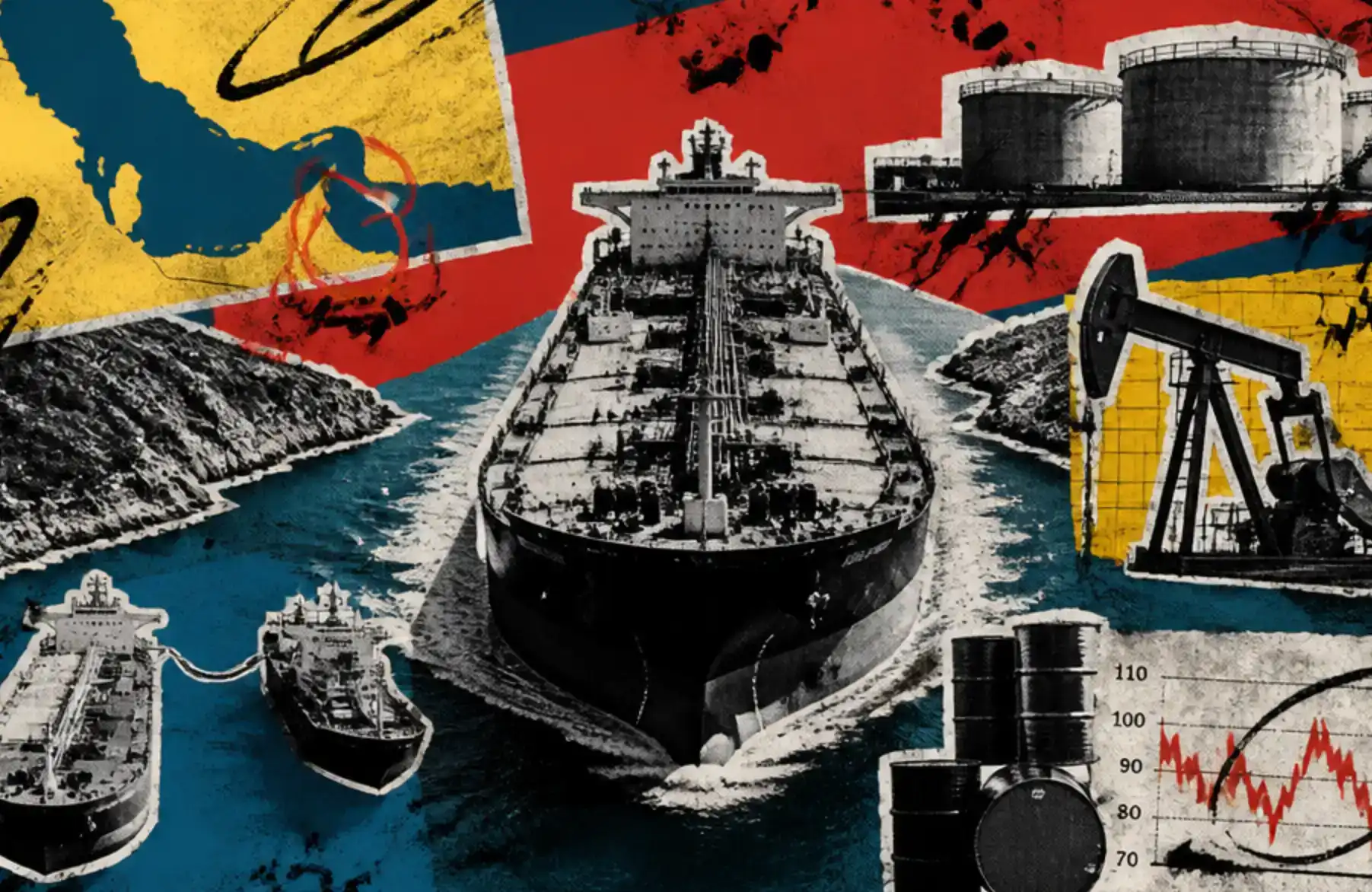
Despite a significant drop in daily oil tanker traffic through the critical Strait of Hormuz in August, Brent crude oil prices have failed to stabilize above $100 per barrel, instead hovering around $90. This contrasts with traditional market logic, where a threat to a chokepoint handling roughly 20 million barrels per day (27% of global seaborne oil) should trigger a sustained supply risk premium. The article explains that the market is pricing in increased transit costs rather than an imminent, complete supply cutoff. Investors currently believe multiple buffers can absorb the shock: strategic and commercial inventories, the potential for coordinated stock releases, available OPEC+ spare capacity, and alternative export routes from the Gulf. Furthermore, workarounds like ship-to-ship transfers outside the Strait and route adjustments by buyers and shippers add resilience, though at a higher cost for insurance, financing, and longer voyages. The underlying U.S.-Iran tensions frame this reassessment as a problem of cost allocation across the supply chain. The price action suggests traders are awaiting clearer signals—such as a military escalation, sustained Iranian attacks, or stricter enforcement of secondary sanctions on buyers—before pricing in a worst-case, long-term disruption scenario. In the longer term, the episode is accelerating investments to reduce dependency on the Strait, such as expanded storage and pipeline infrastructure, which will embed higher costs into the energy system. While Brent may remain range-bound for now, the real-time impact of the Hormuz risk is likely appearing first in freight rates, insurance premiums, and regional product spreads like diesel crack margins. The stability of current prices depends on how much longer these existing buffers can effectively absorb the mounting transit costs and logistical friction.

marsbit35m ago

Why Didn't Oil Prices Stabilize Above $100 as Traffic Through the Strait of Hormuz Plunged Again?

marsbit35m ago

BONK Crypto Treasury Company Has Only $2.14 Million Cash Left, 70% of Revenue Comes from Founder's Own Platform

BONK Inc. (BNKK), the NASDAQ-listed company associated with the Solana meme coin BONK, reported stark financials for the first half of the year. While revenue skyrocketed 6,218% year-over-year to $5.5 million, the company posted a net loss of $7.88 million and its cash reserves plummeted to just $214,000. Its auditors issued a "going concern" warning, citing cumulative losses of $191.4 million, negative operating cash flow, and critically low liquidity. A critical detail is that $3.92 million, or 71%, of its revenue came from an "affiliate revenue share" with LetsBonk.fun, a meme coin launchpad. This platform is linked to founder Mitchell Rudy, whose entity, Lucky Dog Holdings, beneficially owns approximately 40.2% of common stock and all C Series preferred shares. These preferred shares grant the holder the right to elect half of the company's board. The company's financial structure is further intertwined with Rudy; it sold $50 million worth of stock to his entities, accepting payment in BONK tokens. Fluctuations in the value of these and other held digital assets led to an $8.17 million unrealized loss, the primary driver of the net loss. With operating cash outflows of $4.17 million for the half-year, the remaining cash covers roughly nine days of operations at the current burn rate, highlighting severe financial strain despite top-line growth.

marsbit1h ago

BONK Crypto Treasury Company Has Only $2.14 Million Cash Left, 70% of Revenue Comes from Founder's Own Platform

marsbit1h ago

CryptoQuant Noted a Signal of a Bitcoin Reversal

CryptoQuant has highlighted a potential reversal signal for Bitcoin, suggesting the bearish phase might be nearing its end as on-chain metrics show initial signs of spot demand recovery. Their analysis indicates that the 30-day spot demand metric has recovered from -206,000 BTC in late July to approximately -5,000, close to turning positive for the first time since February 2026. Historically, such a reversal has been followed by a median 60-day price gain of 18.1%, with a win rate of 78% (increasing to 87% when valuations are depressed). However, they caution that this is a favorable sign, not a guarantee. Analysts from Bitfinex Alpha note that two of three conditions for a sustainable Bitcoin recovery are already met: improved Federal Reserve rate expectations and relatively accommodative financial conditions, thanks to easing inflation and reduced odds of a near-term rate hike. The missing third catalyst is a capital rotation from traditional markets (like stocks and AI infrastructure) into cryptocurrencies. If this occurs, Bitcoin could reclaim $70,000. Conversely, continued negative flows might see support tested around $57,000. Current headwinds include significant weekly outflows from US spot Bitcoin ETFs (roughly $385 million) and reduced stablecoin supply. Wintermute offers a more cautious outlook, pointing to the same large ETF outflows and ongoing miner selling pressure. They note that Bitcoin has failed to rally despite the improved Fed outlook, which is typically bullish for risk assets. As an example, they cite miner Riot Platforms, which sold a substantial portion of its Bitcoin reserves in Q2 as its mining cost (~$91,000 per BTC) remains far above the current market price, forcing sales for liquidity. This combination of ETF outflows and miner selling is suppressing new demand.

cryptonews.ru1h ago

CryptoQuant Noted a Signal of a Bitcoin Reversal

cryptonews.ru1h ago

Is a Strong Ruble Good? Not for the Budget: Treasury Already Short 1.5 Trillion

The Russian budget has lost about 1.5 trillion rubles in revenue since the start of 2026 due to the ruble being stronger than the government's planned exchange rate. The budget was based on an average annual rate of 92.2 rubles per US dollar, but the actual average for the first seven and a half months was just 76.9 rubles. This discrepancy creates a significant shortfall, as every ruble of appreciation against the dollar reduces annual budget revenues by 140–160 billion rubles. When accounting for oil and gas revenues, the sensitivity is even higher, with potential annual losses reaching up to 2.5 trillion rubles. So far this year, the budget has already missed out on roughly 1.7 trillion rubles. The ruble's exchange rate has shown considerable volatility in 2026, ranging from a low near 71 rubles per dollar in May to over 85 rubles by mid-August. Despite this recent weakening, the year's average remains well below the budget target, creating a structural deficit in oil and gas revenues. Forecasts suggest the final average rate for 2026 will be around 80–82 rubles, which would result in a budget shortfall of about 1.6 trillion rubles. A strong ruble reduces import costs and inflation but also cuts the ruble earnings of exporters and threatens the funding of social obligations. The gap between the planned and actual rate is attributed not only to oil price dynamics but also to the fiscal rule mechanism, which can influence the currency's direction. The Ministry of Finance recently halted foreign currency sales under this rule, removing dollar supply from the market and contributing to pressure on the exchange rate. The budget policy is now forced to adapt to a stronger ruble than originally planned.

cryptonews.ru1h ago

Is a Strong Ruble Good? Not for the Budget: Treasury Already Short 1.5 Trillion

cryptonews.ru1h ago

Trading

Spot

Hot Articles

What is SONIC

Sonic: Pioneering the Future of Gaming in Web3 Introduction to Sonic In the ever-evolving landscape of Web3, the gaming industry stands out as one of the most dynamic and promising sectors. At the forefront of this revolution is Sonic, a project designed to amplify the gaming ecosystem on the Solana blockchain. Leveraging cutting-edge technology, Sonic aims to deliver an unparalleled gaming experience by efficiently processing millions of requests per second, ensuring that players enjoy seamless gameplay while maintaining low transaction costs. This article delves into the intricate details of Sonic, exploring its creators, funding sources, operational mechanics, and the timeline of significant events that have shaped its journey. What is Sonic? Sonic is an innovative layer-2 network that operates atop the Solana blockchain, specifically tailored to enhance the existing Solana gaming ecosystem. It accomplishes this through a customised, VM-agnostic game engine paired with a HyperGrid interpreter, facilitating sovereign game economies that roll up back to the Solana platform. The primary goals of Sonic include: Enhanced Gaming Experiences: Sonic is committed to offering lightning-fast on-chain gameplay, allowing players and developers to engage with games at previously unattainable speeds. Atomic Interoperability: This feature enables transactions to be executed within Sonic without the need to redeploy Solana programmes and accounts. This makes the process more efficient and directly benefits from Solana Layer1 services and liquidity. Seamless Deployment: Sonic allows developers to write for Ethereum Virtual Machine (EVM) based systems and execute them on Solana’s SVM infrastructure. This interoperability is crucial for attracting a broader range of dApps and decentralised applications to the platform. Support for Developers: By offering native composable gaming primitives and extensible data types - dining within the Entity-Component-System (ECS) framework - game creators can craft intricate business logic with ease. Overall, Sonic's unique approach not only caters to players but also provides an accessible and low-cost environment for developers to innovate and thrive. Creator of Sonic The information regarding the creator of Sonic is somewhat ambiguous. However, it is known that Sonic's SVM is owned by the company Mirror World. The absence of detailed information about the individuals behind Sonic reflects a common trend in several Web3 projects, where collective efforts and partnerships often overshadow individual contributions. Investors of Sonic Sonic has garnered considerable attention and support from various investors within the crypto and gaming sectors. Notably, the project raised an impressive $12 million during its Series A funding round. The round was led by BITKRAFT Ventures, with other notable investors including Galaxy, Okx Ventures, Interactive, Big Brain Holdings, and Mirana. This financial backing signifies the confidence that investment foundations have in Sonic’s potential to revolutionise the Web3 gaming landscape, further validating its innovative approaches and technologies. How Does Sonic Work? Sonic utilises the HyperGrid framework, a sophisticated parallel processing mechanism that enhances its scalability and customisability. Here are the core features that set Sonic apart: Lightning Speed at Low Costs: Sonic offers one of the fastest on-chain gaming experiences compared to other Layer-1 solutions, powered by the scalability of Solana’s virtual machine (SVM). Atomic Interoperability: Sonic enables transaction execution without redeployment of Solana programmes and accounts, effectively streamlining the interaction between users and the blockchain. EVM Compatibility: Developers can effortlessly migrate decentralised applications from EVM chains to the Solana environment using Sonic’s HyperGrid interpreter, increasing the accessibility and integration of various dApps. Ecosystem Support for Developers: By exposing native composable gaming primitives, Sonic facilitates a sandbox-like environment where developers can experiment and implement business logic, greatly enhancing the overall development experience. Monetisation Infrastructure: Sonic natively supports growth and monetisation efforts, providing frameworks for traffic generation, payments, and settlements, thereby ensuring that gaming projects are not only viable but also sustainable financially. Timeline of Sonic The evolution of Sonic has been marked by several key milestones. Below is a brief timeline highlighting critical events in the project's history: 2022: The Sonic cryptocurrency was officially launched, marking the beginning of its journey in the Web3 gaming arena. 2024: June: Sonic SVM successfully raised $12 million in a Series A funding round. This investment allowed Sonic to further develop its platform and expand its offerings. August: The launch of the Sonic Odyssey testnet provided users with the first opportunity to engage with the platform, offering interactive activities such as collecting rings—a nod to gaming nostalgia. October: SonicX, an innovative crypto game integrated with Solana, made its debut on TikTok, capturing the attention of over 120,000 users within a short span. This integration illustrated Sonic’s commitment to reaching a broader, global audience and showcased the potential of blockchain gaming. Key Points Sonic SVM is a revolutionary layer-2 network on Solana explicitly designed to enhance the GameFi landscape, demonstrating great potential for future development. HyperGrid Framework empowers Sonic by introducing horizontal scaling capabilities, ensuring that the network can handle the demands of Web3 gaming. Integration with Social Platforms: The successful launch of SonicX on TikTok displays Sonic’s strategy to leverage social media platforms to engage users, exponentially increasing the exposure and reach of its projects. Investment Confidence: The substantial funding from BITKRAFT Ventures, among others, emphasizes the robust backing Sonic has, paving the way for its ambitious future. In conclusion, Sonic encapsulates the essence of Web3 gaming innovation, striking a balance between cutting-edge technology, developer-centric tools, and community engagement. As the project continues to evolve, it is poised to redefine the gaming landscape, making it a notable entity for gamers and developers alike. As Sonic moves forward, it will undoubtedly attract greater interest and participation, solidifying its place within the broader narrative of blockchain gaming.

2.4k Total ViewsPublished 2024.04.04Updated 2024.12.03

What is SONIC

What is $S$

Understanding SPERO: A Comprehensive Overview Introduction to SPERO As the landscape of innovation continues to evolve, the emergence of web3 technologies and cryptocurrency projects plays a pivotal role in shaping the digital future. One project that has garnered attention in this dynamic field is SPERO, denoted as SPERO,$$s$. This article aims to gather and present detailed information about SPERO, to help enthusiasts and investors understand its foundations, objectives, and innovations within the web3 and crypto domains. What is SPERO,$$s$? SPERO,$$s$ is a unique project within the crypto space that seeks to leverage the principles of decentralisation and blockchain technology to create an ecosystem that promotes engagement, utility, and financial inclusion. The project is tailored to facilitate peer-to-peer interactions in new ways, providing users with innovative financial solutions and services. At its core, SPERO,$$s$ aims to empower individuals by providing tools and platforms that enhance user experience in the cryptocurrency space. This includes enabling more flexible transaction methods, fostering community-driven initiatives, and creating pathways for financial opportunities through decentralised applications (dApps). The underlying vision of SPERO,$$s$ revolves around inclusiveness, aiming to bridge gaps within traditional finance while harnessing the benefits of blockchain technology. Who is the Creator of SPERO,$$s$? The identity of the creator of SPERO,$$s$ remains somewhat obscure, as there are limited publicly available resources providing detailed background information on its founder(s). This lack of transparency can stem from the project's commitment to decentralisation—an ethos that many web3 projects share, prioritising collective contributions over individual recognition. By centring discussions around the community and its collective goals, SPERO,$$s$ embodies the essence of empowerment without singling out specific individuals. As such, understanding the ethos and mission of SPERO remains more important than identifying a singular creator. Who are the Investors of SPERO,$$s$? SPERO,$$s$ is supported by a diverse array of investors ranging from venture capitalists to angel investors dedicated to fostering innovation in the crypto sector. The focus of these investors generally aligns with SPERO's mission—prioritising projects that promise societal technological advancement, financial inclusivity, and decentralised governance. These investor foundations are typically interested in projects that not only offer innovative products but also contribute positively to the blockchain community and its ecosystems. The backing from these investors reinforces SPERO,$$s$ as a noteworthy contender in the rapidly evolving domain of crypto projects. How Does SPERO,$$s$ Work? SPERO,$$s$ employs a multi-faceted framework that distinguishes it from conventional cryptocurrency projects. Here are some of the key features that underline its uniqueness and innovation: Decentralised Governance: SPERO,$$s$ integrates decentralised governance models, empowering users to participate actively in decision-making processes regarding the project’s future. This approach fosters a sense of ownership and accountability among community members. Token Utility: SPERO,$$s$ utilises its own cryptocurrency token, designed to serve various functions within the ecosystem. These tokens enable transactions, rewards, and the facilitation of services offered on the platform, enhancing overall engagement and utility. Layered Architecture: The technical architecture of SPERO,$$s$ supports modularity and scalability, allowing for seamless integration of additional features and applications as the project evolves. This adaptability is paramount for sustaining relevance in the ever-changing crypto landscape. Community Engagement: The project emphasises community-driven initiatives, employing mechanisms that incentivise collaboration and feedback. By nurturing a strong community, SPERO,$$s$ can better address user needs and adapt to market trends. Focus on Inclusion: By offering low transaction fees and user-friendly interfaces, SPERO,$$s$ aims to attract a diverse user base, including individuals who may not previously have engaged in the crypto space. This commitment to inclusion aligns with its overarching mission of empowerment through accessibility. Timeline of SPERO,$$s$ Understanding a project's history provides crucial insights into its development trajectory and milestones. Below is a suggested timeline mapping significant events in the evolution of SPERO,$$s$: Conceptualisation and Ideation Phase: The initial ideas forming the basis of SPERO,$$s$ were conceived, aligning closely with the principles of decentralisation and community focus within the blockchain industry. Launch of Project Whitepaper: Following the conceptual phase, a comprehensive whitepaper detailing the vision, goals, and technological infrastructure of SPERO,$$s$ was released to garner community interest and feedback. Community Building and Early Engagements: Active outreach efforts were made to build a community of early adopters and potential investors, facilitating discussions around the project’s goals and garnering support. Token Generation Event: SPERO,$$s$ conducted a token generation event (TGE) to distribute its native tokens to early supporters and establish initial liquidity within the ecosystem. Launch of Initial dApp: The first decentralised application (dApp) associated with SPERO,$$s$ went live, allowing users to engage with the platform's core functionalities. Ongoing Development and Partnerships: Continuous updates and enhancements to the project's offerings, including strategic partnerships with other players in the blockchain space, have shaped SPERO,$$s$ into a competitive and evolving player in the crypto market. Conclusion SPERO,$$s$ stands as a testament to the potential of web3 and cryptocurrency to revolutionise financial systems and empower individuals. With a commitment to decentralised governance, community engagement, and innovatively designed functionalities, it paves the way toward a more inclusive financial landscape. As with any investment in the rapidly evolving crypto space, potential investors and users are encouraged to research thoroughly and engage thoughtfully with the ongoing developments within SPERO,$$s$. The project showcases the innovative spirit of the crypto industry, inviting further exploration into its myriad possibilities. While the journey of SPERO,$$s$ is still unfolding, its foundational principles may indeed influence the future of how we interact with technology, finance, and each other in interconnected digital ecosystems.

422 Total ViewsPublished 2024.12.17Updated 2024.12.17

What is $S$

What is AGENT S

Agent S: The Future of Autonomous Interaction in Web3 Introduction In the ever-evolving landscape of Web3 and cryptocurrency, innovations are constantly redefining how individuals interact with digital platforms. One such pioneering project, Agent S, promises to revolutionise human-computer interaction through its open agentic framework. By paving the way for autonomous interactions, Agent S aims to simplify complex tasks, offering transformative applications in artificial intelligence (AI). This detailed exploration will delve into the project's intricacies, its unique features, and the implications for the cryptocurrency domain. What is Agent S? Agent S stands as a groundbreaking open agentic framework, specifically designed to tackle three fundamental challenges in the automation of computer tasks: Acquiring Domain-Specific Knowledge: The framework intelligently learns from various external knowledge sources and internal experiences. This dual approach empowers it to build a rich repository of domain-specific knowledge, enhancing its performance in task execution. Planning Over Long Task Horizons: Agent S employs experience-augmented hierarchical planning, a strategic approach that facilitates efficient breakdown and execution of intricate tasks. This feature significantly enhances its ability to manage multiple subtasks efficiently and effectively. Handling Dynamic, Non-Uniform Interfaces: The project introduces the Agent-Computer Interface (ACI), an innovative solution that enhances the interaction between agents and users. Utilizing Multimodal Large Language Models (MLLMs), Agent S can navigate and manipulate diverse graphical user interfaces seamlessly. Through these pioneering features, Agent S provides a robust framework that addresses the complexities involved in automating human interaction with machines, setting the stage for myriad applications in AI and beyond. Who is the Creator of Agent S? While the concept of Agent S is fundamentally innovative, specific information about its creator remains elusive. The creator is currently unknown, which highlights either the nascent stage of the project or the strategic choice to keep founding members under wraps. Regardless of anonymity, the focus remains on the framework's capabilities and potential. Who are the Investors of Agent S? As Agent S is relatively new in the cryptographic ecosystem, detailed information regarding its investors and financial backers is not explicitly documented. The lack of publicly available insights into the investment foundations or organisations supporting the project raises questions about its funding structure and development roadmap. Understanding the backing is crucial for gauging the project's sustainability and potential market impact. How Does Agent S Work? At the core of Agent S lies cutting-edge technology that enables it to function effectively in diverse settings. Its operational model is built around several key features: Human-like Computer Interaction: The framework offers advanced AI planning, striving to make interactions with computers more intuitive. By mimicking human behaviour in tasks execution, it promises to elevate user experiences. Narrative Memory: Employed to leverage high-level experiences, Agent S utilises narrative memory to keep track of task histories, thereby enhancing its decision-making processes. Episodic Memory: This feature provides users with step-by-step guidance, allowing the framework to offer contextual support as tasks unfold. Support for OpenACI: With the ability to run locally, Agent S allows users to maintain control over their interactions and workflows, aligning with the decentralised ethos of Web3. Easy Integration with External APIs: Its versatility and compatibility with various AI platforms ensure that Agent S can fit seamlessly into existing technological ecosystems, making it an appealing choice for developers and organisations. These functionalities collectively contribute to Agent S's unique position within the crypto space, as it automates complex, multi-step tasks with minimal human intervention. As the project evolves, its potential applications in Web3 could redefine how digital interactions unfold. Timeline of Agent S The development and milestones of Agent S can be encapsulated in a timeline that highlights its significant events: September 27, 2024: The concept of Agent S was launched in a comprehensive research paper titled “An Open Agentic Framework that Uses Computers Like a Human,” showcasing the groundwork for the project. October 10, 2024: The research paper was made publicly available on arXiv, offering an in-depth exploration of the framework and its performance evaluation based on the OSWorld benchmark. October 12, 2024: A video presentation was released, providing a visual insight into the capabilities and features of Agent S, further engaging potential users and investors. These markers in the timeline not only illustrate the progress of Agent S but also indicate its commitment to transparency and community engagement. Key Points About Agent S As the Agent S framework continues to evolve, several key attributes stand out, underscoring its innovative nature and potential: Innovative Framework: Designed to provide an intuitive use of computers akin to human interaction, Agent S brings a novel approach to task automation. Autonomous Interaction: The ability to interact autonomously with computers through GUI signifies a leap towards more intelligent and efficient computing solutions. Complex Task Automation: With its robust methodology, it can automate complex, multi-step tasks, making processes faster and less error-prone. Continuous Improvement: The learning mechanisms enable Agent S to improve from past experiences, continually enhancing its performance and efficacy. Versatility: Its adaptability across different operating environments like OSWorld and WindowsAgentArena ensures that it can serve a broad range of applications. As Agent S positions itself in the Web3 and crypto landscape, its potential to enhance interaction capabilities and automate processes signifies a significant advancement in AI technologies. Through its innovative framework, Agent S exemplifies the future of digital interactions, promising a more seamless and efficient experience for users across various industries. Conclusion Agent S represents a bold leap forward in the marriage of AI and Web3, with the capacity to redefine how we interact with technology. While still in its early stages, the possibilities for its application are vast and compelling. Through its comprehensive framework addressing critical challenges, Agent S aims to bring autonomous interactions to the forefront of the digital experience. As we move deeper into the realms of cryptocurrency and decentralisation, projects like Agent S will undoubtedly play a crucial role in shaping the future of technology and human-computer collaboration.

1.1k Total ViewsPublished 2025.01.14Updated 2025.01.14

What is AGENT S

Discussions

Welcome to the HTX Community. Here, you can stay informed about the latest platform developments and gain access to professional market insights. Users' opinions on the price of S (S) are presented below.

活动图片