ChatGPT pourrait bientôt disparaître

marsbitPublished on 2026-06-03Last updated on 2026-06-03

Abstract

OpenAI vient d'annoncer lors de sa conférence *Intelligence at Work* l'intégration prochaine de Codex, son application dédiée aux tâches productives, directement dans l'application ChatGPT. Cette fusion, qui interviendra dans les prochaines semaines, marque une étape clé dans la transformation de ChatGPT d'un outil de conversation en une « super-application » ou plateforme agentique unifiée. Cette décision s'appuie sur le succès rapide de Codex, qui compte désormais 5 millions d'utilisateurs actifs hebdomadaires, avec une croissance trois fois plus rapide chez les professionnels non-développeurs. Financièrement, les produits entreprise comme Codex représentent déjà 40% des revenus d'OpenAI. La stratégie est claire : évoluer du « chat » vers l'« exécution ». L'objectif ultime est de combiner ChatGPT (compréhension), Codex (exécution via des agents) et le navigateur Atlas (accès web) en une seule interface permettant d'accomplir des tâches complexes sur simple instruction verbale. Pour renforcer Codex, OpenAI a dévoilé trois grandes mises à jour : des *plugins* d'agents pour six rôles métiers intégrant des outils comme Salesforce ou Figa, la fonction *Annotations* pour modifier du contenu directement dans son contexte original, et *Sites* pour générer des applications web partageables depuis n'importe quel projet. L'article souligne que cette course a été largement motivée par le succès du concurrent Claude Code d'Anthropic, qui a forcé OpenAI à rattraper son retard dans le...

L'application "super app" d'OpenAI a enfin pris forme.

Elle s'appelle toujours ChatGPT, mais son essence est sur le point d'accueillir un nouveau membre : Codex.

Et ChatGPT n'est pratiquement plus qu'une coquille vide.

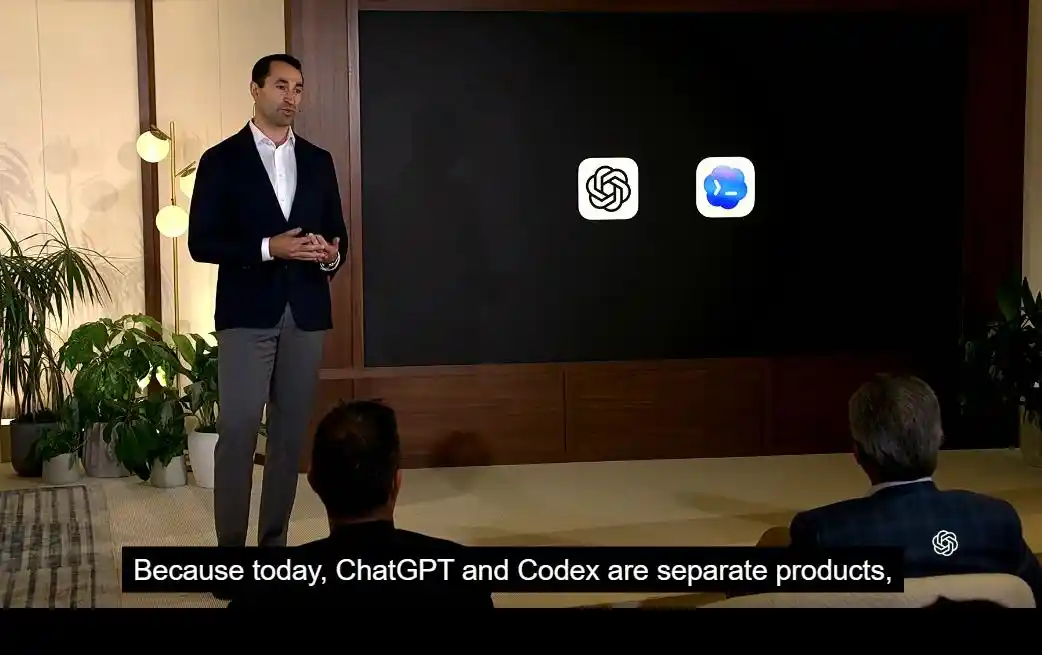
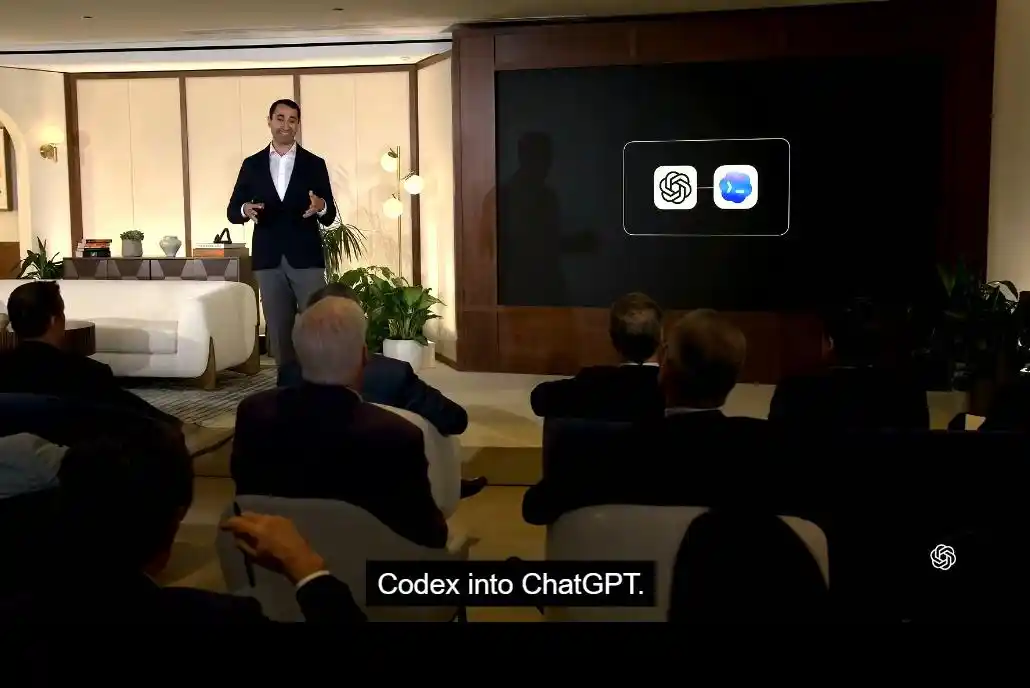
Lors de la conférence "Intelligence at Work" qu'OpenAI vient d'organiser, l'entreprise a officiellement annoncé que Codex sera intégré à ChatGPT dans les prochaines semaines.

À la première lecture de cette nouvelle, on pouvait être un peu surpris : ChatGPT n'a-t-il pas toujours eu une option Codex ?

En allant vérifier aujourd'hui, on découvre qu'il s'agissait en fait d'un "faux", qui vous redirigeait pour télécharger l'application Codex, sans pouvoir l'utiliser directement dans ChatGPT.

Donc, après cette fusion, il sera possible de discuter et de travailler dans une seule et même application, sans avoir à changer d'APP.
Mais, pensez-vous que les choses s'arrêtent là ?

Du moins, du point de vue d'OpenAI, Codex n'est peut-être qu'un début.

Et toute la vision concernant la "super app", nous l'avons enfin comprise d'un seul coup grâce à cette conférence.

En fait, Codex n'était que la première étape

La conférence a duré une heure entière, avec une densité d'informations élevée, mais en résumé, trois points principaux se dégagent.

1. ChatGPT va fusionner avec Codex, car les temps ont changé.

2. Codex va continuer à s'améliorer, d'où trois grandes mises à jour annoncées.

3. Codex est en train de rattraper Claude Code, et l'"économie" de GPT-5.5 en est un facteur clé.

Passons rapidement en revue ces points :

Tout d'abord, l'événement de fusion, assez inattendu pour beaucoup : pourquoi ChatGPT choisit-il de fusionner avec Codex maintenant ?

Premièrement, Codex, lancé à l'origine pour rattraper Claude Code, peut désormais parler chiffres.

Les utilisateurs hebdomadaires actifs de Codex ont dépassé les 5 millions, bondissant de 6 fois depuis le lancement de la version desktop en février.

Plus crucial encore, 20% d'entre eux ne sont pas du tout programmeurs, mais des analystes, designers, banquiers d'investissement et autres travailleurs du savoir, et leur taux de croissance est 3 fois supérieur à celui des développeurs.

Cela montre que Codex est en train de percer largement au-delà de son cercle initial.

Et sur la question cruciale des revenus pour OpenAI (qui avait lancé Codex en partie par envie des gains de Claude Code), l'entreprise révèle que les revenus provenant des entreprises représentent désormais 40% de ses revenus totaux, une proportion qui devrait atteindre 50% d'ici la fin de l'année.
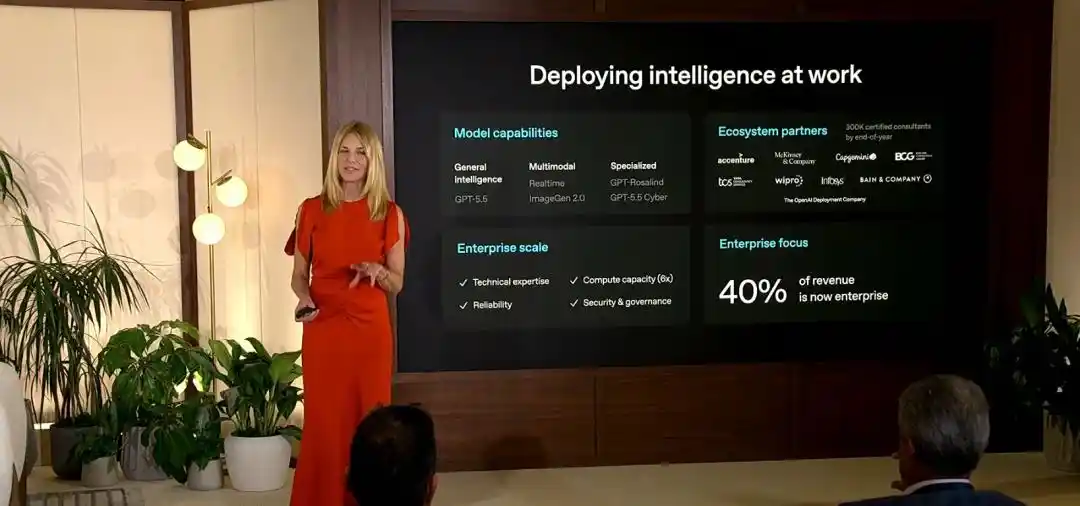
En clair, Codex connaît une croissance rapide de ses utilisateurs, touche un public large, et rapporte vraiment de l'argent à OpenAI.

Tout semble dire à OpenAI qu'il est temps de penser à l'étape suivante.

Et la direction à prendre pour cette prochaine étape est, du moins pour le moment, très claire – de Chat à Agent, de la conversation à l'exécution.

Alexander Embiricos, responsable produit chez OpenAI, a déclaré ceci lors de la conférence :

Vous ne travaillez peut-être pas 24h/24 et 7j/7, mais votre Agent dans le cloud, si.

En une seule phrase, il résume l'attrait ultime d'une super application. À l'avenir, les utilisateurs n'auront vraiment plus à basculer entre différentes APP. Vous donnez une instruction, ChatGPT la comprendra, puis Codex pourra appeler divers Agents pour l'exécuter.

Ainsi, cette intégration est en fait le premier pas d'OpenAI vers une super application.

Vous demandez quelle est la prochaine étape ? La réponse, vous l'avez peut-être déjà devinée – le navigateur.

Le navigateur est la dernière pièce du puzzle de cette intégration. Il complète le point d'entrée de l'IA dans le monde du web, permettant aux utilisateurs, simplement en parlant dans ChatGPT, d'effectuer automatiquement via Codex dans le navigateur des tâches comme la recherche, l'opération de back-office, le traitement du travail, etc., qui nécessitaient auparavant des clics humains.

Ainsi, ChatGPT + Codex + le navigateur Atlas, OpenAI peut enfin espérer réaliser, via une seule APP, le passage de la conversation à l'exécution dans tous les scénarios.

Cependant, revenons à aujourd'hui et parlons uniquement de Codex.

Pour donner à Codex plus de "soldats" pour travailler, OpenAI a sorti d'un coup trois mises à jour :

Des plugins Agent pour six postes clés, couvrant l'analyse de données, les ventes, la création créative, la conception de produits, les investissements en actions et la banque d'investissement, intégrant directement 62 applications d'entreprise comme Snowflake, Figma, Salesforce, avec 110 compétences d'automatisation intégrées.
La fonction Annotations, permettant de modifier directement en surlignant ou encerclant dans le document original, sans avoir à régénérer tout le texte. Les développeurs utilisent déjà cette capacité pour modifier du code, des fichiers Markdown et des sites web générés par Codex.

Désormais, elle s'étend aux scénarios de création de contenu comme les documents, tableaux, présentations.
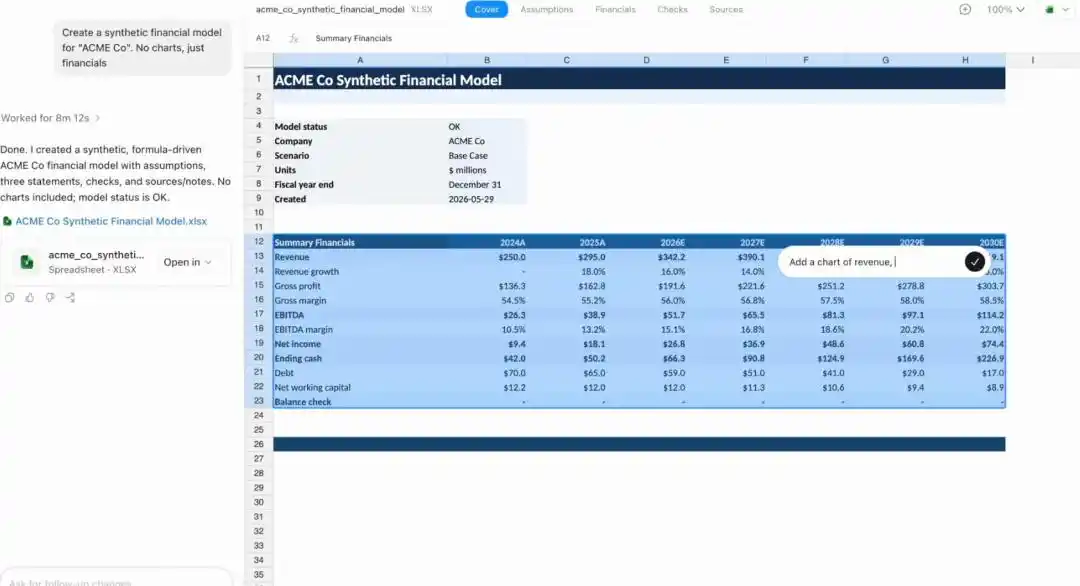
La fonction Sites, permettant à Codex de transformer vos résultats de travail en applications web interactives d'un clic, générant une URL à partager directement avec l'équipe.

Cette fonctionnalité semble plutôt pratique. Auparavant, pour développer un projet, une personne sans compétences techniques ne pouvait que décrire vaguement ses besoins. Maintenant, tout le monde peut générer une démo visuelle claire et intuitive, réduisant considérablement les coûts de communication en équipe.

Actuellement, cette fonctionnalité est en préversion pour les clients Business et Enterprise.
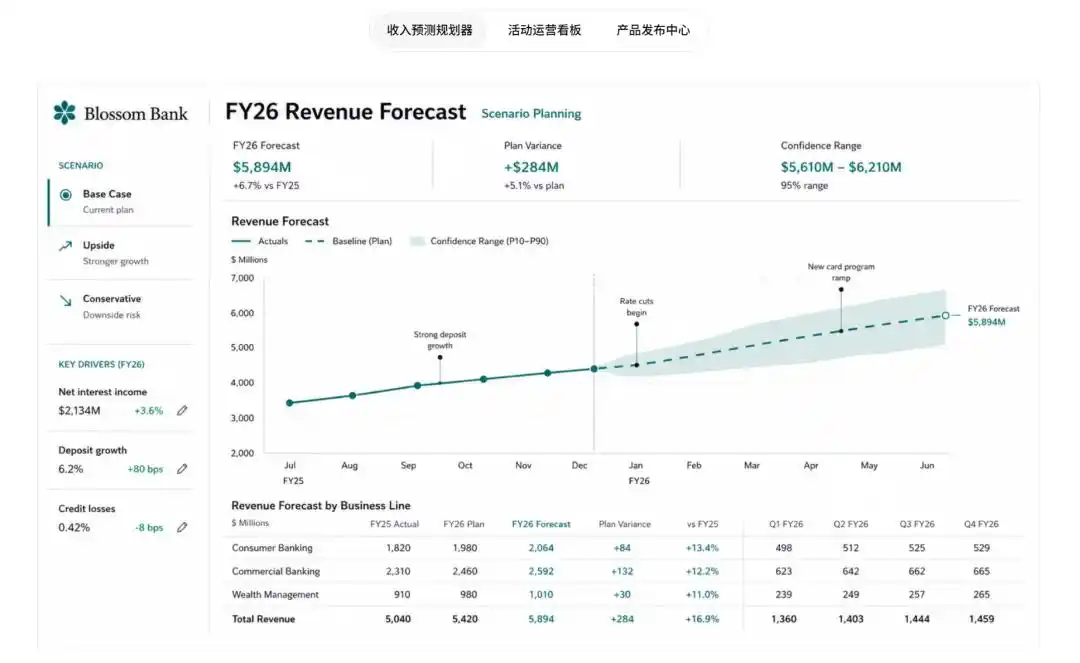
Vous voyez, OpenAI parie que, dans le futur, de plus en plus de personnes ordinaires passeront de la conversation à l'exécution.

Certains pourraient demander : pourquoi ce n'est pas Codex qui absorbe ChatGPT ?

On peut dire que, en apparence, c'est l'histoire de ChatGPT qui absorbe Codex, mais en assemblant quelques détails, la direction pourrait être exactement l'inverse.

Lors de la réorganisation de la structure en mai, Thibault Sottiaux, qui a largement contribué au développement de Codex, a été promu responsable principal des produits et plateformes, supervisant les lignes grand public, entreprise et développeurs. Alors que Nick Turley, qui a amené ChatGPT à 900 millions d'utilisateurs hebdomadaires actifs, a été transféré à la ligne de produits entreprise.

Donc, maintenant, c'est l'équipe de Codex qui gère ChatGPT, et non l'inverse.

De plus, la formulation dans la note interne de Brockman mérite réflexion –

Il n'a pas écrit "améliorer ChatGPT", mais "investir dans une plateforme agentique unifiée".

Ainsi, cette fusion est moins une intégration de produits qu'un changement de trajectoire : de la conversation à l'exécution, du chat à l'Agent.

ChatGPT fournit la base de trafic de 1 milliard d'utilisateurs, Codex fournit le moteur de croissance et le récit d'avenir.

La coquille est celle de ChatGPT, mais l'âme est celle de Codex.

Cependant, en fin de compte, la vie de Codex a été forcée par son concurrent, Anthropic.

Même le GPT-5.5 mentionné lors de la conférence peut presque être considéré comme un produit de cette pression.

Codex a été forcé par Anthropic

En y repensant, sans Anthropic, Codex ne serait peut-être encore aujourd'hui qu'une fonction accessoire insignifiante dans ChatGPT.

Revenons à la sortie de la version préliminaire de Claude Code l'année dernière.

Dès son lancement, Claude Code a connu un immense succès. Ses revenus annualisés ont dépassé les 2,5 milliards de dollars en février de cette année. Il a atteint les 1 milliard de dollars en seulement 6 mois après son lancement, l'un des produits logiciels commerciaux ayant connu la croissance la plus rapide de l'histoire.

Environ 4 % des commits publics sur GitHub dans le monde en proviennent, et les utilisateurs y consacrent en moyenne 20 heures par semaine.

C'est l'explosion de Claude Code qui a fait réaliser à l'interne d'OpenAI : dans le domaine du codage, ils étaient déjà à la traîne.

Que faire quand on est à la traîne ? On rattrape.

Auparavant, le récit par défaut dans l'industrie de l'IA était qu'Anthropic suivait les pas d'OpenAI – GPT sortait d'abord, Claude suivait ; ChatGPT devenait viral, Claude s'alignait.

Mais sur la ligne du code, le scénario a été complètement réécrit.

Claude Code est sorti en février de l'année dernière, OpenAI n'a lancé son concurrent Codex que deux mois plus tard ; Anthropic a d'abord fait une version desktop, OpenAI a suivi ; Anthropic a lancé Cowork pour les travailleurs du savoir, OpenAI a suivi avec Plugins.

Cette fois, c'est OpenAI qui suit les pas d'Anthropic.

Mais la vitesse de rattrapage est effectivement rapide. Sur la ligne du temps, en 14 mois, ils sont passés de zéro à 5 millions d'utilisateurs hebdomadaires actifs.

Avril de l'année dernière : préversion de Codex Cloud ;

Février de cette année : lancement de l'application desktop et du modèle dédié GPT-5.3-Codex ;

Mars : annonce de la fusion en super App et acquisition de l'outil Python Astral ;

Avril : lancement de ChatGPT Pro à 100$/mois pour attirer les développeurs ;

Mai : version mobile ;

Juin : intégration officielle dans ChatGPT.

On peut dire que presque chaque étape porte l'ombre de Claude Code.

Mais, pour être honnête, le retournement de situation de Codex ne s'est pas fait en affrontant directement Claude Code sur la qualité du code.

Après tout, les données de tests à l'aveugle sont là : Claude Code a encore un taux de victoire de 67 %, et la majorité des programmeurs admettent que ce qu'il produit est plus solide.

Mais le problème, c'est que les limites de Claude Code sont trop strictes et son prix plus élevé que Codex.

Un fil de discussion sur Reddit avec plus de 500 développeurs résume un consensus en une phrase :

Claude Code est plus intelligent, mais les limites sont trop strictes pour une utilisation quotidienne ; Codex est un peu moins bon mais il fonctionne vraiment.
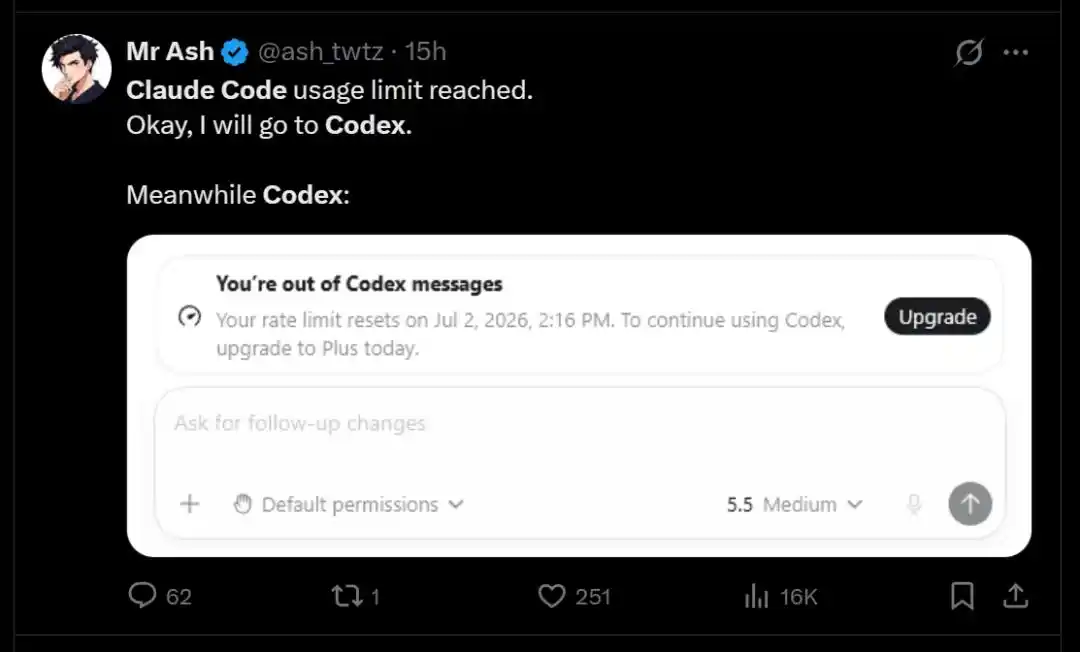
Un modèle plus intelligent, mais qui bloque souvent les tâches en cours et est plus cher, contre un modèle un peu moins intelligent mais beaucoup plus abordable.

À votre avis, lequel choisiriez-vous ? (doge)

Fait intéressant, Alexander, le responsable produit d'OpenAI, a également prononcé cette phrase culte lors de la conférence :

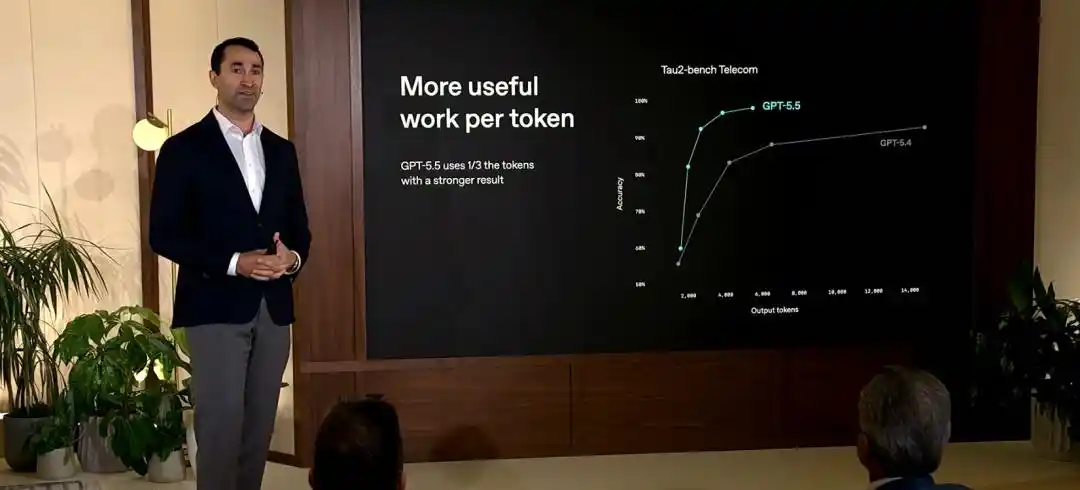
La chose que GPT-5.5 déteste le plus, c'est le gaspillage de tokens.

Avec Codex associé à GPT-5.5, pour obtenir un résultat de même qualité, on n'utilise qu'un tiers des tokens.

En résumé, sur la voie de la poursuite de Claude Code, Codex érige désormais en nouveau principe sacré "moins de tokens, plus d'intelligence".
Il est indéniable que le domaine de la programmation IA connaît actuellement une situation de duopole.

L'un représente la capacité de codage la plus forte, l'autre la capacité de produit la plus forte.

Mais en prenant un peu de recul, on se rend compte que ce que se disputent Claude Code et Codex, ce n'est déjà plus le marché des outils de programmation.

Lorsque de plus en plus de personnes ordinaires commencent à considérer les Agents comme des partenaires de travail quotidiens, l'entrée, c'est en fait la chose la plus importante.

Et cela, justement, offre de nouvelles opportunités aux acteurs chinois – car à l'ère des Agents, la victoire ne dépend pas nécessairement uniquement de la capacité des modèles, mais aussi des scénarios, de l'écosystème, de la capacité à connecter les applications, et de la compréhension des flux de travail des entreprises locales.

En effet, les grands groupes chinois sont déjà entrés dans la course.

Parmi eux, certains choisissent de se positionner sur l'entrée développeur, d'autres sur l'entrée bureautique en entreprise, d'autres encore sur une plateforme d'Agents intelligents pour l'ensemble du processus.

Mais quelle que soit la voie choisie, l'objectif est fondamentalement le même – s'emparer de l'entrée centrale de l'ère des Agents.

Tout le monde comprend très bien comment profiter de la fenêtre temporelle des scénarios locaux pour établir une véritable barrière concurrentielle au niveau des infrastructures des Agents, c'est là la véritable priorité.

Alors, la suite, c'est de voir qui pourra se qualifier en premier, et faire émerger la version chinoise de Claude Code et Codex ?

Et, plus crucial encore, qui deviendra la nouvelle super-entrée en Chine à l'ère des Agents ?

One More Thing

Revenons à l'événement de fusion.

Au vu de la dynamique actuelle de Codex et de l'environnement général du secteur, je me risque à dire ceci :

Plutôt que de continuer à appeler l'application fusionnée ChatGPT, il vaudrait mieux l'appeler directement Codex.

Réfléchissez-y : ChatGPT, ça sonne comme un vieux produit de l'ère du "Chat", mais la direction sur laquelle OpenAI parie aujourd'hui n'est justement plus le Chat.

Ce sont les gens de Codex qui gèrent le produit, la note interne parle de plateforme agentique, le secteur à la croissance la plus rapide est celui des scénarios d'exécution, et aucune nouvelle fonctionnalité n'est liée au chat.

Le nom ChatGPT est-il utilisable ? Oui. Mais est-il précis ? Non.

Bien sûr, OpenAI ne changera probablement pas de nom. Après tout, ces trois lettres sont devenues synonymes d'IA, un actif de marque dont la valeur est inestimable.

Mais le fait de ne pas changer de nom ne signifie pas que l'essence n'a pas changé.

Peut-être que d'ici peu, lorsque vous ouvrirez ChatGPT, ce ne sera plus une boîte de dialogue qui attend vos questions qui vous accueillera, mais un Agent qui aura déjà fini le travail à votre place.

À ce moment-là, le fait que ce soit un Chat ou non ne sera plus important.

En d'autres termes, ChatGPT ne sera peut-être plus qu'un symbole à l'avenir...

Liens de référence :

[1]https://www.techmeme.com/260602/p14#a260602p14

[2]https://openai.com/index/codex-for-every-role-tool-workflow/

[3]https://www.theinformation.com/articles/inside-openais-decision-combine-codex-chatgpt

Cet article provient du compte WeChat public "Quantum Bit", auteur : Suivi des technologies de pointe


Trending Cryptos

Related Questions

QQuelle est l'annonce principale faite par OpenAI lors de l'événement 'Intelligence at Work' ?

AOpenAI a annoncé que Codex sera intégré à ChatGPT dans les prochaines semaines, transformant essentiellement ChatGPT en une plateforme d'agents unifiée où la conversation et l'exécution de tâches peuvent être effectuées dans une seule application.

QQuelles sont les trois mises à jour majeures annoncées pour Codex ?

ALes trois mises à jour majeures pour Codex sont : 1) Des plugins 'Agent' pour six rôles professionnels intégrant 62 applications d'entreprise. 2) La fonction 'Annotations' pour modifier directement des documents. 3) La fonction 'Sites' pour transformer des travaux en applications web interactives.

QSelon l'article, quel est le principal moteur derrière le développement rapide de Codex ?

ALe principal moteur du développement rapide de Codex est la concurrence avec Claude Code d'Anthropic. Le succès de Claude Code a poussé OpenAI à accélérer le développement et le déploiement de Codex pour rattraper son retard dans le domaine de la programmation assistée par IA.

QComment l'article décrit-il le futur rôle de ChatGPT après l'intégration de Codex ?

AL'article suggère que ChatGPT deviendra principalement une 'coquille' ou une plateforme unifiée centrée sur les agents exécutifs (Codex). Son essence évoluerait du 'chat' vers l'exécution de tâches, bien que le nom de marque 'ChatGPT' soit conservé pour sa valeur symbolique et sa notoriété.

QQuelle opportunité l'ère des 'Agents' crée-t-elle pour les entreprises technologiques chinoises selon l'article ?

AL'article indique que l'ère des Agents crée une opportunité pour les entreprises chinoises de développer leurs propres plateformes d'agents puissantes. La clé du succès ne réside pas seulement dans la puissance du modèle, mais aussi dans la compréhension des flux de travail locaux, la connexion des applications et la construction d'écosystèmes, afin de saisir la nouvelle 'super porte d'entrée' en Chine.

Related Reads

Ethereum 2026 Q1 Review: On-Chain Activity Hits Record Highs, Tokenized Assets Lead the Industry

Ethereum Q1 2026 Review: Record On-Chain Activity, Tokenized Assets Lead the Industry. Despite a price correction impacting USD-denominated metrics, Ethereum's on-chain usage hit all-time highs in Q1 2026. Monthly active addresses surged 85.9% year-over-year to 13.2 million, while L1 transactions and throughput also set new records. This growth occurred alongside a significant 47.9% quarterly drop in L1 transaction fees, demonstrating the impact of network scaling via upgrades like the Blob Parameter Fork. The ecosystem maintained its dominance in decentralized finance (DeFi), holding 71% of the total value locked among top chains and 79.2% of active borrowing. Ethereum solidified its position as the primary platform for tokenized real-world assets (RWAs), with a total market cap of $203.4B. It holds leading shares in stablecoins (61.8%), tokenized funds (73%), and tokenized commodities (84%) across major chains. Key developments included the ERC-8004 standard for AI agents and heightened institutional engagement at forums. Major financial institutions like BlackRock, JPMorgan, and a European banking consortium announced new tokenized products on Ethereum throughout the period. The report draws parallels to the early internet, suggesting Ethereum is sacrificing short-term fee revenue for long-term network expansion and adoption. Its strategy focuses on becoming a neutral, open settlement layer for global finance, with scaling roadmaps aiming for tens of thousands of TPS by 2029.

marsbit1h ago

Ethereum 2026 Q1 Review: On-Chain Activity Hits Record Highs, Tokenized Assets Lead the Industry

marsbit1h ago

Trading

Spot
Futures

Hot Articles

What is SONIC

Sonic: Pioneering the Future of Gaming in Web3 Introduction to Sonic In the ever-evolving landscape of Web3, the gaming industry stands out as one of the most dynamic and promising sectors. At the forefront of this revolution is Sonic, a project designed to amplify the gaming ecosystem on the Solana blockchain. Leveraging cutting-edge technology, Sonic aims to deliver an unparalleled gaming experience by efficiently processing millions of requests per second, ensuring that players enjoy seamless gameplay while maintaining low transaction costs. This article delves into the intricate details of Sonic, exploring its creators, funding sources, operational mechanics, and the timeline of significant events that have shaped its journey. What is Sonic? Sonic is an innovative layer-2 network that operates atop the Solana blockchain, specifically tailored to enhance the existing Solana gaming ecosystem. It accomplishes this through a customised, VM-agnostic game engine paired with a HyperGrid interpreter, facilitating sovereign game economies that roll up back to the Solana platform. The primary goals of Sonic include: Enhanced Gaming Experiences: Sonic is committed to offering lightning-fast on-chain gameplay, allowing players and developers to engage with games at previously unattainable speeds. Atomic Interoperability: This feature enables transactions to be executed within Sonic without the need to redeploy Solana programmes and accounts. This makes the process more efficient and directly benefits from Solana Layer1 services and liquidity. Seamless Deployment: Sonic allows developers to write for Ethereum Virtual Machine (EVM) based systems and execute them on Solana’s SVM infrastructure. This interoperability is crucial for attracting a broader range of dApps and decentralised applications to the platform. Support for Developers: By offering native composable gaming primitives and extensible data types - dining within the Entity-Component-System (ECS) framework - game creators can craft intricate business logic with ease. Overall, Sonic's unique approach not only caters to players but also provides an accessible and low-cost environment for developers to innovate and thrive. Creator of Sonic The information regarding the creator of Sonic is somewhat ambiguous. However, it is known that Sonic's SVM is owned by the company Mirror World. The absence of detailed information about the individuals behind Sonic reflects a common trend in several Web3 projects, where collective efforts and partnerships often overshadow individual contributions. Investors of Sonic Sonic has garnered considerable attention and support from various investors within the crypto and gaming sectors. Notably, the project raised an impressive $12 million during its Series A funding round. The round was led by BITKRAFT Ventures, with other notable investors including Galaxy, Okx Ventures, Interactive, Big Brain Holdings, and Mirana. This financial backing signifies the confidence that investment foundations have in Sonic’s potential to revolutionise the Web3 gaming landscape, further validating its innovative approaches and technologies. How Does Sonic Work? Sonic utilises the HyperGrid framework, a sophisticated parallel processing mechanism that enhances its scalability and customisability. Here are the core features that set Sonic apart: Lightning Speed at Low Costs: Sonic offers one of the fastest on-chain gaming experiences compared to other Layer-1 solutions, powered by the scalability of Solana’s virtual machine (SVM). Atomic Interoperability: Sonic enables transaction execution without redeployment of Solana programmes and accounts, effectively streamlining the interaction between users and the blockchain. EVM Compatibility: Developers can effortlessly migrate decentralised applications from EVM chains to the Solana environment using Sonic’s HyperGrid interpreter, increasing the accessibility and integration of various dApps. Ecosystem Support for Developers: By exposing native composable gaming primitives, Sonic facilitates a sandbox-like environment where developers can experiment and implement business logic, greatly enhancing the overall development experience. Monetisation Infrastructure: Sonic natively supports growth and monetisation efforts, providing frameworks for traffic generation, payments, and settlements, thereby ensuring that gaming projects are not only viable but also sustainable financially. Timeline of Sonic The evolution of Sonic has been marked by several key milestones. Below is a brief timeline highlighting critical events in the project's history: 2022: The Sonic cryptocurrency was officially launched, marking the beginning of its journey in the Web3 gaming arena. 2024: June: Sonic SVM successfully raised $12 million in a Series A funding round. This investment allowed Sonic to further develop its platform and expand its offerings. August: The launch of the Sonic Odyssey testnet provided users with the first opportunity to engage with the platform, offering interactive activities such as collecting rings—a nod to gaming nostalgia. October: SonicX, an innovative crypto game integrated with Solana, made its debut on TikTok, capturing the attention of over 120,000 users within a short span. This integration illustrated Sonic’s commitment to reaching a broader, global audience and showcased the potential of blockchain gaming. Key Points Sonic SVM is a revolutionary layer-2 network on Solana explicitly designed to enhance the GameFi landscape, demonstrating great potential for future development. HyperGrid Framework empowers Sonic by introducing horizontal scaling capabilities, ensuring that the network can handle the demands of Web3 gaming. Integration with Social Platforms: The successful launch of SonicX on TikTok displays Sonic’s strategy to leverage social media platforms to engage users, exponentially increasing the exposure and reach of its projects. Investment Confidence: The substantial funding from BITKRAFT Ventures, among others, emphasizes the robust backing Sonic has, paving the way for its ambitious future. In conclusion, Sonic encapsulates the essence of Web3 gaming innovation, striking a balance between cutting-edge technology, developer-centric tools, and community engagement. As the project continues to evolve, it is poised to redefine the gaming landscape, making it a notable entity for gamers and developers alike. As Sonic moves forward, it will undoubtedly attract greater interest and participation, solidifying its place within the broader narrative of blockchain gaming.

1.7k Total ViewsPublished 2024.04.04Updated 2024.12.03

What is SONIC

What is $S$

Understanding SPERO: A Comprehensive Overview Introduction to SPERO As the landscape of innovation continues to evolve, the emergence of web3 technologies and cryptocurrency projects plays a pivotal role in shaping the digital future. One project that has garnered attention in this dynamic field is SPERO, denoted as SPERO,$$s$. This article aims to gather and present detailed information about SPERO, to help enthusiasts and investors understand its foundations, objectives, and innovations within the web3 and crypto domains. What is SPERO,$$s$? SPERO,$$s$ is a unique project within the crypto space that seeks to leverage the principles of decentralisation and blockchain technology to create an ecosystem that promotes engagement, utility, and financial inclusion. The project is tailored to facilitate peer-to-peer interactions in new ways, providing users with innovative financial solutions and services. At its core, SPERO,$$s$ aims to empower individuals by providing tools and platforms that enhance user experience in the cryptocurrency space. This includes enabling more flexible transaction methods, fostering community-driven initiatives, and creating pathways for financial opportunities through decentralised applications (dApps). The underlying vision of SPERO,$$s$ revolves around inclusiveness, aiming to bridge gaps within traditional finance while harnessing the benefits of blockchain technology. Who is the Creator of SPERO,$$s$? The identity of the creator of SPERO,$$s$ remains somewhat obscure, as there are limited publicly available resources providing detailed background information on its founder(s). This lack of transparency can stem from the project's commitment to decentralisation—an ethos that many web3 projects share, prioritising collective contributions over individual recognition. By centring discussions around the community and its collective goals, SPERO,$$s$ embodies the essence of empowerment without singling out specific individuals. As such, understanding the ethos and mission of SPERO remains more important than identifying a singular creator. Who are the Investors of SPERO,$$s$? SPERO,$$s$ is supported by a diverse array of investors ranging from venture capitalists to angel investors dedicated to fostering innovation in the crypto sector. The focus of these investors generally aligns with SPERO's mission—prioritising projects that promise societal technological advancement, financial inclusivity, and decentralised governance. These investor foundations are typically interested in projects that not only offer innovative products but also contribute positively to the blockchain community and its ecosystems. The backing from these investors reinforces SPERO,$$s$ as a noteworthy contender in the rapidly evolving domain of crypto projects. How Does SPERO,$$s$ Work? SPERO,$$s$ employs a multi-faceted framework that distinguishes it from conventional cryptocurrency projects. Here are some of the key features that underline its uniqueness and innovation: Decentralised Governance: SPERO,$$s$ integrates decentralised governance models, empowering users to participate actively in decision-making processes regarding the project’s future. This approach fosters a sense of ownership and accountability among community members. Token Utility: SPERO,$$s$ utilises its own cryptocurrency token, designed to serve various functions within the ecosystem. These tokens enable transactions, rewards, and the facilitation of services offered on the platform, enhancing overall engagement and utility. Layered Architecture: The technical architecture of SPERO,$$s$ supports modularity and scalability, allowing for seamless integration of additional features and applications as the project evolves. This adaptability is paramount for sustaining relevance in the ever-changing crypto landscape. Community Engagement: The project emphasises community-driven initiatives, employing mechanisms that incentivise collaboration and feedback. By nurturing a strong community, SPERO,$$s$ can better address user needs and adapt to market trends. Focus on Inclusion: By offering low transaction fees and user-friendly interfaces, SPERO,$$s$ aims to attract a diverse user base, including individuals who may not previously have engaged in the crypto space. This commitment to inclusion aligns with its overarching mission of empowerment through accessibility. Timeline of SPERO,$$s$ Understanding a project's history provides crucial insights into its development trajectory and milestones. Below is a suggested timeline mapping significant events in the evolution of SPERO,$$s$: Conceptualisation and Ideation Phase: The initial ideas forming the basis of SPERO,$$s$ were conceived, aligning closely with the principles of decentralisation and community focus within the blockchain industry. Launch of Project Whitepaper: Following the conceptual phase, a comprehensive whitepaper detailing the vision, goals, and technological infrastructure of SPERO,$$s$ was released to garner community interest and feedback. Community Building and Early Engagements: Active outreach efforts were made to build a community of early adopters and potential investors, facilitating discussions around the project’s goals and garnering support. Token Generation Event: SPERO,$$s$ conducted a token generation event (TGE) to distribute its native tokens to early supporters and establish initial liquidity within the ecosystem. Launch of Initial dApp: The first decentralised application (dApp) associated with SPERO,$$s$ went live, allowing users to engage with the platform's core functionalities. Ongoing Development and Partnerships: Continuous updates and enhancements to the project's offerings, including strategic partnerships with other players in the blockchain space, have shaped SPERO,$$s$ into a competitive and evolving player in the crypto market. Conclusion SPERO,$$s$ stands as a testament to the potential of web3 and cryptocurrency to revolutionise financial systems and empower individuals. With a commitment to decentralised governance, community engagement, and innovatively designed functionalities, it paves the way toward a more inclusive financial landscape. As with any investment in the rapidly evolving crypto space, potential investors and users are encouraged to research thoroughly and engage thoughtfully with the ongoing developments within SPERO,$$s$. The project showcases the innovative spirit of the crypto industry, inviting further exploration into its myriad possibilities. While the journey of SPERO,$$s$ is still unfolding, its foundational principles may indeed influence the future of how we interact with technology, finance, and each other in interconnected digital ecosystems.

59 Total ViewsPublished 2024.12.17Updated 2024.12.17

What is $S$

What is AGENT S

Agent S: The Future of Autonomous Interaction in Web3 Introduction In the ever-evolving landscape of Web3 and cryptocurrency, innovations are constantly redefining how individuals interact with digital platforms. One such pioneering project, Agent S, promises to revolutionise human-computer interaction through its open agentic framework. By paving the way for autonomous interactions, Agent S aims to simplify complex tasks, offering transformative applications in artificial intelligence (AI). This detailed exploration will delve into the project's intricacies, its unique features, and the implications for the cryptocurrency domain. What is Agent S? Agent S stands as a groundbreaking open agentic framework, specifically designed to tackle three fundamental challenges in the automation of computer tasks: Acquiring Domain-Specific Knowledge: The framework intelligently learns from various external knowledge sources and internal experiences. This dual approach empowers it to build a rich repository of domain-specific knowledge, enhancing its performance in task execution. Planning Over Long Task Horizons: Agent S employs experience-augmented hierarchical planning, a strategic approach that facilitates efficient breakdown and execution of intricate tasks. This feature significantly enhances its ability to manage multiple subtasks efficiently and effectively. Handling Dynamic, Non-Uniform Interfaces: The project introduces the Agent-Computer Interface (ACI), an innovative solution that enhances the interaction between agents and users. Utilizing Multimodal Large Language Models (MLLMs), Agent S can navigate and manipulate diverse graphical user interfaces seamlessly. Through these pioneering features, Agent S provides a robust framework that addresses the complexities involved in automating human interaction with machines, setting the stage for myriad applications in AI and beyond. Who is the Creator of Agent S? While the concept of Agent S is fundamentally innovative, specific information about its creator remains elusive. The creator is currently unknown, which highlights either the nascent stage of the project or the strategic choice to keep founding members under wraps. Regardless of anonymity, the focus remains on the framework's capabilities and potential. Who are the Investors of Agent S? As Agent S is relatively new in the cryptographic ecosystem, detailed information regarding its investors and financial backers is not explicitly documented. The lack of publicly available insights into the investment foundations or organisations supporting the project raises questions about its funding structure and development roadmap. Understanding the backing is crucial for gauging the project's sustainability and potential market impact. How Does Agent S Work? At the core of Agent S lies cutting-edge technology that enables it to function effectively in diverse settings. Its operational model is built around several key features: Human-like Computer Interaction: The framework offers advanced AI planning, striving to make interactions with computers more intuitive. By mimicking human behaviour in tasks execution, it promises to elevate user experiences. Narrative Memory: Employed to leverage high-level experiences, Agent S utilises narrative memory to keep track of task histories, thereby enhancing its decision-making processes. Episodic Memory: This feature provides users with step-by-step guidance, allowing the framework to offer contextual support as tasks unfold. Support for OpenACI: With the ability to run locally, Agent S allows users to maintain control over their interactions and workflows, aligning with the decentralised ethos of Web3. Easy Integration with External APIs: Its versatility and compatibility with various AI platforms ensure that Agent S can fit seamlessly into existing technological ecosystems, making it an appealing choice for developers and organisations. These functionalities collectively contribute to Agent S's unique position within the crypto space, as it automates complex, multi-step tasks with minimal human intervention. As the project evolves, its potential applications in Web3 could redefine how digital interactions unfold. Timeline of Agent S The development and milestones of Agent S can be encapsulated in a timeline that highlights its significant events: September 27, 2024: The concept of Agent S was launched in a comprehensive research paper titled “An Open Agentic Framework that Uses Computers Like a Human,” showcasing the groundwork for the project. October 10, 2024: The research paper was made publicly available on arXiv, offering an in-depth exploration of the framework and its performance evaluation based on the OSWorld benchmark. October 12, 2024: A video presentation was released, providing a visual insight into the capabilities and features of Agent S, further engaging potential users and investors. These markers in the timeline not only illustrate the progress of Agent S but also indicate its commitment to transparency and community engagement. Key Points About Agent S As the Agent S framework continues to evolve, several key attributes stand out, underscoring its innovative nature and potential: Innovative Framework: Designed to provide an intuitive use of computers akin to human interaction, Agent S brings a novel approach to task automation. Autonomous Interaction: The ability to interact autonomously with computers through GUI signifies a leap towards more intelligent and efficient computing solutions. Complex Task Automation: With its robust methodology, it can automate complex, multi-step tasks, making processes faster and less error-prone. Continuous Improvement: The learning mechanisms enable Agent S to improve from past experiences, continually enhancing its performance and efficacy. Versatility: Its adaptability across different operating environments like OSWorld and WindowsAgentArena ensures that it can serve a broad range of applications. As Agent S positions itself in the Web3 and crypto landscape, its potential to enhance interaction capabilities and automate processes signifies a significant advancement in AI technologies. Through its innovative framework, Agent S exemplifies the future of digital interactions, promising a more seamless and efficient experience for users across various industries. Conclusion Agent S represents a bold leap forward in the marriage of AI and Web3, with the capacity to redefine how we interact with technology. While still in its early stages, the possibilities for its application are vast and compelling. Through its comprehensive framework addressing critical challenges, Agent S aims to bring autonomous interactions to the forefront of the digital experience. As we move deeper into the realms of cryptocurrency and decentralisation, projects like Agent S will undoubtedly play a crucial role in shaping the future of technology and human-computer collaboration.

733 Total ViewsPublished 2025.01.14Updated 2025.01.14

What is AGENT S

Discussions

Welcome to the HTX Community. Here, you can stay informed about the latest platform developments and gain access to professional market insights. Users' opinions on the price of S (S) are presented below.

活动图片












