"ChatGPT podría desaparecer en el futuro"

marsbitPublished on 2026-06-03Last updated on 2026-06-03

Abstract

OpenAI está integrando Codex en ChatGPT para crear una "superapp" unificada, donde la IA no solo responde, sino que también ejecuta tareas. Este cambio refleja la evolución de ChatGPT de una herramienta de chat a una plataforma de agentes autónomos que pueden trabajar con aplicaciones como Snowflake o Salesforce. La integración, impulsada por el éxito de Claude Code de Anthropic, busca posicionar a Codex como el núcleo de la estrategia de OpenAI, aprovechando la popularidad de ChatGPT para dominar el mercado de agentes de IA.

La superaplicación de OpenAI, finalmente, ha "tomado forma".

Su nombre sigue siendo ChatGPT, pero pronto tendrá un nuevo componente en su interior: Codex.

Y ChatGPT básicamente se está convirtiendo en una cáscara.

En la reciente conferencia Intelligence at Work de OpenAI, la empresa anunció oficialmente que Codex se integrará en ChatGPT en las próximas semanas.

¿Al principio esta noticia resultó un poco confusa? ¿Acaso ChatGPT no siempre ha tenido una opción para Codex?

Hoy mismo fui a revisar y descubrí que, en realidad, era una opción "falsa" que te redirigía para descargar la aplicación de Codex, no se podía usar directamente dentro de ChatGPT.

Es decir, en el futuro, tras la fusión, podrás chatear y trabajar en una sola aplicación, sin necesidad de cambiar entre apps.
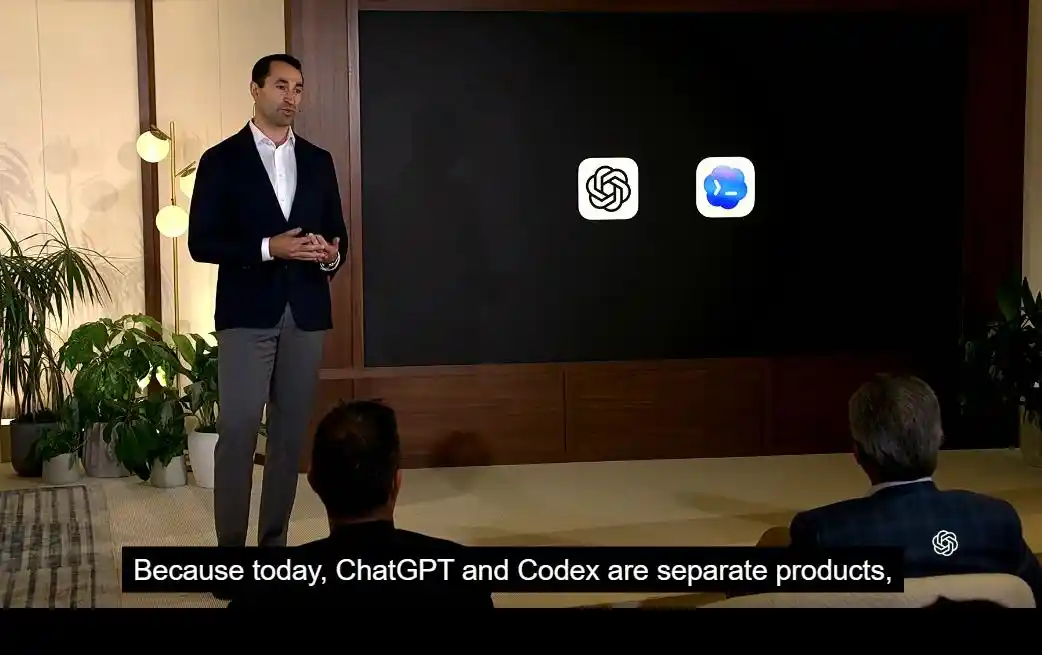
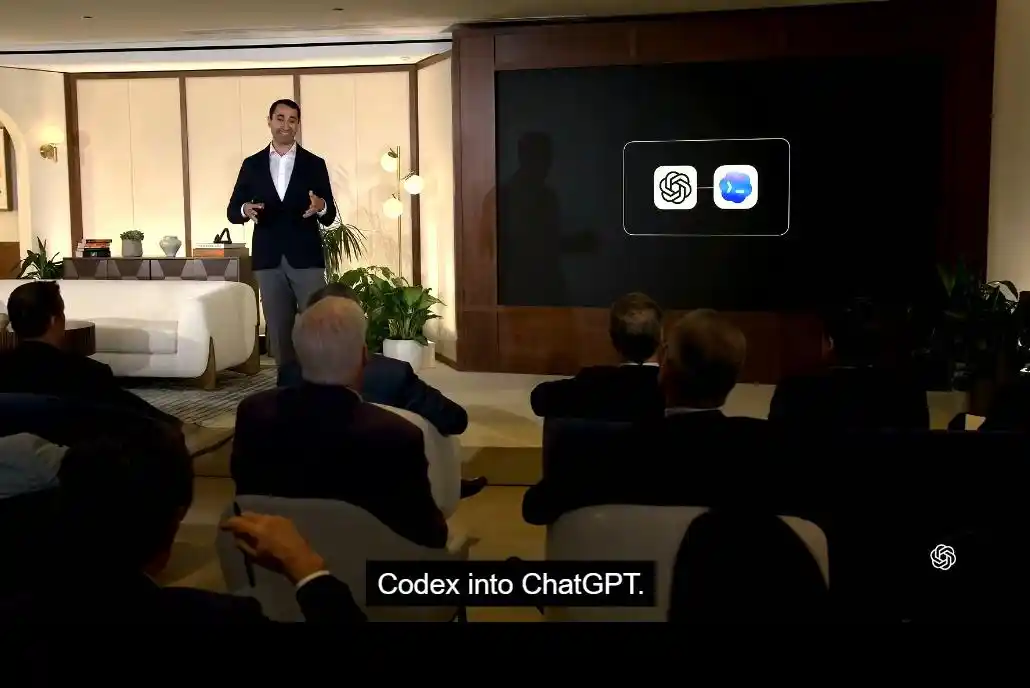
Pero, ¿crees que la historia termina aquí?

Al menos desde la perspectiva de OpenAI, Codex quizás sea solo el comienzo.

Y toda la visión sobre la superaplicación, a través de esta conferencia, finalmente la hemos comprendido de una vez.

Resulta que Codex era solo el primer paso

La conferencia duró una hora entera, con una densidad de información muy alta, pero en resumen, hubo tres asuntos clave.

1. ChatGPT va a fusionarse con Codex porque los tiempos han cambiado.

2. Codex seguirá mejorando, por lo que se anunciaron tres grandes actualizaciones.

3. Codex está alcanzando a Claude Code rápidamente, y la "eficiencia" de GPT-5.5 es un factor clave.

Vamos a repasarlos rápidamente:

En primer lugar, el evento de fusión que sorprendió a muchos: ¿por qué ChatGPT elige fusionarse con Codex ahora?

Una razón es que Codex, lanzado originalmente para competir con Claude Code, ahora puede mostrar resultados tangibles.

Los usuarios activos semanales de Codex han superado los 5 millones, aumentando 6 veces desde el lanzamiento de la versión de escritorio en febrero.

Lo más crucial es que el 20% no son programadores, sino trabajadores del conocimiento como analistas, diseñadores, profesionales de banca de inversión, etc., y el crecimiento de este grupo es 3 veces mayor que el de los desarrolladores.

Esto indica que Codex está logrando una fuerte expansión más allá de su nicho original.

Y en cuanto a los ingresos, un asunto muy importante para OpenAI (que inicialmente siguió a Claude Code por su potencial de generar dinero), la empresa reveló que actualmente los ingresos provenientes de empresas representan el 40% de los ingresos totales de OpenAI, y se espera que esta proporción alcance el 50% para finales de este año.
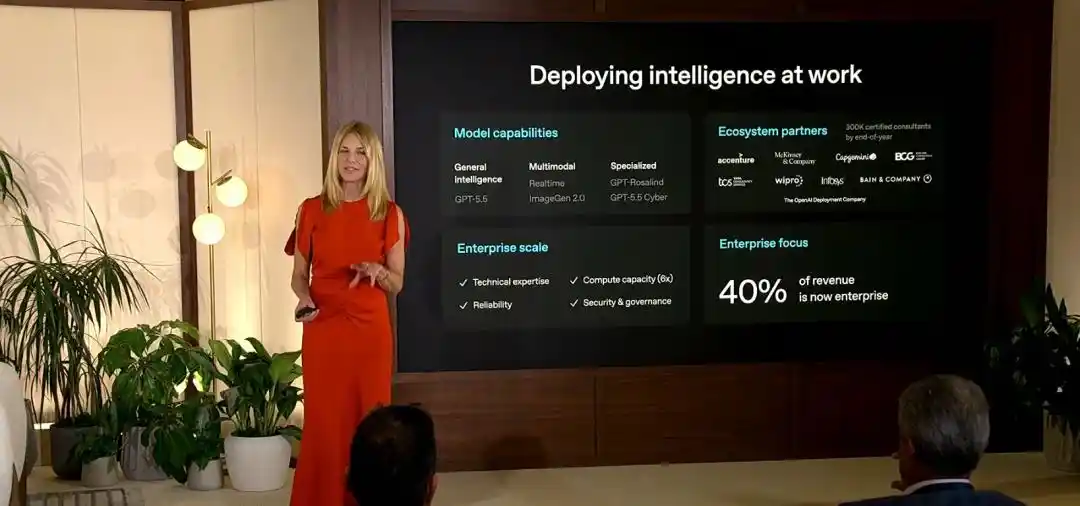
En pocas palabras, Codex ahora tiene un crecimiento rápido de usuarios, cubre un público amplio y, de hecho, está generando ingresos para OpenAI.

Parece que todo le está diciendo a OpenAI que es hora de considerar el próximo paso.

Y la dirección de ese próximo paso, al menos por ahora, parece muy clara: de Chat a Agent, de conversar a ejecutar.

Alexander Embiricos, director de producto de OpenAI, dijo esto en la conferencia:

Tú quizás no trabajes 24/7, pero tu Agente en la nube sí lo hará.

Una simple línea que resume el encanto definitivo de una superaplicación. En el futuro, los usuarios realmente no necesitarán cambiar entre diferentes apps; con solo dar una instrucción, ChatGPT la entenderá y luego Codex podrá invocar varios Agentes para ejecutarla.

Así que esta integración es, de hecho, el primer paso de OpenAI hacia la superaplicación.

¿Cuál es el siguiente paso? La respuesta ya la habrán adivinado: el navegador.

El navegador es el último eslabón de esta integración. Complementa la entrada de la IA al mundo web, permitiendo a los usuarios, con solo hablar en ChatGPT, que Codex complete automáticamente en el navegador tareas como búsquedas, operaciones en backends, procesamiento de trabajo, etc., que antes requerían hacer clic manualmente.

Así, ChatGPT + Codex + el navegador Atlas; OpenAI finalmente tiene la posibilidad de lograr, a través de una sola APP, la ejecución desde la conversación hasta escenarios completos.

Pero, volviendo al presente, hoy hablemos solo de Codex.

Para darle a Codex más "soldados" con los que trabajar, OpenAI lanzó de golpe tres actualizaciones más:

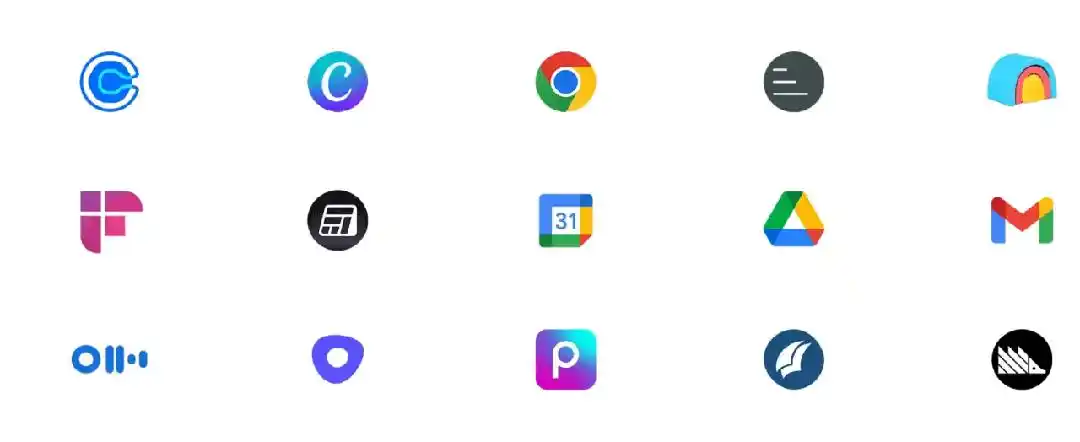
Plugins de Agente para seis roles profesionales, que cubren análisis de datos, ventas, producción creativa, diseño de productos, inversión de capital y banca de inversión. Integran directamente 62 aplicaciones empresariales como Snowflake, Figma, Salesforce, e incluyen 110 habilidades automatizadas.
Función Annotations, permite marcar y modificar directamente en el texto original de un documento, sin necesidad de regenerar todo el contenido. Los desarrolladores ya usan esta capacidad para modificar código, archivos Markdown y sitios web generados por Codex.

Ahora, se extiende a escenarios de creación de contenido como documentos, hojas de cálculo y presentaciones.
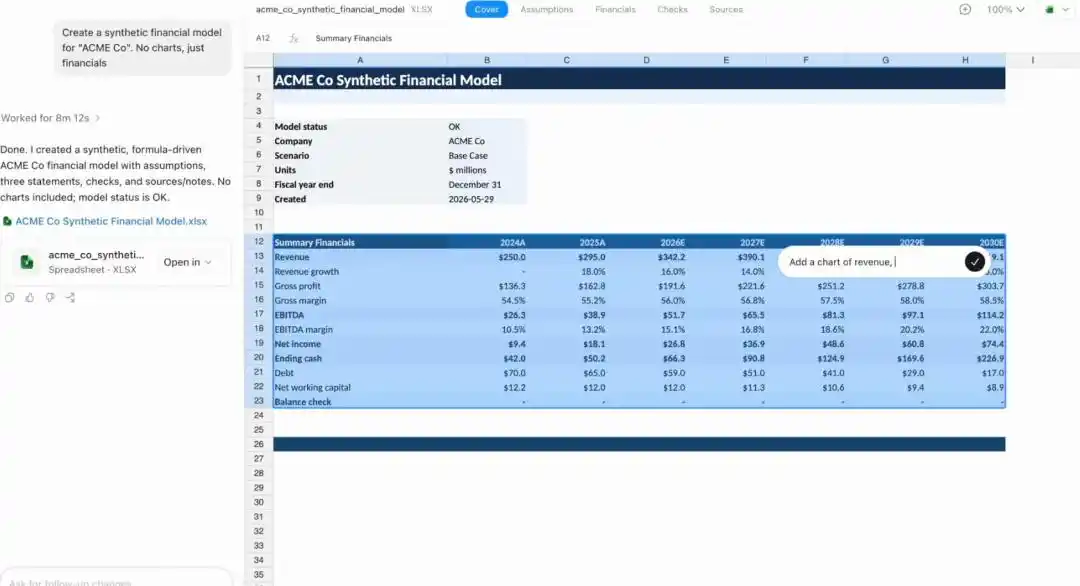
Función Sites, permite a Codex convertir tus resultados de trabajo en una aplicación web interactiva con un clic, generando una URL para compartir directamente con tu equipo.

Esta función parece bastante práctica. Antes, al desarrollar un proyecto, una persona sin conocimientos técnicos solo podía describir vagamente sus necesidades. Ahora, cualquiera puede generar un demo visual claro e intuitivo, reduciendo significativamente los costos de comunicación del equipo.

Actualmente, esta función está disponible en vista previa para clientes Business y Enterprise.
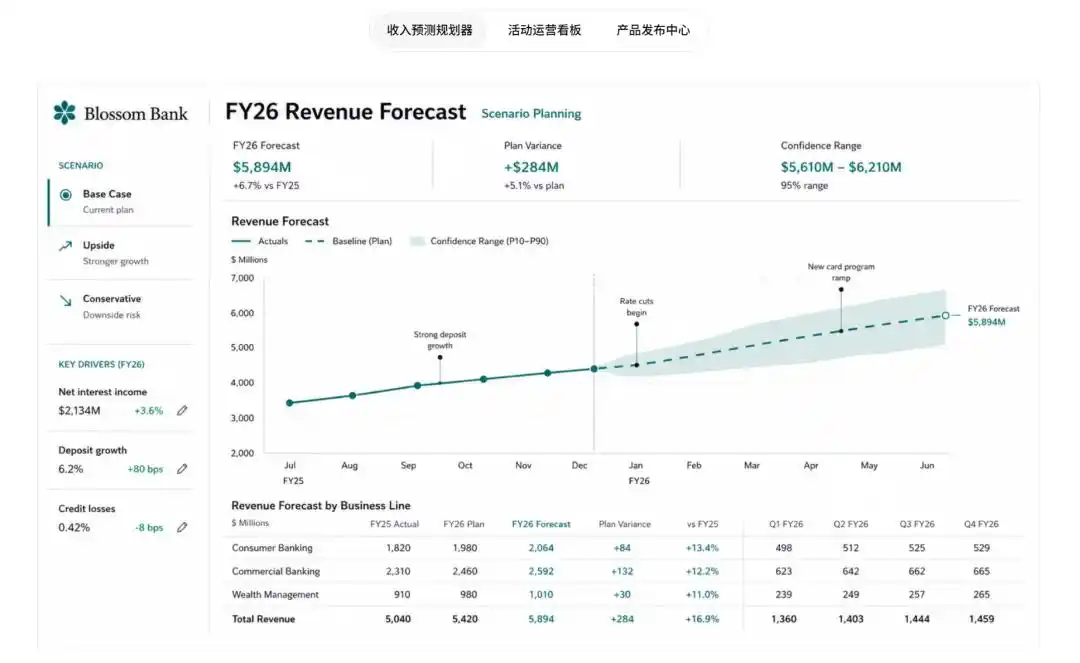
¿Ven? OpenAI apuesta a que, en el futuro, cada vez más personas comunes pasarán del diálogo a la ejecución.

Alguien podría preguntar: ¿por qué no es Codex el que absorbe a ChatGPT entonces?

Solo se puede decir que, superficialmente, parece la historia de ChatGPT absorbiendo a Codex, pero al juntar algunos detalles, la dirección podría ser exactamente la contraria.

En la reestructuración organizativa de mayo, Thibault Sottiaux, quien hizo crecer a Codex, fue ascendido a director principal de Producto y Plataforma, supervisando las líneas de consumidor, empresa y desarrollador. Mientras que Nick Turley, quien llevó a ChatGPT a 900 millones de usuarios activos semanales, fue trasladado a la línea de producto empresarial.

Así que ahora es la gente de Codex la que gestiona ChatGPT, no al revés.

Además, vale la pena analizar la redacción del memorándum interno de Brockman:

No escribió "actualizar ChatGPT", sino "invertir en una plataforma unificada de agentes".

Por lo tanto, esta fusión, más que una integración de productos, es un cambio de rumbo: del diálogo a la ejecución, del chat al Agente.

ChatGPT proporciona la base masiva de 1,000 millones de usuarios, Codex proporciona el motor de crecimiento y la narrativa futura.

La cáscara es de ChatGPT, pero el alma es de Codex.

Sin embargo, la existencia de Codex, en última instancia, fue impulsada por su rival, Anthropic.

Incluso el GPT-5.5 mencionado en la conferencia casi puede considerarse un producto de esta presión.

Codex fue impulsado por Anthropic

Mirando atrás, si no fuera por Anthropic, Codex podría seguir siendo hoy solo una función secundaria insignificante dentro de ChatGPT.

Retrocedamos en el tiempo al lanzamiento de la versión preliminar de Claude Code el año pasado.

Claude Code fue un gran éxito desde su aparición. Sus ingresos anualizados superaron los $25 mil millones en febrero de este año, pasando de cero a $10 mil millones en solo 6 meses, siendo uno de los productos de software comercial de más rápido crecimiento en la historia.

Aproximadamente el 4% de los commits públicos de GitHub en todo el mundo provienen de él, y los usuarios le dedican un promedio de 20 horas a la semana.

Fue el auge de Claude Code lo que hizo que OpenAI se diera cuenta internamente: se habían quedado atrás en el campo de la codificación.

¿Qué hacer cuando te quedas atrás? Pues ponerte al día.

Antes, la narrativa predeterminada en la industria de la IA siempre había sido que Anthropic seguía los pasos de OpenAI: GPT salía primero y Claude le seguía, ChatGPT se hacía popular y Claude se posicionaba como alternativa.

Pero en la línea de código, el guion cambió por completo.

Claude Code se lanzó en febrero del año pasado, y dos meses después OpenAI presentó su competidor, Codex; Anthropic hizo primero la versión de escritorio, OpenAI la siguió; Anthropic lanzó Cowork para trabajadores del conocimiento, OpenAI lo siguió con Plugins.

Esta vez fue OpenAI siguiendo los pasos de Anthropic.

Pero la velocidad de recuperación fue realmente rápida. En la línea de tiempo, 14 meses, de cero a 5 millones de usuarios activos semanales.

En abril del año pasado, se lanzó la vista previa de Codex Cloud;

En febrero de este año, se lanzó la App de escritorio y el modelo especializado GPT-5.3-Codex;

En marzo, se anunció la fusión de la superaplicación y la adquisición de la empresa de herramientas Python, Astral;

En abril, se lanzó ChatGPT Pro a $100/mes para atraer desarrolladores;

En mayo, llegó la versión móvil;

En junio, se integra oficialmente en ChatGPT.

Puede decirse que casi cada paso aquí tiene la sombra de Claude Code.

Pero, siendo honestos, Codex no logró darle la vuelta a la situación enfrentándose directamente en calidad de código.

Después de todo, los datos de pruebas ciegas están ahí: Claude Code aún tiene una tasa de victoria del 67%, y la mayoría de los programadores admiten que lo que produce es más sólido.

Pero el problema es que los límites de Claude Code son muy estrictos y su precio es más alto que el de Codex.

Un hilo de discusión en Reddit con más de 500 desarrolladores resume un consenso:

Claude Code es más inteligente, pero sus límites son demasiado estrictos para usarlo a diario; Codex es un poco peor pero realmente se puede usar de forma fluida.
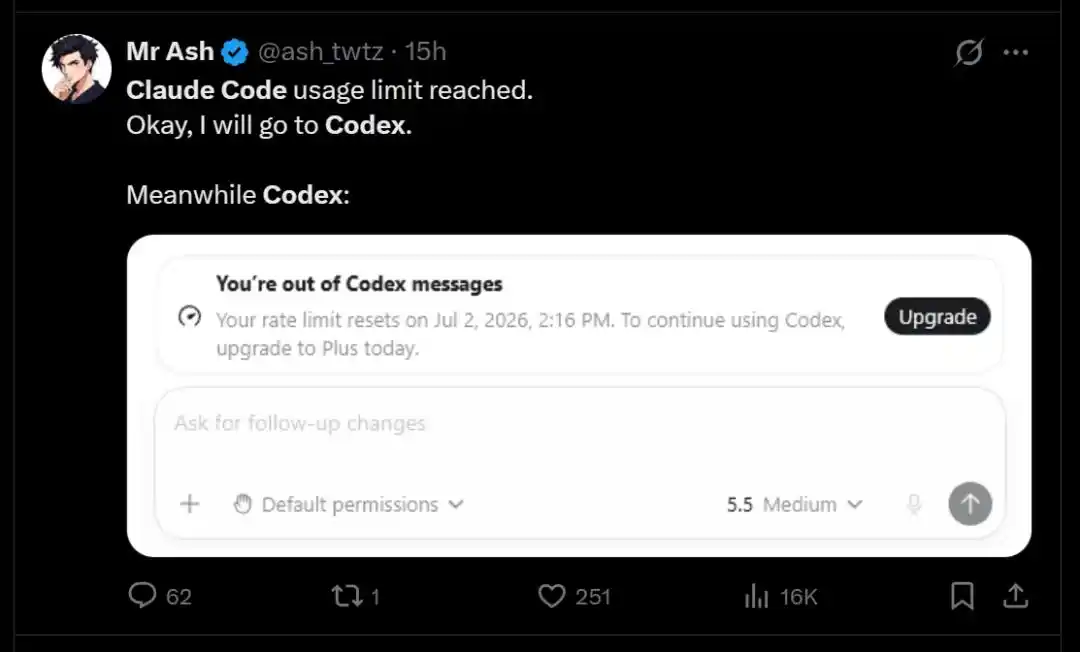
Un modelo más inteligente, pero que a menudo se atasca a mitad de tarea y es más caro, frente a un modelo un poco menos inteligente pero más económico.

¿Tú, cuál elegirías? (doge)

Curiosamente, en la conferencia, Alexander Embiricos, director de producto de OpenAI, también dijo esta frase memorable:

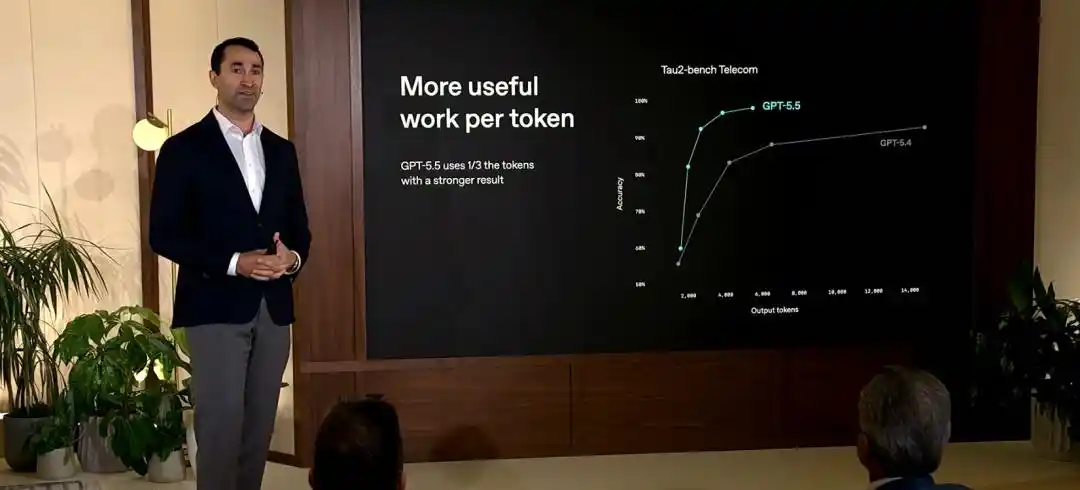
Lo que GPT-5.5 más odia es desperdiciar tokens.

Usar Codex con GPT-5.5 permite obtener un producto de la misma calidad, usando solo 1/3 de los tokens.

En definitiva, en el camino de alcanzar a Claude Code, Codex está adoptando "menos tokens, más inteligencia" como su nuevo principio rector.
Es innegable que el campo de la programación con IA ahora tiene un duopolio.

Uno representa la máxima capacidad de código, el otro representa la máxima capacidad de productización.

Pero si ampliamos un poco la perspectiva, nos damos cuenta de que lo que Claude Code y Codex están disputando ya no es realmente el mercado de herramientas de programación.

Cuando cada vez más personas comunes comienzan a utilizar Agentes como compañeros de trabajo diarios, la entrada, de hecho, es lo más importante.

Y esto, precisamente, brinda una nueva oportunidad a los actores chinos, porque en la era de los Agentes, lo que decida la victoria no será necesariamente solo la capacidad del modelo, sino también el escenario, el ecosistema, la capacidad de conexión de aplicaciones y la comprensión de los flujos de trabajo de las empresas locales.

De hecho, las grandes empresas tecnológicas chinas ya han comenzado a participar.

Algunas optan por abordar la entrada para desarrolladores, otras la entrada para la oficina empresarial interna, y otras por plataformas de Agentes inteligentes de flujo completo.

Pero independientemente del camino, el objetivo básicamente es el mismo: ocupar la entrada central en la era de los Agentes.

Todos tienen claro que la verdadera prioridad es cómo aprovechar la ventana de tiempo de los escenarios locales para establecer una verdadera barrera competitiva a nivel de infraestructura de Agentes.

Así que, a continuación, veremos quién puede tomar la delantera y crear la versión china de Claude Code y Codex.

Y lo más crucial, ¿quién se convertirá en la nueva superentrada doméstica en la era de los Agentes?

One More Thing

Volviendo al evento de fusión.

Dada la situación actual de desarrollo de Codex y el panorama general de la industria, me atrevo a decir algo:

En lugar de seguir llamando ChatGPT a la aplicación fusionada, sería mejor llamarla directamente Codex.

Piensa detenidamente, ChatGPT suena como un producto antiguo de la era del "Chat", pero la dirección en la que OpenAI está apostando ahora ya no es el Chat.

La persona a cargo del producto es de Codex, el memorándum interno habla de una plataforma de agentes, el crecimiento más rápido es en escenarios de ejecución, y ninguna de las nuevas funciones está relacionada con el chat.

¿Se puede usar ChatGPT? Sí. ¿Pero es un nombre preciso? No.

Por supuesto, es poco probable que OpenAI cambie el nombre. Después de todo, las tres letras ChatGPT se han convertido en sinónimo de IA, un activo de marca de valor incalculable.

Pero que el nombre no cambie no significa que la esencia no haya cambiado.

Quizás pronto, cuando abras ChatGPT, no te recibirá un cuadro de diálogo esperando tu pregunta, sino un Agente que ya ha terminado el trabajo por ti.

Para entonces, que sea o no "Chat" ya no será importante.

En otras palabras, en el futuro, ChatGPT podría convertirse solo en un símbolo espiritual...

Enlaces de referencia:

[1]https://www.techmeme.com/260602/p14#a260602p14

[2]https://openai.com/index/codex-for-every-role-tool-workflow/

[3]https://www.theinformation.com/articles/inside-openais-decision-combine-codex-chatgpt

Este artículo proviene del WeChat Official Account "量子位", autor: 关注前沿科技

Trending Cryptos

Related Questions

Q¿Qué es lo más importante que anunció OpenAI en su presentación 'Intelligence at Work'?

ALo más importante es que OpenAI anunció que Codex se integrará en la aplicación ChatGPT en las próximas semanas, combinando así las funciones de conversación y ejecución de tareas en una sola aplicación.

QSegún el artículo, ¿cuál es el propósito final de OpenAI al crear una 'super aplicación'?

AEl propósito final es crear un 'super aplicativo' que combine ChatGPT (conversación), Codex (ejecución de tareas) y el navegador Atlas, permitiendo a los usuarios completar tareas complejas en línea con simples instrucciones de voz, sin necesidad de cambiar entre diferentes aplicaciones.

Q¿Qué rol jugó el producto Claude Code de Anthropic en el desarrollo de Codex de OpenAI?

AClaude Code de Anthropic actuó como un catalizador importante. Su éxito comercial y rápido crecimiento obligó a OpenAI a reconocer que se estaba quedando atrás en el campo de la codificación asistida por IA, lo que aceleró el desarrollo y la comercialización agresiva de Codex como producto independiente.

Q¿Cuáles son las tres principales actualizaciones que OpenAI presentó para Codex?

ALas tres principales actualizaciones son: 1) Complementos de Agente para seis roles profesionales con integración en 62 aplicaciones empresariales; 2) Función 'Annotations' para modificar documentos directamente; 3) Función 'Sites' para convertir el trabajo en aplicaciones web interactivas.

Q¿Por qué el artículo sugiere que 'ChatGPT' podría dejar de existir en el futuro?

AEl artículo sugiere esto porque la esencia de la plataforma unificada está cambiando de ser una herramienta de 'chat' (conversación) a una plataforma de 'agentes' (ejecución autónoma de tareas). Aunque probablemente mantendrá el nombre de la marca 'ChatGPT', su funcionalidad central será la de un agente ejecutor impulsado por la tecnología y la visión de Codex, no solo la de un chatbot.

Related Reads

Ethereum 2026 Q1 Review: On-Chain Activity Hits Record Highs, Tokenized Assets Lead the Industry

Ethereum Q1 2026 Review: Record On-Chain Activity, Tokenized Assets Lead the Industry. Despite a price correction impacting USD-denominated metrics, Ethereum's on-chain usage hit all-time highs in Q1 2026. Monthly active addresses surged 85.9% year-over-year to 13.2 million, while L1 transactions and throughput also set new records. This growth occurred alongside a significant 47.9% quarterly drop in L1 transaction fees, demonstrating the impact of network scaling via upgrades like the Blob Parameter Fork. The ecosystem maintained its dominance in decentralized finance (DeFi), holding 71% of the total value locked among top chains and 79.2% of active borrowing. Ethereum solidified its position as the primary platform for tokenized real-world assets (RWAs), with a total market cap of $203.4B. It holds leading shares in stablecoins (61.8%), tokenized funds (73%), and tokenized commodities (84%) across major chains. Key developments included the ERC-8004 standard for AI agents and heightened institutional engagement at forums. Major financial institutions like BlackRock, JPMorgan, and a European banking consortium announced new tokenized products on Ethereum throughout the period. The report draws parallels to the early internet, suggesting Ethereum is sacrificing short-term fee revenue for long-term network expansion and adoption. Its strategy focuses on becoming a neutral, open settlement layer for global finance, with scaling roadmaps aiming for tens of thousands of TPS by 2029.

marsbit1h ago

Ethereum 2026 Q1 Review: On-Chain Activity Hits Record Highs, Tokenized Assets Lead the Industry

marsbit1h ago

Trading

Spot
Futures

Hot Articles

What is SONIC

Sonic: Pioneering the Future of Gaming in Web3 Introduction to Sonic In the ever-evolving landscape of Web3, the gaming industry stands out as one of the most dynamic and promising sectors. At the forefront of this revolution is Sonic, a project designed to amplify the gaming ecosystem on the Solana blockchain. Leveraging cutting-edge technology, Sonic aims to deliver an unparalleled gaming experience by efficiently processing millions of requests per second, ensuring that players enjoy seamless gameplay while maintaining low transaction costs. This article delves into the intricate details of Sonic, exploring its creators, funding sources, operational mechanics, and the timeline of significant events that have shaped its journey. What is Sonic? Sonic is an innovative layer-2 network that operates atop the Solana blockchain, specifically tailored to enhance the existing Solana gaming ecosystem. It accomplishes this through a customised, VM-agnostic game engine paired with a HyperGrid interpreter, facilitating sovereign game economies that roll up back to the Solana platform. The primary goals of Sonic include: Enhanced Gaming Experiences: Sonic is committed to offering lightning-fast on-chain gameplay, allowing players and developers to engage with games at previously unattainable speeds. Atomic Interoperability: This feature enables transactions to be executed within Sonic without the need to redeploy Solana programmes and accounts. This makes the process more efficient and directly benefits from Solana Layer1 services and liquidity. Seamless Deployment: Sonic allows developers to write for Ethereum Virtual Machine (EVM) based systems and execute them on Solana’s SVM infrastructure. This interoperability is crucial for attracting a broader range of dApps and decentralised applications to the platform. Support for Developers: By offering native composable gaming primitives and extensible data types - dining within the Entity-Component-System (ECS) framework - game creators can craft intricate business logic with ease. Overall, Sonic's unique approach not only caters to players but also provides an accessible and low-cost environment for developers to innovate and thrive. Creator of Sonic The information regarding the creator of Sonic is somewhat ambiguous. However, it is known that Sonic's SVM is owned by the company Mirror World. The absence of detailed information about the individuals behind Sonic reflects a common trend in several Web3 projects, where collective efforts and partnerships often overshadow individual contributions. Investors of Sonic Sonic has garnered considerable attention and support from various investors within the crypto and gaming sectors. Notably, the project raised an impressive $12 million during its Series A funding round. The round was led by BITKRAFT Ventures, with other notable investors including Galaxy, Okx Ventures, Interactive, Big Brain Holdings, and Mirana. This financial backing signifies the confidence that investment foundations have in Sonic’s potential to revolutionise the Web3 gaming landscape, further validating its innovative approaches and technologies. How Does Sonic Work? Sonic utilises the HyperGrid framework, a sophisticated parallel processing mechanism that enhances its scalability and customisability. Here are the core features that set Sonic apart: Lightning Speed at Low Costs: Sonic offers one of the fastest on-chain gaming experiences compared to other Layer-1 solutions, powered by the scalability of Solana’s virtual machine (SVM). Atomic Interoperability: Sonic enables transaction execution without redeployment of Solana programmes and accounts, effectively streamlining the interaction between users and the blockchain. EVM Compatibility: Developers can effortlessly migrate decentralised applications from EVM chains to the Solana environment using Sonic’s HyperGrid interpreter, increasing the accessibility and integration of various dApps. Ecosystem Support for Developers: By exposing native composable gaming primitives, Sonic facilitates a sandbox-like environment where developers can experiment and implement business logic, greatly enhancing the overall development experience. Monetisation Infrastructure: Sonic natively supports growth and monetisation efforts, providing frameworks for traffic generation, payments, and settlements, thereby ensuring that gaming projects are not only viable but also sustainable financially. Timeline of Sonic The evolution of Sonic has been marked by several key milestones. Below is a brief timeline highlighting critical events in the project's history: 2022: The Sonic cryptocurrency was officially launched, marking the beginning of its journey in the Web3 gaming arena. 2024: June: Sonic SVM successfully raised $12 million in a Series A funding round. This investment allowed Sonic to further develop its platform and expand its offerings. August: The launch of the Sonic Odyssey testnet provided users with the first opportunity to engage with the platform, offering interactive activities such as collecting rings—a nod to gaming nostalgia. October: SonicX, an innovative crypto game integrated with Solana, made its debut on TikTok, capturing the attention of over 120,000 users within a short span. This integration illustrated Sonic’s commitment to reaching a broader, global audience and showcased the potential of blockchain gaming. Key Points Sonic SVM is a revolutionary layer-2 network on Solana explicitly designed to enhance the GameFi landscape, demonstrating great potential for future development. HyperGrid Framework empowers Sonic by introducing horizontal scaling capabilities, ensuring that the network can handle the demands of Web3 gaming. Integration with Social Platforms: The successful launch of SonicX on TikTok displays Sonic’s strategy to leverage social media platforms to engage users, exponentially increasing the exposure and reach of its projects. Investment Confidence: The substantial funding from BITKRAFT Ventures, among others, emphasizes the robust backing Sonic has, paving the way for its ambitious future. In conclusion, Sonic encapsulates the essence of Web3 gaming innovation, striking a balance between cutting-edge technology, developer-centric tools, and community engagement. As the project continues to evolve, it is poised to redefine the gaming landscape, making it a notable entity for gamers and developers alike. As Sonic moves forward, it will undoubtedly attract greater interest and participation, solidifying its place within the broader narrative of blockchain gaming.

1.7k Total ViewsPublished 2024.04.04Updated 2024.12.03

What is SONIC

What is $S$

Understanding SPERO: A Comprehensive Overview Introduction to SPERO As the landscape of innovation continues to evolve, the emergence of web3 technologies and cryptocurrency projects plays a pivotal role in shaping the digital future. One project that has garnered attention in this dynamic field is SPERO, denoted as SPERO,$$s$. This article aims to gather and present detailed information about SPERO, to help enthusiasts and investors understand its foundations, objectives, and innovations within the web3 and crypto domains. What is SPERO,$$s$? SPERO,$$s$ is a unique project within the crypto space that seeks to leverage the principles of decentralisation and blockchain technology to create an ecosystem that promotes engagement, utility, and financial inclusion. The project is tailored to facilitate peer-to-peer interactions in new ways, providing users with innovative financial solutions and services. At its core, SPERO,$$s$ aims to empower individuals by providing tools and platforms that enhance user experience in the cryptocurrency space. This includes enabling more flexible transaction methods, fostering community-driven initiatives, and creating pathways for financial opportunities through decentralised applications (dApps). The underlying vision of SPERO,$$s$ revolves around inclusiveness, aiming to bridge gaps within traditional finance while harnessing the benefits of blockchain technology. Who is the Creator of SPERO,$$s$? The identity of the creator of SPERO,$$s$ remains somewhat obscure, as there are limited publicly available resources providing detailed background information on its founder(s). This lack of transparency can stem from the project's commitment to decentralisation—an ethos that many web3 projects share, prioritising collective contributions over individual recognition. By centring discussions around the community and its collective goals, SPERO,$$s$ embodies the essence of empowerment without singling out specific individuals. As such, understanding the ethos and mission of SPERO remains more important than identifying a singular creator. Who are the Investors of SPERO,$$s$? SPERO,$$s$ is supported by a diverse array of investors ranging from venture capitalists to angel investors dedicated to fostering innovation in the crypto sector. The focus of these investors generally aligns with SPERO's mission—prioritising projects that promise societal technological advancement, financial inclusivity, and decentralised governance. These investor foundations are typically interested in projects that not only offer innovative products but also contribute positively to the blockchain community and its ecosystems. The backing from these investors reinforces SPERO,$$s$ as a noteworthy contender in the rapidly evolving domain of crypto projects. How Does SPERO,$$s$ Work? SPERO,$$s$ employs a multi-faceted framework that distinguishes it from conventional cryptocurrency projects. Here are some of the key features that underline its uniqueness and innovation: Decentralised Governance: SPERO,$$s$ integrates decentralised governance models, empowering users to participate actively in decision-making processes regarding the project’s future. This approach fosters a sense of ownership and accountability among community members. Token Utility: SPERO,$$s$ utilises its own cryptocurrency token, designed to serve various functions within the ecosystem. These tokens enable transactions, rewards, and the facilitation of services offered on the platform, enhancing overall engagement and utility. Layered Architecture: The technical architecture of SPERO,$$s$ supports modularity and scalability, allowing for seamless integration of additional features and applications as the project evolves. This adaptability is paramount for sustaining relevance in the ever-changing crypto landscape. Community Engagement: The project emphasises community-driven initiatives, employing mechanisms that incentivise collaboration and feedback. By nurturing a strong community, SPERO,$$s$ can better address user needs and adapt to market trends. Focus on Inclusion: By offering low transaction fees and user-friendly interfaces, SPERO,$$s$ aims to attract a diverse user base, including individuals who may not previously have engaged in the crypto space. This commitment to inclusion aligns with its overarching mission of empowerment through accessibility. Timeline of SPERO,$$s$ Understanding a project's history provides crucial insights into its development trajectory and milestones. Below is a suggested timeline mapping significant events in the evolution of SPERO,$$s$: Conceptualisation and Ideation Phase: The initial ideas forming the basis of SPERO,$$s$ were conceived, aligning closely with the principles of decentralisation and community focus within the blockchain industry. Launch of Project Whitepaper: Following the conceptual phase, a comprehensive whitepaper detailing the vision, goals, and technological infrastructure of SPERO,$$s$ was released to garner community interest and feedback. Community Building and Early Engagements: Active outreach efforts were made to build a community of early adopters and potential investors, facilitating discussions around the project’s goals and garnering support. Token Generation Event: SPERO,$$s$ conducted a token generation event (TGE) to distribute its native tokens to early supporters and establish initial liquidity within the ecosystem. Launch of Initial dApp: The first decentralised application (dApp) associated with SPERO,$$s$ went live, allowing users to engage with the platform's core functionalities. Ongoing Development and Partnerships: Continuous updates and enhancements to the project's offerings, including strategic partnerships with other players in the blockchain space, have shaped SPERO,$$s$ into a competitive and evolving player in the crypto market. Conclusion SPERO,$$s$ stands as a testament to the potential of web3 and cryptocurrency to revolutionise financial systems and empower individuals. With a commitment to decentralised governance, community engagement, and innovatively designed functionalities, it paves the way toward a more inclusive financial landscape. As with any investment in the rapidly evolving crypto space, potential investors and users are encouraged to research thoroughly and engage thoughtfully with the ongoing developments within SPERO,$$s$. The project showcases the innovative spirit of the crypto industry, inviting further exploration into its myriad possibilities. While the journey of SPERO,$$s$ is still unfolding, its foundational principles may indeed influence the future of how we interact with technology, finance, and each other in interconnected digital ecosystems.

59 Total ViewsPublished 2024.12.17Updated 2024.12.17

What is $S$

What is AGENT S

Agent S: The Future of Autonomous Interaction in Web3 Introduction In the ever-evolving landscape of Web3 and cryptocurrency, innovations are constantly redefining how individuals interact with digital platforms. One such pioneering project, Agent S, promises to revolutionise human-computer interaction through its open agentic framework. By paving the way for autonomous interactions, Agent S aims to simplify complex tasks, offering transformative applications in artificial intelligence (AI). This detailed exploration will delve into the project's intricacies, its unique features, and the implications for the cryptocurrency domain. What is Agent S? Agent S stands as a groundbreaking open agentic framework, specifically designed to tackle three fundamental challenges in the automation of computer tasks: Acquiring Domain-Specific Knowledge: The framework intelligently learns from various external knowledge sources and internal experiences. This dual approach empowers it to build a rich repository of domain-specific knowledge, enhancing its performance in task execution. Planning Over Long Task Horizons: Agent S employs experience-augmented hierarchical planning, a strategic approach that facilitates efficient breakdown and execution of intricate tasks. This feature significantly enhances its ability to manage multiple subtasks efficiently and effectively. Handling Dynamic, Non-Uniform Interfaces: The project introduces the Agent-Computer Interface (ACI), an innovative solution that enhances the interaction between agents and users. Utilizing Multimodal Large Language Models (MLLMs), Agent S can navigate and manipulate diverse graphical user interfaces seamlessly. Through these pioneering features, Agent S provides a robust framework that addresses the complexities involved in automating human interaction with machines, setting the stage for myriad applications in AI and beyond. Who is the Creator of Agent S? While the concept of Agent S is fundamentally innovative, specific information about its creator remains elusive. The creator is currently unknown, which highlights either the nascent stage of the project or the strategic choice to keep founding members under wraps. Regardless of anonymity, the focus remains on the framework's capabilities and potential. Who are the Investors of Agent S? As Agent S is relatively new in the cryptographic ecosystem, detailed information regarding its investors and financial backers is not explicitly documented. The lack of publicly available insights into the investment foundations or organisations supporting the project raises questions about its funding structure and development roadmap. Understanding the backing is crucial for gauging the project's sustainability and potential market impact. How Does Agent S Work? At the core of Agent S lies cutting-edge technology that enables it to function effectively in diverse settings. Its operational model is built around several key features: Human-like Computer Interaction: The framework offers advanced AI planning, striving to make interactions with computers more intuitive. By mimicking human behaviour in tasks execution, it promises to elevate user experiences. Narrative Memory: Employed to leverage high-level experiences, Agent S utilises narrative memory to keep track of task histories, thereby enhancing its decision-making processes. Episodic Memory: This feature provides users with step-by-step guidance, allowing the framework to offer contextual support as tasks unfold. Support for OpenACI: With the ability to run locally, Agent S allows users to maintain control over their interactions and workflows, aligning with the decentralised ethos of Web3. Easy Integration with External APIs: Its versatility and compatibility with various AI platforms ensure that Agent S can fit seamlessly into existing technological ecosystems, making it an appealing choice for developers and organisations. These functionalities collectively contribute to Agent S's unique position within the crypto space, as it automates complex, multi-step tasks with minimal human intervention. As the project evolves, its potential applications in Web3 could redefine how digital interactions unfold. Timeline of Agent S The development and milestones of Agent S can be encapsulated in a timeline that highlights its significant events: September 27, 2024: The concept of Agent S was launched in a comprehensive research paper titled “An Open Agentic Framework that Uses Computers Like a Human,” showcasing the groundwork for the project. October 10, 2024: The research paper was made publicly available on arXiv, offering an in-depth exploration of the framework and its performance evaluation based on the OSWorld benchmark. October 12, 2024: A video presentation was released, providing a visual insight into the capabilities and features of Agent S, further engaging potential users and investors. These markers in the timeline not only illustrate the progress of Agent S but also indicate its commitment to transparency and community engagement. Key Points About Agent S As the Agent S framework continues to evolve, several key attributes stand out, underscoring its innovative nature and potential: Innovative Framework: Designed to provide an intuitive use of computers akin to human interaction, Agent S brings a novel approach to task automation. Autonomous Interaction: The ability to interact autonomously with computers through GUI signifies a leap towards more intelligent and efficient computing solutions. Complex Task Automation: With its robust methodology, it can automate complex, multi-step tasks, making processes faster and less error-prone. Continuous Improvement: The learning mechanisms enable Agent S to improve from past experiences, continually enhancing its performance and efficacy. Versatility: Its adaptability across different operating environments like OSWorld and WindowsAgentArena ensures that it can serve a broad range of applications. As Agent S positions itself in the Web3 and crypto landscape, its potential to enhance interaction capabilities and automate processes signifies a significant advancement in AI technologies. Through its innovative framework, Agent S exemplifies the future of digital interactions, promising a more seamless and efficient experience for users across various industries. Conclusion Agent S represents a bold leap forward in the marriage of AI and Web3, with the capacity to redefine how we interact with technology. While still in its early stages, the possibilities for its application are vast and compelling. Through its comprehensive framework addressing critical challenges, Agent S aims to bring autonomous interactions to the forefront of the digital experience. As we move deeper into the realms of cryptocurrency and decentralisation, projects like Agent S will undoubtedly play a crucial role in shaping the future of technology and human-computer collaboration.

733 Total ViewsPublished 2025.01.14Updated 2025.01.14

What is AGENT S

Discussions

Welcome to the HTX Community. Here, you can stay informed about the latest platform developments and gain access to professional market insights. Users' opinions on the price of S (S) are presented below.

活动图片













