Internet Computer暴涨12%——但这些阻力位仍是ICP的拦路虎

ambcryptoPublished on 2026-01-15Last updated on 2026-01-15

Abstract

互联网计算机(ICP)代币近期强势反弹,涨幅达12%,市值增加2.43亿美元,当前市值约19.5亿美元。尽管技术动能转为看涨,但上方仍存在多个阻力位,可能阻碍价格持续上行。 ICP突破持续两个多月的下降趋势线,显示趋势可能反转,目标位看向5.30美元附近。但近期阻力集中在3.78美元和4.34美元区域,可能引发卖压加剧。Parabolic SAR指标显示买盘压力占主导,短期趋势偏向看涨。 资金流向指标(CMF)显示近期资金流入改善,但累积/分布指标仍为负值(-4459万),表明尽管买盘增加,但整体卖压尚未完全抵消,市场尚未完全进入积累阶段,存在回调或整理风险。 社区情绪数据显示,73.68%的参与者看涨ICP,但积极情绪并未消除技术障碍。价格能否站稳3.78美元以上成为后续上涨的关键。总体而言,突破虽有利于买家,但上方阻力和未解决的分布问题可能考验上涨动能,需谨慎观察。

随着技术动量明确转向看涨,Internet Computer的ICP代币延续了近期最强劲的上涨行情。

该山寨币在此期间上涨12%,市值增加2.43亿美元,截至发稿时市值约为19.5亿美元。尽管多个上方阻力位仍对价格持续上涨构成风险,但动量仍保持上行趋势。

突破信号预示可能涨向5美元

Internet Computer [ICP]突破了压制价格走势超过两个月的下降趋势线。在此前的市场周期中,此类突破通常标志着早期趋势反转。

根据历史价格行为,这一突破重新打开了通往趋势线起点5.30美元附近的道路。即便如此,上行延续仍面临沿途的多层供应区阻力。

清算热力图显示最近阻力集中在3.78美元附近。除此之外,4.34美元区域成为下一个卖压可能加剧的区间。

抛物线停损指标(SAR)将其点状标记置于价格下方,这种结构表明看涨动量持续存在。

该位置表明买压仍占主导地位,并暗示ICP可能推高至3.78美元区域, potentially 触发清算并加速上涨。

只要SAR结构保持完整,买方就保持对短期趋势的控制权。

积累进行中,但抛压仍未消散

衡量特定时期内资金流量的佳庆资金流量(CMF)指标显示近期交易时段资金流入改善。在20日设置下,CMF读数达0.19,为自11月初以来的最高值。

CMF正值通常表明买方主导资金流。这显示突破阶段需求得到加强。

然而,累积/派发指标描绘出更谨慎的图景。

虽然该指标开始向上倾斜,但仍处于-4459万负值区间。这意味着尽管近期买盘增加,但尚未完全抵消长期存在的卖压。

实际而言,这表明卖方仍然存在,市场尚未完全进入纯粹的积累阶段。在该指标明确进入正值区域之前,回调或横盘整理的风险依然存在。

市场情绪坚定转向看涨

社区情绪数据显示,截至1月14日,73.68%的参与者对ICP持看涨观点。情绪趋势通常反映市场信心而非即时资金投入。

当然,积极情绪强化了突破叙事,但并未消除前方的技术障碍。价格能否站稳3.78美元上方仍是向更高阻力位延续涨势的关键。

ICP目前处于关键决策区域。突破利好买方,但上方阻力和未消散的派发压力仍可能在持续上攻5美元前考验动量。


最终观点

  • ICP的突破重塑了短期结构,但本轮涨势现在取决于需求能否消化上方供应
  • 改善的动量利好买方,但未解决的派发状况表明仍需保持谨慎

Trending Cryptos

Related Questions

Q根据文章,Internet Computer (ICP) 的价格近期上涨了多少百分比?

AInternet Computer (ICP) 的价格近期上涨了12%。

Q文章中提到ICP突破了一个持续多久的下降趋势线?

AICP突破了一个持续了超过两个月的下降趋势线。

Q根据清算热力图,ICP最接近的阻力位在哪个价格水平?

A根据清算热力图,ICP最接近的阻力位在3.78美元附近。

Q文章指出,哪个技术指标的读数达到了自11月初以来的最高水平,表明买盘压力?

A柴金资金流(CMF)指标的20日设置读数为0.19,这是自11月初以来的最高水平,表明买盘压力在增加。

Q尽管近期买盘有所增加,但哪个指标仍为负值,表明市场尚未完全进入积累阶段?

A积累/分布(Accumulation/Distribution)指标仍为负值(-44.59 million),表明尽管近期买盘增加,但市场尚未完全进入积累阶段,卖压依然存在。

Related Reads

After Yushu Got Hot, a 68-Year-Old Auto Parts Boss Bet 1.85 Billion

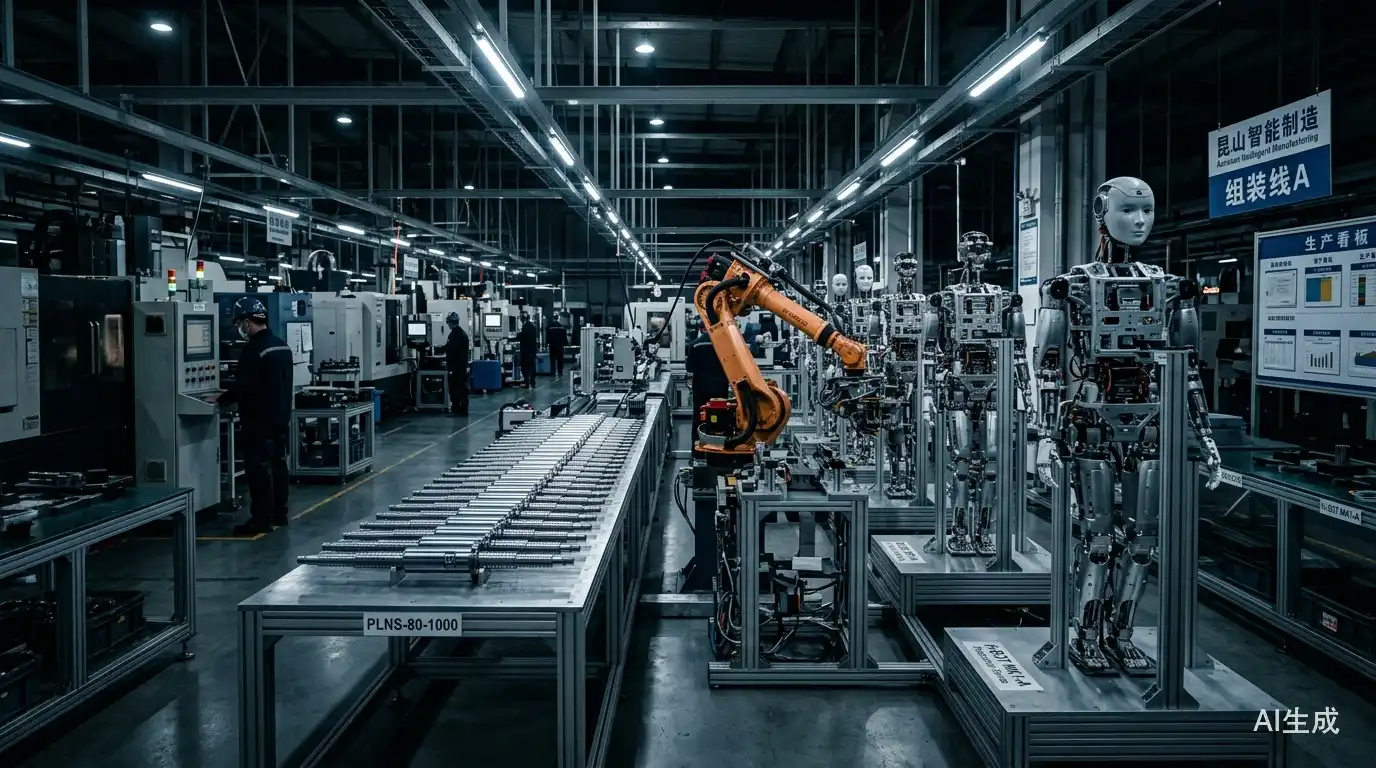
After staying relatively low-profile for years, Shanghai Bate Technology, a traditional auto parts supplier, has recently been thrust into the spotlight as a leading humanoid robotics concept stock. This shift is largely tied to the impending IPO of robotics company Unitree, with which Bate collaborates on prototype development. Bate's founder, 68-year-old Jin Kun, is making a bold bet on this new frontier. The company is investing 1.85 billion yuan to build a major R&D and production base in Kunshan for planetary roller screws—a key component in robot joints. With an annual capacity of 2.6 million sets planned, plus overseas expansion, this represents a massive, forward-looking commitment from a firm whose 2025 revenue of 2.3 billion yuan still relies almost entirely on its traditional automotive business (over 98%). The investment highlights a strategic pivot. Bate aims to leverage decades of expertise in metal processing, precision manufacturing, and heat treatment from the automotive sector and apply it to the burgeoning robotics industry. However, this move carries significant risk. The company has not yet secured formal supplier contracts or begun mass deliveries for its roller screws. It is essentially betting on future demand in a market that remains nascent. The broader industry context adds to the uncertainty. While multiple Chinese manufacturers are racing to invest in similar robotics component capacity (totaling over 6 billion yuan), the downstream humanoid robot market is still in its early stages. Estimates put 2025 global shipments at only around 18,000 units, primarily for entertainment, education, and data collection rather than large-scale industrial use. This creates a critical mismatch: the speed of upstream component factory construction and capital investment is far outpacing the commercialization and adoption of the robots themselves. Bate's story, driven by Jin Kun's decisive gamble, encapsulates the high-stakes transition facing traditional manufacturers seeking a "second growth curve" in robotics—a future full of potential but currently backed more by market anticipation than concrete financial results.

marsbit3m ago

After Yushu Got Hot, a 68-Year-Old Auto Parts Boss Bet 1.85 Billion

marsbit3m ago

EIP-8363 Explained: Burning Staking Rewards to Save Ethereum? Independent Node Operators Might Be the First to Leave

Analysis of EIP-8363: A Proposal to Burn Staking Rewards and its Potential Impacts on Ethereum A new Ethereum Improvement Proposal, EIP-8363, has sparked significant debate. Its core mechanism is to progressively burn validator consensus rewards, aiming to reduce the issuance rate to 0% once 50% of the total ETH supply is staked. Proponents argue this would cap the staked ETH ratio, enhancing credible neutrality and censorship resistance by discouraging excessive centralization among large staking operators and liquid staking token (LST) providers. However, a critical analysis suggests the proposal may create more problems than it solves. While it compresses the ETH staking range where profitability turns negative (from 70-100 million ETH down to 50-60 million ETH), it does not fundamentally alter the competitive disadvantage of independent stakers. Due to economies of scale, large operators would still retain advantages in costs and MEV opportunities. Independent stakers are predicted to be the first to face negative real returns under the new curve. The economic repercussions could be severe. A sharp decline in base staking yield would disrupt DeFi ecosystems built around this yield, potentially reversing incentives for borrowing ETH and triggering large-scale unwinding of leveraged staking strategies. This could lead to significant selling pressure on ETH as professional staking operations become unprofitable and exit. The proposal is criticized for being based on uncertain future market equilibriums and for potentially imposing costs that outweigh its stated benefits, without fully addressing the underlying issues of centralization it aims to solve.

marsbit4m ago

EIP-8363 Explained: Burning Staking Rewards to Save Ethereum? Independent Node Operators Might Be the First to Leave

marsbit4m ago

Trading

Spot

Hot Articles

How to Buy ICP

Welcome to HTX.com! We've made purchasing Internet Computer (ICP) simple and convenient. Follow our step-by-step guide to embark on your crypto journey.Step 1: Create Your HTX AccountUse your email or phone number to sign up for a free account on HTX. Experience a hassle-free registration journey and unlock all features.Get My AccountStep 2: Go to Buy Crypto and Choose Your Payment MethodCredit/Debit Card: Use your Visa or Mastercard to buy Internet Computer (ICP) instantly.Balance: Use funds from your HTX account balance to trade seamlessly.Third Parties: We've added popular payment methods such as Google Pay and Apple Pay to enhance convenience.P2P: Trade directly with other users on HTX.Over-the-Counter (OTC): We offer tailor-made services and competitive exchange rates for traders.Step 3: Store Your Internet Computer (ICP)After purchasing your Internet Computer (ICP), store it in your HTX account. Alternatively, you can send it elsewhere via blockchain transfer or use it to trade other cryptocurrencies.Step 4: Trade Internet Computer (ICP)Easily trade Internet Computer (ICP) on HTX's spot market. Simply access your account, select your trading pair, execute your trades, and monitor in real-time. We offer a user-friendly experience for both beginners and seasoned traders.

3.9k Total ViewsPublished 2024.03.29Updated 2026.06.02

How to Buy ICP

Discussions

Welcome to the HTX Community. Here, you can stay informed about the latest platform developments and gain access to professional market insights. Users' opinions on the price of ICP (ICP) are presented below.

活动图片