Corea del Sur explora medidas de congelación de cuentas de criptomonedas para prevenir la manipulación del mercado

bitcoinistPublished on 2026-01-07Last updated on 2026-01-07

Abstract

Las autoridades financieras de Corea del Sur están considerando implementar un sistema que permita congelar preventivamente cuentas de criptoactivos para combatir la manipulación del mercado. La Comisión de Servicios Financieros (FSC) busca complementar la Ley de Protección de Usuarios de Activos Virtuales, permitiendo a los reguladores bloquear retiros y transferencias de cuentas sospechosas de obtener ganancias ilícitas mediante tácticas como operaciones automatizadas repetidas o compras a precios inflados. Actualmente, se requiere una orden judicial para congelar activos, lo que retrasa la acción. La FSC argumenta que, a diferencia de los activos tradicionales, las criptomonedas son más fáciles de ocultar en carteras personales. La medida, inspirada en un sistema similar para la manipulación de acciones, forma parte de la segunda fase de la ley de criptoactivos, cuya implementación se retrasó hasta 2026 debido a desacuerdos entre la FSC y el Banco de Corea sobre la emisión de stablecoins.

Las autoridades financieras de Corea del Sur están considerando introducir un sistema que permita a los reguladores realizar congelaciones preventivas de cuentas de criptomonedas para detener la manipulación de precios de activos digitales.

La FSC considera un sistema de congelación de cuentas de criptomonedas

El martes, un medio de comunicación local informó que la Comisión de Servicios Financieros (FSC) está discutiendo la introducción de un sistema para evitar que los sospechosos oculten o retiren ganancias no realizadas por manipulación del mercado relacionada con criptoactivos.

En una reunión del 6 de enero, los reguladores revelaron que han estado discutiendo el asunto desde noviembre, explorando la propuesta de medidas de procesamiento contra sospechosos de manipulación de precios de criptoactivos.

Según Newsis, algunos funcionarios consideran que existe la necesidad de "complementar la actual Ley de Protección de Usuarios de Activos Virtuales implementando medidas para la confiscación de ganancias criminales o la preservación de fondos de recuperación por adelantado".

La medida restringiría las salidas de fondos, como retiros, transferencias y pagos desde una cuenta relacionada con criptomonedas sospechosa de obtener ganancias ilícitas mediante tácticas típicas de manipulación del mercado, incluyendo compras anticipadas, operaciones repetidas mediante trading automatizado, compras a precios inflados y toma de ganancias.

Bajo las reglas actuales, las autoridades deben obtener órdenes judiciales para congelar activos vinculados a la manipulación de criptomonedas, lo que no deja medios para actuar rápidamente y prevenir el ocultamiento de activos de antemano. Según se informa, un miembro del comité hizo referencia al sistema de suspensión de pagos por manipulación de precios de acciones, que se introdujo mediante la revisión de la Ley de Mercados de Capitales en abril.

Este sistema vio el primer caso nacional de congelación preventiva de cuentas sospechosas de operaciones injustas el pasado mes de septiembre, cuando el Grupo de Trabajo Conjunto para la Erradicación de la Manipulación de Precios de Acciones impuso estas medidas a 75 cuentas involucradas en un caso de manipulación de precios de acciones de KRW 100 mil millones por un grupo de individuos adinerados.

Algunos funcionarios de la FSC supuestamente enfatizaron que este sistema es necesario para los criptoactivos, argumentando que son más fáciles de ocultar una vez transferidos a carteras personales, y uno señaló que "actualmente, solo se bloquean los depósitos y retiros en exchanges, mientras que los retiros a instituciones financieras siguen siendo posibles. Bloquear esos retiros ayudaría a prevenir rápidamente el ocultamiento".

Otro miembro de la FSC afirmó que "la suspensión de pagos es un paso previo a la preservación de la recuperación; sería bueno si pudiéramos implementarlo de manera proactiva", mientras que otros preguntaron si las disposiciones relacionadas con operaciones injustas en la Ley de Mercados de Capitales pueden replicarse parcialmente en la Segunda Fase de la Ley de Protección de Usuarios de Activos Virtuales.

Segunda Fase del Impulso de Activos Virtuales de Corea del Sur

Se esperaba que la Segunda Fase de la Ley de Protección de Usuarios de Activos Virtuales de Corea del Sur se presentara a finales de 2025. Sin embargo, se ha retrasado hasta principios de 2026 debido a un desacuerdo en curso entre la FSC y el Banco de Corea (BOK).

Como informó Bitcoinist, las autoridades financieras han estado enfrentándose por las normas relacionadas con la emisión y distribución de stablecoins, en desacuerdo sobre el alcance del papel de los bancos en la emisión de tokens vinculados al won.

El banco central ha impulsado que un consorcio de bancos posea al menos el 51% de cualquier emisor de stablecoin que busque aprobación en el país. La FSC ha expresado su preocupación de que dar una participación mayoritaria a los bancos podría reducir la participación de las empresas tecnológicas y limitar la innovación del mercado.

A pesar del retraso, las políticas principales del marco de criptomonedas han sido decididas, según se informa. En particular, el borrador de la FSC incluirá medidas de protección al inversor, como la responsabilidad objetiva de los operadores de criptoactivos y el aislamiento de riesgos de quiebra para los emisores de stablecoins.

Se espera que el proyecto de ley requiera que los operadores de criptoactivos cumplan con obligaciones de divulgación, así como con términos y condiciones. Además, "imponga una responsabilidad estricta por daños a los operadores de activos digitales de acuerdo con la Ley de Transacciones Financieras Electrónicas en casos de hacking o fallos del sistema informático".
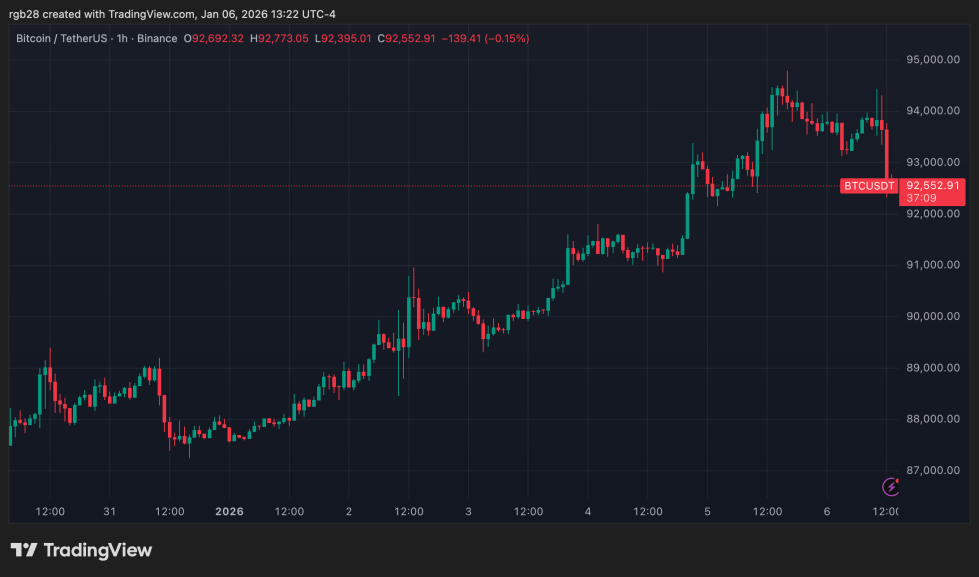
Bitcoin (BTC) cotiza a $92,552 en el gráfico semanal. Fuente: BTCUSDT en TradingView

Trending Cryptos

Related Questions

Q¿Qué sistema está considerando introducir las autoridades financieras de Corea del Sur para combatir la manipulación del mercado de criptoactivos?

ALas autoridades financieras de Corea del Sur, específicamente la Comisión de Servicios Financieros (FSC), están considerando introducir un sistema que permita a los reguladores congelar preventivamente las cuentas de criptoactivos para detener la manipulación de precios de activos digitales.

Q¿Por qué algunos funcionarios de la FSC creen necesario complementar la Ley de Protección de Usuarios de Activos Virtuales?

AAlgunos funcionarios de la FSC consideran necesario complementar la Ley de Protección de Usuarios de Activos Virtuales implementando medidas para el decomiso de ganancias criminales o la preservación de fondos de recuperación por adelantado, ya que actualmente no hay medios para actuar rápidamente y prevenir el ocultamiento de activos.

Q¿Qué tipos de transacciones restringiría la medida propuesta sobre las cuentas sospechosas?

ALa medida propuesta restringiría las salidas de fondos, como retiros, transferencias y pagos, de una cuenta relacionada con criptoactivos que se sospeche haya obtenido ganancias ilícitas mediante tácticas de manipulación de mercado.

Q¿Cuál es la principal razón de desacuerdo que ha retrasado la Segunda Fase de la Ley de Protección de Usuarios de Activos Virtuales?

ALa principal razón del desacuerdo que ha retrasado la Segunda Fase de la Ley de Protección de Usuarios de Activos Virtuales es una disputa en curso entre la FSC y el Banco de Corea (BOK) sobre las reglas relacionadas con la emisión y distribución de stablecoins, específicamente sobre el papel de los bancos en la emisión de tokens vinculados al won.

Q¿Qué medidas de protección al inversor incluirá el borrador de la FSC según el artículo?

AEl borrador de la FSC incluirá medidas de protección al inversor como la responsabilidad objetiva (sin falta) para los operadores de criptoactivos, el aislamiento de riesgos de quiebra para los emisores de stablecoins, y la obligación de cumplir con deberes de divulgación y términos y condiciones.

Related Reads

CPU Makes a Comeback to the Table, A $170 Billion "Power Seizure" Drama Begins

A new era is dawning for the server CPU (Central Processing Unit), driven by the shift from AI model training to large-scale reasoning and the rise of Agentic AI. This article explores how the CPU is reclaiming a central role in the AI data center. For years, the focus has been on the GPU (Graphics Processing Unit) for AI training. However, as AI moves to the inference and Agent phase—where tasks involve complex, multi-step reasoning, tool calls, and data management—the workload balance is flipping. Studies show CPUs now handle over 70% of the workload in Agentic AI, up from 10-30% in training. This is because Agent tasks generate massive intermediate data (KV Cache) that exceeds GPU memory, forcing it to be offloaded to the CPU's larger, more scalable memory pools. This increased importance is translating into market changes. Major players are taking note: NVIDIA launched its first standalone CPU line, Vera, based on ARM architecture and optimized for Agent performance. AMD doubled its server CPU market forecast to over $1200 billion by 2030. Analyst reports project the total server CPU market could reach $1700 billion by 2030, with AI-driven demand being a primary driver. Furthermore, the classic ratio of CPUs to GPUs in AI servers is rapidly changing, converging from 1:8 toward 1:1 for Agent deployments. This surge in demand has led to a rare industry-wide price increase of 10-15% for server CPUs from Intel and AMD, breaking a decade-long trend of "more performance for the same price." Demand is bifurcating into high-core-count CPUs for in-rack GPU support and moderate-core CPUs for standalone Agent task orchestration. In China, this global trend presents an opportunity for domestic CPU manufacturers like Hygon (海光信息) and Huawei Kunpeng, who are bolstered by both growing AI infrastructure needs and national policies promoting technological self-reliance ("xin chuang"). The maturity of their software ecosystems is also accelerating, evidenced by faster adaptation to new AI models. In conclusion, the narrative is shifting from a GPU-centric view to one where CPU-GPU synergy is critical. The CPU is no longer a peripheral component but a performance-defining bottleneck and a key growth driver in the AI hardware stack, opening a massive new market estimated in the hundreds of billions of dollars.

marsbit8h ago

CPU Makes a Comeback to the Table, A $170 Billion "Power Seizure" Drama Begins

marsbit8h ago

TechFlow Intelligence: AMD AI Director Publicly Criticizes Claude Code for "Becoming Dumber and Lazier", Trump Claims Full Ceasefire in Hormuz But Strait Still Has 80 Unexploded Mines

TechFlow Intelligence Report: This daily digest covers key developments in AI, crypto, hardware, and geopolitics. In AI, SK Telecom faces US export control scrutiny over its partnership with Anthropic, while a Gemini user reports being misled in a scam scenario, sparking safety debates. China's Z.AI launches the GLM-5.2 model, rivaling Claude Opus without NVIDIA chips. In crypto, Bithumb lists ReProtocol, and Upbit delists KernelDAO. On the hardware front, MIT researchers build a custom OS to study chips, ASML denies US claims its advanced lithography machines are in China, and Amazon considers selling its in-house AI chips. Apple's future A21 Pro chip may use TSMC's latest N2P process. Major tech issues include 10,000 GitHub repositories distributing malware and Apple patching a critical eavesdropping flaw in Beats earbuds. US stocks rise, led by semiconductors, with Intel surging 10.6%, while SpaceX falls 3.5%. Geopolitically, despite a US-Iran deal, the Strait of Hormuz remains risky with ~80 uncleared mines, stalling 80M barrels of oil on standby tankers. Iran postpones Switzerland talks, and Trump calls the agreement an "unconditional surrender." The report highlights a contrast: temporary geopolitical calm versus the ongoing, fundamental restructuring of tech supply chains and chip independence.

marsbit8h ago

TechFlow Intelligence: AMD AI Director Publicly Criticizes Claude Code for "Becoming Dumber and Lazier", Trump Claims Full Ceasefire in Hormuz But Strait Still Has 80 Unexploded Mines

marsbit8h ago

Trading

Spot
Futures

Hot Articles

What is SONIC

Sonic: Pioneering the Future of Gaming in Web3 Introduction to Sonic In the ever-evolving landscape of Web3, the gaming industry stands out as one of the most dynamic and promising sectors. At the forefront of this revolution is Sonic, a project designed to amplify the gaming ecosystem on the Solana blockchain. Leveraging cutting-edge technology, Sonic aims to deliver an unparalleled gaming experience by efficiently processing millions of requests per second, ensuring that players enjoy seamless gameplay while maintaining low transaction costs. This article delves into the intricate details of Sonic, exploring its creators, funding sources, operational mechanics, and the timeline of significant events that have shaped its journey. What is Sonic? Sonic is an innovative layer-2 network that operates atop the Solana blockchain, specifically tailored to enhance the existing Solana gaming ecosystem. It accomplishes this through a customised, VM-agnostic game engine paired with a HyperGrid interpreter, facilitating sovereign game economies that roll up back to the Solana platform. The primary goals of Sonic include: Enhanced Gaming Experiences: Sonic is committed to offering lightning-fast on-chain gameplay, allowing players and developers to engage with games at previously unattainable speeds. Atomic Interoperability: This feature enables transactions to be executed within Sonic without the need to redeploy Solana programmes and accounts. This makes the process more efficient and directly benefits from Solana Layer1 services and liquidity. Seamless Deployment: Sonic allows developers to write for Ethereum Virtual Machine (EVM) based systems and execute them on Solana’s SVM infrastructure. This interoperability is crucial for attracting a broader range of dApps and decentralised applications to the platform. Support for Developers: By offering native composable gaming primitives and extensible data types - dining within the Entity-Component-System (ECS) framework - game creators can craft intricate business logic with ease. Overall, Sonic's unique approach not only caters to players but also provides an accessible and low-cost environment for developers to innovate and thrive. Creator of Sonic The information regarding the creator of Sonic is somewhat ambiguous. However, it is known that Sonic's SVM is owned by the company Mirror World. The absence of detailed information about the individuals behind Sonic reflects a common trend in several Web3 projects, where collective efforts and partnerships often overshadow individual contributions. Investors of Sonic Sonic has garnered considerable attention and support from various investors within the crypto and gaming sectors. Notably, the project raised an impressive $12 million during its Series A funding round. The round was led by BITKRAFT Ventures, with other notable investors including Galaxy, Okx Ventures, Interactive, Big Brain Holdings, and Mirana. This financial backing signifies the confidence that investment foundations have in Sonic’s potential to revolutionise the Web3 gaming landscape, further validating its innovative approaches and technologies. How Does Sonic Work? Sonic utilises the HyperGrid framework, a sophisticated parallel processing mechanism that enhances its scalability and customisability. Here are the core features that set Sonic apart: Lightning Speed at Low Costs: Sonic offers one of the fastest on-chain gaming experiences compared to other Layer-1 solutions, powered by the scalability of Solana’s virtual machine (SVM). Atomic Interoperability: Sonic enables transaction execution without redeployment of Solana programmes and accounts, effectively streamlining the interaction between users and the blockchain. EVM Compatibility: Developers can effortlessly migrate decentralised applications from EVM chains to the Solana environment using Sonic’s HyperGrid interpreter, increasing the accessibility and integration of various dApps. Ecosystem Support for Developers: By exposing native composable gaming primitives, Sonic facilitates a sandbox-like environment where developers can experiment and implement business logic, greatly enhancing the overall development experience. Monetisation Infrastructure: Sonic natively supports growth and monetisation efforts, providing frameworks for traffic generation, payments, and settlements, thereby ensuring that gaming projects are not only viable but also sustainable financially. Timeline of Sonic The evolution of Sonic has been marked by several key milestones. Below is a brief timeline highlighting critical events in the project's history: 2022: The Sonic cryptocurrency was officially launched, marking the beginning of its journey in the Web3 gaming arena. 2024: June: Sonic SVM successfully raised $12 million in a Series A funding round. This investment allowed Sonic to further develop its platform and expand its offerings. August: The launch of the Sonic Odyssey testnet provided users with the first opportunity to engage with the platform, offering interactive activities such as collecting rings—a nod to gaming nostalgia. October: SonicX, an innovative crypto game integrated with Solana, made its debut on TikTok, capturing the attention of over 120,000 users within a short span. This integration illustrated Sonic’s commitment to reaching a broader, global audience and showcased the potential of blockchain gaming. Key Points Sonic SVM is a revolutionary layer-2 network on Solana explicitly designed to enhance the GameFi landscape, demonstrating great potential for future development. HyperGrid Framework empowers Sonic by introducing horizontal scaling capabilities, ensuring that the network can handle the demands of Web3 gaming. Integration with Social Platforms: The successful launch of SonicX on TikTok displays Sonic’s strategy to leverage social media platforms to engage users, exponentially increasing the exposure and reach of its projects. Investment Confidence: The substantial funding from BITKRAFT Ventures, among others, emphasizes the robust backing Sonic has, paving the way for its ambitious future. In conclusion, Sonic encapsulates the essence of Web3 gaming innovation, striking a balance between cutting-edge technology, developer-centric tools, and community engagement. As the project continues to evolve, it is poised to redefine the gaming landscape, making it a notable entity for gamers and developers alike. As Sonic moves forward, it will undoubtedly attract greater interest and participation, solidifying its place within the broader narrative of blockchain gaming.

1.7k Total ViewsPublished 2024.04.04Updated 2024.12.03

What is SONIC

What is $S$

Understanding SPERO: A Comprehensive Overview Introduction to SPERO As the landscape of innovation continues to evolve, the emergence of web3 technologies and cryptocurrency projects plays a pivotal role in shaping the digital future. One project that has garnered attention in this dynamic field is SPERO, denoted as SPERO,$$s$. This article aims to gather and present detailed information about SPERO, to help enthusiasts and investors understand its foundations, objectives, and innovations within the web3 and crypto domains. What is SPERO,$$s$? SPERO,$$s$ is a unique project within the crypto space that seeks to leverage the principles of decentralisation and blockchain technology to create an ecosystem that promotes engagement, utility, and financial inclusion. The project is tailored to facilitate peer-to-peer interactions in new ways, providing users with innovative financial solutions and services. At its core, SPERO,$$s$ aims to empower individuals by providing tools and platforms that enhance user experience in the cryptocurrency space. This includes enabling more flexible transaction methods, fostering community-driven initiatives, and creating pathways for financial opportunities through decentralised applications (dApps). The underlying vision of SPERO,$$s$ revolves around inclusiveness, aiming to bridge gaps within traditional finance while harnessing the benefits of blockchain technology. Who is the Creator of SPERO,$$s$? The identity of the creator of SPERO,$$s$ remains somewhat obscure, as there are limited publicly available resources providing detailed background information on its founder(s). This lack of transparency can stem from the project's commitment to decentralisation—an ethos that many web3 projects share, prioritising collective contributions over individual recognition. By centring discussions around the community and its collective goals, SPERO,$$s$ embodies the essence of empowerment without singling out specific individuals. As such, understanding the ethos and mission of SPERO remains more important than identifying a singular creator. Who are the Investors of SPERO,$$s$? SPERO,$$s$ is supported by a diverse array of investors ranging from venture capitalists to angel investors dedicated to fostering innovation in the crypto sector. The focus of these investors generally aligns with SPERO's mission—prioritising projects that promise societal technological advancement, financial inclusivity, and decentralised governance. These investor foundations are typically interested in projects that not only offer innovative products but also contribute positively to the blockchain community and its ecosystems. The backing from these investors reinforces SPERO,$$s$ as a noteworthy contender in the rapidly evolving domain of crypto projects. How Does SPERO,$$s$ Work? SPERO,$$s$ employs a multi-faceted framework that distinguishes it from conventional cryptocurrency projects. Here are some of the key features that underline its uniqueness and innovation: Decentralised Governance: SPERO,$$s$ integrates decentralised governance models, empowering users to participate actively in decision-making processes regarding the project’s future. This approach fosters a sense of ownership and accountability among community members. Token Utility: SPERO,$$s$ utilises its own cryptocurrency token, designed to serve various functions within the ecosystem. These tokens enable transactions, rewards, and the facilitation of services offered on the platform, enhancing overall engagement and utility. Layered Architecture: The technical architecture of SPERO,$$s$ supports modularity and scalability, allowing for seamless integration of additional features and applications as the project evolves. This adaptability is paramount for sustaining relevance in the ever-changing crypto landscape. Community Engagement: The project emphasises community-driven initiatives, employing mechanisms that incentivise collaboration and feedback. By nurturing a strong community, SPERO,$$s$ can better address user needs and adapt to market trends. Focus on Inclusion: By offering low transaction fees and user-friendly interfaces, SPERO,$$s$ aims to attract a diverse user base, including individuals who may not previously have engaged in the crypto space. This commitment to inclusion aligns with its overarching mission of empowerment through accessibility. Timeline of SPERO,$$s$ Understanding a project's history provides crucial insights into its development trajectory and milestones. Below is a suggested timeline mapping significant events in the evolution of SPERO,$$s$: Conceptualisation and Ideation Phase: The initial ideas forming the basis of SPERO,$$s$ were conceived, aligning closely with the principles of decentralisation and community focus within the blockchain industry. Launch of Project Whitepaper: Following the conceptual phase, a comprehensive whitepaper detailing the vision, goals, and technological infrastructure of SPERO,$$s$ was released to garner community interest and feedback. Community Building and Early Engagements: Active outreach efforts were made to build a community of early adopters and potential investors, facilitating discussions around the project’s goals and garnering support. Token Generation Event: SPERO,$$s$ conducted a token generation event (TGE) to distribute its native tokens to early supporters and establish initial liquidity within the ecosystem. Launch of Initial dApp: The first decentralised application (dApp) associated with SPERO,$$s$ went live, allowing users to engage with the platform's core functionalities. Ongoing Development and Partnerships: Continuous updates and enhancements to the project's offerings, including strategic partnerships with other players in the blockchain space, have shaped SPERO,$$s$ into a competitive and evolving player in the crypto market. Conclusion SPERO,$$s$ stands as a testament to the potential of web3 and cryptocurrency to revolutionise financial systems and empower individuals. With a commitment to decentralised governance, community engagement, and innovatively designed functionalities, it paves the way toward a more inclusive financial landscape. As with any investment in the rapidly evolving crypto space, potential investors and users are encouraged to research thoroughly and engage thoughtfully with the ongoing developments within SPERO,$$s$. The project showcases the innovative spirit of the crypto industry, inviting further exploration into its myriad possibilities. While the journey of SPERO,$$s$ is still unfolding, its foundational principles may indeed influence the future of how we interact with technology, finance, and each other in interconnected digital ecosystems.

60 Total ViewsPublished 2024.12.17Updated 2024.12.17

What is $S$

What is AGENT S

Agent S: The Future of Autonomous Interaction in Web3 Introduction In the ever-evolving landscape of Web3 and cryptocurrency, innovations are constantly redefining how individuals interact with digital platforms. One such pioneering project, Agent S, promises to revolutionise human-computer interaction through its open agentic framework. By paving the way for autonomous interactions, Agent S aims to simplify complex tasks, offering transformative applications in artificial intelligence (AI). This detailed exploration will delve into the project's intricacies, its unique features, and the implications for the cryptocurrency domain. What is Agent S? Agent S stands as a groundbreaking open agentic framework, specifically designed to tackle three fundamental challenges in the automation of computer tasks: Acquiring Domain-Specific Knowledge: The framework intelligently learns from various external knowledge sources and internal experiences. This dual approach empowers it to build a rich repository of domain-specific knowledge, enhancing its performance in task execution. Planning Over Long Task Horizons: Agent S employs experience-augmented hierarchical planning, a strategic approach that facilitates efficient breakdown and execution of intricate tasks. This feature significantly enhances its ability to manage multiple subtasks efficiently and effectively. Handling Dynamic, Non-Uniform Interfaces: The project introduces the Agent-Computer Interface (ACI), an innovative solution that enhances the interaction between agents and users. Utilizing Multimodal Large Language Models (MLLMs), Agent S can navigate and manipulate diverse graphical user interfaces seamlessly. Through these pioneering features, Agent S provides a robust framework that addresses the complexities involved in automating human interaction with machines, setting the stage for myriad applications in AI and beyond. Who is the Creator of Agent S? While the concept of Agent S is fundamentally innovative, specific information about its creator remains elusive. The creator is currently unknown, which highlights either the nascent stage of the project or the strategic choice to keep founding members under wraps. Regardless of anonymity, the focus remains on the framework's capabilities and potential. Who are the Investors of Agent S? As Agent S is relatively new in the cryptographic ecosystem, detailed information regarding its investors and financial backers is not explicitly documented. The lack of publicly available insights into the investment foundations or organisations supporting the project raises questions about its funding structure and development roadmap. Understanding the backing is crucial for gauging the project's sustainability and potential market impact. How Does Agent S Work? At the core of Agent S lies cutting-edge technology that enables it to function effectively in diverse settings. Its operational model is built around several key features: Human-like Computer Interaction: The framework offers advanced AI planning, striving to make interactions with computers more intuitive. By mimicking human behaviour in tasks execution, it promises to elevate user experiences. Narrative Memory: Employed to leverage high-level experiences, Agent S utilises narrative memory to keep track of task histories, thereby enhancing its decision-making processes. Episodic Memory: This feature provides users with step-by-step guidance, allowing the framework to offer contextual support as tasks unfold. Support for OpenACI: With the ability to run locally, Agent S allows users to maintain control over their interactions and workflows, aligning with the decentralised ethos of Web3. Easy Integration with External APIs: Its versatility and compatibility with various AI platforms ensure that Agent S can fit seamlessly into existing technological ecosystems, making it an appealing choice for developers and organisations. These functionalities collectively contribute to Agent S's unique position within the crypto space, as it automates complex, multi-step tasks with minimal human intervention. As the project evolves, its potential applications in Web3 could redefine how digital interactions unfold. Timeline of Agent S The development and milestones of Agent S can be encapsulated in a timeline that highlights its significant events: September 27, 2024: The concept of Agent S was launched in a comprehensive research paper titled “An Open Agentic Framework that Uses Computers Like a Human,” showcasing the groundwork for the project. October 10, 2024: The research paper was made publicly available on arXiv, offering an in-depth exploration of the framework and its performance evaluation based on the OSWorld benchmark. October 12, 2024: A video presentation was released, providing a visual insight into the capabilities and features of Agent S, further engaging potential users and investors. These markers in the timeline not only illustrate the progress of Agent S but also indicate its commitment to transparency and community engagement. Key Points About Agent S As the Agent S framework continues to evolve, several key attributes stand out, underscoring its innovative nature and potential: Innovative Framework: Designed to provide an intuitive use of computers akin to human interaction, Agent S brings a novel approach to task automation. Autonomous Interaction: The ability to interact autonomously with computers through GUI signifies a leap towards more intelligent and efficient computing solutions. Complex Task Automation: With its robust methodology, it can automate complex, multi-step tasks, making processes faster and less error-prone. Continuous Improvement: The learning mechanisms enable Agent S to improve from past experiences, continually enhancing its performance and efficacy. Versatility: Its adaptability across different operating environments like OSWorld and WindowsAgentArena ensures that it can serve a broad range of applications. As Agent S positions itself in the Web3 and crypto landscape, its potential to enhance interaction capabilities and automate processes signifies a significant advancement in AI technologies. Through its innovative framework, Agent S exemplifies the future of digital interactions, promising a more seamless and efficient experience for users across various industries. Conclusion Agent S represents a bold leap forward in the marriage of AI and Web3, with the capacity to redefine how we interact with technology. While still in its early stages, the possibilities for its application are vast and compelling. Through its comprehensive framework addressing critical challenges, Agent S aims to bring autonomous interactions to the forefront of the digital experience. As we move deeper into the realms of cryptocurrency and decentralisation, projects like Agent S will undoubtedly play a crucial role in shaping the future of technology and human-computer collaboration.

734 Total ViewsPublished 2025.01.14Updated 2025.01.14

What is AGENT S

Discussions

Welcome to the HTX Community. Here, you can stay informed about the latest platform developments and gain access to professional market insights. Users' opinions on the price of S (S) are presented below.

活动图片