Aave治理论坛因CoW Swap费用问题爆发激烈争论

cointelegraphPublished on 2025-12-14Last updated on 2025-12-14

Abstract

Aave DAO与Aave Labs因CoW Swap集成费用分配爆发激烈争论。匿名社区成员EzR3aL在治理论坛指出,通过CoW Swap产生的资产兑换费用(约每周20万美元ETH)未流入DAO国库,而是转入Aave Labs控制的私人地址,质疑此举未经DAO协商且侵占了DAO年潜在千万美元收益。 Aave Labs回应称前端界面开发始终属其职权范围,且适配器代码由其资助开发,协议层变更才归属DAO治理。但社区反驳称原始适配器技术由DAO资助开发,收益应回归DAO。Aave-Chan Initiative创始人Marc Zeller批评该行为"极令人担忧",指责Aave Labs为自身盈利将用户流量导向竞争对手。 此事凸显DAO治理模式在权责划分与收益分配方面仍面临挑战。

管理Aave去中心化金融(DeFi)协议的Aave去中心化自治组织(DAO)与Aave产品主要开发公司Aave Labs之间,就近期与去中心化交易所聚合器CoW Swap整合产生的费用问题持续发酵。

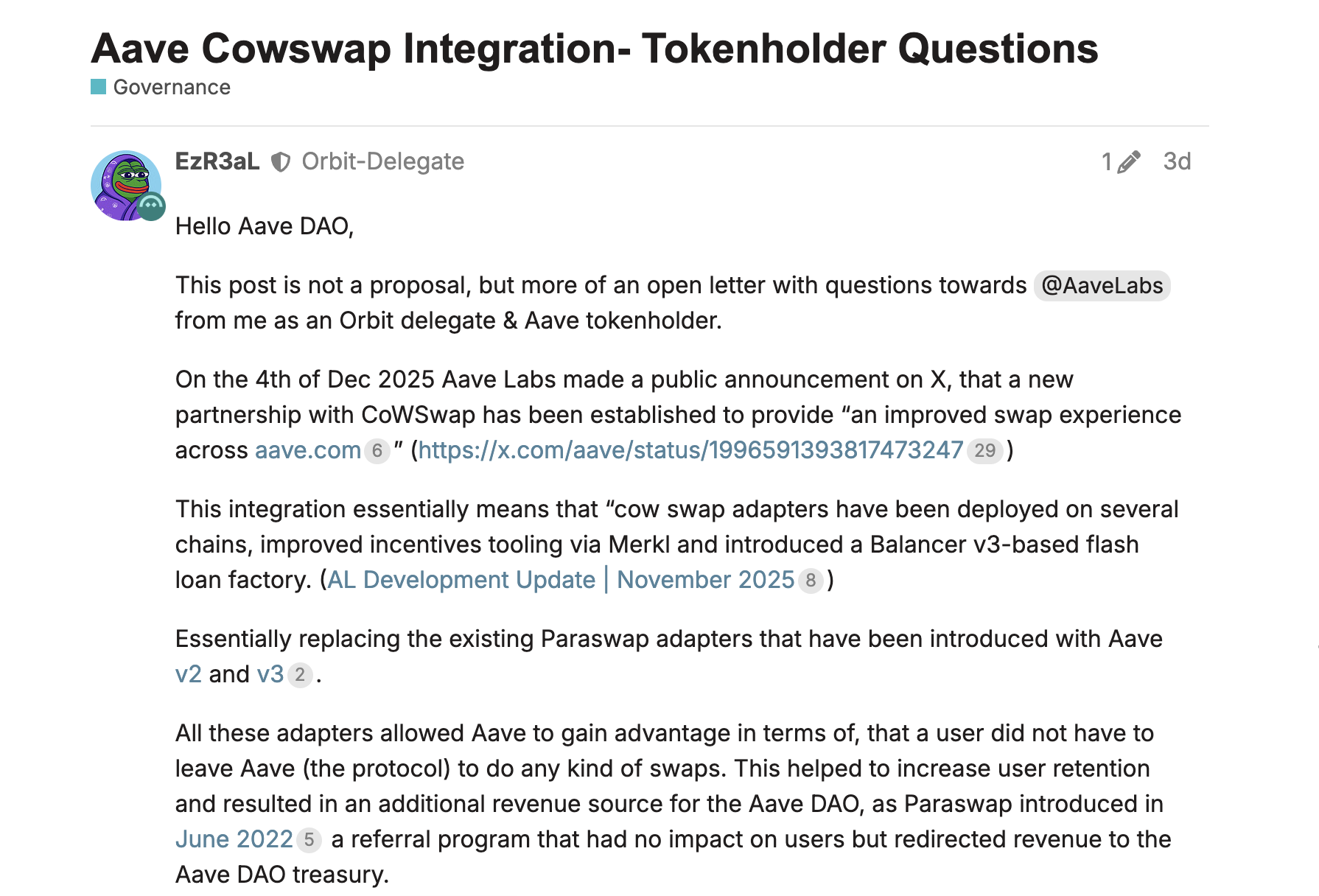
该问题由化名Aave DAO成员EzR3aL提出,其指出通过CoW Swap进行加密资产交换产生的费用并未流入Aave去中心化自治组织金库,而是流向了另一个链上地址。

这些费用实际流向由Aave Labs控制的私人地址。EzR3aL提出多项质疑,包括为何在费用路由前未征询DAO意见,并坚称该费用应属于DAO。

引发争议的治理论坛帖子。来源:Aave Governance

"每周至少有价值20万美元的以太坊被其他实体而非Aave DAO收取",EzR3aL表示,并补充说明这相当于每年1000万美元的潜在收入未归入DAO。

Aave Labs回应称,网站和应用界面的前端组件始终属于Aave Labs的合法管辖范围。

相关:Aave推出年化收益达9%的零售储蓄应用与银行竞争

Aave Labs表示,协议层级变更(如利率政策及智能合约代码修改批准)始终受DAO监督。

Aave Labs还声称其是资助"适配器"(实现交换功能及其他整合的代码)开发的主体。

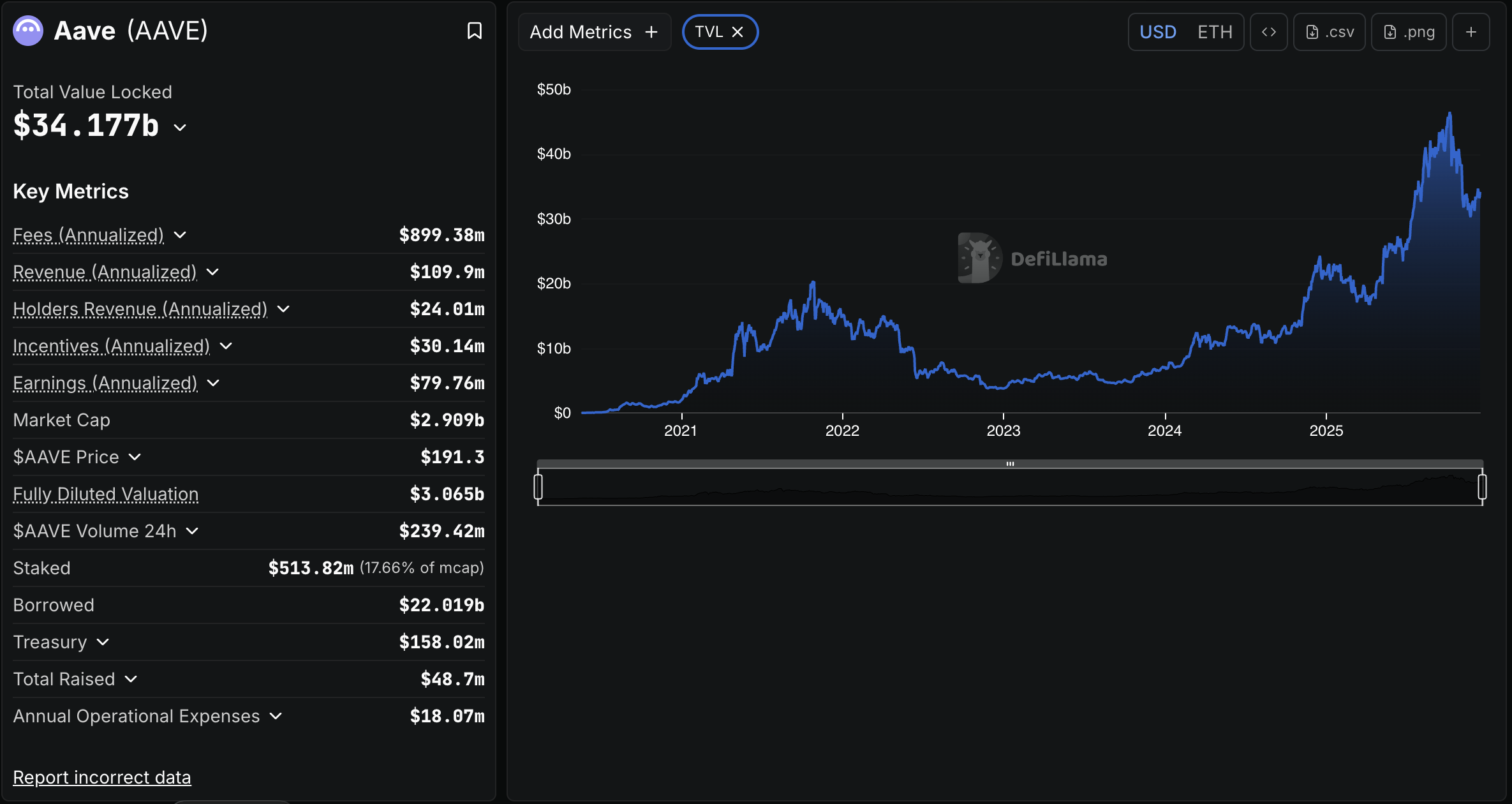
Aave协议总锁仓价值及DeFi平台财务概览。来源:DeFiLlama

然而该回应未能平息争议,多位DAO成员指出原始适配器技术由Aave DAO资助开发,因此整合产生的收益应回归DAO。

服务Aave治理社区的委托平台Aave-Chan Initiative创始人Marc Zeller表示,将费用独家路由至Aave Labs的决定"极其令人担忧"。

"Aave Labs为追求自身盈利,将Aave用户流量导向竞争对手。这是不可接受的",Zeller强调。

Cointelegraph已联系Aave Labs,但截至发稿前未获立即回应。

此次冲突凸显了运营DAO的复杂性——这种新颖的治理组织形式虽比传统商业结构更具优势,但也带来独特挑战。

杂志:全球六大加密枢纽的共同特质...

Trending Cryptos

Related Questions

QAave DAO 与 Aave Labs 之间争议的核心问题是什么?

A争议的核心在于 Aave 协议与 CoW Swap 集成产生的交易费用流向问题。Aave DAO 成员发现这些费用被定向至 Aave Labs 控制的私人地址,而非 Aave DAO 的金库,认为这笔每年约1000万美元的潜在收入应归属DAO所有。

QAave Labs 对此争议的主要辩护理由是什么?

AAave Labs 声称其始终拥有前端组件(网站和接口)的合法管辖权,并强调协议层变更(如利率政策)才属于DAO治理范畴。同时指出,本次集成的‘适配器’代码开发是由Aave Labs自费完成的。

Q社区代表 Marc Zeller 对此事件表达了什么观点?

AAave-Chan Initiative 创始人 Marc Zeller 批评该行为‘极其令人担忧’,指出 Aave Labs 为追求自身盈利,将用户流量导向竞争对手,这种行为是不可接受的。

Q争议中提到的费用规模具体是多少?

A根据DAO成员 EzR3aL 的指控,每周约有20万美元的ETH费用被转移至私人地址,按此计算年损失收入可达约1000万美元。

Q这一事件反映了DAO治理模式的哪些挑战?

A事件凸显了DAO治理中权责界定的复杂性,尤其是开发团队与去中心化治理组织在商业利益分配、前端权限归属及历史贡献认定方面存在的制度性模糊地带。

Related Reads

Why Is the World Nervous About Japan Raising Interest Rates?

In June 2026, the Bank of Japan raised its policy rate to 1%, marking its first hike to this level since 1995. While this rate remains low compared to global peers like the US and Europe, the move signals a profound shift for a nation that has been a global source of ultra-cheap funding for decades. Japan's long-standing near-zero or negative interest rates had facilitated massive "yen carry trades," where international investors borrowed low-cost yen to invest in higher-yielding assets worldwide, such as US tech stocks and emerging market bonds. This made Japan a critical, often overlooked, source of global liquidity. Japan's ultra-loose policy stemmed from structural challenges post-1990s asset bubble: aging demographics, chronic low inflation/deflation, and high public debt. Recent shifts, including sustained wage growth (exceeding 5% in recent years) and inflation consistently above the 2% target, have created a "wage-price spiral" possibility, prompting the policy normalization. The global market's concern lies not in the absolute rate but in the potential unwinding of the yen carry trade. As Japanese borrowing costs rise, the economics of these leveraged global investments change, potentially triggering deleveraging and capital outflows from risk assets. Market anxiety focuses on the end of a thirty-year consensus that Japan would perpetually provide cheap funding. Ultimately, the global impact will depend on the interplay with US monetary policy. While Japan is tightening, the significant interest rate differential with the US remains. The key future dynamic is whether simultaneous Japanese hikes and eventual US rate cuts will narrow this gap, forcing a major recalibration of global capital flows and asset pricing built on an era of abundant, cheap yen liquidity.

marsbit10h ago

Why Is the World Nervous About Japan Raising Interest Rates?

marsbit10h ago

Trading

Spot
Futures

Hot Articles

How to Buy AAVE

Welcome to HTX.com! We've made purchasing Aave Protocol (AAVE) simple and convenient. Follow our step-by-step guide to embark on your crypto journey.Step 1: Create Your HTX AccountUse your email or phone number to sign up for a free account on HTX. Experience a hassle-free registration journey and unlock all features.Get My AccountStep 2: Go to Buy Crypto and Choose Your Payment MethodCredit/Debit Card: Use your Visa or Mastercard to buy Aave Protocol (AAVE) instantly.Balance: Use funds from your HTX account balance to trade seamlessly.Third Parties: We've added popular payment methods such as Google Pay and Apple Pay to enhance convenience.P2P: Trade directly with other users on HTX.Over-the-Counter (OTC): We offer tailor-made services and competitive exchange rates for traders.Step 3: Store Your Aave Protocol (AAVE)After purchasing your Aave Protocol (AAVE), store it in your HTX account. Alternatively, you can send it elsewhere via blockchain transfer or use it to trade other cryptocurrencies.Step 4: Trade Aave Protocol (AAVE)Easily trade Aave Protocol (AAVE) on HTX's spot market. Simply access your account, select your trading pair, execute your trades, and monitor in real-time. We offer a user-friendly experience for both beginners and seasoned traders.

5.5k Total ViewsPublished 2024.03.29Updated 2026.06.02

How to Buy AAVE

Discussions

Welcome to the HTX Community. Here, you can stay informed about the latest platform developments and gain access to professional market insights. Users' opinions on the price of AAVE (AAVE) are presented below.

活动图片