Как апгрейд Fusaka повлиял на Ethereum: первые результаты

cryptonews.ruPublished on 2025-06-03Last updated on 2025-12-04

В сети Ethereum развернули один из самых масштабных апгрейдов последних лет — Fusaka. Редакция BeInCrypto собрала в одном материале первые последствия события.

Рассказываем, как Fusaka изменил Ethereum и что происходит с курсом ETH на фоне апгрейда.

Как купить Ethereum: 5 популярных вариантов

Что такое Fusaka и зачем нужен был апгрейд

Апгрейд Fusaka активирован 3 декабря 2025 года и стал следующим крупным шагом в развитии протокола после Pectra. Он объединяет два компонента разных слоев сети: Osaka, отвечающий за исполнение транзакций и работу смарт-контрактов, и Fulu, управляющий валидаторами и созданием блоков. После долгого периода раздельного развития эти элементы начали работать в единой архитектуре, формируя основу для масштабирования Ethereum в ближайшие годы.

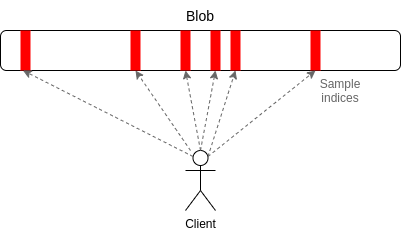
Одним из ключевых нововведений стал механизм PeerDAS. Он изменяет способ обработки blob-данных — крупных временных наборов информации, которые публикуют L2-сети. До Fusaka каждая нода должна была загружать весь объем таких данных. Теперь blob разбивается на фрагменты, распределяется между узлами сети и проверяется выборочно. Такой подход снижает нагрузку на ноды и дает L2 возможность публиковать значительно большие объемы данных без риска перегрузки инфраструктуры.

Значение PeerDAS прокомментировал Виталик Бутерин. По его словам, этот механизм представляет собой первую рабочую форму шардинга. Шардинг — это разделение данных и нагрузки между участниками сети так, чтобы ни одному узлу не требовалось хранить или обрабатывать весь массив. Ethereum шел к этой идее с 2015 года, а выборочная проверка данных обсуждалась еще с 2017 года. Теперь технологии, о которых говорили почти десятилетие, работают в основной сети.

Ниже — схематичное изображение работы механизма, которым Бутерин сопроводил пост:

Бутерин отметил, что система пока не завершена. Пропускная способность L2 растет быстрее, чем у L1. Сборка блоков все еще требует полного набора данных, а шардированного мемпула нет. Fusaka создает фундамент, на котором разработчики будут постепенно увеличивать масштаб PeerDAS, проверять его устойчивость и готовиться к моменту, когда зрелые ZK-EVM позволят расширять и сам L1.

Вместе с PeerDAS в сеть пришли и другие изменения. Малые BPO-форки позволяют гибко увеличивать объем доступного blob-пространства без больших хардфорков. Оптимизация MODEXP, новые лимиты газа, ограничение размера блока и повышение gas limit до 60M делают работу сети стабильнее. Пользовательские инструменты тоже обновлены: появилась нативная поддержка secp256r1, опкод CLZ и предсказуемый механизм определения будущих блок-продюсеров. Сеть стала быстрее, надежнее и менее требовательной к ресурсам нод.

Первые последствия апгрейда Fusaka

Сразу после активации Fusaka начали проявляться эффекты, которые говорят о высокой чувствительности экосистемы к изменениям в обработке данных. Ряд сетевых показателей сместился буквально в первые часы.

Рост стоимости публикации blob-данных

Стоимость размещения blob-данных выросла почти мгновенно. До апгрейда публикация стоила 1 wei, а после активации Fusaka поднялась примерно до 1500 wei. Такие платежи называют blob-комиссией — это цена выгрузки крупных наборов данных, которые L2 отправляют в Ethereum для фиксации своей активности. Резкий рост объясняется тем, что расширенные возможности публикации сразу привели к увеличению объема данных: L2 начали загружать в сеть больше информации, чем раньше, что моментально изменило уровень спроса.

Стоимость размещения blob-данных

Рост сжигания ETH и увеличение обычных комиссий

По данным Flipside Crypto, объем сжигаемого ETH вырос на 39% после активации апгрейда. Средняя комиссия за операции увеличилась примерно на 46%. Несмотря на рост расходов, активность пользователей осталась на прежнем уровне.

Скорость сжигания ETH до апгрейда и предполагаемые темпы сжигания после апгрейда

Такая комбинация — повышение комиссий, ускоренное сокращение предложения и стабильный поток транзакций — формирует заметный шок предложения. На этом фоне некоторые аналитики допускают движение цены к $4 650, если текущая динамика сохранится.

За сутки, по данным CoinMarketCap, Ethereum подорожал на 4%. Больше прогнозов по ETH на фоне Fusaka — в нашем обзоре.


Trending Cryptos

Related Reads

Morgan Stanley Research Report Analysis: Treasury's Repurchase Scale Doubles, The Logic for a Steepening Yield Curve Remains Unchanged

Morgan Stanley report: US Treasury doubles long-term bond buyback size, steepening yield curve thesis intact. The US Treasury will double the size of its regular liquidity support buyback operations for 10-20 year and 20-30 year bonds to at least $4 billion per operation starting Sept 9. Morgan Stanley views this move, the first adjustment outside a quarterly refunding window since the program's May 2024 launch, as a more important signal than the buybacks themselves. The Treasury is signaling close attention to long-end yield dynamics, using the tool to buy time ahead of the November refunding where it could cut long-term issuance. The report argues recent long-end yield rises and curve steepening are driven not by supply/deficit concerns but by repricing of energy prices and central bank policy paths. Analysis of cash Treasury vs. swap spreads shows no clear pattern consistent with dominant supply worries. The action echoes a November 2023 "supply surprise" that briefly flattened the curve. MS maintains its recommendation to steepen the 7s30s curve, targeting a 100 bps spread vs. ~71 bps currently. It believes fundamentals—cooling inflation, weaker-than-expected labor data, and potential downward revision of the Fed's terminal rate—will ultimately drive markets, supporting further steepening. In FX, MS strategists note the move was interpreted as a mild tool to curb USD strength. A refocus on USD policy could lead to further weakness, particularly against CHF, with EUR/USD potentially rising toward 1.2150.

marsbit15m ago

Morgan Stanley Research Report Analysis: Treasury's Repurchase Scale Doubles, The Logic for a Steepening Yield Curve Remains Unchanged

marsbit15m ago

Kaito Revives 'Talk-to-Earn' Economy, But Many Are Hesitant to Install the New Plugin

Kaito AI has launched a new browser extension called Kaito Pulse, aiming to integrate users' discussions on X (formerly Twitter) with their on-chain activities and social influence to build a new "attention + behavior verification" scoring system. The plugin displays users' public trading positions from platforms like Polymarket directly on the X timeline, allowing others to assess if their statements align with their actual market behavior. This move is seen as reviving "influence-to-earn" incentives. However, the launch sparked significant privacy concerns. Critics, including an analysis by "Ultra," allege the extension collects extensive data, such as device fingerprints (via GPU, hardware info), X user behavior (browsing paths, clicks), and may access sensitive data from third-party accounts (e.g., ChatGPT, trading platforms). This raised debates about trading privacy for verified influence. In response, Kaito founder Yu Hu stated the design follows data minimization principles, aiming to generate verification proofs without collecting or storing raw user data, using technologies like zkTLS. He acknowledged some permission descriptions could be misleading and promised improvements. The controversy highlights a core dilemma for social finance (SocialFi) platforms: as fake engagement and AI content grow, more user data is needed to verify genuine influence, but this risks encroaching on user privacy and trust.

marsbit16m ago

Kaito Revives 'Talk-to-Earn' Economy, But Many Are Hesitant to Install the New Plugin

marsbit16m ago

Kaito Reboots 'Talk-to-Earn Economy', but Many Are Hesitant to Install the New Plugin

Kaito AI has launched a new browser extension called Kaito Pulse, aiming to revitalize what the community terms the "talk-to-earn" or "social-fi" economy on X (formerly Twitter). The plugin displays users' on-chain trading activity, such as positions from platforms like Polymarket, directly within the X timeline. This aims to create a new "attention + behavior verification" system, shifting focus from who generates the most discussion to whose discussions are backed by credible, verifiable actions. However, the launch quickly sparked significant privacy concerns within the crypto community. Critics, led by an analysis from user "Ultra," allege the extension's code enables deep data collection. This includes potential device fingerprinting (using GPU, hardware, and audio data), tracking of X user behavior (browsing paths, clicks, engagement), and verification processes that could access sensitive data from third-party accounts like ChatGPT, Claude, and trading platforms. The debate centers on whether such extensive verification is necessary to combat fake engagement and AI-generated content, or if it constitutes an unacceptable privacy sacrifice. In response, Kaito founder Yu Hu stated the design follows data minimization principles. He claimed Kaito Pulse does not collect or store users' raw data but instead uses verification techniques, including zkTLS, to generate proofs of identity or behavior without exposing the underlying information. Yu Hu acknowledged that some permission descriptions could be misleading and promised improvements in future versions. The controversy highlights a core dilemma for social-fi projects: platforms need more user data to distinguish real influence from artificial hype, but users must decide how much privacy they are willing to trade for potential rewards and ranking within these new incentive systems.

Odaily星球日报36m ago

Kaito Reboots 'Talk-to-Earn Economy', but Many Are Hesitant to Install the New Plugin

Odaily星球日报36m ago

After Two and a Half Years of Entrepreneurship and Full AI Adoption, the Company Has Actually Become More 'Traditional'

"After 2.5 years of running my company, achieving near 100% AI adoption with Agents in roles like finance, HR, and operations, we've paradoxically become more 'traditional.' We learned that establishing a thick AI middle layer creates bottlenecks. Instead, we advocate for a 'thin platform, thick frontline' model, empowering employees closest to problems to use AI tools themselves, fostering ownership and initiative. The true foundation isn't the AI models, but the unique data and context a company accumulates—our most vital, irreplaceable asset, requiring diligent governance. As AI handles repetitive, describable tasks, human roles revert to their core: building genuine relationships, trust, and brand reputation through authentic communication, which AI cannot accelerate. A critical question is where the time saved by AI goes. It must be returned—to clients, to creative work, to employees' own lives—rather than just fueling higher output demands. For managers, AI strips away execution-focused busywork, exposing the necessity to define clear goals, make tough judgments, and take ultimate responsibility. Onboarding newcomers presents a challenge: while AI can generate 80% solutions instantly, we must deliberately design paths for them to develop judgment, understand context, and safely learn from mistakes. Ultimately, AI's organizational value isn't about replacing people but removing unnecessary friction, allowing more meaningful human connection. The real test of an 'AI-era' company isn't its tech stack, but how it treats people: delegating creative power, returning saved time, fostering growth, and upholding accountability. The core luxury and purpose of our work remains authentic human relationships."

marsbit45m ago

After Two and a Half Years of Entrepreneurship and Full AI Adoption, the Company Has Actually Become More 'Traditional'

marsbit45m ago

Trading

Spot

Hot Articles

Discussions

Welcome to the HTX Community. Here, you can stay informed about the latest platform developments and gain access to professional market insights. Users' opinions on the price of ETH (ETH) are presented below.

活动图片