Первый криптобанк в США стал на шаг ближе к запуску

cryptonews.ruPublished on 2025-07-15Last updated on 2025-10-16

Управление контролера денежного обращения США (OCC) выдало Erebor Bank предварительное, условное одобрение на получение национальной банковской лицензии. Решение открыло путь к созданию нового криптоориентированного банка, за которым стоят Палмер Лаки, Джо Лонсдейл и Питер Тиль

Решение принято всего через четыре месяца после подачи заявки Erebor и после введения в Вашингтоне закона GENIUS, который установил новые стандарты для выпуска стейблкоинов. Банк планирует вести цифровые операции из Колумбуса и Нью-Йорка, опираясь на капитал в $275 млн и консервативную стратегию управления рисками.

Криптовалютный резерв США — все, что нужно знать

Банковской лицензии — быть

Управление контролера денежного обращения, федеральное агентство, контролирующее национальные банки, предоставило Erebor предварительное и условное разрешение на создание федерального банка. Это первое подобное одобрение регулятора после того, как его возглавил Джонатан Гоулд. Решение подчеркивает переход к более благоприятной для инноваций регуляторной политике.

«OCC остается приверженным разнообразной банковской системе, поддерживающей ответственное новаторство», — сказал Гоулд в заявлении. «Сегодняшнее решение — это первый шаг, а не финишная черта».

Статус, который получил Erebor Bank благодаря одобрению OCC, позволяет основателям привлекать депозиты, нанимать сотрудников и строить инфраструктуру, пока регуляторы проверяют их системы. Банк должен завершить аудиты по кибербезопасности, капиталу и противодействию отмыванию денег перед открытием.

Перед запуском Erebor также должен получить одобрение Федеральной корпорации по страхованию депозитов (FDIC), что обычно занимает 9-10 месяцев. Аналитики отмечают, что двойной надзор OCC и FDIC может установить новый стандарт для банков, работающих с цифровыми активами.

После получения полной лицензии Erebor сможет предлагать кредиты, услуги хранения и проводить платежи с использованием цифровых активов.

Штаб-квартира проекта будет находиться в Огайо, а дополнительный офис — в Нью-Йорке. Банк будет работать в основном через мобильные и веб-платформы. В банк уже инвестировали такие компании, как Founders Fund, 8VC и Haun Ventures. Все они активно работают в крипто- и финтех-сферах.

Силиконовая долина и след Трампа

Основатели Erebor тесно связаны с влиятельными фигурами Силиконовой долины и политиками. Соучредитель проекта Палмер Лаки также является основателем оборонно-технологической компании Anduril. Джо Лонсдейл в свою очередь является соучредителем Palantir и главой 8VC. Подконтрольные ему компании активно поддерживали президента Дональда Трампа и вице-президента Дж. Д. Вэнса. Через организации Лонсдейл жертвовал на кампании республиканцев в избирательном цикле 2024 года.

Еще один ранний инвестор, Питер Тиль, остается одним из самых известных консервативных венчурных инвесторов и союзником семьи Трампа.

Примечательно, что создание Erebor соответствует усилиям администрации США по снижению регуляторных барьеров для банков, работающих с цифровыми активами.

Руководство компании, включая генерального директора Оуэна Рапапорта и президента Майка Хагедорна, сохраняет независимость от своих политически связанных инвесторов. Однако участие в проекте Founders Fund, 8VC и Haun Ventures вызвало вопросы о скорости регуляторного одобрения. Критики считают, что банк получил преимущество благодаря легкому доступу к федеральным агентствам, в то время как сторонники уверены, что быстрый процесс отражает соответствие бизнеса Erebor законам США. Значительный капитал, которым располагает молодой проект, также мог сыграть роль в ускорении урегулирования правовых вопросов.

Рынок стейблкоинов готов к изменениям

Erebor может изменить криптобанкинг в США. Такие проекты способны связать инфраструктуру банков с рынком блокчейн-финансов. Согласно закону GENIUS, банки, выпускающие стейблкоины, должны поддерживать 100% резервы и публиковать ежемесячные отчеты. Такая структура может ускорить институциональное принятие криптоинструментов и процесс тестирования банковских криптоплатежей.

По данным CoinMetrics, в 2025 году рынок стейблкоинов вырос почти на 18%, достигнув капитализации около $312 млрд. Аналитики Galaxy Research ожидают, что к концу 2026 года регулируемые банки могут занять до 25% этого рынка благодаря улучшению нормативных условий.
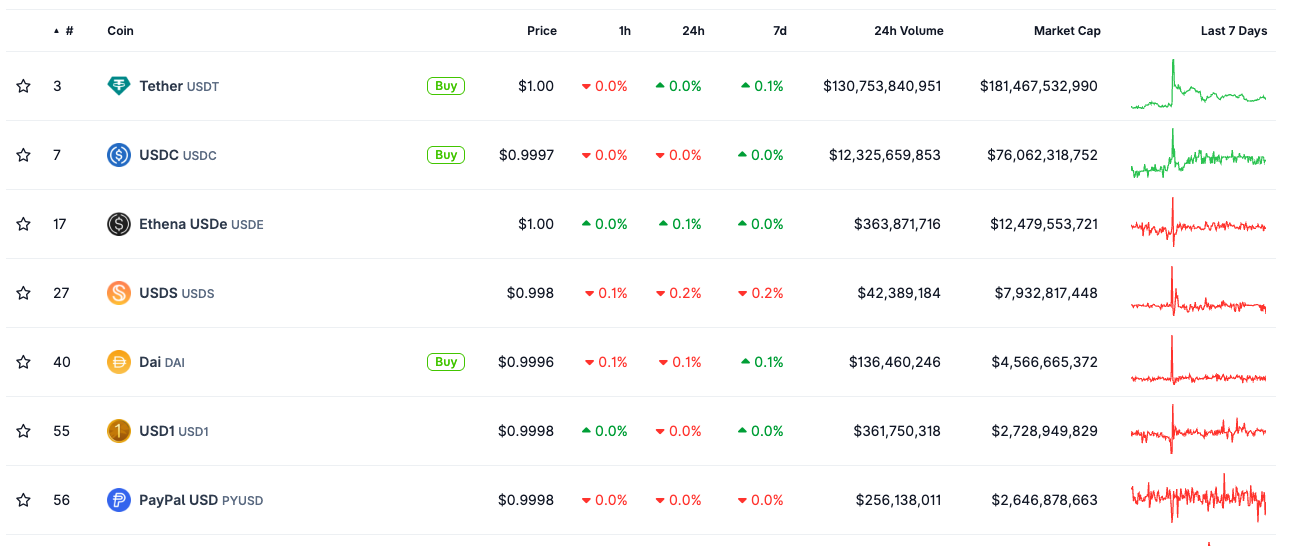
Топ-7 стейблкоинов по рыночной капитализации / Источник: CoinGecko

Если Erebor получит финальные лицензии, он сможет конкурировать с Anchorage Digital в области выпуска стейблкоинов и услуг хранения активов. Планы проекта по кредитованию под залог криптовалюты или оборудования для ИИ могут расширить ликвидность для майнеров, маркетмейкеров и инфраструктурных компаний.

Однако критики предупреждают о возможном фаворитизме и концентрации рисков. Сенатор Элизабет Уоррен назвала предварительное одобрение лицензии Erebor «рискованным». Тем не менее регуляторы видят этот шаг как меру по интеграции цифровых активов в традиционную финансовую систему под строгим контролем.


Trending Cryptos

Related Reads

Lei Jun Reports Xiaomi's Q2 Performance, Phone Premiumization Takes Effect, While Automotive and AI Continue 'Burning Cash'

Xiaomi released its Q2 2026 financial results, showing mixed performance. Total revenue was approximately 108.9 billion yuan, down 6.1% year-over-year, while adjusted net profit fell 42.6% to about 6.2 billion yuan. The company's core smartphone business saw a 7.5% decline in revenue to 42.1 billion yuan, primarily due to lower shipment volumes, partially offset by a record high average selling price (ASP) which rose 25.9%. Xiaomi's global smartphone market share held steady at third place. Its AIoT platform connected over 1.16 billion devices, a 17.4% increase. Despite pressures on traditional revenue streams, Xiaomi continues heavy investment in new growth areas. Its innovation segment, encompassing smart electric vehicles and AI, generated 24.9 billion yuan in revenue (up 17.1%), but reported an operating loss of 2.6 billion yuan. Capital expenditure for these businesses reached 2.4 billion yuan in Q2. Vehicle deliveries grew 28.2% to 104,199 units, with cumulative deliveries for the SU7 series surpassing 500,000 units by mid-August. The company also highlighted significant R&D spending of 9.2 billion yuan for the quarter. On the technology front, Xiaomi announced several AI and software developments, including the new Xiaomi HyperOS 4, the "Super Xiaoai 2.0" assistant, and advancements in its MiMo large language model and robotics platform. The company noted its first-generation self-developed chip, the Xuangjie O1, has surpassed one million units shipped across three products, with a new generation chip soon to be released. Management acknowledged that memory price increases impacted low-end phone sales more severely but expects the trend to moderate.

marsbit26m ago

Lei Jun Reports Xiaomi's Q2 Performance, Phone Premiumization Takes Effect, While Automotive and AI Continue 'Burning Cash'

marsbit26m ago

From Minting to Tape-Out: A First-Timer’s Guide to TapeOut

Title: From Mint to Tapeout: A First-Timer’s Guide to TapeOut **Summary:** This guide provides a risk-conscious, step-by-step introduction to TapeOut, a platform where users can mint logic components (NAND, LATCH) and use them to "tape out" on-chain circuits. It emphasizes a fundamental shift in mindset: instead of focusing first on prices or speculation, users should first understand how to use the platform's core functionality. The recommended path begins with preparation: use a separate, low-fund wallet on BNB Smart Chain for experimentation. The first step is to choose a "Processor"—the foundational unit for components and circuits—by examining its details (supply, mintage, creator) rather than chasing trends. If a Processor has remaining supply, users can mint a small number of components. The guide stresses that minting acquires specific components for a specific processor, not a generic asset. For sold-out Processors, trading occurs on an order book market. Users must carefully understand order prices, quantities, and the 1% fee, and always verify transactions on a block explorer. The core "play" experience is in the Canvas, where users can build and test logic circuits without a wallet. Before proceeding to tapeout—the irreversible, on-chain act of finalizing a circuit which consumes components—users must verify their design, component costs, and target processor. After taping out a circuit, the guide encourages users to interact with it, for example by calling its functions via BscScan's read contract feature, completing the "components -> circuit -> verification" loop. It concludes with critical safety checks to perform before any wallet signature, and cautions against misinterpreting demo pages (like the "on-chain BTC miner") as profit-generating services. The goal is to approach TapeOut as a hands-on lesson in on-chain logic, minimizing financial risk while learning its unique mechanics.

marsbit1h ago

From Minting to Tape-Out: A First-Timer’s Guide to TapeOut

marsbit1h ago

Wall Street Analyst Predicts SpaceX Stock Price Drop to $75

A Wall Street analyst from Phillip Securities, Glenn Tumm, has issued a "Sell" recommendation for SpaceX stock (SPCX), maintaining a 12-month price target of $75. This implies a potential 46.6% drop from the current price of $140.50. The bearish outlook is based on the company's significant capital expenditures, reliance on temporary cloud service contracts, and customer concentration in its AI services, suggesting a need for longer-term commitments to support its valuation. This stance contrasts sharply with the broader Wall Street consensus. An average of 31 analysts polled by TipRanks sets a 12-month price target of $232.35, implying 64% upside, with the highest forecast at $800 and the lowest at $75. The report follows SpaceX's impressive Q2 2026 results, where total revenue surged 92% year-over-year to $7.8 billion. Starlink subscriber count doubled to 12 million, driving communications revenue up 66% to $4.3 billion. AI-related revenue skyrocketed 247% to $2.6 billion, fueled by new cloud services and infrastructure deals. Despite the strong earnings, SPCX shares fell over 4% in the last 24 hours, reducing the company's market cap to $1.9 trillion. The stock had initially jumped over 17% post-earnings but faced resistance near $149. The analyst concludes that SpaceX's future trajectory hinges on securing more long-term contracts with its AI and Starlink customers. Success could validate Wall Street's bullish forecasts, while failure may render the recent stock rebound temporary.

cryptonews.ru1h ago

Wall Street Analyst Predicts SpaceX Stock Price Drop to $75

cryptonews.ru1h ago

Trading

Spot

Hot Articles

What is $BANK

Bank AI: A Revolutionary Step in the Future of Banking Introduction In an era marked by rapid advancements in technology, Bank AI stands at the intersection of artificial intelligence (AI) and banking services. This innovative project seeks to redefine the financial landscape, enhancing operational efficiency, security measures, and customer experiences through the power of AI. As we embark on this exploration of Bank AI, we will delve into what the project entails, its operational dynamics, its historical context, and significant milestones. What is Bank AI? At its core, Bank AI represents a transformative initiative aimed at integrating artificial intelligence into various banking operations. This project harnesses the capabilities of AI to automate processes, improve risk management protocols, and enhance customer interaction through personalised services. The primary objectives of Bank AI include: Automation of Banking Functions: By leveraging AI technologies, Bank AI aims to automate routine tasks, reducing the burden on human resources and enhancing efficiency. Enhanced Risk Management: The project utilises AI algorithms to predict and identify risks, thereby fortifying security measures against fraud and other threats. Personalisation of Banking Services: Bank AI focuses on offering tailored financial products and services by analysing customer data and behaviours. Improving Customer Experience: The implementation of AI-driven solutions, such as chatbots and virtual assistants, aims to provide users with more human-like interactions, revolutionising the way customers engage with banks. With these goals, Bank AI positions itself as a crucial player in rendering banking more efficient, secure, and user-centric. Who is the Creator of Bank AI? Details regarding the creator of Bank AI remain unknown. As such, no specific individual or organisation has been identified in the available information. The anonymity surrounding the project's inception raises questions but does not detract from its ambitious vision and objectives. Who are the Investors of Bank AI? Similar to the project's creator, specific information regarding the investors or supporting organisations of Bank AI has not been disclosed. Without this information, it is challenging to outline the financial backing and institutional support that might be propelling the project forward. Nevertheless, the importance of having a robust investment foundation is pivotal for sustaining development in such an innovative field. How Does Bank AI Work? Bank AI operates on several innovative fronts, focusing on unique factors that differentiate it from traditional banking frameworks. Below are key operational features: Automation: By applying machine learning algorithms, Bank AI automates various manual processes within banks. This results in reduced operational costs and allows human workers to redirect their efforts towards more strategic activities. Advanced Risk Management: The integration of AI into risk management practices equips banks with tools to accurately predict potential threats such as fraud, ensuring that customer information and assets remain secure. Tailored Financial Recommendations: Through continuous learning from customer interactions, the AI systems develop a nuanced understanding of user needs, enabling them to offer tailored advice on financial decisions. Enhanced Customer Interactions: Utilizing chatbots and virtual assistants powered by AI, Bank AI enables a more engaging customer experience, allowing users to have their queries resolved quickly, thus reducing wait times and improving satisfaction levels. Together, these operational features position Bank AI as a pioneer in the banking sector, establishing new benchmarks for service delivery and operational excellence. Timeline of Bank AI Understanding the trajectory of Bank AI requires a look at its historical context. Below is a timeline highlighting important milestones and developments: Early 2010s: The conceptualisation of AI integration into banking services began to gain attention as banking institutions recognised the potential benefits. 2018: A marked increase in the implementation of AI technologies occurred when banks started using AI tools like chatbots for basic customer service and risk management systems for improved security handling. 2023: The sophistication of AI continued to advance, with generative AI being introduced for more complex tasks such as document processing and real-time investment analysis. This year marked a significant leap in the capabilities afforded to banks by AI technology. 2024-Current Status: As of this year, Bank AI is on an upward trajectory, with ongoing research and developments poised to further enhance capabilities in banking operations. Continued exploration of AI applications hints at exciting developments yet to come. Key Points About Bank AI Integration of AI in Banking: Bank AI focuses on adopting artificial intelligence to streamline banking processes and improve user experiences. Automation and Risk Management Focus: The project strongly emphasises these areas, aiming to shift the burden of routine tasks while enhancing security frameworks through predictive analytics. Personalised Banking Solutions: By harnessing customer data, Bank AI enables tailored banking services that cater to individual user needs. Commitment to Development: Bank AI remains committed to ongoing research and development efforts, ensuring its adaptability and ongoing relevance as technology continues to evolve. Conclusion In summary, Bank AI exemplifies a crucial step forward in the banking industry, leveraging artificial intelligence to reshape operational paradigms, enhance security, and promote customer satisfaction. Despite gaps in information surrounding the creator and investors, the clear objectives and functional mechanisms of Bank AI provide a strong foundation for its ongoing evolution. As AI technology continues to advance and merge with the banking sector, Bank AI is well-positioned to significantly impact the future of financial services, enhancing the way we understand and interact with banking.

403 Total ViewsPublished 2024.04.06Updated 2024.12.03

What is $BANK

Discussions

Welcome to the HTX Community. Here, you can stay informed about the latest platform developments and gain access to professional market insights. Users' opinions on the price of BANK (BANK) are presented below.

活动图片