Квантовый прорыв и биткоин (BTC): Майкл Осборн из IBM рассказывает о рисках

cryptonews.ruPublished on 2025-09-13Last updated on 2025-09-27

Квантовые вычисления вызывают бурные обсуждения в криптосообществе. Сможет ли мощный компьютер однажды взломать криптографию биткоина и опустошить кошельки?

По словам Майкла Осборна из IBM, ответ не так прост, но время не стоит на месте.

Последние квантовые достижения IBM

Недавно IBM представила обновленную дорожную карту на 2025 год, показывающую значительный прогресс в создании квантовой системы Starling с защитой от ошибок.

Проект Starling от IBM нацелен на создание квантового компьютера с защитой от ошибок к 2029 году. В отличие от современных экспериментальных машин, Starling будет способен надежно выполнять сложные алгоритмы в течение длительного времени.

We’re excited to share our plans for IBM Quantum Starling, expected to be the world’s first large-scale, fault-tolerant quantum computer.

This new system, to be delivered to clients by 2029, is expected to perform 20,000x more operations than today’s quantum computers. Read more… pic.twitter.com/zFitqHly4U

— IBM (@IBM) June 10, 2025

Для биткоина это важно, так как криптография, защищающая кошельки, может быть взломана машиной с достаточным количеством стабильных кубитов.

Меньшие тестовые системы появятся в 2025, 2026 и 2027 годах до запуска Starling. Каждый этап направлен на повышение надежности кубитов и их масштабирование. Ключевым прорывом стал новый метод исправления ошибок, называемый qLDPC-кодами. Это позволяет получить больше полезных «логических кубитов» из меньшего количества физических. Проще говоря, это уменьшает размер машины, необходимой для выполнения опасных алгоритмов, таких как алгоритм Шора, который может взломать цифровые подписи биткоина.

Если IBM достигнет своей цели к 2029 году, разрыв между теорией и практикой квантовых атак уменьшится. Это значит, что у криптомира может быть меньше времени для перехода на квантово-устойчивые системы, чем ожидалось.

Сломать биткоин не так просто

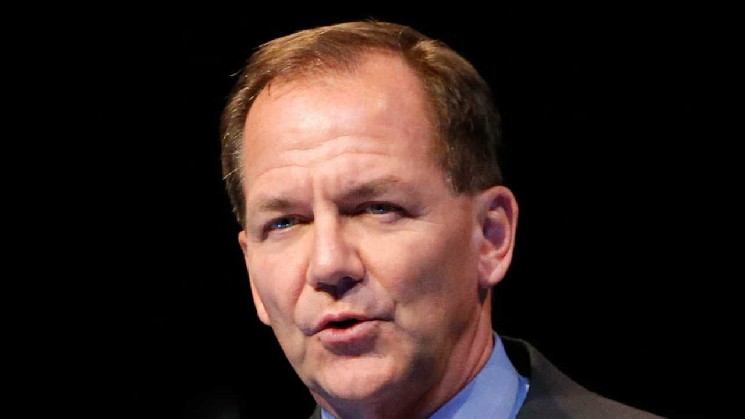
Технический директор IBM Quantum Safe Майкл Осборн объяснил, что настоящие прорывы зависят от логических кубитов, а не от сегодняшних шумных экспериментальных кубитов.

«Вам нужны кубиты очень высокого качества», — сказал эксперт. Он предостерег от восприятия заголовков за чистую монету, указывая на то, что оценки часто основываются на предположениях об архитектуре, глубине схем и сочетании классических и квантовых ресурсов.

Биткоин полагается на криптографию эллиптических кривых. Алгоритм Шора может, в теории, взломать ее. Осборн отметил, что оценки количества логических кубитов, необходимых для взлома, различаются в зависимости от времени, которое злоумышленник готов потратить.

«Вы можете обменять количество кубитов на время, которое вы готовы потратить для атаки на один ключ», — объяснил он.

Недавняя статья Google предположила, что RSA-2048 можно взломать с помощью около 1 600 логических кубитов за неделю. Ранее оценки требовали больше кубитов, но всего за день. Осборн подчеркнул, что такие компромиссы затрудняют установление четкого графика.

За пределами кошельков: более широкие риски для блокчейна

Квантовые угрозы касаются не только приватных ключей. Технический директор IBM отметил, что блокчейны зависят от внешних систем, которые тоже нуждаются в защите.

«Если кто-то захочет нарушить работу блокчейна, он может попытаться атаковать протоколы консенсуса», — сказал он.

Доверенные данные, такие как серверы времени и оракулы, могут стать объектом манипуляций, если их не защитить от квантовых атак.

Это создает два типа рисков: те, которые разработчики могут контролировать (например, подписи и аутентификацию), и те, что вне их контроля (например, доверенные источники данных для приложений). Обе категории требуют внимания.

Ранние прорывы останутся скрытыми

Если произойдет прорыв, Осборн сомневается, что об этом сообщат.

«Первая квантовая возможность сделать что-то подобное не будет объявлена», — сказал он.

Вместо этого экспериментальные машины, вероятно, будут тайно тестироваться на высокоценных целях, таких как неактивные биткоин-кошельки. Реальная опасность возникнет позже, когда технология станет масштабируемой и более доступной.

Миграция должна начаться рано

Когда блокчейнам, таким как Bitcoin и Ethereum, следует перейти на постквантовую криптографию? Осборн сравнил это с проблемой 2000 года. Ожидание обходится дорого, даже в простом цифровом мире.

«Чем дольше откладываете, тем выше цена», — отметил он.

Для блокчейнов сложности возрастают, так как обновления требуют координации миллионов пользователей и приложений. Гибридные подходы могут помочь, но Осборн предупреждает, что этот термин не всегда ясен. Во многих случаях системы могут нуждаться в параллельной работе двух инфраструктур, соединяющих классические и квантово-защищенные системы, пока миграция не завершится.

Настоящий сигнал

На что должны обращать внимание политики и разработчики? Осборн считает, что первым сигналом будет не технический аспект.

«Вы заметите движения на рынке», — сказал он. Если инвесторы потеряют уверенность в неквантово-защищенных экосистемах, капитал может быстро утечь.

Для Осборна послание ясно. Планировать нужно уже сейчас.

«Осведомленность — это все», — заключил он.

Будущее безопасности биткоина и блокчейна зависит от того, насколько быстро индустрия воспримет квантовую угрозу всерьез.


Trending Cryptos

Related Reads

Robert Kiyosaki Shares His Mentor's Predictions About the Emergence of Bitcoin and AI

American entrepreneur and author of "Rich Dad Poor Dad," Robert Kiyosaki, discussed the influence of futurist R. Buckminster Fuller on his worldview, linking Fuller's past technological predictions to the emergence of Bitcoin and the development of artificial intelligence. In an X post, Kiyosaki also reflected on personal purpose, sharing his journey from the music business—where he worked with bands like The Police and Iron Maiden—to creating the "Cashflow" board game and writing his famous book. He described feeling an inner emptiness despite his success, a turning point that came after meeting Fuller, whom he studied with for three summers. Kiyosaki described Fuller as a "friendly genius" who foresaw world-changing developments like Bitcoin and AI. However, the core of his post focused on Fuller's philosophical impact, particularly a quote about belonging to the universe and finding purpose by dedicating one's life to the maximum benefit of others. The entrepreneur remains a vocal advocate for cryptocurrencies. He regularly advises buying Bitcoin during market panics, viewing it and assets like Ethereum, gold, and silver as hedges against traditional financial system failures. Kiyosaki has predicted a major market crash by 2026, seeing it as an opportunity for prepared investors, with long-term price targets including $750,000 for Bitcoin and $95,000 for Ethereum.

cryptonews.ru28m ago

Robert Kiyosaki Shares His Mentor's Predictions About the Emergence of Bitcoin and AI

cryptonews.ru28m ago

Etherealize CEO Calls Wall Street's Private Blockchains a 'Race to the Bottom'

Etherealize co-founder and CEO Vivek Raman criticized Wall Street's growing interest in private, permissioned blockchains, calling them a "race to the bottom." In an interview with CoinDesk, Raman argued that consortium networks fragment liquidity and return the industry to the siloed systems that blockchain technology was meant to overcome. He stated that closed networks do not interoperate, undermining two key advantages of the technology: system compatibility and liquidity concentration. Etherealize promotes Ethereum as an open, foundational layer for institutional players. Raman insists that privacy and access restrictions should be built on top of public infrastructure—at the application or L2 level—rather than creating separate, closed networks. He compared Ethereum to HTTP as a base layer, with additional permissioned and private layers akin to HTTPS. Examples of this new wave of "closed" solutions mentioned include Canton Network from Digital Asset, Circle's Arc project, and Stripe's Tempo. Raman termed this trend "consortium chains 2.0," recalling earlier initiatives like the R3 interbank consortium and the Hyperledger corporate ecosystem from 2016 that failed to gain significant traction. He reiterated his firm belief that a global, open, permissionless infrastructure is necessary as a foundational base layer. Raman previously noted in June that traditional financial institutions had begun implementing Ethereum-based solutions into real business processes.

cryptonews.ru30m ago

Etherealize CEO Calls Wall Street's Private Blockchains a 'Race to the Bottom'

cryptonews.ru30m ago

Trading

Spot

Hot Articles

What is $BITCOIN

DIGITAL GOLD ($BITCOIN): A Comprehensive Analysis Introduction to DIGITAL GOLD ($BITCOIN) DIGITAL GOLD ($BITCOIN) is a blockchain-based project operating on the Solana network, which aims to combine the characteristics of traditional precious metals with the innovation of decentralized technologies. While it shares a name with Bitcoin, often referred to as “digital gold” due to its perception as a store of value, DIGITAL GOLD is a separate token designed to create a unique ecosystem within the Web3 landscape. Its goal is to position itself as a viable alternative digital asset, although specifics regarding its applications and functionalities are still developing. What is DIGITAL GOLD ($BITCOIN)? DIGITAL GOLD ($BITCOIN) is a cryptocurrency token explicitly designed for use on the Solana blockchain. In contrast to Bitcoin, which provides a widely recognized value storage role, this token appears to focus on broader applications and characteristics. Notable aspects include: Blockchain Infrastructure: The token is built on the Solana blockchain, known for its capacity to handle high-speed and low-cost transactions. Supply Dynamics: DIGITAL GOLD has a maximum supply capped at 100 quadrillion tokens (100P $BITCOIN), although details regarding its circulating supply are currently undisclosed. Utility: While precise functionalities are not explicitly outlined, there are indications that the token could be utilized for various applications, potentially involving decentralized applications (dApps) or asset tokenization strategies. Who is the Creator of DIGITAL GOLD ($BITCOIN)? At present, the identity of the creators and development team behind DIGITAL GOLD ($BITCOIN) remains unknown. This situation is typical among many innovative projects within the blockchain space, particularly those aligning with decentralized finance and meme coin phenomena. While such anonymity may foster a community-driven culture, it intensifies concerns about governance and accountability. Who are the Investors of DIGITAL GOLD ($BITCOIN)? The available information indicates that DIGITAL GOLD ($BITCOIN) does not have any known institutional backers or prominent venture capital investments. The project seems to operate on a peer-to-peer model focused on community support and adoption rather than traditional funding routes. Its activity and liquidity are primarily situated on decentralized exchanges (DEXs), such as PumpSwap, rather than established centralized trading platforms, further highlighting its grassroots approach. How DIGITAL GOLD ($BITCOIN) Works The operational mechanics of DIGITAL GOLD ($BITCOIN) can be elaborated on based on its blockchain design and network attributes: Consensus Mechanism: By leveraging Solana’s unique proof-of-history (PoH) combined with a proof-of-stake (PoS) model, the project ensures efficient transaction validation contributing to the network's high performance. Tokenomics: While specific deflationary mechanisms have not been extensively detailed, the vast maximum token supply implies that it may cater to microtransactions or niche use cases that are still to be defined. Interoperability: There exists the potential for integration with Solana’s broader ecosystem, including various decentralized finance (DeFi) platforms. However, the details regarding specific integrations remain unspecified. Timeline of Key Events Here is a timeline that highlights significant milestones concerning DIGITAL GOLD ($BITCOIN): 2023: The initial deployment of the token occurs on the Solana blockchain, marked by its contract address. 2024: DIGITAL GOLD gains visibility as it becomes available for trading on decentralized exchanges like PumpSwap, allowing users to trade it against SOL. 2025: The project witnesses sporadic trading activity and potential interest in community-led engagements, although no noteworthy partnerships or technical advancements have been documented as of yet. Critical Analysis Strengths Scalability: The underlying Solana infrastructure supports high transaction volumes, which could enhance the utility of $BITCOIN in various transaction scenarios. Accessibility: The potential low trading price per token could attract retail investors, facilitating wider participation due to fractional ownership opportunities. Risks Lack of Transparency: The absence of publicly known backers, developers, or an audit process may yield skepticism regarding the project's sustainability and trustworthiness. Market Volatility: The trading activity is heavily reliant on speculative behavior, which can result in significant price volatility and uncertainty for investors. Conclusion DIGITAL GOLD ($BITCOIN) emerges as an intriguing yet ambiguous project within the rapidly evolving Solana ecosystem. While it attempts to leverage the “digital gold” narrative, its departure from Bitcoin's established role as a store of value underscores the need for a clearer differentiation of its intended utility and governance structure. Future acceptance and adoption will likely depend on addressing the current opacity and defining its operational and economic strategies more explicitly. Note: This report encompasses synthesised information available as of October 2023, and developments may have transpired beyond the research period.

1.9k Total ViewsPublished 2025.05.13Updated 2025.05.13

What is $BITCOIN

Discussions

Welcome to the HTX Community. Here, you can stay informed about the latest platform developments and gain access to professional market insights. Users' opinions on the price of BTC (BTC) are presented below.

活动图片