Бутерин призывает к созданию инфраструктуры с открытым исходным кодом в здравоохранении, финансах и управлении

cryptonews.ruPublished on 2025-01-23Last updated on 2025-09-24

Соучредитель Ethereum Виталик Бутерин призвал к созданию проверяемой инфраструктуры с открытым исходным кодом во всех важнейших секторах, включая здравоохранение, финансы и управление, предупредив, что централизованные системы рискуют подорвать доверие и безопасность.

В своем сообщении в блоге в среду Бутерин утверждал, что по мере того, как цифровая инфраструктура становится неотъемлемой частью повседневной жизни, опора на закрытые, непрозрачные системы увеличивает опасность злоупотреблений и монополизации.

  • Открытая, проверяемая инфраструктура предотвращает однопартийный контроль и повышает общественное доверие.
  • Проверяемые системы используют криптографические доказательства и открытый исходный код, чтобы сделать операции проверяемыми.
  • Примеры внедрения демонстрируют экономию средств и времени: транзакции на основе блокчейна по сравнению с традиционными подписанными документами.

Виталик Бутерин сформулировал риск закрытых систем

Открытая, проверяемая инфраструктура — это прозрачное аппаратное и программное обеспечение, корректность которого может проверить любой желающий. Это важно, поскольку снижает централизованный контроль, снижает риски слежки и восстанавливает доверие общества к таким важнейшим услугам, как здравоохранение, финансы и голосование.

Виталик Бутерин недавно предупреждал в своём блоге, что закрытые, непрозрачные системы способствуют монополиям и злоупотреблениям, поскольку цифровая инфраструктура становится неотъемлемой частью повседневной жизни. Он подчеркнул, что цивилизации получают наибольшую выгоду, когда производят технологические инструменты, а не просто потребляют их. Открытость и проверяемость, писал он, способны противостоять глобальной фрагментации и недоверию.

Бутерин выступил за использование проверяемых устройств и протоколов в качестве основы критически важных государственных систем. Он предупредил, что путь по умолчанию — централизованные системы, управляемые корпорациями — скорее всего, будет реализован, если сообщества не начнут активно создавать альтернативы. Его послание подчёркивает важность проактивного проектирования: конфиденциальность, контролируемость и открытые стандарты должны быть главными целями.

Как открытая инфраструктура может улучшить здравоохранение, финансы и голосование?

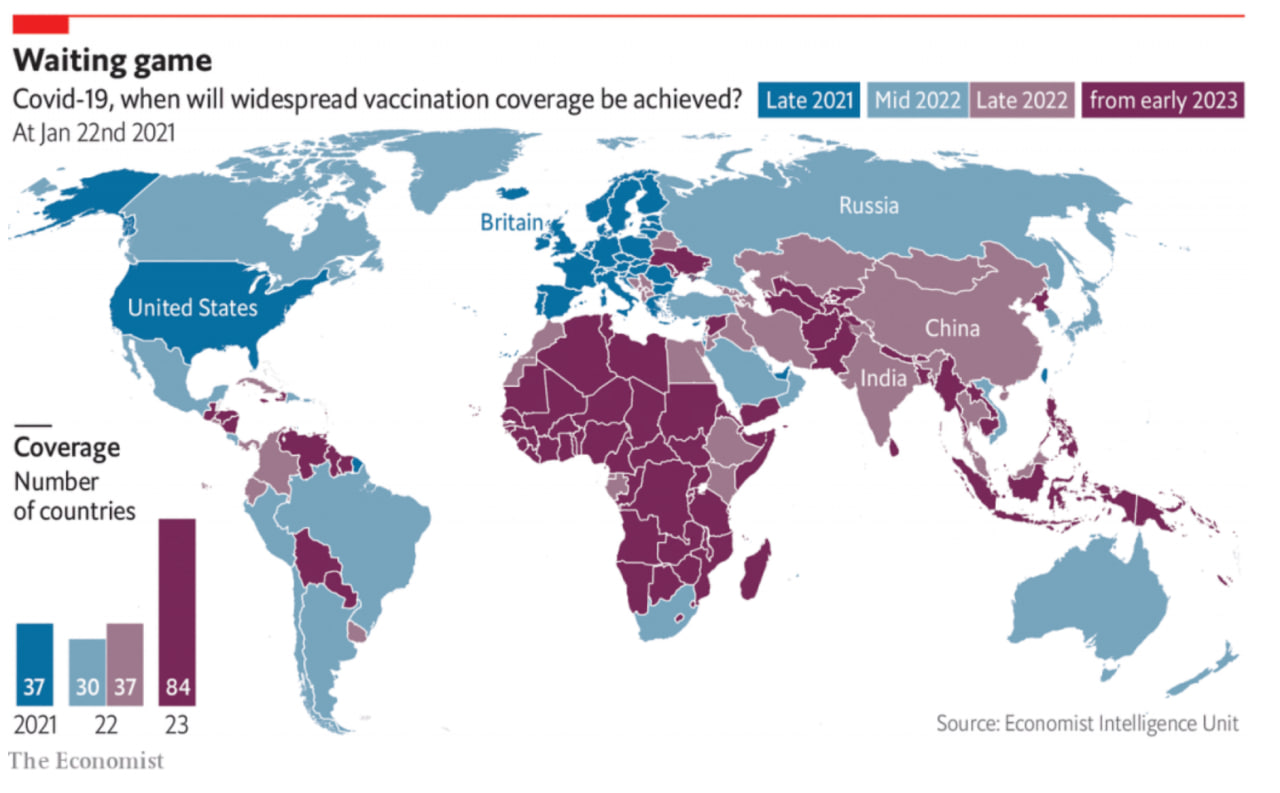
В здравоохранении проприетарные системы могут создавать монополии на данные и подрывать общественное доверие. Бутерин привёл в пример внедрение вакцины от COVID-19, где закрытое производство и коммуникации усиливали скептицизм. Он похвалил открытые процессы, такие как PopVax, за снижение затрат и повышение прозрачности.

В сфере финансов открытые кошельки и блокчейн-системы демонстрируют, как проверяемость ускоряет расчёты и снижает уровень сложности. Бутерин сравнил пятисекундную криптоподпись с тридцатиминутной легальной транзакцией стоимостью 119 долларов, демонстрируя рост эффективности открытых, проверяемых систем.

В сфере голосования десятилетия скептицизма по отношению к электронным машинам показывают, что закрытое программное обеспечение типа «чёрный ящик» не может обеспечить общественное доверие. Проверяемые протоколы голосования в сочетании с открытым аппаратным и программным обеспечением могут обеспечить общедоступные результаты выборов и более надёжные гарантии их честности.
01997aa7 f0ea 74d7 a0ad cce0977e7790
Охват вакцинацией от COVID-19, 2021–2023 гг. Источник: Виталик

А как насчет конфиденциальности и краткосрочных изменений протокола?

Бутерин настаивает на том, что конфиденциальность должна быть основной целью разработки, а не второстепенной задачей. Он опубликовал дорожную карту конфиденциальности для Ethereum, в которой изложены краткосрочные изменения базового протокола и экосистемы для улучшения конфиденциальности пользователей при сохранении проверяемости.

Его дорожная карта рекомендует многоуровневые подходы: усовершенствование протоколов, примитивы для сохранения конфиденциальности и экосистемные инструменты. Они направлены на достижение баланса между контролируемостью и конфиденциальностью пользователей посредством выборочного раскрытия информации и криптографических методов.


Trending Cryptos

Related Reads

From 'Address Clustering' to 'Evidence Standards': Why is Chainalysis Redefining Blockchain Tracing?

**Summary:** In June 2026, Chainalysis introduced the **Blockchain Tracing Ontology (BTO)**, a proposed data framework aiming to establish standardized, transparent, and verifiable models for blockchain analysis. This initiative addresses a core industry issue: despite public blockchain data, different firms often produce inconsistent results (e.g., differing entity labels for the same address) due to non-uniform methodologies, particularly in **address clustering**. This lack of standardization poses challenges for judicial investigations, AML, and enforcement. The BTO is not a new clustering algorithm but a **common "language" or conceptual framework**. It moves beyond the simplistic "cluster" model by introducing a hierarchical structure: **Entity → Wallet → Wallet Segment → Address**, which better reflects complex organizational wallet management. A key shift is from presenting mere results to ensuring **process trust and explainability**. The framework emphasizes documenting the **Evidence** and **Confidence** behind each analytical claim—specifying the on-chain/off-chain data, rules applied, and certainty levels—enabling third-party verification. This focus is partly informed by legal precedents like the **Bitcoin Fog** case, where Chainalysis's methods underwent rigorous judicial scrutiny (Daubert hearing), highlighting the need for reproducible, scientifically sound analysis. The proposal clarifies that on-chain analysis identifies address relationships and flow patterns, not real-world identities, which still require off-chain evidence (e.g., KYC data). Ultimately, Chainalysis envisions steering the industry from an "experience-driven" to a **"standards-driven"** future, where competition centers on **data quality, analytical transparency, and judicial admissibility** rather than just label coverage. Widespread adoption could facilitate cross-agency collaboration, reduce disputes, and provide a more reliable foundation for global compliance and enforcement.

marsbit22m ago

From 'Address Clustering' to 'Evidence Standards': Why is Chainalysis Redefining Blockchain Tracing?

marsbit22m ago

The 'Conference Circuit' for the Second Half of the Year Begins! A Complete Overview of the 2026 Web3 Global Summit Schedule

"Web3 Global Summit Calendar for the Second Half of 2026" provides a comprehensive list of major Web3 and blockchain conferences worldwide, focusing on events from July to December 2026. The schedule starts in July with IVS in Kyoto, WebX in Tokyo, Canada Crypto Week in Toronto, and Malaysia Blockchain Week in Kuala Lumpur. August features Conviction in Ho Chi Minh City, Coinfest Asia in Bali, and Bitcoin Hong Kong. September is the most intense month, with notable events like NFT NYC in New York, ETHRome in Rome, Money20/20 in Saudi Arabia, European Blockchain Convention in Barcelona, and Korea Blockchain Week in Seoul. The fourth quarter begins with the significant TOKEN2049 Singapore in October, which will be the sole TOKEN2049 event of the year following the cancellation of the Dubai edition. November includes Devcon 8 and Bitcoin Amsterdam in Amsterdam, Digital Asset Summit and Solana Breakpoint in London. The year concludes in December with Blockchain Life in Dubai and Bitcoin MENA in Abu Dhabi. The article also lists key events from the first half of the year (January to June, marked as concluded) for reference, including Consensus Hong Kong, ETHDenver, and Paris Blockchain Week. The guide serves as a resource for planning attendance at these industry gatherings across Asia, Europe, North America, and the Middle East.

Foresight News33m ago

The 'Conference Circuit' for the Second Half of the Year Begins! A Complete Overview of the 2026 Web3 Global Summit Schedule

Foresight News33m ago

Video Edition Nano Banana Arrives: Built-in Gemini World Knowledge, Original Banana Generates Images in Just 4 Seconds

Google has unveiled two new multimodal AI models: Gemini Omni Flash and Nano Banana 2 Lite. Gemini Omni Flash is a video generation and editing model that leverages Gemini's world knowledge. It allows for conversational video editing using natural language prompts, maintains scene consistency, and integrates text/graphics with video actions. Priced at $0.10 per second of output, its current limitations include a 10-second video cap. Nano Banana 2 Lite (gemini-3.1-flash-lite-image) is an optimized image generation model focused on speed and cost. It produces a 1K resolution image in about 4 seconds at a cost of roughly $0.034, making it significantly faster and cheaper than its predecessor. It retains strong text rendering capabilities. A key highlight is the combined workflow: users can rapidly generate images with Nano Banana 2 Lite and then seamlessly feed them into Gemini Omni Flash to create videos. Google demonstrated this with three application demos: "Anywhere" for creating travel videos from photos, "Space Lift" for generating interior design walkthroughs, and "Omni Product Studio" for automating e-commerce ad creation from product photos. The release underscores Google's strategic focus on advancing multimodal AI for practical, commercial applications in areas like marketing, design, and content creation, despite competitive pressures in other AI domains.

marsbit40m ago

Video Edition Nano Banana Arrives: Built-in Gemini World Knowledge, Original Banana Generates Images in Just 4 Seconds

marsbit40m ago

Trading

Spot

Hot Articles

Discussions

Welcome to the HTX Community. Here, you can stay informed about the latest platform developments and gain access to professional market insights. Users' opinions on the price of ETH (ETH) are presented below.

活动图片