BTCFi 的终章:从 BitLayer 暴跌看生态没落

深潮Published on 2025-08-27Last updated on 2025-08-28

回顾 BTCFi 的兴衰,我们或许需要重新审视 BTC 在加密生态中的定位。

撰文:伞

8月27日,BTC生态项目BitLayer登陆币安Alpha,这个曾经被寄予厚望的BTCFi明星项目却用一场暴跌为整个赛道写下了注脚。

根据CMC数据显示,BTR开盘价0.1511,仅数小时内便暴跌至0.077,单日跌幅高达48.6%。截止至今日8月28号,代币仍较历史高点下跌44.3%,24小时内成交额6030万美元,成交量与市值比高达274%,这种极端的投机性换手率暴露了项目缺乏长期持有者的尴尬现实。
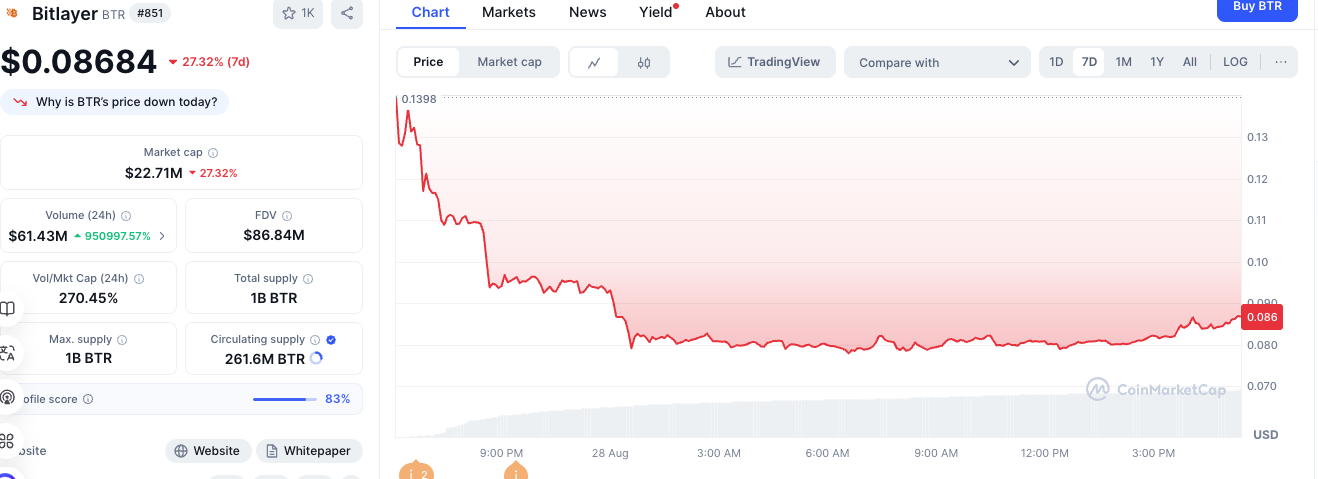
更令人深思的是,尽管链上TVL仍维持在4.29亿美元的相对高位,但代币价格断崖式下跌清晰反映出市场对BTCFi生态价值捕获能力的质疑。

BitLayer开盘暴跌所呈现的远不止一次“上币即巅峰”的现象,背后更是整个BTCFi叙事从狂热走向没落的缩影。

主流项目的集体沉沦

BTC生态曾经也诞生过不少现象级热门项目,但是都难掩其本质上的缺陷以及叙事上的矛盾。

Merlin Chain:38亿TVL仅剩5000万

作为曾经的BTCFi龙头项目,Merlin Chain的数据变化堪称惊心动魄。

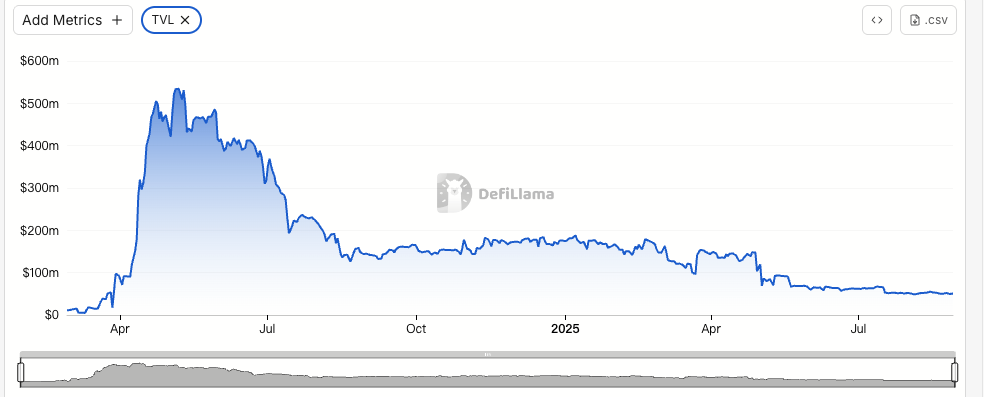
项目在上线50天内曾吸引高达38亿美元的BTC质押,峰值TVL达到5.3亿美元,一度成为BTC Layer2 TVL与用户数第一的明星项目。

然而现实却无比残酷:根据DeFillama数据,Merlin Chain当前TVL仅剩5000万美元,较峰值暴跌90%以上。其代币Merl价格徘徊在0.115美元左右,虽然年内涨幅达45.1%,但距历史高点仍下跌90%。更令人感到心痛的是其24小时链上流入量仅有1946美元。

从曾经赛道内当之无愧的龙头项目到犹如过街老鼠一般人人喊打,Merlin Chain只用了半年的时间,时至今日,仍然会有人偶尔提起Merlin,只不过几乎全是对其的讽刺和吐槽。
铭文与BTC NFT:从狂欢到自嘲

曾经引爆BTC生态的Ordinals铭文和BRC-20代币如今也风光不再。

回想曾经铭文火热的那个冬天,当时每条公链都在推出自己的铭文产品,使得市场陷入全民打铭文的热潮,而BTC作为加密世界万物起源更是诞生了Sats、Ordi等热门项目。“今天买Ordi,明天开奥迪”的口号似乎至今还在耳边回绕。

现如今,“Ordinals are dead”这句话已经从嘲讽变成了圈内的自黑梗,连铭文项目的官方账号都开始用这个梗进行自我调侃。
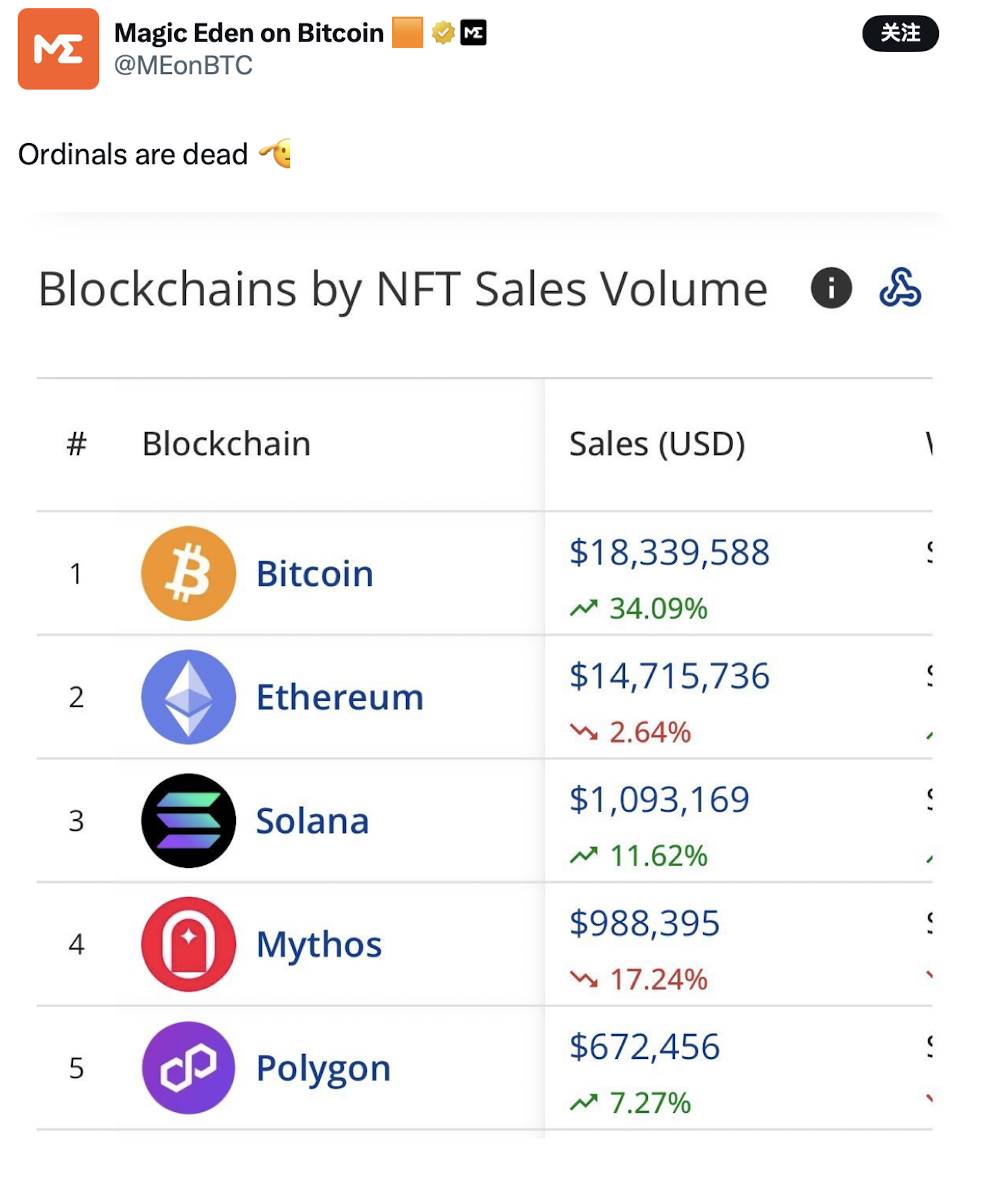
BTC NFT市场的24小时活跃用户仅不到2000人,占全链活跃度的1.7%,远低于ETH或Solana生态。

铭文和NFT的实际用途至今在市场中仍是饱受争议的话题,但曾经活跃的用户却实打实一个接一个离开,用户信心的丧失,也预示着这一叙事在人们心中的地位正随着加密市场的快节奏被逐渐淡忘。

除了Merlin Chain、BTC铭文和NFT外,其他BTCFi项目也逐渐暴露出自身的短板或模式的缺陷。

Babylon当前TVL创下历史新高来到63亿美元,币价却距离高点已经跌去77%,暴露出了其单一质押模式缺乏创新应用的短板;同为BTC生态热门项目的Core当前TVL仅3.86亿美元,距离年初下降超70%。

而在数据背后真相则更加严峻:除了Babylon外,大部分BTCFi项目的日费用收入甚至不足5万美元,远远低于传统DeFi项目动辄数百万美元的收入水平,这种商业模式的不可持续性正在被市场无情的摆上台面。

叙事疲劳与内在矛盾

BTCFi的根本困境源于BTC本身的技术局限性。

作为“数字黄金”,BTC在设计上就不具备智能合约的可编程性,这使得所有BTCFi应用都必须依赖侧链、L2或跨链桥等妥协方案。

根据DeFillama数据,当前主流BTCFi项目中,桥接资产占TVL的80%-100%:Merlin Chain的桥接TVL占比高达80%,Core达94%,Bitlayer更是接近100%依赖BTC跨链。

这种对跨链基础设施的极度依赖不仅增加了安全风险,也违背了BTC去中心化和自主权的核心精神。

而在社交媒体上,BTCFi的讨论已经从早期的兴奋探索转向“prove-your-worth”的怀疑阶段。越来越多的KOL也将BTC生态列为注定失败的赛道。
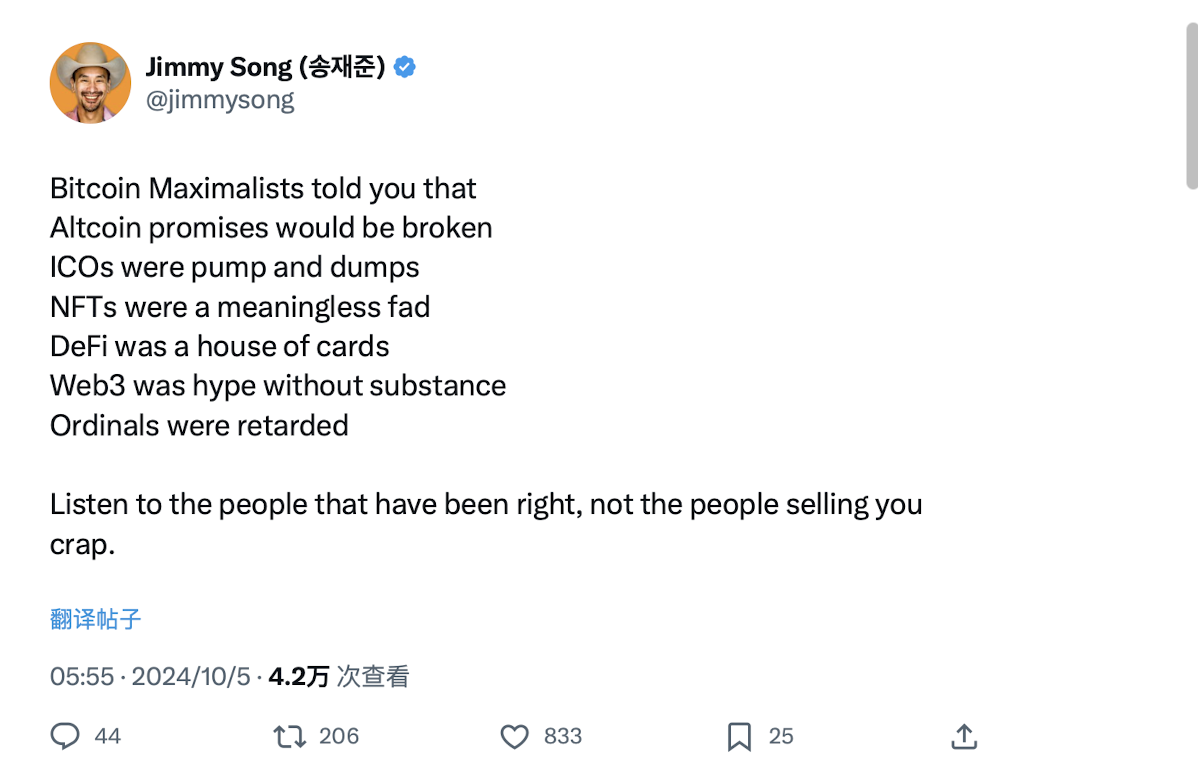
而市场散户的态度更是不言而喻,对BTC生态的期待正在被ETH和SOL上的新鲜叙事冲淡了一遍又一遍。而近期不断有巨鲸卖出BTC换仓ETH无疑是给这堆灰烬再浇上一盆冷水。
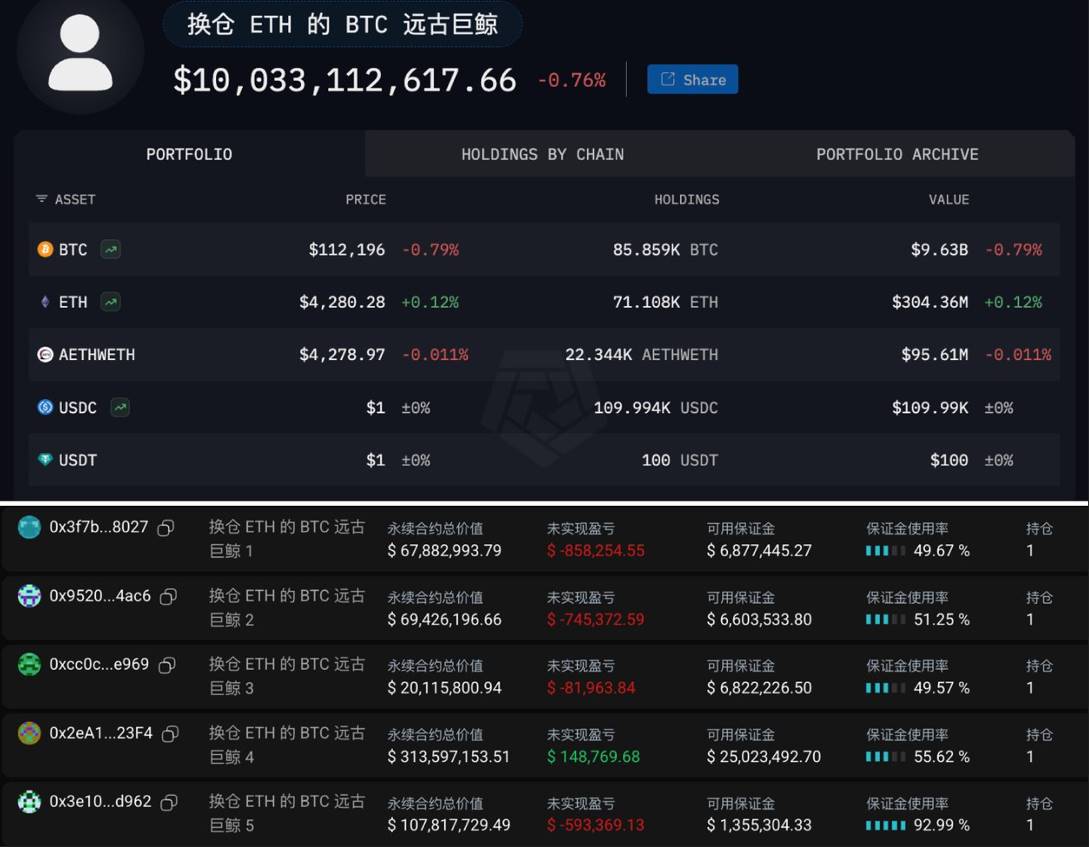
图源@Ai姨

另一方面,BTC生态的惨状也揭示了大部分BTCFi项目经济模型的内在矛盾。

为了吸引流动性,项目方们必须提供高收益激励,但高收益往往要依赖代币增发,这又会稀释长期价值。

BitLayer的超高换手率和Merlin chain的用户流失都证明了这种挖矿即抛售模式的不可持续性。

BTC,回归精神图腾

回顾BTCFi的兴衰,我们或许需要重新审视BTC在加密生态中的定位。

与ETH一开始就被设计为“世界计算机”不同,BTC更像是一个加密图腾,而图腾的作用在于凝结共识与信仰,而非功能性拓展。

ETH能够承载DeFi生态,是因为其在架构层面就为可编程性做了优化。而BTC的价值主张从来不在于“能做什么”,而在于“代表什么”。或许当我们试图让BTC承载复杂的金融应用时,就已经违背了其本质。

相比于BitLayer、Merlin,Babylon是相对成功的,而从它的成功恰恰证明了其作为纯粹的BTC质押协议,它没有试图改变BTC,而是利用BTC的安全性为其他链提供服务。这种“术业有专攻”的思路或许才是BTC参与DeFi的正确方式。

BTCFi的没落不是BTC的失败,从今年BTC不断突破新高就可以看出这个明显的道理。而BTCFi更像是市场对过度金融化的理性纠错。

BTC依然是加密世界最重要的价值储存工具,但它永远不会、也不应该成为下一个ETH。

认清这一点,或许才是整个行业走向成熟的标志。

Related Reads

When Vitalik Stops Blogging to Write Sci-Fi

Vitalik Buterin, founder of Ethereum, has announced a pause in his long-form technical blogging to instead write a science fiction novel exploring decentralized governance. The story, set in a fictional nation called Veridia, follows a member of a governance body that uses complex systems like quadratic voting, privacy-preserving audits, and AI-assisted decision-making to guide society through incentive structures rather than outright bans. This creative shift comes at a pivotal moment for the Ethereum ecosystem. The Ethereum Foundation has seen significant internal upheaval in 2026, with at least nine core contributors, including key protocol leaders, departing. Just days before his announcement, Vitalik published a statement addressing this turbulence, framing the Foundation as a "smaller ship" that will now focus on core principles like censorship resistance and security, while moving from a growth-oriented to a sustainability-focused organization. The novel's themes directly mirror Vitalik's long-standing technical interests in governance mechanisms. Community reactions are mixed: some see it as a thoughtful exploration of ideas through narrative, while others view the timing—amidst core team departures and a significant drop in ETH's price—as pointedly symbolic. The move is also interpreted as a personal transition, signaling Vitalik's evolving role from a central executive figure to one of many decentralized thought leaders within the Ethereum ecosystem.

marsbit6m ago

When Vitalik Stops Blogging to Write Sci-Fi

marsbit6m ago

Morning News | Coinbase Partners with Standard Chartered to Expand Multi-Currency Fiat Channels; Sharplink and Forward to be Included in Russell Indices; JPMorgan May Issue Stablecoin in the Future

Daily Crypto Recap: Key Developments Institutional adoption continues: Coinbase partners with Standard Chartered to expand multi-currency fiat rails for institutions via Coinbase Prime, supporting AUD, SGD, CAD, CHF, EUR, and GBP. Meanwhile, Sharplink and Forward Industries, companies holding significant ETH and SOL reserves respectively, are set to be included in the Russell indexes, providing indirect crypto exposure to traditional index investors. Regulatory and compliance moves are in focus. Hong Kong's monetary authority announced new measures for investment accounts of mainland Chinese investors, including retroactive document checks to January 2023. Prediction market Polymarket is considering implementing KYC requirements to address sanctions and legal risks. Major financial players signal deeper involvement. JPMorgan Chase CEO Jamie Dimon suggested the bank might issue a stablecoin in the future. Concurrently, Falcon Finance and Anchorage Digital launched fUSD, a compliant, institution-focused stablecoin. Market sentiment presents a mixed picture. Bitmine's Tom Lee predicts an incoming crypto "supercycle," driven by Wall Street tokenization and AI agents, with Ethereum as a key beneficiary. However, a prominent trader cautions that the current period of investor losses may not be long enough to confirm a bear market bottom, and TD Cowen analysts note diminished chances for U.S. crypto market structure legislation this year due to a worsening political climate. Other notable news includes a16z crypto's observation that most tokenized assets are merely "digitized" and not actively used in DeFi, South Korea's crypto trading volume falling to about 8% of KOSPI's, and the Chinese Supreme Court stating it will research judicial rules for virtual currency cases.

链捕手1h ago

Morning News | Coinbase Partners with Standard Chartered to Expand Multi-Currency Fiat Channels; Sharplink and Forward to be Included in Russell Indices; JPMorgan May Issue Stablecoin in the Future

链捕手1h ago

Trading

Spot
Futures

Hot Articles

What is $BITCOIN

DIGITAL GOLD ($BITCOIN): A Comprehensive Analysis Introduction to DIGITAL GOLD ($BITCOIN) DIGITAL GOLD ($BITCOIN) is a blockchain-based project operating on the Solana network, which aims to combine the characteristics of traditional precious metals with the innovation of decentralized technologies. While it shares a name with Bitcoin, often referred to as “digital gold” due to its perception as a store of value, DIGITAL GOLD is a separate token designed to create a unique ecosystem within the Web3 landscape. Its goal is to position itself as a viable alternative digital asset, although specifics regarding its applications and functionalities are still developing. What is DIGITAL GOLD ($BITCOIN)? DIGITAL GOLD ($BITCOIN) is a cryptocurrency token explicitly designed for use on the Solana blockchain. In contrast to Bitcoin, which provides a widely recognized value storage role, this token appears to focus on broader applications and characteristics. Notable aspects include: Blockchain Infrastructure: The token is built on the Solana blockchain, known for its capacity to handle high-speed and low-cost transactions. Supply Dynamics: DIGITAL GOLD has a maximum supply capped at 100 quadrillion tokens (100P $BITCOIN), although details regarding its circulating supply are currently undisclosed. Utility: While precise functionalities are not explicitly outlined, there are indications that the token could be utilized for various applications, potentially involving decentralized applications (dApps) or asset tokenization strategies. Who is the Creator of DIGITAL GOLD ($BITCOIN)? At present, the identity of the creators and development team behind DIGITAL GOLD ($BITCOIN) remains unknown. This situation is typical among many innovative projects within the blockchain space, particularly those aligning with decentralized finance and meme coin phenomena. While such anonymity may foster a community-driven culture, it intensifies concerns about governance and accountability. Who are the Investors of DIGITAL GOLD ($BITCOIN)? The available information indicates that DIGITAL GOLD ($BITCOIN) does not have any known institutional backers or prominent venture capital investments. The project seems to operate on a peer-to-peer model focused on community support and adoption rather than traditional funding routes. Its activity and liquidity are primarily situated on decentralized exchanges (DEXs), such as PumpSwap, rather than established centralized trading platforms, further highlighting its grassroots approach. How DIGITAL GOLD ($BITCOIN) Works The operational mechanics of DIGITAL GOLD ($BITCOIN) can be elaborated on based on its blockchain design and network attributes: Consensus Mechanism: By leveraging Solana’s unique proof-of-history (PoH) combined with a proof-of-stake (PoS) model, the project ensures efficient transaction validation contributing to the network's high performance. Tokenomics: While specific deflationary mechanisms have not been extensively detailed, the vast maximum token supply implies that it may cater to microtransactions or niche use cases that are still to be defined. Interoperability: There exists the potential for integration with Solana’s broader ecosystem, including various decentralized finance (DeFi) platforms. However, the details regarding specific integrations remain unspecified. Timeline of Key Events Here is a timeline that highlights significant milestones concerning DIGITAL GOLD ($BITCOIN): 2023: The initial deployment of the token occurs on the Solana blockchain, marked by its contract address. 2024: DIGITAL GOLD gains visibility as it becomes available for trading on decentralized exchanges like PumpSwap, allowing users to trade it against SOL. 2025: The project witnesses sporadic trading activity and potential interest in community-led engagements, although no noteworthy partnerships or technical advancements have been documented as of yet. Critical Analysis Strengths Scalability: The underlying Solana infrastructure supports high transaction volumes, which could enhance the utility of $BITCOIN in various transaction scenarios. Accessibility: The potential low trading price per token could attract retail investors, facilitating wider participation due to fractional ownership opportunities. Risks Lack of Transparency: The absence of publicly known backers, developers, or an audit process may yield skepticism regarding the project's sustainability and trustworthiness. Market Volatility: The trading activity is heavily reliant on speculative behavior, which can result in significant price volatility and uncertainty for investors. Conclusion DIGITAL GOLD ($BITCOIN) emerges as an intriguing yet ambiguous project within the rapidly evolving Solana ecosystem. While it attempts to leverage the “digital gold” narrative, its departure from Bitcoin's established role as a store of value underscores the need for a clearer differentiation of its intended utility and governance structure. Future acceptance and adoption will likely depend on addressing the current opacity and defining its operational and economic strategies more explicitly. Note: This report encompasses synthesised information available as of October 2023, and developments may have transpired beyond the research period.

363 Total ViewsPublished 2025.05.13Updated 2025.05.13

What is $BITCOIN

Discussions

Welcome to the HTX Community. Here, you can stay informed about the latest platform developments and gain access to professional market insights. Users' opinions on the price of BTC (BTC) are presented below.

活动图片