9月回调或为买入机会,我为什么看好Q4?

MarsBitPublished on 2025-08-23Last updated on 2025-08-25

Abstract

趁着大跌加仓,迎接Q4。

市场情绪


市场情绪的变化总是令人着迷。就在Crypto Twitter上所有人还在热烈看涨ETH时,隔夜却有很多人突然转为看跌。我想分享一些市场想法,谈谈接下来会发生什么。让我们放大视角,看看数据。


历史背景


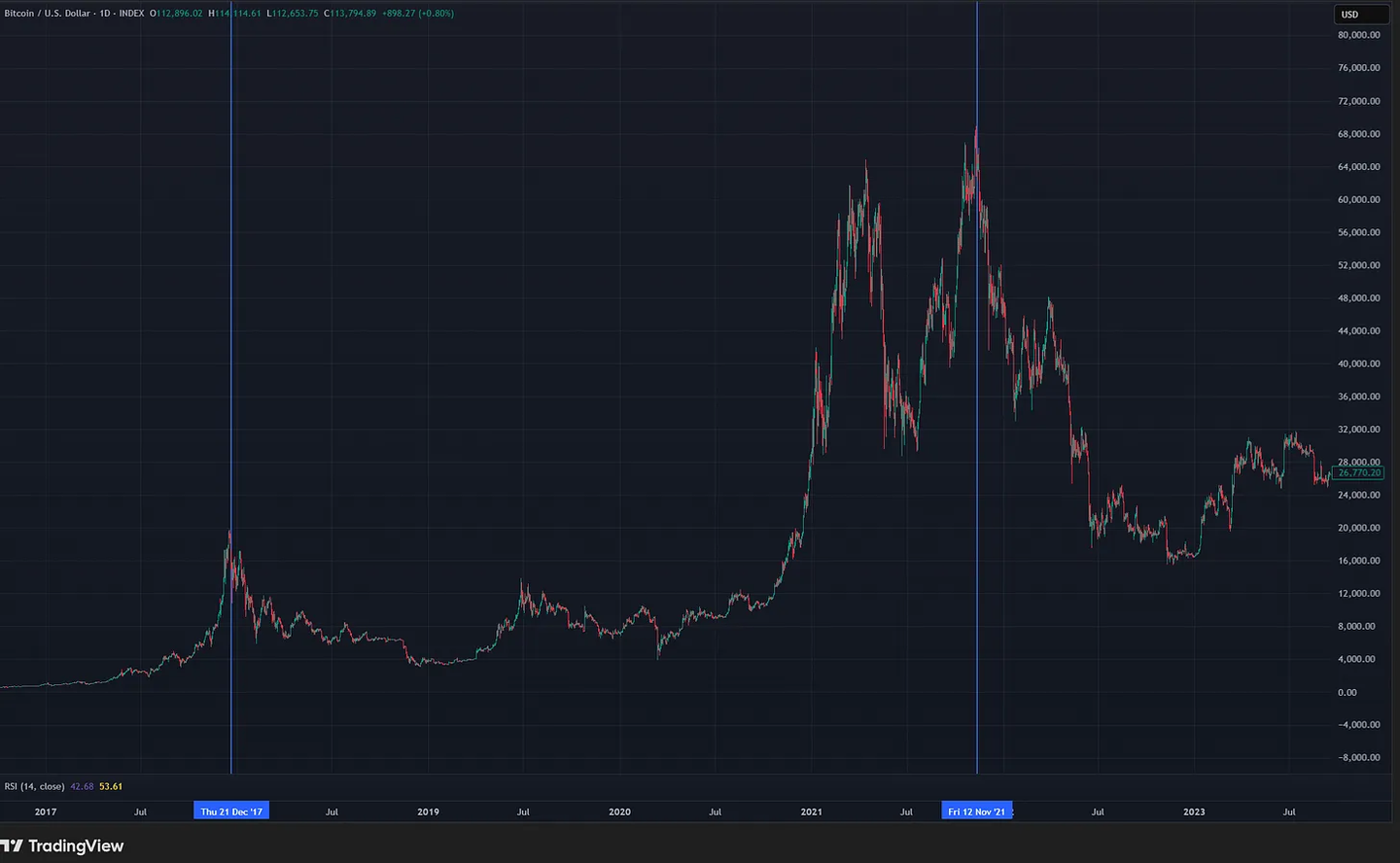
以下是BTC在过去牛市周期中的价格表现图表:
市场情绪


通过研究过去周期,你会发现BTC周期顶部的时机非常一致:

  • 2021年,BTC在2021年11月达到顶峰
  • 2017年,BTC在2017年12月达到顶峰
  • 2013年,BTC在2013年12月达到顶峰

每个周期的顶峰都在减半后的第四季度(Q4)出现(2013、2017、2021,以及现在的2025年)。


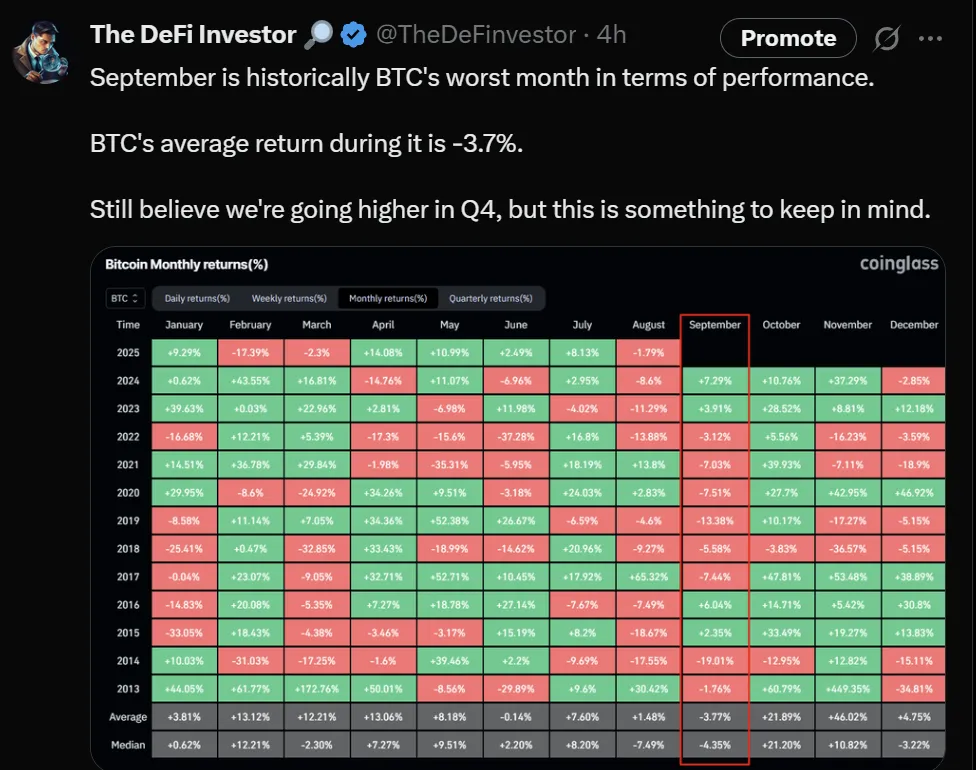
另一个有趣的观察是,尽管9月通常是比特币表现最弱的月份之一,但10月历史上却是表现最强的月份之一。
市场情绪


虽然现在很多人因为最近的下跌而恐慌,但Q3末(9月)的市场回调并不罕见,甚至与过去的情况相符。这是否意味着本轮周期会与之前完全相同?当然不是。但虽然历史不会重演,却往往有相似之处。


对于9月,我心情复杂,因为历史上9月表现不佳,但基于以往周期的经验,我认为Q4将是加密货币市场的好季度,因为牛市周期的最后阶段通常会有显著的涨幅。


除了季节性因素,以下几个因素也让我认为Q4会看涨:


1. 利率下调即将来临(这次是真的)


让我们暂时跳出加密货币,看看宏观经济。根据Polymarket的数据,美联储在9月降息的可能性为64%。为什么这很重要?


因为当央行降低利率时,借代成本会下降,债券收益率降低会推动投资者转向风险更高的资产,如加密货币。历史上,重大降息对风险资产(如加密货币)是利好。


2. 加密货币企业持续大量买入


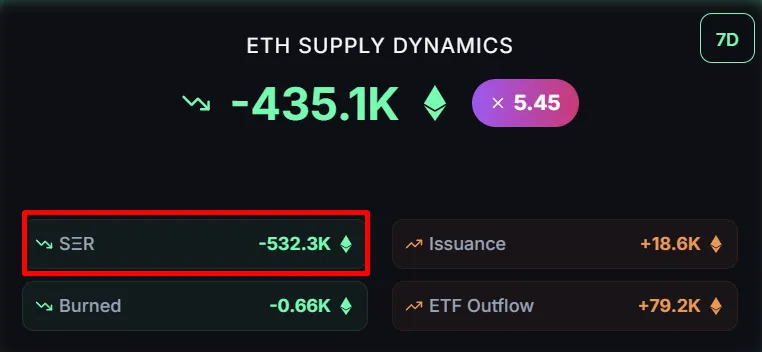
数据令人震惊。根据https://www.strategicethreserve.xyz/的数据,仅上周就有超过53.2万ETH(当前价值超过20亿美元)被加密货币企业通过其资产储备购入。
需要注意的是,质押型以太坊ETF尚未获批。
市场情绪


20亿美元的每周买入压力对ETH和其他Token来说是一个巨大的顺风助力。虽然这些企业最终可能会耗尽资金,但我认为,考虑到当前的资金流入量,本轮牛市的顶部尚未到来。
3. 顶部信号尚未完全出现


最近“crypto”搜索量创下四年新高,Jim Cramer也转为看涨,这让我本周早些时候小幅获利了结。但除此之外,上周提到的其他“顶部信号”尚未出现。例如:Coinbase的App Store排名目前仍在200名以外,而上轮周期它曾登顶App Store。


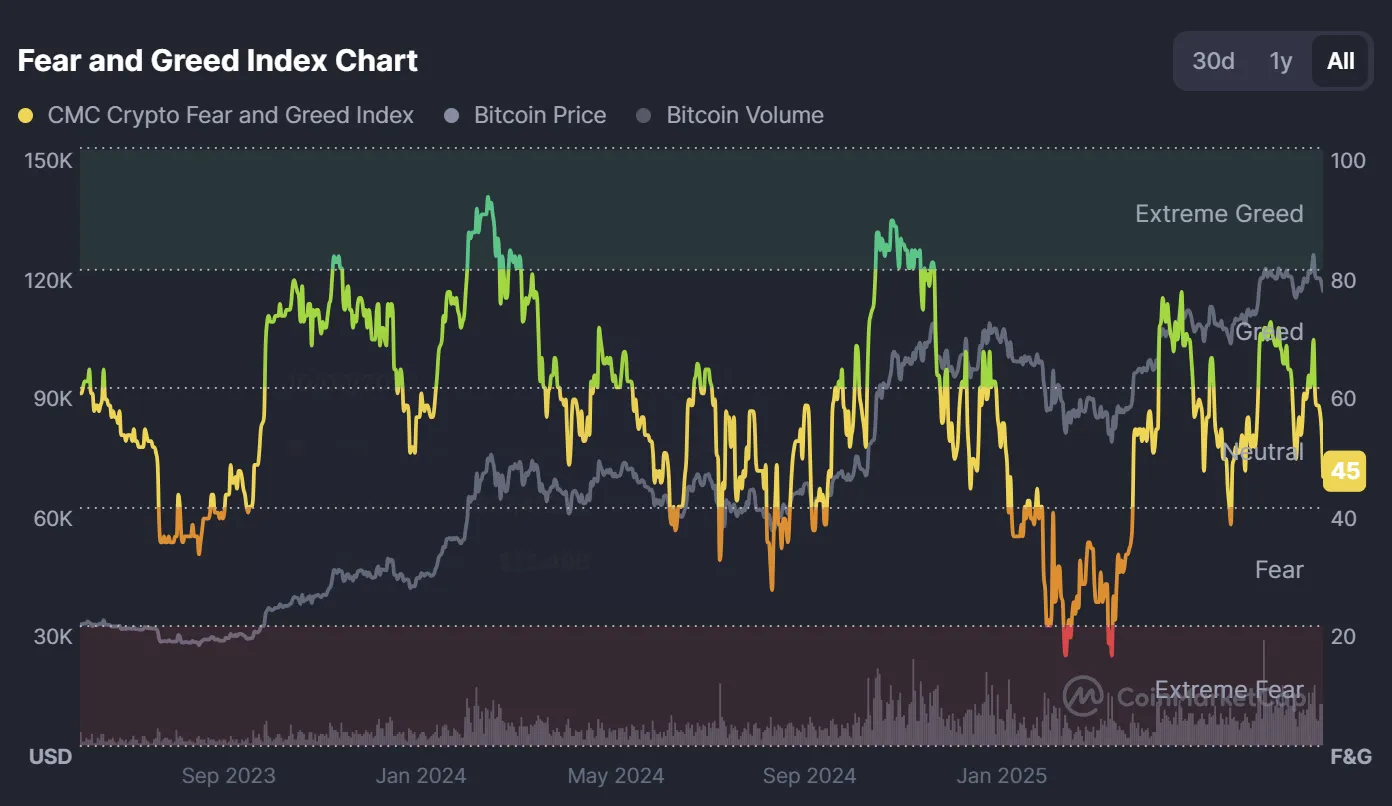
恐惧与贪婪指数看起来仍然健康。尽管最近市场上涨,但尚未达到极端的狂热水平。
市场情绪


尽管ETH过去几周涨幅较大,短期回调是正常的,但除非这是有史以来最差的周期,否则我认为好戏还没结束。


我的定位策略


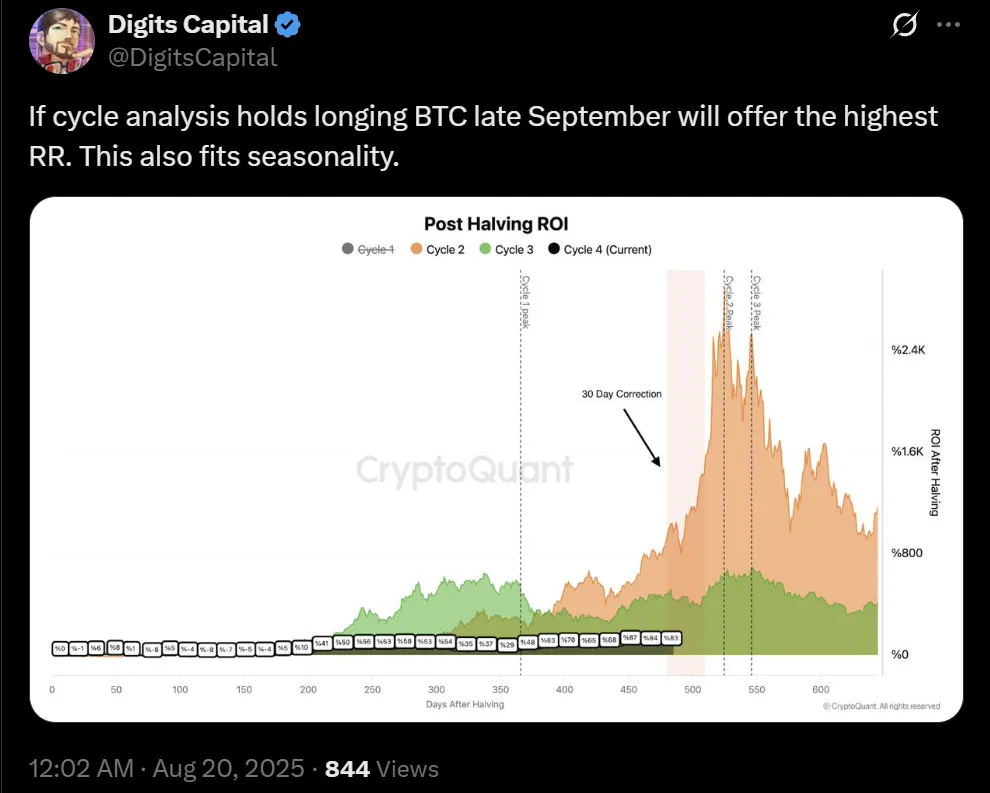
如上所述,历史上减半后最佳买入时机通常是减半后第二年的9月末(上次减半在2024年发生),因为10月通常是BTC的强势月份。
市场情绪


这正是我的计划。


根据9月末的热门叙事,我会在那时选择一些热门Token,趁着大跌加仓,迎接Q4。如果没有大的回调,我会继续持有现有仓位。然后,我计划在Q4逐步获利了结,并在年底大幅减少加密货币敞口(如果一切如预期进行)。


这就是我目前的计划。


但请记住,这是一个概率游戏,几个月后情况可能会有很大变化。作为投资者/交易者,我们的任务是根据新信息不断调整策略。


我的建议是:基于你的预期建立自己的投资逻辑。但无论你认为未来几个月会发生什么,风险管理始终是重中之重。


我多次说过:最难的不是赚到钱,而是守住你赚到的钱。

Trending Cryptos

Related Reads

Morgan Stanley Research Report Analysis: Treasury's Repurchase Scale Doubles, The Logic for a Steepening Yield Curve Remains Unchanged

Morgan Stanley report: US Treasury doubles long-term bond buyback size, steepening yield curve thesis intact. The US Treasury will double the size of its regular liquidity support buyback operations for 10-20 year and 20-30 year bonds to at least $4 billion per operation starting Sept 9. Morgan Stanley views this move, the first adjustment outside a quarterly refunding window since the program's May 2024 launch, as a more important signal than the buybacks themselves. The Treasury is signaling close attention to long-end yield dynamics, using the tool to buy time ahead of the November refunding where it could cut long-term issuance. The report argues recent long-end yield rises and curve steepening are driven not by supply/deficit concerns but by repricing of energy prices and central bank policy paths. Analysis of cash Treasury vs. swap spreads shows no clear pattern consistent with dominant supply worries. The action echoes a November 2023 "supply surprise" that briefly flattened the curve. MS maintains its recommendation to steepen the 7s30s curve, targeting a 100 bps spread vs. ~71 bps currently. It believes fundamentals—cooling inflation, weaker-than-expected labor data, and potential downward revision of the Fed's terminal rate—will ultimately drive markets, supporting further steepening. In FX, MS strategists note the move was interpreted as a mild tool to curb USD strength. A refocus on USD policy could lead to further weakness, particularly against CHF, with EUR/USD potentially rising toward 1.2150.

marsbit34m ago

Morgan Stanley Research Report Analysis: Treasury's Repurchase Scale Doubles, The Logic for a Steepening Yield Curve Remains Unchanged

marsbit34m ago

Kaito Revives 'Talk-to-Earn' Economy, But Many Are Hesitant to Install the New Plugin

Kaito AI has launched a new browser extension called Kaito Pulse, aiming to integrate users' discussions on X (formerly Twitter) with their on-chain activities and social influence to build a new "attention + behavior verification" scoring system. The plugin displays users' public trading positions from platforms like Polymarket directly on the X timeline, allowing others to assess if their statements align with their actual market behavior. This move is seen as reviving "influence-to-earn" incentives. However, the launch sparked significant privacy concerns. Critics, including an analysis by "Ultra," allege the extension collects extensive data, such as device fingerprints (via GPU, hardware info), X user behavior (browsing paths, clicks), and may access sensitive data from third-party accounts (e.g., ChatGPT, trading platforms). This raised debates about trading privacy for verified influence. In response, Kaito founder Yu Hu stated the design follows data minimization principles, aiming to generate verification proofs without collecting or storing raw user data, using technologies like zkTLS. He acknowledged some permission descriptions could be misleading and promised improvements. The controversy highlights a core dilemma for social finance (SocialFi) platforms: as fake engagement and AI content grow, more user data is needed to verify genuine influence, but this risks encroaching on user privacy and trust.

marsbit35m ago

Kaito Revives 'Talk-to-Earn' Economy, But Many Are Hesitant to Install the New Plugin

marsbit35m ago

Trading

Spot

Hot Articles

Discussions

Welcome to the HTX Community. Here, you can stay informed about the latest platform developments and gain access to professional market insights. Users' opinions on the price of ETH (ETH) are presented below.

活动图片