以太坊多空对决:鲸鱼抛售 VS 鲨鱼扫货,谁将主导战局?

ambcryptoPublished on 2025-08-20Last updated on 2025-08-20

Abstract

尽管面临市场压力,以太坊的看涨潜力依然保持稳定。

关键要点

以太坊价格上涨的同时,活跃地址数量有所下降。然而,整体市场活动表明,价格大幅下跌的可能性较小,市场目前处于中性与看涨之间。

以太坊 [ETH]在过去一周内多次尝试看涨,资产价格上涨至接近 4,891 美元的历史高点。

然而,看涨势头难以维持,因为资产继续走低,形成新低,截至发稿时的价值为 4,225 美元。

值得注意的是,AMBCrypto 的研究表明,尽管价格下跌,但 ETH 多头仍然很有可能重新控制市场并推动持续上涨。

鲸鱼撤退,但鲨鱼吞噬了 440 万 ETH

Alphractal的最新分析显示,鲸鱼在出售其持有的 ETH 时正在退出。

鲸鱼通常是该资产的最大持有者,随着他们的抛售,他们的供应份额一直在下降——这是一个明显的抛售压力信号。
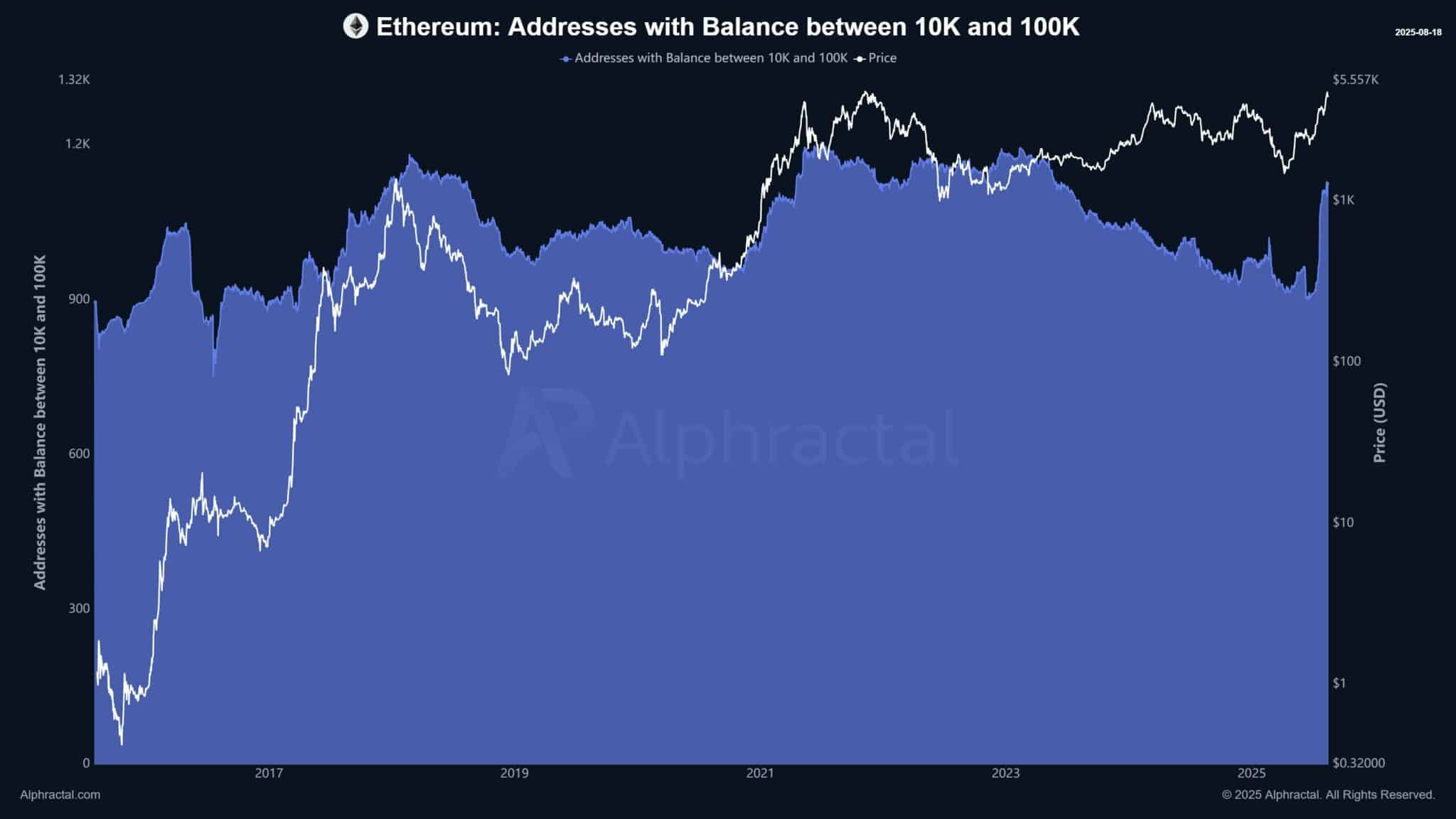
从历史上看,ETH 与比特币的相关性表明,当鲸鱼出售比特币时,另一群人——鲨鱼——会积累该资产,这通常会引发反弹。

这些“鲨鱼”持有 10,000 到 100,000 个 ETH,在这种情况下,随着“鲸鱼”退出市场,他们一直在不断积累。

从 4 月份开始的过去 5 个月里,这群投资者已经从市场上吸金 440 万 ETH。

在“鲨鱼”持续囤币的同时,AMBCrypto 也注意到了市场中另一个看涨的趋势。据CryptoQuant的数据,以太坊的总质押量一直在稳步上升。
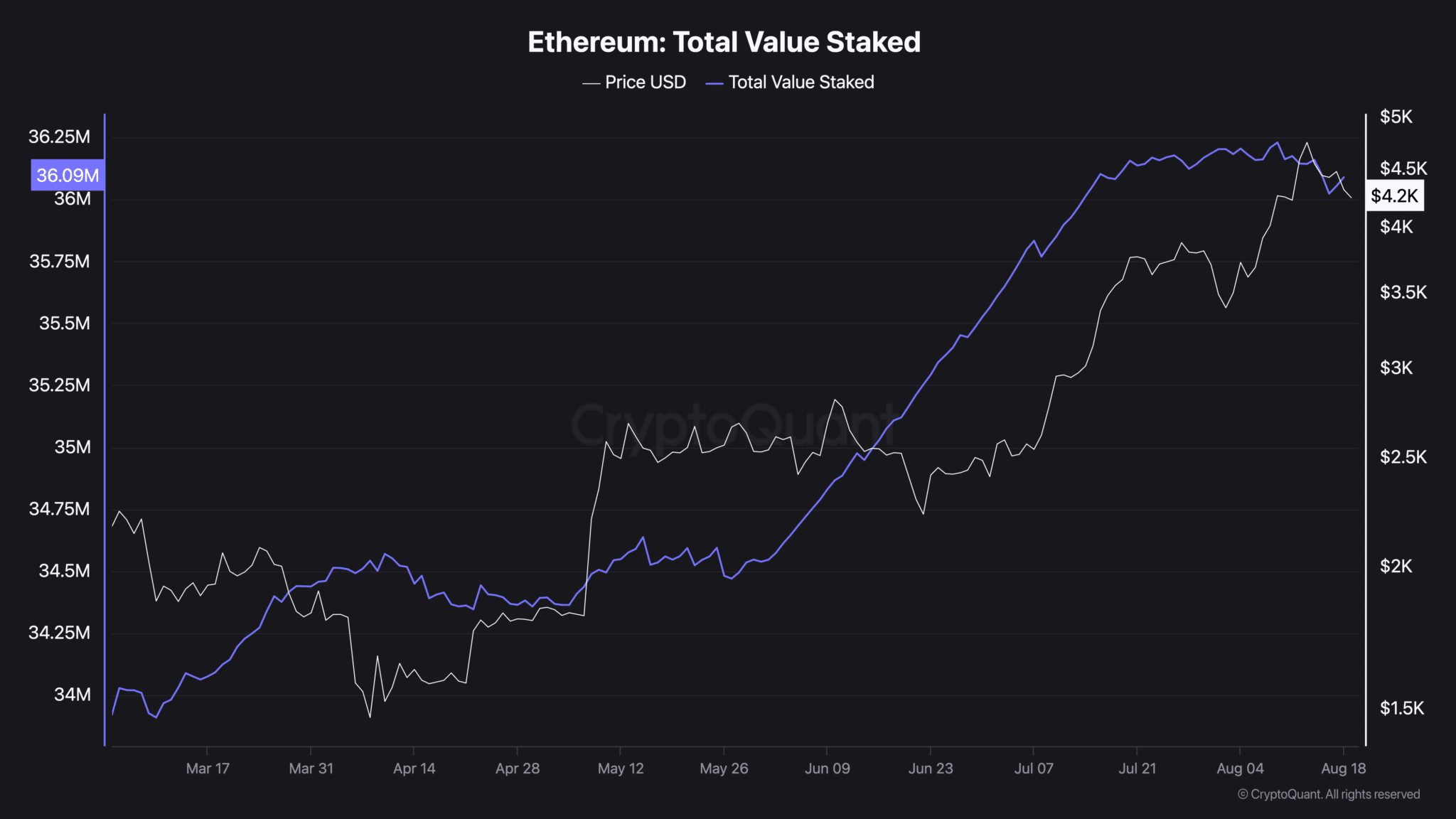
质押资产的增加表明市场情绪看涨,因为越来越多的投资者着眼于长期投资。目前,质押的 ETH 供应量已飙升至 3600 万 ETH。

交易所储备增加引发谨慎情绪

加密货币交易所的 ETH 储备量也有所增加。截至本文撰写时,交易所的 ETH 储备量已达到 1840 万。

资产流入交易所通常暗示着迫在眉睫的抛售压力,因为代币一旦通过现货交易存入交易所就更容易变现。
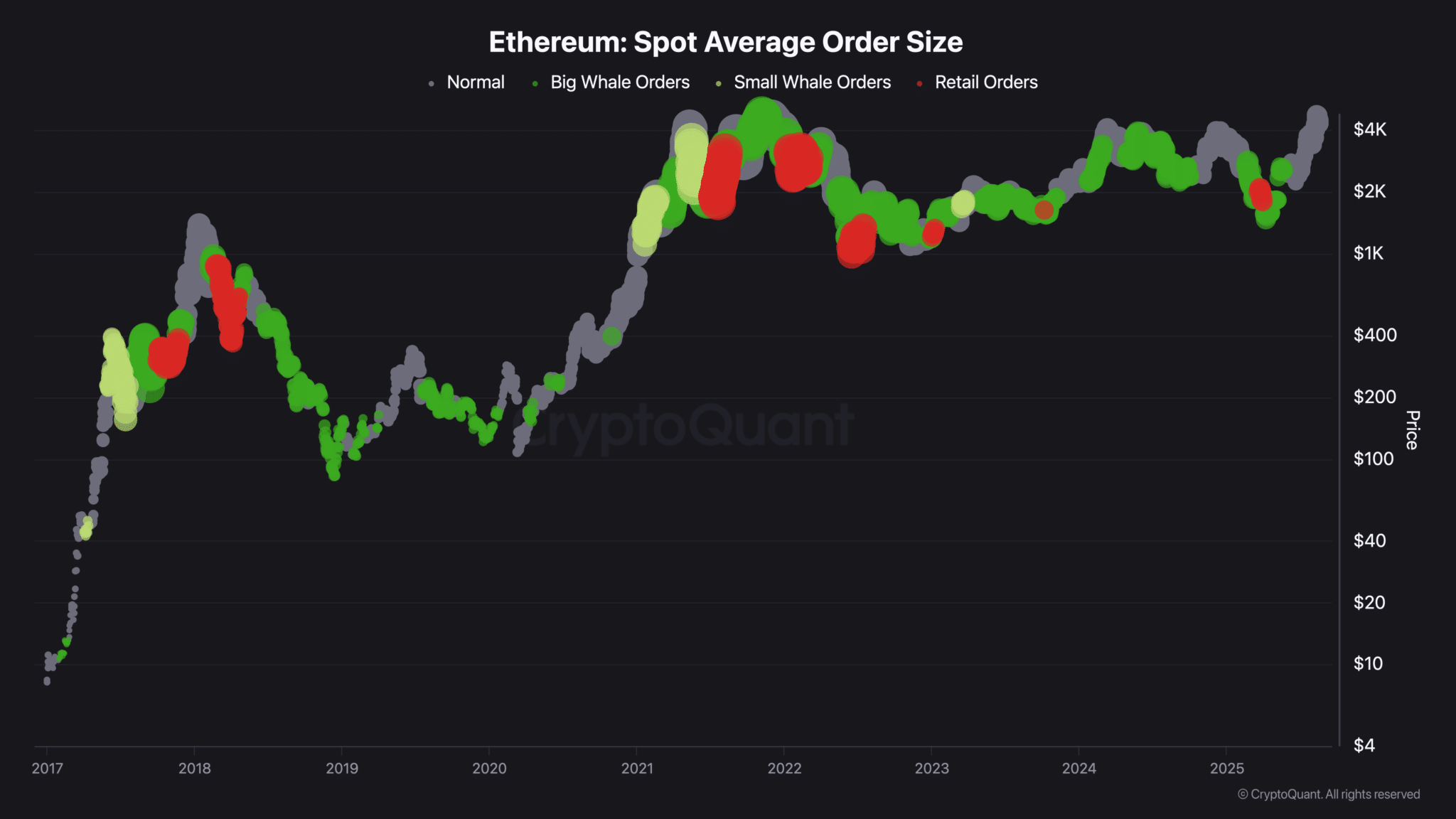
然而,对现货交易活动的分析表明,基于现货平均订单规模,订单规模保持正常,这表明目前卖出或买入都没有出现激增。

尽管如此,市场动态似乎倾向于多头,特别是随着质押活动的增加。

活跃地址激增增强了 ETH 的看涨理由

对以太坊地址(发送者和接收者)的分析显示,其数量呈稳步上升趋势。

如图所示,通过查看活跃地址变动和 ETH 价格,我们可以发现,历史上,活动的总体增长与 ETH 价格飙升呈相关性。
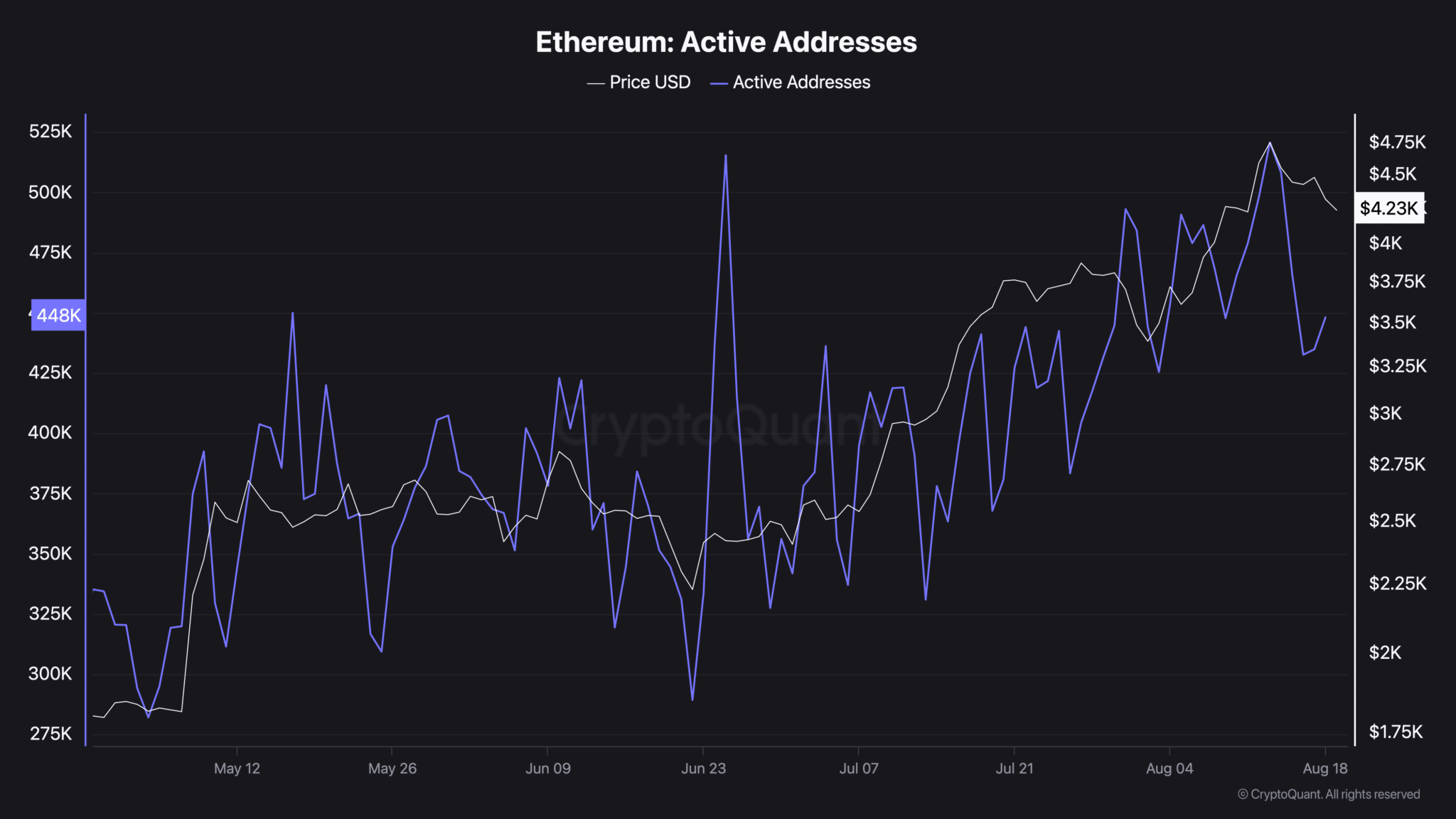
目前,地址活跃度急剧上升。如果这种上升趋势持续下去,ETH 的价格很可能也会延续同样的走势,从而支撑看涨复苏的预期。


Related Reads

From Suppliers to Shareholders: The Big Three Memory Chip Giants Jointly Invest in Anthropic, AI Supply Chain Power Structure Undergoing Reshuffle

For the first time, memory chip giants Micron, Samsung, and SK hynix have jointly invested in the same AI company, Anthropic, as part of its massive $65 billion Series H funding round. This strategic move, positioning the three rival HBM suppliers as "strategic infrastructure partners," highlights a fundamental shift in the AI industry's power dynamics. With HBM (High Bandwidth Memory) being a critically scarce resource essential for AI model training and inference, securing a stable supply has become a key competitive differentiator. By making these chipmakers shareholders, Anthropic aims to lock in this vital component for its rapid expansion, which includes securing major compute commitments from Amazon, Google, and others. For the memory trio, this investment represents a strategic bet on defining the future of AI hardware. Each company gains: SK hynix reinforces its dominant position in the NVIDIA supply chain; Samsung diversifies its client base beyond NVIDIA; and Micron leverages its geopolitical significance as the sole US-based HBM maker. Their collective move signals that competition in AI is evolving beyond model capability to encompass control over the entire compute supply chain—from chips and memory to power and networking. This vertical integration trend, where infrastructure providers become direct stakeholders in AI firms, marks the industry's maturation as AI transforms from a research project into essential global infrastructure, setting the stage for a new era of ecosystem competition.

marsbit1h ago

From Suppliers to Shareholders: The Big Three Memory Chip Giants Jointly Invest in Anthropic, AI Supply Chain Power Structure Undergoing Reshuffle

marsbit1h ago

Investment Philosophy of Gavin Baker, an Early Nvidia Investor: Long AI Infrastructure Bottlenecks, Short Overall Market Risk

Gavin Baker, an early investor in Nvidia and founder of Atreides Management, outlines his investment philosophy: going long on AI infrastructure bottlenecks while hedging against broader market risk. He argues AI is not a bubble but a supercycle driven by constraints in power, wafers (semiconductors), and compute efficiency (tokens per watt). True alpha, he believes, lies not in application-layer companies like OpenAI but in "picks and shovels" providers—companies solving physical bottlenecks in GPU connectivity (e.g., Astera Labs), memory (Micron), inference chips (Cerebras, Positron), advanced manufacturing (TSMC, ASML), and energy supply. His portfolio reflects this barbell strategy: concentrated bets on key infrastructure players alongside a significant put position on the QQQ ETF to hedge overall market downside. Baker contends this cycle differs from the dot-com bubble because demand is fueled by the strong balance sheets of hyperscalers (Google, Meta, Amazon, Microsoft), not debt, and physical supply constraints (e.g., chip manufacturing capacity) prevent runaway overinvestment. He highlights the growing importance of inference (vs. pre-training), vertical/small language models, sovereign infrastructure deployment speed, and the convergence of energy and space (e.g., orbital compute). His long-term view is that performance-per-watt and token cost reduction will dictate winners as AI scaling hits fundamental physical limits.

marsbit2h ago

Investment Philosophy of Gavin Baker, an Early Nvidia Investor: Long AI Infrastructure Bottlenecks, Short Overall Market Risk

marsbit2h ago

Trading

Spot
Futures

Hot Articles

Discussions

Welcome to the HTX Community. Here, you can stay informed about the latest platform developments and gain access to professional market insights. Users' opinions on the price of ETH (ETH) are presented below.

活动图片