大涨50%后,“华尔街神算子”再为以太坊送利好:将再砸200亿!

金十数据Published on 2025-08-13Last updated on 2025-08-13

以太坊在过去一个月里持续飙升,涨幅超过50%,截至周三亚盘,该币已经冲上4600美元上方,距离历史新高已经不远,相比之下,比特币在过去一个月仅上涨了超1%。
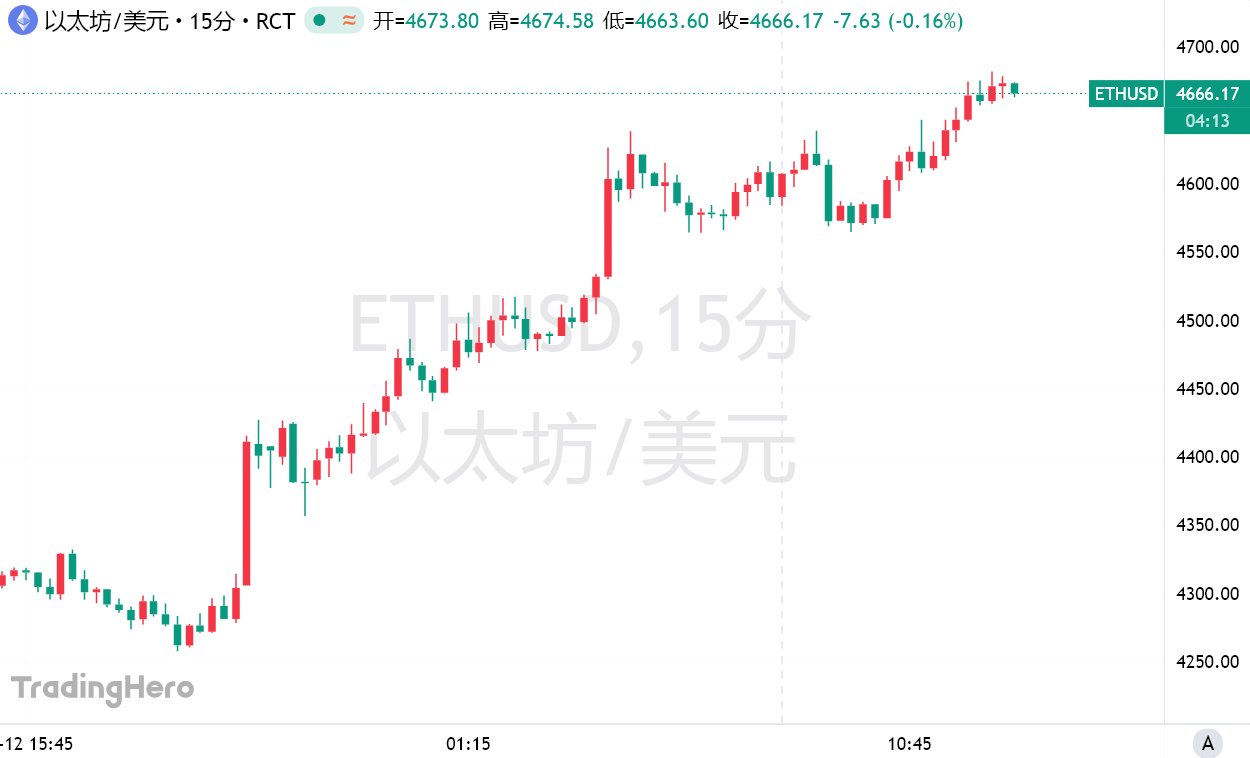
受以太坊暴涨影响,Bitmine Immersion Technologies(BMNR)的股价在周二的交易日中收盘上涨超过5%。此前,该公司宣布计划通过出售高达200亿美元的股票,来增持该加密货币。

由投资者Tom Lee领导的Bitmine公司周一宣布,其持有的以太坊价值为49.6亿美元,即略多于115万枚代币这意味着该公司拥有约占流通总量1%的以太坊

该公司的目标是收购全球流通中以太坊代币的5%。周一的消息推动Bitmine股价上涨超过14%。今年以来,该股已累计上涨超过750%。

Tom Lee在宣布公司最新一笔以太坊购买的新闻稿中表示:“无论是在提升每股加密资产净值的速度上,还是在我们股票的高交易流动性上,我们都领先于那些持有加密资产储备的同行。”

Bitmine是众多加密货币资产储备公司之一,这一策略最先由Michael Saylor的Strategy公司(MSTR)开创并广泛应用,该公司在资产负债表上持有大量比特币。

简单来说,采用这种策略的公司会发行股票,并用发行所得的资金购买加密货币,然后将这些加密货币持有在公司的资产负债表上。

与Bitmine一样,另一家主要的以太坊市场持有者——Coinbase(COIN)也有所上涨,其在以太坊上运营着最大的交易处理链之一,资产负债表上持有超过10万枚代币,价值超过5亿美元。

这种加密资产储备策略吸引了多家公司,包括常年的“网红股”GameStop(GME),该公司在3月份宣布打算在其资产负债表上持有比特币;以及另一家以太坊持有者SharpLink Gaming(SBET)。

今年6月,金融科技巨头Circle Internet Group(CRCL)非常成功的首次公开募股(IPO)为以太坊带来了一大利好,该公司提供稳定币USDC。据Coindesk称,以太坊网络作为大多数稳定币铸造的首选生态系统,也获得了广泛的认可。


Related Reads

US Government Lifts Ban on Crypto Perpetual Contracts for the First Time: What Does It Mean for the Market?

The U.S. Commodity Futures Trading Commission (CFTC) has issued guidance permitting 24/7 trading and clearing for crypto asset derivatives, effectively opening the U.S. market to crypto perpetual contracts for the first time. This move ends the previous ban and allows American individuals and institutions to trade these instruments around the clock. Direct beneficiaries include Kalshi, which received approval to list a Bitcoin perpetual contract; Coinbase, now the first CFTC-regulated futures commission merchant for U.S. clients to access global crypto derivatives; and CME, which will transition its Bitcoin futures and options to 24/7 trading. The CFTC emphasized this is a specific allowance for crypto assets, noting that traditional commodities like agriculture may not be suitable for non-stop trading. It also requires platforms to undergo case-by-case reviews for compliance and risk management. Industry leaders like Michael Saylor and Brian Armstrong praised the decision for integrating Bitcoin into capital markets and granting U.S. users access to a major global market segment. However, consumer advocacy group Better Markets criticized the CFTC for allegedly neglecting investor protection and favoring the industry it regulates. Other platforms like Kraken have announced plans to launch regulated perpetual futures for the U.S. market. The policy shift is expected to redirect significant liquidity and institutional participation to the newly accessible U.S. crypto derivatives landscape.

Odaily星球日报8h ago

US Government Lifts Ban on Crypto Perpetual Contracts for the First Time: What Does It Mean for the Market?

Odaily星球日报8h ago

How the CLARITY Act Reshapes the Stablecoin Yield Economy

The CLARITY Act, recently advanced by the U.S. Senate Banking Committee, fundamentally reshapes the stablecoin yield economy by closing loopholes left by the earlier GENIUS Act. Its Section 404 expands the ban on "hold-to-earn" rewards to all Digital Asset Service Providers (DASPs) and their affiliates, prohibiting any passive, interest-like yield. Crucially, it introduces a legal distinction, permitting "use-to-earn" rewards based on actual activities like spending, trading, or staking. In anticipation of this regulatory shift, major Wall Street asset managers—Morgan Stanley, BlackRock, and JPMorgan—have launched a series of tokenized money market funds (e.g., BlackRock's BRSRV, JPMorgan's JLTXX) designed explicitly for stablecoin reserve assets. These products represent a new, compliant yield layer: the stablecoin issuer earns interest from the underlying tokenized fund, which can then be passed to users through redesigned activity-based rewards. This marks a paradigm shift from a "hold-to-earn" to a "use-to-earn" market. While pathways remain for exchanges to redesign rewards (Path A) and for DeFi protocols to offer yield (Path B), the tokenized reserve asset layer (Path C) emerges as the most robust and strategically positioned infrastructure. However, this concentration—exemplified by BlackRock's BUIDL fund backing over 90% of USDtb's reserves—introduces new systemic risks. The final outcome hinges on regulatory decisions, particularly the OCC's proposed 20% cap on tokenized assets in reserves, which will determine the scalability of this new financial infrastructure layer.

marsbit10h ago

How the CLARITY Act Reshapes the Stablecoin Yield Economy

marsbit10h ago

Trading

Spot
Futures

Hot Articles

Discussions

Welcome to the HTX Community. Here, you can stay informed about the latest platform developments and gain access to professional market insights. Users' opinions on the price of ETH (ETH) are presented below.

活动图片