许倬云:比特币的出现,像是魔法师设下的赌局

深潮Published on 2025-08-04Last updated on 2025-08-05

魔法师在玩弄他的魔杖。

撰文:许倬云

本文发布于 2020 年 4 月

在美国已经非常普遍的信用卡制度。信用卡的流行,也影响到货币流通量;由于货币流通的迅速,即使发行量还是稳定,因为流动的速度增快,也就等于将货币的提供量相对地提高了若干倍。

世界上第一张信用卡,是由弗兰克·麦克纳马拉发明

在我记忆之中,二战以前,信用卡并不普遍,只有与银行有很深关系的个人,或者公司行号,才能以信用状,在外面付款,然后由银行支付。

那时候,最著名的卡片,大概只有三种,一种是富商大贾,在豪华的旅馆、餐饮等等,请客时用,称为「食客俱乐部(Diners Club)」。另外一种,更为炫耀的是「空白信用卡(Card Blanc )」,意指这种卡片持有人,可以填写任何数字的支出,让对方向银行收款。

第三种则是美国流行的「美国通运卡(American Express)」,这种卡片,是持卡人与美国的电报公司取得协议,旅行者在外,可以随时用这卡片支付款项,而由当地的电报公司垫付,月底才结帐。
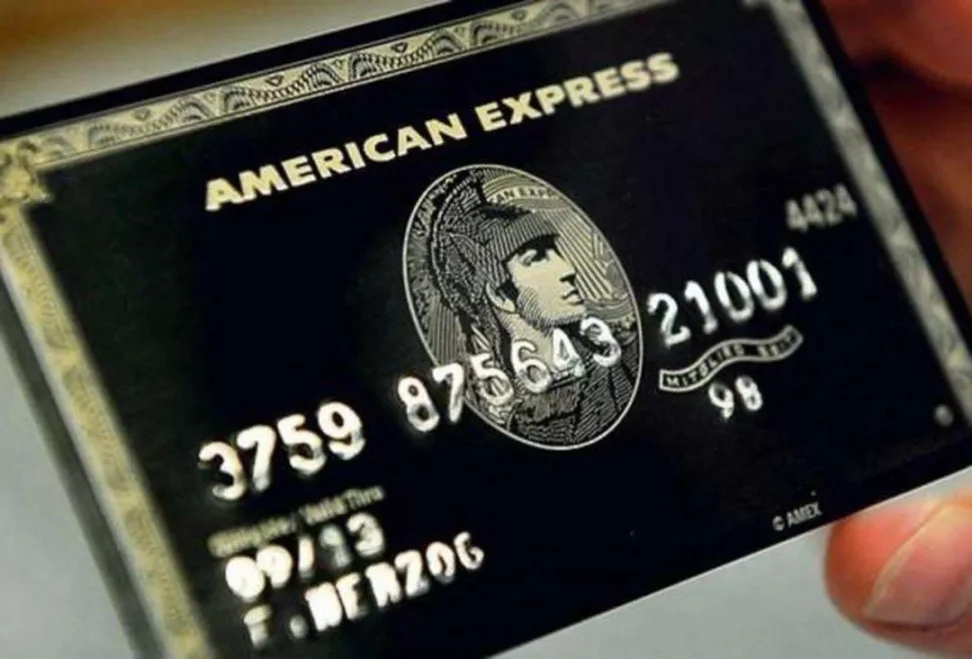
American Express

这些卡片都是具有特权者,或是身分特殊的人才能使用。他们的会员费,也相当昂贵。因为数量不多,而且每一个持卡人,都在银行有相当的存款,银行不怕他们不认帐。于是,这些卡片的运行,也不会影响到整个货币流通量。

二战以后,美国的经济繁荣,尤其因为五零年代,美国的公路系统四通八达,航空业也迅速发展,使得旅行者愿意持有卡片,方便他们在旅途使用。于是,除了上述几种有限的卡片以外,各个银行纷纷发行信用卡,有些百货公司,甚至于油公司,也都发行类似的卡片。

卡片流行到一个地步,大的单位,例如学校,也可以发行信用卡,和银行合作,承认该校某个同仁可以携带卡片,在购物时挂帐。

身着制服的哈佛大学学生

信用卡的泛滥,造成了一个危机:有些人用了很大的数字,也不实时还帐,一跑了之,由于卡片发行非常容易,许多发行者应该核对申请人的信用,却没有做到,又引发另外一重弊病。

一位持卡人,虽然明知卡片的过期偿付,必须支出十九到二十多百分比的利息。这位持卡人,也许就申请别的卡片,偿付上一张卡片的债务。

八零年代左右,常看的现象:一个人的皮夹中,可以掏出十几、二十几张卡片,「以卡养卡」。到了最后,巨量欠债,持卡人一走了之,或者申请破产,也就前债全消。

以卡养卡,往往使得个人信用破产

为了抵制这种弊病,现在的信用卡制度,一分为二,一种是传统的信用卡,另一种则是预支卡。后者的预支款项,在银行中的户头上,直接扣除;刷卡时,机器立刻反映这个户头是否有足够的存款待领?经过如此安排,卡片刷爆的情形,已经比较少见。

可是,大量的卡片在市面上流传,从持卡人的刷卡,到持卡人的付账之间,通常一个月的时限。这一段时期的空白,众多卡片的使用量来计算,也就等于是有数倍于货币流通量的信用,在外流传。

这种通货膨胀,其实并不容易管制;其对于市面的影响,表面上看来,可以促进繁荣;但实际上,却是掩藏了无拘束通货膨胀的严重性。以上关于信用卡的问题,也是反映着今天的货币,已经脱开了真正当年由政府保障的安全性。
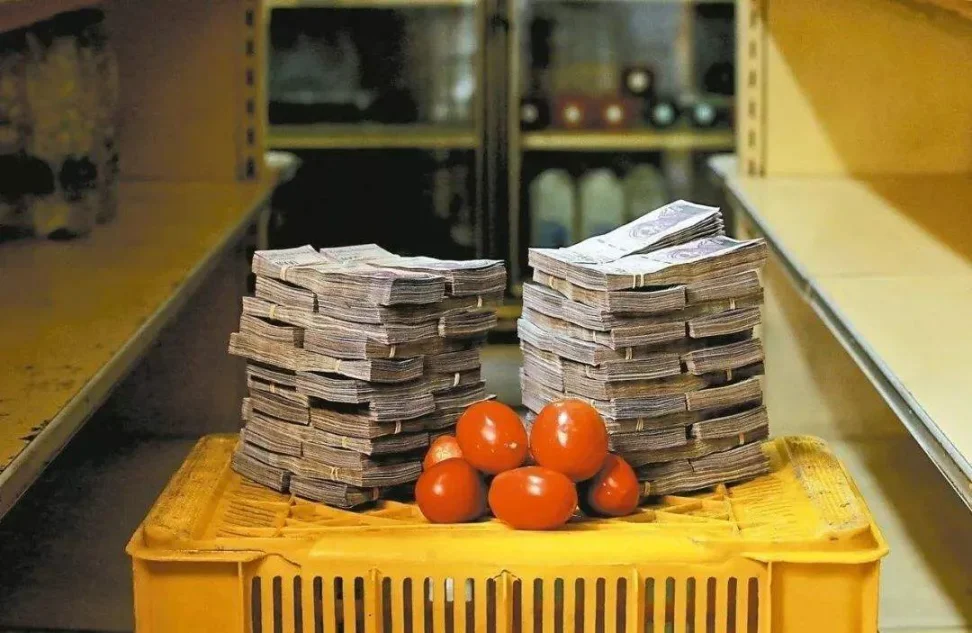
大量信用卡流通,可能导致通货膨胀

货币本身,以信用的方式,在市面上膨胀若干倍,而无人能约束。一个国家的经济,或是一个市场的经济,几乎就立足在空虚的泡沫之上。这些泡沫,会刺激货币的生产量,造成生产过度,而无以偿付的窘态。如果不加管制,太大的泡沫破裂,经济也就崩溃了。

最近又出现了一个现象,更是由虚拟的符号,代替实质的货币。2017 年 11 月 19 日,芝加哥 Merchandise Market 宣布,将「比特币(Bit Coin)」正式纳入交换货品。

所谓比特币,乃是计算各国货币比价的计算机程序之中,特别设计的一个虚拟单位。这一单位量的价值非常微小,所以称为 bit,经过这个程序,可以将世界各国货币换算之际,随时取得一个比价的标准。这一运算标准,是虚拟的单位,并不是任何国家货币,也并不能用来支付任何债务,现在居然成为可以买卖的「货品」。
世间本没有比特币,居然可以成为投资对象

在市场上,比特币的价格随时增高、降落,非常敏感。有人就在空头之间,投机取巧,上一时买进多少比得币,下一时卖出多少比得币。到了这个地步,交换的货品就不是真实具有独立价值的产物,也不代表后面有支撑这个货品的信用。

世间并没有比特币的存在,如此一个虚拟的单位,空洞无物,居然可以当做交换投资的对象。现代的经济走到这个地步,确实已经离开了生产、消费之间的关系,市场成为一个赌局,经济成为博弈。

这就不是我们理解的资本主义,而是货币堆积起来的假象。然而,因为有利可图,就有人在其中兴风作浪。人类制造的假象,居然可以影响到本来应该自行趋衡的经济。我们只能说,魔法师在玩弄他的魔杖。
魔法师在玩弄他的魔杖

美国的经济发展,是由开拓荒地、增加农场品,货品的购买力,然后设立工厂,生产基本原材料,例如,钢铁,以及机械,最后生产日常的消费品。这种的资本主义生产方式,是以货币支付设备和劳动的费用,也许还要加上运输,还有土地的取得。

在这个生产成本上,单位产品的价码,加上原始资本在这一段时期,应当获得的利息,成为消费品的价格。投资者取得利润,也就以利息代表的赢利。

各个阶段的工作者,包括生产线上的工人,到最后一个阶段,替顾客包扎货物的店员:这一条在线,许多劳工领取薪资——这是正规资本主义,生产体系和交换体系构成经济制度。

美国肉禽生产线上的工人

今日,经过了一百多年的演变,高度工业化,以及由于科技研究成果,得以不断更新的生产模式;如此制度优越的现代工业文明,居然陷入一个虚假泡沫的信用经济!

信用经济不断地以膨胀维持繁荣;以刺激欲望,增加消费量,而且惟恐其流转的速度不够迅速。上述的种种行为,维持了这个泡沫,不断扩大。无论经济理论如何玄妙的解释,以常识而论,这种制度体质并不扎实。

特朗普的「美国第一」,宁非梦想?

经济全球化的时代,别处的经济体质正在成长中日趋充实,而美国却是日趋空洞。美国的经济霸权,如何能持久不塌?特朗普不明白这一现象,却号称恢复「美国第一」,宁非梦想?

Related Reads

STRC Breaks Below $95: Why Does It Continue to Depeg? Is There Default Risk?

"STRC Falls Below $95: Why the Persistent Depegging and Is There Default Risk?" The article discusses the recent decline in the price of STRC, a perpetual preferred stock issued by Strategy (MSTR) designed to trade around a $100 par value. As of publication, STRC traded at $94.65, raising market concerns. STRC is described as a high-yield cash flow product, offering an 11.50% annual dividend paid monthly. Its "preferred" status grants it priority over common stock for dividends and in liquidation. Key reasons cited for the price depegging include: 1. **Bitcoin's Price Drop:** MSTR's assets are heavily tied to Bitcoin (BTC), which fell over 21% from its recent high, pressuring all Strategy-related products. 2. **Competitive Pressure:** Rival Strive Asset Management's similar product, SATA, offers daily dividends and has maintained its $100 par value with a ~13% yield. In response, Strategy has proposed changing STRC's dividend frequency from monthly to bi-weekly, pending shareholder vote. 3. **Technical Selling:** A break below $100 may have triggered algorithmic selling and stop-losses, exacerbating the decline. Regarding default risk, the analysis suggests it is currently low. Strategy founder Michael Saylor confirmed the June 2026 dividend rate remains at 11.50% with no cuts or suspensions. The company's massive reserve of 843,706 BTC provides a significant backstop for its obligations. Industry opinions are mixed. Some analysts view the BTC holdings as reliable support for dividends, while critics like Peter Schiff warn of potential dividend cuts leading to price crashes and lawsuits. Others highlight inflation risk and the company's ability to reduce dividends without a formal default. In summary, STRC's drop is attributed to BTC volatility, competition, and technical factors. While immediate default risk appears contained, the product faces challenges from market conditions and competitive dynamics.

marsbit1h ago

STRC Breaks Below $95: Why Does It Continue to Depeg? Is There Default Risk?

marsbit1h ago

AI Trading Cools, South Korean Stocks Plunge 1.8%, Spot Gold Rises 1%, Bitcoin Dives

A sell-off in AI-related stocks, triggered by Broadcom's disappointing earnings forecast, sent shockwaves through global markets. South Korea's KOSPI led Asia's decline, plunging 1.8% as the risks from concentrated chip stock gains and surging leveraged investments came to the fore. The tech-heavy Nasdaq 100 futures fell 0.5% following Broadcom's 14% after-hours plunge, which signaled a slower-than-expected transition to AI clients. This pullback extended Wall Street's weakness, halting the S&P 500's nine-day rally amid hawkish Fed signals and renewed Middle East tensions. South Korean authorities convened an emergency meeting, pledging "immediate measures" against market volatility and warning of record-high stock margin debt. The adjustment rippled across assets: Bitcoin fell to around $64,000, its lowest since February, while safe-haven gold rose 1% on bargain hunting. Oil prices dipped on Middle East ceasefire news. Market analysts noted the sell-off was driven by profit-taking after massive gains, particularly in chip stocks like Samsung and SK Hynix, which now dominate the KOSPI. Wall Street banks are divided on Korea's outlook, with Goldman Sachs raising its target while Citigroup and others warn of overvaluation and a potential bubble. Bridgewater's Ray Dalio noted that great technological shifts often create bubbles. Meanwhile, Fed officials' hints at potential future rate hikes added to the cautious mood ahead of key U.S. jobs data.

华尔街日报1h ago

AI Trading Cools, South Korean Stocks Plunge 1.8%, Spot Gold Rises 1%, Bitcoin Dives

华尔街日报1h ago

Trading

Spot
Futures

Hot Articles

What is $BITCOIN

DIGITAL GOLD ($BITCOIN): A Comprehensive Analysis Introduction to DIGITAL GOLD ($BITCOIN) DIGITAL GOLD ($BITCOIN) is a blockchain-based project operating on the Solana network, which aims to combine the characteristics of traditional precious metals with the innovation of decentralized technologies. While it shares a name with Bitcoin, often referred to as “digital gold” due to its perception as a store of value, DIGITAL GOLD is a separate token designed to create a unique ecosystem within the Web3 landscape. Its goal is to position itself as a viable alternative digital asset, although specifics regarding its applications and functionalities are still developing. What is DIGITAL GOLD ($BITCOIN)? DIGITAL GOLD ($BITCOIN) is a cryptocurrency token explicitly designed for use on the Solana blockchain. In contrast to Bitcoin, which provides a widely recognized value storage role, this token appears to focus on broader applications and characteristics. Notable aspects include: Blockchain Infrastructure: The token is built on the Solana blockchain, known for its capacity to handle high-speed and low-cost transactions. Supply Dynamics: DIGITAL GOLD has a maximum supply capped at 100 quadrillion tokens (100P $BITCOIN), although details regarding its circulating supply are currently undisclosed. Utility: While precise functionalities are not explicitly outlined, there are indications that the token could be utilized for various applications, potentially involving decentralized applications (dApps) or asset tokenization strategies. Who is the Creator of DIGITAL GOLD ($BITCOIN)? At present, the identity of the creators and development team behind DIGITAL GOLD ($BITCOIN) remains unknown. This situation is typical among many innovative projects within the blockchain space, particularly those aligning with decentralized finance and meme coin phenomena. While such anonymity may foster a community-driven culture, it intensifies concerns about governance and accountability. Who are the Investors of DIGITAL GOLD ($BITCOIN)? The available information indicates that DIGITAL GOLD ($BITCOIN) does not have any known institutional backers or prominent venture capital investments. The project seems to operate on a peer-to-peer model focused on community support and adoption rather than traditional funding routes. Its activity and liquidity are primarily situated on decentralized exchanges (DEXs), such as PumpSwap, rather than established centralized trading platforms, further highlighting its grassroots approach. How DIGITAL GOLD ($BITCOIN) Works The operational mechanics of DIGITAL GOLD ($BITCOIN) can be elaborated on based on its blockchain design and network attributes: Consensus Mechanism: By leveraging Solana’s unique proof-of-history (PoH) combined with a proof-of-stake (PoS) model, the project ensures efficient transaction validation contributing to the network's high performance. Tokenomics: While specific deflationary mechanisms have not been extensively detailed, the vast maximum token supply implies that it may cater to microtransactions or niche use cases that are still to be defined. Interoperability: There exists the potential for integration with Solana’s broader ecosystem, including various decentralized finance (DeFi) platforms. However, the details regarding specific integrations remain unspecified. Timeline of Key Events Here is a timeline that highlights significant milestones concerning DIGITAL GOLD ($BITCOIN): 2023: The initial deployment of the token occurs on the Solana blockchain, marked by its contract address. 2024: DIGITAL GOLD gains visibility as it becomes available for trading on decentralized exchanges like PumpSwap, allowing users to trade it against SOL. 2025: The project witnesses sporadic trading activity and potential interest in community-led engagements, although no noteworthy partnerships or technical advancements have been documented as of yet. Critical Analysis Strengths Scalability: The underlying Solana infrastructure supports high transaction volumes, which could enhance the utility of $BITCOIN in various transaction scenarios. Accessibility: The potential low trading price per token could attract retail investors, facilitating wider participation due to fractional ownership opportunities. Risks Lack of Transparency: The absence of publicly known backers, developers, or an audit process may yield skepticism regarding the project's sustainability and trustworthiness. Market Volatility: The trading activity is heavily reliant on speculative behavior, which can result in significant price volatility and uncertainty for investors. Conclusion DIGITAL GOLD ($BITCOIN) emerges as an intriguing yet ambiguous project within the rapidly evolving Solana ecosystem. While it attempts to leverage the “digital gold” narrative, its departure from Bitcoin's established role as a store of value underscores the need for a clearer differentiation of its intended utility and governance structure. Future acceptance and adoption will likely depend on addressing the current opacity and defining its operational and economic strategies more explicitly. Note: This report encompasses synthesised information available as of October 2023, and developments may have transpired beyond the research period.

363 Total ViewsPublished 2025.05.13Updated 2025.05.13

What is $BITCOIN

Discussions

Welcome to the HTX Community. Here, you can stay informed about the latest platform developments and gain access to professional market insights. Users' opinions on the price of BTC (BTC) are presented below.

活动图片