Solana暴跌背后:恐慌只是表面,真正的大戏还没开始

ambcryptoPublished on 2025-08-04Last updated on 2025-08-04

Abstract

链上数据显示,即使 SOL 的价格下跌,也会出现一波长期积累的浪潮。

关键要点

尽管近期 Solana 价格下跌,但长期持有者仍在加倍押注。数据显示,SOL 可能已接近局部底部。

Solana [SOL] 的走势可能正在下滑,但长期持有者显然并未察觉。他们没有恐慌性抛售,而是满怀信心地持续增持。

随着最近大多数卖家锁定损失,最糟糕的情况可能已经过去。

随着价格下跌,长期持有者增持

Solana 近期的价格下跌并没有吓到它的长期持有者。

相反,Glassnode 数据显示,自 7 月 30 日以来,Hodler 净头寸变化激增 102%,这表明经验丰富的投资者充满信心。
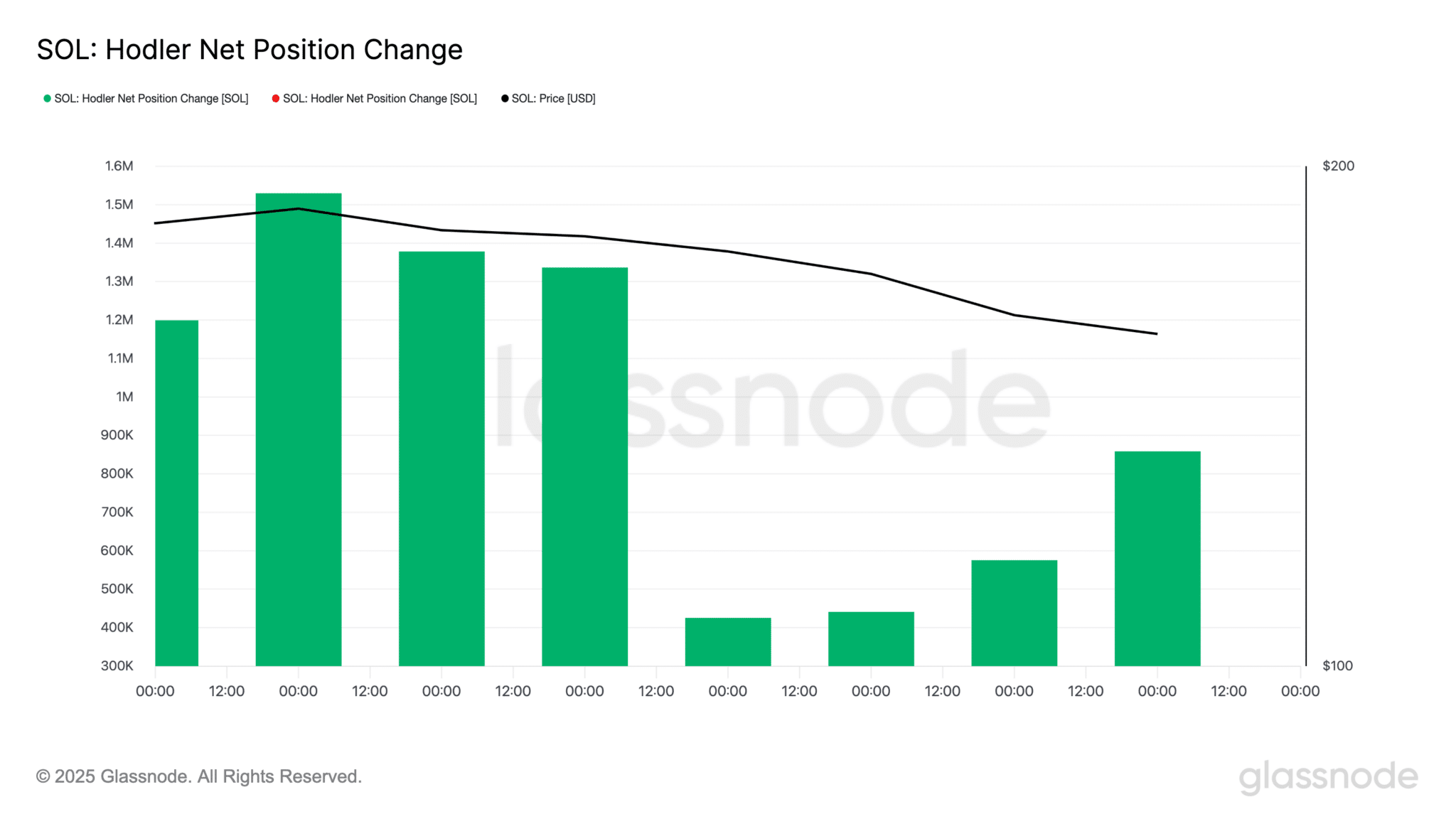
该指标反映长期参与者30天的持股净变化。

自然,这种飙升往往预示着增持。尽管价格下跌,但越来越多的加密货币正在进入冷钱包,这暗示着战略性持仓,而非恐慌性抛售。

投降区在望

SOL 的已实现盈亏比在 8 月 2 日暴跌至 0.15,为 30 天以来的最低水平。
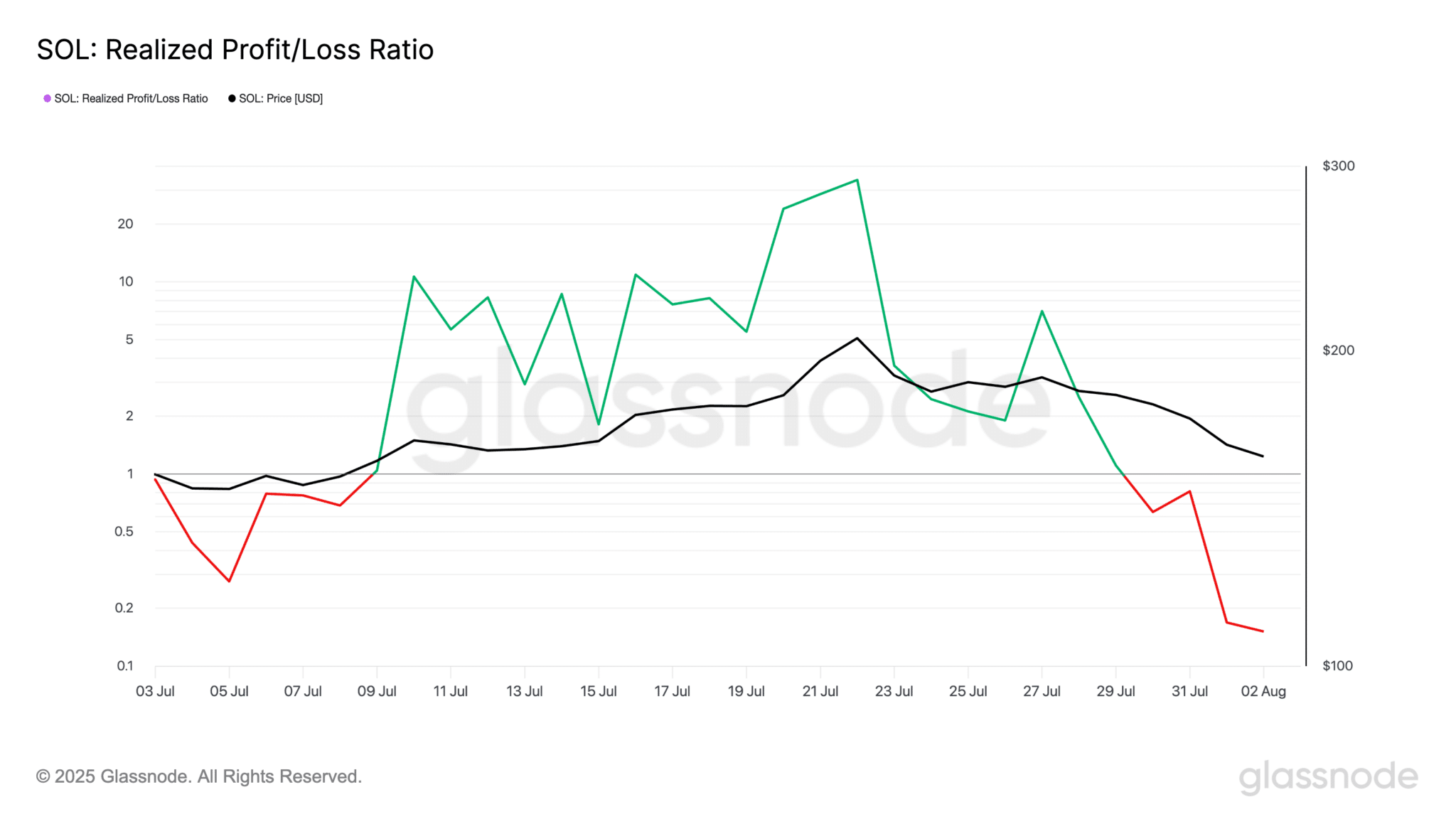
该数据显示,最近大多数卖家都亏损出局。从历史上看,这种投降式的抛售通常发生在周期底部附近。

随着愿意低价出售股票的持有者减少,下行压力可能会减轻。

如果过去的模式成立,这可能标志着下跌的最后阶段,为 SOL 的稳定和最终在减少抛售的推动下反弹奠定基础。

势头放缓,但买家正在关注

在经历了一连串惨淡的下跌之后,SOL 终于显示出复苏的迹象。

尽管该资产在165美元下方挣扎,但最新的日线图暗示可能出现停顿。RSI为41.65,接近超卖区域,因此下行能量可能即将耗尽。
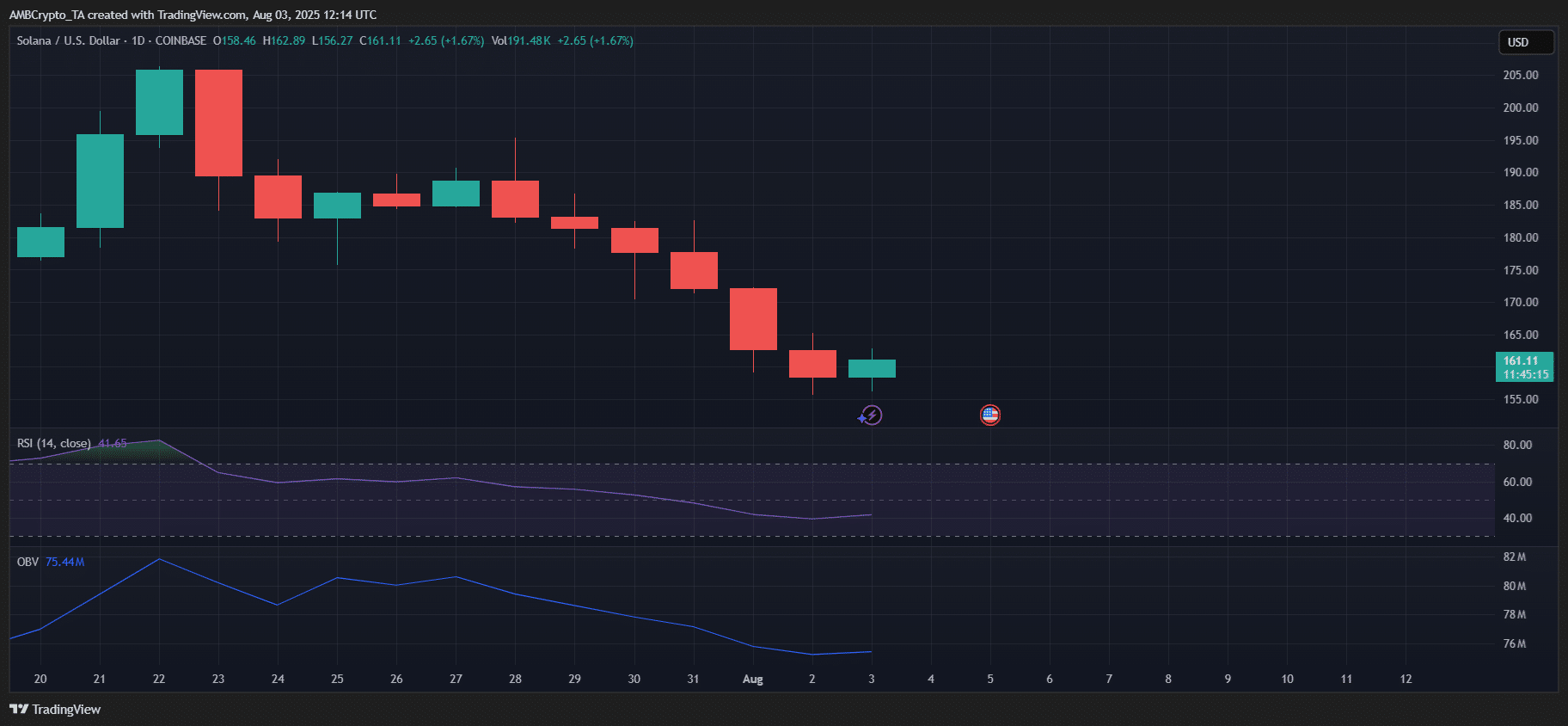
与此同时,OBV 在稳步下降之后趋于平稳,因此销售量正在失去动力。

虽然现在说逆转还为时过早,但图表显示卖家已经疲倦,情绪的转变可能很快就会为反弹打开大门。

Trending Cryptos

Related Reads

Treasury Secretary's Move to Suppress Treasury Yields Ignites 'Currency Debasement Trade'! Gold Hits Three-Month High, Bitcoin Surges Over 25% in a Single Week

US Treasury Secretary Besant's efforts to lower long-term Treasury yields by announcing expanded buybacks had only a brief market impact. However, this move fueled a "currency devaluation trade," weakening the US dollar while boosting both gold (to a three-month high) and Bitcoin (up over 25% for the week). Analysts attribute this reaction to deepening market concerns over the massive US fiscal deficit and structural pressures keeping long-term rates elevated, including fierce competition for capital from global government borrowing and massive AI sector financing. Despite the Treasury's actions, fundamental forces like growth, inflation, and capital demand are seen as limiting its ability to sustainably suppress yields. Bitcoin's strong positive correlation with gold has reinforced its narrative as a hedge against devaluation. While equity markets have shown resilience, some strategists warn that Treasury yields nearing 5% increase pressure on the dollar and high-leverage assets. Figures like Ray Dalio have advised reducing bond exposure in favor of gold and some Bitcoin, citing US debt risks. Market opinions are divided on the sustainability of the devaluation trade, with some noting the lack of a near-term catalyst for its next leg higher. The underlying tension between the Treasury's desire for lower borrowing costs and the Federal Reserve's focus on inflation and reducing market intervention remains a key theme. Upcoming events like Nvidia's earnings and the Jackson Hole symposium will test whether AI profits can continue supporting stocks and if the Fed aligns more with Washington's preference for easier financial conditions.

华尔街日报51m ago

Treasury Secretary's Move to Suppress Treasury Yields Ignites 'Currency Debasement Trade'! Gold Hits Three-Month High, Bitcoin Surges Over 25% in a Single Week

华尔街日报51m ago

Alexander Shokhin: Business Needs an Interest Rate Below 10% and the Dollar at 90-95 Rubles

Alexander Shokhin, head of the Russian Union of Industrialists and Entrepreneurs (RSPP), has advocated for potentially using "non-market" tools to keep the ruble within a target exchange rate corridor. This, he argues on August 21, would help avoid excessive volatility, though he called the topic a separate discussion. Shokhin had previously raised the idea of a currency corridor in late May, noting the ruble's current exchange rate is not fully market-driven due to a limited currency segment and reduced foreign currency demand. He stated that many business community colleagues propose fixing a corridor, even through non-market methods, to ensure predictability. The business community's key targets, as outlined by Shokhin in late December 2025, are a Central Bank key rate of 12%, inflation of 4–5%, and a US dollar exchange rate of 90–95 rubles by the end of 2026. A turning point for investment, he said, would be lowering the rate to 12% with 6% inflation, though truly comfortable business conditions would require a rate below 10%. He stressed the critical importance of currency predictability for corporate investment decisions. From a data analysis perspective, the idea of a ruble corridor is not new. A similar mechanism was used in Russia from 1995 to 1998, where the central bank held the dollar within fixed boundaries through regular interventions. This regime lasted three years before ending abruptly during the 1998 default, illustrating the fragility of rigid targets under external shocks. The macro-economic link is clear: stricter corridors require more reserves to defend against currency pressure. The key unresolved technical aspect is the specific sources and volume of such interventions given the current market's limited liquidity. Whether this discussion remains theoretical or leads to concrete corridor parameters will be seen in the coming months.

cryptonews.ru2h ago

Alexander Shokhin: Business Needs an Interest Rate Below 10% and the Dollar at 90-95 Rubles

cryptonews.ru2h ago

Trading

Spot

Hot Articles

Discussions

Welcome to the HTX Community. Here, you can stay informed about the latest platform developments and gain access to professional market insights. Users' opinions on the price of SOL (SOL) are presented below.

活动图片