Hyperliquid与Phantom的双赢局:一家喜提新高,一家坐地躺赚

Odaily星球日报Published on 2025-07-14Last updated on 2025-07-14

Abstract

上线合约功能仅仅5天,Phantom已通过“返佣”吃了10万美元。

原创 | Odaily星球日报(@OdailyChina

作者|Azuma(@azuma_eth

Hyperliquid与Phantom的双赢局:一家喜提新高,一家坐地躺赚

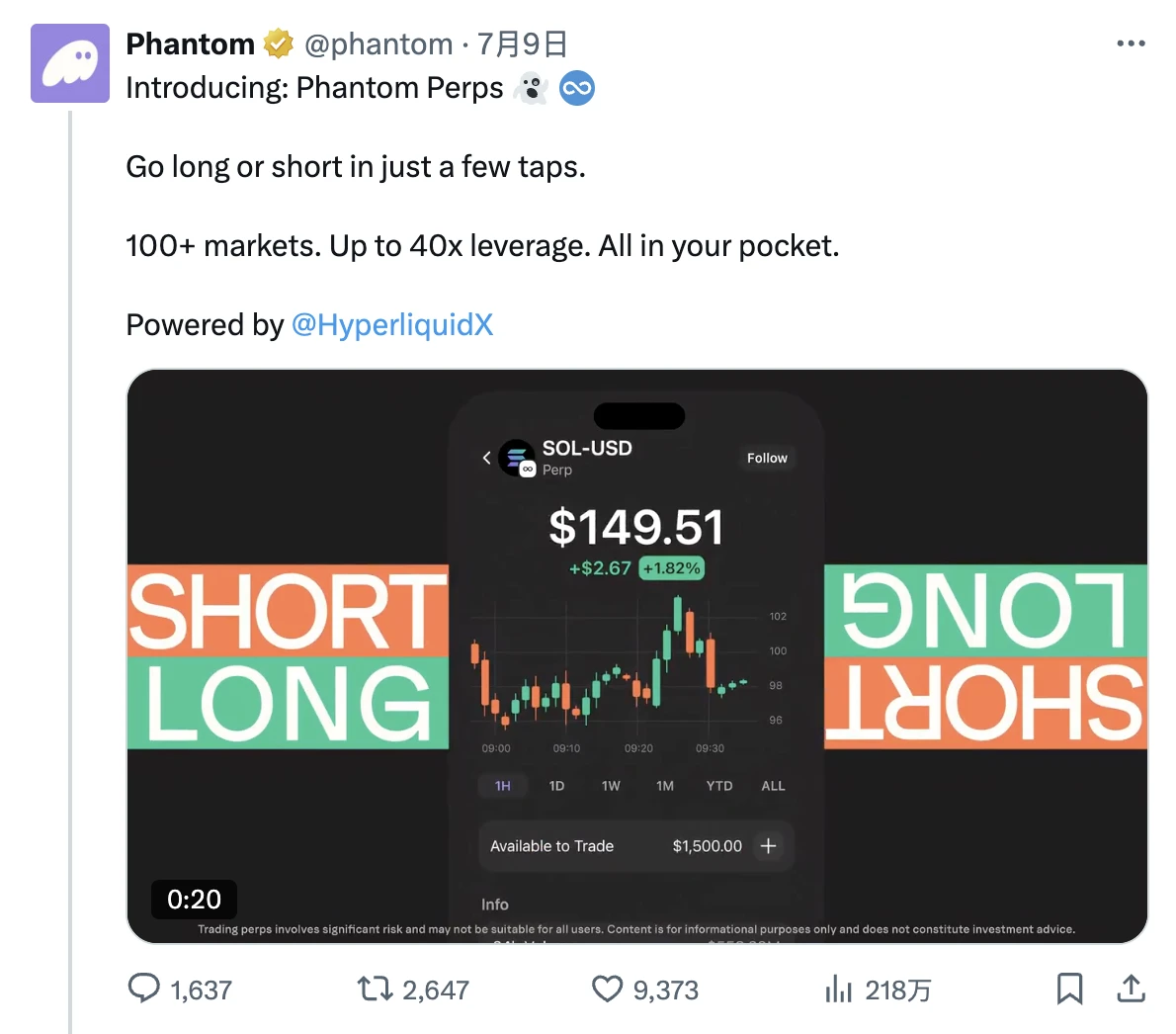
7 月 9 日,Solana 生态主流钱包应用 Phantom 宣布与去中心化交易所 Hyperliquid 达成合作,将借助 Hyperliquid 的后端支持,允许  Phantom 用户直接在钱包内进行永续合约交易,以最高 40 倍的杠杆对 Hyperliquid 所支持的 100 多个代币进行做多或做空。
Hyperliquid与Phantom的双赢局:一家喜提新高,一家坐地躺赚

距离合作达成虽然仅过去了 5 天,但几乎可以确定的是,这项合作无论对 Phantom 还是 Hyperliquid 而言都是一场胜利。

Hyperliquid:触达 Solana 生态,币价突破新高

首先从 Hyperliquid 一端来看,作为当下势头最为强劲的去中心化合约交易所,Hyperliquid 此前的主要阵地是在 EVM 生态,虽然也有一些零星的 Solana DeFi 项目(比如 Ranger)在尝试连接双方服务,但对 Solana 用户的整体触达率并不理想。而随着合作的完成,Hyperliquid 将借路 Phantom 这个 Solana 生态最主流的钱包应用,以最直接、高效的方式触达 Solana 生态用户。

根据 Phantom 今年一月曾披露的官方数据,该钱包当前拥有 1500 万个月活地址,这意味着即便只有 1% 的地址被转化,也将为 Hyperliquid 代来 15 万新增用户 —— 以 Hyperliquid 当前约 54 万名的总用户数量进行计划,这意味着接近三成的用户增量。

Hyperliquid与Phantom的双赢局:一家喜提新高,一家坐地躺赚

此外,Phantom 还披露 2024 年其钱包内置的兑换服务共促成了 8.5 亿笔交易,交易量高达 200 亿美元当前,主流中心化交易所内现货交易量占合约交易量的比值约为 15% - 30% —— 即便是取 30% 的较保守数据进行评估,这也对应着约 666 亿美元的预期合约交易量。

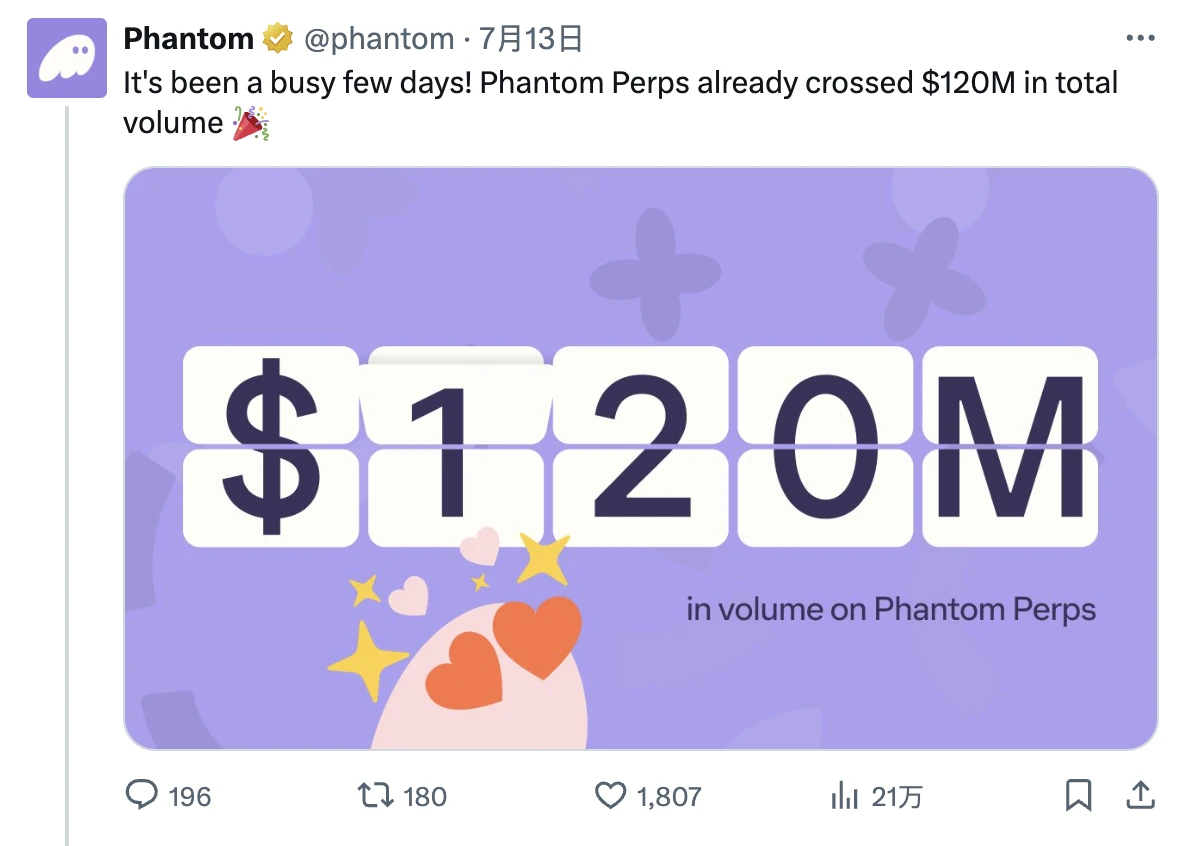
7 月 13 日上午,Phantom 官方曾披露其合约交易量已突破 1.2 亿美元,此时距离其上线合约交易功能仅过去了 4 天,这样的起步成绩已相当惊艳。
Hyperliquid与Phantom的双赢局:一家喜提新高,一家坐地躺赚

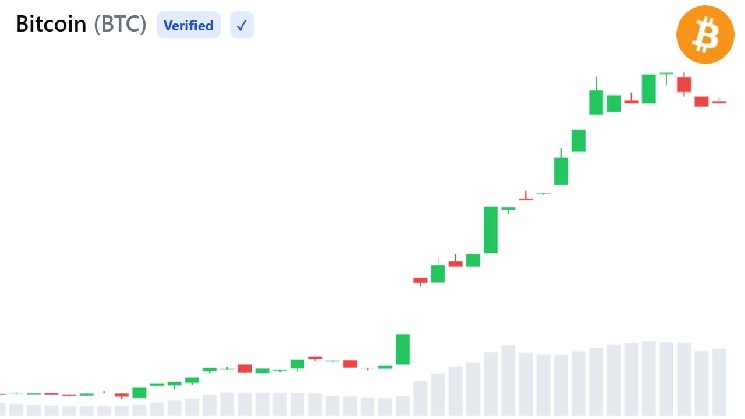
受本次合作所带来的增长预期影响,Hyperliquid 代币 HYPE 近期也在持续创下新高,截至 7 月 14 日 15: 45 暂报 49.13 美元,距离叩开 50 美元大关仅剩最后一道冲刺。

Phantom:“返佣”躺赚

对于另一方 Phantom 而言,本次合作也是意义非凡。一方面,引入合约交易丰富了 Phantom 的产品功能,可为用户提供更多元的服务内容;另一方面,借助 Hyperliquid 的 Builder Codes 功能,Phantom 也有望获得一项可观的新收入。

所谓 Builder Codes,即 Hyperliquid 允许第三方的 Builder(在本文场景中即 Phantom)通过其代表用户发送的交易而获得手续费,你可以简单将其理解为一种类似“返佣”的机制。

Hyperformance 数据显示,上线合约交易服务后短短 5 天,Phantom 的“返佣”对应地址(0xb84168cf3be63c6b8dad05ff5d755e97432ff80b)已获得了 102155 美元的 Builder codes 收益。

Hyperliquid与Phantom的双赢局:一家喜提新高,一家坐地躺赚

即便是根据上述数据静态计算,这也对应着约 745 万美元的年收入,而考虑到用户和交易量的增长预期,这一数据可能还将继续放大数倍。 

用户端:更好的流动性、更低的费率

站在 Solana 生态的用户角度考虑,Phantom 与 Hyperliquid 的本次合作显然也是一项福音。一方面,Hyperliquid 的流动性较当前 Solana 生态的合约交易所有着明显优势,这将为 Solana 生态用户提供更好的交易执行价格;此外更关键的在于,Phantom 与 Hyperliquid 为用户提供了极具吸引力的费率条件。

GLC Research 在其最新研究中指出,Phantom 与 Hyperliquid 所提供的手续费中位数为 0.095% ,与之对比 Jupiter 合约交易的手续费为 0.3% ,前者费率优势明显。

海外 KOL JJ(@hyperliquidbull)则补充表示,Phantom 与 Hyperliquid 为用户提供了接近机构级的手续费定价,这几乎相当于币安 VIP-1 的定价,而后者通常需要 1500 万美元以上的月交易量。

结语:链抽象的未来

细看 Phantom 与 Hyperliquid 的本次合作,最有意思的一点在于,作为 Solana 生态的主力干将,Phantom 并未选择 Jupiter、Drift 等 Solana 生态的去中心化合约交易所,而是跨生态地选择了 Hyperliquid,且所有的集成工作都已在后端完成,前端用户完全无感。

这几乎就是我们曾畅想过的链抽象的未来 —— 产品将不再受其原生堆栈的限制,复杂的技术及概念将被隐至幕后,用户将以无感的方式直接享受到便利服务。

作为不同赛道上的两大龙头级选手,Phantom 与 Hyperliquid 通过合作给出了一次很好的范例,或许会对业界后续的合作创新提供一定的借鉴思路。

Trending Cryptos

Related Reads

Conversation with Jason Huang, Founder of NDV: Puncturing the AI Bubble and the MicroStrategy Myth, Searching for the Ultimate Trump Card in the Crypto Market

In a podcast interview, NDV founder Jason Huang discusses the recent crypto market downturn, attributing the initial phase to typical Bitcoin cycle selling pressure, now compounded by a US stock market correction, tightening liquidity, and MicroStrategy's financial strain. He argues the market hasn't bottomed yet, noting true bear market lows often require a major, despair-inducing event like FTX's collapse. Huang details MicroStrategy's precarious position: its debt-and-equity fueled Bitcoin buying model has reversed into a negative cycle as prices fell. He interprets its sale of just 32 BTC as a signal prioritizing creditors over shareholders, sparking market "front-running" of its larger potential sell-off. A true bottom may arrive only after MicroStrategy resolves its looming debt payments, possibly via a large, private Bitcoin sale. His fund is up ~20% this year, outperforming Bitcoin by 50-60%, by shorting crypto and trading commodities like oil and gold. He avoided AI stocks despite being a heavy user, citing a lack of trading edge in the crowded semiconductor hardware trade, which he views as ripe for a significant correction. Long-term, Huang remains bullish on stablecoins as crypto's clearest, most practical innovation with high growth potential. He is very bearish on Ethereum and skeptical that Bitcoin has found its floor, suggesting $48,000 may not hold. He expects a sharp decline followed by a strong recovery within a year, but only after a major panic event leads to widespread capitulation and despair—the true hallmark of a market bottom.

链捕手5m ago

Conversation with Jason Huang, Founder of NDV: Puncturing the AI Bubble and the MicroStrategy Myth, Searching for the Ultimate Trump Card in the Crypto Market

链捕手5m ago

U.S. Stocks Trend (June 24): Korean Stock Plunge Ripples Global Chip Sector, Micron Tumbles Over 10%, Long-Term Supply Certainty Faces a 'Hard Test'

US Stock Market Trend (June 24): South Korean Market Plunge Disrupts Global Chips, Micron Drops Over 10%, Long-Term Supply Certainty Faces Hard Test On Monday, the South Korean KOSPI index plunged 10%, with SK Hynix and Samsung dropping over 12%, triggered by rumors that SK Hynix might slow its HBM4 production expansion. This shock quickly spread to the U.S. semiconductor sector. Micron plummeted 13.18% to $1,051.77, SanDisk fell 13.64%, and Marvell declined 8%. The Philadelphia Semiconductor Index closed down 7.87%, while the Nasdaq fell 2.21% to 25,587.04 points. The sell-off particularly hit memory chip stocks. Defensive sectors showed relative resilience, with gains in stocks like IBM and Johnson & Johnson. Market volatility spiked, with the VIX index jumping 12.79%. Commodities weakened, with WTI crude oil hitting a near three-month low and gold falling below $4,100. The core issue is not a challenge to AI demand itself, but a market reassessment of overly optimistic capacity expectations for memory chips, especially HBM. The rumor about SK Hynix undermined perceived certainty in the AI infrastructure cycle. Key upcoming events include Thursday's PCE inflation data, which will influence Fed rate expectations, and Micron's earnings report. The market will focus on Micron's HBM gross margins and its long-term capacity guidance. The shift indicates the AI investment cycle is moving from euphoria to rational pricing. Large institutions are questioning the sustainability of AI-related capital expenditure growth. Micron's repricing from an "AI infrastructure staple" to a more cyclical stock highlights this change. Thursday's data and earnings represent a critical juncture for assessing long-term supply certainty, which has now significantly decreased.

marsbit13m ago

U.S. Stocks Trend (June 24): Korean Stock Plunge Ripples Global Chip Sector, Micron Tumbles Over 10%, Long-Term Supply Certainty Faces a 'Hard Test'

marsbit13m ago

Preferred Stock Is Not the Trigger for Corporate Bankruptcy, MicroStrategy's Dollar Reserves Can Cover Dividend and Interest Payments Until February 2027

Preferred Shares Are Not the Catalyst for Corporate Bankruptcy; MicroStrategy's Dollar Reserves Can Cover Dividend and Interest Payments Until February 2027. This article analyzes the nature of preferred shares used by MicroStrategy (MSTR). Legally equity but economically similar to debt, these shares, including its Bitcoin-linked STR convertible preferred notes (STRC), offer fixed or floating dividends. Crucially, MicroStrategy's preferred shares lack rigid redemption clauses, meaning they are not classified as traditional debt. This eliminates principal repayment pressure and means missed dividends do not constitute default or trigger bankruptcy, creating a "self-contradictory virtuous cycle." The article clarifies that if funds are short, MicroStrategy can defer or suspend preferred share dividends (except for non-cumulative types like STRD) without immediate risk. The real potential crisis point lies with its convertible bonds. If a prolonged bear market prevents conversion, MicroStrategy might need to sell Bitcoin to repay these bonds starting from the earliest maturity in September 2027, potentially creating a downward spiral. Preferred dividend suspensions would only exacerbate market panic in such a scenario. Recent financial activity shows MicroStrategy strengthened its position through four weeks of common stock (MSTR) issuances, raising over $851 million without issuing new preferred shares. It increased its dollar reserves to approximately $1.4 billion, which is sufficient to cover all preferred share dividends and interest until around March 2027. While Bitcoin purchases slowed recently, this prioritization of cash reserves enhances the company's near-term financial safety. The analysis concludes that if the Bitcoin bear market ends by early 2025 as anticipated, MicroStrategy can resume issuing MSTR stock in a rising market to replenish reserves and manage future dividend obligations, thereby reducing the long-term pressure from its preferred share structure.

marsbit1h ago

Preferred Stock Is Not the Trigger for Corporate Bankruptcy, MicroStrategy's Dollar Reserves Can Cover Dividend and Interest Payments Until February 2027

marsbit1h ago

Giants Wage the Context War, Reconstructing AI Moats

The article "Giants Launch the Context War, Reconstructing AI's Moat" discusses how leading AI companies—OpenAI, Anthropic, and Google—are shifting their competitive focus from model size to acquiring, managing, and utilizing user context (Context). Initially, Context referred to the length of text a model could process, leading to a "arms race" for longer context windows. However, the competition has evolved through three key phases: expanding text capacity (long context windows), enabling memory across sessions, and finally, integrating AI into real user environments like browsers and desktops to capture dynamic task states. Each company is pursuing a distinct strategy. OpenAI is building Context around the ChatGPT account, turning it into a central hub that accumulates user understanding across various integrated applications and tools. Anthropic, lacking a major user base, focuses on high-value verticals like coding, empowering its Claude model to actively gather Context through GUI interaction (Computer Use) and system connections (MCP protocol). Google, with vast existing user data from products like Search and Gmail, faces the challenge of restructuring this data into actionable, AI-understandable Context for its Gemini model within its ecosystem. The core argument is that the nature of competitive advantage in AI is changing. The internet era prized network effects—connecting more users. The AI era values "individual depth": the ability to build deep, task-specific understanding of a user. This creates a new moat through 1) the compounding value of accumulated Context, 2) deep integration with user tools and permissions, and 3) the establishment of trust for complex tasks. Therefore, the battle for Context is fundamentally about capturing "task entry points" and converting existing digital ecosystems into environments where AI can effectively understand and act, rather than merely scaling user numbers.

marsbit2h ago

Giants Wage the Context War, Reconstructing AI Moats

marsbit2h ago

Trading

Spot
Futures

Hot Articles

Discussions

Welcome to the HTX Community. Here, you can stay informed about the latest platform developments and gain access to professional market insights. Users' opinions on the price of SOL (SOL) are presented below.

活动图片