G-Knot назначила Уэса Каплана генеральным директором в преддверии запуска криптокошелька Finger Vein

cryptonews.ruPublished on 2021-08-10Last updated on 2025-07-10

G‑Knot, технологическая компания в области биометрии, разрабатывающая первый криптокошелек с идентификацией по венам пальца руки, объявила о назначении Уэса Каплана новым генеральным директором. Он имеет опыт работы в финтехе, криптовалютах и TradFi и будет руководить глобальным выводом биометрических продуктов G‑Knot на рынок. Назначение нового CEO произошло во время подготовки компании к запуску флагманского кошелька, призванного повысить безопасность в криптоиндустрии.

G‑Knot обладает эксклюзивной лицензией на технологию идентификации по венам пальца руки от сеульской компании eTunnel Inc., которая более 10 лет занимается исследованиями в области биометрии. Новый кошелек использует уникальные биометрические данные, что позволит заменить использование традиционных приватных ключей и фраз восстановления доступа. Решение даст возможность повысить безопасность хранения средств в будущем. Только в 2025 году были похищены криптовалюты на сумму более $1,4 млрд.

Компания планирует вывести свою технологию на рынок как для базовых потребителей, так и внедрить в корпоративные решения, начиная с биометрического криптокошелька. Этот продукт станет частью более масштабной стратегии по применению идентификации по венам пальца в коммерческих сферах.

Технологии G‑Knot уже получили международное признание. В сентябре 2024 года компания заключила контракт с Международным союзом электросвязи ООН (ITU) на поставку биометрических смарт‑карт для агентств ООН. G‑Knot остается единственным поставщиком коммерческих решений с идентификацией по венам пальца в мире.

Изображение: Rawpixel

Trending Cryptos

Related Reads

Uniswap v4 Hook Analysis: Architecture Design, Common Vulnerabilities, and Protection Practices

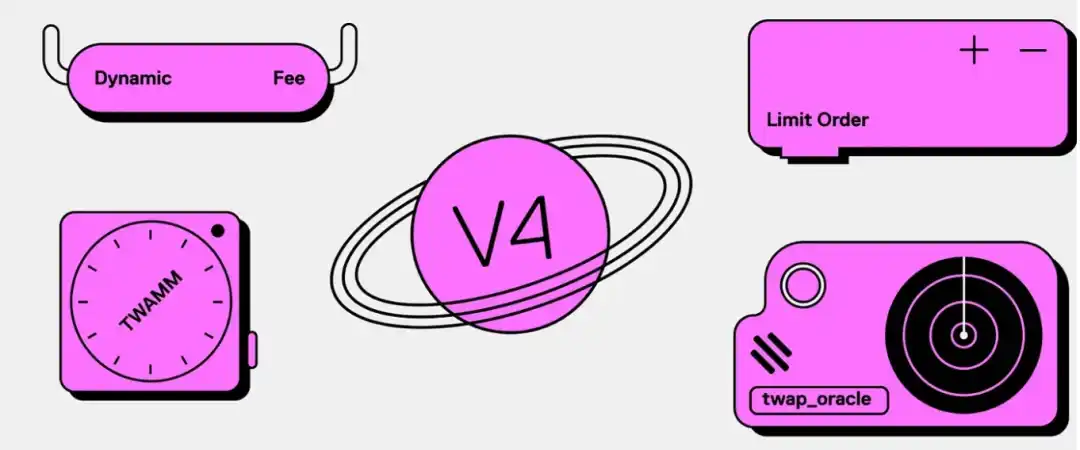
Uniswap v4's Hook mechanism is a major innovation, enabling custom logic injection into liquidity pool lifecycle events like swaps and liquidity provisioning. This transforms the AMM into programmable infrastructure, shifting the security model from protocol-level to pool-level, as each pool's safety now depends on its bound Hook contract. The core architecture revolves around the singleton PoolManager contract, which manages all pools via a flash accounting system. State changes are tracked in transient storage and must be settled by the end of a transaction. Hook contracts are permanently bound to pools via a PoolKey, with their permissions encoded directly into their address via specific low-order bits. This design introduces unique security considerations and challenges for future upgrades. Key vulnerabilities and best practices identified include: - **Access Control Gaps:** Early versions of the BaseHook abstract contract only protect `unlockCallback()`, leaving other lifecycle functions (`beforeSwap`, `afterSwap`, etc.) exposed unless explicitly secured by developers. - **Unrestricted Pool Binding:** The `initialize()` function does not validate if a Hook "consents" to a new pool. Hooks must implement their own whitelisting in `beforeInitialize` to prevent unauthorized pool creation. - **Async/Custom Curve Hooks:** These high-risk Hooks can completely replace Uniswap's swap logic. Their security depends entirely on their own implementation, as they operate outside the native protocol's pricing safeguards. - **Delta Accounting Risks:** The system ensures final balance (NonzeroDeltaCount == 0) but cannot guarantee the *correctness* of intermediate delta states, which attackers could manipulate. - **Token Confusion:** Protocols must implement semantic validation for tokens in user-created markets, not just interface checks, to prevent cross-market confusion attacks. The article emphasizes that Hook auditing requires a "sub-protocol" approach due to extended interaction chains, highlighting a significant shift in security methodology for the v4 ecosystem.

marsbit14m ago

Uniswap v4 Hook Analysis: Architecture Design, Common Vulnerabilities, and Protection Practices

marsbit14m ago

Chips, Open-Source Models, and $50 Trillion: Joe Tsai Reassesses Alibaba Once Again

Alibaba Executive Chairman Joe Tsai recently outlined the company's comprehensive AI strategy in a public discussion. He believes AI represents a massive opportunity, estimating its potential economic impact at up to $50 trillion, stemming from the automation of human intelligence and productivity. Tsai detailed Alibaba's four-layer investment approach across the AI stack: starting from the chip level, moving to cloud infrastructure (Alibaba Cloud), then the model layer with its open-source Qwen model, and finally applications within its vast digital ecosystem (e-commerce, logistics, etc.). The company avoids the energy layer due to China's efficient infrastructure. This broad strategy is designed to ensure Alibaba captures value regardless of where it ultimately concentrates in the AI value chain. He dismissed concerns about an AI investment bubble, pointing to the enormous $50 trillion opportunity. While acknowledging U.S. cloud giants' higher capital expenditure, he argued Chinese firms, including Alibaba (funded by its cash-generative e-commerce core), need to invest more in AI infrastructure. A key theme was technological sovereignty. Tsai positioned open-source models like Qwen as a solution for companies, especially in Europe, seeking independence from proprietary U.S. models and greater data privacy control. He contrasted this with the trend of U.S. giants keeping their models closed-source. Tsai highlighted Alibaba's collaborations with European manufacturers like Bosch and Siemens, using AI for design and quality control. He concluded with an optimistic vision of AI agents enhancing productivity, ultimately freeing up human time for leisure, family, and experiences like live entertainment.

marsbit29m ago

Chips, Open-Source Models, and $50 Trillion: Joe Tsai Reassesses Alibaba Once Again

marsbit29m ago

Trading

Spot
Futures

Hot Articles

What is G$

Understanding GoodDollar ($G$): A Blueprint for Decentralised Universal Basic Income Introduction In the ever-evolving landscape of cryptocurrency and blockchain technology, initiatives that seek to address pressing social issues have garnered increased attention. One such project is GoodDollar ($G$), a Web3-based universal basic income (UBI) solution. GoodDollar endeavours to tackle inequality and bridge the wealth gap by creating and distributing accessible economic resources to those most in need. Through its innovative use of decentralised finance (DeFi), GoodDollar presents a unique model that could potentially reshape the way financial assistance is perceived and delivered globally. What is GoodDollar ($G$)? GoodDollar is a cryptocurrency protocol that facilitates the issuance and distribution of digital tokens, referred to as $G$, to its registered users on a daily basis. These tokens function as a form of universal basic income, promoting financial empowerment for individuals from various backgrounds, especially those traditionally excluded from the financial system. Operating on the blockchain, GoodDollar utilises multiple chains, including Ethereum, Celo, and Fuse, ensuring broad access and usability. The fundamental goal of GoodDollar is to make cryptocurrency accessible and beneficial to everyone, irrespective of their economic starting point. The Creator of GoodDollar ($G$) Details concerning the creator of GoodDollar remain somewhat obscure. However, it is notably highlighted that the project has strong backing from eToro, a widely recognised investment platform that provided the initial funding and foundational support for GoodDollar's development. The vision behind the project is not solely profit-driven but leans heavily towards social entrepreneurship, aiming for a systemic change in economic accessibility. Investors of GoodDollar ($G$) GoodDollar enjoys the financial backing and operational support of eToro. This partnership has played a significant role in launching the protocol and its subsequent developments. While eToro was instrumental in establishing the foundation of the project, GoodDollar envisions transitioning towards a model funded by its community in the long run. This shift to community funding is in line with GoodDollar's commitment to decentralisation, allowing its users to have a direct stake in the project's future. How Does GoodDollar ($G$) Work? GoodDollar's operational framework relies heavily on DeFi principles to generate interest from staked cryptocurrencies. This mechanism allows the project to mint and distribute $G$ tokens as a digital basic income for users worldwide. Several key features contribute to GoodDollar's uniqueness and innovation: Universal Basic Income (UBI): Every day, registered users receive free tokens, establishing an automatic income stream intended to alleviate financial pressures. Sustainable Economic Model: The project’s tokenomics aim to balance supply and demand for $G$ tokens, ensuring that the value remains stable over time. Reserve-Backed Tokens: Each $G$ token is backed by a reserve of cryptocurrencies, providing it with inherent value and reliability, a crucial aspect for maintaining user trust. Decentralised Governance: GoodDollar incorporates a democratic approach to decision-making through token-powered decentralised governance. This allows community members to actively participate in the shaping of the project's trajectory, making it truly community-driven. Global Accessibility: GoodDollar has established a considerable community footprint, boasting over 640,000 members spanning 181 countries. Such widespread reach is instrumental in facilitating UBI on a global scale. Timeline of GoodDollar ($G$) The evolution of GoodDollar is marked by several significant milestones throughout its history: 2019: The launch of the GoodDollar wallet marked the first step in operationalising its vision of delivering UBI through cryptocurrency. 2020: Following the successful wallet rollout, the GoodDollar protocol officially debuted. This marked a crucial phase in its mission to provide daily distributed income. 2021: The project advanced further with the introduction of its Decentralised Autonomous Organization (DAO), fostering a greater level of community involvement and governance. 2022: GoodDollar unveiled its DeFi-friendly version 2 (V2), striving for enhanced user engagement and operational efficiency. The same year also saw the transition to a decentralised governance structure via GoodDAO. 2022: A new roadmap was conceptualised, focusing on initiatives like a grant program designed to promote $G$-related entrepreneurial ventures and an upgraded GoodDollar Marketplace. Key Features of GoodDollar ($G$) The GoodDollar project introduces numerous critical features aimed at redefining the landscape of basic income: Universal Basic Income: Delivering daily free tokens to its users fundamentally underscores its mission to eliminate economic precarity. Multi-Chain Operation: Leveraging multiple blockchain networks enhances accessibility and scalability, ensuring broader participation. Engagement with Decentralised Finance: The use of DeFi allows for sustainable funding of the UBI model, reinforcing its viability as an economic solution. Community Engagement and Governance: GoodDollar envisions a model where the community influences operations through democratic participation, fostering transparency and accountability. Global Community: Boasting a diverse global community enables the project to implement UBI solutions tailored to various cultural and economic contexts. Conclusion GoodDollar represents a transformative leap towards incorporating the principles of universal basic income through the innovative lens of blockchain technology. By harnessing decentralised finance, the project not only provides a solution to financial inequality but also actively engages users in its governance and operations. With a growing community and evolving roadmap, GoodDollar stands as a significant player in the intersection of cryptocurrency and social good, paving the way for a more equitable financial future. As it continues to evolve, GoodDollar’s journey may ultimately inspire other initiatives to consider similar models, furthering the cause of economic empowerment for all.

222 Total ViewsPublished 2024.04.05Updated 2024.12.03

What is G$

What is @G

Graphite Network, $@G: Bridging TradFi and Web3 Introduction to Graphite Network, $@G In the vibrant world of cryptocurrencies and web3 projects, Graphite Network emerges as a beacon of innovation. With its native token, $@G, this Layer-1, Proof-of-Authority (PoA) blockchain is tailored to bridge the gap between traditional finance (TradFi) and the rapidly evolving Web3 ecosystem. As digital currencies gain traction, Graphite Network strives to offer a blockchain platform that prioritises security, compliance, and speed, presenting itself as a facilitator of trust and accountability. What is Graphite Network, $@G? Graphite Network is not merely another blockchain project; it aims to redefine how decentralisation, security, and user accountability are perceived in the digital finance realm. The project boasts a series of distinctive features: Reputation-Based Blockchain: At its core, Graphite Network implements a one-user, one-account policy, fortified with integrated Know Your Customer (KYC) verification and scoring mechanisms. This design ensures a balance between user privacy and transparency—a critical aspect of financial operations in today’s digital world. Entry-Point Node Income: The network incentivises users to set up entry-point nodes, allowing operators to earn rewards from network transactions. This income generation model not only boosts user engagement but also reinforces network health and decentralisation. EVM Compatibility: With an Ethereum-compatible virtual machine (VM), Graphite Network enables seamless integration of existing Solidity decentralised applications (dApps) and smart contracts, thereby inviting developers to leverage its capabilities without extensive modifications. KYC Integration: In an era where compliance is paramount, the integrated KYC framework with multiple verification tiers enhances control over financial operations without mandatory participation, setting a precedent for user autonomy. Who is the Creator of Graphite Network, $@G? The Graphite Network is borne out of the endeavours of the Graphite Foundation, a non-profit organisation dedicated to the development, maintenance, and evolution of the Graphite Network. The foundation’s commitment underscores the project’s vision to create a secure and sustainable blockchain environment focused on genuine user engagement and compliance. Who are the Investors of Graphite Network, $@G? Currently, there is limited information available on the specific investors backing the Graphite Network initiative. The founding organisation, the Graphite Foundation, functions independently in fostering the project’s growth while seeking partnerships that resonate with its vision of a compliant and accessible blockchain platform. How Does Graphite Network, $@G Work? Graphite Network’s operation is grounded in its unique Proof-of-Authority consensus mechanism, which strikes an impressive balance between high throughput and decentralisation. Let's delve into the various components that define its operation: Transport Nodes: Serving as the entry-point nodes, these are critical to the ecosystem. Operators can earn revenue from transactions that traverse the network, which not only empowers individual users but also bolsters network decentralisation. Authorised Nodes: At the heart of the Graphite Network are core validators who undergo rigorous compliance tests, encompassing robust KYC verification along with technical assessments. This layer of trust is essential for ensuring that transactions within the network maintain a high level of integrity. Ticker System: Graphite Network employs a distinctive ticker system for its wrapped tokens, denoted as @G. This feature enhances clarity in asset integration, making user transactions comprehensible and straightforward. Graphite Network’s innovative approach reflects a significant step in addressing the crucial issues of digital finance, positioning itself favourably for the future as more users transition from traditional forms of finance into the world of decentralised applications. Timeline of Graphite Network, $@G To understand the progression and milestones of Graphite Network, it is beneficial to overview key events in its timeline: 2021: The inception of Graphite Network by the Graphite Foundation marks the commencement of a new chapter in blockchain development, focusing on compliance and user empowerment. Key Developments: Following its launch, the introduction of entry-point node income, the establishment of a reputation-based model, integrated KYC verification, and the provision of EVM compatibility represent significant advancements in the project. Recent Activities: The continuous development and nurturing efforts of the Graphite Foundation have focused on augmenting network features while fostering the ecosystem's growth, demonstrating a long-term commitment to sustainability and innovation. Additional Key Points Beyond its foundational components, Graphite Network encompasses several tools and features that bolster its usability: Graphite Wallet: A user-friendly Chrome extension that facilitates access to various network features and applications across Ethereum-compatible chains, enhancing user convenience. Graphite Bridge: This utility allows seamless transfers of Graphite assets across different networks, fostering an integrated and interoperable ecosystem. Graphite Explorer: Serving as an essential tool within the ecosystem, this feature enables users to view and verify smart contract source code, track transactions, and explore other vital information in real-time. Graphite Testnet: The project provides a robust testing environment for developers, allowing them to ensure stability and scalability prior to mainnet deployment. This initiative not only empowers developers but also enhances the reliability of the entire network. Conclusion Graphite Network, with its native token $@G, represents a significant stride toward bridging traditional finance and cutting-edge blockchain technology. By focusing on security, compliance, and decentralisation, this innovative platform is set to lead the transition into the Web3 era. As user engagement grows and more projects leverage its capabilities, Graphite Network is poised to make lasting contributions to the rapidly evolving digital landscape. In conclusion, Graphite Network stands as a testament to what can be achieved when innovative thinking meets the growing demands of modern finance and technology. As the world explores the potential of decentralised finance, Graphite Network will undoubtedly remain a noteworthy player in this arena.

16 Total ViewsPublished 2025.01.06Updated 2025.01.06

What is @G

Discussions

Welcome to the HTX Community. Here, you can stay informed about the latest platform developments and gain access to professional market insights. Users' opinions on the price of G (G) are presented below.

活动图片