Solana теряет средства в DeFi — сообщество боится централизации

cryptonews.ruPublished on 2023-03-07Last updated on 2025-05-07

Участники рынка начали массово выводить ликвидность из DeFi на Solana после того, как стало известно об устранении уязвимости, о которой никто ранее не сообщал. Информация всплыла в субботу, а уже к понедельнику на фоне паники сеть потеряла $11 миллионов.

Solana Foundation рассказала, что проблема была найдена ещё 16 апреля, а устранена 18 апреля. При этом исправление прошло тихо, через частную координацию среди валидаторов.
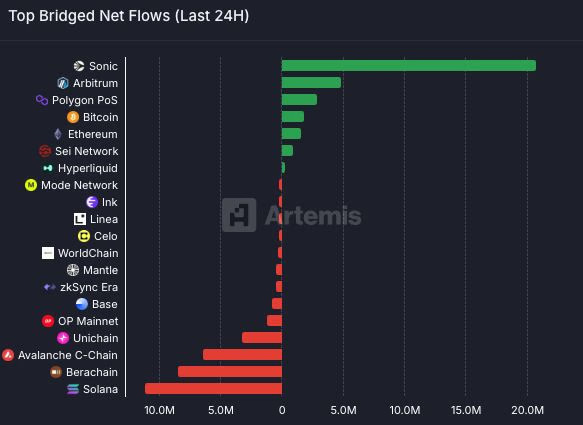
Изменения ликвидности в DeFi за сутки, 4–5 мая. Источник: Artemis Terminal

Ethereum за тот же период получил чистый приток $1,6 млн, а BTC$1,9 млн. После Solana на втором месте по оттоку оказалась Berachain, где зафиксировали отток в $8,4 млн.

Уязвимость могла позволить атакующему бесконечно выпускать и выводить токены, подделывая доказательства. Баг находился в модуле ZK ElGamal Proof, который используется при выпуске токенов и управлении счетами. Фактически можно было создать ложную транзакцию, которая всё равно считалась бы действительной.

Хотя баг устранили до того, как кто-либо успел им воспользоваться, реакция сообщества оказалась неоднозначной. Одни хвалят команду за скорость, другие в очередной раз обвиняют Solana в централизации.

Один из пользователей X, известный как Clouted и основатель ETH Strategy, высказался жёстко:

Trending Cryptos

Related Reads

Why Is No One Buying DeFi Insurance?

"Why DeFi Insurance Remains Unpurchased" explores the paradox of decentralized finance insurance. While DeFi insurance promises automatic, unbiased payouts via smart contracts—eliminating traditional insurers' denial practices—it struggles to attract users. The core issue is economic viability. Premiums are prohibitively high relative to the yields from DeFi protocols. For example, insuring a deposit on Aave or Maple Finance can consume most or even all of the annual yield, leaving returns comparable to or worse than traditional savings. Only the safest protocols, like MakerDAO, offer affordable premiums. Furthermore, the DeFi insurance model is structurally fragile. Unlike traditional insurance where risks are uncorrelated, DeFi risks are highly interconnected (e.g., oracle failures, bridge hacks). A single major exploit can simultaneously threaten multiple protocols, potentially bankrupting the entire insurance pool, which holds only millions against billions in total value locked. The governance model also creates a conflict of interest. In platforms like Nexus Mutual, token holders who vote on claims risk their own capital if payouts are approved, incentivizing denials. Consequently, the market is tiny and shrinking. Nexus Mutual dominates with $81.56 million in assets, but the industry lacks the capacity to cover a catastrophic event like the $292M Kelp DAO hack. Other providers have dwindled or shut down. The article concludes that DeFi insurance faces a "tragedy of the commons": its stability requires widespread adoption, but individual users have no incentive to pay for it, as premiums destroy their yields. Current solutions involve preventative measures like bug bounties and seeking external capital from traditional reinsurance, acknowledging that on-chain capital alone is insufficient to cover on-chain risks.

marsbit55m ago

Why Is No One Buying DeFi Insurance?

marsbit55m ago

Trading

Spot

Hot Articles

Discussions

Welcome to the HTX Community. Here, you can stay informed about the latest platform developments and gain access to professional market insights. Users' opinions on the price of SOL (SOL) are presented below.

活动图片