左手交罚款,右手All in BTC!美股医疗公司Semler计划加仓5亿美元比特币

marsbitPublished on 2025-04-15Last updated on 2025-04-16

导言:司法和解与加密融资的双线叙事

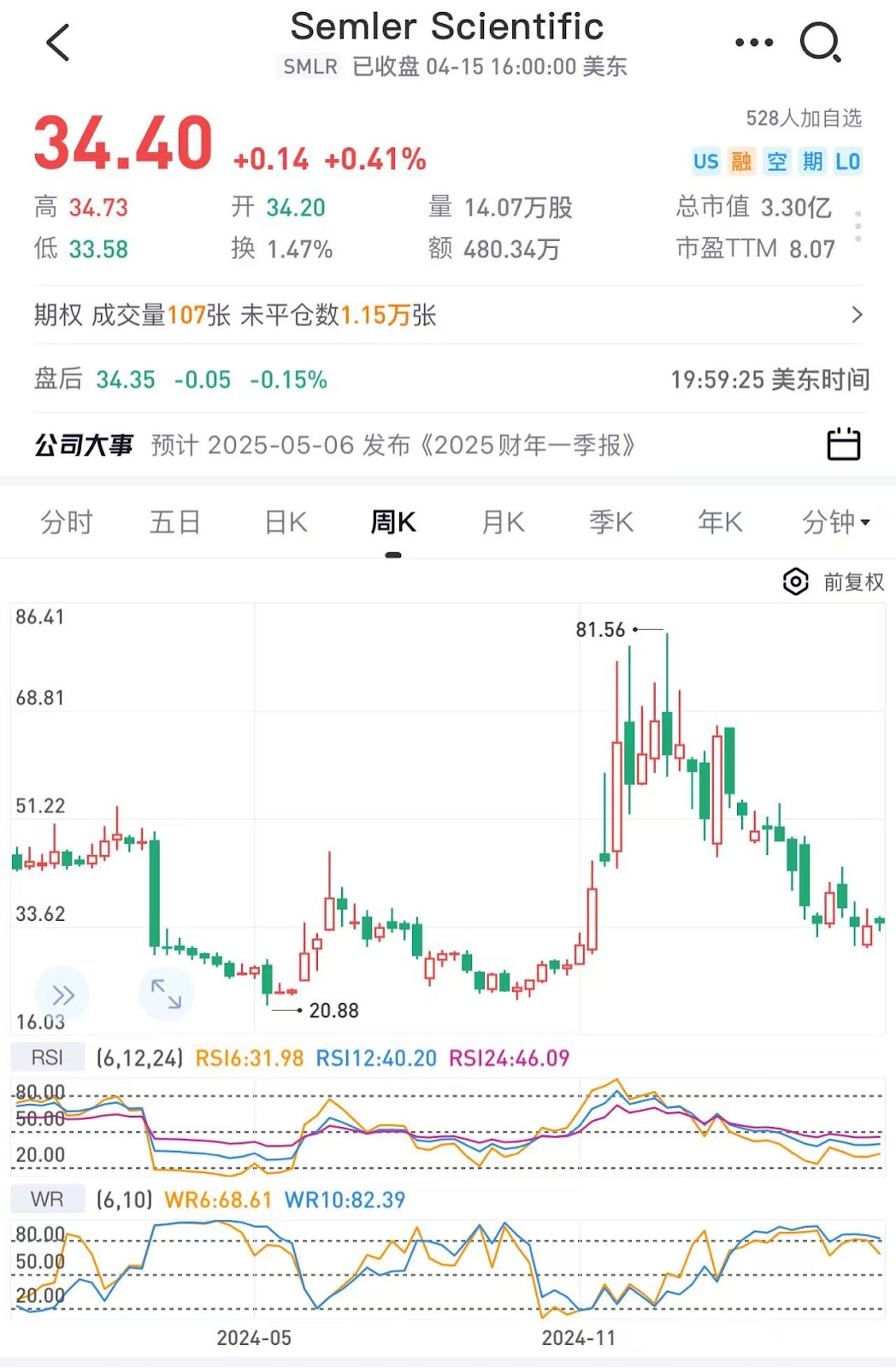
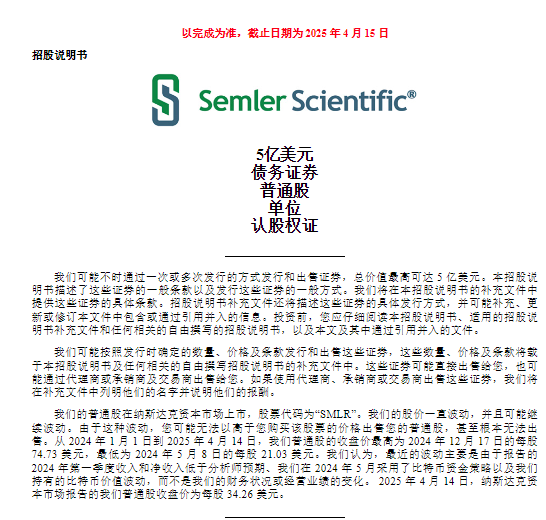
2025年4月16日,纳斯达克上市公司Semler Scientific(股票代码:SMLR)向SEC提交的S-3文件引发资本市场震动。
Coinbase

这份涉及5亿美元证券发行的融资计划,不仅承载着企业史上最大规模的比特币增持野心,更与同日披露的2975万美元司法部和解协议形成戏剧性对冲——这家医疗科技公司正试图用加密货币的金融创新,化解传统监管体系下的生存危机。

在这场被加密社区称为「链上资产负债表重构实验」的行动中,Semler Scientific的每一步棋都暗含深意:从抵押比特币获取司法和解资金,到以证券发行支撑BTC储备扩张,其战略折射出企业级加密金融工具应用的质变。


第一章:生死劫与救赎——司法部调查始末与BTC抵押贷款突围

1.1 七年监管拉锯战的致命威胁

早在2017年,Semler Scientific便因旗下产品QuantaFlo的营销测试涉嫌违反《虚假索赔法》(FCA)收到司法部调查函。这场围绕医疗保险报销资质的指控,历经8年拉锯战后,终于在2025年2月启动和解谈判。
Coinbase

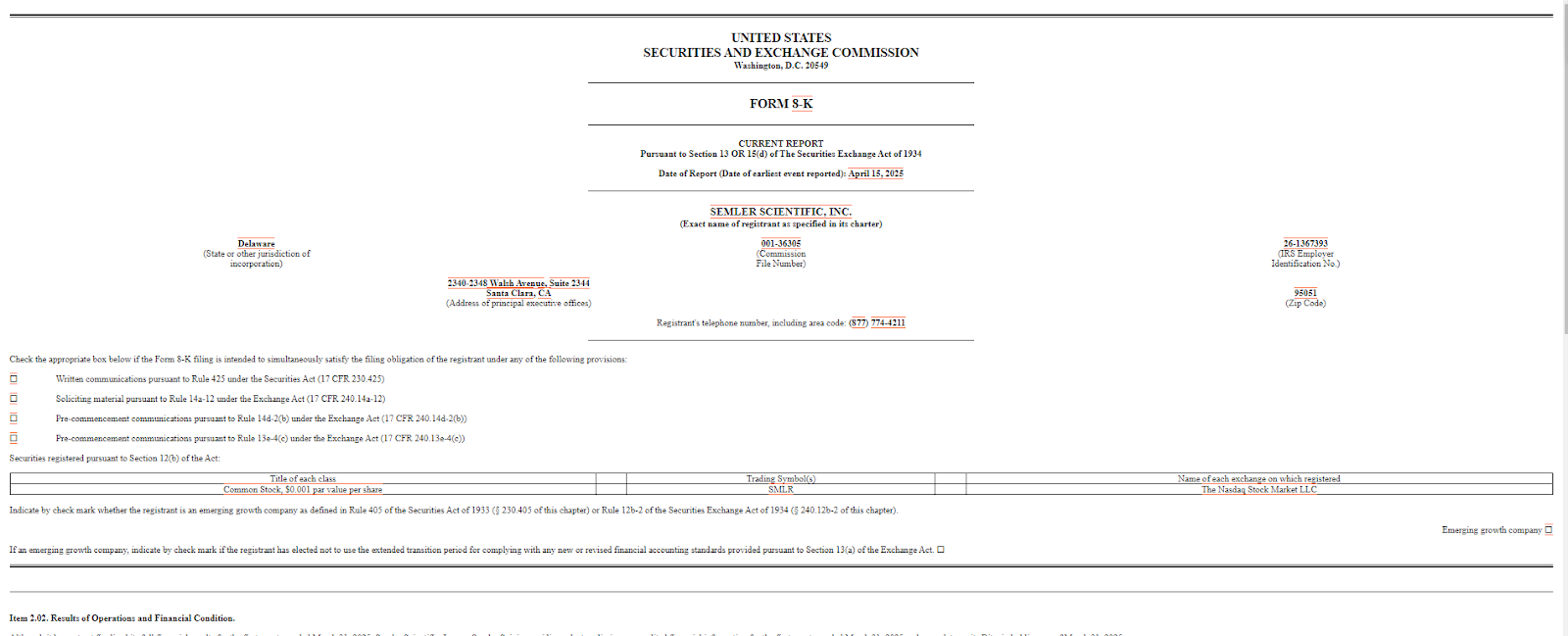
根据4月16日披露的8-K文件,Semler需支付2975万美元(约合公司2024年净利润的72.8%)以达成初步和解。

对一家市值仅3.3亿美元的医疗设备公司而言,这笔罚款足以引发财务地震。但Semler选择了一条前所未有的路径:​​将比特币储备转化为链上信用资产​​。


1.2 加密金融工具破局:Coinbase贷款协议的创新设计

在提交和解协议同日,Semler宣布与Coinbase签署主贷款协议,允许其以持有的3,192枚比特币(价值约2.67亿美元)作为抵押品获取现金。若最终和解成立,公司将通过该协议借款支付罚款,而非直接抛售BTC。


这一操作实现三重突破:

  • ​​资产流动性转化​​:避免因集中抛售导致BTC价格踩踏
  • ​​税务优化​​:抵押借款不触发资本利得税(相比直接出售)
  • ​​链上信用实验​​:上市公司首次公开使用BTC抵押贷款应对政府罚款


「这标志着加密资产正式成为企业级流动性管理工具。」加密投行GSR分析师评论称,传统企业债市场年化利率已攀升至7.2%,而BTC抵押贷款通常可获取4%-5%的优惠利率。


第二章:5亿美元豪赌的深层逻辑——BTC储备战略的进化论

2.1 从「僵尸公司」到加密先锋的蜕变

回溯Semler的比特币战略,其进化路径清晰可见:

  • ​​2024年5月​​:斥资4000万美元购入581枚BTC,股价单日暴涨30%7
  • ​​2025年1月​​:发行7500万美元可转债增持至2,321枚BTC89
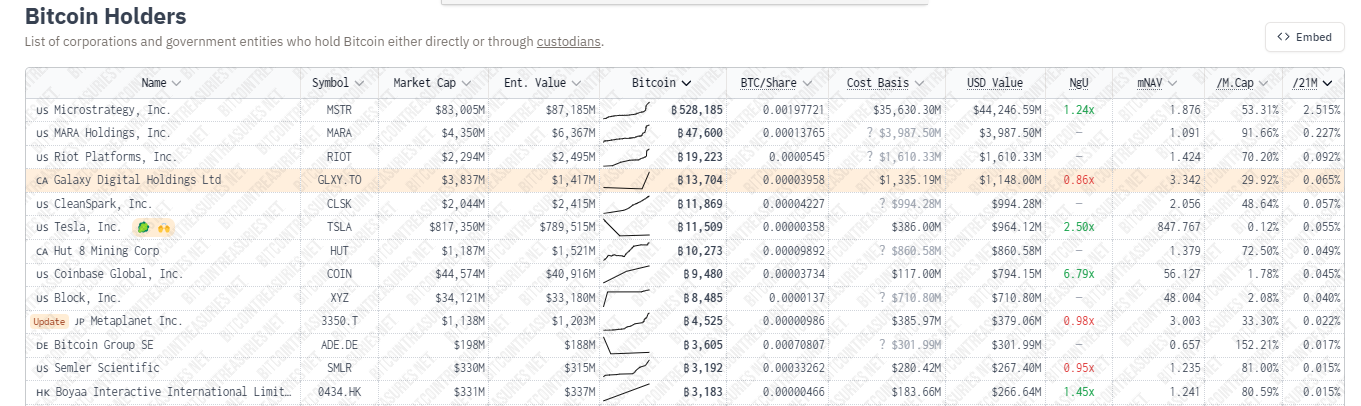
  • ​​2025年4月​​:BTC持仓达3,192枚(价值2.66亿),成为美股第12大BTC持仓方11

Coinbase

bitcointreasuries数据显示,比特币上市公司持仓排行榜中,当前Semler位于第12名,持仓3192枚BTC,价值超2.6亿美金。

此次5亿美元融资计划,将使Semler的BTC储备量级跃升至10万枚区间(按现价估算),直接挑战Coinbase、Block等上市公司的持仓地位。


2.2 财务重构:当BTC成为资产负债表「压舱石」

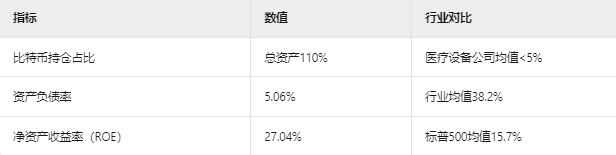
Semler的财务数据揭示其战略核心逻辑:
Coinbase


(数据来源:Semler 2024年报、雅虎财经)

「用超低杠杆率支撑BTC超配,实则是将加密货币视为类主权信用资产。」摩根士丹利报告指出,Semler的BTC持仓已超越其医疗设备业务现金流创造能力,形成「资产端加密化,负债端传统化」的特殊结构。


第三章:Coinbase贷款协议的链上金融实验

3.1 抵押率与风险隔离的精密计算

根据Coinbase披露的贷款协议框架,Semler需维持至少150%的抵押率(Loan-to-Value)。以当前2.67亿美元BTC价值计算,其可获取的最高贷款额度约为1.78亿美元,远超此次和解所需资金。


这种设计实现:

  • ​​动态抵押管理​​:BTC价格波动触发自动补仓机制
  • ​​资金使用弹性​​:借款可灵活用于运营或继续增持BTC
  • ​​监管套利空间​​:链上抵押品不受传统银行巴塞尔协议约束


3.2 链上信用扩张的「梅特卡夫效应」

Semler的实践验证了一个加密经济学假说:​​比特币的抵押价值网络效应​​。当更多企业接入Coinbase等机构的贷款协议时,BTC的链上信用乘数将呈指数级增长——这与传统金融的存款派生机制形成镜像对称。


第四章:监管风暴下的暗流——司法调查如何重塑企业加密战略

4.1 司法部调查的「意外助推」

尽管2975万美元罚款构成短期压力,但调查事件客观上加速了Semler的链上金融转型:

  • ​​倒逼融资创新​​:传统信贷通道因诉讼风险收紧,迫使探索加密抵押方案
  • ​​市场预期管理​​:和解协议消除长期不确定性,BTC持仓反而成为「安全资产」标签
  • ​​监管对话窗口​​:与司法部的博弈为其积累加密合规经验


4.2 股价的加密化特征重构

Coinbase

值得玩味的是,Semler股价(SMLR)与比特币价格的90日相关性系数已达0.87,远超其与纳斯达克生物科技指数(0.32)的关联度。这种「加密股」属性重构,正在颠覆传统估值模型。


第五章:行业蝴蝶效应——谁在复制「Semler模式」?

5.1 上市公司层面的战略模仿

  • ​​MicroStrategy​​:持有46.1万枚BTC的「加密控股集团」,年化融资成本4.5%
  • ​​Metaplanet​​:日本版「BTC资金策略」实践者,市值管理完全锚定比特币
  • ​​Rumble​​:视频平台通过BTC抵押贷款建设去中心化内容生态


5.2 国家层面的战略共振

Semler事件恰逢美国政府推进《比特币法案2025》,计划通过关税收入、黄金重估等手段建立百万枚BTC储备。这种「企业-国家」的双层加密战略,正在重构全球资本流动范式。


未来推演——当企业资产负债表穿越牛熊

战略可持续性检验

  • ​​牛市情境​​:BTC突破10万美元将激活「抵押-增持」正循环,Semler或成医疗科技赛道首家「加密控股集团」
  • ​​熊市情境​​:价格跌破抵押阈值可能引发「死亡螺旋」,迫使回归传统主业


监管框架的范式革命

SEC对Coinbase审查的结束,预示加密合规基础设施的完善。未来可能出现针对企业级BTC抵押贷款的专项会计准则与披露规则。

行业权力结构的重构

「当医疗公司的市值由比特币持仓决定,创新药研发投入反而成为次要指标。」这种讽刺性现实,正在倒逼华尔街重写企业估值方程式。

结语:加密资本主义的「特洛伊木马」

Semler Scientific的5亿美元豪赌,本质上是一场企业级的社会实验:当传统产业巨头将资产负债表注入加密资产,其带来的不仅是财务结构的嬗变,更是整个商业文明底层逻辑的重构。

这场实验的终局或许充满不确定性,但可以确定的是:比特币作为「企业战略储备资产」的时代,已然拉开帷幕。而司法部2975万美元的和解协议,意外成为了打开这扇历史之门的密钥。

Trending Cryptos

Related Reads

Zuckerberg Gave the AI Bull Market a Fright

Mark Zuckerberg and Meta inadvertently sent shockwaves through the AI stock market. News that Meta plans to sell its "excess" AI computing power to external clients triggered a trillion-dollar sell-off in AI infrastructure stocks like Nvidia and AMD, while Meta's stock rose. This seemingly simple business move—renting out idle resources—shook a core assumption underpinning the two-year AI bull market: the belief that computing power ("compute") would be perpetually scarce. This scarcity narrative had fueled valuations across the entire supply chain, from GPUs to power suppliers. Meta's motivations are layered: improving hardware utilization during non-peak R&D periods, executing a strategic pivot, and redefining AI infrastructure. Unlike rivals selling APIs, Meta's open-source approach with Llama appears aimed at building an ecosystem where it ultimately profits from the underlying compute, similar to how AWS transformed from Amazon's internal capacity. Meta is essentially offering an integrated "AI factory" service, not just raw GPU rental. The market's fear wasn't Meta selling a few chips, but the signal that GPU supply might become more shareable and efficient, transitioning the industry from a Capex-driven "hoarding" model to an Opex-driven "utilization" model. This could fundamentally reset valuation logic from scarcity to efficiency. While the sell-off reversed somewhat as investors realized this shift is long-term, the direction is set. The move marks a potential inflection point: the era of easy valuation gains from simply buying GPUs may be ending, giving way to an era where operational efficiency and return on AI assets take center stage.

marsbit10m ago

Zuckerberg Gave the AI Bull Market a Fright

marsbit10m ago

Arcus Chooses "Stepfather" Robinhood Chain, "Biological Father" dYdX Awkwardly Attempts to Salvage the Situation

Robinhood officially launched its own Layer 2 network, Robinhood Chain. In response, many major DeFi protocols like Uniswap and Chainlink announced integration. A key point of discussion was Arcus, a new decentralized exchange (DEX) developed by the dYdX team, which chose to launch on Robinhood Chain instead of the native dYdX Chain. Arcus offers 24/7, zero-fee trading of 95 tokenized stocks and perpetual contracts. This move sparked community concerns about dYdX Chain potentially being sidelined, causing DYDX token's price to drop over 12%. Critics questioned if dYdX Labs' focus is shifting to Arcus and how DYDX token holders would benefit from Arcus's future growth, especially as its founder mentioned a future Arcus token would allocate a portion to the dYdX community. dYdX founder Antonio Juliano clarified that dYdX Chain will continue operating, but acknowledged its deep decentralization involved trade-offs in performance and user experience. He stated Arcus is a separate product led by a new CEO, responding to market demands for faster, simpler platforms. The dYdX Foundation also confirmed DYDX's role remains unchanged for dYdX Chain governance and staking, with no plans for token migration. However, the core uncertainty remains: if Arcus succeeds, how will that value flow back to dYdX Chain and its DYDX token holders?

Odaily星球日报1h ago

Arcus Chooses "Stepfather" Robinhood Chain, "Biological Father" dYdX Awkwardly Attempts to Salvage the Situation

Odaily星球日报1h ago

Trading

Spot

Hot Articles

What is $BITCOIN

DIGITAL GOLD ($BITCOIN): A Comprehensive Analysis Introduction to DIGITAL GOLD ($BITCOIN) DIGITAL GOLD ($BITCOIN) is a blockchain-based project operating on the Solana network, which aims to combine the characteristics of traditional precious metals with the innovation of decentralized technologies. While it shares a name with Bitcoin, often referred to as “digital gold” due to its perception as a store of value, DIGITAL GOLD is a separate token designed to create a unique ecosystem within the Web3 landscape. Its goal is to position itself as a viable alternative digital asset, although specifics regarding its applications and functionalities are still developing. What is DIGITAL GOLD ($BITCOIN)? DIGITAL GOLD ($BITCOIN) is a cryptocurrency token explicitly designed for use on the Solana blockchain. In contrast to Bitcoin, which provides a widely recognized value storage role, this token appears to focus on broader applications and characteristics. Notable aspects include: Blockchain Infrastructure: The token is built on the Solana blockchain, known for its capacity to handle high-speed and low-cost transactions. Supply Dynamics: DIGITAL GOLD has a maximum supply capped at 100 quadrillion tokens (100P $BITCOIN), although details regarding its circulating supply are currently undisclosed. Utility: While precise functionalities are not explicitly outlined, there are indications that the token could be utilized for various applications, potentially involving decentralized applications (dApps) or asset tokenization strategies. Who is the Creator of DIGITAL GOLD ($BITCOIN)? At present, the identity of the creators and development team behind DIGITAL GOLD ($BITCOIN) remains unknown. This situation is typical among many innovative projects within the blockchain space, particularly those aligning with decentralized finance and meme coin phenomena. While such anonymity may foster a community-driven culture, it intensifies concerns about governance and accountability. Who are the Investors of DIGITAL GOLD ($BITCOIN)? The available information indicates that DIGITAL GOLD ($BITCOIN) does not have any known institutional backers or prominent venture capital investments. The project seems to operate on a peer-to-peer model focused on community support and adoption rather than traditional funding routes. Its activity and liquidity are primarily situated on decentralized exchanges (DEXs), such as PumpSwap, rather than established centralized trading platforms, further highlighting its grassroots approach. How DIGITAL GOLD ($BITCOIN) Works The operational mechanics of DIGITAL GOLD ($BITCOIN) can be elaborated on based on its blockchain design and network attributes: Consensus Mechanism: By leveraging Solana’s unique proof-of-history (PoH) combined with a proof-of-stake (PoS) model, the project ensures efficient transaction validation contributing to the network's high performance. Tokenomics: While specific deflationary mechanisms have not been extensively detailed, the vast maximum token supply implies that it may cater to microtransactions or niche use cases that are still to be defined. Interoperability: There exists the potential for integration with Solana’s broader ecosystem, including various decentralized finance (DeFi) platforms. However, the details regarding specific integrations remain unspecified. Timeline of Key Events Here is a timeline that highlights significant milestones concerning DIGITAL GOLD ($BITCOIN): 2023: The initial deployment of the token occurs on the Solana blockchain, marked by its contract address. 2024: DIGITAL GOLD gains visibility as it becomes available for trading on decentralized exchanges like PumpSwap, allowing users to trade it against SOL. 2025: The project witnesses sporadic trading activity and potential interest in community-led engagements, although no noteworthy partnerships or technical advancements have been documented as of yet. Critical Analysis Strengths Scalability: The underlying Solana infrastructure supports high transaction volumes, which could enhance the utility of $BITCOIN in various transaction scenarios. Accessibility: The potential low trading price per token could attract retail investors, facilitating wider participation due to fractional ownership opportunities. Risks Lack of Transparency: The absence of publicly known backers, developers, or an audit process may yield skepticism regarding the project's sustainability and trustworthiness. Market Volatility: The trading activity is heavily reliant on speculative behavior, which can result in significant price volatility and uncertainty for investors. Conclusion DIGITAL GOLD ($BITCOIN) emerges as an intriguing yet ambiguous project within the rapidly evolving Solana ecosystem. While it attempts to leverage the “digital gold” narrative, its departure from Bitcoin's established role as a store of value underscores the need for a clearer differentiation of its intended utility and governance structure. Future acceptance and adoption will likely depend on addressing the current opacity and defining its operational and economic strategies more explicitly. Note: This report encompasses synthesised information available as of October 2023, and developments may have transpired beyond the research period.

566 Total ViewsPublished 2025.05.13Updated 2025.05.13

What is $BITCOIN

Discussions

Welcome to the HTX Community. Here, you can stay informed about the latest platform developments and gain access to professional market insights. Users' opinions on the price of BTC (BTC) are presented below.

活动图片