Эмитент стейблкоина USDC подал заявку о выходе на биржу NYSE. Подробности

RBK-cryptoPublished on 2025-04-02Last updated on 2025-04-02

Акции компании Circle начнут торговаться на Нью-Йоркской фондовой бирже в случае одобрения SEC

Эмитент стейблкоина USDC, компания Circle, подала заявку на первичное предложение ценных бумаг (IPO) в Комиссию по ценным бумагам и биржам США (SEC). В случае одобрения акции компании будут торговаться на Нью-Йоркской фондовой бирже (NYSE) под тикером CRCL. IPO Circle может стать крупнейшим в криптоиндустрии после выхода на биржу Coinbase в 2021 году.

«Выход на биржу в качестве публичной компании в США свидетельствует о нашей неизменной приверженности принципам прозрачности и подотчетности, поскольку мы будем обязаны соблюдать требования, применимые к публичным компаниям, зарегистрированным на Нью-Йоркской фондовой бирже», — заявил генеральный директор Circle Джереми Аллер.

Стейблкоины — это криптовалютные токены, курс которых привязан к какому-либо активу, например к доллару, евро или унции золота. В качестве обеспечения привязки курса к базовому активу компании используют ценные бумаги, национальные валюты или другие криптоактивы.

Самые крупные стейблкоины — USDT от Tether и USDC от Circle. Их капитализация составляет $144 млрд и $60 млрд соответственно.

Бизнес-модель Tether и Circle заключается в покупке ценных бумаг, преимущественно гособлигаций США, для формирования резервов, обеспечивающих эмиссию стейблкоинов и их привязку к курсу доллара.

По итогам 2024 года Circle заработала $1,7 млрд на управлении резервами, обеспечивающими USDC. Это 99,1% всех доходов компании. Самыми крупными расходами стали выплаты бирже Coinbase как партнеру Circle по распространению USDC. В 2024 году Coinbase получила от Circle $907,9 млн, указано в документах.

Это будет вторая попытка выхода Circle на биржу: в 2021 году компания планировала объединение со SPAC Concord, но сделка затягивалась из-за отсутствия одобрения SEC и была отменена в 2022 году на фоне краха биржи FTX. В январе 2024 года Circle повторно подала документы на традиционное IPO в конфиденциальном порядке.

Телеграм-канал «РБК-Крипто» — подпишитесь и будьте в курсе самых главных и актуальных новостей о криптовалюте.

Присоединяйтесь к форуму «РБК-Крипто» в Telegram для обсуждения новостей и тенденций криптомира.

Ранее на этой неделе появились сообщения, что Circle потенциально может получить оценку в $4–5 млрд. В рамках сделки по выходу на биржу в 2022 году компания заявляла, что ее стоимость оценивается в $9 млрд. В документах Circle говорится, что сейчас банк JPMorgan Chase выступит в качестве ведущего организатора торгов в сотрудничестве с Citigroup, Barclays, Deutsche Bank и Societe Generale.

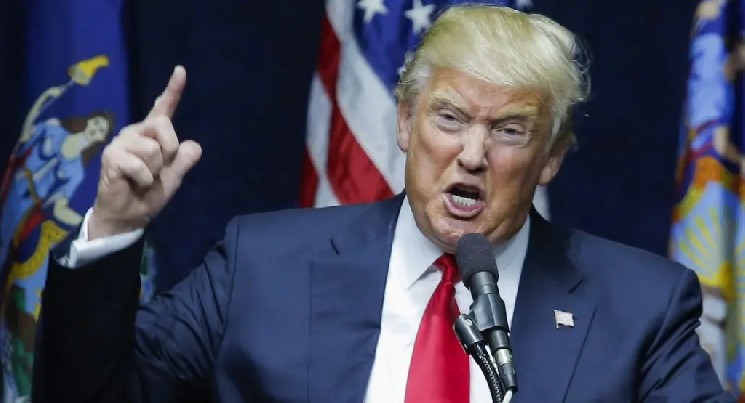
Нормативно-правовая база для регулирования стейблкоинов была одним из ключевых обещаний, данных президентом США Дональдом Трампом еще во время его предвыборной кампании в 2024 году. После вступления в должность Трамп поручил к середине этого лета разработать уже готовый к подписанию законопроект. Без ответа пока остается вопрос необходимости регистрации эмитентов долларовых стейблкоинов в США.

«Речь идет о защите прав потребителей и финансовой целостности» страны, и поэтому эмитентам следует обязательно базироваться в США, настаивает глава американской Circle. Однако Tether, эмитент крупнейшего стейблкоина USDT, зарегистрирована в Сальвадоре. Глава Tether Паоло Ардоино предположил, что его конкуренты пытаются повлиять на принятие закона о стейблкоинах в своих интересах.

«Вам не подать в суд». Как криптопроект принес семье Трампа миллионы

Миссию SpaceX в космос возглавил криптомиллионер Чун Ван. Кто это

В ФССП рассказали о работе над изъятием биткоинов в пользу государства

Trending Cryptos

Related Reads

Even CZ Praised Hyperliquid as 'Awesome', But Its Biggest Moat Might Also Be Its Biggest Risk

In an episode of Galaxy Brains, Binance founder CZ praised Hyperliquid as "awesome" but clarified that while its product is strong, Binance cannot compete in its specific niche due to Hyperliquid's no-KYC, decentralized model. CZ noted he would not personally operate such a model, highlighting the inherent legal and compliance risks tied to its access advantage. The discussion underscores a core market structure conflict: on-chain perp platforms like Hyperliquid thrive on open, low-barrier access, which regulated exchanges like Binance cannot replicate without abandoning their global compliance posture. However, this very advantage makes Hyperliquid a clear target for regulatory scrutiny. The UK FCA has already issued a warning against Hyperliquid for potentially offering unauthorized services to UK users, framing it as a financial services provider rather than neutral infrastructure. Historical cases like the CFTC's action against bZeroX and Ooki DAO further illustrate that regulators may pursue decentralized structures if they facilitate leveraged trading for retail users without proper controls. Meanwhile, regulated venues like Cboe are developing US-compliant "continuous futures" that mimic perpetual exposure, narrowing the product gap. Hyperliquid's long-term edge may increasingly hinge on its access model—the very feature most exposed to regulatory pressure. The key question is whether its "access premium" can withstand escalating legal challenges as on-chain perps gain mainstream attention.

marsbit11m ago

Even CZ Praised Hyperliquid as 'Awesome', But Its Biggest Moat Might Also Be Its Biggest Risk

marsbit11m ago

A Hard-Fought Battle to Defend Par Value: STRC Drifts Further Away from $100

STRC, the dividend-paying stock issued by Michael Saylor's bitcoin reserve firm Strategy (formerly MicroStrategy), is trading far below its intended $100 par value, closing recently at $80.84. With a key dividend snapshot date approaching, Saylor aims to pull the price back to $100, as per SEC filings stating the company's goal to stabilize the stock near that level. The situation is complicated by the June volume-weighted average price (VWAP) falling below $95, triggering an internal rule that mandates the next dividend increase to be at least double the standard 0.25% per cycle, potentially pushing the annualized dividend yield to 12%. However, attracting buyers with this higher yield faces challenges: the payout is spread over 24 bi-monthly installments, the board can alter or suspend dividends at any time, and there is no guarantee against further price declines. Beyond raising dividends, Strategy has limited tools to boost the stock. These include direct share buybacks (never utilized), halting new share issuances above $100 (which currently cap the price), selling ordinary MSTR shares to build a cash buffer for dividends (with limited effect so far), or announcing special shareholder benefits. Historically, STRC has reclaimed the $100 mark, such as in October last year, driven by a combination of dividend fulfillment, a rate hike, and a pause in share sales. The core question remains how much cost and effort Strategy is willing to bear to attract the necessary buying pressure to restore the $100 par value.

Foresight News43m ago

A Hard-Fought Battle to Defend Par Value: STRC Drifts Further Away from $100

Foresight News43m ago

Fable 5 is about to make a comeback, code exposed? Anthropic CEO kicked out of the White House

Fable 5, a previously restricted AI model from Anthropic, appears poised for a comeback. Evidence from leaked code in the Claude Code v2.1.190 version suggests a shift in its business model from a separate purchase to a potentially limited weekly usage allowance within standard Claude subscriptions. Furthermore, the model has reportedly reappeared in Amazon Bedrock documentation. This potential revival coincides with significant internal changes at Anthropic. According to a report by The Wired, CEO Dario Amodei was reportedly sidelined from negotiations with the Trump administration over Fable 5's export restrictions. Government officials found him difficult to communicate with. Co-founder Tom Brown and policy head Sarah Heck took over discussions, leading to more productive technical talks aimed at addressing White House security concerns about the model being "jailbroken." External pressure is mounting as a bipartisan group of US lawmakers has demanded answers from the Commerce Department by a June 26 deadline regarding the criteria and timeline for potentially reinstating public access to Fable 5. The potential return of Fable 5 comes as competitors OpenAI and Google have reportedly delayed their own major model releases. If Anthropic successfully navigates the government's security review, Fable 5 could gain a significant "safety-certified" advantage in the enterprise market. The countdown to the June 26 deadline is now underway.

marsbit1h ago

Fable 5 is about to make a comeback, code exposed? Anthropic CEO kicked out of the White House

marsbit1h ago

Trading

Spot
Futures

Hot Articles

What is USDC(WORMHOLE)

USD Coin (Wormhole): A Comprehensive Overview Introduction In the rapidly evolving world of cryptocurrencies, USD Coin (Wormhole), referred to as $USDC(Wormhole), stands out as a pioneering solution within the DeFi (Decentralized Finance) landscape. Operating on several blockchain platforms, including Solana, USD Coin (Wormhole) is more than just a digital representation of the United States dollar. It embodies the innovative spirit of modern finance, enabling seamless cross-chain transactions and enhanced interoperability among diverse blockchain ecosystems through the advanced Wormhole protocol. What is USD Coin (Wormhole)? USD Coin (Wormhole) is a tokenized version of the US dollar designed to facilitate frictionless transactions across different blockchain networks. Its primary aim is to bolster liquidity and enhance the functionality of the DeFi ecosystem. By leveraging the Wormhole protocol, which establishes a robust cross-chain communication network, users can effortlessly transfer USDC tokens across various platforms. This cross-chain capability marks a significant advancement in cryptocurrency use, promoting a more interconnected and efficient ecosystem where assets can flow freely between different blockchains. The value proposition of USD Coin (Wormhole) lies not only in its stability, being pegged to the US dollar, but also in its ability to bridge gaps between disparate blockchain environments. This innovative approach fosters a greater level of participation among users and developers, paving the way for new and exciting applications within decentralized finance. Who is the creator of USD Coin (Wormhole)? The origins of USD Coin (Wormhole) are intricately tied to the Wormhole network, which was developed by Jump Crypto. While specific individual creators are not prominently documented, Jump Crypto is notable for its involvement in advancing blockchain technology and supporting its applications in finance. By creating the Wormhole network, Jump Crypto has played a vital role in promoting cross-chain asset transfers, enhancing the efficiency and diversity of cryptocurrency usage. Who are the investors of USD Coin (Wormhole)? The success of USD Coin (Wormhole) is supported by investments from several notable funds and organizations within the cryptocurrency realm. Key investors include: Coinbase Ventures: A prominent venture capital arm backed by one of the leading cryptocurrency exchanges in the industry, Coinbase Ventures provides essential capital and strategic support to promising blockchain projects. Arrington XRP Capital: Specializing in digital assets, Arrington XRP Capital recognizes the potential of innovative projects like USD Coin (Wormhole) and has invested accordingly to back its development. Jump Trading: As the parent organization of Jump Crypto, Jump Trading brings not only investment but a wealth of expertise in trading technology and market dynamics to bolster the Wormhole project. How Does USD Coin (Wormhole) Work? The operational framework of USD Coin (Wormhole) is intricately designed to facilitate effective cross-chain transactions, maximizing security and efficiency. Here’s a simplified overview of how it functions: Asset Locking: When a user wishes to transfer USDC from one blockchain to another, they first lock their tokens on the source blockchain. This process ensures that the assets are secure and are set to be either burned or moved later. Token Minting: After the tokens are locked, an equivalent amount of USDC is minted on the destination blockchain. This provides the user with access to their funds on a new platform, reflecting the flexibility that the Wormhole protocol enables. Cross-Chain Transfer: The Wormhole protocol efficiently facilitates the entire transfer process. It ensures that once the USDC is minted on the destination chain, the equivalent tokens are burned on the source chain. The result is a seamless transfer of value between two distinct blockchain environments. This cross-chain methodology ensures that transactions remain secure and transparent, significantly enhancing liquidity within the different DeFi ecosystems. Timeline of USD Coin (Wormhole) Understanding the evolution of USD Coin (Wormhole) provides vital context for its significance in the cryptocurrency arena. Here’s a timeline highlighting important milestones in the project’s history: 2021: The Wormhole project is launched, establishing a framework for cross-chain asset transfers and setting the stage for the development of USD Coin (Wormhole). 2022: The Wormhole network experiences a significant challenge with a security breach that results in a $325 million theft. However, the incident is later addressed and refunded by Jump Crypto, showcasing the project’s commitment to security and transparency. 2023: USD Coin (Wormhole) integrates with Circle’s Cross-Chain Transfer Protocol (CCTP), enhancing its capabilities for cross-chain transfers and further solidifying its place within the DeFi ecosystem. 2024: Ongoing development and expansion of the Wormhole network continue, aimed at increasing the utility and reach of USD Coin (Wormhole) as well as enhancing its operational framework. Key Features The success of USD Coin (Wormhole) can be attributed to several key features that differentiate it from other cryptocurrency offerings: Cross-Chain Interoperability At the core of USD Coin (Wormhole) is its ability to facilitate seamless transfers across multiple blockchain networks. This interoperability serves as a cornerstone for decentralized finance, allowing various platforms to interact with each other, thereby accelerating the evolution of financial services. Security Wormhole employs a well-designed Guardian Network comprised of node validators that ensure secure cross-chain transactions. This collective oversight minimizes the risk of fraud and provides users with confidence that their assets are protected during cross-chain transfers. Liquidity Enhancement By enabling USDC to circulate freely across different blockchains, USD Coin (Wormhole) enhances liquidity in the DeFi ecosystem. This increased liquidity can foster more efficient trading, contribute to better pricing strategies, and improve the overall market dynamics encompassing various digital assets. Conclusion USD Coin (Wormhole) is a pivotal innovation in the blockchain space, reinforcing the capabilities of decentralized finance (DeFi) and establishing a more connected financial ecosystem. With its robust framework for cross-chain transactions, security features, and strong backing from reputable investors, USD Coin (Wormhole) is positioned to play a key role in the future of cryptocurrency. As the digital finance landscape continues to evolve, USD Coin (Wormhole) not only embraces the future of interconnectivity among blockchain networks but also reaffirms the power of tokenization and blockchain technology in transforming how we perceive and utilize value in a digital world. By navigating the complexities of cross-chain functionality, it demonstrates a sophisticated approach to enabling financial inclusivity and innovation in the world of cryptocurrencies.

1.2k Total ViewsPublished 2024.04.01Updated 2024.12.03

What is USDC(WORMHOLE)

What is $USDC

Classic USDC: A Comprehensive Overview Introduction to Classic USDC In the rapidly evolving landscape of the cryptocurrency market, stablecoins have emerged as critical components, particularly in providing stability amid the volatility that characterizes digital assets. One such project is Classic USDC, a digital currency initiative that aims to deliver a stable and reliable medium of exchange. By maintaining a 1:1 peg with the US dollar, Classic USDC strives to offer users a dependable digital asset, equipped for various applications within the web3 and cryptocurrency ecosystems. What is Classic USDC? Classic USDC is fundamentally a stablecoin, which is a type of cryptocurrency designed to minimize the price volatility typically seen in the digital asset market. Specifically, Classic USDC aspires to represent the value of the US dollar closely, ensuring that users can leverage this digital currency for transactions, savings, and other financial activities without the fear of sudden price fluctuations that can otherwise plague many cryptocurrencies. The primary aim of Classic USDC is to provide a reliable and trustworthy digital equivalent of the US dollar, designed for seamless integration into a wide range of web3 applications, decentralized finance (DeFi) platforms, and other crypto-related financial systems. By delivering a stable digital currency, Classic USDC seeks to facilitate everyday commerce, make blockchain technology more user-friendly, and encourage the adoption of cryptocurrencies for mainstream usage. Creator of Classic USDC The identity of the creator or the development team behind Classic USDC remains largely unknown, and the lack of transparency has led to a degree of uncertainty regarding the project’s origins. While many cryptocurrency initiatives prominently showcase their founders and development teams, Classic USDC does not provide clear information about its creators, which poses challenges for potential users or investors weighing the project's credibility and reliability. Investors of Classic USDC Alongside the ambiguity surrounding its creators, Classic USDC also lacks specificity with regards to its investors. The financial backing of a project can often lend it credibility and stabilize its operations; however, the absence of documented investment foundations or organizations supporting Classic USDC raises questions about its funding structure. This lack of clarity could potentially hinder stakeholder confidence in the project. How Does Classic USDC Work? The operational mechanics of Classic USDC rely heavily on its reserve system, which is fundamental to the underpinnings of any stablecoin. Classic USDC undertakes to maintain a reserve of assets that directly correspond to the value of the digital currency in circulation. Specifically, for every Classic USDC token issued, an equivalent amount of backing assets is retained in reserve, whether in cash or near-cash equivalents. This strategy is designed to uphold the value of Classic USDC, offering reassurance to users that redeeming their tokens for US dollars is feasible at any time. This reserve structure aims to enhance the stability and reliability of Classic USDC, positioning it as a secure alternative in the cryptocurrency market. By ensuring that the value of Classic USDC is consistently correlated with the US dollar, the project aspires to engender trust among users who may be wary of the broader market dynamics. Timeline of Classic USDC The history of Classic USDC is marked by several key milestones that reflect its journey and evolution within the cryptocurrency ecosystem: 2021: The inception of Classic USDC is noted, introducing a new digital currency option designed for stability. During this year, the first records of the token’s activity surfaced and its initial price levels were established. 2024: Classic USDC begins to experience notable price fluctuations, as the crypto market overall grapples with various trends and user sentiment. Predictions regarding its future potential emerge, indicating a strong interest from market observers and analysts who foresee growth opportunities. Future Projections Experts speculate that Classic USDC may reach higher levels of adoption and stability in the years to come, with potential further developments anticipated around 2025 and 2026. However, these projections should be approached with cautious optimism, as the cryptocurrency market is inherently unpredictable, and various external factors may influence the trajectory of Classic USDC. Key Points About Classic USDC Stability: Classic USDC’s core proposition revolves around providing a digital currency that parallels the value of the US dollar, thereby ensuring stability in an often volatile marketplace. Reserve System: The project’s commitment to maintaining a reserve of assets to back its value underscores its reliability and operational soundness. Web3 and Crypto Integration: Classic USDC is engineered to facilitate easy integration within various applications, aiming to enhance the user experience and broaden the acceptance of cryptocurrency in everyday transactions. Future Growth Potential: While still emerging, Classic USDC holds prospective avenues for growth as awareness and utilization of stablecoins increases in the web3 and crypto contexts. Conclusion Classic USDC presents itself as a notable stablecoin initiative within the cryptocurrency sphere, striving to provide users with a reliable digital currency that embodies the stability of the US dollar. Despite uncertainties regarding its creators and financial backing, the underpinning principles of Classic USDC—centered on reserve-backed assurances—endeavour to position it as a trustworthy option for individuals and businesses navigating the digital economy. With an eye towards the future, market analysts are keen to observe how Classic USDC evolves in response to the shifting dynamics of the cryptocurrency landscape, potentially establishing itself as a significant player in the realm of stablecoins.

642 Total ViewsPublished 2024.05.01Updated 2024.12.03

What is $USDC

Discussions

Welcome to the HTX Community. Here, you can stay informed about the latest platform developments and gain access to professional market insights. Users' opinions on the price of USDC (USDC) are presented below.

活动图片