Solana质押奖励调整提案,对SOL价格影响几何?

Odaily星球日报Published on 2025-03-04Last updated on 2025-03-04

Abstract

在sol低迷的市场情景下,提案可能带来的后果还没有被充分评估

原文作者:David Grider,FinalityCap 合伙人

原文编译:zhouzhou,BlockBeats

编者按:本文讨论了关于 Solana 质押奖励调整的提案,提案中的论点存在问题特别是高质押奖励对 DeFi 收益、通货膨胀对抛售压力的影响等方面。David 提出反驳认为质押收益和网络安全、市场需求之间有密切关系,且质押回报应由市场决定。

以下为原文内容(为便于阅读理解,原内容有所整编):

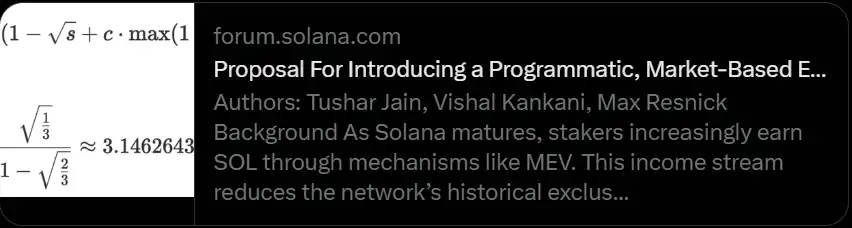
我对 solana 提出的通货膨胀减少措施 SIMD-0228 感到非常担忧,特别是 TusharJain 和 kankanivishal 来自 multicoincap 以及 MaxResnick 1 提出的当前版本,尤其是在没有解决一些关键风险和问题的情况下。
Solana质押奖励调整提案,对SOL价格影响几何?

听完最新的 solana 验证者电话会议后,我认为提出实施这个改变的论点都有很大缺陷。
Solana质押奖励调整提案,对SOL价格影响几何?

以下是我对所提出论点的总结,我将在接下来的推文中逐一反驳:

1: 高质押奖励率对 DeFi 收益不利

2: 通货膨胀增加了抛售压力,应该与网络费用进行对比

3: 高质押奖励减少了 ETF 的需求

4: 质押回报不像资本利得那样符合美国税收优化

5: 更高的质押收益不会导致更高的价格

6: 质押公式将优化质押比例,因此解决了安全性问题(在我看来,这是最重要的安全风险,也是错误的做法)

论点 1:高质押率对 DeFi 收益不利。

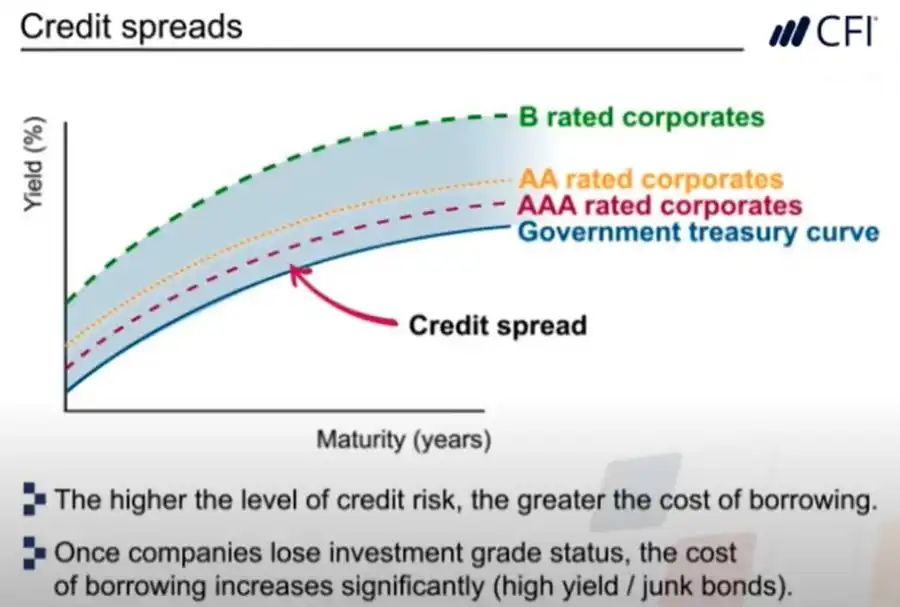
反驳 1:SOL 质押是 Solana 的无风险利率。就像更高的国债无风险利率会导致信用曲线上的利率上升一样,更高的质押收益会推动 DeFi 利率和利润的提高。
Solana质押奖励调整提案,对SOL价格影响几何?

论点 2:通货膨胀增加了抛售压力,这应与费用进行对比。

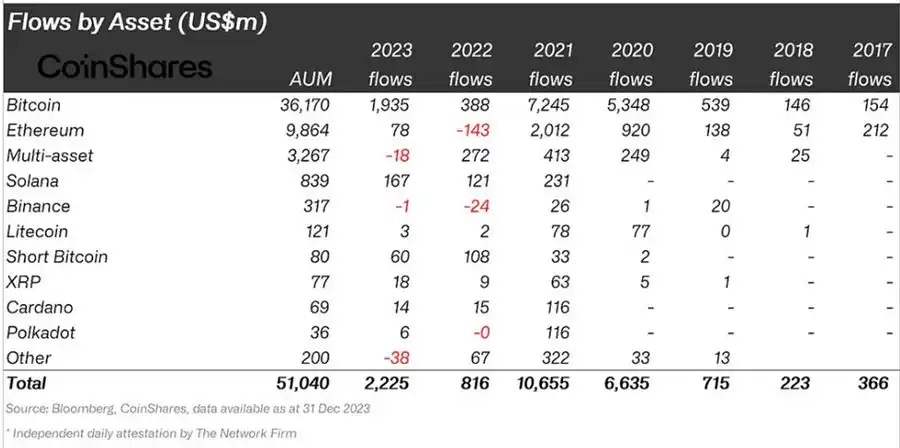
反驳 2:这不成立,就像解锁不一定会带来抛售压力一样,是否抛售取决于持有者的选择。验证者可以选择复投质押。通货膨胀对流动性的影响比其他供应因素小。与其将抛售压力与费用进行对比,不如与资金流动进行对比。可以看一下 Solana ETP 的资金流动作为一个可度量的指标,但来自基金和个人的需求更大且更为重要。
Solana质押奖励调整提案,对SOL价格影响几何?

论点 3:高质押奖励减少了 ETF 的需求。

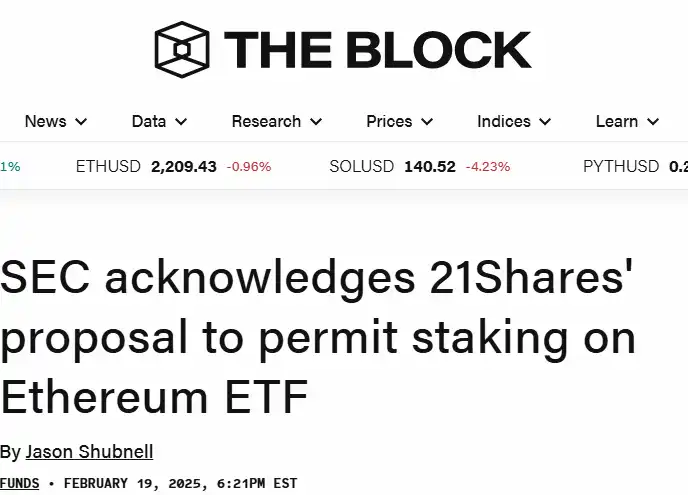
反驳 3:仅仅因为有人用这个论点来解释 ETH ETF 需求疲软,并不意味着它也适用于 Solana。看看许多欧洲的 SOL ETP,它们将整个质押收益拿走且不收取费用,这些产品已经吸引了相当大的资金流入(见上文)。而且,美国的 ETF 也接近允许质押,因此从长远来看,这个论点并不成立。
Solana质押奖励调整提案,对SOL价格影响几何?

论点 4:质押回报不像资本利得那样经过税收优化。

反驳 4:Solana 是一个全球去中心化的网络,我们不应仅仅为了美国的税收政策来进行优化,因为税收政策随时可能发生变化。这就像股权投资者会忽略税收变化对股票估值的影响一样。

论点 5:更高的质押收益不会导致更高的价格。

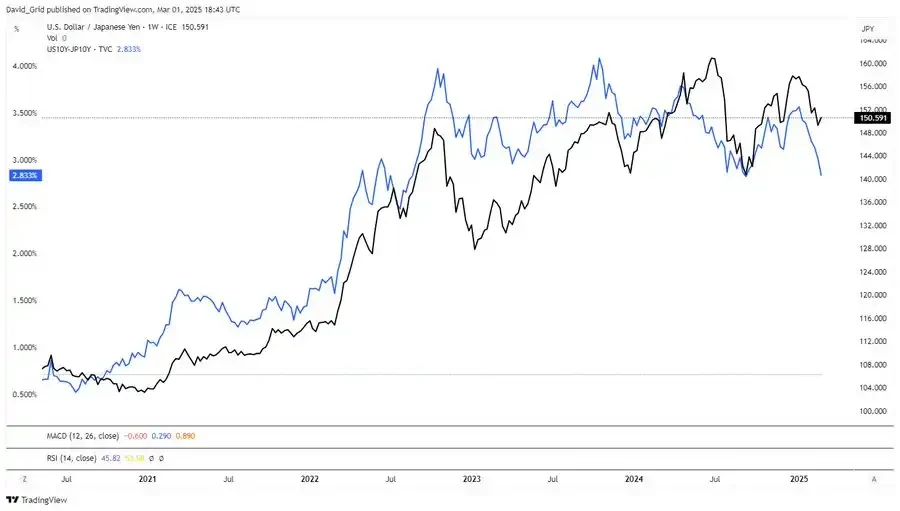
反驳 5:现实世界证明这一点不成立。看看常规货币的定价方式就知道了。一种外汇货币相对于另一种货币的升值,通常是基于利率差异。相对较高的利率会导致货币更强劲。这里有一张美元/日元与美国 10 年期国债和日本 10 年期国债利差的图表作为例子。
Solana质押奖励调整提案,对SOL价格影响几何?

论点 6 :质押公式将优化质押比例,从而解决安全性问题。

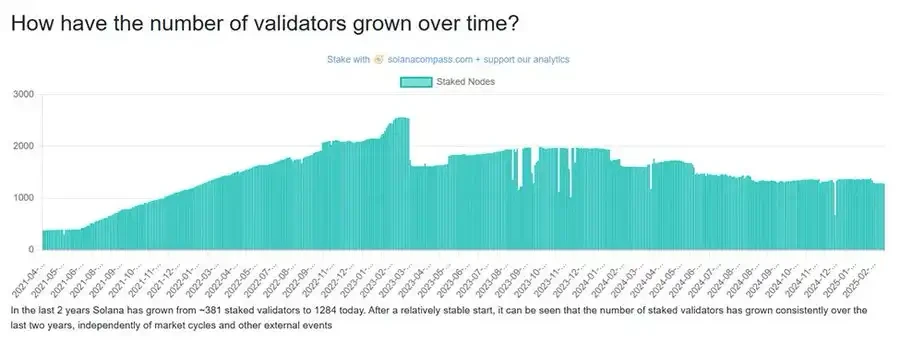
反驳 6 :它还需要优化验证者数量和质押分布。运行 Solana 验证者是很昂贵的,而且验证者的数量已经在下降。
Solana质押奖励调整提案,对SOL价格影响几何?

反驳 6 (续):为了安全地通过这个提案,必须进行的分析,但我还没有看到的是:

模拟当前活跃的小型验证者在新提案下会有多少变得无法盈利并退出。需要在不同的网络活动和 SOL 价格假设下进行分析,特别是在熊市情景下,考虑到 MEV、基础费用和价格都下降 80% 的情况。然后查看当前 Solana 验证者列表,看看在这些情景下有多少当前的验证者会变得无法盈利并退出。

我们可以讨论 Solana 需要多少个验证者。它可能不是像 ETH 那样人为膨胀到 10 万个,但我们也不希望 Solana 变成只有 100 个验证者的 Cosmos 链。

而且,因为支持者提出了美国税收的论点来推动这一提案,我们也不清楚 SEC 的去中心化测试标准是什么,因此我们可能希望将验证者数量保持在 1000 个以上,以便 SOL 保持作为商品的性质。

总而言之,除非有人至少完成了这个分析,否则这个提案不应通过。

提案确实提出了正确的问题:需要多少通货膨胀?但在做出改变之前,我们还有其他问题需要解答。我确实同意这个数字可能较低,并且应该更加动态。就像公司不需要向供应商支付固定金额或向融资方提供固定回报一样,市场应该来决定这个数字,所以我支持这个方向。我们只需要放慢步伐,做更多的工作来理解其影响。

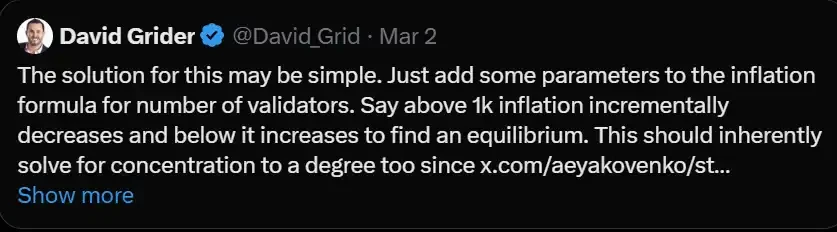
这实际上可能是解决这个风险的高层次方案。
Solana质押奖励调整提案,对SOL价格影响几何?

我真诚的建议是,我们不应该假设和概括其影响。应该进行数据分析,展示所有假设和数据。

原文链接

Trending Cryptos

Related Reads

Tsinghua University's Special Award Winner, Gu Yuxian, Joins DeepSeek

Tsinghua University's prestigious Graduate Special Scholarship recipient and 2021 Ph.D. candidate, Yuxian Gu, has officially joined DeepSeek. This news coincides with DeepSeek's major recruitment drive and the imminent launch of DeepSeek V4, on whose research paper Gu is listed as an author. A doctoral student in the Conversational AI group under Professor Minlie Huang at Tsinghua, Gu's research focuses on enhancing efficiency throughout the entire lifecycle of large language models. His key contributions span three areas: innovative methods for pre-training data selection (e.g., PDS), advanced knowledge distillation techniques for model compression (notably MiniLLM), and the development of efficient model architectures like Jet-Nemotron. His work has gained significant recognition, with nearly 5,000 citations on Google Scholar. Key publications include the highly cited surveys and papers on pre-trained models and the MiniLLM distillation method. As first author, he has presented at top-tier AI conferences including NeurIPS, ICLR, and ACL. One of his notable achievements is the Jet-Nemotron architecture, which combines Post-Neural Architecture Search (PostNAS) and a novel linear attention module called JetBlock. This model series demonstrates state-of-the-art performance rivaling larger models while achieving substantial efficiency gains in inference. Gu's expertise in creating powerful yet efficient AI systems aligns with industry needs, as evidenced by the adoption of his MiniLLM method by leading tech companies. His move to DeepSeek is anticipated to contribute further advancements in the field.

marsbit10m ago

Tsinghua University's Special Award Winner, Gu Yuxian, Joins DeepSeek

marsbit10m ago

After Close Observation of Wash, Morgan Stanley's Chief Economist Insists: The Fed Will Not Raise Rates This Year

After close observation of Federal Reserve Chair Wash, Seth Carpenter, Morgan Stanley's Chief Global Economist, asserts that the Fed will not raise interest rates this year. Following Wash's speech at the ECB's Sintra forum, Carpenter notes a marginal dovish shift: Wash now more clearly balances the Fed's dual mandate of price stability and maximum employment, rather than focusing nearly exclusively on inflation. Importantly, Wash highlighted that the latest policy meeting (coinciding with falling oil prices) has already lowered market inflation expectations and term premiums, signaling no urgency for a July rate hike. Carpenter's view is supported by data. Recent non-farm payroll figures provide room for the Fed to remain patient. Morgan Stanley's inflation forecasts are below the median FOMC projection, and methodological revisions to PCE inflation could further lower readings. These factors make Carpenter "comfortable" with the call for no hikes in 2024. Carpenter also pushes back against the simplistic narrative that AI will be deflationary and lead to rate cuts. He argues AI investment is currently boosting inflation marginally. More broadly, the business cycle will dictate policy; AI's productivity gains could boost demand and, crucially, raise the equilibrium interest rate (r*), weakening the case for cuts. In contrast, the ECB's path remains more hawkish. Carpenter interprets President Lagarde's Sintra comments as leaving the door open for another 25 basis point hike in September, though softer recent data and falling oil prices provide some flexibility. A July hike or more than one additional hike this year is seen as unlikely.

marsbit39m ago

After Close Observation of Wash, Morgan Stanley's Chief Economist Insists: The Fed Will Not Raise Rates This Year

marsbit39m ago

StarDynamics Secures 2.5 Billion in Two Months, State-Owned Capital Consortium Joins In

Star Era Raises 25 Billion Yuan in Two Months with State Capital Leading the Charge. Chinese humanoid robotics leader Star Era has secured a new 10-billion-yuan funding round led by state-owned capital, including funds like Chengtong Fund under the SASAC, marking 25 billion yuan raised within two months. The company, a spin-off from Tsinghua University, has built a comprehensive capital matrix combining state guidance, top-tier financial backers, and industrial partners. Founded in 2023 by Dr. Chen Jianyu, one of Tsinghua's youngest doctoral supervisors, Star Era stands out for its early and pioneering work on "world models" for embodied AI, notably releasing its PAD world action model ahead of major global players. The company follows an AI-native, full-stack R&D strategy from data and AI brain to control, dexterous hands (XHAND series), and robot bodies (bipedal L7, wheeled Q5). A core innovation is its fully direct-drive dexterous hands, which act as high-fidelity data collectors for training its AI models like the ERA-42 and VLAW, creating a virtuous cycle of data and intelligence. Star Era claims to possess one of the world's largest real-world dexterous hand datasets. Commercially, Star Era has achieved product-market fit, most notably in logistics, with robots operating 24/7 in distribution centers for partners like SF Express and China Post, handling over 1,200 parcels per hour. It is also expanding into high-end manufacturing (Samsung, Geely) and commercial services. Its hardware components are used by nine of the global top ten tech firms and leading research institutions. The article positions 2026 as an inflection point where success shifts from model capabilities to proven, scalable commercial deployment. Star Era's rapid funding and industrial traction highlight its position in this competitive race.

marsbit43m ago

StarDynamics Secures 2.5 Billion in Two Months, State-Owned Capital Consortium Joins In

marsbit43m ago

U.S. Stock Market Trend (July 6th): Gold and Crypto Lead Rebound Ahead of Stocks, Fed Minutes Set Weekly Direction

**U.S. Market Trends (July 6): Gold & Crypto Lead, Fed Minutes to Set Tone** Markets rebounded ahead of the U.S. Independence Day holiday, with Nasdaq 100 futures rising over 1% as AI sector concerns eased. Gold posted its best week in over a month, breaking a four-week losing streak despite ongoing Russia-Ukraine tensions, as Middle East risk premiums faded. Brent crude extended its decline for a fourth week. The week ahead is packed with key events. On Tuesday, SpaceX makes a record-fast entry into the Nasdaq 100 index, forcing passive fund flows, while U.S. tariff hearings and the Sun Valley Conference—notably missing NVIDIA's Jensen Huang and Tesla's Elon Musk—add complexity. OpenAI's scheduled GPT-5.6 release intensifies the AI model rollout race. The main focus is Thursday's release of the first Fed meeting minutes under Chair Wash. With half the FOMC already leaning toward a rate hike this year per the June dot plot, the minutes' tone will be critical for market direction. Hawkish confirmation could reverse recent risk-on sentiment, likely signaled first by a pullback in high-volatility assets like Bitcoin and Ethereum, which significantly outperformed last week. Other events include SK Hynix's large U.S. ADR listing and the start of the Q2 earnings season with reports from PepsiCo and Delta Air Lines. The market's path hinges on whether the liquidity and optimism built during the holiday can withstand the combined tests of Fed policy, trade tensions, and major corporate events.

marsbit44m ago

U.S. Stock Market Trend (July 6th): Gold and Crypto Lead Rebound Ahead of Stocks, Fed Minutes Set Weekly Direction

marsbit44m ago

Trading

Spot

Hot Articles

Discussions

Welcome to the HTX Community. Here, you can stay informed about the latest platform developments and gain access to professional market insights. Users' opinions on the price of SOL (SOL) are presented below.

活动图片