华尔街最大的做市商Citadel Securities,正在做空ETH?

Odaily星球日报Published on 2025-02-26Last updated on 2025-02-26

Abstract

加密「做市商」赛道的博弈,才刚刚开始

华尔街最大的做市商Citadel Securities,正在做空ETH?

谁在做空 ETH?

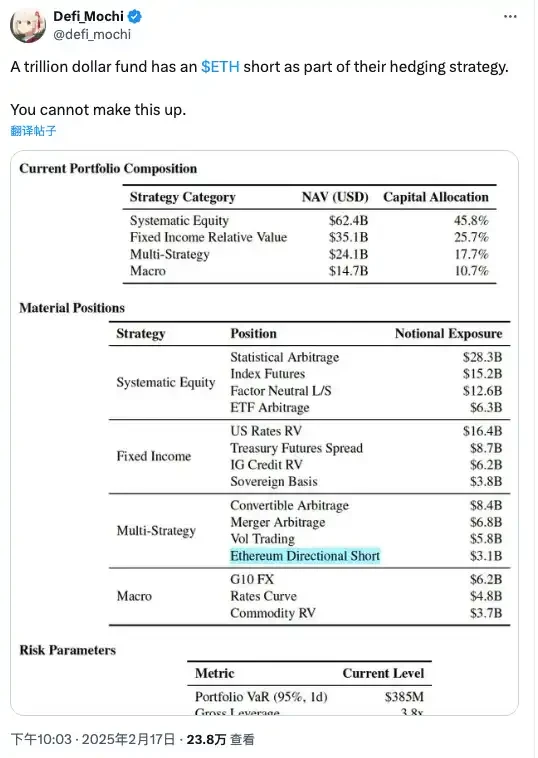
最近,一份神秘机构的资产配置表流了出来,令人值得注意的是,在「多策略」投资组合中赫然标注着一份「 31 亿美元的以太坊空头资产」。
华尔街最大的做市商Citadel Securities,正在做空ETH?

那么问题来了?这份 31 亿美元的以太坊空头资产的持有者到底是谁?

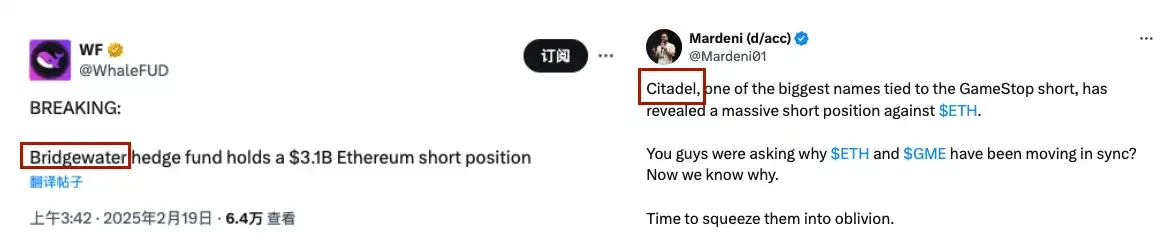
律动 BlockBeats 找了各种该资产配置表的来源,推测出了两个可能性最大的候选者:

首先是桥水基金。一些其他信源的爆料数据与该资产配置表一致,而且桥水基金的首席执行官 Ray Dalio 曾表示,他对加密货币的兴趣表示了兴趣,且他是一个 BTC 最大化主义者,一定程度上符合做空 ETH 的逻辑。
华尔街最大的做市商Citadel Securities,正在做空ETH?

另一个被谈论的最多的可能性就是我们今天重点聊的 Citadel Securities。

一个「大家伙」倒下了,另一个「大家伙」来了

如果大家还记得 2024 年 8 月的黑色星期一,那场由日本加息引发的暴跌。

结束负利率政策以来日本的首次加息,导致日元兑美元汇率飙升,套利交易逆转引发了大规模的清算。全球金融市场瞬间崩盘,日本股市暴跌 9% ,日经指数两度触发熔断机制,创下了八年来的最大单日跌幅。韩国、台湾股市也未能幸免,连带着加密货币市场也遭遇了重创,比特币一度跌破 50, 000 美元,而以太坊更是暴跌 25% 以上,直接抹去了年内的全部涨幅。

但只有日本经济影响这一个原因就带崩加密货币,显然不能说服所有人,直到一些老玩家们透露了内幕。

作为比 SBF 更早出现的初代加密之王,BitMEX 联创 Arthur Hayes 在社交媒体上发文表示,通过传统金融领域的渠道,他得知有某个「大玩家」正在清仓加密资产。
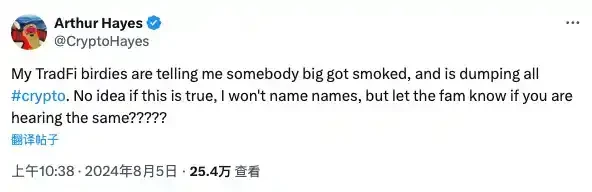
华尔街最大的做市商Citadel Securities,正在做空ETH?

虽然没有明确指出名字,但社区内的指向已经相当明确,正是 Jump Trading 及其加密货币部门 Jump Crypto。自去年 6 月以来,美国商品期货交易委员会(CFTC)就已经开始对 Jump Crypto 展开调查。除了面临监管压力,Jump Crypto 还深陷几宗备受争议的事件中。首先,FTX 的崩盘让 Jump Crypto 损失惨重。此外,Jump 还因参与了 TerraUSD 稳定币崩盘事件而被监管部门关注。

随着 CFTC 调查的进一步深入,Jump Crypto 的年轻 CEO Kanav Kariya 宣布离职,而 Jump 相关的官方推特账号也停止更新,似乎宣告了 Jump 逐渐淡出加密行业的视野。

然而,一个「大家伙」倒下了,但另一个「大家伙」却登场了。

昨天,Citadel Securities 做市商宣布计划进军加密货币做市领域。像是传统金融巨头们的市场接力赛,Jump Crypto 退场,同样来自传统金融背景的 Citadel Securities,选择接过了加密市场的接力棒。

Jump 和 Citadel,作为传统金融巨头的代表,它们都有着相似的背景和策略。两家公司都以做市商业务起家,Jump 通过高频交易在金融市场中占有一席之地,Citadel 则依靠对冲基金和同样高频的量化分析成为全球最大的做市商之一。Jump 进入加密市场时,带着强大的技术团队、硬件设备和资金支持,而 Citadel 同样具备了这些优势。

华尔街最大的做市商,Citadel 的神话

Citadel Securities,这是纽交所最大的做市商之一。每日交易额占美国股票交易量的近 35 %,相当于沪深两市每日的成交额,年收入在 70 亿美元上下。相关阅读:《日赚超亿,Citadel 证券为何这么会吸金?

华尔街最大的做市商Citadel Securities,正在做空ETH?

Citadel Securities 的做市商业务之外,整个 Citadel 起家的主要业务是对冲基金,管理着 650 亿美元的资产。是对冲基金里的技术派,在关注投资价值基本面的同时,通过大量信息以及各种数学模型来分析市场,据说每年都会在模型和硬件上投入几十亿美元的成本。

据 LCH Investments 数据显示, 2022 年,排名前 20 位的对冲基金公司总共创造了 224 亿美元的收益(扣除费用后),其中位列第一的 Citadel 在 2022 年的收益达到 160 亿美元,并创下对冲基金公司的年度回报新高。今年最新的数据显示,成立以来的净收益和估值排名的所有全球对冲基金中,Citadel 仍位居榜首,桥水基金位列第四。
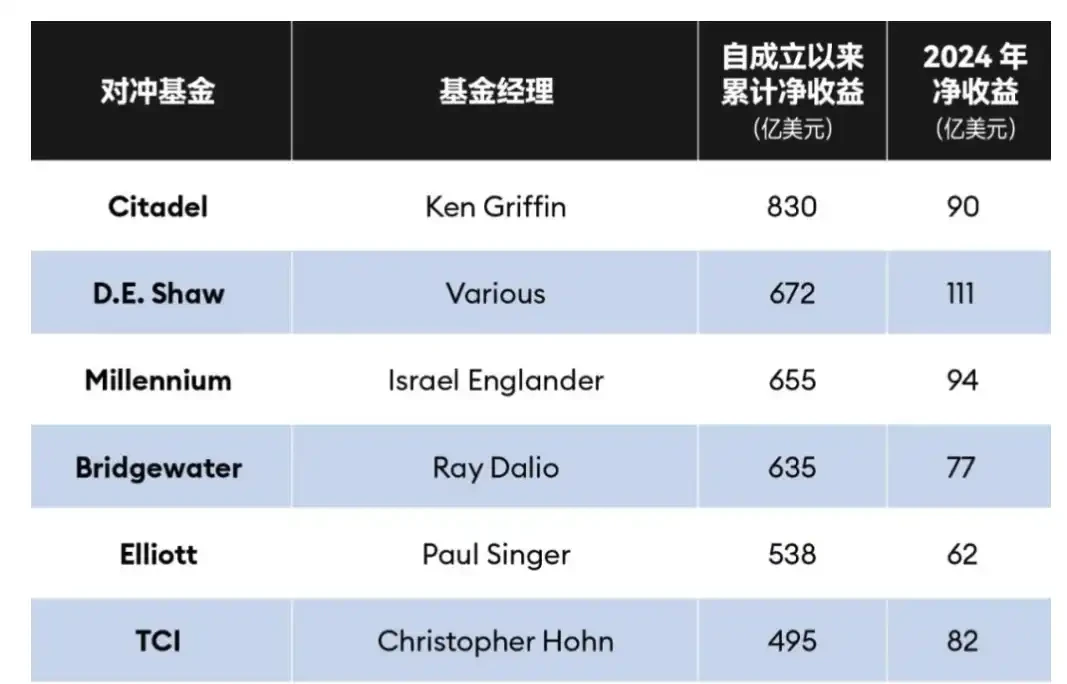
华尔街最大的做市商Citadel Securities,正在做空ETH?

数据来源:LCH Investments

Citadel 创始人 Ken Griffin(肯·格里芬)的身价高达 459 亿美元,在福布斯 400 富豪榜上排名第 22 位,在全球排名第 31 位,他甚至掷下豪言说:「我们确实生产钞票」。

而 Citadel Securities 做市商这边的 CEO 名字和币圈首富的名字很像,叫赵鹏。

相比 Citadel 创始人 Ken Griffin 的经历,赵鹏的履历更能戳中每个亚洲人的爽点: 10 岁进入少儿班, 14 岁考入北大数学系,随后赴美国加州大学伯克利分校攻读博士学位。

2006 年,赵鹏入职 Citadel,凭借着出色的数学天赋,他迅速崭露头角。到 2017 年,他坐上了 CEO 的位置,成为创始人 Ken Griffin 最信任的人之一。

华尔街最大的做市商Citadel Securities,正在做空ETH?

在赵鹏担任 CEO 的四年时间里,他将 Citadel Securities 的交易净营收额翻了五倍,这种增长速度几乎让人难以想象。在他的领导下,Citadel Securities 不仅在市场上更加强势地占据了有利位置,也让公司的盈利能力达到了前所未有的水平。

赵鹏的名字也一下成为了十几年前留学圈里天之骄子的代名词。相关阅读:《Citadel Securities CEO 赵鹏:华尔街华人巅峰,十岁起人生开挂

据当时的留学生回忆,在中国城的老四川餐馆,留学生们一边吃着毛血旺,一边口沫四溅地聊起赵鹏:「在芝加哥地标 lakeshore 上,他一举买下面向密歇根湖的两套豪华公寓并打通,总值超千万美元。」他们都希望自己成为下一个赵鹏。

Citadel 与红杉和 Paradigm 的「暗渡陈仓」

Citadel 正式进军币圈的时间比竞争对手晚不少,毕竟 Jane Street 和 Jump Trading 分别在 2017 年和 2021 年就开始建立数字资产业务。似乎是碍于监管的问题,Citadel 与加密市场的联系一直在「水下」进行。

2021 年,币圈有一件非常出圈的事件。苏世比的一场拍卖会,拍卖一本 1787 年版本的美国宪法。那时 1700 个 crypto 玩家,组成了一个名为 ConstitutionDAO 的去中心化组织,通过社交媒体一共众筹了 4300 万美元准备去拍卖这本美国宪法,并衍生出了 PEOPLE 币。

但很遗憾的是,他们并没有成功拍下这本宪法,最终出价最高的拍下人,正是 Citadel 的创始人 Ken Griffin。

2022 年,这位亿万富翁为 Citadel Securities 接受了第一笔外部投资,以 220 亿美元估值完成 11.5 亿美元融资,领投方是加密行业的老熟人,红杉资本和 Paradigm。

红杉资本合伙人林君叡将加入 Citadel Securities 董事会,Paradigm 的联创 Matt Huang 表示将与 Citadel Securities 一起将其技术和专长拓展至更多市场和资产类别,包括加密资产。尽管如此,当时 Griffin 为了避免监管问题,面对媒体时却依然声称,Citadel Securities 暂时并未涉足加密货币交易。

不过,这样的回答,显然没有掩盖住 Citadel 早已悄然布局的痕迹。正是从那一年开始,Citadel 才正式开始试水加密行业,成立了专门的加密业务部门。

先是调动 Citadel Securities 全球业务发展主管 Jamil Nazarali,成为 Citadel 加密业务的首席执行官,与另一家顶级做市商 Virtu Financial、基金巨头嘉信理财和富达,开始合作数字资产交易和经纪业务。

接着于 2023 年 6 月,正式上线了他们联合推出的加密货币交易平台 EDX Markets,Jamil Nazarali 任 CEO,交易平台主打「非托管」和「零散户」,交易标的仅限比特币、以太坊、莱特币和比特币现金四种。

除了 Jamil Nazarali,Citadel 还培养了不少和币圈紧密相关的精英。例如,曾因管理问题与 SBF 产生矛盾而离开 FTX US 的前总裁 Brett Harrison,也曾在 Citadel Securities 担任技术负责人,为公司带来不少技术创新。

不过 Griffin 本人对加密货币的态度一直较为矛盾。最早,他曾公开表示,他对加密货币持谨慎态度,认为它们没有实际价值。而最近的采访中,他又承认很遗憾没有早期投资比特币,如果能看到更明确的价值,他可能早就买入了这些资产。

而 Citadel Securities 进军加密领域的原因,并不像我们想象的那么复杂,政治上的「站对」进一步加深了他与加密世界的联系。Trump 当选总统后,尤其是他对加密行业的支持,已经让包括 Griffin 在内的许多传统金融巨头看到了加密的巨大潜力。就像大部分加密行业的巨鲸一样,Griffin 在 2024 年大选期间也坚定地支持共和党。在刚刚过去的选举周期中,他是共和党前五大捐赠者之一,仅次于 Elon Musk。

Citadel 的空,从股市做到了币圈

回到我们文章最开始讨论的话题,那份持有「 31 亿美元的以太坊空头资产」的机构资产配置表为什么被怀疑是来自 Citadel 的?

除了最近其在加密行业的动作比较多之外,Citadel 的名字总会和「做空」紧密相连。市场上关于他们的做空传闻特别多。

最早在 2015 年的股灾期间,有传闻称境外做空势力是导致 A 股大跌的元凶之一。因为当时中国证监会核查了许多账户,暂停了一批涉嫌影响证券交易价格或其他投资者投资决定的交易账户。

其中有一家毫不起眼的公司:司度 (上海) 贸易有限公司。而这个司度公司,在全国企业信用信息的公示系统中显示,为外国法人独资企业,股东正是 Citadel。后来经过长达五年的调查和谈判中,司度最终同意支付 1 亿美元与中国监管达成和解协议。当时一位海外知名金融博客 Zerohedge 披露,Citadel 与美联储紧密联系,经常展开秘密会议,其实际上是美联储掌控市场稳定性的工具。他们利用高频交易等手段,推高美国股市。

再来看 2021 年,当 Robinhood 在 GameStop(GME)股灾中禁止散户交易时,Citadel 的名字再次出现在了众多质疑的中心。散户们认为,Citadel 通过对 Robinhood 的资金支持,操控了这场散户与机构之间的对决。尽管 Ken Griffin 在听证会上否认了这些指控,但他的公司与 Robinhood 之间的紧密联系,仍然让这些指控无法平息。

要知道,Citadel Securities 并不是一般的做市商。它与 Robinhood 的关系,表面上是客户与供应商的关系,但从背后看,Citadel 为 Robinhood 提供了大量的订单流。这一切都在 GameStop 事件中暴露无遗。由于 Citadel 向 Robinhood 支付了数千万美元来执行这些交易,它自然成了散户们心中的「幕后黑手」。

事实上,Citadel 多年来的做空操作早已将它打造成市场中的「隐形操控者」。

甚至于 2023 年,Terraform 甚至控告 Citadel 可能参与了对 UST 的做空操作,最终导致 2022 年 5 月时 UST 的脱铆,要求 Citadel Securities 提供一些关键的交易数。即使 Citadel 坚决否认与 UST 崩盘有任何直接关联。

「难怪 GME 股价的走势,与 ETH 如此接近」,有社区成员指出 Citadel Securities 在其中扮演着重要的角色,比如用同样的策略和手法做市。确实,自 2024 年 7 月以来,ETH 的走势与 GME 的股价走势几乎一样。
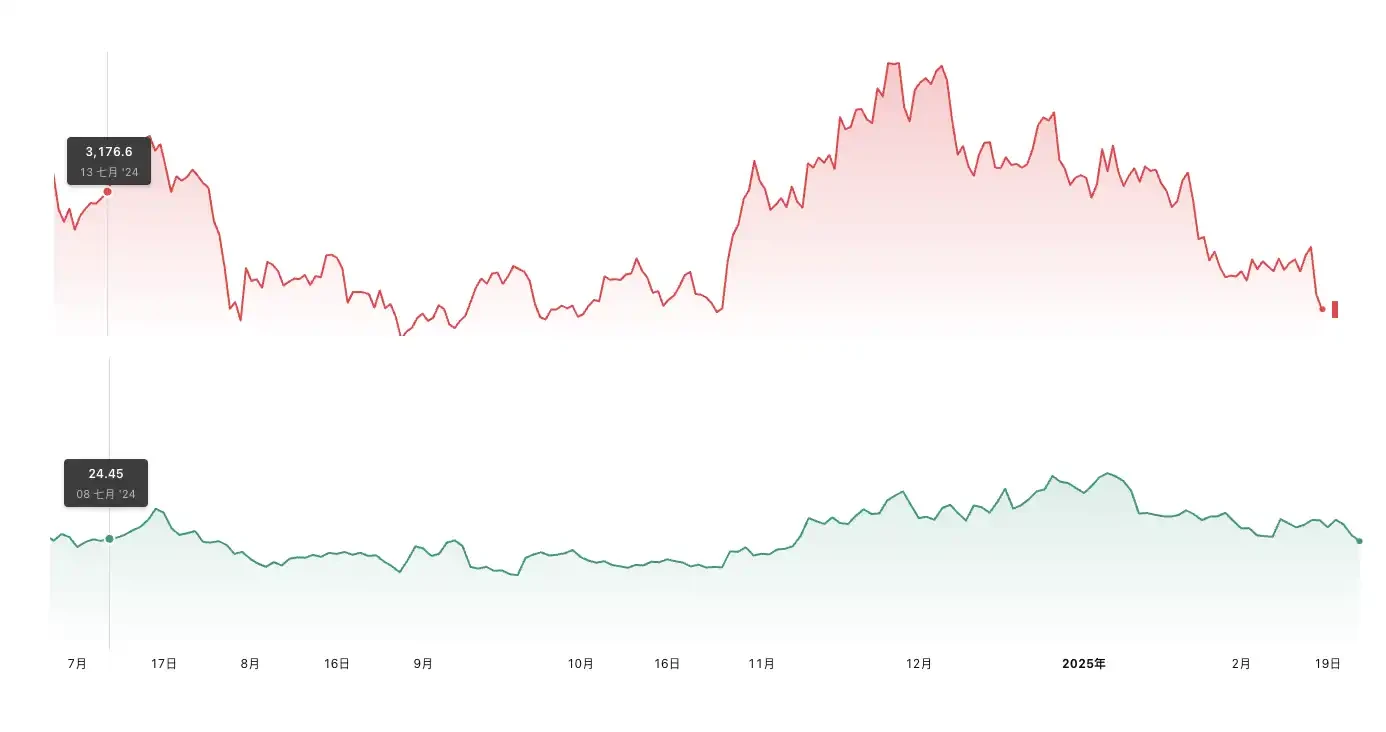
华尔街最大的做市商Citadel Securities,正在做空ETH?

上图:ETH 价格走势;下图:GME 价格走势

也难怪最近 Citadel Securities 被怀疑是做空了 ETH 的机构之一。

不过话说回来,作为一个顶级对冲基金,一边持有大量的 ETH 现货,另一边做空 ETH 来实现风险对冲的可能性也是有的。从这个角度思考,或许这也是一件好事,毕竟他们持有的现货才是主仓位,做空只是辅助策略,目的还是在于保障资产的稳健增值。

而这也正好侧面佐证了目前广为流传的「 ETH 大换庄」传闻,华尔街的巨头们正逐步建仓,成为新的加密庄家。而加密做市商之间的博弈和竞争,也仍在继续。

Trending Cryptos

Related Reads

Q-Day Countdown: Will Quantum Computing End Cryptocurrencies?

Quantum Computing's Threat to Cryptocurrency: A Countdown to Q-Day Quantum computing, specifically Shor's algorithm, poses a fundamental threat to the public-key cryptography (e.g., ECDSA, RSA) that secures blockchain networks like Bitcoin and Ethereum. This critical juncture, known as Q-Day, is estimated to occur potentially within the next 5-15 years. The core vulnerability stems from the public and immutable nature of blockchains. Assets in addresses where the public key is already exposed on-chain (e.g., spent outputs) are at direct risk, as a sufficiently powerful quantum computer could derive the private key. This threatens the very trust model of cryptocurrencies. The response lies in Post-Quantum Cryptography (PQC)—algorithms like lattice-based ML-DSA and hash-based SLH-DSA, which are resistant to quantum attacks. NIST has standardized key PQC algorithms (FIPS 203, 204, 205), providing a migration path. However, the primary challenge is not technical but socio-economic and involves complex governance: * **Bitcoin's** path is constrained by its conservative ethos. Migrating requires a soft-fork to new address types, facing hurdles like significantly larger signature sizes and, most critically, the divisive governance question of how to handle at-risk legacy UTXOs without violating core principles. * **Ethereum** is pursuing a "cryptographic agility" strategy, with a multi-layered roadmap. It leverages account abstraction for user accounts and is developing compressed hash-based signatures (e.g., leanXMSS) for its consensus layer, aiming for a full-stack upgrade over time. In conclusion, quantum computing does not spell an instant end for cryptocurrency but initiates a critical countdown. The industry has a limited "engineering comfort window" to orchestrate a coordinated, ecosystem-wide migration to PQC. The ultimate bottlenecks are the immense coordination efforts and governance decisions required for this foundational transition.

marsbit17m ago

Q-Day Countdown: Will Quantum Computing End Cryptocurrencies?

marsbit17m ago

Trump, the President Who Knows Best How to 'Trade Stocks'

Former US President Donald Trump reported a record-breaking $2.2 billion in personal income for 2025, the highest annual income ever disclosed by a sitting president. This figure, from a 927-page government ethics filing, represented a 3.5-fold increase from his $600 million income in 2024 and boosted his net worth to $6.5 billion. The primary drivers were cryptocurrency (64% of income, approximately $1.4 billion) and real estate (26%, approximately $575 million). His crypto earnings stemmed largely from the launch of his personal meme coin, $TRUMP, generating over $600 million in licensing fees, and substantial profits from the WLFI token and its parent company. Despite a sluggish property market, his Mar-a-Lago resort and associated golf clubs saw revenue surges of 50% and 27%, respectively, attributed to their use as venues for presidential events. Trump's financial disclosure also revealed an unprecedented level of stock market activity, with over 22,000 trades executed in 2025, averaging 87 trades per market day. Media analyses noted several instances where significant trading coincided with major policy announcements, such as proposed tariffs, raising questions about potential conflicts of interest. While the White House stated these trades were handled by a family-managed trust fund and not Trump directly, critics highlighted this as a departure from the blind trusts traditionally used by presidents post-Watergate. The report has intensified debate over the commercialization of the presidency. Supporters view it as a success story of a businessman-president, while critics argue it demonstrates an unprecedented conversion of public influence into private wealth, with policy decisions potentially linked to personal financial gains. The controversy centers on whether Trump's earnings represent innovative entrepreneurship or a fundamental conflict of interest, sparking renewed calls for stricter ethics reforms in US governance.

marsbit27m ago

Trump, the President Who Knows Best How to 'Trade Stocks'

marsbit27m ago

Countdown to Q-Day: Will Quantum Computing End Cryptocurrencies?

The article explores the existential threat quantum computing poses to cryptocurrencies and the urgent need for "post-quantum" migration. It outlines that quantum computers, through Shor's algorithm, could break the elliptic-curve cryptography (ECC) underlying blockchain security, potentially allowing private keys to be derived from public keys. The core challenge is not a lack of post-quantum cryptography (PQC) standards—like NIST's ML-KEM and ML-DSA—but the immense complexity of upgrading entire ecosystems before "Q-Day" (when quantum computers become capable of such attacks, estimated around 2035-2045). Key points include: * **Bitcoin's** risk is concentrated in legacy UTXOs with exposed public keys (e.g., early P2PK outputs). Migration faces massive hurdles: PQC signatures are much larger, increasing transaction size and cost, and the governance dilemma of handling un-migrated assets threatens its "code is law" ethos. * **Ethereum's** strategy focuses on "cryptographic agility," using Account Abstraction for user accounts and developing compressed hash-based signatures (like leanXMSS with SNARK aggregation) for consensus. Its migration is a complex, full-stack overhaul of execution, consensus, and data layers. * The "security debt" is enormous. The comfortable engineering window for a coordinated, ecosystem-wide upgrade is only 5-8 years. High-value infrastructure (exchanges, bridges) may face pressure before mainnet protocols. In conclusion, quantum computing is not an instant "doomsday" event but a forcing function for systemic change. Bitcoin's ultimate test is social consensus and property rights governance, while Ethereum's is technical complexity. Failure to migrate in time could lead to a fundamental re-pricing of crypto assets.

链捕手31m ago

Countdown to Q-Day: Will Quantum Computing End Cryptocurrencies?

链捕手31m ago

Losing $55 Million to Sell Bitcoin, MicroStrategy's Faith Reaches Its Interest Payment Day

On July 6th, Michael Saylor's MicroStrategy announced the sale of 3,588 BTC for approximately $216 million, incurring a realized loss of around $55.45 million compared to its average cost basis. This move, contradicting Saylor's long-standing "never sell" Bitcoin philosophy, was executed to pay dividends on its digital credit securities. The article traces this shift from a small "desensitization test" sale of 32 BTC in late May to the board's authorization on June 30th to sell up to $1.25 billion in Bitcoin for corporate purposes like dividends and buybacks. Analysis reveals that MicroStrategy's previous growth "flywheel"—using stock premiums to fund more Bitcoin purchases—has stalled. With its stock trading near a critical threshold (1.22x its Bitcoin NAV), issuing new shares would dilute value. Simultaneously, its financing channels (preferred stock, common stock ATM, convertible notes) are constrained while facing rigid annual dividend/interest obligations of roughly $1.76 billion. Consequently, selling Bitcoin became the calculated "optimal solution" under its own financial model. This transforms MicroStrategy from crypto's most prominent steady buyer into a predictable seller, creating a potential overhead of ~2,400 BTC in monthly selling pressure if obligations are fully covered by sales. This shift challenges the valuation models of the entire Digital Asset Treasury (DAT) sector that emulated MicroStrategy. The company's path forward now hinges on Bitcoin's price recovery, which would allow its preferred stock to trade at par and reopen its financing flywheel, creating a cyclical dependency between the firm's financial model and the asset it holds.

链捕手59m ago

Losing $55 Million to Sell Bitcoin, MicroStrategy's Faith Reaches Its Interest Payment Day

链捕手59m ago

Trading

Spot

Hot Articles

Discussions

Welcome to the HTX Community. Here, you can stay informed about the latest platform developments and gain access to professional market insights. Users' opinions on the price of ETH (ETH) are presented below.

活动图片