比特币暴跌至91000美元,山寨币血流成河,市场底部在哪里?

MarsBitPublished on 2025-02-24Last updated on 2025-02-25

Abstract

比特币的交易所余额已降至2018年以来的最低水平,这些事实被视为潜在的利好因素,若市场需求回升,可能会对价格形成支持,带来一定的反弹动力。

2025年2月25日,比特币价格经历了一次剧烈的闪崩。根据最新行情数据,比特币在短短一小时内从94,000美元急速下挫至91,600美元,24小时内跌幅扩大至近4%,远超市场预期。这一暴跌不仅刷新了自2月3日清算以来的最大单日跌幅,还引发了加密货币市场的连锁反应:全网近30万人爆仓,约9亿美元资金“蒸发”,美股加密货币概念股同步下跌,市场恐慌情绪迅速蔓延。


暴跌始末:从94000美元到91600美元的连锁反应
1. 关键节点与数据

  • 根据行情数据,2月24日晚,比特币首次跌破95,000美元关口,24小时跌幅达到1.66%,随后在美股开盘时段进一步下探至93,611美元。
  • 到25日凌晨,抛售压力急剧加剧,比特币价格在1小时内暴跌超过2,400美元,最低触及91,600美元,24小时总跌幅超过3%,这一波动幅度远超同期美股和大宗商品市场的变化。
  • 受到此影响,美股加密货币相关股票集体下跌:Strategy跌幅超过6%,MARA Holdings和Riot Platforms的跌幅超过5%,市场资金开始加速撤离高风险资产。

2. 爆仓规模与市场情绪  
市场


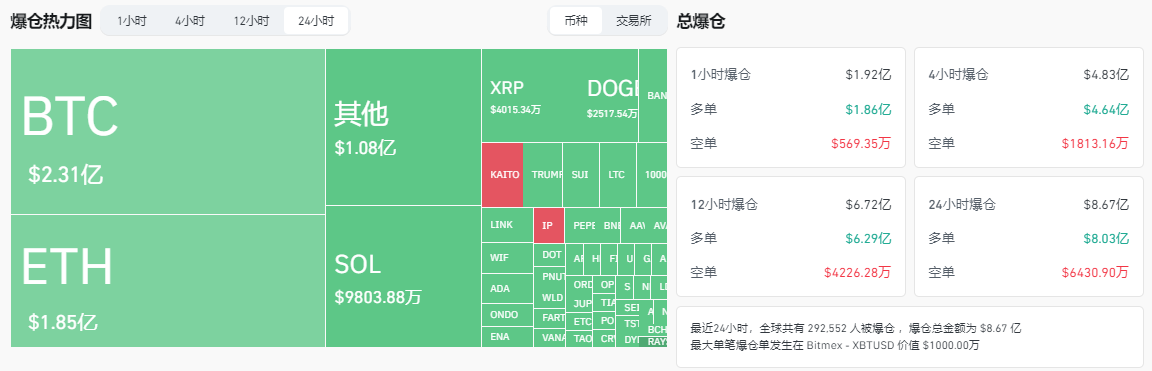
据Coinglass数据,过去24小时内,全网共有292,552投资者爆仓,爆仓金额达到8.7亿美元,其中92%为多单仓位,显示杠杆交易者在此次下跌中遭遇了严重损失。
市场


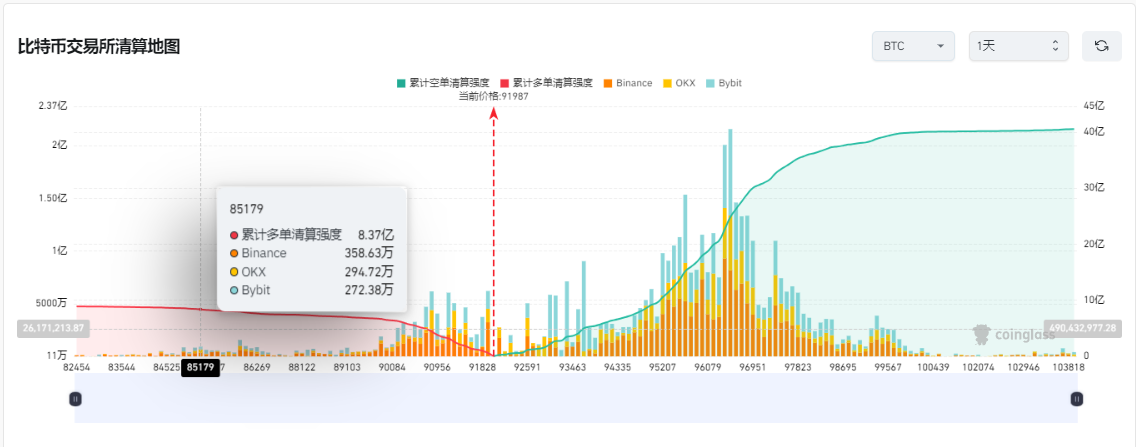
比特币交易所的清算数据表明,主要多头仓位已被彻底清洗。如果比特币价格进一步下跌至85,000美元,预计还将有约8亿美元的多头仓位被清算。
市场


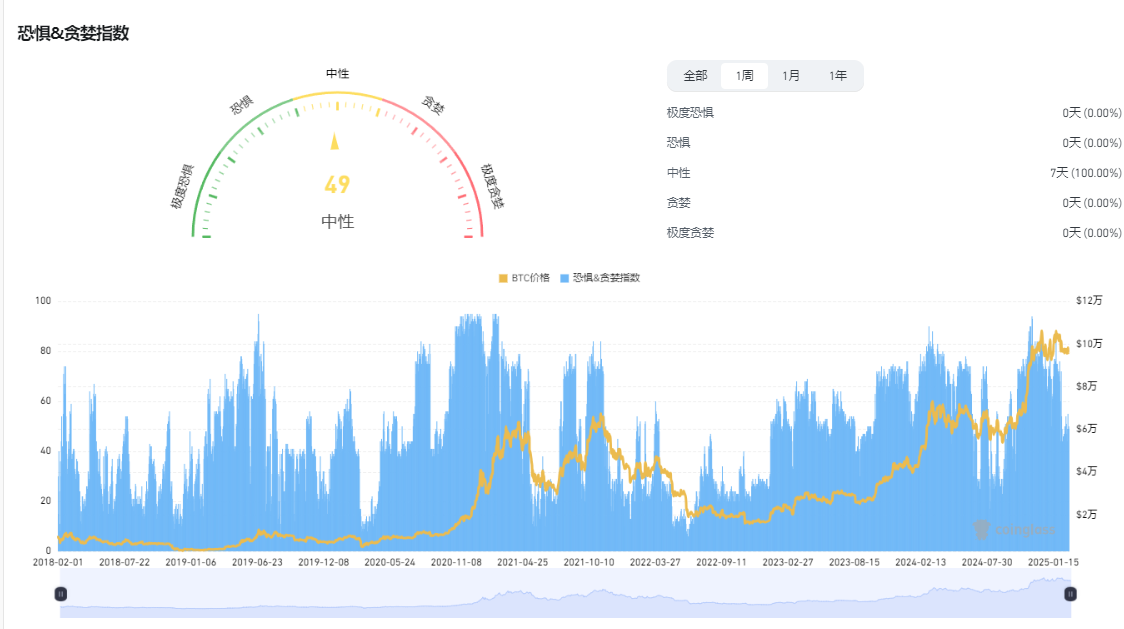
当前市场恐慌指数(Fear & Greed Index)维持在65点附近,已经持续一周之久,投资者普遍对短期走势持悲观预期。
市场


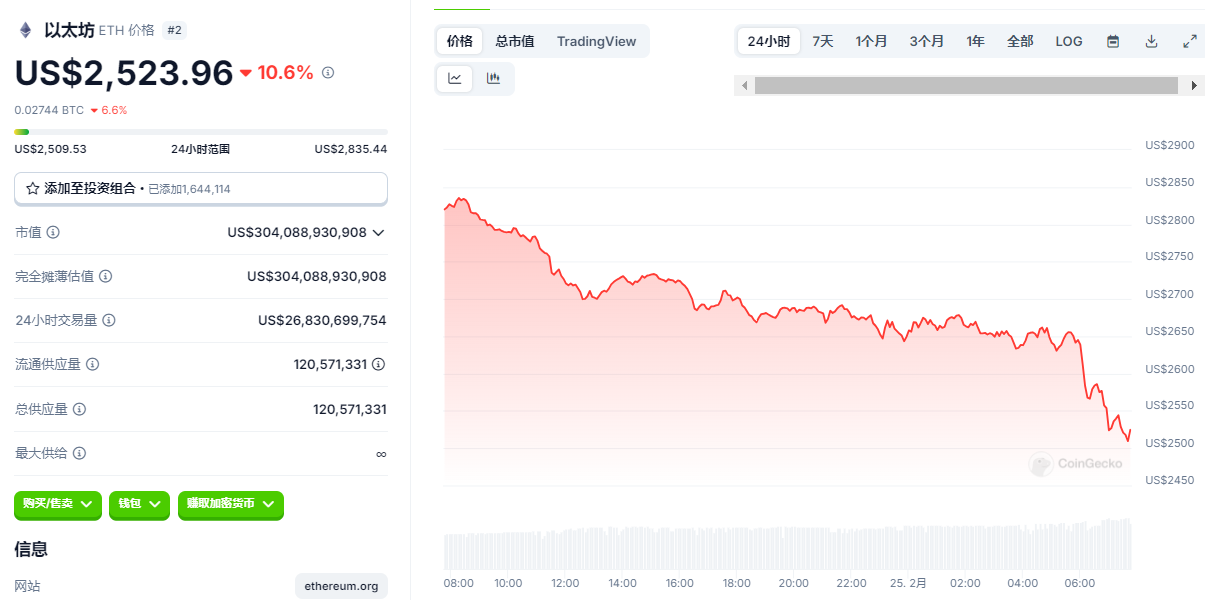
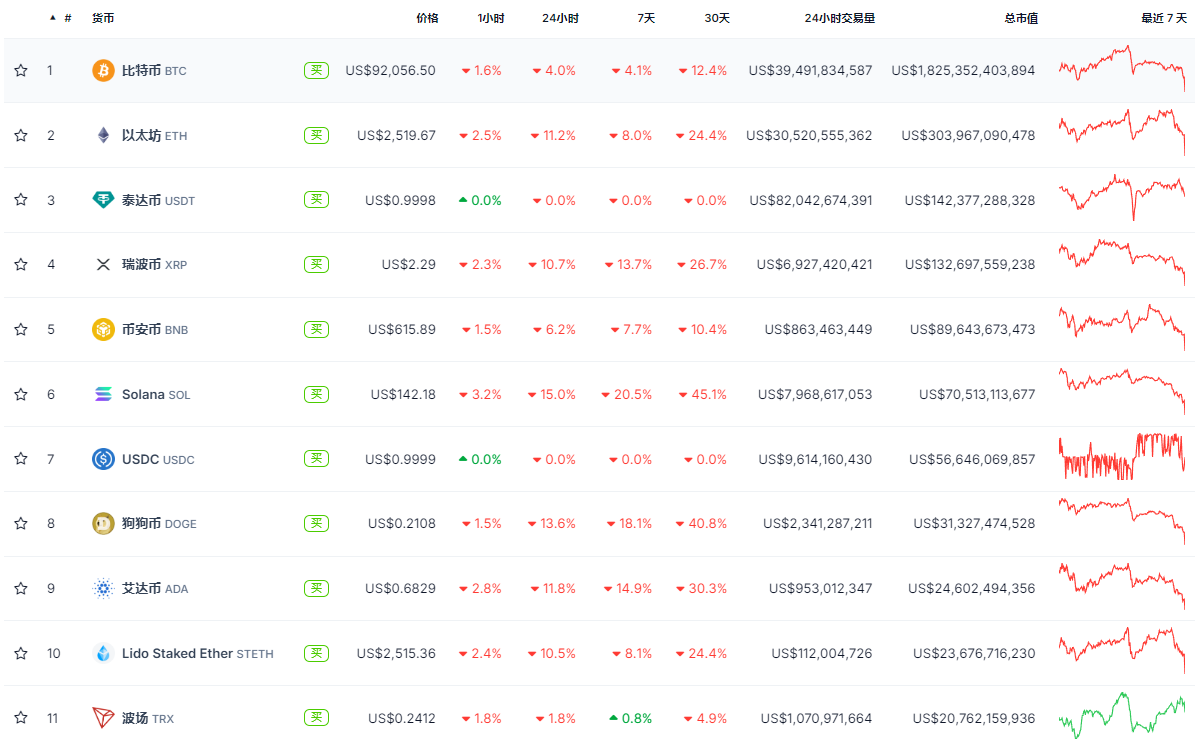
与此同时,以太坊的跌幅也较为显著,当日下跌接近11%,并在本文撰写时跌至2,523美元。
自上周五以来,超过14亿美元的ETH和相关代币从Bybit交易所被盗,进一步加剧了以太坊的波动。根据CoinGlass数据,过去24小时内,约2亿美元的以太坊多头仓位被清算。

市场


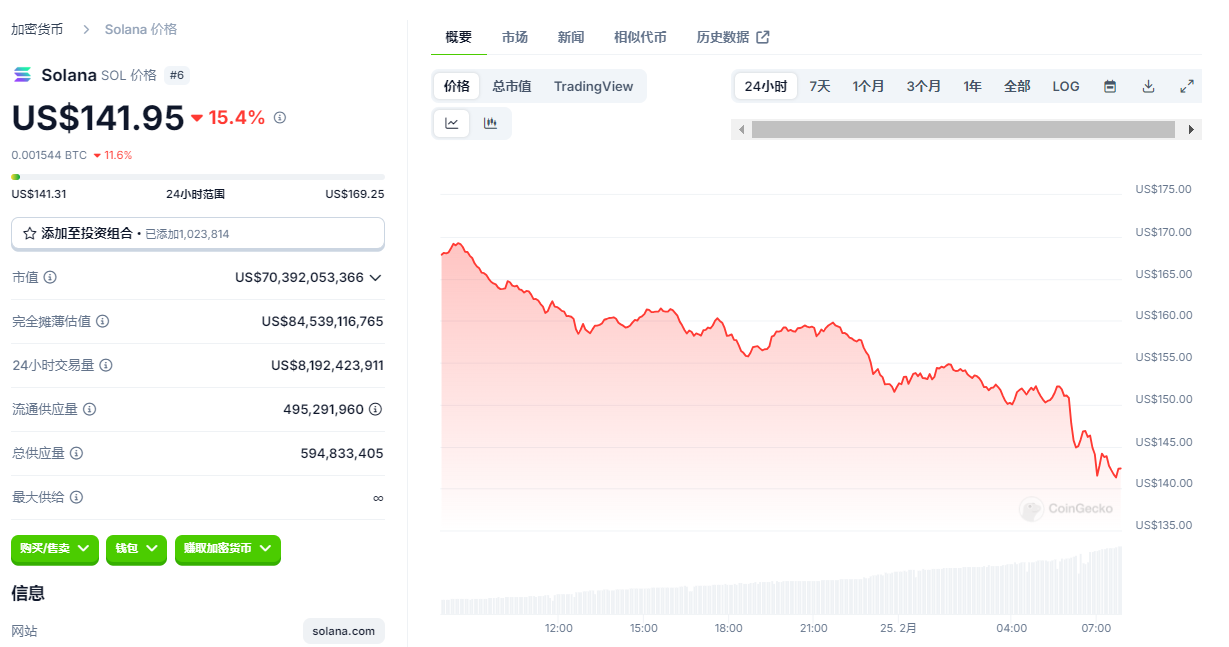
Solana依旧是前十大代币中跌幅最大的。过去24小时内,Solana跌幅超过15%,7天跌幅达到22%,目前价格已跌破140美元,创下2024年10月以来的最低价格。Solana生态系统的混乱与对meme币需求的下降密切相关,部分原因是阿根廷总统哈维尔·米莱推广的Libra代币引发争议,导致Solana链上meme热潮彻底破灭。
除此之外即将到来的超过20亿美元的代币解锁也称为了压垮SOL最后一根稻草。
市场


其他顶级代币的表现也同样不佳,其中:

  • 狗狗币(DOGE)下跌超过14%,至0.20美元;
  • XRP下跌近12%,至2.20美元;
  • Cardano下跌近12%,目前价格为0.67美元;
  • BNB下跌接近7%,至612美元。


市场


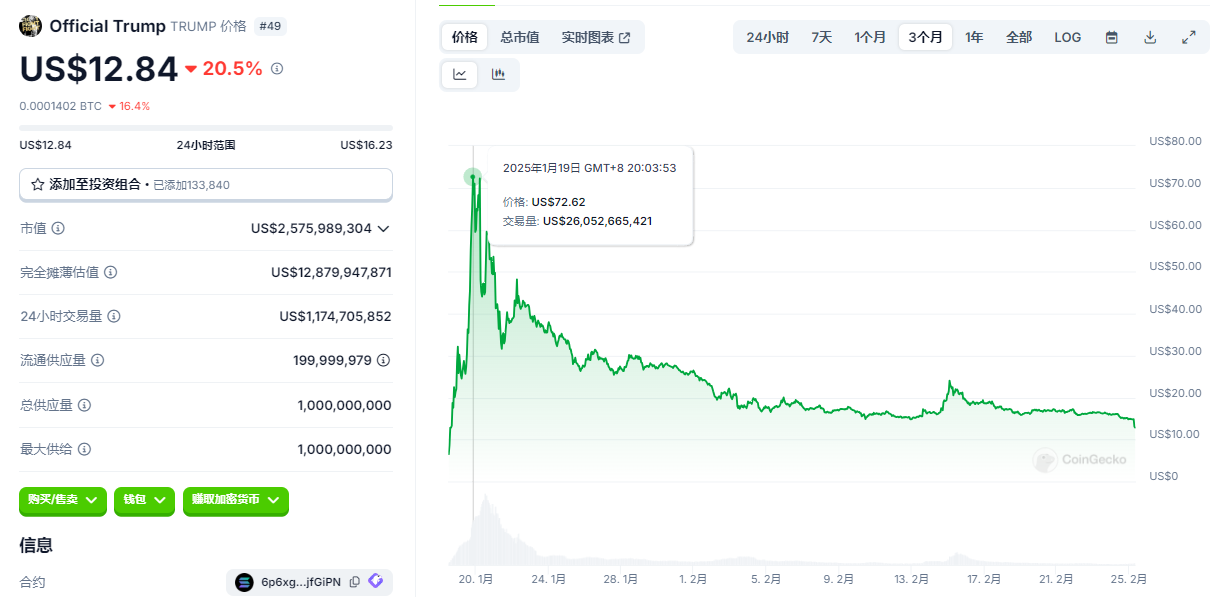
唐纳德·特朗普总统的Solana MEME币(TRUMP)跌至12.70美元,创下该代币自1月首次亮相以来的最低价,目前该代币已从73美元的高点下跌了超过85%。


暴跌诱因:多重因素交织影响市场
1. 宏观经济因素:美联储政策与美元走强
市场


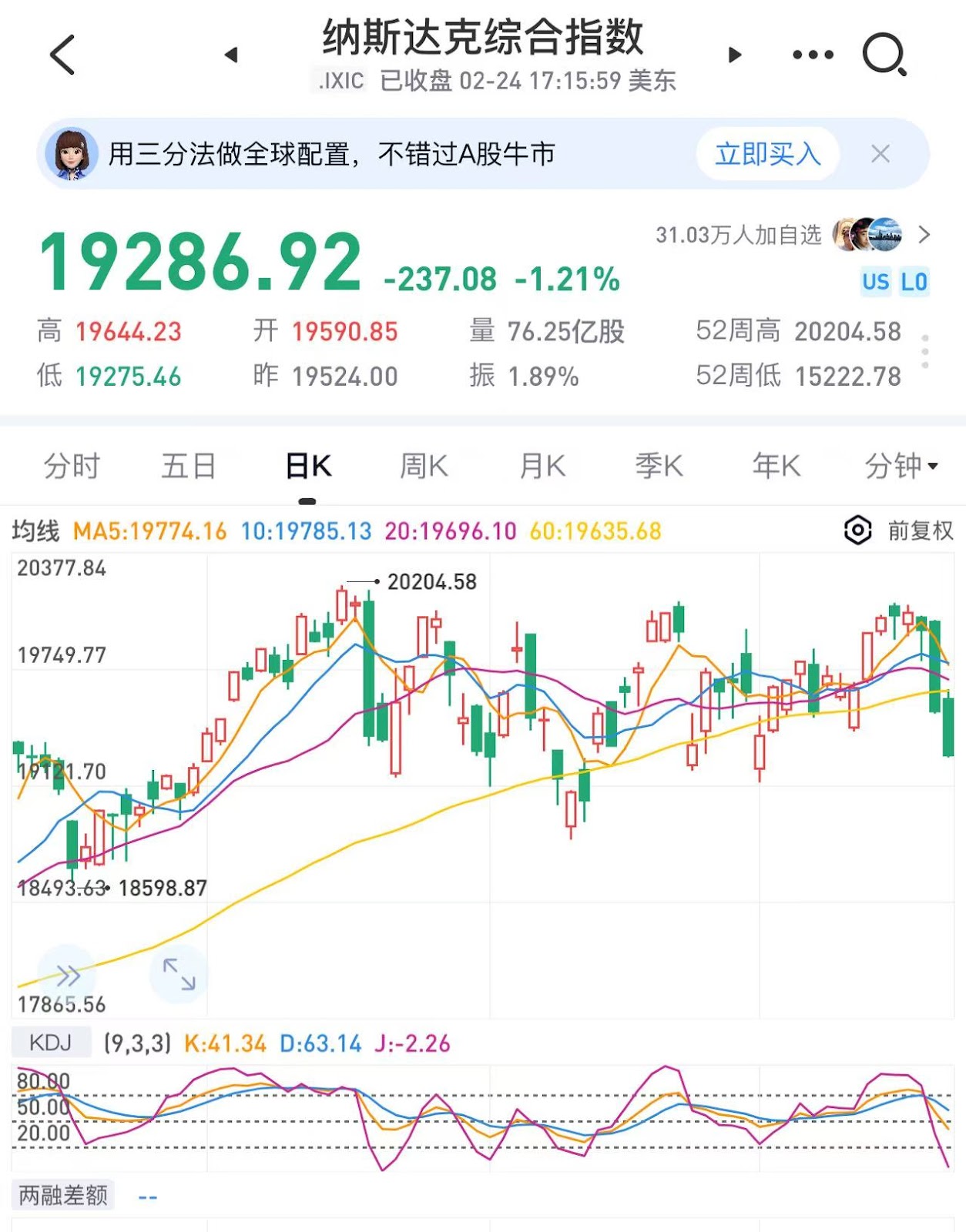
美联储近期的“鹰派”信号加剧了市场的不确定性,推动美元指数走强,进而压制了风险资产的表现。随着美国加息预期的升温,市场对高风险资产的兴趣下降,纳斯达克等科技股出现大幅回调,这也对加密货币市场造成了连带影响。美联储的政策方向使得资金流出加密货币市场的现象愈加明显,风险偏好的降低直接导致了加密市场的下行压力。


2. 资金流动与ETF市场的疲软


2024年美国现货比特币ETF净流入曾高达356.6亿美元,但进入2025年后,资金流入明显放缓。2月以来,ETF的周均资金流入量较1月下降了40%,并且连续两周呈现资金流出。这一变化反映出机构投资者的观望情绪加重,市场资金未能有效进入,进一步加剧了市场的疲软趋势。尤其是在ETF市场的表现低迷时,市场情绪的转冷也显著影响了加密资产的价格走势。


3. 政策不确定性:特朗普政策与监管变化


尽管特朗普政府在2024年释放了支持加密货币的信号,但其承诺的“比特币国家储备”政策仍未落地,市场对政策兑现的担忧逐渐升温。与此同时,市场对于监管政策的预期分化,也加剧了不确定性。尤其是在对冲基金和机构投资者的操作中,他们对于政策变化的敏感度较高,尤其是在基差变化的背景下,可能会引发大规模的卖盘,进一步压低比特币等资产价格。


4. 市场内在的杠杆风险与资金撤离


在加密市场的深度调整中,杠杆交易成为一个重要的风险点。据数据显示,当前市场内有大量的杠杆仓位,尤其是多头仓位受到了严重的打击。随着比特币等主流加密货币价格的持续下行,清算现象迅速蔓延。杠杆交易的清算不仅加剧了市场的下跌幅度,也加速了资金的撤离,导致整个市场的恐慌情绪进一步蔓延,推动了加密货币的暴跌。

市场


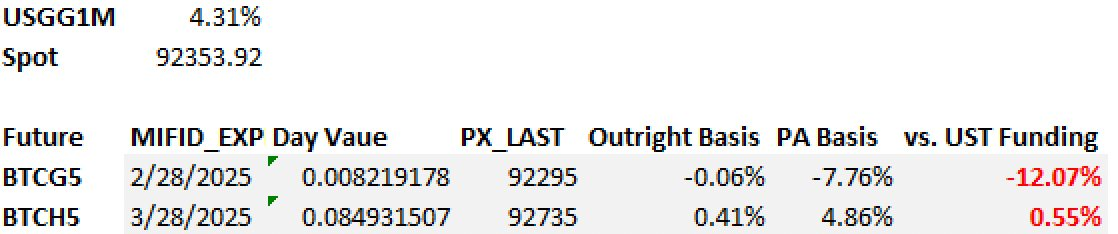
根据Arthur Hayes的分析,许多$IBIT持有者都是对冲基金,他们做多 ETF 做空 CME 期货,以获得比他们投资的短期美国国债更高的收益。如果该基差随着$BTC下跌而下降,那么这些基金将卖出$IBIT并回购CME期货。这些基金处于盈利状态,并且鉴于基差接近美国国债收益率,它们将在美国交易时段平仓并实现利润,也许目标直至70,000 美元。


尽管加密市场短期内正面临调整,但与此同时,美国证券交易委员会(SEC)正式结束对Robinhood加密货币部门的调查、Strategy继续买入比特币等消息,都是当日的利好因素,但未能扭转市场的看跌趋势。


比特币的交易所余额已降至2018年以来的最低水平,这些事实被视为潜在的利好因素,若市场需求回升,可能会对价格形成支持,带来一定的反弹动力。

Trending Cryptos

Related Reads

MSTR Discloses Sale of 3,588 Bitcoins, Stock Price Drops Over 5% at One Point During Trading

MicroStrategy, the world's largest corporate holder of Bitcoin, has significantly shifted its business model. Between June 29 and July 5, the company sold 3,588 bitcoins for approximately $216 million to fund quarterly dividends for its preferred stock. This marks its largest-ever Bitcoin sale and signals a strategic pivot: Bitcoin is transitioning from a "buy-and-hold" reserve asset to a liquidity management tool for the company. This move follows a recent authorization allowing Bitcoin sales when equity fundraising is less attractive. The announcement contributed to a more than 5% intraday drop in MicroStrategy's stock price, while Bitcoin fell to around $61,800—below the company's average holding cost of roughly $75,700. The sale represents a major departure from MicroStrategy's long-standing "never sell" commitment, which saw its first minor breach in May with a $2.5 million sale. The latest, hundred-times-larger transaction underscores growing financial pressures. Analysts note the company faces about $1.5 billion in annual preferred dividend obligations, far exceeding cash flow from its software business. As of July 5, MicroStrategy holds 843,775 bitcoins. Its current operational logic involves buying Bitcoin during favorable financing conditions and selling portions to cover dividends when needed, creating a flexible capital management cycle amidst a challenging market environment.

华尔街日报2h ago

MSTR Discloses Sale of 3,588 Bitcoins, Stock Price Drops Over 5% at One Point During Trading

华尔街日报2h ago

Q-Day Countdown: Will Quantum Computing End Cryptocurrencies?

Quantum Computing's Threat to Cryptocurrency: A Countdown to Q-Day Quantum computing, specifically Shor's algorithm, poses a fundamental threat to the public-key cryptography (e.g., ECDSA, RSA) that secures blockchain networks like Bitcoin and Ethereum. This critical juncture, known as Q-Day, is estimated to occur potentially within the next 5-15 years. The core vulnerability stems from the public and immutable nature of blockchains. Assets in addresses where the public key is already exposed on-chain (e.g., spent outputs) are at direct risk, as a sufficiently powerful quantum computer could derive the private key. This threatens the very trust model of cryptocurrencies. The response lies in Post-Quantum Cryptography (PQC)—algorithms like lattice-based ML-DSA and hash-based SLH-DSA, which are resistant to quantum attacks. NIST has standardized key PQC algorithms (FIPS 203, 204, 205), providing a migration path. However, the primary challenge is not technical but socio-economic and involves complex governance: * **Bitcoin's** path is constrained by its conservative ethos. Migrating requires a soft-fork to new address types, facing hurdles like significantly larger signature sizes and, most critically, the divisive governance question of how to handle at-risk legacy UTXOs without violating core principles. * **Ethereum** is pursuing a "cryptographic agility" strategy, with a multi-layered roadmap. It leverages account abstraction for user accounts and is developing compressed hash-based signatures (e.g., leanXMSS) for its consensus layer, aiming for a full-stack upgrade over time. In conclusion, quantum computing does not spell an instant end for cryptocurrency but initiates a critical countdown. The industry has a limited "engineering comfort window" to orchestrate a coordinated, ecosystem-wide migration to PQC. The ultimate bottlenecks are the immense coordination efforts and governance decisions required for this foundational transition.

marsbit2h ago

Q-Day Countdown: Will Quantum Computing End Cryptocurrencies?

marsbit2h ago

Trump, the President Who Knows Best How to 'Trade Stocks'

Former US President Donald Trump reported a record-breaking $2.2 billion in personal income for 2025, the highest annual income ever disclosed by a sitting president. This figure, from a 927-page government ethics filing, represented a 3.5-fold increase from his $600 million income in 2024 and boosted his net worth to $6.5 billion. The primary drivers were cryptocurrency (64% of income, approximately $1.4 billion) and real estate (26%, approximately $575 million). His crypto earnings stemmed largely from the launch of his personal meme coin, $TRUMP, generating over $600 million in licensing fees, and substantial profits from the WLFI token and its parent company. Despite a sluggish property market, his Mar-a-Lago resort and associated golf clubs saw revenue surges of 50% and 27%, respectively, attributed to their use as venues for presidential events. Trump's financial disclosure also revealed an unprecedented level of stock market activity, with over 22,000 trades executed in 2025, averaging 87 trades per market day. Media analyses noted several instances where significant trading coincided with major policy announcements, such as proposed tariffs, raising questions about potential conflicts of interest. While the White House stated these trades were handled by a family-managed trust fund and not Trump directly, critics highlighted this as a departure from the blind trusts traditionally used by presidents post-Watergate. The report has intensified debate over the commercialization of the presidency. Supporters view it as a success story of a businessman-president, while critics argue it demonstrates an unprecedented conversion of public influence into private wealth, with policy decisions potentially linked to personal financial gains. The controversy centers on whether Trump's earnings represent innovative entrepreneurship or a fundamental conflict of interest, sparking renewed calls for stricter ethics reforms in US governance.

marsbit3h ago

Trump, the President Who Knows Best How to 'Trade Stocks'

marsbit3h ago

Countdown to Q-Day: Will Quantum Computing End Cryptocurrencies?

The article explores the existential threat quantum computing poses to cryptocurrencies and the urgent need for "post-quantum" migration. It outlines that quantum computers, through Shor's algorithm, could break the elliptic-curve cryptography (ECC) underlying blockchain security, potentially allowing private keys to be derived from public keys. The core challenge is not a lack of post-quantum cryptography (PQC) standards—like NIST's ML-KEM and ML-DSA—but the immense complexity of upgrading entire ecosystems before "Q-Day" (when quantum computers become capable of such attacks, estimated around 2035-2045). Key points include: * **Bitcoin's** risk is concentrated in legacy UTXOs with exposed public keys (e.g., early P2PK outputs). Migration faces massive hurdles: PQC signatures are much larger, increasing transaction size and cost, and the governance dilemma of handling un-migrated assets threatens its "code is law" ethos. * **Ethereum's** strategy focuses on "cryptographic agility," using Account Abstraction for user accounts and developing compressed hash-based signatures (like leanXMSS with SNARK aggregation) for consensus. Its migration is a complex, full-stack overhaul of execution, consensus, and data layers. * The "security debt" is enormous. The comfortable engineering window for a coordinated, ecosystem-wide upgrade is only 5-8 years. High-value infrastructure (exchanges, bridges) may face pressure before mainnet protocols. In conclusion, quantum computing is not an instant "doomsday" event but a forcing function for systemic change. Bitcoin's ultimate test is social consensus and property rights governance, while Ethereum's is technical complexity. Failure to migrate in time could lead to a fundamental re-pricing of crypto assets.

链捕手3h ago

Countdown to Q-Day: Will Quantum Computing End Cryptocurrencies?

链捕手3h ago

Trading

Spot

Hot Articles

What is $BITCOIN

DIGITAL GOLD ($BITCOIN): A Comprehensive Analysis Introduction to DIGITAL GOLD ($BITCOIN) DIGITAL GOLD ($BITCOIN) is a blockchain-based project operating on the Solana network, which aims to combine the characteristics of traditional precious metals with the innovation of decentralized technologies. While it shares a name with Bitcoin, often referred to as “digital gold” due to its perception as a store of value, DIGITAL GOLD is a separate token designed to create a unique ecosystem within the Web3 landscape. Its goal is to position itself as a viable alternative digital asset, although specifics regarding its applications and functionalities are still developing. What is DIGITAL GOLD ($BITCOIN)? DIGITAL GOLD ($BITCOIN) is a cryptocurrency token explicitly designed for use on the Solana blockchain. In contrast to Bitcoin, which provides a widely recognized value storage role, this token appears to focus on broader applications and characteristics. Notable aspects include: Blockchain Infrastructure: The token is built on the Solana blockchain, known for its capacity to handle high-speed and low-cost transactions. Supply Dynamics: DIGITAL GOLD has a maximum supply capped at 100 quadrillion tokens (100P $BITCOIN), although details regarding its circulating supply are currently undisclosed. Utility: While precise functionalities are not explicitly outlined, there are indications that the token could be utilized for various applications, potentially involving decentralized applications (dApps) or asset tokenization strategies. Who is the Creator of DIGITAL GOLD ($BITCOIN)? At present, the identity of the creators and development team behind DIGITAL GOLD ($BITCOIN) remains unknown. This situation is typical among many innovative projects within the blockchain space, particularly those aligning with decentralized finance and meme coin phenomena. While such anonymity may foster a community-driven culture, it intensifies concerns about governance and accountability. Who are the Investors of DIGITAL GOLD ($BITCOIN)? The available information indicates that DIGITAL GOLD ($BITCOIN) does not have any known institutional backers or prominent venture capital investments. The project seems to operate on a peer-to-peer model focused on community support and adoption rather than traditional funding routes. Its activity and liquidity are primarily situated on decentralized exchanges (DEXs), such as PumpSwap, rather than established centralized trading platforms, further highlighting its grassroots approach. How DIGITAL GOLD ($BITCOIN) Works The operational mechanics of DIGITAL GOLD ($BITCOIN) can be elaborated on based on its blockchain design and network attributes: Consensus Mechanism: By leveraging Solana’s unique proof-of-history (PoH) combined with a proof-of-stake (PoS) model, the project ensures efficient transaction validation contributing to the network's high performance. Tokenomics: While specific deflationary mechanisms have not been extensively detailed, the vast maximum token supply implies that it may cater to microtransactions or niche use cases that are still to be defined. Interoperability: There exists the potential for integration with Solana’s broader ecosystem, including various decentralized finance (DeFi) platforms. However, the details regarding specific integrations remain unspecified. Timeline of Key Events Here is a timeline that highlights significant milestones concerning DIGITAL GOLD ($BITCOIN): 2023: The initial deployment of the token occurs on the Solana blockchain, marked by its contract address. 2024: DIGITAL GOLD gains visibility as it becomes available for trading on decentralized exchanges like PumpSwap, allowing users to trade it against SOL. 2025: The project witnesses sporadic trading activity and potential interest in community-led engagements, although no noteworthy partnerships or technical advancements have been documented as of yet. Critical Analysis Strengths Scalability: The underlying Solana infrastructure supports high transaction volumes, which could enhance the utility of $BITCOIN in various transaction scenarios. Accessibility: The potential low trading price per token could attract retail investors, facilitating wider participation due to fractional ownership opportunities. Risks Lack of Transparency: The absence of publicly known backers, developers, or an audit process may yield skepticism regarding the project's sustainability and trustworthiness. Market Volatility: The trading activity is heavily reliant on speculative behavior, which can result in significant price volatility and uncertainty for investors. Conclusion DIGITAL GOLD ($BITCOIN) emerges as an intriguing yet ambiguous project within the rapidly evolving Solana ecosystem. While it attempts to leverage the “digital gold” narrative, its departure from Bitcoin's established role as a store of value underscores the need for a clearer differentiation of its intended utility and governance structure. Future acceptance and adoption will likely depend on addressing the current opacity and defining its operational and economic strategies more explicitly. Note: This report encompasses synthesised information available as of October 2023, and developments may have transpired beyond the research period.

634 Total ViewsPublished 2025.05.13Updated 2025.05.13

What is $BITCOIN

Discussions

Welcome to the HTX Community. Here, you can stay informed about the latest platform developments and gain access to professional market insights. Users' opinions on the price of BTC (BTC) are presented below.

活动图片