Synergis:从去中心化电信商Roam用户破百万,剖析颠覆传统电信商业模式的可能性

Odaily星球日报Published on 2025-01-03Last updated on 2025-01-03

Abstract

Roam将扩展至智能家居和AI集成等新应用场景,通过社区共建和创新服务为用户提供更便捷的网络连接,有望成为Web3和区块链改变电信行业的典型代表。

Synergis:从去中心化电信商Roam用户破百万,剖析颠覆传统电信商业模式的可能性

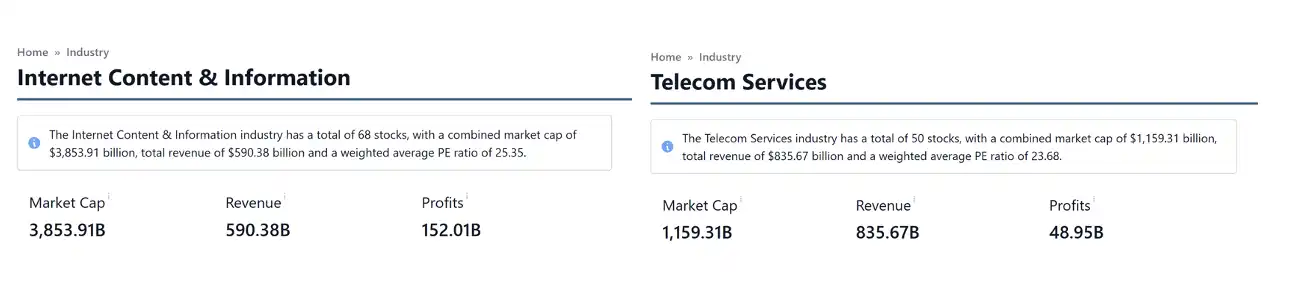
在全球信息化浪潮的推动下,电信行业的传统商业模式正面临着前所未有的挑战。一方面 5G 带来的前期投入压力持续增大,另一方面由于其收入模式变革迟迟不能实现,导致增值服务至今未见起色。传统的用户通讯服务费收入在同行竞争挤压下持续下滑。如下图数据显示,在美国上市的头部公司中,电信服务行业的收入虽然比互联网巨头高出 50%,但其盈利能力却仅为后者的 30%。电信行业的利润率仅为互联网巨头的 20%,净收入也仅维持在 5% 左右。与互联网公司相比,电信运营商的市值仅为其 30%,这显示出投资者对重资产投入的模式和低增长潜力的信心严重不足。
Synergis:从去中心化电信商Roam用户破百万,剖析颠覆传统电信商业模式的可能性

传统电信运营商模式的局限性

传统电信公司模式依赖于用户为获得网络接入而签订长期合约并支付固定费用,这种所谓「付费使用」的模式在现今数字化时代相当低效。用户通常只能选择一个服务提供商,如 AT&T、Verizon 或 T-Mobile,而无法自由切换或同时享受多家服务。这种局限性不仅割裂了用户群体,也忽视了用户体验,难以吸引新客户。

与此形成鲜明对比的是互联网服务如搜索、社交、电商等,几乎都是免费向用户端开放的。很难想象谷歌和必应各自服务美国的一半固定客户,或者阿里、百度、腾讯各自只服务中国的三分之一的固定客户的话,将会是多么局限和小规模的应用。运营商日益沦为「通道」角色,尽管整个互联网流量都通过他们的基础设施流通,但他们却被剥离于最具价值的服务之外。

要想摆脱「通道」困境,电信运营商必须从付费接入转向免费接入,以覆盖全网消费者,提高其网络效应,从而直接向用户提供高价值服务而非收取有限的固定「通道」费用。然而,这种转变对庞大和官僚化的电信公司来说,是一个巨大的挑战。

去中心化电信运营商 Roam 的创新模式及其实现

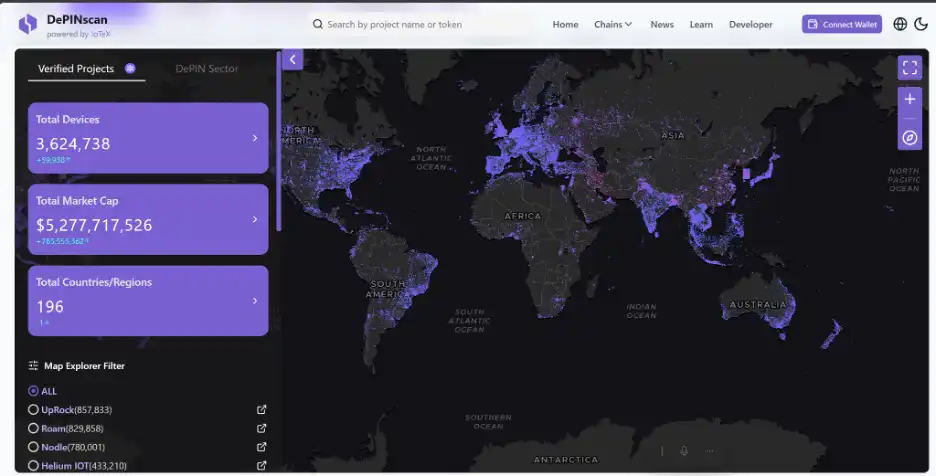
我们关注到在这场变革中,Roam 通过其创新的免费使用模式迅速崛起,成为使用 Web3 技术与电信服务结合的行业挑战者。过去一年中,Roam 在没有大量市场推广投入的情况下,用户数和节点数实现了惊人的增长,用户突破百万,赢得了大批传统运营商的关注和支持,成为去中心化物理基础设施(DePIN)赛道的头部项目。如下图所示,Roam 在 DEPIN 数据分析网站 depinscan.io 中位列第二。
Synergis:从去中心化电信商Roam用户破百万,剖析颠覆传统电信商业模式的可能性

深度剖析 Roam 如何运用通讯科技和去中心化模式打造全新的电信运营商模式

Roam 是唯一一个通过升级 OpenRoaming 架设的去中心化通信网络

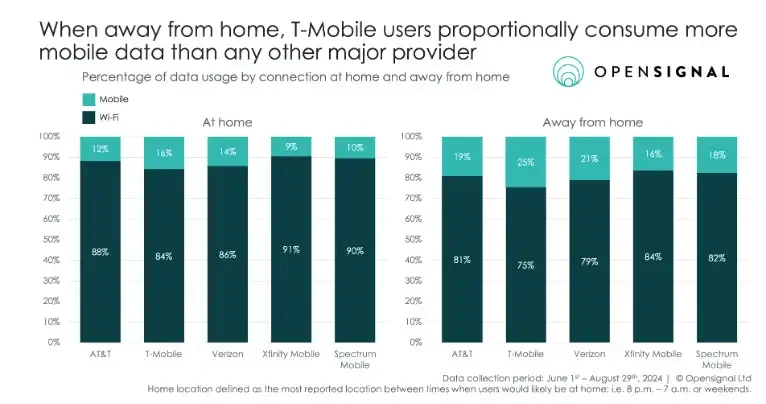
在全球范围内,WiFi 和手机网络是无线宽带接入的两大支柱。几乎所有移动端交互都依赖于这两者。因为 WiFi 通常是免费使用,其承担了超过 70% 的数据流量(如下图所示)。在 5 G 时代,WiFi 和手机网络的融合趋势日益明显。由于 5 G 网络的部署密度不足、基站耗电高且运营成本高,运营商倾向于利用 WiFi 网络来分担流量,以降低运营成本。然而,这也意味着老旧的 WiFi 网络已无法胜任,WiFi 的全面升级改造势在必行。这包括从 WiFi 4、WiFi 5 升级到新的通信协议 WiFi 6 和 WiFi 7 (值得一提的是,Roam 自主研发的 WiFi 路由器是最早一批支持 WiFi 6 协议家用路由),以及从传统的用户名/密码登录和 Captive Portal 网页登录转变为基于 Passpoint 和 OpenRoaming 的安全证书后台自动登录。根据 Market and Markets 的市场分析报告,未来五年相关市场预计将增长四倍。
Synergis:从去中心化电信商Roam用户破百万,剖析颠覆传统电信商业模式的可能性

Roam 与 WiFi 联盟和全球无线宽带联盟 WBA 合作,支持 OpenRoaming 的接入改造。OpenRoaming 网络相较于普通公共 WiFi 是一个质的飞跃。普通公共 WiFi 用户往往需要通过一个网页点击登录,这种情况下登录过程不自动,并且其通信往往是不加密的。而 OpenRoaming 网络 WiFi 则和手机蜂窝网络一样自动登录,并且通信全程安全加密。这种战略合作使 Roam 能够在全球范围内提供统一的网络接入服务,用户无需反复登录不同的网络,实现真正的在 celluar 和 WiFi 之间无缝漫游。通过这种合作,Roam 不仅扩大了其网络覆盖范围 (全球已有超过 4 百万的 OpenRoaming WiFi 热点),还显著提升了用户的使用体验,满足了用户对于便捷性和连续性的高需求。

新电信运营商业模式:以用户免费接入驱动去中心化网络建设

Roam 之所以能吸引大量用户,关键在于它打破了传统电信的进入壁垒,提供了免费的无线网络接入。借助全球 WiFi 网络升级的趋势,并在行业标准组织的支持下,Roam 吸引用户参与 OpenRoaming 网络的升级。参与者不仅可以升级到更安全、更便捷的 WiFi,还能获得全球 eSIM 免费流量作为激励。这种方式使用户无论通过 WiFi 还是手机 eSIM 接入网络都是免费的。并且,用户还可以通过网络共建等方式获得 Roam 积分,用来兑换商品和服务。除此之外,Roam 通过硬件网络节点(如 Rainier MAX 60 路由器)实现共享 CDN 带宽等,用户还能从中获得额外的激励。用户通过参与 OpenRoaming 网络的建设和验证的方式,能够免费获得能够在 200 个国家使用的全球流量奖励,这种全新模式不仅大幅降低了网络使用成本,并让用户深度参与运营网络的收益分成,从而形成了一个激励用户进一步投入网络建设的商业闭环。

这种激励机制不仅提升了用户参与度,还帮助 Roam 快速建立了活跃的用户社区。目前,每日有超过 60 万次用户参与网络质量验证和反馈,这种高频使用的场景在传统运营商的应用中很难实现。Roam 找到了一条不再是单纯「通道」的发展方向,而是一个让用户和相关商家共同受益的网络服务共建社区。同时,Roam 也重视社区与运营团队的交流,用户对网络改进贡献了大量建议。我们曾参与一次关于 App 设计的 AMA 活动,发现短短一小时内,社区成员就提出了 300 多条 App 改进建议。这种社区驱动的模式使 Roam 能够快速响应市场需求和用户期望,在行业中保持竞争优势。用户的积极参与不仅推动了网络的优化,也增强了用户的忠诚度和品牌粘性。

技术基础:Web3 和区块链

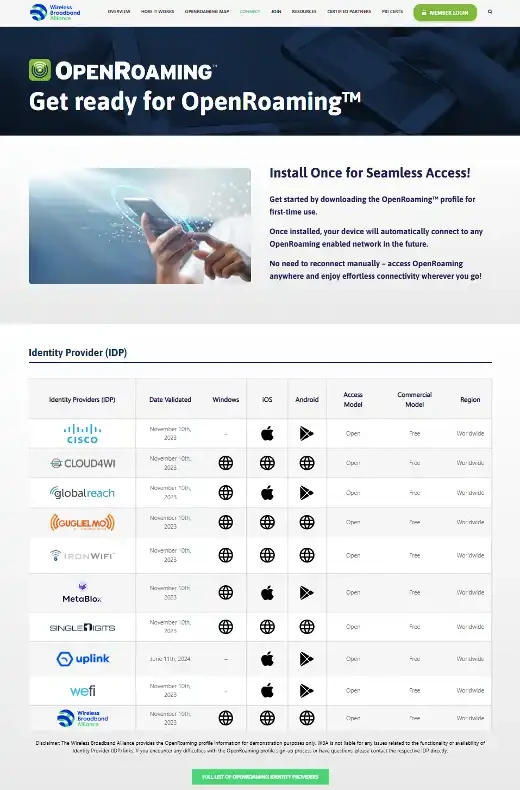
在使用 OpenRoaming 等电信技术以外,Roam 电信网络也离不开 Web3 技术的支持。区块链的去中心化特性为数据传输和存储提供了安全保障,确保用户数据的隐私和安全。Roam 背后的 MetaBlox Labs Inc. 已成为全球 OpenRoaming 的十大根身份签发商之一(唯一的 web3 公司),与 Cisco 齐名。与其他签发商不同,Roam 针对 OpenRoaming 在中小商户落地难的问题,创新研发了基于 W 3 C 去中心化数字身份标准的 OpenRoaming 升级方案,有效解决了实施中的技术和成本壁垒。

此外,Roam 还允许非 WiFi 运营商(如信用卡发行商、游戏发行商、学校等)轻松集成基于去中心化数字身份的 OpenRoaming 框架,帮助他们的用户无成本享受安全、免费的 WiFi 漫游。这种做法不仅扩展了 OpenRoaming 的应用场景,也扩大了 Roam 的影响力,使更多用户能够体验到便捷的网络接入服务。
Synergis:从去中心化电信商Roam用户破百万,剖析颠覆传统电信商业模式的可能性

Roam 有望成为首个被大规模采用的 WEB3 电信网络

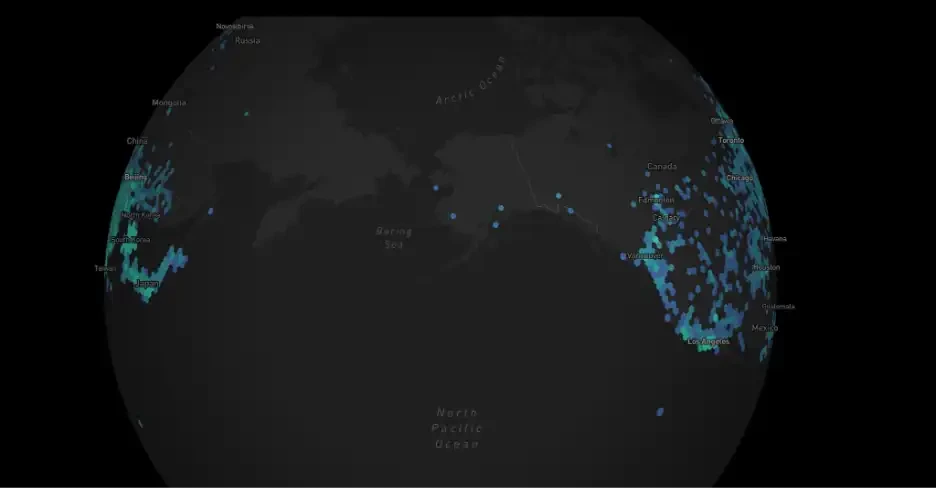
Roam 在不到一年的时间内,在 WEB3 行业被全社会知晓和接受度有限的情况下,快速增长超百万用户,覆盖全球近 200 个国家和地区。自有节点超 82 万个,甚至人烟稀少的西伯利亚高原、加拿大北部地区、阿拉斯加等地也出现了 Roam 的网络节点。
Synergis:从去中心化电信商Roam用户破百万,剖析颠覆传统电信商业模式的可能性

用户在使用 Roam 的过程中也不难发现,通过参与 Roam 网络的打卡验证,每个月就可以获得 1-2 GB 的全球免费 eSim 流量。如果流量不够,进一步购买的价格也非常具有竞争力。传统世界中,用户在转换国家或地区时,剩余的 eSIM 流量常常失效,而 Roam 的流量则会自动转换为当地流量。这对于经常跨国旅行的人来说,月度通信费用可以得到大幅减少。因此,Roam 有机会很快成为旅行者出行流量的首选提供商。

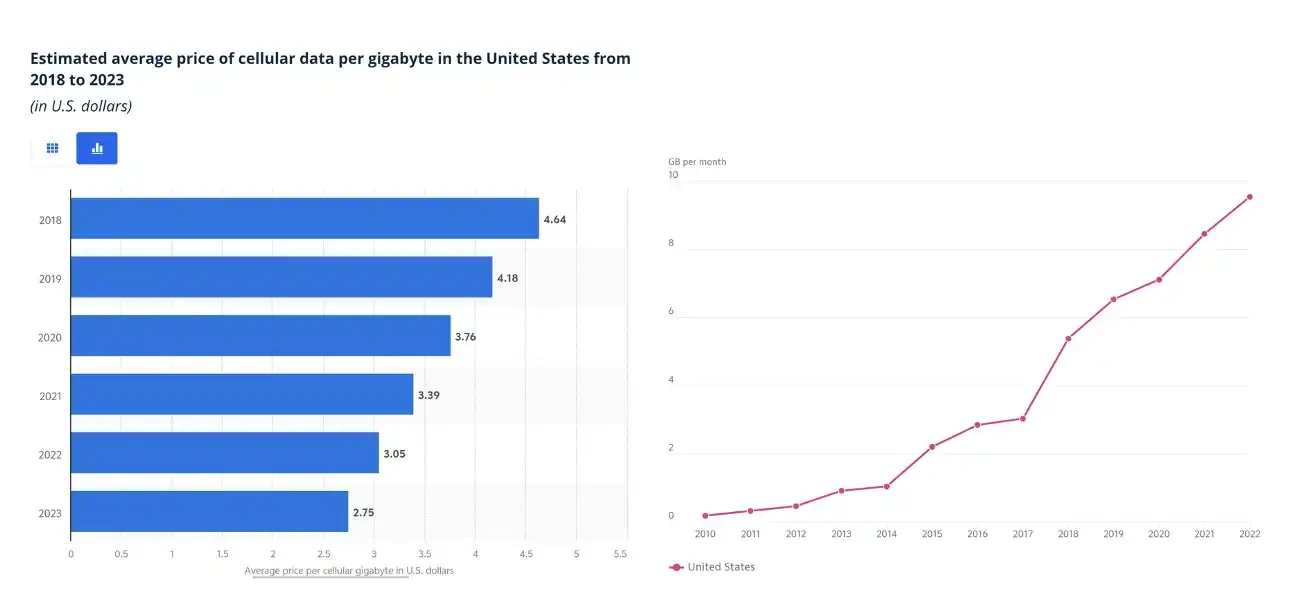
进一步比较发现,Roam 还有潜力成为用户本地生活的主要流量供应商。如结合 Statista(下左图) 和 OECD (下右图) 统计显示,目前平均每位美国人每月花费约 30 美元,消耗 1 0G 左右的流量。结合 Roam 使用者在非漫游情况下,通过参与 OpenRoaming 建设,每个月的无线接入成本可能降低 50% 或更多。除了成本节省之外,Roam 的社区驱动模式极大地增强了用户粘性,并创造了新的运营收入机会。

这种真实有效的应用有望成为区块链和 Web3 技术改变人们生活的核心产品。
Synergis:从去中心化电信商Roam用户破百万,剖析颠覆传统电信商业模式的可能性

随着通信和人工智能技术的不断发展,基于安全证书的 WiFi OpenRoaming 技术还有望扩展到更多应用场景。特别是在智能家居领域,它能够优化设备的安全和无缝接入,支持 AI 代理在智能家居中的集成。这不仅提高了用户体验,也为智慧生活提供了强大的技术支撑。Roam 在这一背景下也展现了巨大的潜力。

展望未来五年,希望 Roam 能在更多行业和应用场景中深耕细作,从个人用户到企业需求,将自己打造成连接一切的桥梁,实现用户、设备和 AI 的无缝整合,推动真正的智能连接。

通过多方面的努力,Roam 正在重新定义电信行业的新商业模式,为用户带来更加丰富的网络体验。它不仅是 Web3 如何改变行业格局的典型案例,也是未来电信行业发展的重要指引。

免责声明

本篇文章仅为分享我们所投资企业的案例分析,旨在提供对该企业商业模式、技术基础等方面的深入研究与理解。尽管我们认为所提供的信息是可靠的,但不对其持久的准确性或适用于特定情况的适当性作出任何声明。因此,您在进行投资决策时不应仅依据本文章的内容。

本文中所表达的任何预测、估计、目标、前景和/或观点均可能随时更改,并可能与其他来源或个人所表达的观点存在差异或相悖。本文内容仅供信息用途,不应被视为投资决策的依据,也不应假定为完整。您不应将本文内容视为任何性质的法律、商业或税务建议,并请在相关事项上咨询专业顾问。此文并不构成投资建议或提供投资咨询服务的要约。我们无法保证文中提到、引用或描述的任何投资标的会盈利,或未来的其他投资必然具有类似的特征和结果。

对 Synergis Capital 管理的基金所作投资的具体清单可在此处查看。请注意,该清单不包括尚未公布的投资项目。本文不构成投资建议或出售要约,也不构成对在 Synergis Capital 管理的任何投资工具中购买任何权益的招揽。任何关于 Synergis Capital 投资工具的投资要约或招揽均仅在提供私募备忘录或相关法律文件的基础上进行,决策时应仅依赖于这些正式文件中的信息。

本文来自投稿,不代表 BlockBeats 观点

Trending Cryptos

Related Reads

$8 Trillion: The Second-Largest IPO in History Has Arrived

SK Hynix Makes History with World's Second-Largest IPO. The global memory chip leader SK Hynix debuted on Nasdaq, raising $26.5 billion and achieving a market cap exceeding $1.2 trillion. This marks the largest U.S. IPO by a foreign company and the second-biggest globally. The company's journey is a remarkable turnaround. Founded in 1983, its predecessor, Hyundai Electronics, faced near-bankruptcy during industry downturns before being acquired by SK Group in 2011. A pivotal early bet on HBM (High Bandwidth Memory) technology, initially with AMD in 2013, ultimately paid off with the AI boom. SK Hynix now supplies HBM3 to NVIDIA and commands 58% of the global HBM market. Driven by soaring AI demand, SK Hynix reported staggering Q1 2026 profits with a 72% operating margin. Its surging stock made it South Korea's second trillion-dollar company. Profits are shared widely with employees through a new bonus system tied to 10% of annual operating profit. The article highlights an ongoing "super memory cycle" fueled by AI, with market forecasts predicting massive growth. This presents a historic opportunity for Chinese memory chip makers. ChangXin Memory Technology (CXMT) is set for a domestic IPO, potentially reaching a ~$420 billion valuation as China's top DRAM producer. Yangtze Memory is also preparing to go public. While these "domestic storage leaders" are gaining ground, the article notes they still face technology and margin gaps compared to established giants like Samsung and SK Hynix.

marsbit2h ago

$8 Trillion: The Second-Largest IPO in History Has Arrived

marsbit2h ago

Trading

Spot

Hot Articles

What is G$

Understanding GoodDollar ($G$): A Blueprint for Decentralised Universal Basic Income Introduction In the ever-evolving landscape of cryptocurrency and blockchain technology, initiatives that seek to address pressing social issues have garnered increased attention. One such project is GoodDollar ($G$), a Web3-based universal basic income (UBI) solution. GoodDollar endeavours to tackle inequality and bridge the wealth gap by creating and distributing accessible economic resources to those most in need. Through its innovative use of decentralised finance (DeFi), GoodDollar presents a unique model that could potentially reshape the way financial assistance is perceived and delivered globally. What is GoodDollar ($G$)? GoodDollar is a cryptocurrency protocol that facilitates the issuance and distribution of digital tokens, referred to as $G$, to its registered users on a daily basis. These tokens function as a form of universal basic income, promoting financial empowerment for individuals from various backgrounds, especially those traditionally excluded from the financial system. Operating on the blockchain, GoodDollar utilises multiple chains, including Ethereum, Celo, and Fuse, ensuring broad access and usability. The fundamental goal of GoodDollar is to make cryptocurrency accessible and beneficial to everyone, irrespective of their economic starting point. The Creator of GoodDollar ($G$) Details concerning the creator of GoodDollar remain somewhat obscure. However, it is notably highlighted that the project has strong backing from eToro, a widely recognised investment platform that provided the initial funding and foundational support for GoodDollar's development. The vision behind the project is not solely profit-driven but leans heavily towards social entrepreneurship, aiming for a systemic change in economic accessibility. Investors of GoodDollar ($G$) GoodDollar enjoys the financial backing and operational support of eToro. This partnership has played a significant role in launching the protocol and its subsequent developments. While eToro was instrumental in establishing the foundation of the project, GoodDollar envisions transitioning towards a model funded by its community in the long run. This shift to community funding is in line with GoodDollar's commitment to decentralisation, allowing its users to have a direct stake in the project's future. How Does GoodDollar ($G$) Work? GoodDollar's operational framework relies heavily on DeFi principles to generate interest from staked cryptocurrencies. This mechanism allows the project to mint and distribute $G$ tokens as a digital basic income for users worldwide. Several key features contribute to GoodDollar's uniqueness and innovation: Universal Basic Income (UBI): Every day, registered users receive free tokens, establishing an automatic income stream intended to alleviate financial pressures. Sustainable Economic Model: The project’s tokenomics aim to balance supply and demand for $G$ tokens, ensuring that the value remains stable over time. Reserve-Backed Tokens: Each $G$ token is backed by a reserve of cryptocurrencies, providing it with inherent value and reliability, a crucial aspect for maintaining user trust. Decentralised Governance: GoodDollar incorporates a democratic approach to decision-making through token-powered decentralised governance. This allows community members to actively participate in the shaping of the project's trajectory, making it truly community-driven. Global Accessibility: GoodDollar has established a considerable community footprint, boasting over 640,000 members spanning 181 countries. Such widespread reach is instrumental in facilitating UBI on a global scale. Timeline of GoodDollar ($G$) The evolution of GoodDollar is marked by several significant milestones throughout its history: 2019: The launch of the GoodDollar wallet marked the first step in operationalising its vision of delivering UBI through cryptocurrency. 2020: Following the successful wallet rollout, the GoodDollar protocol officially debuted. This marked a crucial phase in its mission to provide daily distributed income. 2021: The project advanced further with the introduction of its Decentralised Autonomous Organization (DAO), fostering a greater level of community involvement and governance. 2022: GoodDollar unveiled its DeFi-friendly version 2 (V2), striving for enhanced user engagement and operational efficiency. The same year also saw the transition to a decentralised governance structure via GoodDAO. 2022: A new roadmap was conceptualised, focusing on initiatives like a grant program designed to promote $G$-related entrepreneurial ventures and an upgraded GoodDollar Marketplace. Key Features of GoodDollar ($G$) The GoodDollar project introduces numerous critical features aimed at redefining the landscape of basic income: Universal Basic Income: Delivering daily free tokens to its users fundamentally underscores its mission to eliminate economic precarity. Multi-Chain Operation: Leveraging multiple blockchain networks enhances accessibility and scalability, ensuring broader participation. Engagement with Decentralised Finance: The use of DeFi allows for sustainable funding of the UBI model, reinforcing its viability as an economic solution. Community Engagement and Governance: GoodDollar envisions a model where the community influences operations through democratic participation, fostering transparency and accountability. Global Community: Boasting a diverse global community enables the project to implement UBI solutions tailored to various cultural and economic contexts. Conclusion GoodDollar represents a transformative leap towards incorporating the principles of universal basic income through the innovative lens of blockchain technology. By harnessing decentralised finance, the project not only provides a solution to financial inequality but also actively engages users in its governance and operations. With a growing community and evolving roadmap, GoodDollar stands as a significant player in the intersection of cryptocurrency and social good, paving the way for a more equitable financial future. As it continues to evolve, GoodDollar’s journey may ultimately inspire other initiatives to consider similar models, furthering the cause of economic empowerment for all.

248 Total ViewsPublished 2024.04.05Updated 2024.12.03

What is G$

What is @G

Graphite Network, $@G: Bridging TradFi and Web3 Introduction to Graphite Network, $@G In the vibrant world of cryptocurrencies and web3 projects, Graphite Network emerges as a beacon of innovation. With its native token, $@G, this Layer-1, Proof-of-Authority (PoA) blockchain is tailored to bridge the gap between traditional finance (TradFi) and the rapidly evolving Web3 ecosystem. As digital currencies gain traction, Graphite Network strives to offer a blockchain platform that prioritises security, compliance, and speed, presenting itself as a facilitator of trust and accountability. What is Graphite Network, $@G? Graphite Network is not merely another blockchain project; it aims to redefine how decentralisation, security, and user accountability are perceived in the digital finance realm. The project boasts a series of distinctive features: Reputation-Based Blockchain: At its core, Graphite Network implements a one-user, one-account policy, fortified with integrated Know Your Customer (KYC) verification and scoring mechanisms. This design ensures a balance between user privacy and transparency—a critical aspect of financial operations in today’s digital world. Entry-Point Node Income: The network incentivises users to set up entry-point nodes, allowing operators to earn rewards from network transactions. This income generation model not only boosts user engagement but also reinforces network health and decentralisation. EVM Compatibility: With an Ethereum-compatible virtual machine (VM), Graphite Network enables seamless integration of existing Solidity decentralised applications (dApps) and smart contracts, thereby inviting developers to leverage its capabilities without extensive modifications. KYC Integration: In an era where compliance is paramount, the integrated KYC framework with multiple verification tiers enhances control over financial operations without mandatory participation, setting a precedent for user autonomy. Who is the Creator of Graphite Network, $@G? The Graphite Network is borne out of the endeavours of the Graphite Foundation, a non-profit organisation dedicated to the development, maintenance, and evolution of the Graphite Network. The foundation’s commitment underscores the project’s vision to create a secure and sustainable blockchain environment focused on genuine user engagement and compliance. Who are the Investors of Graphite Network, $@G? Currently, there is limited information available on the specific investors backing the Graphite Network initiative. The founding organisation, the Graphite Foundation, functions independently in fostering the project’s growth while seeking partnerships that resonate with its vision of a compliant and accessible blockchain platform. How Does Graphite Network, $@G Work? Graphite Network’s operation is grounded in its unique Proof-of-Authority consensus mechanism, which strikes an impressive balance between high throughput and decentralisation. Let's delve into the various components that define its operation: Transport Nodes: Serving as the entry-point nodes, these are critical to the ecosystem. Operators can earn revenue from transactions that traverse the network, which not only empowers individual users but also bolsters network decentralisation. Authorised Nodes: At the heart of the Graphite Network are core validators who undergo rigorous compliance tests, encompassing robust KYC verification along with technical assessments. This layer of trust is essential for ensuring that transactions within the network maintain a high level of integrity. Ticker System: Graphite Network employs a distinctive ticker system for its wrapped tokens, denoted as @G. This feature enhances clarity in asset integration, making user transactions comprehensible and straightforward. Graphite Network’s innovative approach reflects a significant step in addressing the crucial issues of digital finance, positioning itself favourably for the future as more users transition from traditional forms of finance into the world of decentralised applications. Timeline of Graphite Network, $@G To understand the progression and milestones of Graphite Network, it is beneficial to overview key events in its timeline: 2021: The inception of Graphite Network by the Graphite Foundation marks the commencement of a new chapter in blockchain development, focusing on compliance and user empowerment. Key Developments: Following its launch, the introduction of entry-point node income, the establishment of a reputation-based model, integrated KYC verification, and the provision of EVM compatibility represent significant advancements in the project. Recent Activities: The continuous development and nurturing efforts of the Graphite Foundation have focused on augmenting network features while fostering the ecosystem's growth, demonstrating a long-term commitment to sustainability and innovation. Additional Key Points Beyond its foundational components, Graphite Network encompasses several tools and features that bolster its usability: Graphite Wallet: A user-friendly Chrome extension that facilitates access to various network features and applications across Ethereum-compatible chains, enhancing user convenience. Graphite Bridge: This utility allows seamless transfers of Graphite assets across different networks, fostering an integrated and interoperable ecosystem. Graphite Explorer: Serving as an essential tool within the ecosystem, this feature enables users to view and verify smart contract source code, track transactions, and explore other vital information in real-time. Graphite Testnet: The project provides a robust testing environment for developers, allowing them to ensure stability and scalability prior to mainnet deployment. This initiative not only empowers developers but also enhances the reliability of the entire network. Conclusion Graphite Network, with its native token $@G, represents a significant stride toward bridging traditional finance and cutting-edge blockchain technology. By focusing on security, compliance, and decentralisation, this innovative platform is set to lead the transition into the Web3 era. As user engagement grows and more projects leverage its capabilities, Graphite Network is poised to make lasting contributions to the rapidly evolving digital landscape. In conclusion, Graphite Network stands as a testament to what can be achieved when innovative thinking meets the growing demands of modern finance and technology. As the world explores the potential of decentralised finance, Graphite Network will undoubtedly remain a noteworthy player in this arena.

35 Total ViewsPublished 2025.01.06Updated 2025.01.06

What is @G

Discussions

Welcome to the HTX Community. Here, you can stay informed about the latest platform developments and gain access to professional market insights. Users' opinions on the price of G (G) are presented below.

活动图片