Стейблкоин PayPal USD теперь использует LayerZero для оптимизации переводов между Ethereum и Solana

cryptonews.ruPublished on 2023-03-13Last updated on 2024-11-13

Согласно заявлению, опубликованному во вторник, привязанный к доллару США стейблкоин PayPal теперь использует LayerZero для оптимизации переводов между Ethereum и Solana. В заявлении говорится, что интеграция устраняет фрагментацию ликвидности и обеспечивает быстрые, безопасные и экономически эффективные транзакции как для пользователей, так и для предприятий.

Рыночная капитализация PYUSD на Ethereum оставалась относительно неизменной в последние месяцы, около 350 миллионов долларов, согласно панели мониторинга Block Data. Однако предложение стейблкоина на Solana резко упало с более чем 660 миллионов долларов в августе до 186 миллионов долларов, согласно панели мониторинга Dune Analytics.

Omnichain Fungible Token, или OFT, от LayerZero — это то, что теперь делает возможными переводы между Ethereum и Solana, также говорится в заявлении. Стандарт OFT открывает новый уровень взаимодействия для стейблкоинов. Используя LayerZero, PYUSD может беспрепятственно перемещаться между Ethereum и Solana, помогая держателям перемещать свои токены между цепочками.

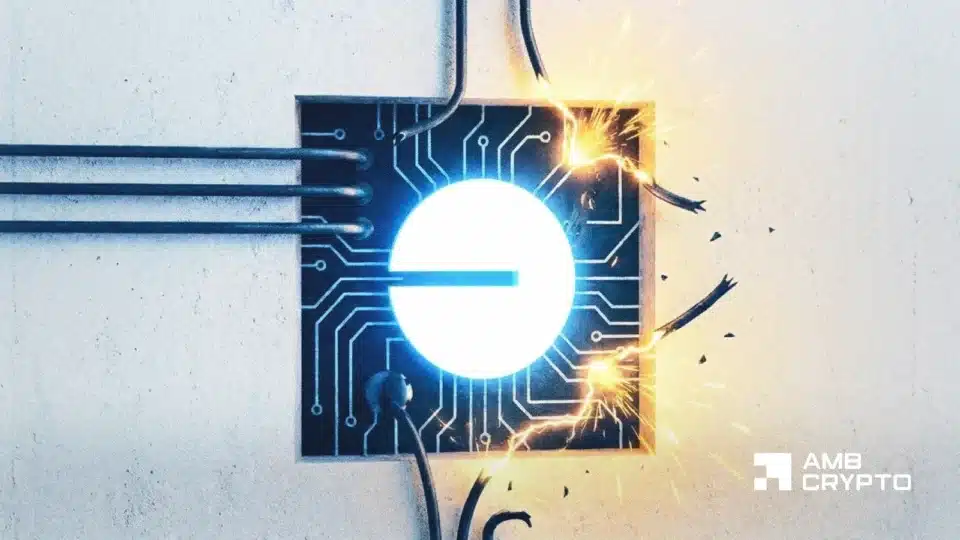
Изображение: freepik

Designed by Freepik

Trending Cryptos

Related Reads

Why Is No One Buying DeFi Insurance?

"Why DeFi Insurance Remains Unpurchased" explores the paradox of decentralized finance insurance. While DeFi insurance promises automatic, unbiased payouts via smart contracts—eliminating traditional insurers' denial practices—it struggles to attract users. The core issue is economic viability. Premiums are prohibitively high relative to the yields from DeFi protocols. For example, insuring a deposit on Aave or Maple Finance can consume most or even all of the annual yield, leaving returns comparable to or worse than traditional savings. Only the safest protocols, like MakerDAO, offer affordable premiums. Furthermore, the DeFi insurance model is structurally fragile. Unlike traditional insurance where risks are uncorrelated, DeFi risks are highly interconnected (e.g., oracle failures, bridge hacks). A single major exploit can simultaneously threaten multiple protocols, potentially bankrupting the entire insurance pool, which holds only millions against billions in total value locked. The governance model also creates a conflict of interest. In platforms like Nexus Mutual, token holders who vote on claims risk their own capital if payouts are approved, incentivizing denials. Consequently, the market is tiny and shrinking. Nexus Mutual dominates with $81.56 million in assets, but the industry lacks the capacity to cover a catastrophic event like the $292M Kelp DAO hack. Other providers have dwindled or shut down. The article concludes that DeFi insurance faces a "tragedy of the commons": its stability requires widespread adoption, but individual users have no incentive to pay for it, as premiums destroy their yields. Current solutions involve preventative measures like bug bounties and seeking external capital from traditional reinsurance, acknowledging that on-chain capital alone is insufficient to cover on-chain risks.

marsbit2h ago

Why Is No One Buying DeFi Insurance?

marsbit2h ago

Trading

Spot

Hot Articles

Discussions

Welcome to the HTX Community. Here, you can stay informed about the latest platform developments and gain access to professional market insights. Users' opinions on the price of ETH (ETH) are presented below.

活动图片