Эксперты указали на новую схему скама в Solana

cryptonews.ruPublished on 2024-07-04Last updated on 2024-09-04

Скамеры нашли способ сжигать токены прямо из кошельков пользователей Solana, не оставляя при этом никаких следов

На новую мошенническую схему обратил внимание разработчик децентрализованной биржи (DEX) Jupiter на базе Solana под ником Slorg в X (бывш. «Твиттер»).

Как мошенники сжигают токены

Основной механизм схемы скамеров основан на функции «постоянного делегата» (от англ. Permanent Delegate). Она позволяет владельцу криптовалюты передать другому адресу право управлять его монетами.

Изначально Permanent Delegate создавалась для реализации санкций. Например, для блокировки монет, связанных с незаконной деятельностью. Однако теперь мошенники используют ее для кражи токенов.

«Представьте, что вы обменяли токен, и видите, что в истории кошелька есть подтверждение о получении монеты. Но потом вы открываете свой счет и не обнаруживаете никаких зачислений», — написал Slorg.

Именно это и случилось с одним из пользователей Jupiter, обменявшем монеты. Транзакция в истории кошелька была подтверждена. Однако через несколько секунд все токены исчезли. Анализ перевода показал, что после получения все активы были сожжены.

Как защититься от сжигания токенов

Некоторые биржи и сервисы, такие как Jupiter Exchange и Rugcheck, уже внедрили индикаторы, предупреждающие о наличии постоянного делегата у токена. Однако далеко не все платформы оснащены такой функцией.
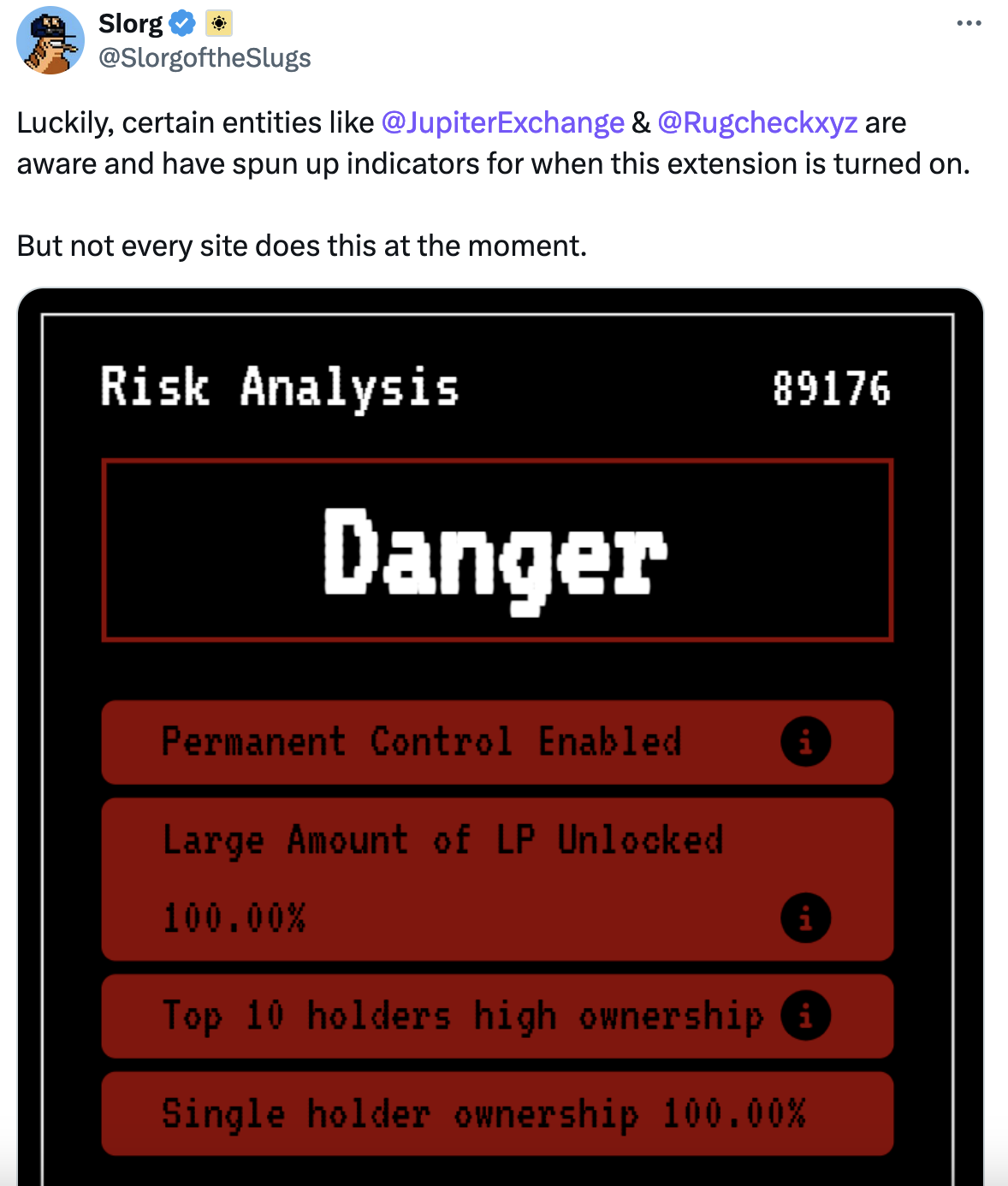
Как выглядит предупреждающий индикатор. Источник: X/Slorg

Важно внимательно проверять данные о монетах перед их обменом. Именно изучение всех параметров токена и наличие расширенных функций могут помочь избежать потерь.

Ранее эксперты подсчитали, что в августе киберпреступники вытащили из криптоиндустрии более $300 млн. Причем подавляющая часть этой суммы пришлась на фишинговые атаки, которые привели к совокупным потерям в размере $293,4 млн.

В плане безопасности последний месяц лета стал худшим за весь 2024 год, уступая только маю. В общей сложности с января злоумышленники похитили $1,2 млрд.

Trending Cryptos

Related Reads

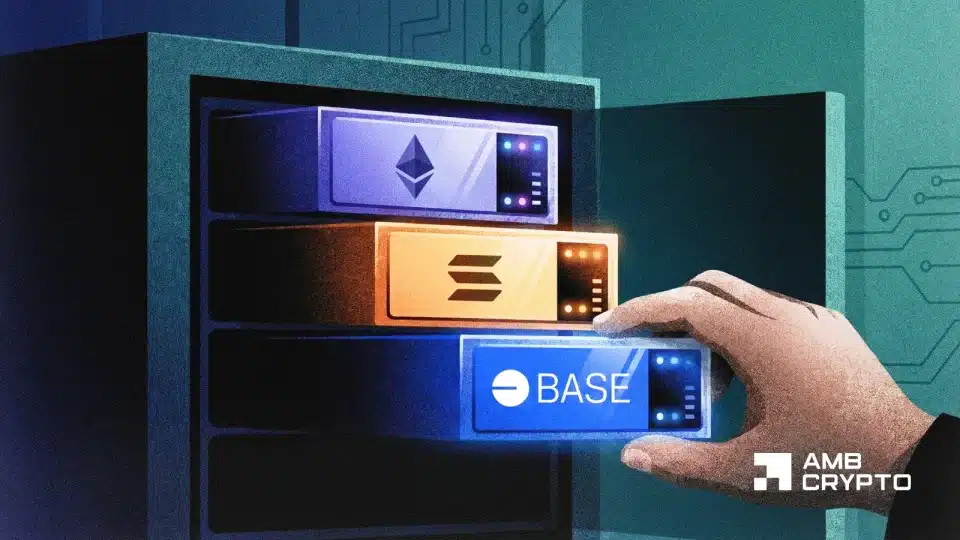
Why 2026 could redefine Ethereum, Solana, Base and Avalanche

Blockchain infrastructure is undergoing a major coordinated transformation, driven by institutional demand for reliability, compliance, and predictable settlement. Over $30 billion in Real-World Assets (RWA) on-chain has exposed network weaknesses. Major blockchains are responding with foundational upgrades, moving beyond incremental speed improvements. Ethereum's "Glamsterdam" upgrade, planned for H1 2026, will significantly increase gas limits and introduce features like PBS (pre-blocked state) for enhanced settlement and parallel execution. Solana's "Alpenglow," targeting a mainnet launch in H2 2026, focuses on reducing finality time dramatically and freeing network resources to improve reliability. Beyond speed, compliance is critical. Base's "Beryl" upgrade in Q3 2026 will introduce a standardized, regulatory-compliant token framework (B20). Avalanche's "Octane" upgrade aims to boost transaction processing and reduce costs for enterprise applications. Even Bitcoin is evolving with the potential activation of OP_CAT by late 2026/early 2027. The competition is shifting. While technical upgrades are widespread, institutions will ultimately allocate capital based on proven execution, operational resilience, and regulatory compatibility during market stress. Ethereum currently leads in tokenized assets, while networks like Base and Solana are strengthening their institutional offerings. The blockchain that best delivers reliable, compliant, and uninterrupted service is poised to attract the greatest share of future institutional capital.

ambcrypto6m ago

Why 2026 could redefine Ethereum, Solana, Base and Avalanche

ambcrypto6m ago

Tiger Research: Take RWA Tokenization Overseas First

This article discusses the strategic choices facing financial institutions in jurisdictions lacking mature regulatory frameworks for Real-World Asset (RWA) tokenization. With the market growing rapidly, institutions must choose between waiting for local legislation, using regulatory sandboxes, or—the recommended priority—expanding into overseas markets to gain early experience. Successfully launching cross-border RWA tokenization requires meticulous preparation across six key areas: establishing an overseas base (e.g., Hong Kong, Singapore, the U.S.), securing necessary licenses, defining the tokenized asset (with bonds being simpler than non-standard assets), defining the target investor scope, deciding on settlement currencies/payment flows, and designing operational requirements like custody and on-chain governance. The article outlines two primary strategic paths: a direct "onshore" path and a "native on-chain" path. The direct path involves setting up a legal entity and obtaining licenses in a mature jurisdiction like Hong Kong, Singapore, or the U.S., leveraging existing platforms (e.g., DigiFT, Securitize) for efficiency. The alternative native on-chain path involves partnering with compliant, decentralized platforms (e.g., Ondo, Plume Nest) that use structures like offshore SPVs to facilitate tokenization and access DeFi liquidity, offering speed and broader reach but with greater structural complexity. The core argument is that institutions should not wait for perfect domestic regulation. A detailed hypothetical case study illustrates the multi-step, 6-12 month process of launching an overseas tokenized bond. The key takeaway is that the essence of a tokenization business lies not in the technology but in successfully executing the entire sales and operational process. The market is moving forward, and the time to act is now.

marsbit17m ago

Tiger Research: Take RWA Tokenization Overseas First

marsbit17m ago

Chain Gaming Giant YGG Capitulates, Losing $15 Billion in Value Over 5 Years

The leading blockchain gaming guild Yield Guild Games (YGG) is shutting down its publishing arm, YGG Play, announced on July 6th by its official account and co-founder Gabby Dizon. The platform and its supported games will be phased out by July 31st. While YGG Play successfully validated a market for casual, crypto-native mobile games—generating over $9M in total revenue, including $876,000 in Q1 2026—Dizon stated the closure was a market-driven decision. He cited insufficient liquidity and declining user confidence in the macroeconomic environment, making the business commercially unsustainable. Founded in 2020, YGG rose to prominence during the Play-to-Earn (P2E) boom, particularly with Axie Infinity, organizing players and managing assets. Its token price soared above $10 during the 2021 bull market. However, the 2022 crypto downturn exposed the fragility of P2E economic models. YGG attempted to pivot in 2025 with the YGG Play publishing initiative, focusing on short-session casual games. The shutdown reflects broader struggles in the Web3 gaming sector. An April 2026 report highlighted a "structural mismatch" between speculative financial designs and genuine player entertainment needs, leading to an estimated $15 billion in destroyed capital. The report noted that 93% of roughly 3,200 tracked blockchain game projects are now "functionally dead," with token prices down an average of 95% from 2022 peaks. YGG itself is now pivoting its strategy entirely towards the AI Data Economy, aiming to build B2B pipelines around gaming datasets.

Foresight News35m ago

Chain Gaming Giant YGG Capitulates, Losing $15 Billion in Value Over 5 Years

Foresight News35m ago

Trading

Spot

Hot Articles

Discussions

Welcome to the HTX Community. Here, you can stay informed about the latest platform developments and gain access to professional market insights. Users' opinions on the price of SOL (SOL) are presented below.

活动图片