以太坊很好:十大理由看好 ETH

币界网Published on 2024-08-22Last updated on 2024-08-22

币界网报道:

以太坊很好:

看好ETH的十个理由图片

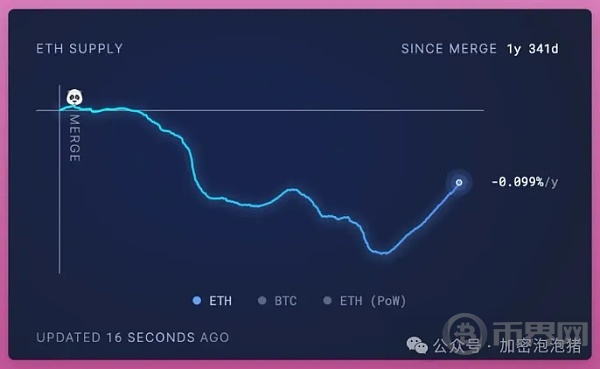
1.低通胀:

尽管 Gas 费用处于较低水平,然而 ETH 的年通胀率依旧低于 1%。与之相比,其他主要的 L1 竞争对手通货膨胀率更高,像 SOL 约为 4%。并且预计在未来几年,大多数其他 L1(如 SUI、APTOS 等)的 VC(风险投资)解锁幅度将会显著提高。
图片

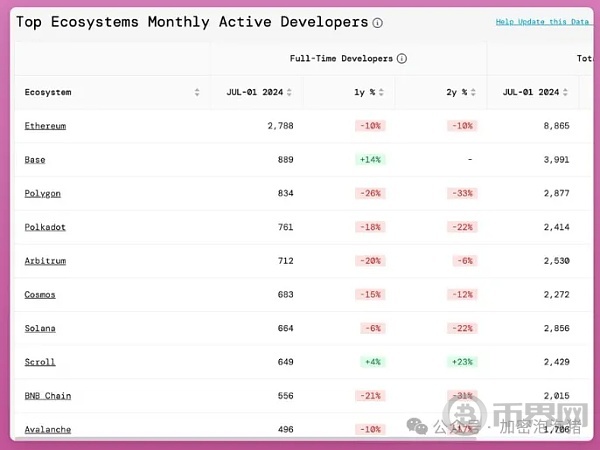
2.开发能力

以太坊生态系统中强大的开发者社区和累积的智力支持持续创新和增长。

图片

3.TVL、dApps...

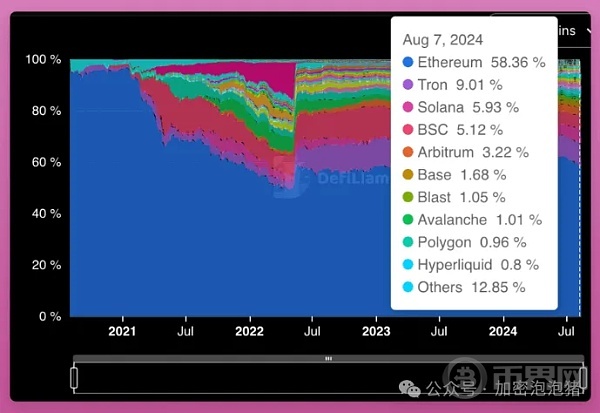
采用所有 L2 的以太坊仍然是顶级智能合约平台,TVL 占比为 58%(但采用所有 L2 的平台则为 ~65 %) 。
图片

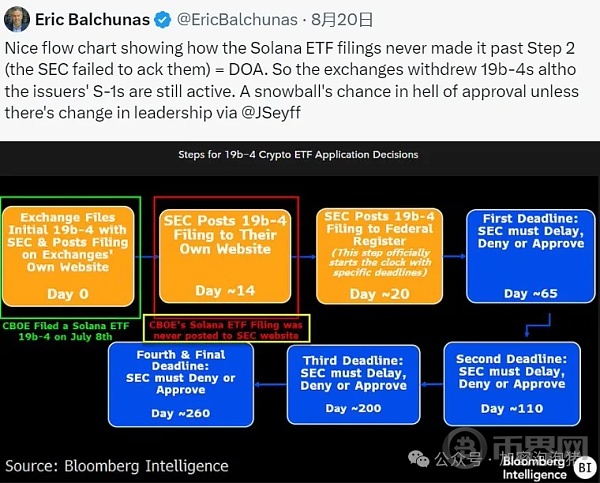
4.监管确定性:

ETH 和 BTC 并非证券,而 SOL 或许是证券?

美国与欧盟日益清晰的监管举措正在增强市场信心,为贝莱德等机构参与者的进入敞开了大门。
图片

5.稳定币的主导地位:

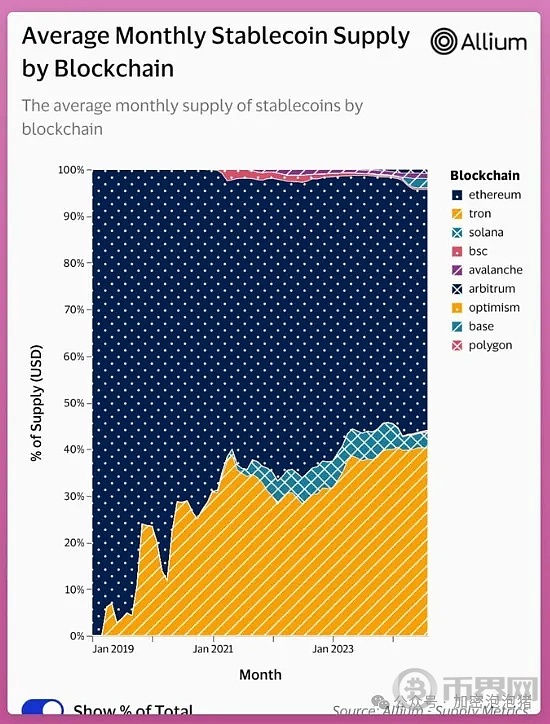
所有稳定币供应量的 50% 以上都是在以太坊上发行的。
图片

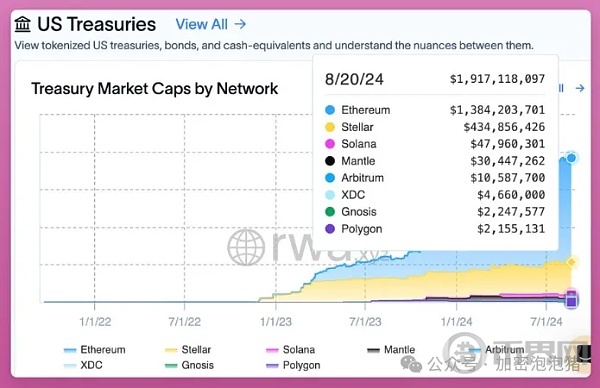
6.以太坊在 RWA 发行方面处于领先地位。

在其平台上发行的代币化美国国债总额为 19 亿美元,其中 13 亿美元。
图片

7.模块化扩展:

L2s(二层网络)因流动性分散以及用户体验欠佳而遭到许多人的厌恶。

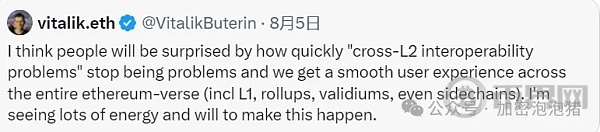
然而,L2 提供了可扩展的增长空间,让以太坊具备足够的灵活性以实现长期适应。此外,跨 L2 的互操作性问题或许会比我们预想的更快得到解决。
图片

8.即将到来的 Pectra 升级将带来用户体验的改善,使开发更加顺畅和高效。

最后,

9.网络效应:

总而言之,ETH强大的网络效应来自于其早期的领先地位、庞大的开发者社区、成熟的 DeFi 生态系统、机构的采用和强大的安全性,使其成为 dApp 构建者的首选平台。

还有一件事:偏见

我积攒了太多的 ETH,迫切地想把它推销给我的追随者。

10.不要忘记 ETH ETF

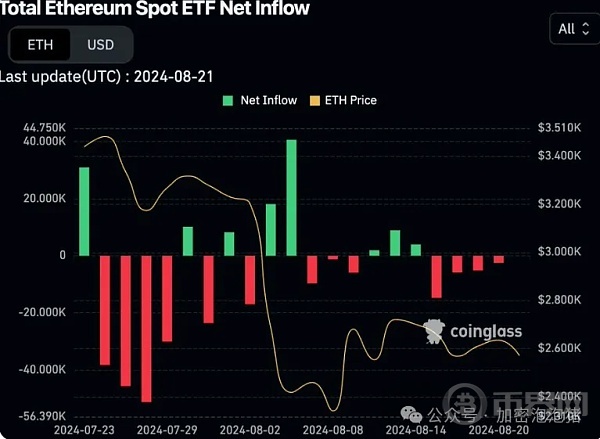
当前流量较低,但当市场转为看涨时,有可能出现大量流入。

机构还没有到来。但如果他们想进来,他们有的是办法!
图片

Trending Cryptos

Related Reads

Opinion: AI Bubble Bursts, Bitcoin and Other Risky Assets Are the First to Be Impacted

BIS Warns AI Investment Boom Could Trigger Market Stress, Impacting Bitcoin First The Bank for International Settlements (BIS) warns that a potential bursting of the "AI bubble" could tighten liquidity and severely impact risk assets like Bitcoin in the near term. Major tech firms are projected to spend over $1 trillion on AI infrastructure in 2025-2026. The BIS cautions that if returns fail to meet expectations, a sudden withdrawal of financing could turn this investment boom into a prolonged bust, creating ripple effects across financial markets. While AI holds long-term economic promise, the current scale and speed of investment, coupled with intense competition and physical bottlenecks (e.g., semiconductors, power grids), mirror historical bubbles. The report highlights that the AI funding web—spanning corporate debt, private credit, and complex vendor agreements—makes systemic risks harder to see. A disappointment in AI adoption could transmit stress through this chain, widening credit spreads and pressuring weaker borrowers. For Bitcoin, the initial reaction to such a market shock would likely be defensive. As liquidity tightens, investors typically sell liquid assets first, and Bitcoin often trades in line with other risk assets during portfolio de-risking. Recent correlations, like Bitcoin's drop following a sharp decline in South Korea's stock market, support this view. However, the longer-term outcome for Bitcoin depends on the policy response. If an AI-driven credit crunch forces central banks to inject liquidity and ease policy eventually, it could reignite Bitcoin's narrative as a hedge against monetary debasement. Yet, traders betting on this outcome may first have to endure significant market volatility and potential price declines.

marsbit40m ago

Opinion: AI Bubble Bursts, Bitcoin and Other Risky Assets Are the First to Be Impacted

marsbit40m ago

South Korea Reaps Riches, America Turns Hostile

The US has filed a collective antitrust lawsuit in California against Samsung, SK Hynix, and US-based Micron, alleging they colluded to create a "RAMpocalypse" by slashing traditional DRAM production and raising prices 700% over four years amid the AI boom. This lawsuit targets the heart of the AI supply chain: High Bandwidth Memory (HBM), critical for Nvidia's GPUs. Currently, SK Hynix (57%), Samsung (22%), and Micron (21%) dominate global HBM production. The case highlights a deeper US concern: in the AI era, South Korea, through its HBM dominance, is capturing an estimated 35% of global AI profits, second only to the US (49%). SK Hynix's operating profit margin recently hit a record 72%. In response to the lawsuit, South Korea announced a massive $800 trillion won investment to build four new chip plants, doubling down on its strategic position. Analysts see the lawsuit not merely as a consumer price issue but as strategic pressure. It aims to support Micron's US manufacturing expansion (subsidized by the CHIPS Act) and secure America's share of AI profits by bringing more HBM production onshore. However, South Korea's rapid execution and massive cash flow from current HBM sales give it a significant speed advantage over US build-out timelines. The conflict underscores a fundamental shift: AI infrastructure like GPUs and HBM is becoming a new form of strategic national resource, akin to oil. While Nvidia and Korean memory giants are interdependent, the struggle over profit distribution and industrial sovereignty in this new landscape is just beginning. This lawsuit may be the first major skirmish in the AI resource wars.

marsbit53m ago

South Korea Reaps Riches, America Turns Hostile

marsbit53m ago

Trading

Spot

Hot Articles

Discussions

Welcome to the HTX Community. Here, you can stay informed about the latest platform developments and gain access to professional market insights. Users' opinions on the price of ETH (ETH) are presented below.

活动图片