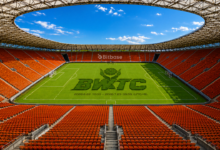
Мемкоин на базе Solana вырос на 1 000+%

cryptonews.ruPublished on 2022-08-16Last updated on 2024-08-16

Мемная лихорадка в сети Solana, кажется, никогда не закончится. Недавно внимание инвесторов привлек еще один мемкоин, который всего за неделю вырос более чем на 1 100%

Разбираемся, где спрятались подводные камни такого молодого и прибыльного мемкоина на базе сети Solana.

Что не так с новым мемкоином

На базе сети Solana появился новый мемкоин — Sharbi (SHARBI) — который уже стал абсолютным лидером этой недели. За прошедшие семь дней токен вырос на 1 134%.

Однако все совсем не так радужно, как кажется на первый взгляд. Фактическая ликвидность SHARBI составляет всего 0,13% от его рыночной капитализации в $4,57 млн. Торговый объем тоже оставляет желать лучшего — за последние 24 часа он едва превысил $6 000 на всех криптобиржах.

Такой скромный объем торгов говорит о том, что реальный интерес к токену очень низок. Тем временем маленькая капитализация делает Sharbi подверженным любым вспышкам волатильности.

Читайте также: Новый мемкоин на Solana (SOL) взлетел почти на 200%
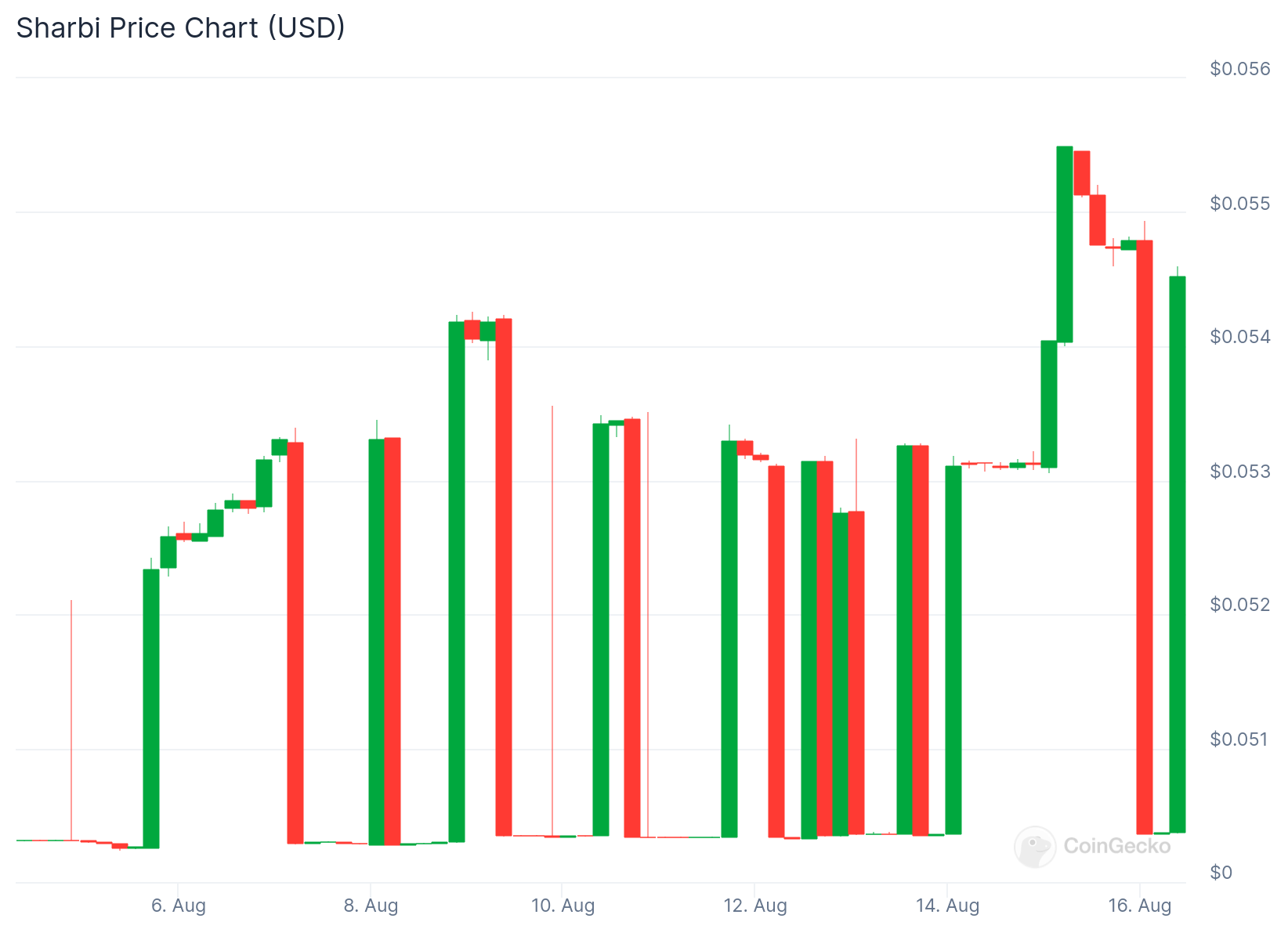
Динамика курса SHARBI. Источник: CoinGecko

Такой яркий взлет мемкоина во многом обусловлен продолжающимся ажиотажем вокруг мемных монет — особенно тех, которые запущены на Solana. Еще одна причина — недавний переход Sharbi на новый контракт и последующий аирдроп.

Любые финансовые вложения в криптовалюты с подобным уровнем ликвидности и рыночной капитализации — это потенциальный риск. Инвесторам и трейдерам всегда следует помнить о принципах риск-менеджмента, а также торговать только на те деньги, которые они могут позволить себе потерять.

Тем не менее рост на 1 100+% — это далеко не предел. Недавно редакция BIC рассказывала про другой мемный токен на базе Solana, который за неделю взлетел на 10 000%. Почему инвесторы пожалели о том, что вложились в него, читайте в нашей статье.

Прогноз SOL: прорыв или боковик

На момент написания этого анализа SOL торгуется по $141,78, за сутки не показав никакой ярко выраженной динамики. При этом за последние семь дней альткоин подешевел более чем на 9%.

В ближайшем будущем Solana, скорее всего, продолжит движение к боковике. На фоне общей стабилизации рынка волатильность значительно снизилась. Поэтому токен смог удержаться выше уровня поддержки на $137.

На фоне этой консолидации может зародиться бычий импульс, который станет триггером для запуска восстановительного ралли. Новый бычий тренд поднимет курс SOL до $156. Если альткоин сумеет преодолеть этот важный уровень, то он получит шанс отыграть часть своих потерь, которые Solana несет с конца июля.

Читайте также: SEC одобрила спотовые Solana-ETF, но в Бразилии
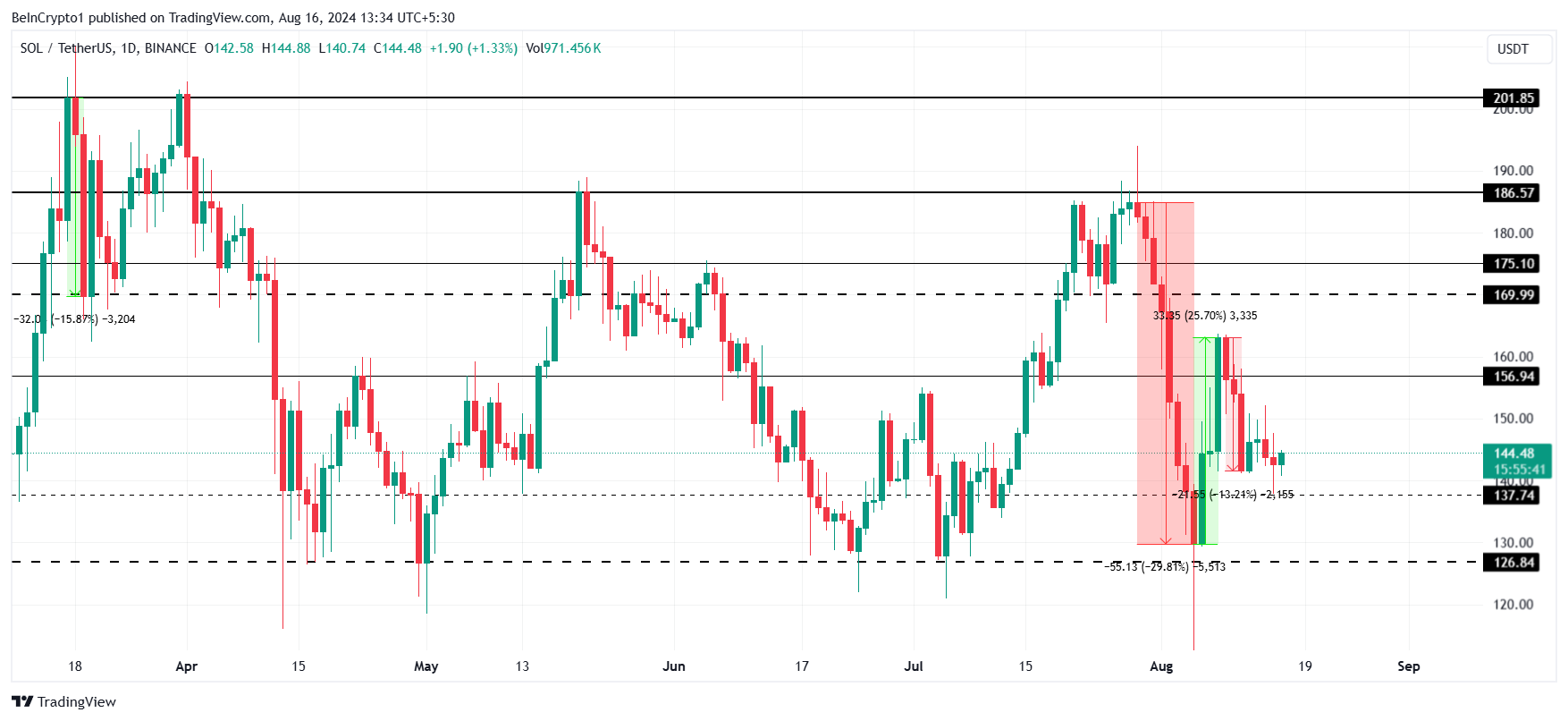
Динамика курса Solana. Источник: TradingView

В том случае, если попытка прорыва окажется неудачной, Solanaпродолжит консолидироваться под уровнем $156. Такой сценарий отменит тезис о восстановлении утраченных позиций.

Пользователи запустили на платформе Pump.fun уже около 1,7 млн мемкоинов, но «выстрелили» из этих монет всего лишь 15. Почему так получилось и можно ли тогда вообще выжить на рынке мемных токенов — читайте в нашей статье.

Trending Cryptos

Related Reads

Foundation Steps Back, Ethlabs Steps Forward: Ethereum Undergoes Its Largest Restructuring in History

On June 23rd, the Ethereum ecosystem witnessed two major shifts, signaling a significant governance realignment. First, former Ethereum Foundation researchers established Ethlabs, a new independent non-profit. Backed by major ETH holders like Bitmine and SharpLink, Ethlabs aims to address practical needs for institutional adoption, including faster settlement, native asset issuance, cross-chain transactions, and mainnet scaling. Secondly, the Ethereum Foundation announced a major restructuring, laying off 54 employees (20% of its staff) to become a leaner entity focused on protocol governance and maintenance rather than being the primary builder. This move represents a pivotal correction. Criticisms had mounted over the Foundation's perceived slowness, lack of clear strategy, and over-reliance on Vitalik Buterin's influence. Ethlabs emerges as a more execution-oriented, "industrialized" layer focused on market adoption—bridging the gap between research and real-world use. Notably, Vitalik Buterin is absent from its list of supporters, interpreted as an intentional step to avoid excessive personal endorsement and allow the organization to build independent credibility. The Ethereum Foundation's downsizing and redefinition mark a retreat from its former central coordinating role. It now aims to share the "privilege of stewarding Ethereum" with other emerging groups like Ethlabs, the Ethereum Applications Guild, and The Ethereum Economic Zone. Analysts frame this dual shift as the Foundation ensuring Ethereum remains "correct" (credibly neutral), while Ethlabs must prove it remains "effective" (competitive and attractive for capital and adoption). This addresses community "shareholder-like anxiety" about ETH's market performance. While risks exist—such as concerns over shifting from Foundation centrality to large-holder influence—the consensus is that the greater risk for Ethereum was inaction, caught between technical idealism and organizational inertia. These steps aim to create a more multi-stakeholder, execution-driven future for the network.

链捕手5h ago

Foundation Steps Back, Ethlabs Steps Forward: Ethereum Undergoes Its Largest Restructuring in History

链捕手5h ago

Second Half of U.S. Crypto Policy: The Clarity Act Aims for 60 Votes, CFTC's "One-Person Commission" Becomes Biggest Variable

In a pivotal year for US crypto policy, the "CLARITY Act" is advancing in the Senate but faces a high hurdle, needing 60 votes to pass. Key challenges include bridging partisan divides on ethics and swaying undecided Republican senators within a tight legislative calendar of only about 40 working days. The policy "second half" involves intense negotiations on a broader framework for Web3 and DeFi, including crypto tax reforms and the Blockchain Regulatory Certainty Act. A significant uncertainty is the understaffed CFTC, operating with four commissioner vacancies, which complicates regulatory clarity. Meanwhile, the departure of key "crypto champions"—SEC Commissioner Hester Peirce and Senator Cynthia Lummis—will impact ongoing policy efforts. Industry experts are cautiously optimistic but realistic. Sara K. Weed notes that while progress is being made, CLARITY is unlikely to pass this Congress, pushing agencies like the SEC and CFTC to provide more guidance. Sulolit Mukherjee suggests meaningful crypto tax legislation is more likely to be attached to larger must-pass bills. Rashan Colbert discusses the jurisdictional debate over prediction markets, emphasizing the need for a regulatory framework that fosters their development as financial tools rather than treating them broadly as gambling. The clock is ticking, but opportunities remain for substantive progress through continued bipartisan dialogue and pragmatic efforts.

marsbit8h ago

Second Half of U.S. Crypto Policy: The Clarity Act Aims for 60 Votes, CFTC's "One-Person Commission" Becomes Biggest Variable

marsbit8h ago

Research Report Analysis: Morgan Stanley Details SanDisk SNDK, The Truth About Cloud Data Center Pricing Power and AI Inference Benefits

Morgan Stanley raised its price target for SanDisk (SNDK) from $1100 to $1750 on June 22, maintaining an Overweight rating. The upgrade is driven by AI inference demand reshaping the NAND market, particularly for KV Cache and context window storage in cloud data centers. These cloud clients exhibit price inelasticity and sign long-term contracts, granting SanDisk significant pricing power. SanDisk's New Business Model (NBM) agreements, covering over one-third of FY27 bit shipments with 3-5 year terms and fixed price/price collar structures, are crucial. They are projected to sustain gross margins around 80% even at floor prices, providing a buffer against cyclical downturns. Morgan Stanley forecasts gross margins to surge from 30.3% in FY25 to 86.7% in FY27e. With NAND supply expected to remain tight into 2026/2027 and cloud/data centers becoming the largest end-market, SanDisk holds supply-side pricing power. The company targets 15-19% bit growth via technology transitions, not capacity expansion. Revenue is projected to grow ~6.6x from FY25 to FY27, with EPS rising from $2.74 to $14.73, driven by high-margin cloud business. Key upside catalysts include faster enterprise SSD adoption and edge AI growth. Downside risks involve slower industry growth, competitor capex increases, market share loss, and competition from Chinese players like YMTC. The investment thesis rests on AI-driven structural demand, NBM's margin protection, and sustained supply tightness. The $1750 target implies ~28x FY27e P/E.

marsbit9h ago

Research Report Analysis: Morgan Stanley Details SanDisk SNDK, The Truth About Cloud Data Center Pricing Power and AI Inference Benefits

marsbit9h ago

Trading

Spot
Futures

Hot Articles

Discussions

Welcome to the HTX Community. Here, you can stay informed about the latest platform developments and gain access to professional market insights. Users' opinions on the price of SOL (SOL) are presented below.

活动图片