「AMM」 VS 「CLOB」:两种交易模式谁更胜一筹?

币界网Published on 2024-08-14Last updated on 2024-08-14

币界网报道:

作者:0xNatalie来源:ChainFeeds

近日,Flashbots 战略主管Hasu指出:在 Solana 链上,大部分交易量实际上是通过自动做市商(AMM)完成的,而不是通过中央限价订单簿(CLOB,或简称为订单簿模式)。这一结论令人意外,因为不少人曾认为 Solana 赢得市场的的重要原因之一其能够支持 CLOB。如Feng Liu所说:「当初 Solana 的一个核心卖点,就是终于可以在上面搞订单簿 dex 了,以及,『订单簿交易才是 dex 的未来』。」

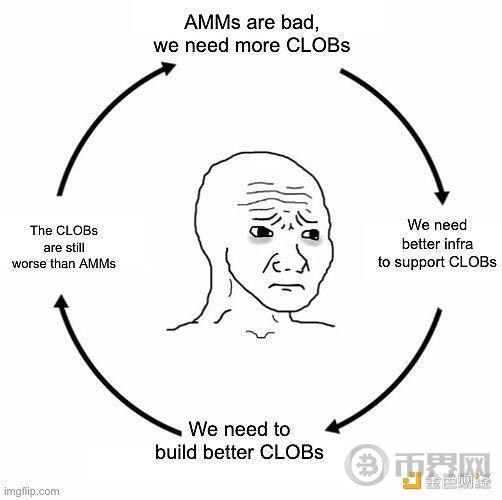
值得注意的是,AMM 和 CLOB 之间的争论并非始于近日,这场较量早已持续多时。自 DeFi Summer 以来,AMM 凭借其算法驱动的资产定价方式迅速成为去中心化交易的核心,而 CLOB 则因其在传统金融和中心化交易所中的主导地位,被认为是更成熟的市场机制。这场较量推动了它们在各类区块链平台上的不断创新。尤其是在以快速和低成本为核心的 Solana 上,Phoenix成功让 CLOB 一度成为焦点。
AMM 主导市场的原因仅在于长尾资产?

Hasu 的这一发现在社区内迅速引发了广泛讨论。对此,Multicoin Capital 合伙人 Kyle Samani解释道,在长尾资产的市场中,缺少真正的做市商(MM)来提供流动性,而 AMM 的出现弥补了这一不足,从而形成了当前 AMM 主导的局面。Solana 的成功不仅仅依赖于 CLOB,而是因为它能够提供始终如一的快速和低成本的交易体验,能够为各种类型的资产提供支持。此外,Solana 的无桥接机制(no bridging)也是其成功的一个重要因素,因为用户普遍对跨链桥接持负面态度。

Taproot Wizards 创始人 Udi Wertheimer 也认为AMM 在支持长尾资产方面具有独特优势,能够帮助小型社区为长尾资产快速启动流动性。Solana 上有大量的 memecoin,对于这些资产来说,AMM 是非常合适的选择。

Krane 则进一步将市场划分为三种类型:memecoin、主要资产(如 SOL/USDC)和稳定币。他指出,AMM 在 memecoin 市场中表现突出,因为这些资产需要良好的被动流动性,而 CLOB 在这方面表现较差。对于主要资产,虽然 CLOB 在一些情况下占据了一定地位,但 AMM 仍然具有竞争力。在稳定币市场中,CLOB 的应用尚未广泛普及。

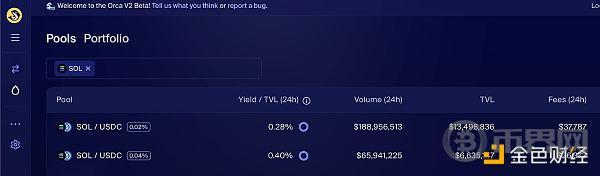
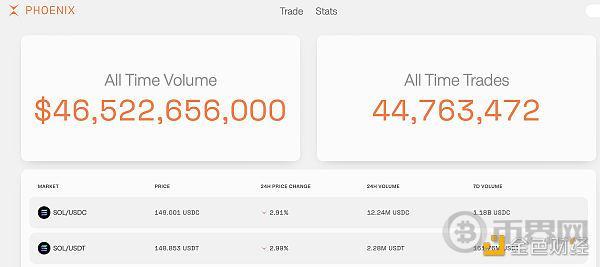
然而,Ambient 创始人 Doug Colkitt 提出了不同的看法,并通过数据进行了反驳。他指出,许多人误认为 Solana 上的 AMM 交易量主要来自一些不活跃的长尾资产。然而,他提供的数据表明,即使在主要交易对(如 SOL/USDC)中,AMM 的交易量也远远超过了 CLOB。例如,Orca在 24 小时内的交易量高达 2.5 亿美元,而 Phoenix 的交易量仅为 1400 万美元。即使采用最有利于 CLOB 的假设(使用 Phoenix 的 7 天平均每日交易量而不是当天的较低交易量,并尽可能多地计入 CLOB 的交易量),AMM 在主要交易对上的交易量也比 CLOB 高出 50%,如果不采用这些假设,差距甚至会扩大到 10 倍。
社区观点:CLOB 的发展受到区块链性能的限制

AMM 在 Solana 上占主导地位的原因不仅仅在于长尾资产,更深层次的原因在于区块链性能的限制。许多社区成员认为,CLOB 的发展受限于区块链的性能瓶颈。Sam觉得区块链面临的固有挑战(高延迟、Gas 费高、隐私保护不佳等)使得 CLOB 不适合在当前的区块链环境中有效运行。相比之下,AMM 更能适应区块链的特点,尤其是在价格发现和流动性提供方面。

Enzo也持类似观点,他认为 CLOB 在 Layer 1 上面临高延迟、昂贵的 Gas 费用和较低吞吐量的局限性,但在 Layer 2 解决方案中,这些局限性可以被克服,从而使 CLOB 在这些环境中更具竞争力。在当前的 Layer 1 链上,AMM 仍然是更为实际的选择。

实际上,在 Reforge Research 4月发布的《Death, Taxes, and EVM Parallelization》一文中也提到过类似观点。文章里指出:在以太坊等区块链平台上实现 CLOB 时,由于平台处理能力和速度的限制,往往会导致高延迟和高交易成本。然而,随着并行 EVM 的推出,网络的处理能力和效率得到极大提升,CLOB 的可行性也随之增加,并预计 DeFi 活动将显著增加。


Trending Cryptos

Related Reads

The Full Story Behind Encryption Unicorn Blockstream's Deep Entanglement in Serious Fraud Allegations

This article details allegations of serious fraud surrounding the crypto company Blockstream, founded by Bitcoin pioneer Adam Back. Investigation account NatInfoSec accuses Blockstream of raising billions through its Blockstream Mining Note (BMN) products, which offer high fixed yields of up to 20% from purported mining revenue. The core allegations are: 1) Blockstream's public mining hash rate (15 EH/s) appears insufficient to cover the massive payout obligations from sold BMN notes, raising questions about the true source of investor payouts. 2) Key executive Christopher William Cook, central to the mining operations, has a prior federal conviction for mail fraud, a fact not disclosed to investors. Cook's background and lavish lifestyle are highlighted as red flags. 3) The structure allows payouts from any source of BTC, not necessarily mining revenue, which critics argue gives it Ponzi-like characteristics. The controversy also touches on Bitcoin Standard Treasury Company (BSTR), a related entity planning a SPAC上市. Critics question whether BMN's liabilities and Cook's record should be disclosed in BSTR's filings. BitMEX Research offered a tempered analysis, confirming Cook's criminal record is likely true and the high yields concerning, but found other claims like insufficient抵押证据 less substantiated. Community debate centers on the need for verifiable proof of Blockstream's mining output and revenue. The article concludes that while fraud is not proven, BMN presents significant, unresolved questions regarding its actual scale, the source of its high fixed returns, the verifiability of its mining operations and payouts, and the full disclosure of associated risks and personnel backgrounds. Blockstream has not yet issued a formal response.

链捕手31m ago

The Full Story Behind Encryption Unicorn Blockstream's Deep Entanglement in Serious Fraud Allegations

链捕手31m ago

a16z: In the AI Era, Company Competition for Talent Starts with Job Title Naming

The article discusses how companies in the AI era are competing for talent through strategic "title arbitrage," or the renaming of key roles to reflect and attract new, high-value capabilities. It uses Palantir's creation of the "Forward-Deployed Engineer" (FDE) as a prime example. This title reframed client-facing technical work from a peripheral "implementation" role into a core, high-status engineering function. The move was strategic, allowing Palantir to attract talent that blended technical skill with business acumen and to dominate the market's perception of this capability. The piece argues that job titles are an organizational language that signals the value and authority of certain work. Effective new titles, like "Data Scientist" or "Site Reliability Engineer," emerge when a role's strategic importance genuinely outgrows its old name. Conversely, mere title inflation without substantive change is ineffective. For AI companies, particularly in B2B, this is a crucial strategy. AI transformation creates new high-leverage roles (e.g., "Legal Engineer," "GTM Engineer") that combine domain expertise with technical automation. By naming these roles, a company can help clients internally legitimize these change-makers. This, in turn, builds market mindshare, associating the company with the new capability. In conclusion, as AI blurs the lines between product and service, the ability to accurately name and organize the critical, client-adjacent work that defines product learning will be a key competitive advantage. The first to define this new organizational language plants a flag in the market's mind.

marsbit2h ago

a16z: In the AI Era, Company Competition for Talent Starts with Job Title Naming

marsbit2h ago

Trading

Spot
Futures

Hot Articles

Discussions

Welcome to the HTX Community. Here, you can stay informed about the latest platform developments and gain access to professional market insights. Users' opinions on the price of SOL (SOL) are presented below.

活动图片