随着通货膨胀的加剧,以太坊(ETH)在30天内增加了1.5亿美元的新供应

币界网Published on 2024-08-13Last updated on 2024-08-13

币界网报道:

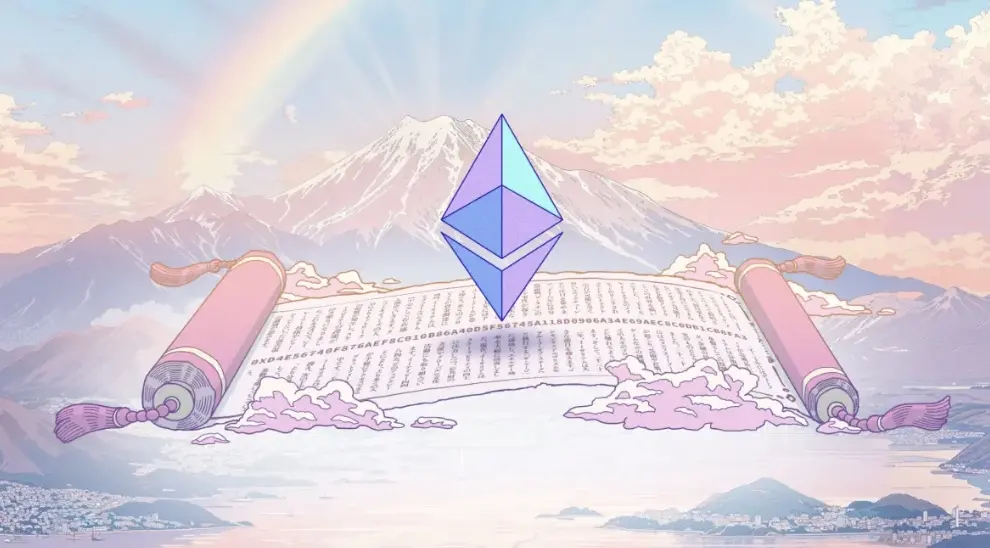
以太坊(ETH)在过去39天增加了57000个新代币后,正在感受到通货膨胀加速的影响。随着费用消耗放缓,以太坊的通货膨胀在过去一个月有所上升。

以太坊(ETH)作为通货紧缩资产花费了几个月的时间,使其供应量降至1.2007亿。EIP-1559出台后,基础费的燃烧短暂地控制了供应,甚至引发了通货紧缩。

现在,基于由此产生的ETH供应,更高的通货膨胀开始变得明显。额外的ETH代币的效果将类似于每年出现一条大型鲸鱼。在消耗了所需的基本费用后,市场每12个月将不得不吸收约70万个新的ETH。

以太坊在2024年第二季度之前一直处于通货紧缩状态,利率为负0.2%。自通货膨胀以来,超过25万个新代币被添加到供应中。虽然市场仍然可以吸收新资产,但这结束了ETH作为超级健全货币的说法。

在过去的30天里,以太坊生产了7.7万个新代币,燃烧了2万个,净增5.7万个。每周,该网络扩展了大约15000个代币,保持了增长趋势。通货膨胀正在加速,从过去几个月的0.53%上升到0.67%。目前的通货膨胀率仍低于采矿业的通货膨胀率,后者本应达到3.99%。以太坊仍然落后于比特币0.83%的通胀率。

L2的使用和缓慢的市场破坏了以太坊的收费表现

有几个因素正在推高以太坊的通胀,这一趋势已经反映在可用供应中。目前的以太坊代币销毁每天会从流通中移除几百个代币,而之前的销毁每天会销毁数千个代币。在通货紧缩时期,以太坊能够在40天内摧毁总供应量的1%。

2022年和2023年,低燃烧率的时期主要是由于熊市和普遍停滞。目前,以太坊显示出大部分流量已经转移到L2区块链的迹象,这实现了人们期待已久的可扩展性。在三个月的基础上,以太坊在产生的费用方面仍然是领导者。以太坊每周落后于TRON和LidoDAO,与验证者共享约1300万美元的费用。

由于其网络结构,以太坊与L2链相比仍然要贵得多。以太坊对DEX掉期等基本活动的费用可能在0.90美元到5美元之间,具体取决于网络使用情况。在竞争激烈的环境中,L2费用提供了低至0.001美元的大多数DEX和DeFi活动。

总体而言,以太坊和L2支付的费用都在下降,因为活动下降了50%以上。在6月底进行了今年的第一次大调整后,以太坊生态系统内的活动减少,费用和每日活跃用户都减少了。一些知名L2连锁店的美元费用中位数也有所下降,表明活动减少。在过去的30天里,大多数连锁店都放慢了速度,收取了较低的费用。

L2解决方案由于每个区块中的blob空间而减缓了以太坊的速度

对于以太坊是作为高费用链还是作为允许L2扩展的链,目前还没有达成共识。在过去,以太坊的创始人Vitalik Buterin表示更倾向于通过汇总和其他L2解决方案进行扩展。其他人则认为L2会分散流动性,剥夺ETH持有者的更高费用。

L2也造成了blob的问题,它们将交易状态打包并记录在以太坊主网上。区块构建器是以太坊生态系统中的新实体,它改变了L2扩展的格局。

一些建筑商更喜欢组合有利于MEV交易的区块,以实现快速交易,而另一些建筑商则接受blob及其更高的费用,尽管它们会减缓区块的生产。以太坊生态系统表明,增长和扩展没有直接的方法,一些指标可能仍然存在冲突。

链上活动和L2迁移的结合意味着以太坊gas降至2019年以来的最低水平。2021年的常规交易费用将达到200 GWei。在过去的一个月里,基本费用通常为1-2GWei,偶尔会飙升至20GWei。与L2链相比,即使是这些费用有时也令人望而却步。以太坊仍然有高费用的日子,但不足以推动稀缺性叙事。


Hristina Vasileva的加密货币报道

Related Reads

Hong Kong Web3 Carnival: The Watershed Moment for Web3 Entering the Execution Phase

The 2026 Hong Kong Web3 Carnival marked a significant shift from previous industry discussions, signaling that Web3 has moved beyond theoretical validation into a phase of institutional and structural implementation. Hong Kong is not merely building a "Web3 industry cluster" but developing an operating system for the next-generation financial infrastructure. Key developments include the expansion of asset tokenization beyond cryptocurrencies to encompass bonds, real estate, and future income rights. This transition represents a fundamental restructuring of financial logic—shifting from institution-dominated asset control to rule-driven, programmable asset流动性 and distribution. Tokenization enables lower-friction participation and broader access to financial resources. Concurrently, AI is evolving from a tool into an autonomous economic agent. The proposed Decentralized Agentic Economy (DAE) framework suggests AI agents, empowered by blockchain-based identity and programmable money, will independently execute transactions and strategies—redefining market dynamics and reducing intermediation. Regulatory progress has been systematic: Hong Kong has expanded oversight to include exchanges, custody, staking, and derivatives, while gradually approving products like tokenized funds and stablecoins. The "same risk, same regulation" principle, combined with sandbox mechanisms, provides stability and transparency—key advantages in a globally fragmented regulatory landscape. Hong Kong’s approach integrates three core elements: real-world asset (RWA) tokenization, stablecoin settlement networks, and AI-driven economic agents. This systemic build-up positions Hong Kong not just as a participant but as a potential rule-maker in the next-era financial system, where asset flow, rules, and participants are simultaneously transformed.

marsbit2h ago

Hong Kong Web3 Carnival: The Watershed Moment for Web3 Entering the Execution Phase

marsbit2h ago

Trading

Spot
Futures

Hot Articles

Discussions

Welcome to the HTX Community. Here, you can stay informed about the latest platform developments and gain access to professional market insights. Users' opinions on the price of ETH (ETH) are presented below.

活动图片