Meme coins outshine BTC and ETH in latest crypto rally

Crypto BriefingPublished on 2024-07-21Last updated on 2024-08-02

Meme coins outshine BTC and ETH in latest crypto rally

Cat-themed tokens lead meme coin rally, but a dog holds his ground on Solana.
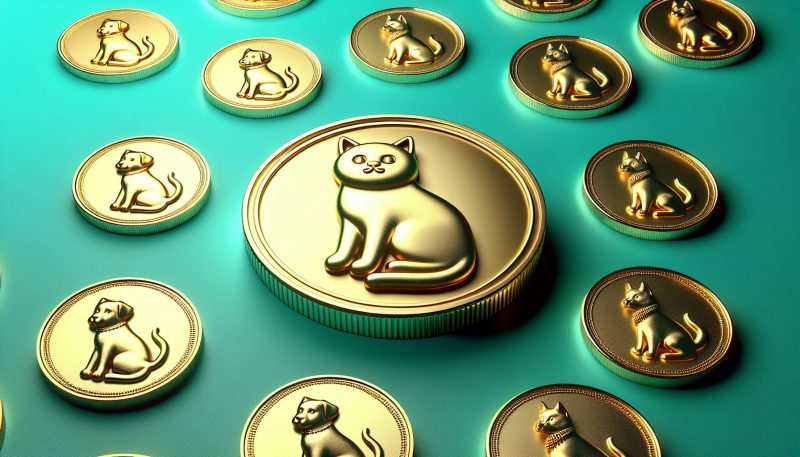
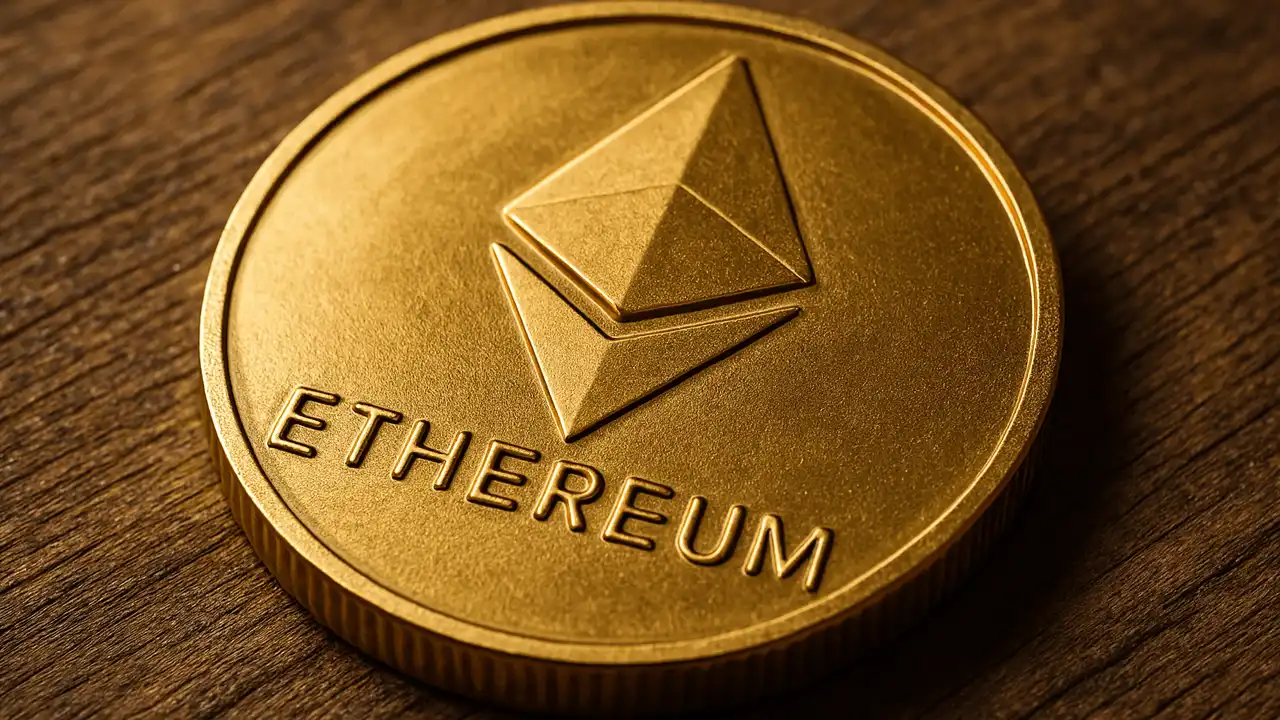
Golden cat coin surrounded by meme-themed crypto coins, illustrating meme coins outperform trend

Key Takeaways

  • Cat-themed meme coins averaged 8.8% gains in 24 hours, outperforming BTC and ETH.
  • Meme-related tokens outpaced BTC by 5% and ETH by 9.3% over the past week.

Share this article

Bitcoin (BTC) briefly surpassed $68,000 on July 21st and sparked price leaps across the crypto market. In this landscape, meme coins have stolen the limelight by outperforming BTC and Ethereum (ETH) over the past seven days.

Cat-themed meme coins got the most steam out of this movement, leaping 8.8% on average over the past 24 hours but likely propelled by a honey pot token.

Jacky (JACKY) is a token with a picture of a black cat that was launched on July 5th through Moonshot, the meme coin launchpad developed by DEX Screener. Despite the lack of activity for a week, the token suddenly spiked over 160% in the last 24 hours. However, the transactions checker on DEX Screener shows that most of them are dust transactions, which means that liquidity was removed. 

JACKY’s latest transactions. Image: DEX Screener

Nevertheless, the meme coin based on the Binance Smart Chain titled Catcoin (CAT) jumped 60% over the past 24 hours. CatSolHat (SOLCAT) also made a significant movement with a 76.6% spike in the period.

Moreover, the cat-coin hehe (HEHE) kept its last week’s momentum and registered a 50.2% daily growth. Notably, over the past week, HEHE soared 216%.

The Solana meme coin ecosystem also saw a significant 5% average growth, thanks to a coin of a dog in a pool. The doginapool (DIP) token jumped 263% over the past 24 hours, inching closer to $4 million in market cap and surpassing $1 million in volume.

The meme coin narrative has been outperforming BTC and ETH over the past week. Meme-related tokens have a 5% lead in the period when compared to BTC, and 9.3% when compared to ETH.

However, meme coins couldn’t surpass the performance shown by Solana (SOL) in the last seven days, staying 3% below SOL’s growth.

Earlier this week, meme coins significantly outperformed major cryptocurrencies like Bitcoin, Ethereum, and Solana, rising by 12% due to traders shifting their assets towards more speculative instruments.

In March, meme coins including PEPE, Dogecoin, and BONK prominently rose, with PEPE surging by 35.6% amid broader crypto market gains.

Also in March, PEPE led a meme coin rally coinciding with Ethereum nearing $4K, achieving up to 26% gains.

In May, meme coins saw a 10% increase in market cap, notably outperforming the broader crypto market, driven by their speculative appeal to fast money traders.

Later in May, Ethereum-based meme coins surged by up to 161%, fueled by speculation surrounding the potential approval of a spot Ethereum ETF.

Share this article

Trending Cryptos

Related Reads

IOSG Founder: Ethereum Doesn't Need Another Leap of Technical Faith, It Needs a Musk-style Compromise

Jocy, founder of IOSG Ventures, argues that Ethereum does not need renewed technological faith but a "Musk-like compromise." The recent formation of ETHLabs—funded by major ETH holders like BitMine and Lubin—highlights a market-driven move to fill a gap left by the Ethereum Foundation (EF), signaling a loss of confidence in its decentralized, hands-off approach. The core critique contrasts Vitalik Buterin's (V) idealistic, technology-first vision with Elon Musk's pragmatic, business-driven execution. The author asserts Ethereum's current shortage is not another technical roadmap but a clear, real-world application narrative and a leader willing to engage directly with commercial realities—like Musk. Internal issues are emphasized, citing EF's management problems and talent drain. While the new decentralized model with independent nodes like ETHLabs addresses the single foundation's limitations, it risks fragmentation without cohesive direction. True cohesion, the author suggests, must come from a shared, compelling narrative around ETH's value, not just from aligned financial interests. Independence claims for new entities are seen as aspirational, needing years of transparency to build trust. The ultimate threat is not competitors like Solana, but the broader shift of attention and talent toward AI. Ethereum has a limited window—12 to 18 months—to recapture focus by delivering tangible, real-world applications. The conclusion urges V to shift from abstract ideals to grounded, pragmatic leadership. The time for this crucial pivot is running out.

marsbit45m ago

IOSG Founder: Ethereum Doesn't Need Another Leap of Technical Faith, It Needs a Musk-style Compromise

marsbit45m ago

Google Starts Selling TPUs, Big Tech Aims to Produce "Low-Cost Tokens" with AI Chips

Google has begun selling its proprietary TPU chips and AI computing hardware directly to third-party data centers and clients, marking a strategic shift. Previously only accessible via cloud rentals, TPUs are specialized processors designed for the matrix and tensor operations central to AI models. By combining thousands into supercomputing clusters managed by CPUs, Google achieves high-efficiency AI processing. This move enables Google’s Gemini AI to offer competitive token pricing, challenging rivals like OpenAI. It also signals a broader industry trend where AI compute is becoming a commoditized resource like electricity. While NVIDIA remains dominant with its CUDA ecosystem and high-performance GPUs, the focus is shifting from raw power to cost efficiency and system integration. Google’s approach mirrors NVIDIA’s by selling an entire ecosystem—hardware, software, and data center expertise—rather than just chips. This threatens NVIDIA’s grip on the mid-range inference market, where lower-cost, efficient solutions are increasingly demanded. Similarly, cloud providers like Huawei Cloud and Alibaba Cloud in China are developing their own AI chip ecosystems (e.g., Ascend, Zhenwu), packaging chips, clusters, and tools into full-stack solutions. They aim to reduce token costs and capture market share through integrated systems. In summary, the AI infrastructure race is evolving from a competition for the strongest chips to a contest for the most efficient and cost-effective systems. Google’s TPU sales highlight this transition, emphasizing that future success lies in delivering affordable, scalable AI compute as a foundational service.

marsbit1h ago

Google Starts Selling TPUs, Big Tech Aims to Produce "Low-Cost Tokens" with AI Chips

marsbit1h ago

Trading

Spot
Futures

Hot Articles

Discussions

Welcome to the HTX Community. Here, you can stay informed about the latest platform developments and gain access to professional market insights. Users' opinions on the price of MEME (MEME) are presented below.

活动图片