SEC公布Terraform补偿公告:将优先补偿投资者和债权人

Odaily星球日报Published on 2024-08-01Last updated on 2024-08-01

Abstract

「投资者和债权人在破产案件中获得全部赔偿前,SEC不会收到任何付款。」

原文作者:Natalia Wu,动区动趋 BlockTempo

2022 年中公链 Terra 的 LUNA、UST 爆雷,令全球投资人遭受 400 亿美元的经济损失。Terra 背后开发商 Terraform Labs 及其创办人 Do Kwon 在 6 月中旬正式与美国证券交易委员会(SEC)就民事诉讼达成和解。

Terraform Labs 和 Do Kwon 同意分别支付 44.7 亿美元和 2 亿美元罚金换取与 SEC 的和解,不过对于在 Terra 暴雷中血亏的投资人最关心的问题:究竟何时可以获得赔偿,至今仍未获得解答。

Terra 受灾户如何获赔?

对此,SEC 在 26 日发布公告,针对因 Terraform Labs 受害的投资人和债权人,回覆有关如何获赔的相关问题。SEC 指出,由于投资人持续向该机构询问他们是否能够获得赔偿,SEC 整理了相关资讯帮助回答这些问题,并称赔偿主要需要透过悬而未决的 「Terraform Labs 破产案件」进行处理。

Terraform Labs 在今年 1 月向美国德拉瓦州破产法院声请第 11 章破产保护,估计资产和负债额在 1 亿至 5 亿美元之间,而债权人数量在 100 人至 199 人之间。

SEC:债权人、投资人获赔前,不会先收 40 余亿美元罚金

SEC 解释,Terraform Labs 将在其破产案件中寻求第 11 章清算计划的批准,该计划将设立清算信讬或财产代表来清算 Terraform 的剩余资产,向 Terraform 债权人以及因 Terraform 「加密资产证券」(指该公司发行的 LUNA 等代币)受到损害的投资者支付赔偿。

法院的最终判决裁定 Terraform 欠下 44.7 亿美元的非法所得、判决前利息和民事罚款。Do Kwon 则须向 Terraform 破产财产转移至少 2.04 亿美元,用于分配给资金受损的投资者,其中包括 700 万美元现金、Luna Foundation Guard 的所有加密资产。

SEC 强调:「投资者和债权人在破产案件中获得全部赔偿前,SEC 不会收到任何付款。」

Terraform 破产计划预计秋季出炉

SEC 补充,Terraform Labs  破产案件中提交的破产清算计划将规定所有债权人和受损投资者的追偿权利债权人和受损投资者将有机会审查 Terraform 的披露声明和清算计划,并对该计划进行投票同意或是反对。

清算计画听证会和生效日期目前预计落在 2024 年秋季。破产法院尚未确定债权人和受损投资者如何提交与 Terraform 诈欺相关的损失索赔的程序和截止日期,但将在计划获批后将资讯发布到以下网站:https://dm.epiq1 1.com/case/terraform/info,请持续追蹤以获取更新资讯。

LUNA 已距年内高点跌超 7 成

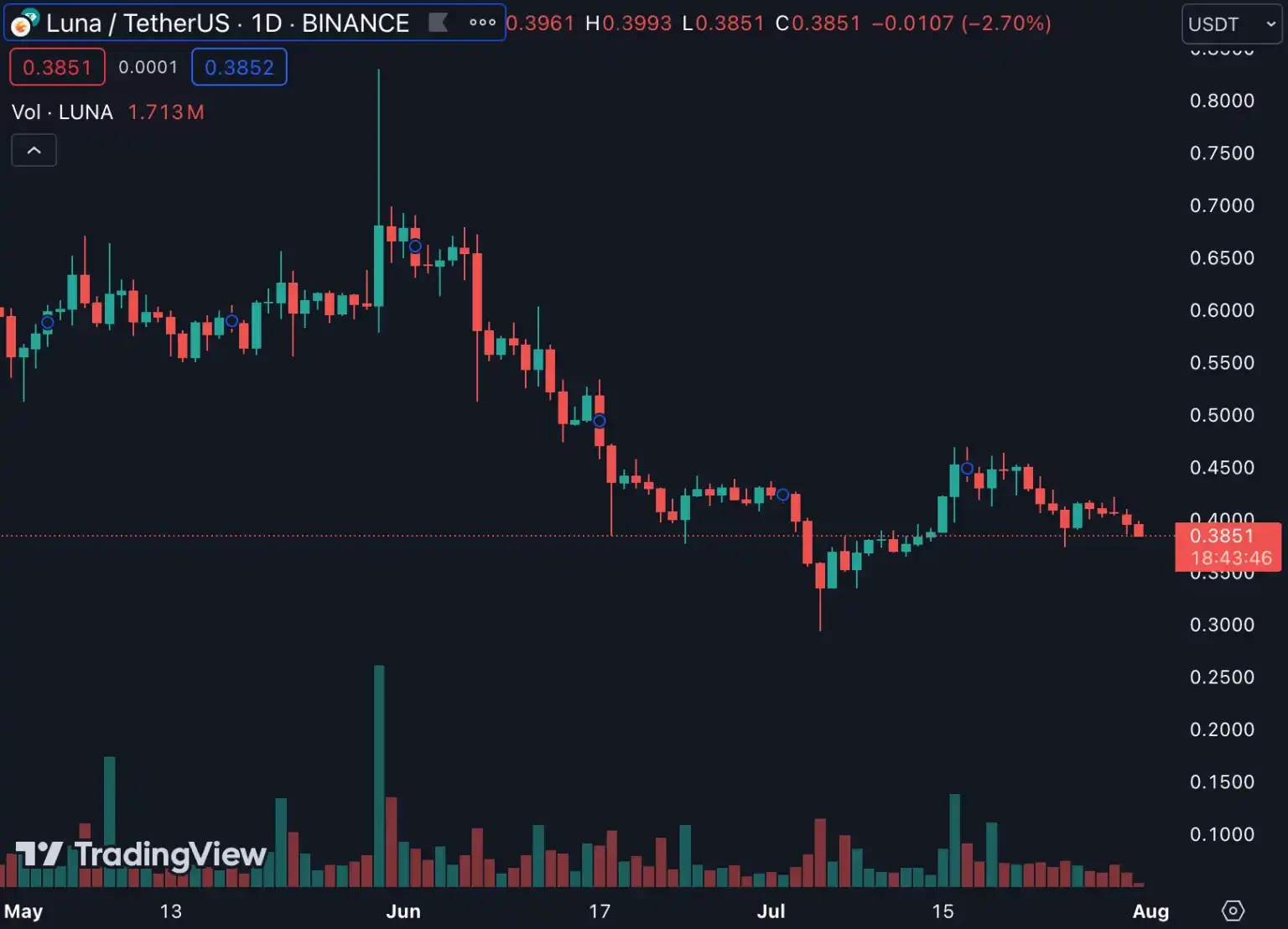
币价方面,五月底一度冲上 0.83 美元的 LUNA,近两月持续走跌,撰稿当下报 0.385 美元,距离今年高点 1.26 美元已跌去近 70% 。

SEC公布Terraform补偿公告:将优先补偿投资者和债权人

来源:Trading View

原文链接

Related Reads

Trading

Spot
Futures

Hot Articles

How to Buy LUNA

Welcome to HTX.com! We've made purchasing Terra (LUNA) simple and convenient. Follow our step-by-step guide to embark on your crypto journey.Step 1: Create Your HTX AccountUse your email or phone number to sign up for a free account on HTX. Experience a hassle-free registration journey and unlock all features.Get My AccountStep 2: Go to Buy Crypto and Choose Your Payment MethodCredit/Debit Card: Use your Visa or Mastercard to buy Terra (LUNA) instantly.Balance: Use funds from your HTX account balance to trade seamlessly.Third Parties: We've added popular payment methods such as Google Pay and Apple Pay to enhance convenience.P2P: Trade directly with other users on HTX.Over-the-Counter (OTC): We offer tailor-made services and competitive exchange rates for traders.Step 3: Store Your Terra (LUNA)After purchasing your Terra (LUNA), store it in your HTX account. Alternatively, you can send it elsewhere via blockchain transfer or use it to trade other cryptocurrencies.Step 4: Trade Terra (LUNA)Easily trade Terra (LUNA) on HTX's spot market. Simply access your account, select your trading pair, execute your trades, and monitor in real-time. We offer a user-friendly experience for both beginners and seasoned traders.

3.9k Total ViewsPublished 2024.03.29Updated 2025.03.21

How to Buy LUNA

What is $LUNA

Luna28 ($$LUNA): A Moon-Inspired Crypto Venture Introduction In the ever-evolving world of cryptocurrencies, innovation is key. Luna28 stands out as a project that not only embraces technology but also intertwines it with the mystique of cosmic cycles. Inspired by the moon's 28-day cycle, Luna28 ($$LUNA) aims to create a unique and engaging experience for its community, merging the concepts of tokenomics and lunar-themed non-fungible tokens (NFTs). At its core, this project employs a distinctive token burn mechanism aligned with lunar and solar eclipses, setting a new precedent in the crypto space. What is Luna28? Luna28 is a token-based cryptocurrency project built on the Ethereum blockchain. It seeks to offer its users a blend of cosmic engagement through a series of innovative features. Key to its identity is the launch of lunar-themed NFTs which enhance community interaction while celebrating the moon's cultural significance. The project aims to create a deeper connection between its community members and the cosmos. This connection is facilitated through a carefully crafted ecosystem that leverages lunar themes, token burns, and dynamic activities associated with celestial events. The goal is not just about enhancing token value but fostering a sense of belonging and enjoyment within the community. Creator of Luna28 The details surrounding the creator of Luna28 remain largely unknown. This lack of information has led to an air of mystery around the project, further adding to its uniqueness. The anonymous nature of its creation reflects a broader trend within the crypto industry, where the focus is often on the project and its community rather than individual profiles. Investors of Luna28 Currently, there is no publicly available information regarding the specific investment foundations or organizations that support Luna28. This aspect may indicate a grassroots initiative where the community plays a vital role in the project's development and growth. The absence of prominent investors can sometimes create a more decentralized and independent project, allowing for organic community engagement and involvement. How Does Luna28 Work? One of the most compelling aspects of Luna28 is how it operates, particularly its unique features that set it apart from other cryptocurrency projects. 1. Lunar and Solar Eclipse Token Burns Luna28 incorporates a special token burn mechanism, which involves periodically burning a portion of its token supply during lunar and solar eclipses. This approach not only creates excitement around celestial events but also works on the fundamental principle of increasing scarcity. By reducing the overall token supply through burns, the remaining tokens have the potential for increased value, benefiting all holders. 2. Tokenomics The economic structure of Luna28 is crafted to ensure sustainability and growth. Each transaction incurs a 4.4% tax: 2% contributes to the Moon Cycle Fund, which is burned every 28 days during the full moon. The remaining 2.4% is earmarked for development and marketing, facilitating the project’s expansion and continuous improvement. This tax structure establishes a steady flow of funding while maintaining a deflationary approach that can enhance the token's value proposition. 3. 100% Burned Liquidity Security and trust are paramount in any cryptocurrency project. Luna28 addresses these concerns by locking its liquidity pool tokens in a burn wallet. This ensures that liquidity is permanently secured, fostering confidence within the community as they engage with the platform. 4. NFT Drops Further enhancing community engagement, Luna28 plans to release lunar-themed NFTs. These digital collectibles not only serve as a source of fun and creativity but also offer users unique assets tied to the larger lunar theme. The introduction of NFTs reflects a growing trend in the crypto space, blending traditional forms of artistic expression with innovative technology. 5. Hyper Deflationary Token Luna28 is classified as a hyper deflationary token, emphasizing its commitment to a declining token supply through systematic burns. This design encourages long-term holding, as community members anticipate potential value growth driven by scarcity. 6. First Buyer Incentive In a bid to promote active participation, Luna28 offers a unique first buyer incentive. After each celestial burn event, the first participant in the market is rewarded with 10% of the tokens burned during that event. This encourages immediate engagement and interest surrounding each significant celestial phenomenon. 7. Sustainable Tax Structure The project's tax model is specifically designed to encourage sustainable growth, balancing the need for ongoing project development with the goal of enhancing token value. This innovative tax structure serves the dual purpose of supporting the community's interests while maintaining a healthy ecosystem for the project. Timeline of Luna28 A well-charted timeline helps in understanding the progression and milestones of Luna28. Here’s a synopsis of important events in the project’s history: Stealth Launch: The project entered the crypto arena under a stealth launch, garnering significant community interest and posting a remarkable 1792% increase from its initial listing. This initial surge indicated strong community reception and a solid foundation for future growth. Token Burns: Committing to its unique approach, Luna28 plans to burn 28% of its token supply over a three-year period, timed specifically during lunar and solar eclipses. Community members eagerly await their opportunities to participate in these events. Community Involvement: Emphasizing transparency and the importance of community feedback, Luna28 plans to notify its users in advance about upcoming token burn events. This engagement approach encourages active participation, fostering a strong sense of community. Key Features Luna28's distinctive features bolster its appeal within the cryptocurrency sector: Hyper Deflationary Nature: The project's focus on hyper deflationary mechanics enables a strategic reduction in supply, aiming for enhanced value retention. Incentives for Early Engagement: The project rewards early participants with direct benefits, which cultivates a proactive community eager to contribute. Commitment to Community Development: The sustainable tax model not only ensures the project's growth but also actively involves the community in shaping its future direction. Conclusion Luna28 represents a unique fusion of technology, community engagement, and celestial inspiration in the cryptocurrency landscape. By integrating innovative mechanisms such as token burns during astrological events and creating engaging lunar-themed NFTs, the project distinguishes itself as a trailblazer within its niche. As a community-driven endeavor, Luna28 promises to deliver not just another cryptocurrency but an experience that marries elements of cosmic fascination with blockchain technology. With its innovative features and strong emphasis on community involvement, Luna28 has the potential to create a lasting impact in the world of digital currencies. The connection it forges between its users and the universe represents not only a creative endeavor but also a brilliantly calculated business strategy poised for growth. As we observe the evolution of Luna28, it is evident that it is more than just a token; it is a concept that encourages its community to look up at the cosmos and ponder their place within it, all while navigating the exciting world of cryptocurrency. The future for Luna28 looks bright and full of potential, eagerly awaiting its next lunar cycle.

794 Total ViewsPublished 2024.04.01Updated 2024.12.03

What is $LUNA

What is TERRA

Exploring the Terra Ecosystem: A Comprehensive Overview Introduction In the ever-evolving landscape of blockchain technology and cryptocurrency, the Terra Ecosystem has emerged as an ambitious project designed to facilitate a decentralized financial system. This innovative platform focuses on creating stable and scalable algorithmic stablecoins, aimed at driving the widespread adoption of cryptocurrencies. In this article, we will delve into the foundational aspects of the Terra Ecosystem, exploring its operational mechanisms, its creators, investors, notable components, and the timeline of its development. What is the Terra Ecosystem? Founded in 2018, the Terra Ecosystem is a layer-one blockchain designed to provide an efficient and reliable payment platform. The core mission of Terra is to create a preferred form of money that is not only decentralized but also practical for everyday use. At the heart of the ecosystem is its native algorithmic stablecoin, TerraUSD (UST), which is pegged to the US dollar using an innovative algorithmic mechanism. This unique approach addresses a common concern in the cryptocurrency space: the volatility that often accompanies digital assets. The Terra Ecosystem aims to enhance the usability of cryptocurrencies by creating an environment where digital currencies function similarly to traditional currencies. By being user-friendly and stable, Terra sets out to attract users outside of the crypto community, ultimately fostering mass adoption. The Creators of the Terra Ecosystem The Terra Ecosystem emerged under the guidance of its co-founders Daniel Shin and Do Kwon. Both individuals, with a wealth of experience in entrepreneurship and technology, launched Terraform Labs to spearhead this groundbreaking project. Daniel Shin, a prominent figure in the South Korean tech landscape, has co-founded multiple tech companies, while Do Kwon has an extensive background in computer science and engineering. Their partnership is pivotal in steering the development and growth trajectory of the Terra Ecosystem. Investors in the Terra Ecosystem While detailed information about specific investors remains limited, it is widely acknowledged that Terraform Labs has garnered substantial financial support from a variety of angel investors and venture capital firms. This backing provides the necessary resources for the ongoing development and expansion of the Terra Ecosystem. The emphasis on acquiring diversified investment sources reflects the strong belief in the project's potential within the cryptocurrency community. How Does the Terra Ecosystem Work? At the core of the Terra Ecosystem's functionality lies its innovative proof-of-stake (PoS) consensus mechanism. This allows holders of the LUNA token, the native currency of the ecosystem, to participate in the governance and operation of the network. The dual-token structure differentiates Terra from many other projects, with LUNA serving both as a stake for validators and as a governance token. The mechanism operates in a distinctive way, whereby the supply of LUNA backs the stablecoin UST. If the demand for UST increases, the algorithm automatically adjusts the supply of LUNA to maintain the stability of UST at its dollar peg. Users are enabled to exchange 1 UST for an equivalent value in LUNA, ensuring that fluctuations in demand do not affect the peg. This innovative approach enables the Terra Ecosystem to maintain price stability, one of its primary goals. Timeline of the Terra Ecosystem The development journey of the Terra Ecosystem has been marked by significant milestones: 2018: Establishment of Terraform Labs by Daniel Shin and Do Kwon, laying the groundwork for the Terra Ecosystem. April 2019: The initial release of the Terra blockchain, initiating its journey into the broader cryptocurrency landscape. 2021: Terra experiences remarkable growth as its total value locked (TVL) reaches new heights, positioning it as a dominant player in decentralized finance (DeFi). May 2022: A turbulent period arises as the Terra blockchain is temporarily halted following the collapse of UST and LUNA, leading to a significant impact on market perception and capitalization. January 2024: Terraform Labs files for bankruptcy, marking another critical event in the project's history, sparking discussions on the sustainability and future of the ecosystem. Key Components of the Terra Ecosystem A variety of features contribute to the unique functionality of the Terra Ecosystem: Core Functionality The Terra Ecosystem includes essential functionalities such as managing transaction fees, monitoring price fluctuations, and maintaining historical balances of transactions, all of which are crucial for ensuring user experience and operational integrity. Applications One of the flagship features of the Terra Ecosystem is its diverse array of applications. This includes: Anchor Protocol: A money market protocol that provides high stablecoin yields and tokenized stakes for users seeking to maximize returns on their investments. Mirroring Technology: Enabling users to create assets that mirror real-world assets and trades, allowing for broader use cases and applications. Chai: A payment platform designed to facilitate everyday transactions using Terra's stablecoin technology. Swaps and Exchanges The ecosystem provides functionality for seamless asset exchanges. Notable features include native swapping capabilities and platforms such as Terraswap, allowing users to exchange Terra assets efficiently while benefiting from competitive rates. Governance Governance plays a critical role in the decentralized nature of the Terra Ecosystem. Token holders use their LUNA tokens to propose changes or vote on proposals that affect the network, ensuring collective decision-making and community involvement in the ecosystem's evolution. Notable Projects in the Terra Ecosystem Beyond the core functionalities, the Terra Ecosystem is also home to notable projects that further augment its capabilities: Terraswap: This decentralized exchange (DEX) emerged to facilitate easy swapping of Terra assets, thus promoting a vibrant trading environment within the ecosystem. Astroport: Another DEX known for its high total value locked, Astroport enhances trading opportunities and liquidity provision for users. Loop Markets: This integrated exchange hub offers users a range of trading tools and services, significantly contributing to the user experience across the Terra platform. Conclusion The Terra Ecosystem stands as a significant player within the blockchain and cryptocurrency domains, aiming to create a stable and scalable financial platform designed for widespread cryptocurrency adoption. Although the ecosystem faced dramatic challenges, notably the collapse of its stablecoin UST and the LUNA token, it continues to adapt and evolve in the face of adversity. As the project navigates its future, it remains committed to its foundational vision of building practical products accessible to a broader audience, thereby reinforcing the potential of decentralized finance. The Terra Ecosystem, with its robust features and innovative approach, holds promise as it seeks to redefine the landscape of digital currency use, remaining a focal point for enthusiasts and investors alike in the ongoing evolution of blockchain technology.

1.0k Total ViewsPublished 2024.12.17Updated 2024.12.17
What is TERRA

Discussions

Welcome to the HTX Community. Here, you can stay informed about the latest platform developments and gain access to professional market insights. Users' opinions on the price of LUNA (LUNA) are presented below.

活动图片