加密牛市的「至暗」幻觉:创新真的没用吗?

Odaily星球日报Published on 2024-07-29Last updated on 2024-07-29

Abstract

万万不能价值观错乱到认为行业不行了,而回归到所谓赌场本色。

原文作者:Haotian(X:@tmel0211

尽管这一轮 Crypto 牛市还正当时,但纵观一级市场的「创新无用」和二级市场「MEME 一切」的价值观扭曲现状,我产生了一种「至暗时刻」的感觉。Why?

1)原本整天浸淫于行业大小事,生怕错过任何一个技术创新点,然而近俩月在垃圾市场情绪的裹挟下,很少有一些项目方的 Update、新叙事热点等能让人心潮澎湃了。

也许是真创新乏力,也许只是重复的叙事让人麻木了,也许是一二级市场的联动脱节让人无感,总之,最近身在 Crypto 行业,谈技术、叙事、商业等一些有价值感的东西很无力。

尽管如此,但还是得要求自己强提起精神,保持对热点和技术的关注,和一线的开发者做技术交流,开会和一些项目方的 Founder 深入沟通等等。这样做不仅可以免受二级市场的困扰,最关键是能清晰触摸到行业基底流淌的创新「活力」。

当然,这一切在有些人消极看来,到底来还是要发币「割韭菜」。嗯,我无法反驳这种说法,但没有梦想当一条咸鱼的滋味一定更不好受吧。

2) 一度以来「高 FDV」、「VC 攒局」、「互不接盘」、「MEME 一切」的论调成了币圈主旋律。老实说,从纯炒币的视角来看,一切虚拟货币都是 MEME,无非是 VC 币靠叙事包装了一下,长周期看更容易找到价值循迹,而纯 MEME 币褪去了华丽的包装,只是要么涨要么跌的情绪在博弈,短期看更容易产生财富故事。

我不去评价两条路的对错,只能说,任何投资市场都有长短周期理念截然不同的两拨人,选择了 VC 币就得承受涨的慢的煎熬,选择了 MEME 币则得承受梭哈归零的风险,不用互骂对方傻叉,真的是路线不同而已。

不过,庆幸的是,我认识的大部分 Builder,都能在 MEME 横飞的当下坚守自己的信仰。毕竟对开发者而言,选择 ETH 生态,还是 TON 生态,抑或是 Solana 生态,当然也可能是扶不起的 Cosmos 生态,选择本身的成本和代价以及潜在的回报都是不确定的。这个过程虽煎熬但步步都是积累,不像 MEME 一旦赌性失控,一次豪赌都可能招致无法挽回的下场。

3)客观讲,BTC、ETH 现货 ETF 都双双通过了,一个曾经对 Crypto 不屑一顾的老政客川普都发出了让美国成为 BTC 超级大国的呐喊,整体行业资金、人才、项目等都到了一个空前繁荣的阶段。

只要不过于沉溺于交易本身,被市场涨跌情绪所裹挟,说实在的,我找不到任何对当前行业消极的理由。应该讲,大环境来看 Crypto 行业正逐渐打破过去几轮周期的小众感,以 web3 的大行业身份和 web2 快速融合中。

这过程中开发者涌入多了,叙事变多了,项目 Token 变多了,玩法和选择也变多了,价值项目变多了,骗局也增加了。这样的局面导致钻石手持币的财富增长变慢了,频繁换仓交易的风险增多了,炒币致富这条路越来越难了。尤其是用过去几轮的炒币经验来应对当下的环境,越发不管用了。

消极点说,大家的炒币早期红利正在消失,但积极来看,其实是 web3 行业愈发内卷和成熟了。

这是每一个成长中的行业都会必经的过程,对于开发者而言,得面对行业竞争内卷的大浪淘沙洗牌冲击,对于个人投资者而言,仍然得加强学习以寻找更多的机会。这过程中创业会变难,投资会变难,赚钱也会变难。

万万不能价值观错乱到认为行业不行了,而回归到所谓赌场本色。至少对大多数人而言,这并非大家加入 Cryoto 行业的初衷。

原文链接

Trending Cryptos

Related Reads

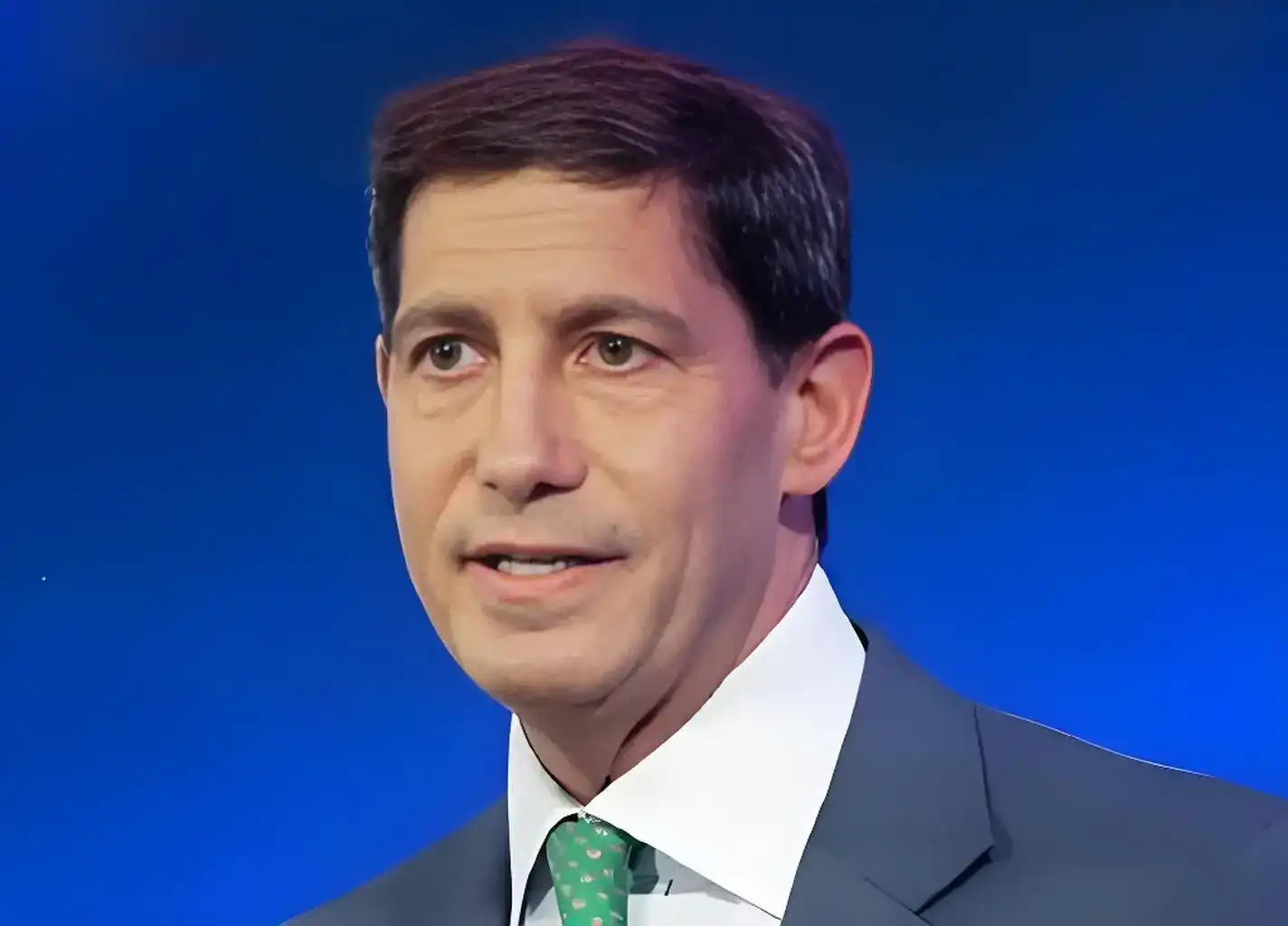
Warsh's Latest Speech: The Era We Are In

Federal Reserve Chairman Kevin W. Warsh delivered a speech titled "In Our Time" at the Jackson Hole Economic Policy Symposium. The remarks struck a cautiously hawkish tone, with Warsh emphasizing that inflation remains significantly above the Fed's 2% target and should be the primary focus of monetary policy. He expressed that recent, better-than-expected CPI and PCE data do not yet signal a meaningful improvement in the underlying inflation trend. Warsh outlined core principles for monetary policy, including the firm commitment to the 2% inflation target, the importance of both price stability and maximum employment, and the primary role of short-term interest rates as a policy tool. He also stressed the relevance of monetary aggregates and advocated for a Fed that communicates with greater purpose and restraint. A significant portion of the speech addressed the practice of "forward guidance." Warsh argued that while essential during crises, forward guidance should be limited in normal times. He warned that excessive pre-commitment to future policy paths can constrain the Fed's flexibility and create a "hall-of-mirrors" problem, where markets rely too heavily on Fed signals rather than independently assessing economic fundamentals. On the current economy, Warsh noted impressive resilience, strong business investment (partly driven by AI infrastructure), healthy consumer spending, and a stable labor market with low unemployment. However, he observed that broad financial conditions are not particularly restrictive. Despite economic strength, inflation metrics remain elevated, with a high proportion of PCE basket components still showing price increases above 3%. Warsh concluded by stating the Fed's standard: policymakers must be confident that underlying inflation is moving clearly and sufficiently quickly toward the 2% target. Otherwise, "we have more work to do." He framed his approach as a commitment to disciplined policy-making rather than to any specific near-term decision.

marsbit52m ago

Warsh's Latest Speech: The Era We Are In

marsbit52m ago

Access to Active Sessions Instead of Databases: How the Shadow Market in Russia Has Changed

The Russian cybercriminal underground is shifting from selling massive, stolen corporate databases to trading active, short-term access to user accounts, according to a 2026 report. The value of information intercepted directly from infected devices by malware has risen nearly 13% in a year. Attackers now sell packets containing active session tokens (bypassing passwords and two-factor authentication), live email credentials, VPN and cloud storage logins, and corporate network access. A subscription for a steady stream of fresh data costs $250-$300 per month, far exceeding the value of outdated archives. While Russian regulators have successfully penalized companies for data leaks from centralized storage—with no repeat violations recorded after imposing turnover fines—this framework fails against the new threat model. Malware now steals data *after* it leaves the corporate perimeter and is on a user's personal device, a legal grey area. In 2026, 60% of studied web attacks aimed to steal keys for infiltrating corporate infrastructure. The situation mirrors global trends, akin to the Genesis Market shutdown in 2023, and highlights a structural risk: the demand for "fresh" data incentivizes botnet operators to maintain long-term control of infected devices for recurring revenue. This creates a persistent vulnerability layer between personal devices and corporate networks, currently outside the reach of existing regulatory protections.

cryptonews.ru3h ago

Access to Active Sessions Instead of Databases: How the Shadow Market in Russia Has Changed

cryptonews.ru3h ago

Trading

Spot

Hot Articles

Discussions

Welcome to the HTX Community. Here, you can stay informed about the latest platform developments and gain access to professional market insights. Users' opinions on the price of MEME (MEME) are presented below.

活动图片