UTXO不足无法交易?一文读懂UTXO概念与操作「BTC生态」

Odaily星球日报Published on 2024-04-23Last updated on 2024-04-23

Abstract

UTXO过少容易导致无法进行高频操作,新钱包建议进行拆分操作。

原创 | Odaily星球日报

作者 | 南枳

UTXO不足无法交易?一文读懂UTXO概念与操作「BTC生态」

近期符文再次点燃了比特币网络生态的热度,但许多新钱包在进行链上操作时往往出现余额充足,但提示 UTXO 不足的情况。Odaily星球日报将于本文解析什么是 UTXO,为什么会出现 UTXO 不足的情况,以及为何要拆分、如何拆分 UTXO 等问题。

什么是 UTXO?

从较为标准的定义上而言,UTXO(未使用的交易输出)是比特币的核心概念之一,UTXO 是一种记录交易输出状态的方式,它跟踪了每个未使用的交易输出,以确定哪些比特币属于哪个地址。

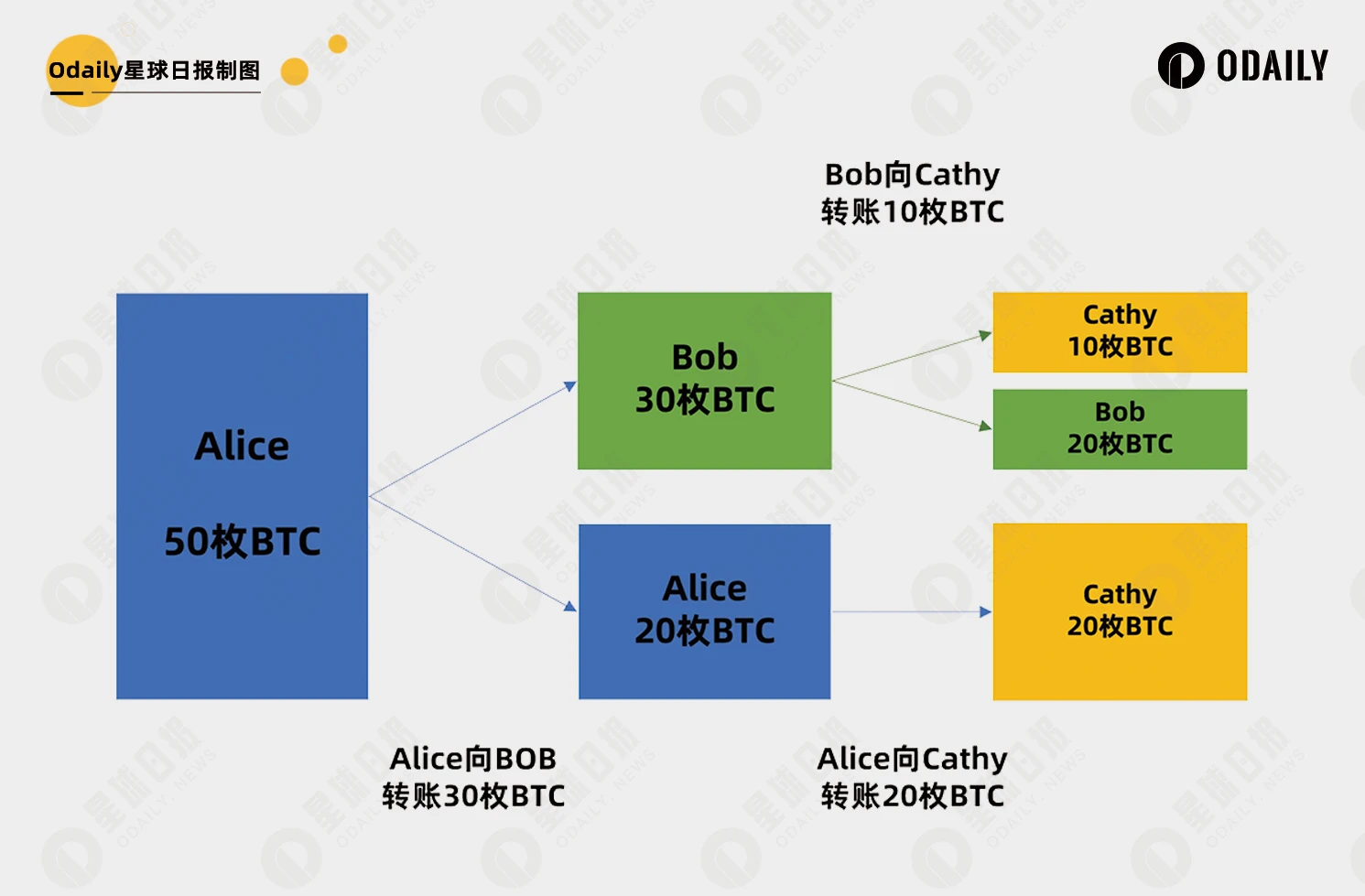
类比简单理解,每个 UTXO 就像一张钞票,它有特定的面值(比特币数量)并附加了一个锁,只能被一个私钥打开。当你要发送比特币时,你需要选择一些钞票,将它们合并成一个新的钞票,并用收件人的锁重新锁上。

举个例子:如果你有两个 UTXO,一个价值 10 比特币,另一个价值 20 比特币,你可以将它们合并成一个新的 UTXO,总价值为 30 比特币,然后用接收方的地址重新锁上。这样,你就完成了一笔交易,将 10 比特币和 30 比特币发送给了接收方,同时生成了一个新的 UTXO。

例如下图的 Cathy,获得了来自 Bob 的 10 枚 BTC 的 UTXO 和来自 Alice 的 30 枚 BTC 的 UTXO,其“余额”可以理解为 30 枚 BTC,而 Cathy 可以将这些 UTXO 拆解、组合并对外发送。

UTXO不足无法交易?一文读懂UTXO概念与操作「BTC生态」

为什么需要拆分 UTXO?

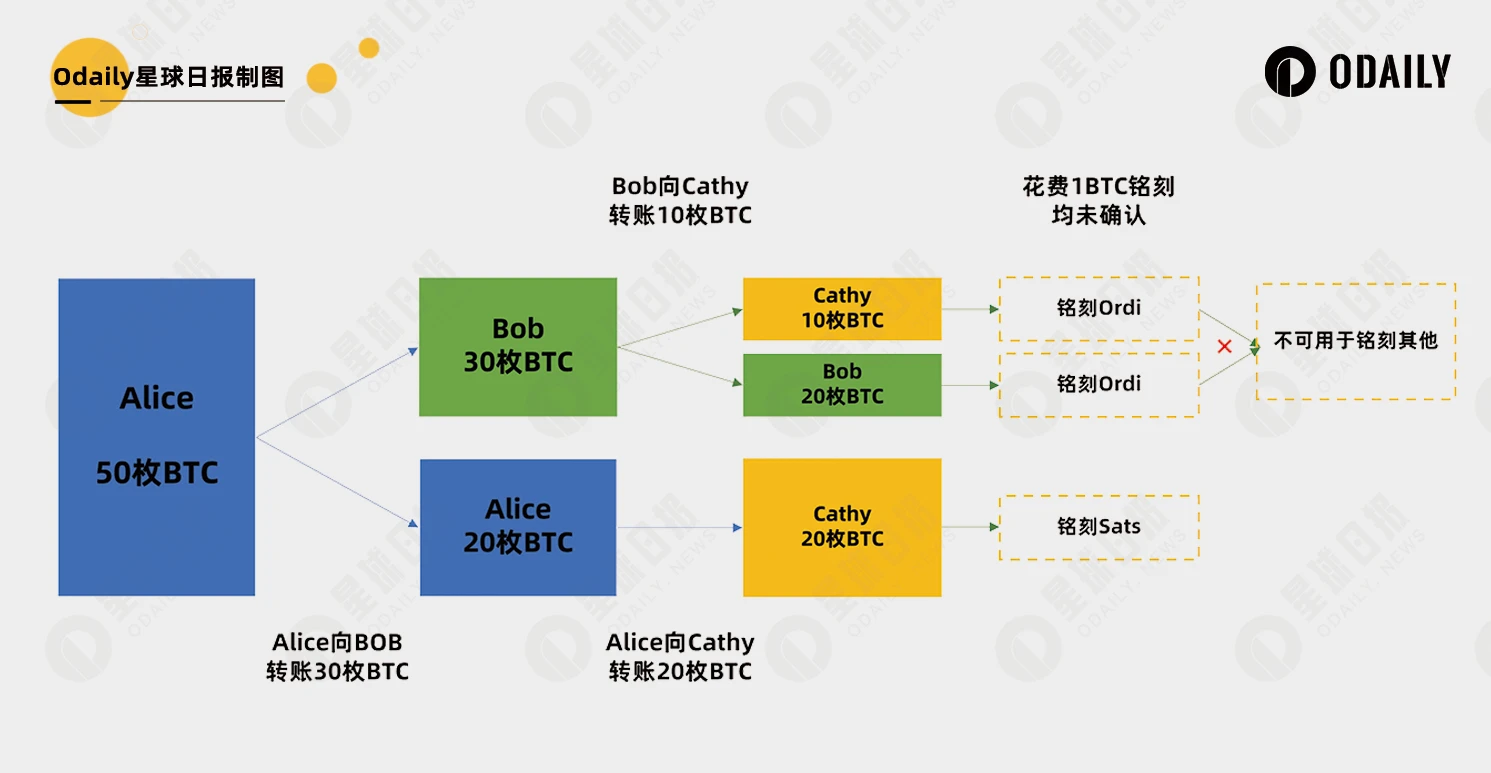
仍以上图为例,BOB 拥有一个写有 20 枚 BTC 的 UTXO,而 Cathy 拥有两个分别写有 10 枚和 20 枚 BTC 的 UTXO。

如 Magic Eden 等平台是禁止使用还未被比特币网络确认的 UTXO 进行交易,因此不论你的一张 UTXO 包含多大的金额,一旦已被使用并且未确认,就不能再进行其他的操作。这也是为什么经常有用户遇到钱包余额充足,但是提示 UTXO 不足的情况。

例如 Cathy 和 Bob 均铭刻了 Ordi 并且都未确认,由于 Bob 没有其他 UTXO,因此无法进一步操作,而 Cathy 能够使用另一个 UTXO 发起交易。

UTXO不足无法交易?一文读懂UTXO概念与操作「BTC生态」

那么是否 UTXO 越多越好?答案也是否定的,当 UTXO 过于零散,单独金额过小,进行一笔大额支付时就需要合并很多的 UTXO,这将造成手续费用的上升,并且当前比特币网络交易费率高昂,将进一步激增交易成本。

如何拆分 UTXO?

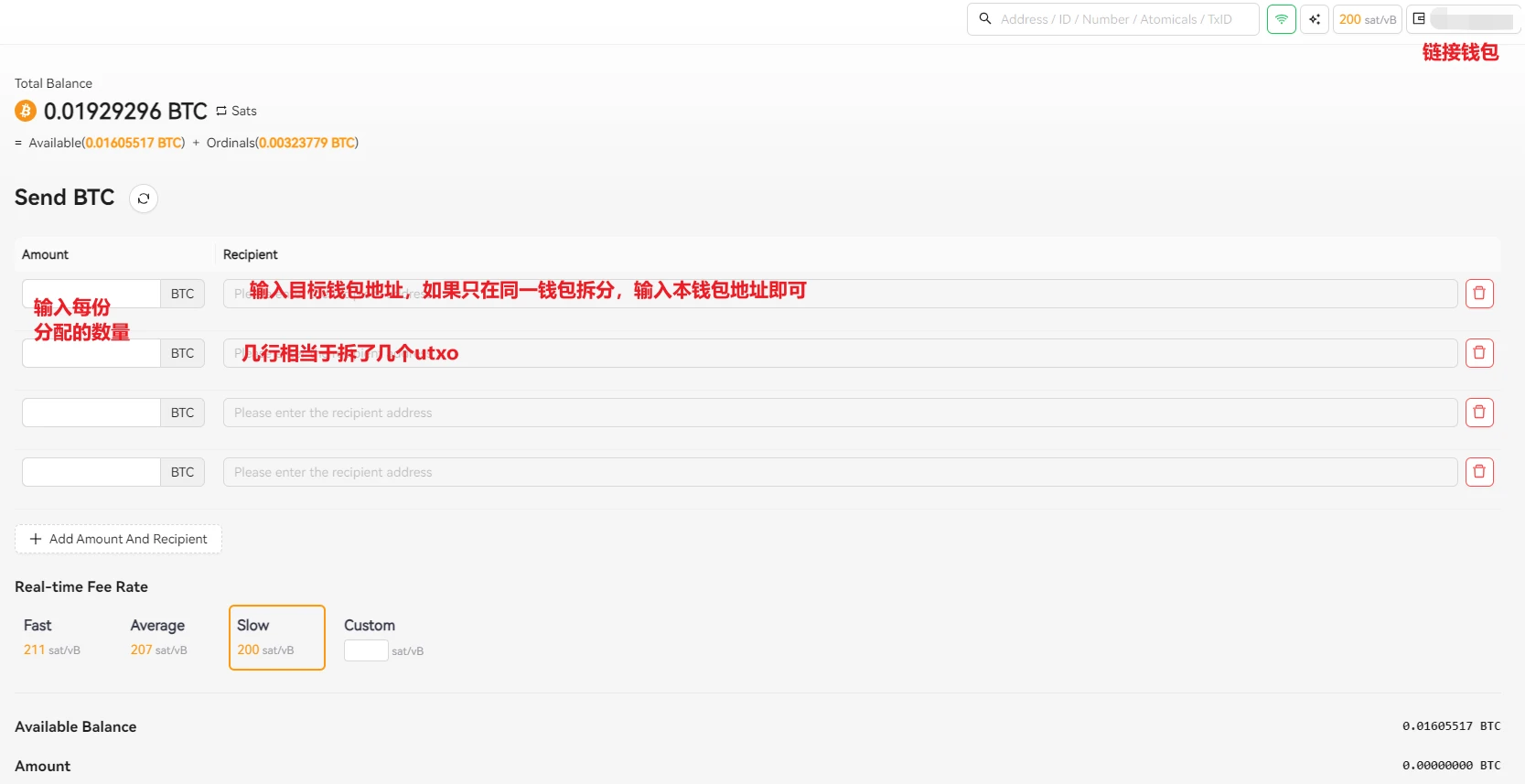
目前最为常用的拆分与合并 UTXO 的工具为Wizz.Cash

  • 用户进入网站后可在右上角链接钱包;

  • 点击“Add Amount And Recipient”增加行数,每增加一行意味着新增一个 UTXO;

  • 在 Amount 填入每个 UTXO 的数量,在 Recipient 填入接受 UTXO 的地址。

UTXO不足无法交易?一文读懂UTXO概念与操作「BTC生态」

通常而言,UTXO 会随着钱包的交易使用不断增加,但刚从交易所提出的资金往往为单个大额 UTXO,若用户具备大量蚀刻符文/铭刻铭文需求,可提前进行拆分准备。

Trending Cryptos

Related Reads

Foundation Steps Back, Ethlabs Steps Forward: Ethereum Undergoes Its Largest Restructuring in History

On June 23rd, the Ethereum ecosystem witnessed two major shifts, signaling a significant governance realignment. First, former Ethereum Foundation researchers established Ethlabs, a new independent non-profit. Backed by major ETH holders like Bitmine and SharpLink, Ethlabs aims to address practical needs for institutional adoption, including faster settlement, native asset issuance, cross-chain transactions, and mainnet scaling. Secondly, the Ethereum Foundation announced a major restructuring, laying off 54 employees (20% of its staff) to become a leaner entity focused on protocol governance and maintenance rather than being the primary builder. This move represents a pivotal correction. Criticisms had mounted over the Foundation's perceived slowness, lack of clear strategy, and over-reliance on Vitalik Buterin's influence. Ethlabs emerges as a more execution-oriented, "industrialized" layer focused on market adoption—bridging the gap between research and real-world use. Notably, Vitalik Buterin is absent from its list of supporters, interpreted as an intentional step to avoid excessive personal endorsement and allow the organization to build independent credibility. The Ethereum Foundation's downsizing and redefinition mark a retreat from its former central coordinating role. It now aims to share the "privilege of stewarding Ethereum" with other emerging groups like Ethlabs, the Ethereum Applications Guild, and The Ethereum Economic Zone. Analysts frame this dual shift as the Foundation ensuring Ethereum remains "correct" (credibly neutral), while Ethlabs must prove it remains "effective" (competitive and attractive for capital and adoption). This addresses community "shareholder-like anxiety" about ETH's market performance. While risks exist—such as concerns over shifting from Foundation centrality to large-holder influence—the consensus is that the greater risk for Ethereum was inaction, caught between technical idealism and organizational inertia. These steps aim to create a more multi-stakeholder, execution-driven future for the network.

链捕手5h ago

Foundation Steps Back, Ethlabs Steps Forward: Ethereum Undergoes Its Largest Restructuring in History

链捕手5h ago

Second Half of U.S. Crypto Policy: The Clarity Act Aims for 60 Votes, CFTC's "One-Person Commission" Becomes Biggest Variable

In a pivotal year for US crypto policy, the "CLARITY Act" is advancing in the Senate but faces a high hurdle, needing 60 votes to pass. Key challenges include bridging partisan divides on ethics and swaying undecided Republican senators within a tight legislative calendar of only about 40 working days. The policy "second half" involves intense negotiations on a broader framework for Web3 and DeFi, including crypto tax reforms and the Blockchain Regulatory Certainty Act. A significant uncertainty is the understaffed CFTC, operating with four commissioner vacancies, which complicates regulatory clarity. Meanwhile, the departure of key "crypto champions"—SEC Commissioner Hester Peirce and Senator Cynthia Lummis—will impact ongoing policy efforts. Industry experts are cautiously optimistic but realistic. Sara K. Weed notes that while progress is being made, CLARITY is unlikely to pass this Congress, pushing agencies like the SEC and CFTC to provide more guidance. Sulolit Mukherjee suggests meaningful crypto tax legislation is more likely to be attached to larger must-pass bills. Rashan Colbert discusses the jurisdictional debate over prediction markets, emphasizing the need for a regulatory framework that fosters their development as financial tools rather than treating them broadly as gambling. The clock is ticking, but opportunities remain for substantive progress through continued bipartisan dialogue and pragmatic efforts.

marsbit8h ago

Second Half of U.S. Crypto Policy: The Clarity Act Aims for 60 Votes, CFTC's "One-Person Commission" Becomes Biggest Variable

marsbit8h ago

Research Report Analysis: Morgan Stanley Details SanDisk SNDK, The Truth About Cloud Data Center Pricing Power and AI Inference Benefits

Morgan Stanley raised its price target for SanDisk (SNDK) from $1100 to $1750 on June 22, maintaining an Overweight rating. The upgrade is driven by AI inference demand reshaping the NAND market, particularly for KV Cache and context window storage in cloud data centers. These cloud clients exhibit price inelasticity and sign long-term contracts, granting SanDisk significant pricing power. SanDisk's New Business Model (NBM) agreements, covering over one-third of FY27 bit shipments with 3-5 year terms and fixed price/price collar structures, are crucial. They are projected to sustain gross margins around 80% even at floor prices, providing a buffer against cyclical downturns. Morgan Stanley forecasts gross margins to surge from 30.3% in FY25 to 86.7% in FY27e. With NAND supply expected to remain tight into 2026/2027 and cloud/data centers becoming the largest end-market, SanDisk holds supply-side pricing power. The company targets 15-19% bit growth via technology transitions, not capacity expansion. Revenue is projected to grow ~6.6x from FY25 to FY27, with EPS rising from $2.74 to $14.73, driven by high-margin cloud business. Key upside catalysts include faster enterprise SSD adoption and edge AI growth. Downside risks involve slower industry growth, competitor capex increases, market share loss, and competition from Chinese players like YMTC. The investment thesis rests on AI-driven structural demand, NBM's margin protection, and sustained supply tightness. The $1750 target implies ~28x FY27e P/E.

marsbit9h ago

Research Report Analysis: Morgan Stanley Details SanDisk SNDK, The Truth About Cloud Data Center Pricing Power and AI Inference Benefits

marsbit9h ago

Trading

Spot
Futures

Hot Articles

What is $BITCOIN

DIGITAL GOLD ($BITCOIN): A Comprehensive Analysis Introduction to DIGITAL GOLD ($BITCOIN) DIGITAL GOLD ($BITCOIN) is a blockchain-based project operating on the Solana network, which aims to combine the characteristics of traditional precious metals with the innovation of decentralized technologies. While it shares a name with Bitcoin, often referred to as “digital gold” due to its perception as a store of value, DIGITAL GOLD is a separate token designed to create a unique ecosystem within the Web3 landscape. Its goal is to position itself as a viable alternative digital asset, although specifics regarding its applications and functionalities are still developing. What is DIGITAL GOLD ($BITCOIN)? DIGITAL GOLD ($BITCOIN) is a cryptocurrency token explicitly designed for use on the Solana blockchain. In contrast to Bitcoin, which provides a widely recognized value storage role, this token appears to focus on broader applications and characteristics. Notable aspects include: Blockchain Infrastructure: The token is built on the Solana blockchain, known for its capacity to handle high-speed and low-cost transactions. Supply Dynamics: DIGITAL GOLD has a maximum supply capped at 100 quadrillion tokens (100P $BITCOIN), although details regarding its circulating supply are currently undisclosed. Utility: While precise functionalities are not explicitly outlined, there are indications that the token could be utilized for various applications, potentially involving decentralized applications (dApps) or asset tokenization strategies. Who is the Creator of DIGITAL GOLD ($BITCOIN)? At present, the identity of the creators and development team behind DIGITAL GOLD ($BITCOIN) remains unknown. This situation is typical among many innovative projects within the blockchain space, particularly those aligning with decentralized finance and meme coin phenomena. While such anonymity may foster a community-driven culture, it intensifies concerns about governance and accountability. Who are the Investors of DIGITAL GOLD ($BITCOIN)? The available information indicates that DIGITAL GOLD ($BITCOIN) does not have any known institutional backers or prominent venture capital investments. The project seems to operate on a peer-to-peer model focused on community support and adoption rather than traditional funding routes. Its activity and liquidity are primarily situated on decentralized exchanges (DEXs), such as PumpSwap, rather than established centralized trading platforms, further highlighting its grassroots approach. How DIGITAL GOLD ($BITCOIN) Works The operational mechanics of DIGITAL GOLD ($BITCOIN) can be elaborated on based on its blockchain design and network attributes: Consensus Mechanism: By leveraging Solana’s unique proof-of-history (PoH) combined with a proof-of-stake (PoS) model, the project ensures efficient transaction validation contributing to the network's high performance. Tokenomics: While specific deflationary mechanisms have not been extensively detailed, the vast maximum token supply implies that it may cater to microtransactions or niche use cases that are still to be defined. Interoperability: There exists the potential for integration with Solana’s broader ecosystem, including various decentralized finance (DeFi) platforms. However, the details regarding specific integrations remain unspecified. Timeline of Key Events Here is a timeline that highlights significant milestones concerning DIGITAL GOLD ($BITCOIN): 2023: The initial deployment of the token occurs on the Solana blockchain, marked by its contract address. 2024: DIGITAL GOLD gains visibility as it becomes available for trading on decentralized exchanges like PumpSwap, allowing users to trade it against SOL. 2025: The project witnesses sporadic trading activity and potential interest in community-led engagements, although no noteworthy partnerships or technical advancements have been documented as of yet. Critical Analysis Strengths Scalability: The underlying Solana infrastructure supports high transaction volumes, which could enhance the utility of $BITCOIN in various transaction scenarios. Accessibility: The potential low trading price per token could attract retail investors, facilitating wider participation due to fractional ownership opportunities. Risks Lack of Transparency: The absence of publicly known backers, developers, or an audit process may yield skepticism regarding the project's sustainability and trustworthiness. Market Volatility: The trading activity is heavily reliant on speculative behavior, which can result in significant price volatility and uncertainty for investors. Conclusion DIGITAL GOLD ($BITCOIN) emerges as an intriguing yet ambiguous project within the rapidly evolving Solana ecosystem. While it attempts to leverage the “digital gold” narrative, its departure from Bitcoin's established role as a store of value underscores the need for a clearer differentiation of its intended utility and governance structure. Future acceptance and adoption will likely depend on addressing the current opacity and defining its operational and economic strategies more explicitly. Note: This report encompasses synthesised information available as of October 2023, and developments may have transpired beyond the research period.

434 Total ViewsPublished 2025.05.13Updated 2025.05.13
What is $BITCOIN

Discussions

Welcome to the HTX Community. Here, you can stay informed about the latest platform developments and gain access to professional market insights. Users' opinions on the price of BTC (BTC) are presented below.

活动图片