牛市将至,最值得关注的七大加密版块

Web3动向Published on 2024-02-08Last updated on 2024-02-08

Abstract

如果想在这次牛市中实现利益最大化,你必须选择正确的叙事方式。

如果想在这次牛市中实现利益最大化,你必须选择正确的叙事方式。

上个周期中,我们见证了 L1、DeFi 和元宇宙类别代币的爆炸式增长,而在这个周期中,机构们正在向这些叙事注入资金。

我们有机会在早期入场,本文我将介绍牛市每个行业的细分叙事,以及为什么这些垂直赛道值得关注。当然我也对其他领域感兴趣,但本文将重点关注特别突出的主要趋势。

而我选择这些叙事的原因是我相信它们仍处于炒作周期的早期阶段,毕竟识别叙事何时处于早期阶段是加密货币领域必须具备的一项重要技能。

1.DePIN

DePIN 代表「去中心化物理基础设施」,这是激励去中心化社区构建和维护物理硬件的区块链协议,投入资源为网络做出贡献的用户将获得对应的代币奖励。
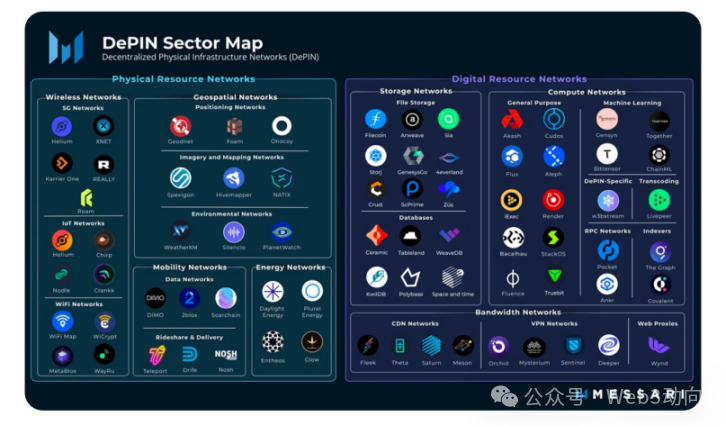
DePIN 领域广阔,涵盖多个价值数十亿美元的硬件领域:

云存储

计算能力

无线传感器网络等

Messari 预测,到 2028 年,这些 DePIN 行业的总市场价值将达到 3.2 万亿美元。

RNDR、FIL、AKT 等现有产品是当前解决方案的代表性项目,还有许多有趣的即将推出的解决方案,例如 AethirCloud。

2.人工智能

2023 年是人工智能(AI)行业突破的一年,超过 500 亿美元的新投资流入该行业。

2023 年 AI 相关的风险投资金额高达 500 亿美元,即便如此也只是触及了 AI 潜力的表面。
随着人工智能呈指数级增长,我们可以想象一下未来 2-3 年的发展前景(更不用说 10 年了),这既令人恐惧又令人兴奋。
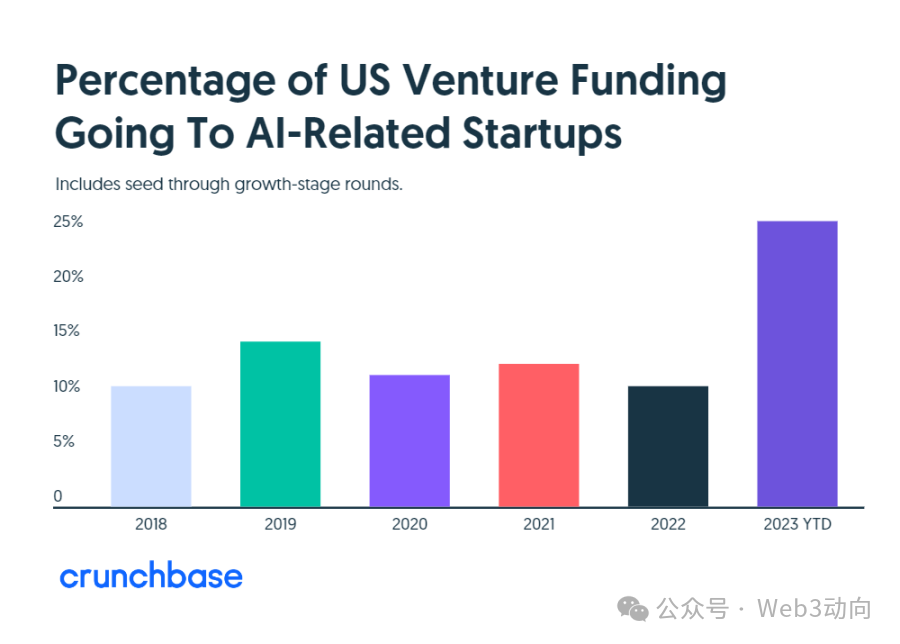
加密货币和人工智能尚未完全站稳脚跟,当前的许多解决方案只是将人工智能用作流行语,并且将其视为人工智能代理(围绕重大事件 / 炒作交易),而不是长期基本投资。

然而,人工智能和加密货币在未来可能会以许多有趣的方式交叉:

• 用于 GPU 租赁的加密货币驱动的信誉系统;

• 用于交易和预测的 AI 机器人;

• 基于区块链的 AI 培训激励措施;

• 数字媒体认证;

KyleSamani 还写了一篇很棒的文章,详细介绍了潜在的 AI 和加密的交叉点,扩展了更多潜在的用例。(一个有趣的事实:文章的大部分内容是他使用 AI 撰写的)。

我坚信,本轮周期中表现最好的一些将是 AI 代币。我目前的策略是围绕会议 / 新闻发布 / 公告等重大事件将 AI 代币作为代理进行交易,但我将相当一部分稳定币分配用于新的 AI 项目。

3.RWAs

现实世界资产(RWAs)最近获得了很大的发展趋势,尤其是在贝莱德 CEO Larry Fink 的认可之后,毕竟当全球最大资产管理公司的 CEO 多次提倡资产代币化后,我很难不对 RWAs 感到乐观。

RWAs 是指在区块链上对现实世界的资产(例如房地产、国债、债券、黄金等)进行代币化。

这会增加:

效率(无需经纪人即可降低成本);

可访问性(碎片化和更多的流动性);
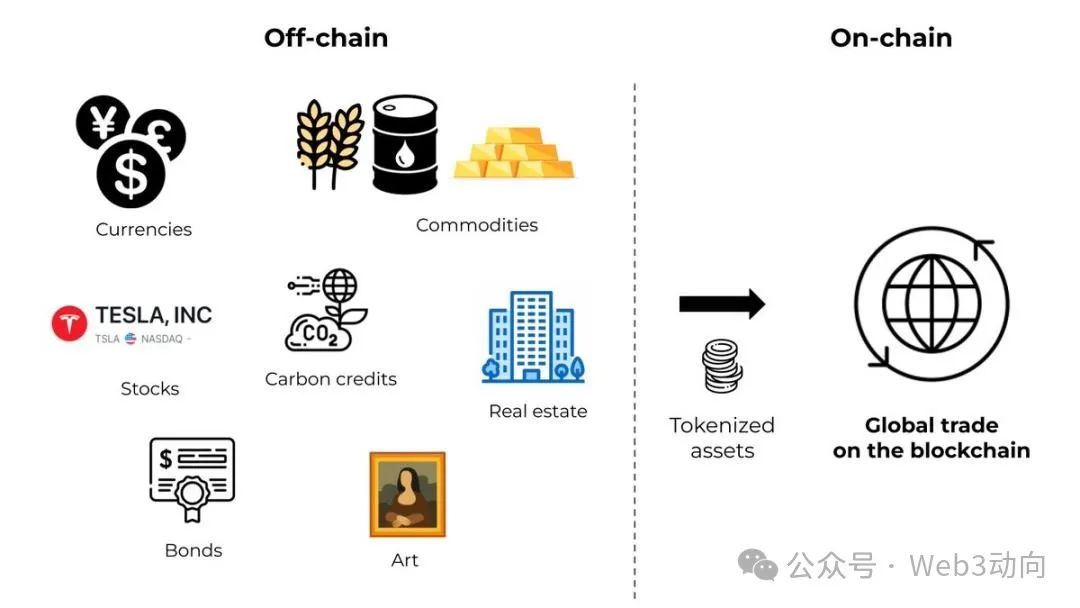
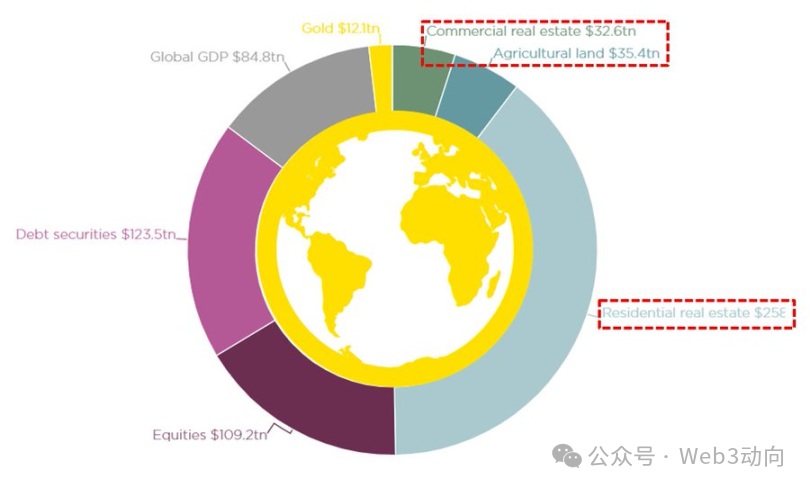
RWAs 可以进入房地产(326 万亿美元)、全球债券(124 万亿美元)和黄金(12 万亿美元)等巨大市场。

在接下来的几周内,我将发布完整的 RWAs 深度主题(以及我最喜欢的山寨币)。
4. 游戏

当我想到能够真正吸引数百万新零售用户的行业时,我首先想到的是游戏。

它也是资金最充足的加密行业之一,自 2019 年以来融资总额超过 144 亿美元,加密货币游戏的大部分投资流入是在 2021/2022 年。
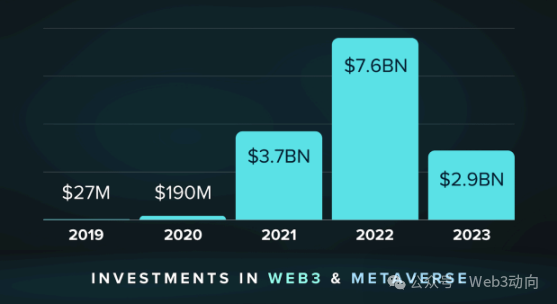
游戏的制作需要数年时间,所以我们现在才刚刚开始遇到开发拐点。

在 2024 年至 2026 年期间,我们可能会通过大量新的优质游戏认识到这笔资金的真实规模。,而加密货币游戏为传统游戏增加了两个非常重要的垂直领域:

能够拥有真实、可验证的游戏资产所有权;

能够在经济上奖励 / 使游戏用户受益,而不是纯粹在封闭的游戏内经济中吸走流动性;
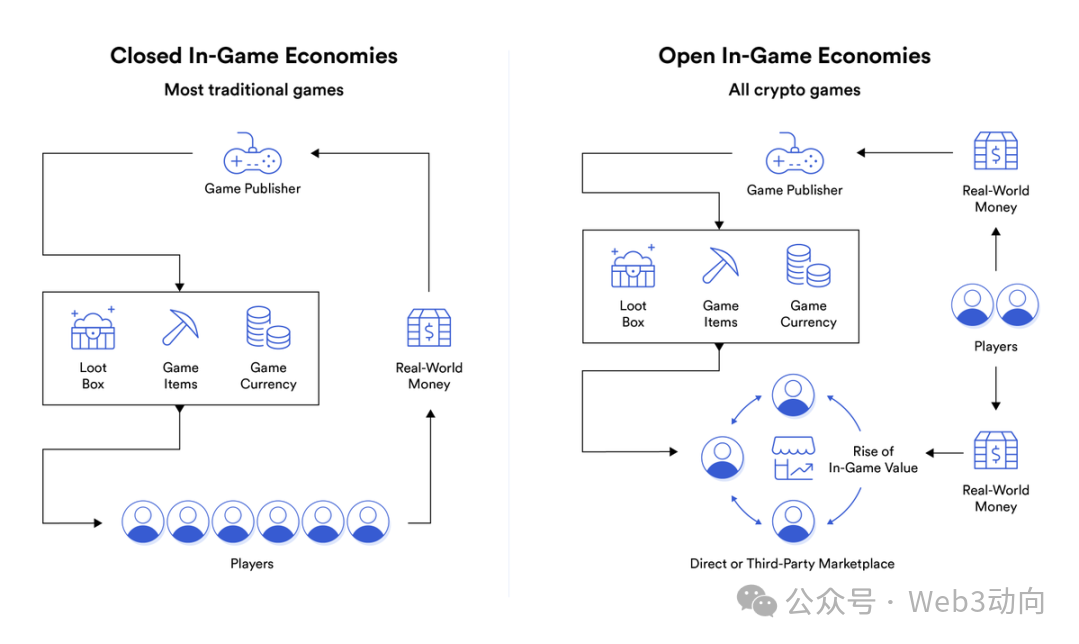
在投资游戏行业时,我喜欢采取分层方法,按权重顺序:

游戏基础设施:L1 和 L2、SDK 等;

游戏工作室:同时提供多种游戏体验;

个人游戏:最高的收益,最高的风险;

5.BRC-20

自推出以来,BRC-20 代币持续迅速获得关注,创造了对区块空间的需求,并为比特币区块链带来了新的用例。
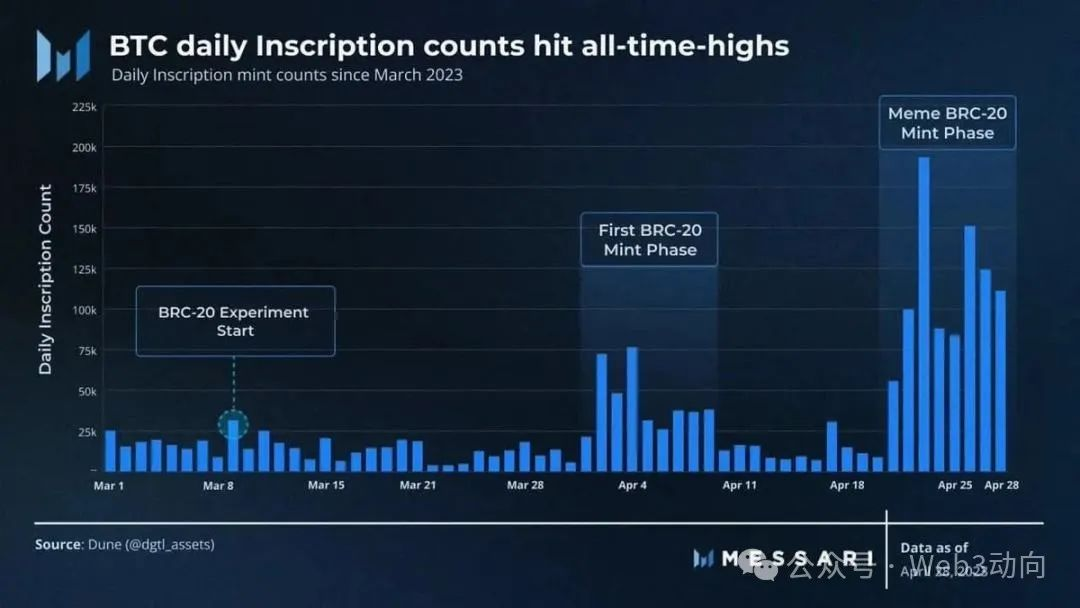
首先,什么是 BRC-20 代币?

铭文是将数据附加到聪(比特币的最小单位)上,「BRC-20」则是指以铭文为基础将 JSON 代码附加到 sats 的实验标准。

尽管处于实验阶段,BRC-20 代币的市值已超过 25 亿美元。随着 ETF 和即将到来的减半,比特币的故事升温,BRC-20 代币有望从中受益。

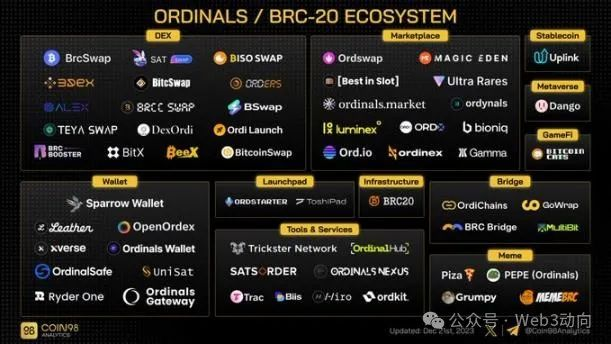
BRC-20 生态系统仍相对新生,缺乏优质的基础设施,我在这个领域下了小赌注,一直在关注新项目。随着许多即将推出的产品的推出,也有很多空投机会。
6.Restaking

我将 Restaking 视为上一周期 DeFi 庞氏骗局的本轮周期的新版本。

在 2021 年牛市期间,由于看涨的市场情绪,我们目睹了对收益的贪得无厌的追求,如果我们进入更广泛的牛市(正如我预期的那样),预计对收益的需求将会回归。

我们已经看到了这种情况的早期迹象,EigenLayer 空投也是该行业的主要催化剂。

那么,什么是 Restaking 呢?

简而言之,它允许您在多个其他协议中重复使用已经质押的 ETH 。这可以让您将收益叠加在主要 ETH 收益之上,并获得协议空投的机会。
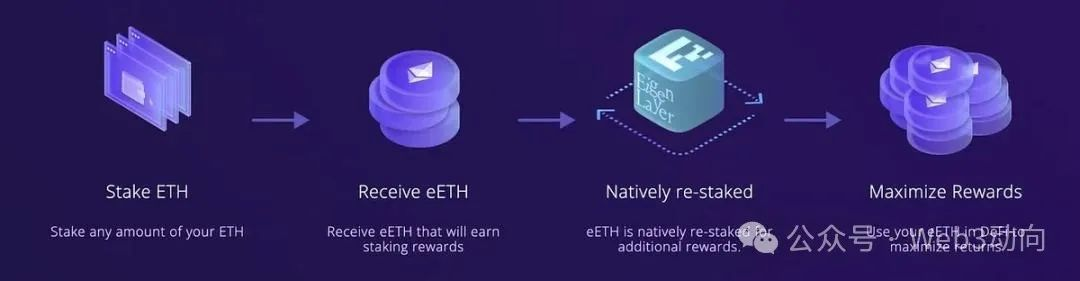
EigenLayer 是开创了重质押概念的中间件,但有趣的是,大部分重新质押的实际上是对应的积分系统。

EigenLayer 将成为 2024 年最大的空投之一,这就是为什么超过 14 亿美元的资金被锁定在该平台上(Foresight News 注,截至发文时已超过 30 亿美元)。

7.ZK

ZK 技术是十年来最大的加密创新之一。

它是一种密码学,可以证明信息的有效性,但不会泄露任何识别细节。
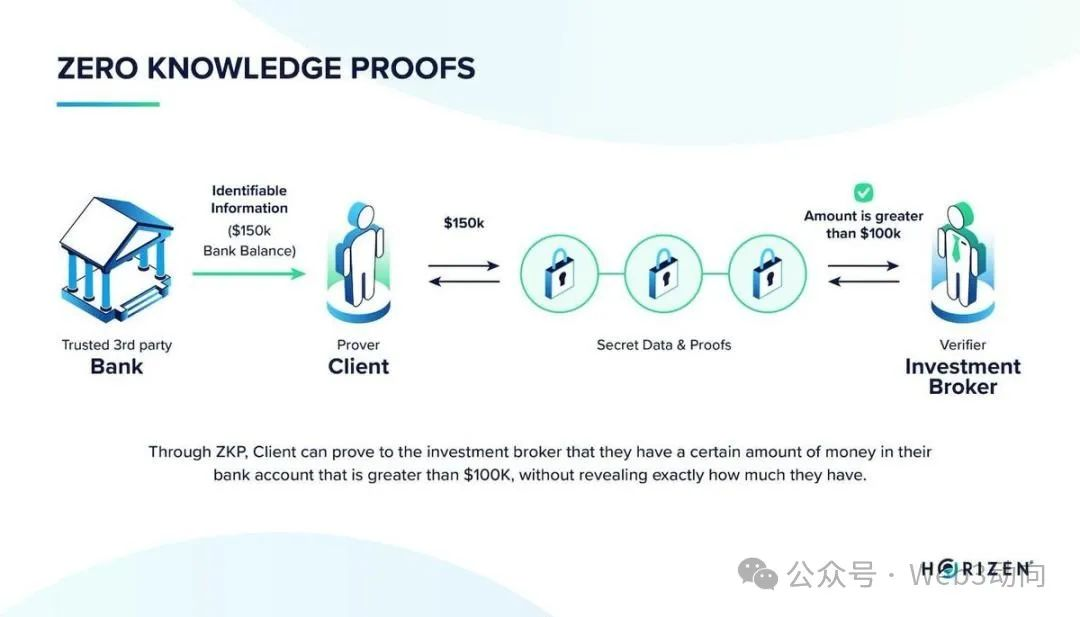
ZK 有助于:

减少网络拥堵(有助于可扩展性);

添加隐私保护元素,支持新型应用程序;

增强网络安全;

现在许多项目都在利用 ZK 技术,包括 Linea、zkSync、Manta、Polygon 等。

虽然可扩展性一直是更突出的用例之一,但 ZK 证明在许多垂直领域都有应用。

一个有趣的例子是 Chainlink 的「DECO」项目,该项目使用 ZK 证明来保证跨互联网协议的防篡改内容传输。
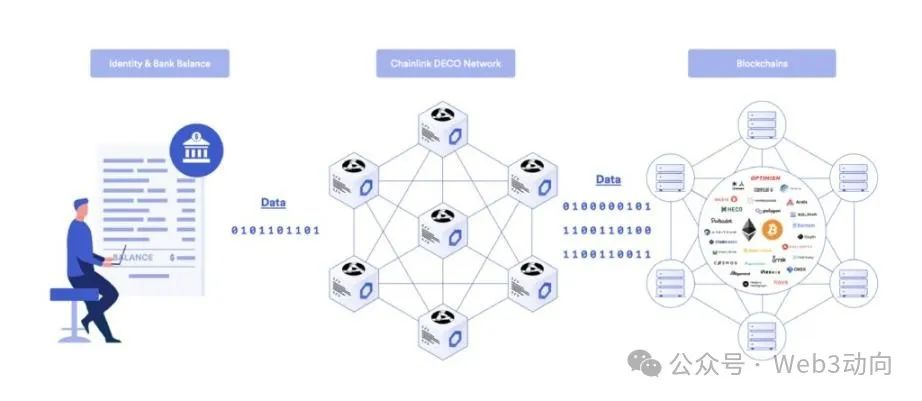
像 zkMe 这样的去中心化身份预言机是另一个重要的用例,特别是对于 KYC 和 AML 合规性而言。

由于 ZK 技术的引入,许多新的用例被解锁。

以上就是我认为最适合牛市的 7 个板块。

Trending Cryptos

Related Reads

Vitalik's Algorithmic Stablecoin Vision: Interpreting the Mechanism and Challenges from an Options Perspective

Vitalik Buterin's recent algorithmic stablecoin proposal envisions using an option-like mechanism to create a stablecoin without the liquidation risks inherent in traditional collateralized debt position (CDP) models. The design splits one unit of ETH into two components: a 'stable' leg (P) that maintains value up to a certain strike price, and an 'upside' leg (N) that captures any appreciation above that price. Together, they always sum to one ETH, eliminating the need for debt or liquidation mechanisms. From an options perspective, the stable leg essentially functions as a synthetic, covered call position. However, significant challenges exist. For the stable asset to maintain its peg, it must continuously roll deep in-the-money call options, leading to potential rollover slippage, predictable trading paths vulnerable to front-running, and liquidity issues. Crucially, the system's scalability depends on a constant demand for the upside leg—a form of leveraged ETH long position without funding rates or liquidation risk. It's unclear if such persistent, specific demand will materialize from speculators or market makers who have simpler alternatives like perpetual swaps. The author, drawing from experience with Rysk, argues that DeFi options have struggled as standalone trading products due to complexity and fragmented liquidity. Their potential lies instead as foundational infrastructure underpinning more complex financial primitives like stablecoins, structured yields, or index products—transforming from a direct product into a core pricing and risk distribution engine for the next generation of on-chain finance.

marsbit1m ago

Vitalik's Algorithmic Stablecoin Vision: Interpreting the Mechanism and Challenges from an Options Perspective

marsbit1m ago

GPT-5.6 Countdown: Abandon the Illusion of a Single API, Computational Iteration Can't Outpace a Single Page of Compliance

In mid-June, three seemingly independent industry events—the compliance-driven throttling of Fable 5, the open-sourcing of GLM-5.2, and the leaked release timeline for GPT-5.6—are pushing the global AI industry toward a watershed moment. These shifts signal a fundamental restructuring of the industry's underlying logic. First, **"usability" has substantially overtaken "advanced capabilities"** as the primary weight, pushing the global large language model (LLM) supply chain into a "dual-track" phase of controlled closed-source and local open-source coexistence. Second, **the competitive moats of closed-source giants are shifting**. Their technical focus is moving from "language intelligence" toward "spatial intelligence (world models)"—a domain heavily reliant on computing power. Third, faced with常态化 transnational compliance risks, **a "model-agnostic" decoupled design has become a survival necessity for application-layer developers to maintain business continuity.** The article details how Anthropic's Fable 5, despite its advanced engineering feats, was restricted for non-U.S. citizens within 72 hours of launch, highlighting how geopolitical compliance can instantly limit even the most advanced models. In response, the open-source camp, exemplified by Zhipu AI's MIT-licensed GLM-5.2, is gaining market share by offering stable performance improvements and significant cost advantages (up to 70% savings for enterprises), while achieving full adaptation with domestic semiconductor platforms. Meanwhile, closed-source leaders like OpenAI are pivoting. The anticipated GPT-5.6 reportedly shifts focus from language to spatial intelligence and world models, aiming to rebuild a generational gap in areas like 3D understanding, simulation, and industrial design that demand immense compute. The core conclusion is that the LLM supply chain's logic has changed. Enterprises must now evaluate infrastructure based on a composite of technical performance and policy compliance. For developers, complete reliance on a single closed-source API poses unacceptable risk. Implementing a truly model-agnostic architecture—enabling swift switches to compliant, locally deployable open-source alternatives—is no longer just good practice but a fundamental baseline for business continuity.

marsbit2h ago

GPT-5.6 Countdown: Abandon the Illusion of a Single API, Computational Iteration Can't Outpace a Single Page of Compliance

marsbit2h ago

Is the 'Token Subsidy War' Among AI Giants Almost Over?

The article discusses the ongoing "token subsidy war" among AI giants like OpenAI and Anthropic, questioning whether it's nearing its end. It reveals that current AI subscription prices are heavily subsidized, with some plans offering tokens at up to 70 times the actual cost to attract and retain heavy users, especially developers and enterprises. This strategy mirrors past internet-era subsidy battles, but with a key difference: AI tokens lack "lock-in" effects. Unlike ride-hailing or food delivery apps, users can easily switch between AI providers as APIs become standardized, making it difficult for companies to raise prices post-subsidy. The piece highlights a structural asymmetry in the competition. Giants like Google, with massive advertising revenue, can afford to subsidize tokens indefinitely, akin to using "tokens as a weapon." In contrast, venture-backed companies like OpenAI and Anthropic face pressure to become profitable, especially as they approach IPO. The article cites Google Ventures founder Bill Maris, who suggests Google could slash token prices by 80%, putting immense pressure on competitors. Two potential endgames are presented: the "internet service" model (subsidize, monopolize, then raise prices) and the "utility" model (tokens become a standardized, low-margin commodity like electricity). Given the low switching costs, the latter seems more likely. The competition may not have a single winner but could instead accelerate AI's evolution into a foundational, infrastructure-level technology, akin to a public utility. For now, users continue to benefit from heavily subsidized token costs.

marsbit3h ago

Is the 'Token Subsidy War' Among AI Giants Almost Over?

marsbit3h ago

Beyond the Stadium: The Profitable Games Surrounding the World Cup

"Beyond the Pitch: The Profit Game Around the World Cup" The FIFA World Cup transcends being a sporting spectacle, evolving into a massive global arena for speculation and profit-seeking. The 2026 tournament has amplified this dynamic, creating a multi-layered ecosystem of financial opportunism alongside the football. **Prediction markets** have surged into the mainstream. Platforms like Polymarket and Kalshi saw trading volumes for World Cup contracts soar, attracting new users with their financial trading model and high-profile, chain-based wealth stories that overshadow traditional sports betting in terms of growth and narrative. However, **traditional sportsbooks** remain the dominant force, leveraging established user habits, legal markets, and comprehensive product offerings to handle the vast majority of speculative wagers, with projections suggesting record-breaking betting volumes. Capital markets also react. **"Concept stocks"** in countries like South Korea and Japan experience volatile price swings based on team performance and anticipated fan spending on items like chicken, beer, and viewing parties, effectively becoming a stock market reflecting fan sentiment. The **ticket resale market** has become a sophisticated arena for arbitrage. Prices fluctuate wildly based on team draws and star power, with sellers sometimes listing tickets they don't yet own in a practice akin to short-selling, while FIFA's own "Right to Buy" tokens add another layer of speculative trading. **Collectibles and merchandise** offer another avenue. Panini sticker albums, with their inherent scarcity and nostalgic value, can become high-value collectibles. Limited-edition or locally themed jerseys command significant premiums on secondary markets, and even counterfeit vendors profit from fans' desire for affordable match-day identity. The **cryptocurrency** space has seen a frenzy of speculative, unauthorized World Cup-themed meme coins on chains like Solana. These tokens, often exploiting team names and player imagery, experience extreme pump-and-dump cycles, creating stories of massive gains for a few early entrants and steep losses for many others. Finally, an entire industry thrives on **providing information and tools** to other speculators. Developers create platforms like SeatSidekick to track ticket inventory and prices, while paid Telegram groups and subscriptions sell betting tips and predictions, monetizing the widespread desire for an informational edge. In essence, the World Cup has become a compressed, global laboratory for speculation. While the games determine champions on the field, a parallel, complex network of financial transactions—spanning prediction contracts, bets, stocks, tickets, collectibles, crypto, and information services—settles its own scores in the global market.

marsbit3h ago

Beyond the Stadium: The Profitable Games Surrounding the World Cup

marsbit3h ago

Trading

Spot
Futures

Hot Articles

What is $BITCOIN

DIGITAL GOLD ($BITCOIN): A Comprehensive Analysis Introduction to DIGITAL GOLD ($BITCOIN) DIGITAL GOLD ($BITCOIN) is a blockchain-based project operating on the Solana network, which aims to combine the characteristics of traditional precious metals with the innovation of decentralized technologies. While it shares a name with Bitcoin, often referred to as “digital gold” due to its perception as a store of value, DIGITAL GOLD is a separate token designed to create a unique ecosystem within the Web3 landscape. Its goal is to position itself as a viable alternative digital asset, although specifics regarding its applications and functionalities are still developing. What is DIGITAL GOLD ($BITCOIN)? DIGITAL GOLD ($BITCOIN) is a cryptocurrency token explicitly designed for use on the Solana blockchain. In contrast to Bitcoin, which provides a widely recognized value storage role, this token appears to focus on broader applications and characteristics. Notable aspects include: Blockchain Infrastructure: The token is built on the Solana blockchain, known for its capacity to handle high-speed and low-cost transactions. Supply Dynamics: DIGITAL GOLD has a maximum supply capped at 100 quadrillion tokens (100P $BITCOIN), although details regarding its circulating supply are currently undisclosed. Utility: While precise functionalities are not explicitly outlined, there are indications that the token could be utilized for various applications, potentially involving decentralized applications (dApps) or asset tokenization strategies. Who is the Creator of DIGITAL GOLD ($BITCOIN)? At present, the identity of the creators and development team behind DIGITAL GOLD ($BITCOIN) remains unknown. This situation is typical among many innovative projects within the blockchain space, particularly those aligning with decentralized finance and meme coin phenomena. While such anonymity may foster a community-driven culture, it intensifies concerns about governance and accountability. Who are the Investors of DIGITAL GOLD ($BITCOIN)? The available information indicates that DIGITAL GOLD ($BITCOIN) does not have any known institutional backers or prominent venture capital investments. The project seems to operate on a peer-to-peer model focused on community support and adoption rather than traditional funding routes. Its activity and liquidity are primarily situated on decentralized exchanges (DEXs), such as PumpSwap, rather than established centralized trading platforms, further highlighting its grassroots approach. How DIGITAL GOLD ($BITCOIN) Works The operational mechanics of DIGITAL GOLD ($BITCOIN) can be elaborated on based on its blockchain design and network attributes: Consensus Mechanism: By leveraging Solana’s unique proof-of-history (PoH) combined with a proof-of-stake (PoS) model, the project ensures efficient transaction validation contributing to the network's high performance. Tokenomics: While specific deflationary mechanisms have not been extensively detailed, the vast maximum token supply implies that it may cater to microtransactions or niche use cases that are still to be defined. Interoperability: There exists the potential for integration with Solana’s broader ecosystem, including various decentralized finance (DeFi) platforms. However, the details regarding specific integrations remain unspecified. Timeline of Key Events Here is a timeline that highlights significant milestones concerning DIGITAL GOLD ($BITCOIN): 2023: The initial deployment of the token occurs on the Solana blockchain, marked by its contract address. 2024: DIGITAL GOLD gains visibility as it becomes available for trading on decentralized exchanges like PumpSwap, allowing users to trade it against SOL. 2025: The project witnesses sporadic trading activity and potential interest in community-led engagements, although no noteworthy partnerships or technical advancements have been documented as of yet. Critical Analysis Strengths Scalability: The underlying Solana infrastructure supports high transaction volumes, which could enhance the utility of $BITCOIN in various transaction scenarios. Accessibility: The potential low trading price per token could attract retail investors, facilitating wider participation due to fractional ownership opportunities. Risks Lack of Transparency: The absence of publicly known backers, developers, or an audit process may yield skepticism regarding the project's sustainability and trustworthiness. Market Volatility: The trading activity is heavily reliant on speculative behavior, which can result in significant price volatility and uncertainty for investors. Conclusion DIGITAL GOLD ($BITCOIN) emerges as an intriguing yet ambiguous project within the rapidly evolving Solana ecosystem. While it attempts to leverage the “digital gold” narrative, its departure from Bitcoin's established role as a store of value underscores the need for a clearer differentiation of its intended utility and governance structure. Future acceptance and adoption will likely depend on addressing the current opacity and defining its operational and economic strategies more explicitly. Note: This report encompasses synthesised information available as of October 2023, and developments may have transpired beyond the research period.

411 Total ViewsPublished 2025.05.13Updated 2025.05.13

What is $BITCOIN

Discussions

Welcome to the HTX Community. Here, you can stay informed about the latest platform developments and gain access to professional market insights. Users' opinions on the price of BTC (BTC) are presented below.

活动图片