Proof-Of-Profit: Ethereum Mining Brings Better ROI Than Bitcoin

BitcoinistPublished on 2022-05-05Last updated on 2022-05-05

Abstract

Data suggests Ethereum mining has consistently been providing a better ROI than Bitcoin since the beginning of 2021. Mining Ethereum...

Data suggests Ethereum mining has consistently been providing a better ROI than Bitcoin since the beginning of 2021.
Mining Ethereum Has Been More Profitable Than Mining Bitcoin
According to the latest weekly report from Arcane Research, ETH miners’ revenue has been higher than BTC in the past year.
The relevant indicator here is the “daily miner revenue,” which measures the total amount of revenue that miners have earned on any given day.
In the case of Bitcoin, the block subsidy of 6.25 BTC per block has been the main contributor to mining revenues for a while now.
The transaction fees has been rather poor since the summer of last year, making up only 1% of BTC miners’ earnings.
For Ethereum, on the contrary, the transaction fees do make up a large part of the miners’ revenue. This, however, means that their earnings can wildly vary from day to day.
This is because transaction fees depends on how strong the demand on the network is, which certainly doesn’t remain stable.
For example, just last Sunday the ETH transaction fees amounted to around $231 million, many times more than the $27 million average for 2022.
Now, here is a chart that shows how the Bitcoin and Ethereum mining revenues have compared with each other since the start of 2022:

Bitcoin Vs Ethereum Mining Revenues

It seems like ETH miners have enjoyed a higher amount of revenue during the period | Source: Arcane Research's The Weekly Update - Week 17, 2022
As you can see in the above graph, Ethereum miners have been raking in consistently more revenue than Bitcoin miners for quite a while now.
However, besides the revenue being more volatile, ETH mining has another, larger drawback. It’s the fact that the crypto is planning to shift to proof-of-stake in Q3 of this year.
Once the transition is complete, Ethereum miners won’t have any use on the network anymore, and so they may have to shift to mining another coin.
On the other hand, Bitcoin mining has a less uncertain future as the network is going to run proof-of-work for the foreseeable future.
ETH Price
At the time of writing, Ethereum’s price floats around $2.8k, down 1% in the last seven days. Over the past month, the crypto has lost 18% in value.
The below chart shows the trend in the price of the coin over the last five days.

Ethereum Price Chart

Looks like the price of ETH has consolidated sideways over the last few days | Source: ETHUSD on TradingView
Both Bitcoin and Ethereum have been stagnating for a while now, and at the moment, it’s unclear when the cryptos may see some real price action.


Trending Cryptos

Related Reads

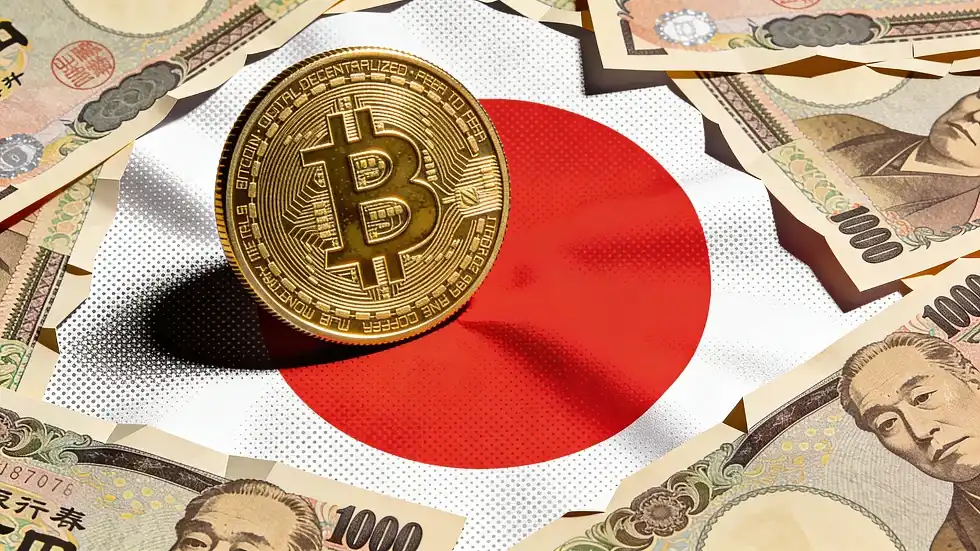
Why Is the World Nervous About Japan Raising Interest Rates?

In June 2026, the Bank of Japan raised its policy rate to 1%, marking its first hike to this level since 1995. While this rate remains low compared to global peers like the US and Europe, the move signals a profound shift for a nation that has been a global source of ultra-cheap funding for decades. Japan's long-standing near-zero or negative interest rates had facilitated massive "yen carry trades," where international investors borrowed low-cost yen to invest in higher-yielding assets worldwide, such as US tech stocks and emerging market bonds. This made Japan a critical, often overlooked, source of global liquidity. Japan's ultra-loose policy stemmed from structural challenges post-1990s asset bubble: aging demographics, chronic low inflation/deflation, and high public debt. Recent shifts, including sustained wage growth (exceeding 5% in recent years) and inflation consistently above the 2% target, have created a "wage-price spiral" possibility, prompting the policy normalization. The global market's concern lies not in the absolute rate but in the potential unwinding of the yen carry trade. As Japanese borrowing costs rise, the economics of these leveraged global investments change, potentially triggering deleveraging and capital outflows from risk assets. Market anxiety focuses on the end of a thirty-year consensus that Japan would perpetually provide cheap funding. Ultimately, the global impact will depend on the interplay with US monetary policy. While Japan is tightening, the significant interest rate differential with the US remains. The key future dynamic is whether simultaneous Japanese hikes and eventual US rate cuts will narrow this gap, forcing a major recalibration of global capital flows and asset pricing built on an era of abundant, cheap yen liquidity.

marsbit9h ago

Why Is the World Nervous About Japan Raising Interest Rates?

marsbit9h ago

Trading

Spot
Futures

Hot Articles

Discussions

Welcome to the HTX Community. Here, you can stay informed about the latest platform developments and gain access to professional market insights. Users' opinions on the price of ETH (ETH) are presented below.

活动图片