加密全赛道融资报告:5大版块、22个赛道、1203个头部企业

PitchBookPublished on 2023-02-20Last updated on 2023-02-20

Abstract

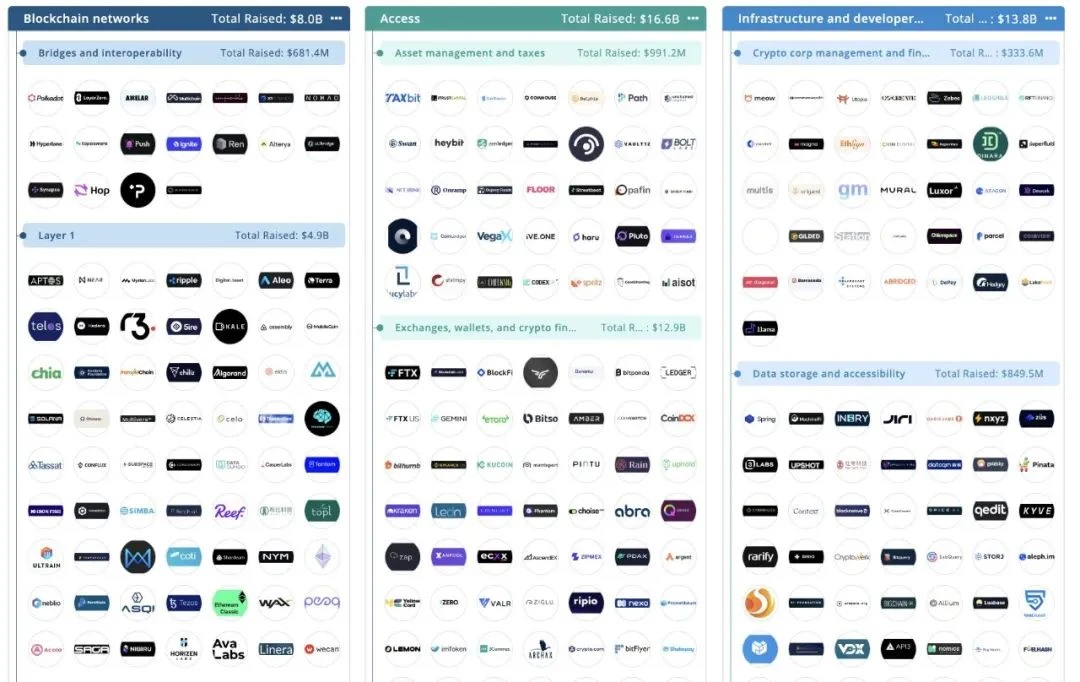
Pitchbook汇总了加密行业的近万起融资纪录,对市场做了industry mapping。包括区块链网络、用户交互、基础设施、Web3和去中心金融5个版块,22个赛道以及1203个头部企业。

Pitchbook汇总了加密行业的近万起融资纪录,对市场做了industry mapping。

包括区块链网络、用户交互、基础设施、Web3和去中心金融5个版块,22个赛道以及1203个头部企业。

我梳理了所有重点信息,帮助大家研究加密行业每个版块每个赛道的总投资数量、增长动力、趋势和机遇,建立加密世界观。

第一版块 - 区块链网络

共计800亿美元投资

区块链网络通过分布节点进行数据的储存和运算,形成去中心化的账本,支撑交易/智能合约/DAPP的运行。

增长动力:

1) 两大先驱BTC和ETH的可拓展性远低于行业需求

2)多链带来了可组合性composability以及互操作性interoperability的需求

赛道一:Layer 1

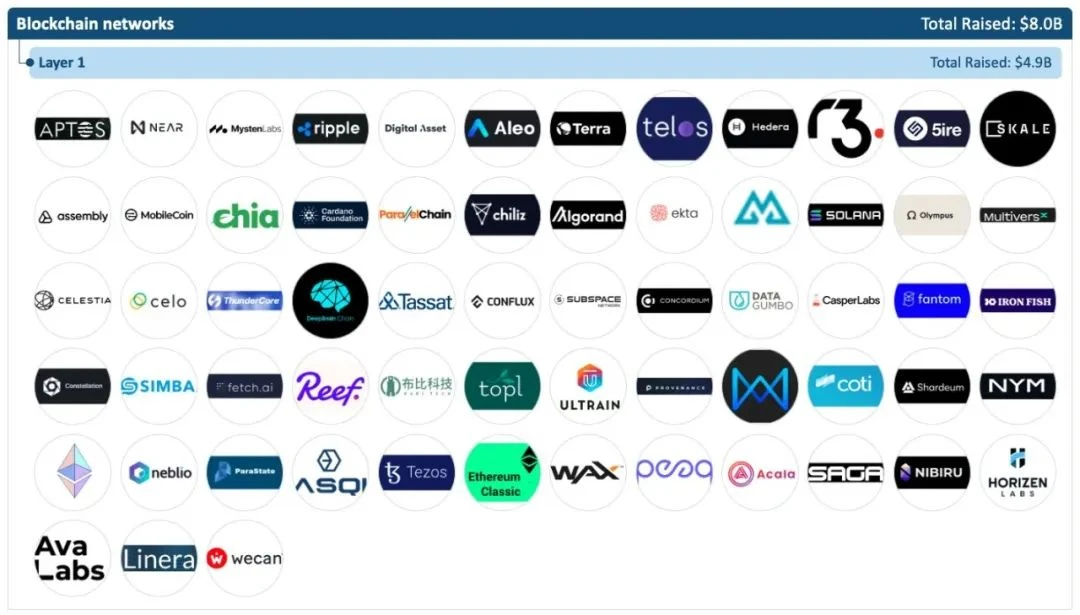
在BTC和ETH两个链之外,Layer 1共计有APTOS、NEAR等63个头部项目,融资共计490亿美元。

L1作为区块链的主网,具有共识机制,承担了区块链网络的信息分发、验证、处理、储存职能。也可以再根据是否是EVM以及是否开源开放进一步细分。

赛道二:Layer 2

以Polygon为首共计38个头部L2项目融资共计250亿美元。L2协议主要通过不同的侧链和Rollup等技术提高Layer1网络的运算能力。L2以L1作为基础利用其安全性但是也会常常改变数据的处理方式和共识机制。部分L2也可以当作独立的区块链网络。

赛道三:跨链

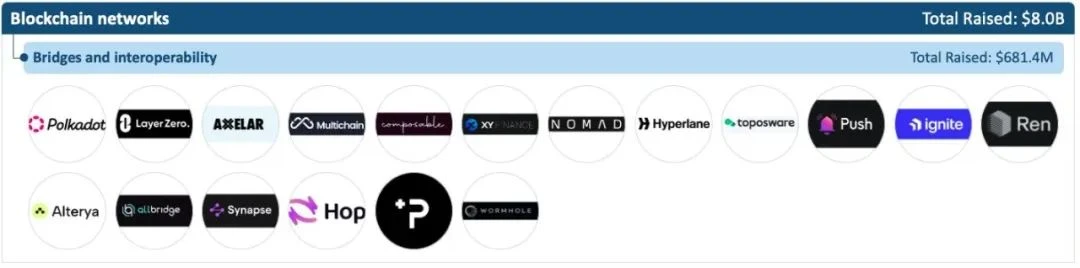
以Polkadot和Layer Zero为代表的18个跨链工具共计融资6.8亿美元,在生态中的主要角色为促进不同的区块链网络之间信息的交换。常见的技术为三类 - Lock & mint在原网络上锁定后在新链重新mint、Burn & redeem烧掉后拿新的以及native swap系统原生的交换。

第二版块 - 用户交互

共计投资1660亿美元

大多数用户都不能够直接利用区块链上的数据,而需要用户交互类平台/工具完成crypto的交易、管理和调研。

增长动力:

1) 牛市中大量带有投资目的的个人和机构交易所涌入

2) 虚拟货币在高通胀、腐败政府国家中被更多应用,黑产也带来需求

赛道一:资产和税务管理

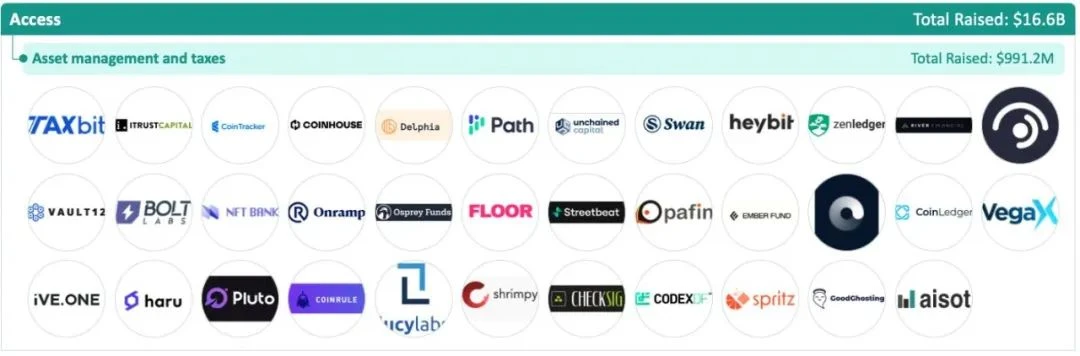
用户通过Taxbit、CoinTracker等35个共计融资9.9亿美元的头部工具管理资产和税务。这些工具帮助个人完成投资组合、自动定投、退休储蓄以及税务准备等任务。

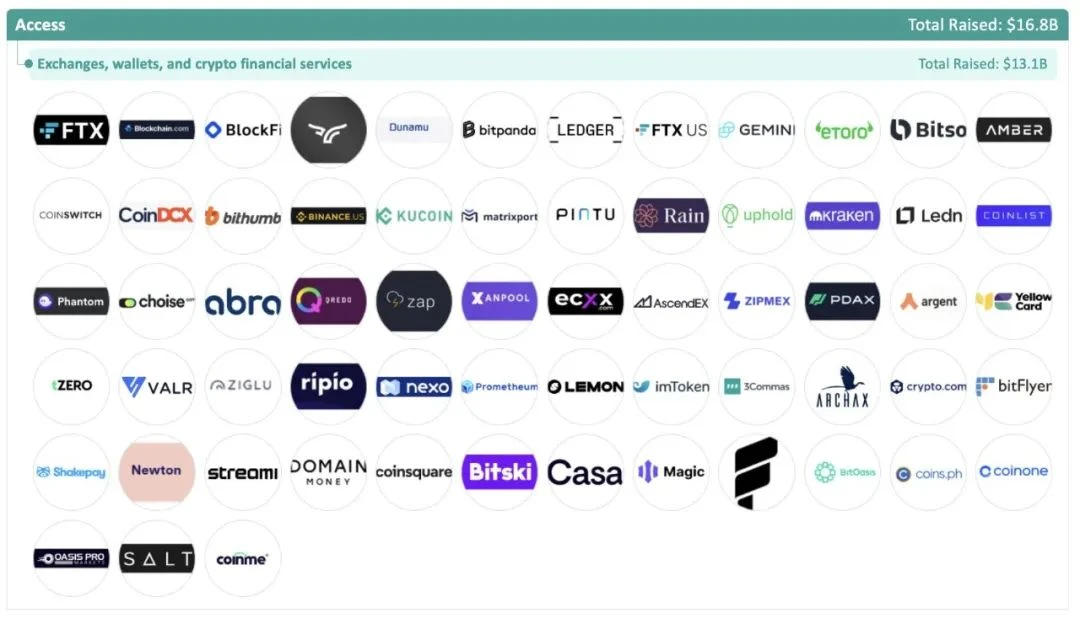
赛道二:钱包和交易所

以Binance、Phantom为例的63个交易所和钱包共计融资129亿美元,帮助用户更好管理其加密货币。非托管钱包包括联网的热钱包、不联网的冷钱包以及硬件钱包。托管钱包则包括托管方以及中心化的交易所。部分虚拟货币的储蓄和借贷也包含在此类中。

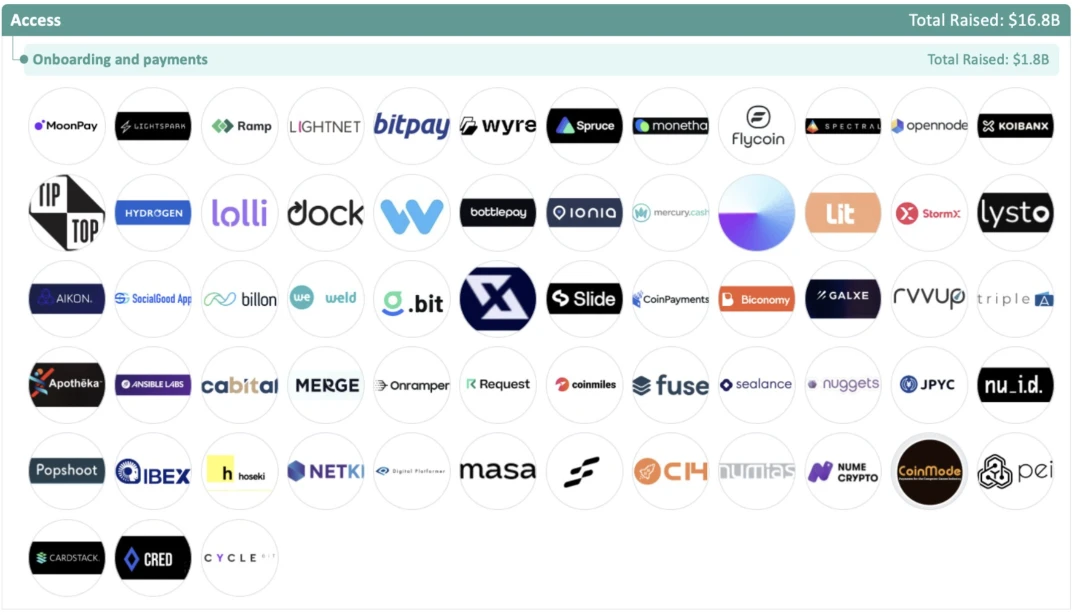
赛道三:出入金及支付

出入金和支付领域的63款产品供给融资18亿美元,帮助更多加密用户完成虚拟货币和法币之间的转换,也帮助用户在不同的链之上进行资产的转移和使用。相比于跨链桥,这个领域产品的所管理资产并非在链上,而和线下金融有交互。MoonPay是领域中的冠军产品。

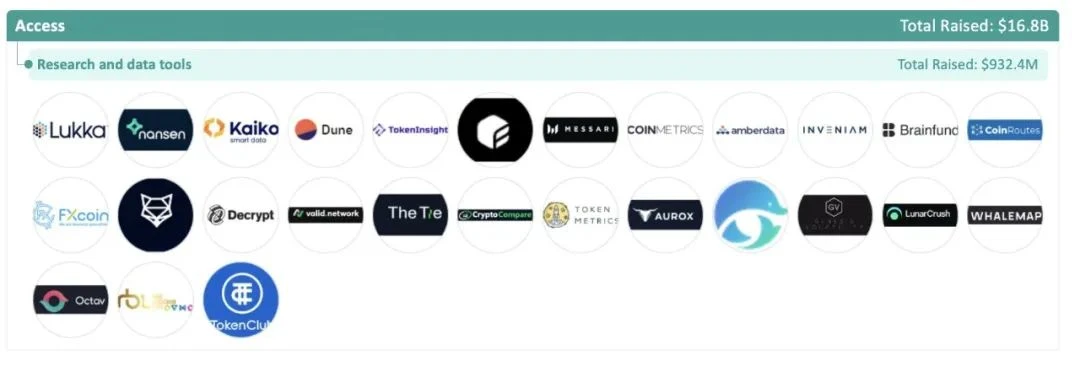
赛道四:数据与研究工具

以Nansen、Dune、TokenInsight为代表的27款链上数据与研究工具共计获得了9.3亿美元投资,帮助个人和机构们更好地获得、解读和分析链上数据,进一步发现好的加密产品、资产并且管理好投资组合。

第三版块:基础设施与开发工具

基础设施和开发工具类产品为进一步建立繁荣的链上生态打下了基石,让更多的Builder与Developer可以推进行业进步。该领域企业共计融资138亿美元。

增长动力:

1. 尽管加密最初更多是草根个人参与,越来越多的大机构也加入其中

2. 进行Web3开发的建设者人数逐渐上升

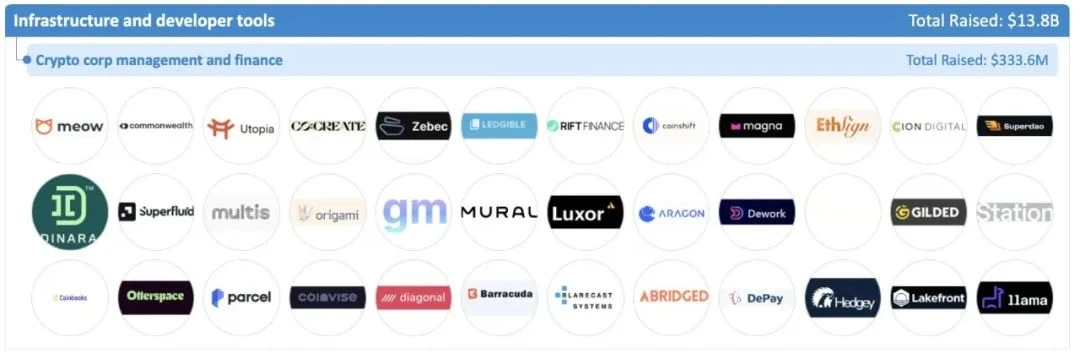
赛道一:加密企业团队/财务管理工具

以帮助DAO管理payroll的Utopia为代表的36家加密领域中企业和财务管理工具共计融资3.3亿美元。随着越来越多的传统机构加入加密以及更多加密领域原生的机构诞生,对各类机构和组织进行链上团队管理和财务管理的需求也增加起来。

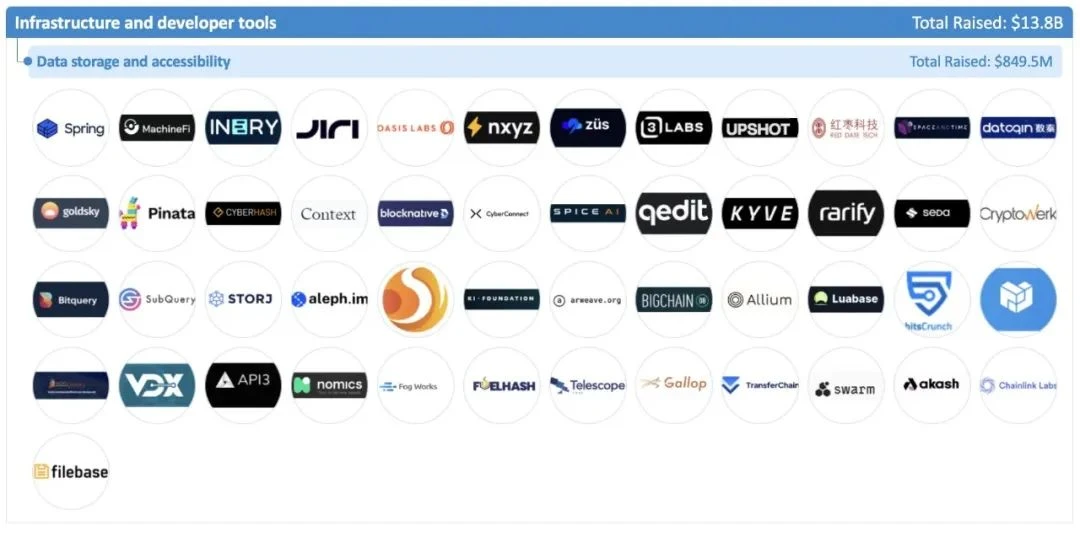
赛道二:数据储存与调用

以Chainlink为代表的49家链上数据储存与调用企业共计融资8.5亿美元,为众多开发者提供链上文件、数据库的管理调用和分发。包括去中心储存、区块浏览器以及预言机等。

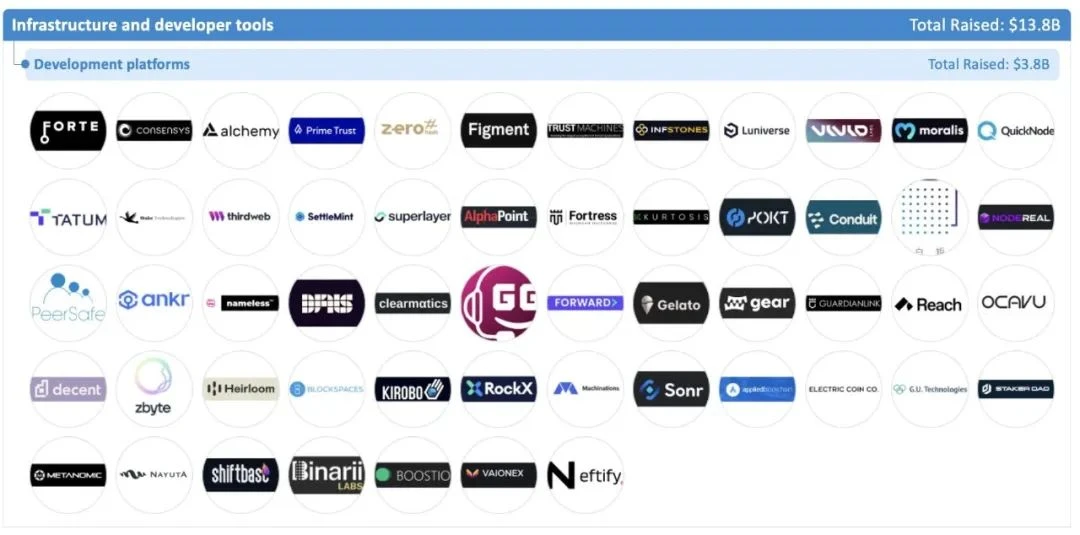
赛道三:开发平台

以Censensys、Alchemy、Thirdweb为代表的57个开发平台项目共计融资38亿美元,为程序员们提供帮助开发、测试、部署、维护链上产品的软件、API以及工具。包括开发环境、节点管理、Web3原声开发库以及链上交互接口等。

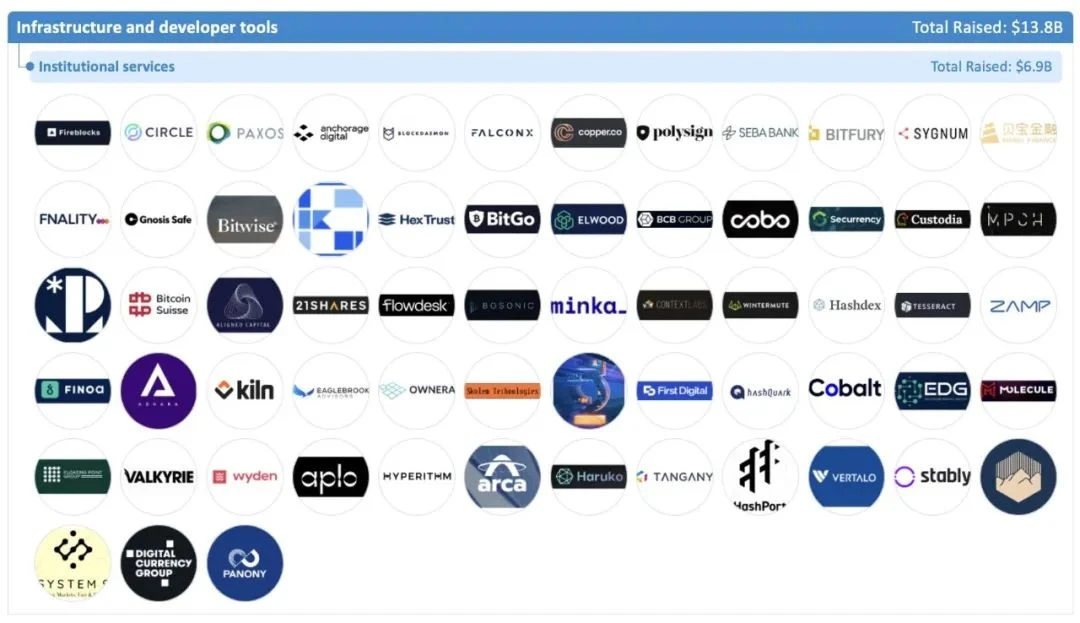
赛道四:机构资金管理工具

包括Gnosis Safe、Cobo、BitGo在内的63个机构资金管理工具共计融资69亿美元,通过提供代币托管、质押、交易、经纪商、流动性聚合器、做事等工具和服务帮助更多企业和机构进入加密生态。

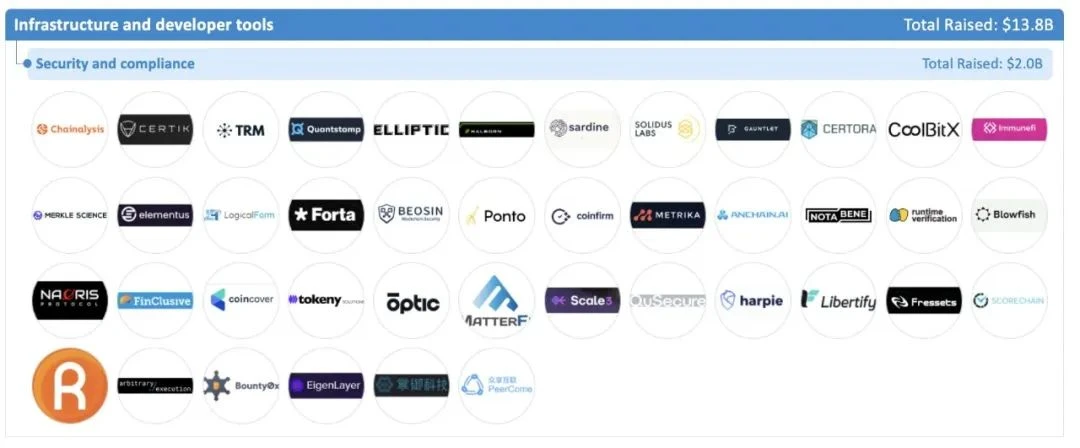
赛道五:安全与合规

Chainalysis、Beosin等42家头部安全与合规工具共计融资20亿美元,帮助更多的机构和组织减少加密资产的盗窃、黑客攻击等安全风险,同时帮助企业完成反洗钱等合规要求。

第四版块:去中心金融

相比于依赖于银行、证券经纪商等的传统金融服务,去中心金融通过在以太坊为代表的公链之上建立去中心化、无须代理、个人对个人、由智能合约驱动的协议为加密用户提供金融服务。任何的个人都可以像拼乐高一样自由地在公链上使用各类金融服务并且查看器原理和流程。

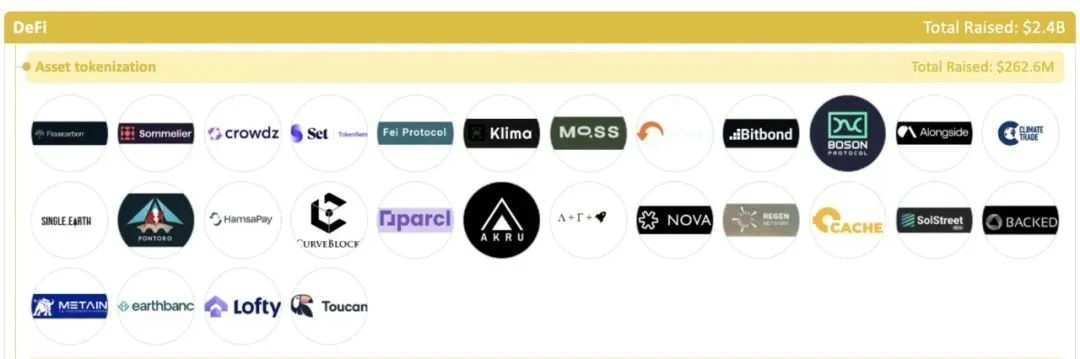
赛道一:资产代币化

Boson Protocol等28款融资达2.6亿美元的产品帮助用户将资产代币化,这既包括链上资产(加密代币组合、NFT等)也包括链下资产(碳排放指标、碳信用积分、房地产资产等)。

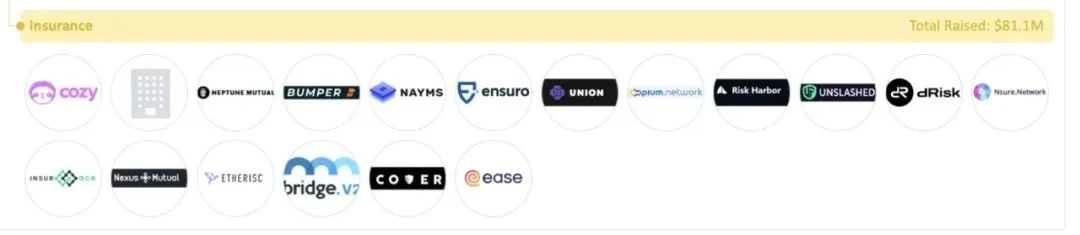
赛道二:去中心保险

获得了8亿投资的共计18个头部去中心保险产品为加密资产提供保险服务,可以获得保险服务的加密资产包括任何储存在交易所、钱包、以及流动池内的代币等。

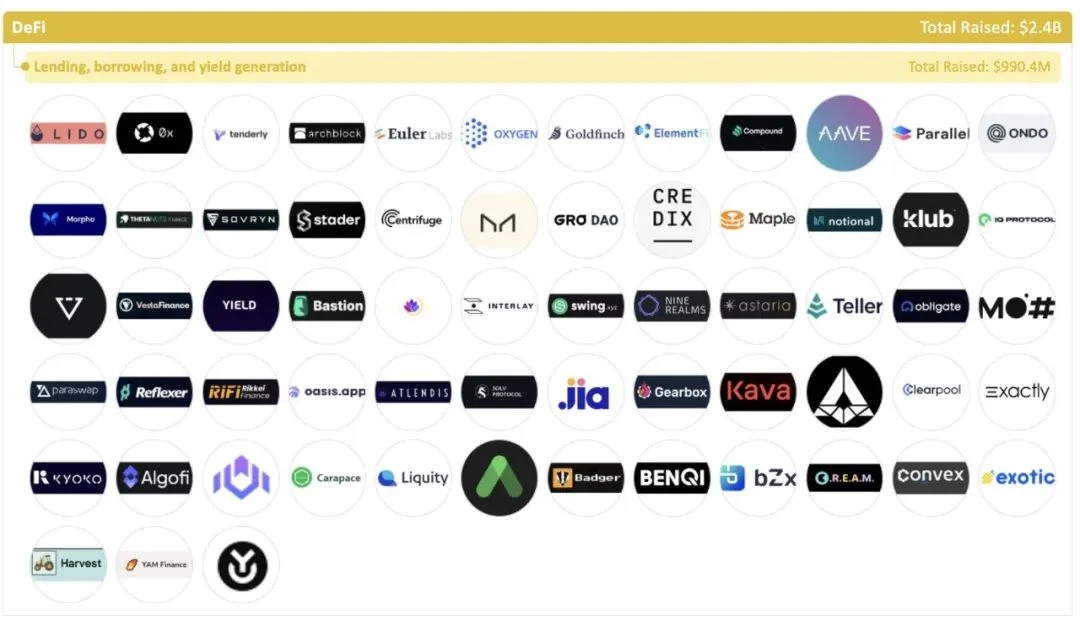
赛道三:去中心借贷与收益管理器(Yield Generator)

以近期极其火爆的LIDO为代表的63款去中心借贷与流动性挖矿产品共融资9.9亿美元,让加密用户可以在链上租赁、借款以及通过yield farming等方式获利。尽管有一些协议在探索无抵押贷款,目前大多数借贷都是需要有超额抵押。

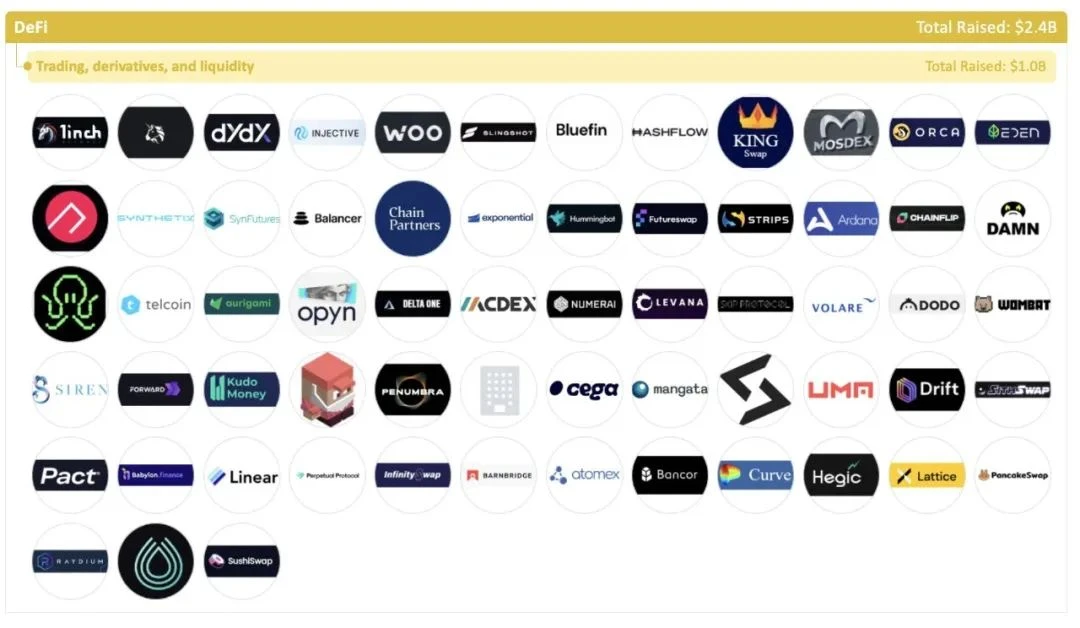
赛道四:去中心交易平台及衍生品

以Curve、PancakeSwap等为例的去中心交易平台及去中心金融衍生品共计融资10亿美元,帮助用户进行无需许可、无需托管的交易和做市工具,也推进了期货等去中心金融衍生品的普及。

第五版块:Web3

区块链的发展使得我们可以将网络平台的所有权赋予给每一个用户。相对于以互联网巨头为代表的web2平台,web3平台会开源代码、让用户拥有自己的数据、并且和社群共同建设与决策。作为上一个牛市风口共融资111亿美元。

增长动力:

1. 对于Web2平台的信任下降

2. 创造者经济的发展

赛道一:内容与社交

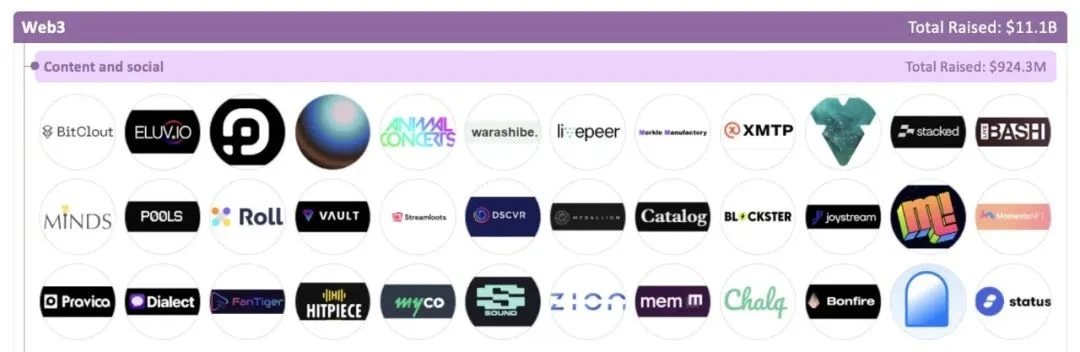
不同应用场景下的社交平台与文字、图片、视频、音乐等主题的内容平台通过去中心化和社区共创共建共有,利用社交代币和NFT等技术更好地维护好内容创造者和消费者关系。该赛道共计获得融资9.2亿美元。

赛道二:DAO与DAO工具

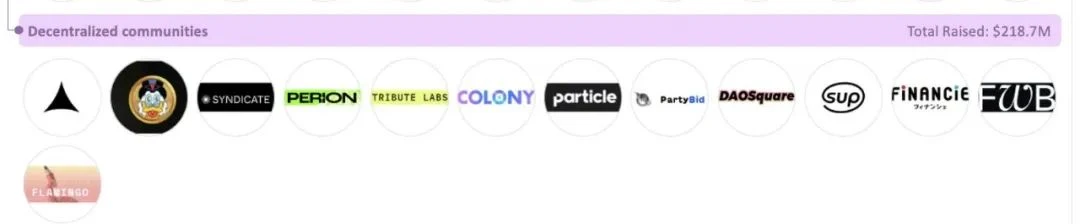
去中心化自治组织通过Token和NFT将组织的所有权发给成员,而通过持有代币成员们可以进行DAO内的管理、投票以及获得其他DAO内的权益

帮助构建投资DAO的Syndicate以及web3建设者社交DAO Friends With Benefits等DAO和DAO工具项目共计获得了2.2亿美元的投资。

赛道三:商业与消费平台

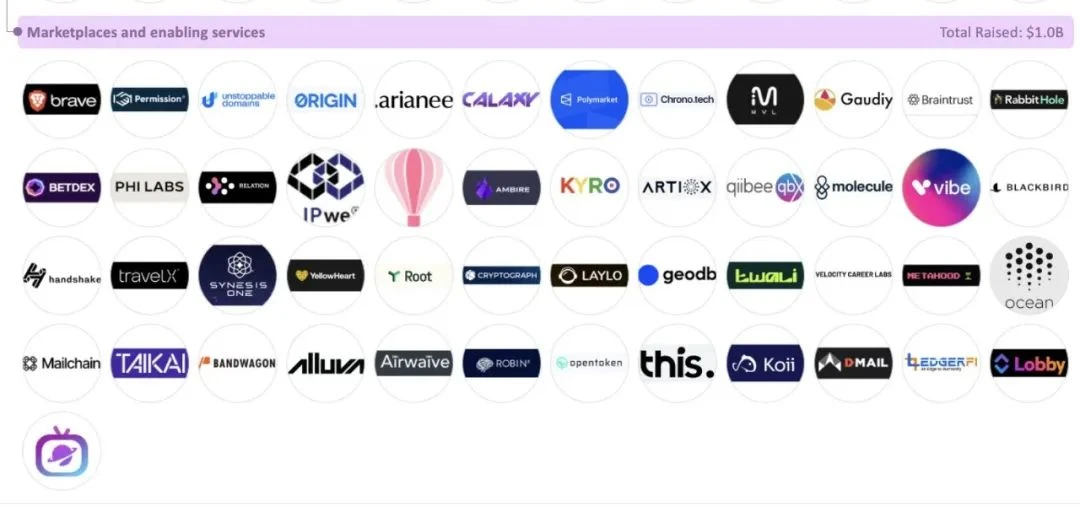
Brave帮助人们交易注意力、BrainTrust帮助用户交易人才(招聘)。众多web3中去中心化的交易平台通过去中心化社群共建共治维护好平台和用户的关系,同时通过代币更好得将所有的参与者绑定到平台之上。该赛道共计获得10亿美元投资。

赛道四:硬件赋能

Helium通过奖励社群成员的通信终端建立无线通信网络,HiveMapper通过奖励成员的车载记录仪建立去中心地图数据系统。硬件赋能赛道共计融资6.2亿美元,通过代币鼓励用户购买和维护链下硬件从而简历通信、地图等网络。

赛道五:元宇宙与游戏

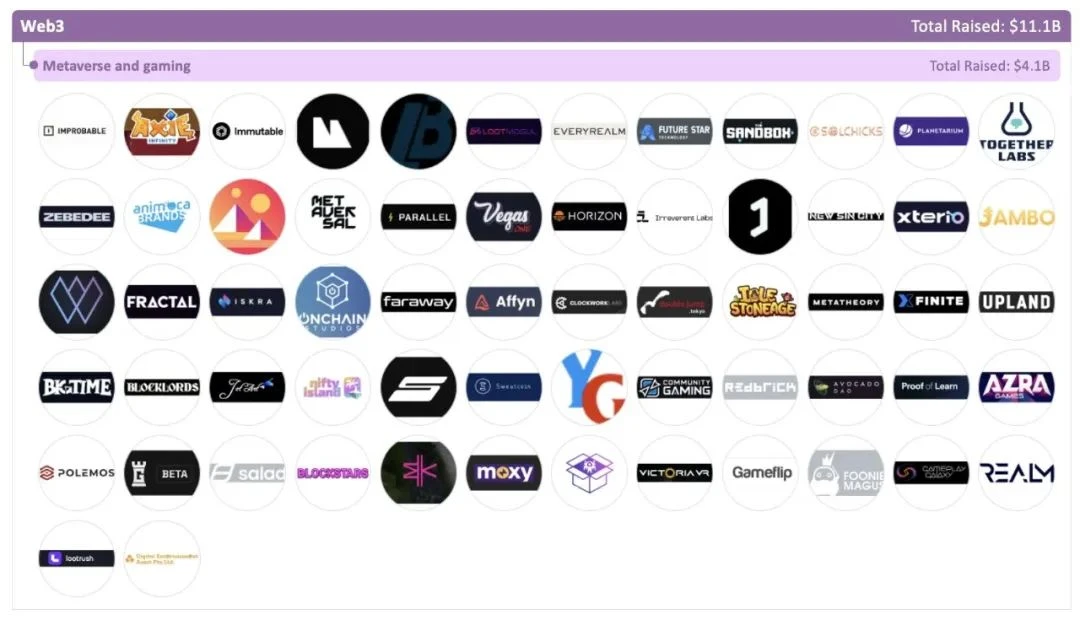
去中心化元宇宙和区块链游戏也是上一个牛市中的资本宠儿,以Play to Earn闻名的Axie Infinity以及链上开放世界Decentraland等产品共计融资41亿美元,通过内容、基础设施以及工具的开发建立一个虚拟的世界。

赛道六:NFT及收藏品平台

NFT赛道作为引爆了上一个牛市的应用场景共计获得了42亿美元的投资,这其中既包括NFT项目BAYC,也包括了NFT工具POAP和NFT交易平台OpenSea等优质项目。

总结:

区块链网络:Layer1, Layer2, 跨链

用户交互:资产税务管理, 钱包/交易所, 出入金/支付, 数据分析

基础设施:加密组织管理, 数据储存, 开发平台, 资金管理, 安全与合规

去中心金融:资产代币化, 去中心保险, 去中心借贷, 交易平台

Web3:内容社交, DAO工具, 市场平台, 硬件赋能, 元宇宙, NFT

析各个行业和头部项目。

Related Reads

Interpreting Investment Opportunities in the Age of Great Navigation, Invesco Great Wall Fund Releases '2026 Report on Chinese Enterprises Going Global'

Invesco Great Wall Fund has released its "2026 China Corporate Globalization Report," titled "The 'Great Navigation Era' of Chinese Enterprises." The report analyzes the new trends and investment opportunities as Chinese companies expand globally, moving from simple product exports to comprehensive overseas operations involving services, branding, and local production. Driven by factors like trade friction, the pursuit of higher profit margins abroad, and policy support, globalization is becoming essential for Chinese companies. The report outlines an evolution: from early product export ("Globalization 1.0") to the current "Globalization 2.0," characterized by overseas capacity, capital goods investment, consumer brand expansion, and service exports. Chinese firms' competitive advantages are highlighted, including a vast engineer talent pool, low-cost and robust infrastructure, and complete industrial clusters. Specific sectors with significant出海 potential are identified: * **Capital Goods** (e.g., engineering machinery, power equipment): Benefiting from global demand, especially in Belt & Road markets and the AI-driven power grid upgrade cycle. * **Consumer Brands**: Transitioning from cost to brand advantage, leveraging供应链 efficiency. * **Technology & Innovation**: Including AI applications, optical modules within global tech supply chains, and new energy vehicles focusing on local production. * **Pharmaceuticals**: Chinese biotech firms are becoming preferred partners for global pharma, with potential for breakthrough drugs in areas like oncology and weight loss. The report concludes that corporate globalization represents a sustained, core theme for China's capital markets, though companies must navigate challenges like geopolitics and localization.

marsbit2m ago

Interpreting Investment Opportunities in the Age of Great Navigation, Invesco Great Wall Fund Releases '2026 Report on Chinese Enterprises Going Global'

marsbit2m ago

GitHub, Transfixed by AI

On the night of February 9th, GitHub suffered a major outage caused by a simple configuration change—reducing a cache refresh interval from 12 to 2 hours—that triggered a cascade of failures. This was not an isolated event, but part of a broader pattern. In early 2026, GitHub experienced at least 8 major incidents, failing to meet its promised 99.9% availability. These outages stemmed from structural issues: explosive growth in load, tight service coupling, and insufficient protection against abnormal traffic. This unprecedented load is driven by AI Agents. In 2025, GitHub handled ~1 billion commits. By 2026, weekly commits reached 275 million, projecting to ~14 billion for the year—a 14x increase. AI tools like Claude Code now contribute 4.5% of all public repository commits, with weekly submissions surging 25x in just three months. AI-generated pull requests jumped from 4 million to 17 million per month in half a year. Unlike human developers, AI Agents work continuously, generating commits at a scale that overwhelms infrastructure designed for human rhythms. The surge also shattered GitHub's business model. Copilot's flat-rate pricing, based on assisting human developers, became unsustainable as Agentic AI sessions consumed resources worth hundreds of dollars for a few dollars in fees. In response, GitHub imposed usage limits and, by June 1st, shifted to a pay-per-use "AI Credits" system. Facing this new reality, GitHub realized a 10x scaling plan was insufficient. It announced a need to *redesign* its architecture for 30x current scale—decoupling services, adding fault isolation, and improving change management to prevent cascading failures. Other platforms like Stripe and AWS are facing similar challenges with AI Agents. Fundamentally, GitHub is transitioning from a human collaboration platform to an "exhaust pipe" for automated AI workflows. Its detailed post-mortem reports aim to maintain trust during this turbulent rebuild. The February outage was not just a technical glitch, but a signal of the software industry's entry into a new, AI-driven era.

marsbit42m ago

GitHub, Transfixed by AI

marsbit42m ago

Both Suffer Massive Losses Exceeding $90 Billion, Which Is in Greater Peril: Strategy or Bitmine?

Facing massive paper losses exceeding $90 billion each amidst a sharp market downturn, "Digital Asset Treasury" (DAT) giants Strategy and Bitmine find themselves in a precarious position, but with different underlying risks. Strategy, heavily invested in Bitcoin (BTC), faces significant financial strain. Its strategy relies heavily on debt, including convertible notes and preferred stock (STRC) requiring substantial dividend payments. With its cash reserves dwindling and BTC offering no staking yield for cash flow, Strategy's high leverage makes it vulnerable. A continued price decline could force asset sales to meet obligations, potentially creating a negative feedback loop. Its market value has already fallen sharply. In contrast, Bitmine, an Ethereum (ETH) holder, appears on firmer financial ground. It primarily funds its purchases through equity offerings (like ATM programs), avoiding debt pressure. It also generates income by staking a large portion of its ETH holdings. While not immune to market drops and shareholder dilution concerns, Bitmine maintains more flexibility, recently announcing a new preferred share offering to raise further capital. The core divergence lies in their financing: Bitmine uses equity (investor money), while Strategy uses debt (borrowed money). Consequently, Bitmine currently faces less immediate liquidity pressure than Strategy, which must navigate the dual challenge of servicing debt/dividends and a declining core asset (BTC) price.

marsbit49m ago

Both Suffer Massive Losses Exceeding $90 Billion, Which Is in Greater Peril: Strategy or Bitmine?

marsbit49m ago

Trading

Spot
Futures

Hot Articles

What is $BITCOIN

DIGITAL GOLD ($BITCOIN): A Comprehensive Analysis Introduction to DIGITAL GOLD ($BITCOIN) DIGITAL GOLD ($BITCOIN) is a blockchain-based project operating on the Solana network, which aims to combine the characteristics of traditional precious metals with the innovation of decentralized technologies. While it shares a name with Bitcoin, often referred to as “digital gold” due to its perception as a store of value, DIGITAL GOLD is a separate token designed to create a unique ecosystem within the Web3 landscape. Its goal is to position itself as a viable alternative digital asset, although specifics regarding its applications and functionalities are still developing. What is DIGITAL GOLD ($BITCOIN)? DIGITAL GOLD ($BITCOIN) is a cryptocurrency token explicitly designed for use on the Solana blockchain. In contrast to Bitcoin, which provides a widely recognized value storage role, this token appears to focus on broader applications and characteristics. Notable aspects include: Blockchain Infrastructure: The token is built on the Solana blockchain, known for its capacity to handle high-speed and low-cost transactions. Supply Dynamics: DIGITAL GOLD has a maximum supply capped at 100 quadrillion tokens (100P $BITCOIN), although details regarding its circulating supply are currently undisclosed. Utility: While precise functionalities are not explicitly outlined, there are indications that the token could be utilized for various applications, potentially involving decentralized applications (dApps) or asset tokenization strategies. Who is the Creator of DIGITAL GOLD ($BITCOIN)? At present, the identity of the creators and development team behind DIGITAL GOLD ($BITCOIN) remains unknown. This situation is typical among many innovative projects within the blockchain space, particularly those aligning with decentralized finance and meme coin phenomena. While such anonymity may foster a community-driven culture, it intensifies concerns about governance and accountability. Who are the Investors of DIGITAL GOLD ($BITCOIN)? The available information indicates that DIGITAL GOLD ($BITCOIN) does not have any known institutional backers or prominent venture capital investments. The project seems to operate on a peer-to-peer model focused on community support and adoption rather than traditional funding routes. Its activity and liquidity are primarily situated on decentralized exchanges (DEXs), such as PumpSwap, rather than established centralized trading platforms, further highlighting its grassroots approach. How DIGITAL GOLD ($BITCOIN) Works The operational mechanics of DIGITAL GOLD ($BITCOIN) can be elaborated on based on its blockchain design and network attributes: Consensus Mechanism: By leveraging Solana’s unique proof-of-history (PoH) combined with a proof-of-stake (PoS) model, the project ensures efficient transaction validation contributing to the network's high performance. Tokenomics: While specific deflationary mechanisms have not been extensively detailed, the vast maximum token supply implies that it may cater to microtransactions or niche use cases that are still to be defined. Interoperability: There exists the potential for integration with Solana’s broader ecosystem, including various decentralized finance (DeFi) platforms. However, the details regarding specific integrations remain unspecified. Timeline of Key Events Here is a timeline that highlights significant milestones concerning DIGITAL GOLD ($BITCOIN): 2023: The initial deployment of the token occurs on the Solana blockchain, marked by its contract address. 2024: DIGITAL GOLD gains visibility as it becomes available for trading on decentralized exchanges like PumpSwap, allowing users to trade it against SOL. 2025: The project witnesses sporadic trading activity and potential interest in community-led engagements, although no noteworthy partnerships or technical advancements have been documented as of yet. Critical Analysis Strengths Scalability: The underlying Solana infrastructure supports high transaction volumes, which could enhance the utility of $BITCOIN in various transaction scenarios. Accessibility: The potential low trading price per token could attract retail investors, facilitating wider participation due to fractional ownership opportunities. Risks Lack of Transparency: The absence of publicly known backers, developers, or an audit process may yield skepticism regarding the project's sustainability and trustworthiness. Market Volatility: The trading activity is heavily reliant on speculative behavior, which can result in significant price volatility and uncertainty for investors. Conclusion DIGITAL GOLD ($BITCOIN) emerges as an intriguing yet ambiguous project within the rapidly evolving Solana ecosystem. While it attempts to leverage the “digital gold” narrative, its departure from Bitcoin's established role as a store of value underscores the need for a clearer differentiation of its intended utility and governance structure. Future acceptance and adoption will likely depend on addressing the current opacity and defining its operational and economic strategies more explicitly. Note: This report encompasses synthesised information available as of October 2023, and developments may have transpired beyond the research period.

363 Total ViewsPublished 2025.05.13Updated 2025.05.13

What is $BITCOIN

Discussions

Welcome to the HTX Community. Here, you can stay informed about the latest platform developments and gain access to professional market insights. Users' opinions on the price of BTC (BTC) are presented below.

活动图片