加密市场新一轮牛市起源东方?

Odaily星球日报Published on 2023-02-20Last updated on 2023-02-20

Abstract

华流资产飞涨,香港合规进程加快

上周比特币突破 2.5 万美元,再次助长了市场的 FOMO 情绪。继 AI(人工智能)、元宇宙概念之后,一个全新概念板块在这两天成为焦点:Chinese Coin(中概币)。

中概币板块的诞生,主要受两方面因素影响:

一是以美国证券交易委员会(SEC)为首的美国监管机构,对美国头部加密企业 Kraken 以及 Paxos 展开调查—— Kraken 目前已经和解并支付罚款,似乎有意对加密产业收紧监管的口子,因此被戏称为「美版九四」。

二是港府曾计划在 3 月实施虚拟资产服务发牌制度,最新消息是 6 月执行;近期更是有传言称「 6 月 1 日起香港居民自由买卖加密货币将完全合法」,虽然最终辟谣,但在政策利好预期前景的刺激下,投资者依然对加密后市抱以极大的信心。

东西方截然相反的两种态度,也让全球加密投资者对中国加密企业的关注度上升。特别是在国产公链 Conflux 与中国央企(中国电信)合作后,Token 价格飙升,过去一周涨幅接近 400% ,起到了良好地「示范」作用。一时之间,海外投资者对中国项目 FOMO 情绪骤增,一些海外社交媒体大 V 更是开创了「Chinese Coin」作为一个全新板块。

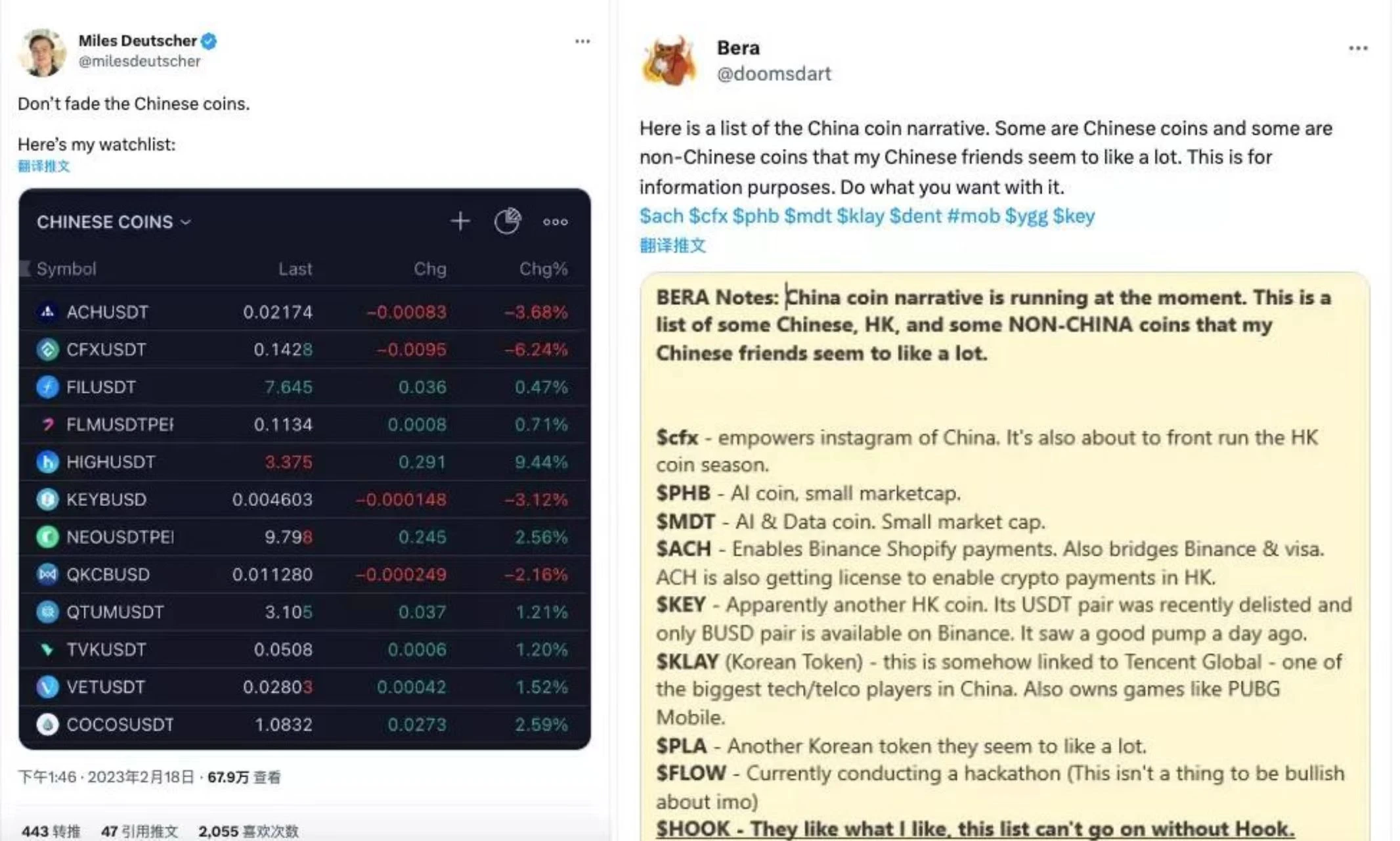
2 月 18 日,在社交媒体拥有 29.3 万粉丝的加密 KOL「Miles Deutscher」发文晒出了自己总结的「Chinese Coin」概念列表,囊括 CFX、FIL 等 12 个代币。另外一位 KOL「Bera」继续拓展了该列表,将币种数量增加至 17 个——“有些是「中概币」,有些是我的中国朋友很喜欢的非中概币。”

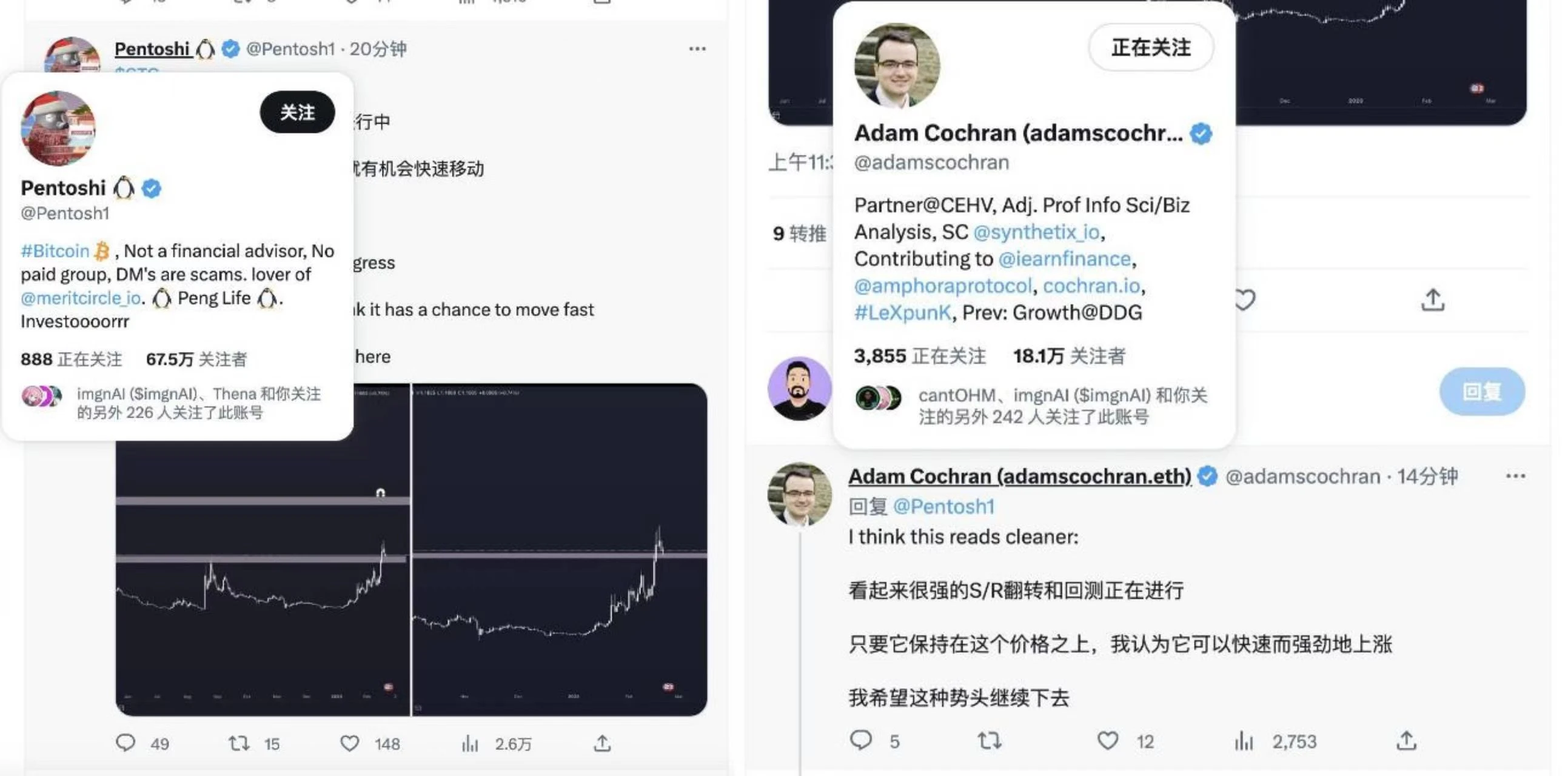
还有一些海外加密 KOL,为了赶上这波中国热,主动在推文中使用中文,引来不少华语圈加密投资者进行互动。有趣的是,一些加密投资者甚至将会说中文的项目纳入中概币范畴,以太坊就因为创始人 V 神曾多次使用中文跻深「中概币」一员。

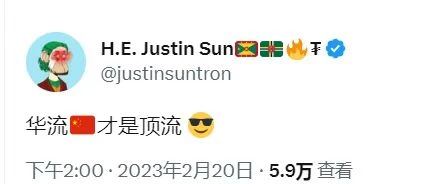
中概币的热度持续居高不下,也让一众华语区 web3 从业者与有荣焉。波场创始人孙宇晨引用了周杰伦曾经的经典语录:“华流才是顶流。”

针对近期的中概币热潮,美国合规交易所 Gemini 联合创始人 Cameron Winklevoss 评论称,下一轮牛市将从亚洲开始。他认为,加密货币是一种全球资产类别,而西方(实际上是美国)要么接受它,要么被抛在后面;但现实情况是美国如今正在打压加密货币,而东方对加密货币展现出了包容开放的态度。

加密分析师 GCR 飙升,“中国(以及整个亚洲)将推动下一波上涨。西方对这个领域的愤世嫉俗需要相当长的时间才能消解,但东方正在崛起并渴望征服。”加密衍生品巨头 BitMEX 前首席执行官 Arthur Hayes 去年 10 月预测 ,下一轮牛市将在中国重返市场时开始,并进一步表示香港在这一过程中将发挥重要作用。

今天下午,香港证监会就适用于虚拟资产交易平台营运者的建议规定展开咨询,明确宣布将于 2023 年 6 月 1 日实现新发牌制度。

此外,文件中表示,将允许个人投资者在证监会许可的交易所交易大市值代币,前提是知识测试、风险承受能力评估和合理的风险敞口限制等保障措施到位。文件意见征求期将于 3 月 31 日结束,目标是在 6 月 1 日的加密货币交易所新许可制度下允许零售交易。证监会发言人在简报中表示,比特币和以太坊这两种市值最大的数字资产可能会在香港的交易平台上线。

港府的入局,能否催化下一轮牛市的开启,还需要时间的检验。但毫无疑问,这算是近期为数不多可以提振加密投资者信心的一件大事。另外,需要提醒广大投资者,目前投机情绪高涨,警惕风险,DYOR。

Related Reads

STRC Breaks Below $95: Why Does It Continue to Depeg? Is There Default Risk?

"STRC Falls Below $95: Why the Persistent Depegging and Is There Default Risk?" The article discusses the recent decline in the price of STRC, a perpetual preferred stock issued by Strategy (MSTR) designed to trade around a $100 par value. As of publication, STRC traded at $94.65, raising market concerns. STRC is described as a high-yield cash flow product, offering an 11.50% annual dividend paid monthly. Its "preferred" status grants it priority over common stock for dividends and in liquidation. Key reasons cited for the price depegging include: 1. **Bitcoin's Price Drop:** MSTR's assets are heavily tied to Bitcoin (BTC), which fell over 21% from its recent high, pressuring all Strategy-related products. 2. **Competitive Pressure:** Rival Strive Asset Management's similar product, SATA, offers daily dividends and has maintained its $100 par value with a ~13% yield. In response, Strategy has proposed changing STRC's dividend frequency from monthly to bi-weekly, pending shareholder vote. 3. **Technical Selling:** A break below $100 may have triggered algorithmic selling and stop-losses, exacerbating the decline. Regarding default risk, the analysis suggests it is currently low. Strategy founder Michael Saylor confirmed the June 2026 dividend rate remains at 11.50% with no cuts or suspensions. The company's massive reserve of 843,706 BTC provides a significant backstop for its obligations. Industry opinions are mixed. Some analysts view the BTC holdings as reliable support for dividends, while critics like Peter Schiff warn of potential dividend cuts leading to price crashes and lawsuits. Others highlight inflation risk and the company's ability to reduce dividends without a formal default. In summary, STRC's drop is attributed to BTC volatility, competition, and technical factors. While immediate default risk appears contained, the product faces challenges from market conditions and competitive dynamics.

marsbit38m ago

STRC Breaks Below $95: Why Does It Continue to Depeg? Is There Default Risk?

marsbit38m ago

AI Trading Cools, South Korean Stocks Plunge 1.8%, Spot Gold Rises 1%, Bitcoin Dives

A sell-off in AI-related stocks, triggered by Broadcom's disappointing earnings forecast, sent shockwaves through global markets. South Korea's KOSPI led Asia's decline, plunging 1.8% as the risks from concentrated chip stock gains and surging leveraged investments came to the fore. The tech-heavy Nasdaq 100 futures fell 0.5% following Broadcom's 14% after-hours plunge, which signaled a slower-than-expected transition to AI clients. This pullback extended Wall Street's weakness, halting the S&P 500's nine-day rally amid hawkish Fed signals and renewed Middle East tensions. South Korean authorities convened an emergency meeting, pledging "immediate measures" against market volatility and warning of record-high stock margin debt. The adjustment rippled across assets: Bitcoin fell to around $64,000, its lowest since February, while safe-haven gold rose 1% on bargain hunting. Oil prices dipped on Middle East ceasefire news. Market analysts noted the sell-off was driven by profit-taking after massive gains, particularly in chip stocks like Samsung and SK Hynix, which now dominate the KOSPI. Wall Street banks are divided on Korea's outlook, with Goldman Sachs raising its target while Citigroup and others warn of overvaluation and a potential bubble. Bridgewater's Ray Dalio noted that great technological shifts often create bubbles. Meanwhile, Fed officials' hints at potential future rate hikes added to the cautious mood ahead of key U.S. jobs data.

华尔街日报1h ago

AI Trading Cools, South Korean Stocks Plunge 1.8%, Spot Gold Rises 1%, Bitcoin Dives

华尔街日报1h ago

Seeking Alpha's Hot Article: Why Might the U.S. Stock Market Crash in June?

In a recent Seeking Alpha article, financial professor and analyst Damir Tokic argues that the US stock market may be poised for a significant crash in June 2026. The core thesis centers on a "mega-bubble" in equities, particularly within the technology sector, which has driven the S&P 500 to near-record valuations, with a Shiller P/E ratio exceeding 40—a level comparable to the 2000 dot-com bubble. Tokic identifies two primary catalysts for a potential collapse. First, he points to unsustainable market exuberance fueled by what he terms the "Trump Stimulus"—massive AI capital expenditure by tech giants, which he believes is politically driven and cannot last. Second, and more urgently, he highlights the escalating Iran war as a critical threat. The ongoing closure of the Strait of Hormuz has created a severe global energy supply crunch. Strategic petroleum reserves are projected to hit critically low operational levels by June, potentially causing oil prices to spike above $200 per barrel and triggering a severe, supply-driven inflationary shock. This scenario, Tokic warns, would force the Federal Reserve's hand. Despite currently maintaining a dovish bias, the Fed would likely be compelled to officially pivot to a hawkish stance at its June FOMC meeting to combat soaring inflation and bond yields. He contends that such a shift—or even a failure to act, which would destroy Fed credibility—could be the trigger that punctures the market bubble. The resulting downturn, he concludes, could rival the bear markets of 2000 and 2008, advising investors to prepare for a major correction.

marsbit1h ago

Seeking Alpha's Hot Article: Why Might the U.S. Stock Market Crash in June?

marsbit1h ago

Trading

Spot
Futures

Hot Articles

What is $BITCOIN

DIGITAL GOLD ($BITCOIN): A Comprehensive Analysis Introduction to DIGITAL GOLD ($BITCOIN) DIGITAL GOLD ($BITCOIN) is a blockchain-based project operating on the Solana network, which aims to combine the characteristics of traditional precious metals with the innovation of decentralized technologies. While it shares a name with Bitcoin, often referred to as “digital gold” due to its perception as a store of value, DIGITAL GOLD is a separate token designed to create a unique ecosystem within the Web3 landscape. Its goal is to position itself as a viable alternative digital asset, although specifics regarding its applications and functionalities are still developing. What is DIGITAL GOLD ($BITCOIN)? DIGITAL GOLD ($BITCOIN) is a cryptocurrency token explicitly designed for use on the Solana blockchain. In contrast to Bitcoin, which provides a widely recognized value storage role, this token appears to focus on broader applications and characteristics. Notable aspects include: Blockchain Infrastructure: The token is built on the Solana blockchain, known for its capacity to handle high-speed and low-cost transactions. Supply Dynamics: DIGITAL GOLD has a maximum supply capped at 100 quadrillion tokens (100P $BITCOIN), although details regarding its circulating supply are currently undisclosed. Utility: While precise functionalities are not explicitly outlined, there are indications that the token could be utilized for various applications, potentially involving decentralized applications (dApps) or asset tokenization strategies. Who is the Creator of DIGITAL GOLD ($BITCOIN)? At present, the identity of the creators and development team behind DIGITAL GOLD ($BITCOIN) remains unknown. This situation is typical among many innovative projects within the blockchain space, particularly those aligning with decentralized finance and meme coin phenomena. While such anonymity may foster a community-driven culture, it intensifies concerns about governance and accountability. Who are the Investors of DIGITAL GOLD ($BITCOIN)? The available information indicates that DIGITAL GOLD ($BITCOIN) does not have any known institutional backers or prominent venture capital investments. The project seems to operate on a peer-to-peer model focused on community support and adoption rather than traditional funding routes. Its activity and liquidity are primarily situated on decentralized exchanges (DEXs), such as PumpSwap, rather than established centralized trading platforms, further highlighting its grassroots approach. How DIGITAL GOLD ($BITCOIN) Works The operational mechanics of DIGITAL GOLD ($BITCOIN) can be elaborated on based on its blockchain design and network attributes: Consensus Mechanism: By leveraging Solana’s unique proof-of-history (PoH) combined with a proof-of-stake (PoS) model, the project ensures efficient transaction validation contributing to the network's high performance. Tokenomics: While specific deflationary mechanisms have not been extensively detailed, the vast maximum token supply implies that it may cater to microtransactions or niche use cases that are still to be defined. Interoperability: There exists the potential for integration with Solana’s broader ecosystem, including various decentralized finance (DeFi) platforms. However, the details regarding specific integrations remain unspecified. Timeline of Key Events Here is a timeline that highlights significant milestones concerning DIGITAL GOLD ($BITCOIN): 2023: The initial deployment of the token occurs on the Solana blockchain, marked by its contract address. 2024: DIGITAL GOLD gains visibility as it becomes available for trading on decentralized exchanges like PumpSwap, allowing users to trade it against SOL. 2025: The project witnesses sporadic trading activity and potential interest in community-led engagements, although no noteworthy partnerships or technical advancements have been documented as of yet. Critical Analysis Strengths Scalability: The underlying Solana infrastructure supports high transaction volumes, which could enhance the utility of $BITCOIN in various transaction scenarios. Accessibility: The potential low trading price per token could attract retail investors, facilitating wider participation due to fractional ownership opportunities. Risks Lack of Transparency: The absence of publicly known backers, developers, or an audit process may yield skepticism regarding the project's sustainability and trustworthiness. Market Volatility: The trading activity is heavily reliant on speculative behavior, which can result in significant price volatility and uncertainty for investors. Conclusion DIGITAL GOLD ($BITCOIN) emerges as an intriguing yet ambiguous project within the rapidly evolving Solana ecosystem. While it attempts to leverage the “digital gold” narrative, its departure from Bitcoin's established role as a store of value underscores the need for a clearer differentiation of its intended utility and governance structure. Future acceptance and adoption will likely depend on addressing the current opacity and defining its operational and economic strategies more explicitly. Note: This report encompasses synthesised information available as of October 2023, and developments may have transpired beyond the research period.

363 Total ViewsPublished 2025.05.13Updated 2025.05.13
What is $BITCOIN

Discussions

Welcome to the HTX Community. Here, you can stay informed about the latest platform developments and gain access to professional market insights. Users' opinions on the price of BTC (BTC) are presented below.

活动图片