"Avoid Telegram Token," Urges Russian MP Amidst Charges Brought Against Durov

cryptonews.ruPublicado a 2026-07-30Actualizado a 2026-07-30

Resumen

Russian lawmaker Andrey Svintsov, deputy chairman of the State Duma Committee on Information Policy, has advised citizens against purchasing Telegram's Gram cryptocurrency, urging them to await official guidance from Roskomnadzor and the FSB before making any financial transactions via Telegram channels. He reiterated demands for Telegram to open a Russian office, store user data locally, and cooperate with security services. This warning follows reports that Telegram founder Pavel Durov has been charged in Russia with facilitating terrorist activity. The FSB alleges Telegram failed to remove channels and bots used by Ukrainian intelligence and extremist groups to coordinate acts of terrorism, sabotage, and cyber fraud, resulting in casualties and billions in damages. Russia's Investigative Committee linked the case specifically to a dating bot with over 13 million users, allegedly used for recruitment. Durov, detained by French authorities, confirmed the terrorism-related charges in late February. In June, he announced the rebranding of his 2019 crypto project back to its original name, Gram, with Telegram taking full control. Following the accusations, Gram's price dipped but has since partially recovered, though it remains well below its May peak and is down 14% over the past year.

Andrei Svintsov, Deputy Chairman of the State Duma Committee on Information Policy, has advised Russians to stop purchasing the Gram cryptocurrency. Svintsov suggested waiting for official comments from Roskomnadzor and the Federal Security Service (FSB) before making "financial transactions through Telegram channels."

"No paid subscriptions, no buying of TON currency, and so on. In other words, I do not recommend our citizens to make any transactions in the Telegram ecosystem," Svintsov reportedly stated to the state news agency.

He reiterated the demands that Russian authorities have presented to Pavel Durov: Telegram must open an office in Russia, store user data on Russian territory, and "cooperate with the special services."

Svintsov's statement followed a report that Durov has been charged in Russia with facilitating terrorist activity. The FSB statement claims that Telegram failed to remove "numerous channels, chats, and bots" that are "actively used by Ukrainian intelligence services, terrorist, and extremist organizations to prepare and coordinate acts of sabotage and terrorism, mass killings, and cyber fraud on the territory of the Russian Federation." The agency added that these actions have led to "numerous human casualties, including among women and children, as well as material damage amounting to several billion dollars."

The Russian Investigative Committee clarified that the criminal case against the founder of VKontakte and Telegram is related to the dating chat bot 'Divingchik/Leo,' which has over 13 million users. The FSB claims that agents of Ukrainian intelligence used this bot to recruit young Russians by posing as women. Durov, detained by French authorities, wrote at the end of February that Russian authorities had initiated a criminal case against him on charges of facilitating terrorism.

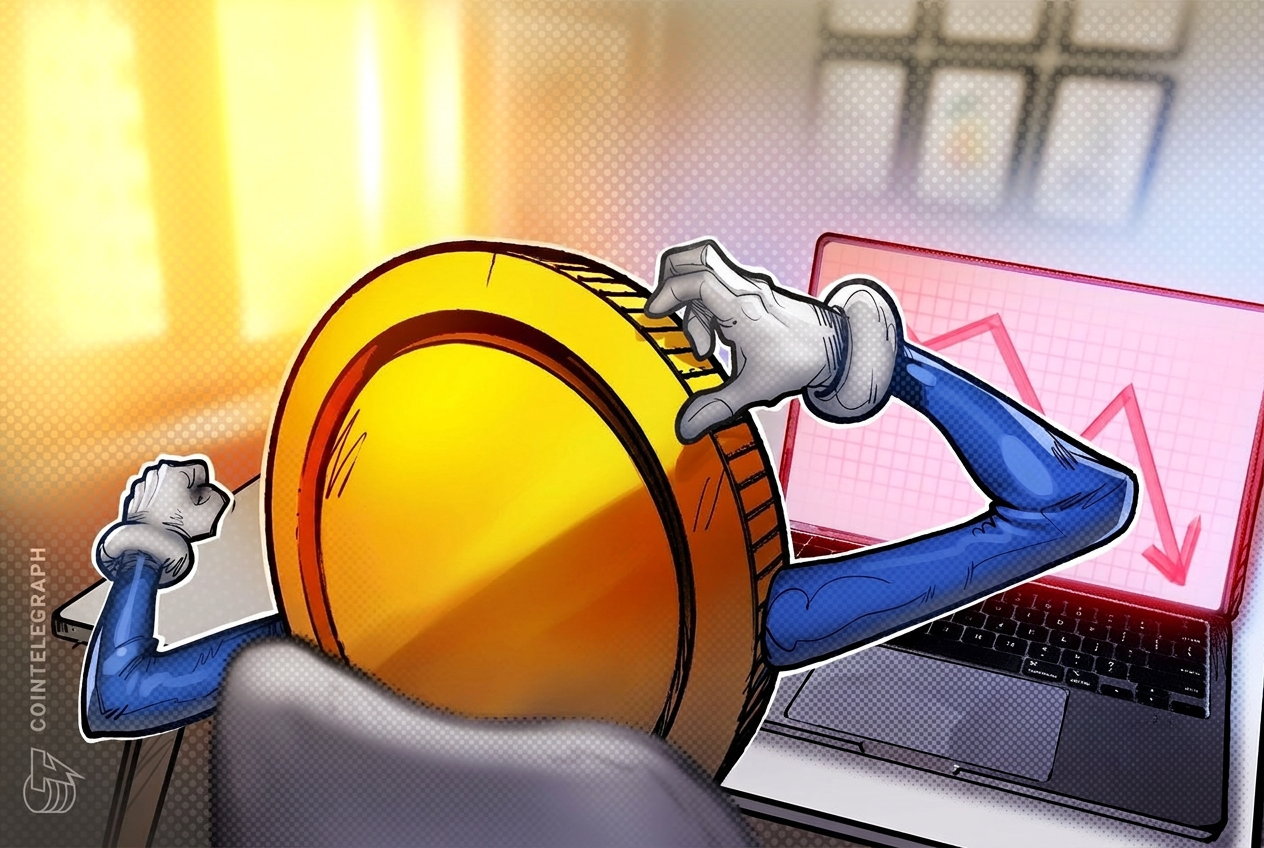
In June, Durov announced that Gram — a crypto project he founded in 2019 — would return to its original name, and Telegram would take full control over it. Following the announcement of charges against Durov, the Gram exchange rate slightly declined, dropping on July 29 from $1.45 to a daily low of $1.38. Within 24 hours, the token's rate recovered to around $1.42. However, the Gram rate remains significantly below its May 8 peak of just over $2.70 and is down 14% over the year.

end-content

Preguntas relacionadas

QWhat recommendation did Russian MP Andrey Svintsov make regarding cryptocurrency purchases?

AAndrey Svintsov recommended that Russian citizens stop buying the Gram cryptocurrency and avoid any financial transactions through Telegram channels until official comments from Roskomnadzor and the FSB are received.

QWhat demands do Russian authorities have for Pavel Durov and Telegram?

ARussian authorities demand that Telegram open an office in Russia, store user data within the country, and cooperate with intelligence services.

QWhat is the main accusation made by the FSB against Pavel Durov in Russia?

AThe FSB accuses Pavel Durov of facilitating terrorist activity, alleging that Telegram failed to delete numerous channels, chats, and bots used by Ukrainian intelligence and extremist groups for sabotage, terrorism, and other illegal acts on Russian territory.

QWhich specific Telegram bot is mentioned in connection with the criminal case against Pavel Durov?

AThe criminal case is linked to a dating chat-bot named 'Dayvinchik/Leo', which has over 13 million users. The FSB claims Ukrainian intelligence agents used this bot to recruit young Russians by posing as women.

QHow did the price of the Gram token react following the announcement of charges against Pavel Durov?

AFollowing the announcement, the price of Gram slightly declined, dropping from $1.45 to a daily low of $1.38 on July 29th. It recovered to around $1.42 within 24 hours, but remains well below its peak of over $2.70 on May 8th.

Lecturas Relacionadas

Los inversores comienzan a 'cambiar de mesa'

Los inversores están cambiando de "mesa de juego". Mientras los sectores de tecnología avanzada (hard tech) como la IA y la robótica experimentan una efervescencia de financiación, con rondas de inversión rápidas y millonarias, muchos profesionales de capital riesgo están reconsiderando sus opciones profesionales. En lugar de competir en mercados saturados, un número creciente de inversores, incluidos socios y directores de fondos, está pasando activamente al lado empresarial. Buscan roles en empresas emergentes, a menudo en puestos de liderazgo como vicepresidentes, directores generales o incluso cofundadores, particularmente en sectores punteros como IA, robótica o aeroespacial. Este movimiento es una elección deliberada, facilitada por una reactivación del mercado: los inversores institucionales (LP) están desembolsando más capital y las empresas tecnológicas líderes tienen una necesidad urgente de talento con experiencia en capital riesgo para gestionar sus intensos procesos de financiación. Empresas destacadas están reforzando activamente sus equipos financieros. Para los inversores, el cambio ofrece una vía para aplicar su experiencia en un entorno donde la saturación de fondos en ciertos sectores, la presión regulatoria y la incertidumbre en la rentabilidad de las salidas a bolsa generan nuevas dudas sobre el modelo tradicional. No obstante, la transición conlleva retos, como adaptarse a la cultura operativa de una empresa. Este fenómeno refleja una ampliación de las fronteras profesionales en el ecosistema de inversión.

marsbitHace 8 min(s)

Los inversores comienzan a 'cambiar de mesa'

marsbitHace 8 min(s)

¡La comunidad de Ethereum está dividida! ¿A quién perjudica la EIP-8363?

La comunidad de Ethereum está profundamente dividida por la propuesta EIP-8363, que busca modificar los incentivos de staking. Presentada por investigadores como Jérôme de Tychey y Justin Drake, su objetivo es instalar una "pendiente de rendimiento decreciente" para la emisión en la capa de consenso. **¿Qué propone?** La EIP-8363 introduciría un mecanismo de "quema de emisión gradual". No establece un límite máximo de ETH en staking, pero sí haría que las recompensas netas de emisión por consenso para los validadores disminuyan gradualmente a medida que el total apostado se acerca al 50% del suministro total de ETH (fijado en 60.25 millones). Al alcanzar o superar ese umbral, estas recompensas se reducirían a cero. Los ingresos por fees prioritarios y MEV en la capa de ejecución no se verían afectados. Se propone un período de transición de 18 meses para suavizar el impacto. **Argumentos a favor:** Los proponentes argumentan que el protocolo actual incentiva eternamente más staking, lo que podría centralizar los validadores en grandes custodios y servicios. También señalan que los holders que no hacen staking sufren una dilución continua por la nueva emisión, debilitando al ETH nativo como activo neutral frente a los LST (Liquid Staking Tokens). **Reacciones y críticas:** La respuesta comunitaria ha sido mayoritariamente crítica: - Se cuestiona la predictibilidad de los flujos de caja para instituciones. - Hay preocupación de que unos rendimientos muy bajos expulsen a los validadores individuales (solo stakers), aumentando la centralización en manos de grandes actores con menores costes. - Se critica el momento de la presentación, poco antes del corte para la futura actualización Hegotá. - Se advierte sobre el impacto negativo en estrategias DeFi basadas en LST, préstamos y apalancamiento, que dependen del rendimiento del staking. **Posibles consecuencias:** - **Validadores individuales:** Serían los más afectados por costes fijos y mayor tiempo para recuperar penalizaciones. - **Tokens de LST (como stETH):** Su ventaja de rendimiento sobre el ETH nativo se reduciría, desafiando su modelo de valor. - **Ecosistema DeFi:** Podría contraerse la demanda de préstamos en ETH y estrategias de apalancamiento basadas en rendimientos. - **Holders de ETH:** Se beneficiarían colectivamente de una menor dilución, aunque el efecto neto en el precio dependería también de la demanda y la quema de tarifas EIP-1559. En resumen, la EIP-8363 busca fortalecer la neutralidad del ETH y controlar la centralización, pero genera temores sobre la seguridad descentralizada, la salud del ecosistema DeFi y la estabilidad de los incentivos económicos de Ethereum.

marsbitHace 40 min(s)

¡La comunidad de Ethereum está dividida! ¿A quién perjudica la EIP-8363?

marsbitHace 40 min(s)

Trading

Spot
活动图片