You've Been Training Google's AI for Free for 15 Years, Completely Unaware

marsbit發佈於 2026-03-18更新於 2026-03-18

文章摘要

For 15 years, Google has leveraged reCAPTCHA to harness free human labor to train its AI, unbeknownst to users. Initially created to digitize books by having users transcribe distorted text, the system evolved under Google's ownership. With reCAPTCHA v2, users were tasked with identifying objects like traffic lights and crosswalks in images from Google Street View. This provided massive, free training data for Google's computer vision models, directly benefiting products like Google Maps and the autonomous vehicle company Waymo, valued at $45 billion. At its peak, 200 million reCAPTCHAs were solved daily, amounting to 500,000 hours of free human labor—worth an estimated $5 million per day at minimum wage. This data-labeling operation, embedded as a mandatory gateway to essential websites, was unparalleled in scale and cost-efficiency. The latest version, reCAPTCHA v3, invisibly analyzes user behavior to verify humanity, further feeding AI systems. The profound irony is that users spent years proving they were human by performing tasks AI couldn't do, thereby training the very systems that now make their contributions obsolete. Google never asked for consent, paid for this labor, or disclosed its purpose, turning the entire internet-using population into unwitting, unpaid trainers for its commercial AI empire.

Every day, about 500,000 hours of human labor are utilized for free by Google. And the people contributing this labor are simply trying to log into their online banking.

reCAPTCHA is the most successful covert data operation in internet history. At its peak, 200 million people completed the verification daily. But almost no one realized what each click truly meant.

Google's self-driving car company, Waymo, now has a market valuation of $45 billion. A significant portion of its core training data was provided for free by you while accessing various websites.

Here is the full story:

The Origin: A Clever Concept

In 2000, spam bots were destroying the internet. Forums were flooded, inboxes were clogged, and websites desperately needed a way to distinguish humans from machines.

Professor Luis von Ahn from Carnegie Mellon University solved this problem. He invented the CAPTCHA: a distorted text that only humans could read, which bots couldn't pass.

But von Ahn saw more. Millions of people were expending effort on these challenges. What if this effort could do two things at once?

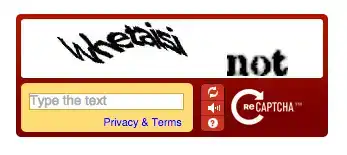
In 2007, he launched reCAPTCHA. Its brilliance lay in this: it no longer showed random gibberish, but two words. One was known to the system, the other was a real scanned word from books that computers couldn't yet recognize. Your response helped digitize these books.

These books came from The New York Times archives and Google Books, numbering up to 130 million volumes.

You thought you were just logging into a regular website, but you were actually doing OCR (Optical Character Recognition) for the world's largest digital library.

In 2009, Google officially acquired reCAPTCHA.
Later, Google Changed the Game

The era of "distorted text" ended around 2012.

Google faced a new challenge: its Street View cars had photographed every road globally, but the photos were just raw data. For AI to be useful, it needed to understand what it saw: road signs, crosswalks, traffic lights, storefronts.

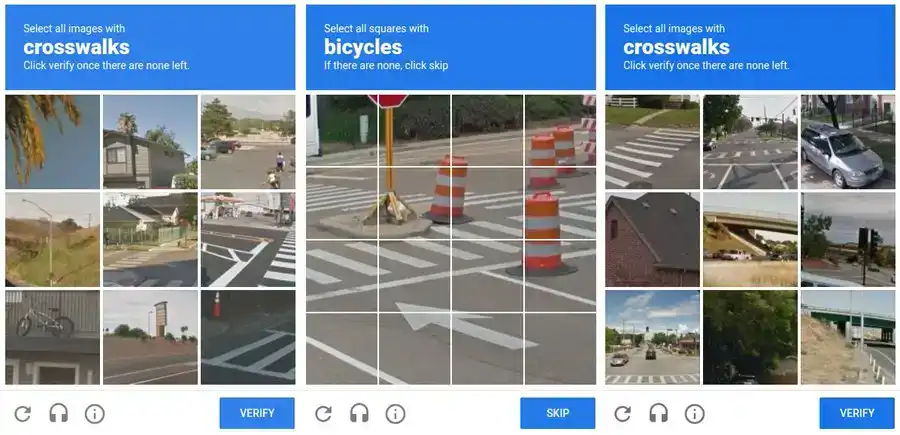
So Google redesigned reCAPTCHA v2. Instead of distorted text, there were grids of photos. "Click all squares with traffic lights." "Select every crosswalk." "Identify the storefront."

These images came directly from Google Street View. Your clicks were the labels.

Every selection was telling Google's computer vision model: this cluster of pixels is a traffic light, that shape is a crosswalk. You weren't passing a test; you were building a dataset.
A Scale Beyond Imagination

At its peak, 200 million reCAPTCHAs were solved daily. Each challenge took about 10 seconds, meaning 2 billion seconds of human labor were generated every day. That's: 500,000 hours per day.

Paid data annotation costs roughly $10 to $50 per hour. Using the lowest estimate: the value of labor extracted for free daily was a staggering $5 million.

And reCAPTCHA isn't just on one app. It's embedded in every bank, every government portal, every e-commerce site. You had no choice: want to log into your account? Label this dataset first. Google never asked for your consent, never paid a cent in wages, and never even told you about it.
What Did All This Create?

This data fed directly into two products:

- Google Maps: The world's most used navigation tool. Its ability to recognize road signs, stores, and urban geography is partly thanks to billions of human annotations made while logging into websites.

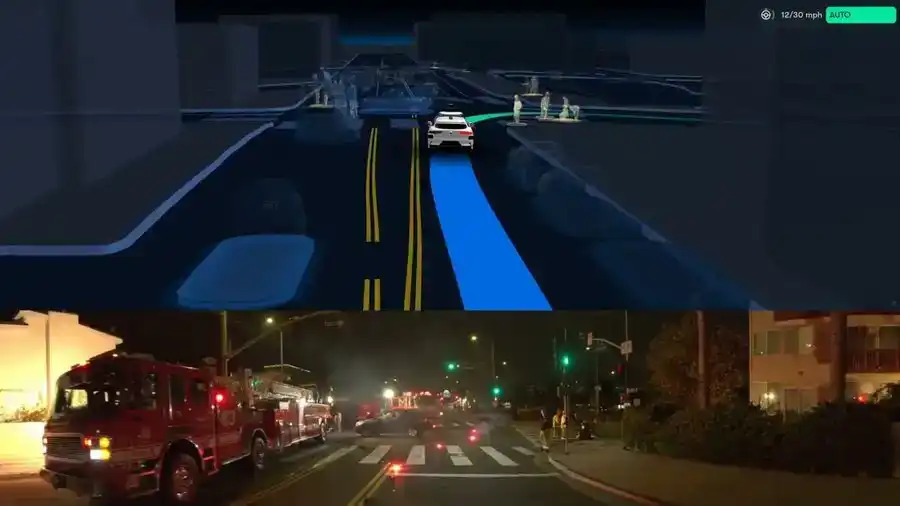
- Waymo: Google's self-driving project. To navigate, autonomous vehicles need near-perfect recognition of thousands of visual patterns.

The ground truth training data for that recognition work was precisely what millions of people labeled unknowingly through reCAPTCHA. Waymo completed over 4 million paid rides in 2024 and is valued at $45 billion. Its foundation was laid by "unpaid internet citizens" who just wanted to check their email.

Why Can't Anyone Replicate This Model?

Data annotation is extremely expensive. Companies like Scale AI, Appen, and Labelbox exist to solve this problem, employing hundreds of thousands of workers, sometimes for less than $1 per hour.

Google's solution was different: they made annotation mandatory. No payment, no consent required; it's the "ticket" to enter every corner of the internet. The result: billions of labeled images, global coverage, all-weather conditions, every city in the world. No annotation company could achieve this. The internet itself is the factory, and every netizen is an unsigned contract worker.
You Are Still Participating Today

reCAPTCHA v3, launched in 2018, doesn't even show a challenge. It observes how you move your mouse, your scrolling speed, your dwell time. Your behavioral fingerprint tells it if you're human. This behavioral data also feeds back into Google's AI systems.

You never actively opted in; there was never a checkbox for you to tick. But right now, on most websites you visit, you are still doing it.

The Disturbing Irony

Luis von Ahn's original intention was genius: to turn wasted human effort into useful output. But what Google did with this vision is another matter. They leveraged a security mechanism users had to use, deployed it across the entire web, and harvested the output to build commercial products worth hundreds of billions of dollars. The users gained nothing, and knew nothing.

The deepest irony is this: You spent years proving you were human by doing visual recognition work that AI couldn't yet do. And once AI learned it, human visual annotation was no longer needed.

You proved you were human, only to make yourself replaceable.

相關問答

QWhat was the original purpose of CAPTCHA and who invented it?

AThe original purpose of CAPTCHA was to distinguish humans from spam bots that were flooding forums and inboxes. It was invented by Professor Luis von Ahn from Carnegie Mellon University in 2000.

QHow did reCAPTCHA system, acquired by Google in 2009, utilize human effort beyond just verification?

AThe reCAPTCHA system displayed two words: one the system already knew and another from a real book that computers couldn't recognize. By solving these, users were unknowingly helping to digitize books from sources like The New York Times archive and Google Books, performing free Optical Character Recognition (OCR) labor.

QWhat major shift occurred with the introduction of reCAPTCHA v2 and what new type of data did it collect?

AreCAPTCHA v2 replaced distorted text with image grids from Google Street View. It asked users to identify objects like traffic lights, crosswalks, and storefronts. Each click labeled these images, providing massive amounts of training data for Google's computer vision models.

QAccording to the article, what is the estimated daily value of the free human labor extracted through reCAPTCHA at its peak?

AAt its peak, with 200 million reCAPTCHAs solved daily, taking 10 seconds each, it amounted to 500,000 hours of human labor per day. Valued at a minimum of $10 per hour for data labeling, this free labor was worth an estimated $5 million daily.

QWhich two major Google products directly benefited from the data collected via reCAPTCHA, as stated in the article?

AThe two major Google products that directly benefited from the reCAPTCHA data are Google Maps, which improved its ability to recognize signs, shops, and geography, and Waymo, Google's self-driving car project, which used the labeled visual data as foundational training for its autonomous vehicles.

你可能也喜歡

交易

現貨
合約

熱門文章

什麼是 $S$

理解 SPERO:全面概述 SPERO 簡介 隨著創新領域的不斷演變,web3 技術和加密貨幣項目的出現在塑造數字未來中扮演著關鍵角色。在這個動態領域中,SPERO(標記為 SPERO,$$s$)是一個引起關注的項目。本文旨在收集並呈現有關 SPERO 的詳細信息,以幫助愛好者和投資者理解其基礎、目標和在 web3 和加密領域內的創新。 SPERO,$$s$ 是什麼? SPERO,$$s$ 是加密空間中的一個獨特項目,旨在利用去中心化和區塊鏈技術的原則,創建一個促進參與、實用性和金融包容性的生態系統。該項目旨在以新的方式促進點對點互動,為用戶提供創新的金融解決方案和服務。 SPERO,$$s$ 的核心目標是通過提供增強用戶體驗的工具和平台來賦能個人。這包括使交易方式更加靈活、促進社區驅動的倡議,以及通過去中心化應用程序(dApps)創造金融機會的途徑。SPERO,$$s$ 的基本願景圍繞包容性展開,旨在彌合傳統金融中的差距,同時利用區塊鏈技術的優勢。 誰是 SPERO,$$s$ 的創建者? SPERO,$$s$ 的創建者身份仍然有些模糊,因為公開可用的資源對其創始人提供的詳細背景信息有限。這種缺乏透明度可能源於該項目對去中心化的承諾——這是一種許多 web3 項目所共享的精神,優先考慮集體貢獻而非個人認可。 通過將討論重心放在社區及其共同目標上,SPERO,$$s$ 體現了賦能的本質,而不特別突出某些個體。因此,理解 SPERO 的精神和使命比識別單一創建者更為重要。 誰是 SPERO,$$s$ 的投資者? SPERO,$$s$ 得到了來自風險投資家到天使投資者的多樣化投資者的支持,他們致力於促進加密領域的創新。這些投資者的關注點通常與 SPERO 的使命一致——優先考慮那些承諾社會技術進步、金融包容性和去中心化治理的項目。 這些投資者通常對不僅提供創新產品,還對區塊鏈社區及其生態系統做出積極貢獻的項目感興趣。這些投資者的支持強化了 SPERO,$$s$ 作為快速發展的加密項目領域中的一個重要競爭者。 SPERO,$$s$ 如何運作? SPERO,$$s$ 採用多面向的框架,使其與傳統的加密貨幣項目區別開來。以下是一些突顯其獨特性和創新的關鍵特徵: 去中心化治理:SPERO,$$s$ 整合了去中心化治理模型,賦予用戶積極參與決策過程的權力,關於項目的未來。這種方法促進了社區成員之間的擁有感和責任感。 代幣實用性:SPERO,$$s$ 使用其自己的加密貨幣代幣,旨在在生態系統內部提供多種功能。這些代幣使交易、獎勵和平台上提供的服務得以促進,增強了整體參與度和實用性。 分層架構:SPERO,$$s$ 的技術架構支持模塊化和可擴展性,允許在項目發展過程中無縫整合額外的功能和應用。這種適應性對於在不斷變化的加密環境中保持相關性至關重要。 社區參與:該項目強調社區驅動的倡議,採用激勵合作和反饋的機制。通過培養強大的社區,SPERO,$$s$ 能夠更好地滿足用戶需求並適應市場趨勢。 專注於包容性:通過提供低交易費用和用戶友好的界面,SPERO,$$s$ 旨在吸引多樣化的用戶群體,包括那些以前可能未曾參與加密領域的個體。這種對包容性的承諾與其通過可及性賦能的總體使命相一致。 SPERO,$$s$ 的時間線 理解一個項目的歷史提供了對其發展軌跡和里程碑的關鍵見解。以下是建議的時間線,映射 SPERO,$$s$ 演變中的重要事件: 概念化和構思階段:形成 SPERO,$$s$ 基礎的初步想法被提出,與區塊鏈行業內的去中心化和社區聚焦原則密切相關。 項目白皮書的發布:在概念階段之後,發布了一份全面的白皮書,詳細說明了 SPERO,$$s$ 的願景、目標和技術基礎設施,以吸引社區的興趣和反饋。 社區建設和早期參與:積極進行外展工作,建立早期採用者和潛在投資者的社區,促進圍繞項目目標的討論並獲得支持。 代幣生成事件:SPERO,$$s$ 進行了一次代幣生成事件(TGE),向早期支持者分發其原生代幣,並在生態系統內建立初步流動性。 首次 dApp 上線:與 SPERO,$$s$ 相關的第一個去中心化應用程序(dApp)上線,允許用戶參與平台的核心功能。 持續發展和夥伴關係:對項目產品的持續更新和增強,包括與區塊鏈領域其他參與者的戰略夥伴關係,使 SPERO,$$s$ 成為加密市場中一個具有競爭力和不斷演變的參與者。 結論 SPERO,$$s$ 是 web3 和加密貨幣潛力的見證,能夠徹底改變金融系統並賦能個人。憑藉對去中心化治理、社區參與和創新設計功能的承諾,它為更具包容性的金融環境鋪平了道路。 與任何在快速發展的加密領域中的投資一樣,潛在的投資者和用戶都被鼓勵進行徹底研究,並對 SPERO,$$s$ 的持續發展進行深思熟慮的參與。該項目展示了加密行業的創新精神,邀請人們進一步探索其無數可能性。儘管 SPERO,$$s$ 的旅程仍在展開,但其基礎原則確實可能影響我們在互聯網數字生態系統中如何與技術、金融和彼此互動的未來。

85 人學過發佈於 2024.12.17更新於 2024.12.17

什麼是 $S$

什麼是 AGENT S

Agent S:Web3中自主互動的未來 介紹 在不斷演變的Web3和加密貨幣領域,創新不斷重新定義個人如何與數字平台互動。Agent S是一個開創性的項目,承諾通過其開放的代理框架徹底改變人機互動。Agent S旨在簡化複雜任務,為人工智能(AI)提供變革性的應用,鋪平自主互動的道路。本詳細探索將深入研究該項目的複雜性、其獨特特徵以及對加密貨幣領域的影響。 什麼是Agent S? Agent S是一個突破性的開放代理框架,專門設計用來解決計算機任務自動化中的三個基本挑戰: 獲取特定領域知識:該框架智能地從各種外部知識來源和內部經驗中學習。這種雙重方法使其能夠建立豐富的特定領域知識庫,提升其在任務執行中的表現。 長期任務規劃:Agent S採用經驗增強的分層規劃,這是一種戰略方法,可以有效地分解和執行複雜任務。此特徵顯著提升了其高效和有效地管理多個子任務的能力。 處理動態、不均勻的界面:該項目引入了代理-計算機界面(ACI),這是一種創新的解決方案,增強了代理和用戶之間的互動。利用多模態大型語言模型(MLLMs),Agent S能夠無縫導航和操作各種圖形用戶界面。 通過這些開創性特徵,Agent S提供了一個強大的框架,解決了自動化人機互動中涉及的複雜性,為AI及其他領域的無數應用奠定了基礎。 誰是Agent S的創建者? 儘管Agent S的概念根本上是創新的,但有關其創建者的具體信息仍然難以捉摸。創建者目前尚不清楚,這突顯了該項目的初期階段或戰略選擇將創始成員保密。無論是否匿名,重點仍然在於框架的能力和潛力。 誰是Agent S的投資者? 由於Agent S在加密生態系統中相對較新,關於其投資者和財務支持者的詳細信息並未明確記錄。缺乏對支持該項目的投資基礎或組織的公開見解,引發了對其資金結構和發展路線圖的質疑。了解其支持背景對於評估該項目的可持續性和潛在市場影響至關重要。 Agent S如何運作? Agent S的核心是尖端技術,使其能夠在多種環境中有效運作。其運營模型圍繞幾個關鍵特徵構建: 類人計算機互動:該框架提供先進的AI規劃,力求使與計算機的互動更加直觀。通過模仿人類在任務執行中的行為,承諾提升用戶體驗。 敘事記憶:用於利用高級經驗,Agent S利用敘事記憶來跟蹤任務歷史,從而增強其決策過程。 情節記憶:此特徵為用戶提供逐步指導,使框架能夠在任務展開時提供上下文支持。 支持OpenACI:Agent S能夠在本地運行,使用戶能夠控制其互動和工作流程,與Web3的去中心化理念相一致。 與外部API的輕鬆集成:其多功能性和與各種AI平台的兼容性確保了Agent S能夠無縫融入現有技術生態系統,成為開發者和組織的理想選擇。 這些功能共同促成了Agent S在加密領域的獨特地位,因為它以最小的人類干預自動化複雜的多步任務。隨著項目的發展,其在Web3中的潛在應用可能重新定義數字互動的展開方式。 Agent S的時間線 Agent S的發展和里程碑可以用一個時間線來概括,突顯其重要事件: 2024年9月27日:Agent S的概念在一篇名為《一個像人類一樣使用計算機的開放代理框架》的綜合研究論文中推出,展示了該項目的基礎工作。 2024年10月10日:該研究論文在arXiv上公開,提供了對框架及其基於OSWorld基準的性能評估的深入探索。 2024年10月12日:發布了一個視頻演示,提供了對Agent S能力和特徵的視覺洞察,進一步吸引潛在用戶和投資者。 這些時間線上的標記不僅展示了Agent S的進展,還表明了其對透明度和社區參與的承諾。 有關Agent S的要點 隨著Agent S框架的持續演變,幾個關鍵特徵脫穎而出,強調其創新性和潛力: 創新框架:旨在提供類似人類互動的直觀計算機使用,Agent S為任務自動化帶來了新穎的方法。 自主互動:通過GUI自主與計算機互動的能力標誌著向更智能和高效的計算解決方案邁進了一步。 複雜任務自動化:憑藉其強大的方法論,能夠自動化複雜的多步任務,使過程更快且更少出錯。 持續改進:學習機制使Agent S能夠從過去的經驗中改進,不斷提升其性能和效率。 多功能性:其在OSWorld和WindowsAgentArena等不同操作環境中的適應性確保了它能夠服務於廣泛的應用。 隨著Agent S在Web3和加密領域中的定位,其增強互動能力和自動化過程的潛力標誌著AI技術的一次重大進步。通過其創新框架,Agent S展現了數字互動的未來,為各行各業的用戶承諾提供更無縫和高效的體驗。 結論 Agent S代表了AI與Web3結合的一次大膽飛躍,具有重新定義我們與技術互動方式的能力。儘管仍處於早期階段,但其應用的可能性廣泛且引人入勝。通過其全面的框架解決關鍵挑戰,Agent S旨在將自主互動帶到數字體驗的最前沿。隨著我們深入加密貨幣和去中心化的領域,像Agent S這樣的項目無疑將在塑造技術和人機協作的未來中發揮關鍵作用。

680 人學過發佈於 2025.01.14更新於 2025.01.14

什麼是 AGENT S

如何購買S

歡迎來到HTX.com!在這裡,購買Sonic (S)變得簡單而便捷。跟隨我們的逐步指南,放心開始您的加密貨幣之旅。第一步:創建您的HTX帳戶使用您的 Email、手機號碼在HTX註冊一個免費帳戶。體驗無憂的註冊過程並解鎖所有平台功能。立即註冊第二步:前往買幣頁面,選擇您的支付方式信用卡/金融卡購買:使用您的Visa或Mastercard即時購買Sonic (S)。餘額購買:使用您HTX帳戶餘額中的資金進行無縫交易。第三方購買:探索諸如Google Pay或Apple Pay等流行支付方式以增加便利性。C2C購買:在HTX平台上直接與其他用戶交易。HTX 場外交易 (OTC) 購買:為大量交易者提供個性化服務和競爭性匯率。第三步:存儲您的Sonic (S)購買Sonic (S)後,將其存儲在您的HTX帳戶中。您也可以透過區塊鏈轉帳將其發送到其他地址或者用於交易其他加密貨幣。第四步:交易Sonic (S)在HTX的現貨市場輕鬆交易Sonic (S)。前往您的帳戶,選擇交易對,執行交易,並即時監控。HTX為初學者和經驗豐富的交易者提供了友好的用戶體驗。

1.4k 人學過發佈於 2025.01.15更新於 2025.03.21

如何購買S

相關討論

歡迎來到 HTX 社群。在這裡,您可以了解最新的平台發展動態並獲得專業的市場意見。 以下是用戶對 S (S)幣價的意見。

活动图片