Trump Crypto Deal Triggers JPMorgan Risk Debate After $500M Abu Dhabi Stake Revelation

bitcoinist發佈於 2026-02-04更新於 2026-02-04

文章摘要

A $500 million investment by Abu Dhabi's Sheikh Tahnoon bin Zayed Al Nahyan into Trump-linked crypto platform World Liberty Financial (WLFI) has sparked a debate on political influence and regulatory risk. The deal, signed days before Trump's inauguration, has drawn scrutiny from US lawmakers, including Senator Elizabeth Warren. Trump has denied involvement. The revelation coincides with a lawsuit from Trump against JPMorgan Chase over alleged politically motivated account closures, and public clashes between CEO Jamie Dimon and crypto firms. The deal's scale, foreign involvement, and timing, coupled with Sheikh Tahnoon's role in a US-approved AI firm, have amplified concerns about transparency and influence, putting a spotlight on how major banks navigate crypto-related risks.

A reported $500 million investment by an Abu Dhabi royal into a Trump-linked crypto venture is reverberating well beyond the digital asset space, feeding into a broader debate about political influence, regulatory oversight, and how major financial institutions such as JPMorgan Chase navigate crypto-related risk.

The timing of the deal, just days before Donald Trump’s inauguration, has sharpened scrutiny at a moment when the bank is already facing a high-profile lawsuit from the US president and renewed tension with crypto firms.
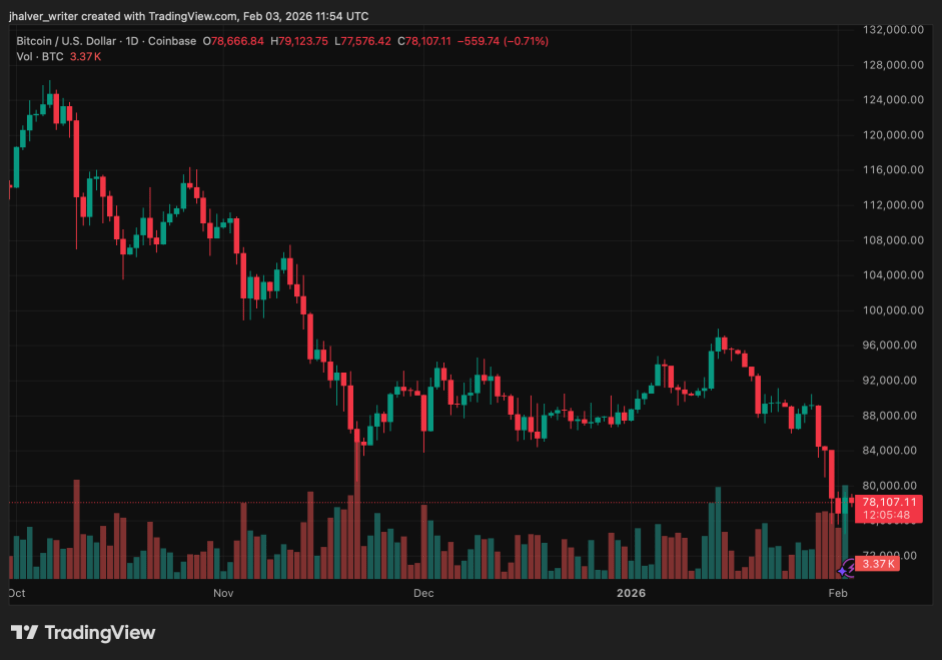
BTC's price trends to the downside on the daily chart. Source: BTCUSD on Tradingview

$500M World Liberty Financial Deal Draws Political Scrutiny

According to reporting by The Wall Street Journal, entities linked to Sheikh Tahnoon bin Zayed Al Nahyan acquired a 49% stake in World Liberty Financial (WLFI), a cryptocurrency platform tied to the Trump family, for $500 million.

The agreement was reportedly signed by Eric Trump four days before Trump returned to office. Trump has denied any knowledge of the transaction, stating that his sons manage the business independently.

The investment was structured in phases, beginning with an initial $250 million payment. Of that amount, about $187 million reportedly went to Trump-family-linked entities, with additional allocations to other WLFI founders. If completed in full, the deal would make the Tahnoon-backed vehicle WLFI’s largest shareholder.

The scale, foreign involvement, and timing of the investment have raised questions among US lawmakers, including calls from Senator Elizabeth Warren to pause regulatory reviews involving WFLI. No investigation has been announced, and WLFI has said the transaction was conducted independently of President Trump.

JPMorgan Lawsuit and Crypto Tensions Collide

The revelation comes as JPMorgan Chase faces a lawsuit from Trump alleging politically motivated account closures. The bank has said its decisions comply with legal and regulatory requirements.

Separately, JPMorgan CEO Jamie Dimon has clashed publicly with Coinbase leadership over crypto regulation, highlighting ongoing friction between traditional banks and digital asset firms.

For investors, these overlapping headlines bring renewed attention to how JPMorgan manages reputational and regulatory risk.

The bank’s stock has delivered strong multi-year returns, but analysts note that political controversy, legal costs, and shifting crypto policy could weigh on sentiment, particularly as regulators focus more closely on “debanking” practices and banks’ exposure to digital assets.

Why the Deal Resonates Beyond Crypto

The Abu Dhabi stake has drawn added attention because Sheikh Tahnoon also chairs G42, an AI firm that recently received US approval to purchase advanced chips from American suppliers.

While no wrongdoing has been alleged, the overlap between foreign capital, sensitive technology approvals, and a Trump-linked crypto venture has amplified concerns about transparency and influence.

Cover image from ChatGPT, BTCUSD chart on Tradingview

相關問答

QWhat is the significance of the $500 million investment by an Abu Dhabi royal into a Trump-linked crypto venture?

AThe $500 million investment is significant because it has sparked a broader debate about political influence, regulatory oversight, and how major financial institutions like JPMorgan navigate crypto-related risks. Its timing just before Trump's inauguration and the involvement of a foreign entity have drawn intense political scrutiny.

QWhich company received the investment and who is its largest shareholder as a result of the deal?

AThe investment was made into World Liberty Financial (WLFI), a cryptocurrency platform tied to the Trump family. If completed in full, the deal would make the Tahnoon-backed vehicle WLFI's largest shareholder with a 49% stake.

QHow has US Senator Elizabeth Warren reacted to the World Liberty Financial deal?

ASenator Elizabeth Warren has called for a pause on regulatory reviews involving World Liberty Financial (WLFI) in response to the deal.

QWhat two major issues is JPMorgan Chase currently facing that are mentioned in the article?

AJPMorgan Chase is currently facing a lawsuit from former President Trump alleging politically motivated account closures, and its CEO, Jamie Dimon, is engaged in public clashes with crypto firms like Coinbase over regulation.

QWhy does the article state the deal 'resonates beyond crypto,' citing Sheikh Tahnoon's other role?

AThe deal resonates beyond crypto because Sheikh Tahnoon also chairs G42, an AI firm that recently received US approval to purchase advanced chips from American suppliers. This overlap between foreign capital, sensitive technology approvals, and a Trump-linked venture amplifies concerns about transparency and influence.

你可能也喜歡

不可能三角根本就是伪问题

加密行业构建了强大的密码学系统,但默认状态下却无法保护用户资金的隐私,所有交易和持仓都公开可查,这成为大规模资金入场的主要障碍。文章认为,区块链本质上是一台无人拥有的慢速、昂贵计算机,其核心价值在于提供无需许可的准入和去中心化信任。资金(尤其是稳定币)是天然适合上链的资产,因为账本记录即资产本身。 然而,行业长期关注的“不可能三角”(去中心化、可扩展性、安全性)并非真正瓶颈。实际阻碍在于两大设计缺陷:合法性与隐私。合法性方面,无许可特性导致监管灰色地带,但随着美国《GENIUS法案》等监管框架落地,合规环境正在改善。 更关键的缺陷是“透明度税”。链上所有交易公开,导致用户面临MEV(矿工可提取价值)被抢跑、夹击等风险,这实质上是一种持续的成本。对于家族办公室、大型机构等严肃资本而言,公开资产负债表是无法接受的。隐私并非与合规对立,现代密码学(如零知识证明)允许在不泄露具体数据的情况下证明合规性(如偿付能力、KYC),实现“可证明的合规隐私”。 作者指出,为链上交易添加隐私保护是一次纯粹升级,它将把加密系统从“公开的谷歌表格”转变为能保守秘密的共享机器,从而吸引数万亿规模的机构资金,真正释放区块链的潜力。

链捕手10 小時前

不可能三角根本就是伪问题

链捕手10 小時前

光芯片,集体扩产

近日,全球光芯片产业链密集出现扩产、投资与供应链绑定动作,以满足AI数据中心对光互连能力激增的需求。 美国方面,Coherent获政府资助扩建德州6英寸磷化铟(InP)产线,产能将提升至4倍,NVIDIA已对其战略投资并锁定未来产能。Lumentum在北卡罗来纳州新建激光器工厂,Nokia则在宾夕法尼亚扩建光子芯片先进测试与封装产能。日本材料商JX Advanced Metals计划大幅投资,将InP衬底产能提升7-10倍。欧洲方面,IQE与Tower Semiconductor达成InP外延片供应协议,推动硅光平台与III-V材料集成;ST计划在法国大幅提升300mm硅光产能;Sivers Semiconductors与格芯合作开发集成激光器的硅光方案。 国内光芯片产业链同样迅猛发展。东山精密旗下索尔思光电宣布投资12亿美元在常州扩建光芯片及光模块产能。三安光电已具备6英寸InP光芯片量产能力,云南锗业亦启动磷化铟单晶片扩产项目。产业链正从模块组装向材料、芯片、封测等全环节延伸。 行业分析指出,无论未来采用可插拔、CPO(共封装光学)还是其他架构,AI算力增长对带宽的需求将持续推高光芯片用量。目前CPO面临技术挑战,可能放缓落地,但光源路线呈现多元化(如硅光+连续波激光器、VCSEL、MicroLED等),将在不同应用场景分层并存。这场全球扩产竞赛实质是各国对AI数据中心光互连时代的关键布局,光子产业链已进入白热化竞争阶段。

marsbit13 小時前

光芯片,集体扩产

marsbit13 小時前

交易

現貨
合約
活动图片