Is South Korea set to get its own KRW-pegged stablecoin soon?

ambcrypto發佈於 2026-03-28更新於 2026-03-28

文章摘要

South Korea is moving closer to potentially launching its own KRW-pegged stablecoin, driven by its large and active retail crypto market. With over 18 million citizens already participating in crypto trading, the market is fast-moving and retail-focused, at times rivalling traditional equity markets. However, inefficiencies like the "Kimchi Premium"—where crypto assets trade at higher prices on local exchanges—highlight strong local demand and limited capital flow flexibility. A KRW-backed stablecoin could reduce reliance on USD-based stablecoins, improve liquidity in KRW trading pairs, enable faster settlement, and leverage existing market support from large players on Korean exchanges. Despite the potential benefits, regulatory hurdles remain a significant challenge.

South Korea could be closer than expected to launching its own stablecoin! With chatter around a KRW-backed token picking up, the country is becoming one of the most closely watched markets.

Here’s why.

South Korea – One of the world’s biggest retail markets

With over 18 million citizens already participating, South Korean crypto trading is fast-moving and retail-centric. At multiple points, their activity has rivalled traditional equity markets!
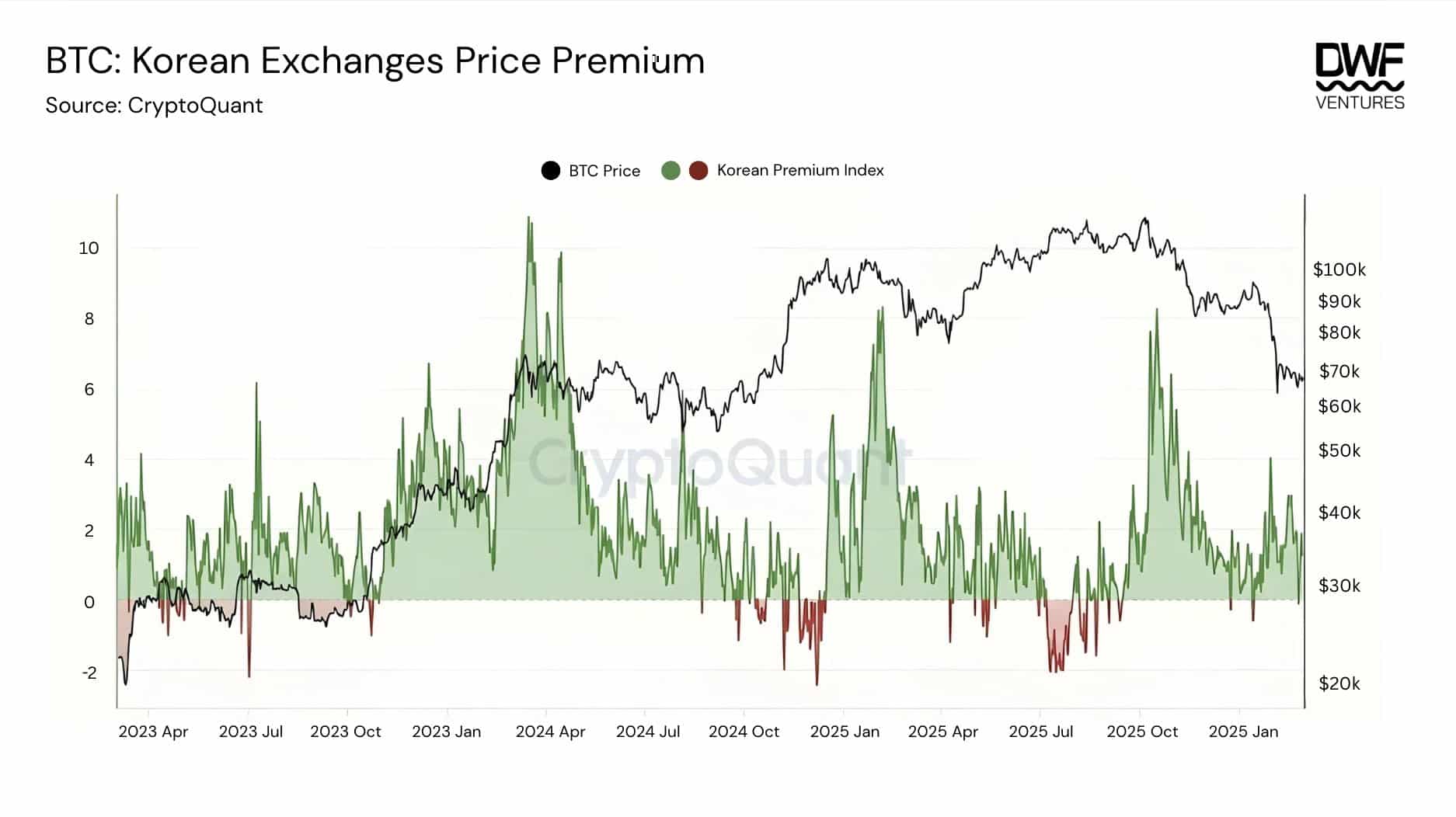
Source: DWF Ventures

However, this demand hasn’t always been efficient. The “Kimchi Premium,” where assets trade at higher prices on local exchanges, makes the gap between domestic and global markets clear. There’s both local demand and limited capital flow flexibility.

This is where a KRW stablecoin starts to make sense. A local alternative could reduce reliance on USD-based stablecoins and improve liquidity in KRW trading pairs. At the same time, it also helps achieve faster settlement.
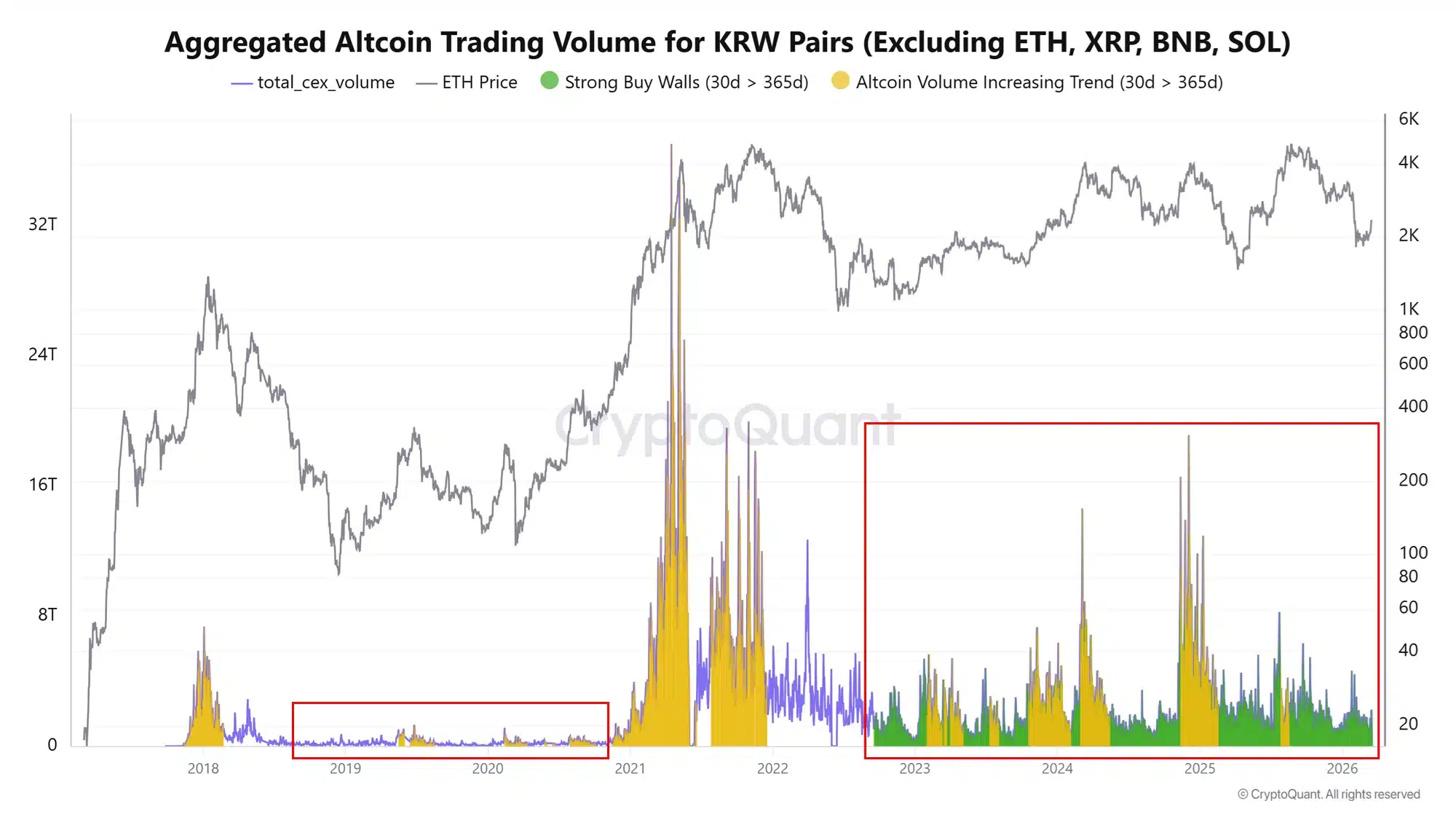
Source: Cryptoquant

And, here’s where it gets interesting; it’s not just the retail market. Large players on Korean exchanges have been absorbing sell-side pressure for years, creating a nice support wall that keeps liquidity intact.


Regulation is a hurdle

相關問答

QWhat is the main topic of the article regarding South Korea's financial market?

AThe article discusses the potential for South Korea to launch its own KRW-pegged stablecoin.

QWhy is South Korea considered a significant market for cryptocurrency trading?

ASouth Korea is one of the world's biggest retail markets for crypto, with over 18 million citizens participating in fast-moving, retail-centric trading.

QWhat is the 'Kimchi Premium' mentioned in the article?

AThe 'Kimchi Premium' refers to the phenomenon where crypto assets trade at higher prices on South Korean exchanges compared to global markets, highlighting local demand and limited capital flow flexibility.

QHow could a KRW-backed stablecoin benefit South Korea's crypto market?

AA KRW stablecoin could reduce reliance on USD-based stablecoins, improve liquidity in KRW trading pairs, and achieve faster settlement.

QWhat is identified as a major hurdle for the implementation of a KRW stablecoin in South Korea?

ARegulation is mentioned as a hurdle for the implementation of a KRW stablecoin in South Korea.

你可能也喜歡

买 AI 会员返贫的打工人

《买 AI 会员返贫的打工人》一文揭示了在职场AI化浪潮下,打工人的真实困境与矛盾。企业纷纷将AI使用与KPI挂钩,却鲜少报销相关费用,迫使员工自掏腰包购买各类AI工具会员,形成“付费上班”的怪象。 文中讲述了多位打工人的经历:电商程序员龙燊每月在Cursor、ChatGPT等工具上花费上千元,虽显著提升了编码效率、获得了晋升与高额年终奖,但也陷入了技术依赖,并因效率提升后被迫“表演忙碌”而倍感焦虑;车企设计师芃芃在公司禁用外部AI的禁令与领导对AI出图的明确需求间挣扎,自费使用Midjourney等工具,却感到设计创意被工具稀释,且工作量因领导预期提高而倍增;国企程序员李花花在目睹同行因使用AI反而推高整体KPI后,陷入“不用怕落后,用了怕内卷”的恐慌,偷偷充值后仍惶惶不安。 此外,文章指出,免费AI工具(如豆包、Kimi)逐步收费,切断了打工人的廉价替代后路。而管理层常置身事外,只下达指令、考核结果,不承担成本与学习过程,将员工视为“AI代理”。尽管有创业者认为付费AI如同雇佣“百万年薪工程师”,物超所值,但对大多数打工人而言,AI在提升个体效率的同时,也带来了工作强度加剧、职业认同模糊、职场内卷升级以及无法摆脱的财务与技能依赖。最终,全员AI化可能并未让人更轻松,只是让“作业”变得更多,无人能提前“放学”。

marsbit39 分鐘前

买 AI 会员返贫的打工人

marsbit39 分鐘前

SK海力士万亿帝国的继承者们

2024年11月,SK集团会长崔泰源在家族活动上,向子女展示祖父崔钟贤的AI影像,强调“饮水思源”与继承“遗产”的责任。此时,SK海力士市值突破1000万亿韩元,成为韩国市值最高企业,但第三代继承人的安排却打破了传统财阀“长子接班”的旧剧本。 崔泰源与卢素英育有三名子女。长女崔允贞(1989年生)被视为最明显的接班候选,她拥有生物科学背景,现任SK生物制药高管及集团“成长支援部”主管,主导向AI精准医疗转型。其丈夫是AI基础设施创业者,属于技术精英联姻。 次女崔敏贞(1991年生)履历独特,曾自愿服役韩国海军并参与亚丁湾护航,后于SK海力士美国分公司处理国际政策。她现已离职在旧金山创立AI医疗公司,其丈夫是曾任驻韩美军军官的华裔企业家。她的经历与SK海力士所处的地缘政治环境紧密呼应。 长子崔仁根(1995年生)最符合传统继承人设定,毕业于布朗大学物理系,曾任职SK E&S,但于2025年加入麦肯锡首尔办公室,目前最为沉默,未持有集团股份,也未公开表态。 子女们的成长轨迹与父母高额离婚诉讼(涉及约1.38万亿韩元财产分割)的公共叙事交织。三人曾共同向法院提交未公开内容的请愿书。 随着SK海力士在AI周期中成为全球性地缘政治资产,崔家第三代的继承路径也发生了根本转变:接班合法性不再自动来自长子身份或股权,而是取决于在AI、生物科技、全球政策等新前沿领域证明自身能力。他们需要面对的,是如何在全球产业博弈中为集团挖掘新的“水源”。

marsbit48 分鐘前

SK海力士万亿帝国的继承者们

marsbit48 分鐘前

交易

現貨
合約
活动图片