From X.com to X Money: Musk's 25-Year Ambition for a Super App

marsbit發佈於 2026-03-12更新於 2026-03-12

文章摘要

Elon Musk's X Money, set for early public access in April 2026, marks his return to the fintech ambitions that began with X.com (later PayPal). Announced via a post on X, the payment product aims to transform the platform into an "Everything App" inspired by China’s WeChat, integrating social, banking, and payment services. Key features include a 6% APY on deposits—significantly higher than typical U.S. savings accounts—P2P transfers, Visa-powered instant settlements, metal debit cards, and cashback rewards. X has partnered with Visa and secured money transmitter licenses in over 40 U.S. states, with user funds held at FDIC-insured Cross River Bank. However, X Money faces challenges: a mature payments market with entrenched competitors like PayPal and Apple Pay, user skepticism about storing money on a social platform, regulatory scrutiny over privacy, and cultural resistance to super apps in the U.S. While crypto integration (e.g., Dogecoin) remains speculative for now, Musk’s history with digital assets fuels market anticipation. Success hinges on overcoming trust barriers, achieving scale beyond the initial high-yield lure, expanding globally amid regulatory complexity, and building a sustainable revenue model. X Money represents a high-stakes experiment in merging social and financial ecosystems.

Written by: BiBi News

In 1999, Elon Musk founded X.com with the ambition to reshape the online payment landscape. A few years later, X.com merged with Confinity and eventually evolved into today's PayPal. Years have passed, and Musk has returned to his roots with unfinished dreams.

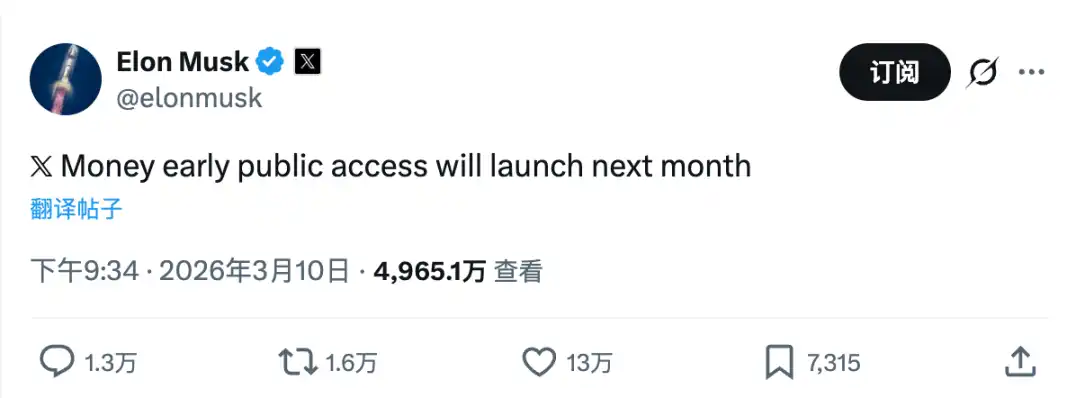
On March 10, 2026, Elon Musk personally announced on the X platform: X Money will begin early public access next month.

This one-line post sent ripples through the crypto community—the cryptocurrency Dogecoin surged in response, media outlets rushed to report, and the U.S. fintech industry began reassessing the competitive threat posed by this social media company.

X Money, a payment product that has been brewing internally for years, is now in the final sprint toward its public debut. But behind the hype, a more fundamental question remains unanswered: Is X Money a genuine financial revolution or another Musk-style narrative marketing stunt?
Musk's Everything App Strategy

X Money did not emerge out of thin air. Shortly after acquiring Twitter, Musk publicly expressed his desire to create an "Everything App" (super app). The goal was to emulate China's WeChat, building a super platform that integrates social interactions, payments, shopping, and travel. Payments are at the core of this vision.

Musk aims to replicate this path in the United States. His logic is straightforward: X already has approximately 600 million monthly active users who spend a considerable amount of time on the platform daily. If payment functionality can be embedded into this ecosystem, X will evolve from a mere attention container into a genuine financial gateway, becoming the central node for all monetary transactions and potentially boosting monthly active users to 1 billion.

X Money's Core Product Strength

Based on the disclosed features, X Money is positioned significantly above traditional P2P tools like Venmo or PayPal.

One of its core highlights is a 6% annual percentage yield (APY). Compared to the普遍less than 0.5% interest rates offered by traditional U.S. savings accounts, X Money's higher yield could serve as a powerful tool to attract early adopters.
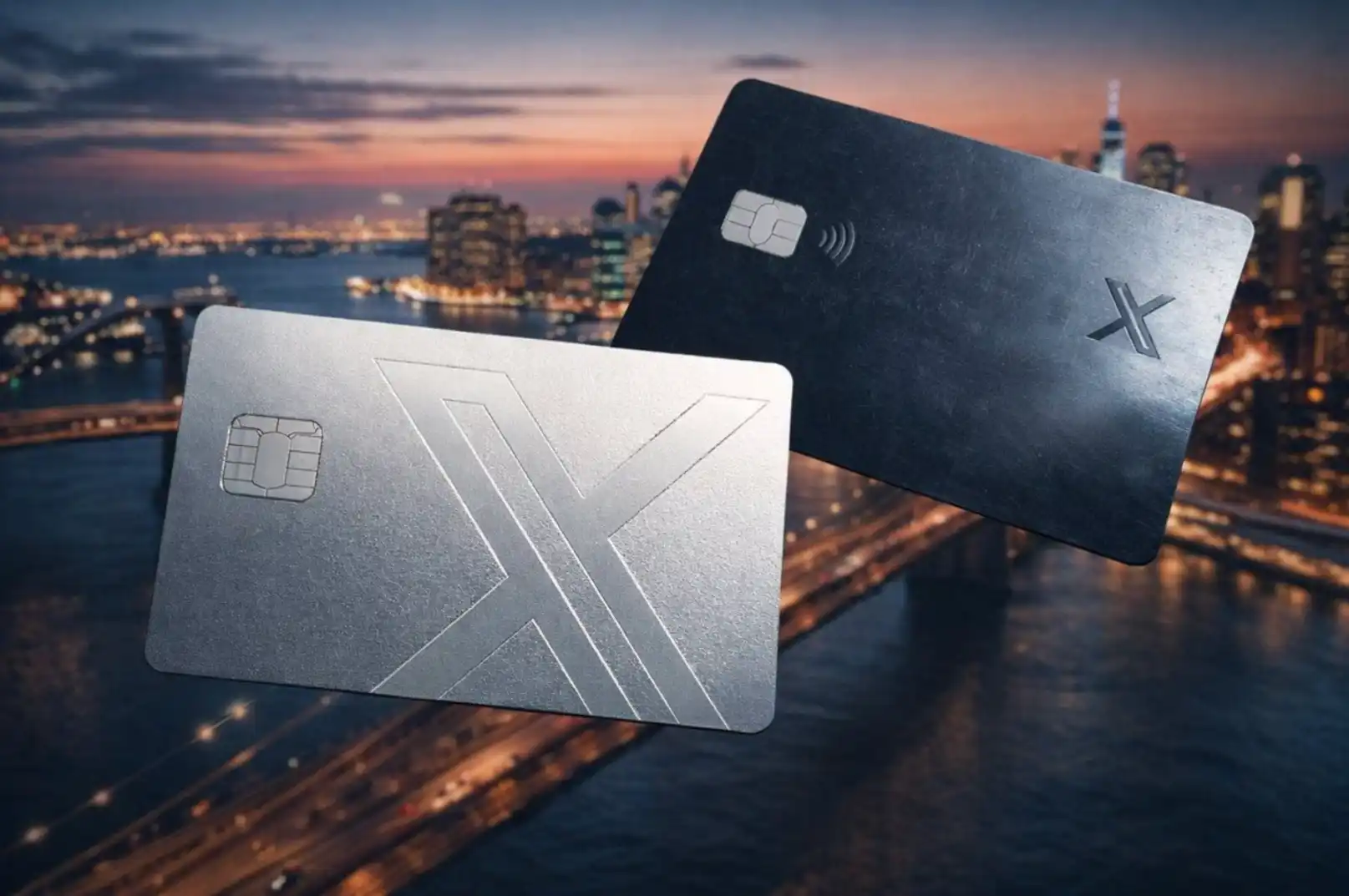
Additionally, the product offers P2P instant transfers, direct deposits, metal debit cards engraved with usernames, cashback rewards, zero foreign exchange fees, and a $25 account opening bonus, among other financial services.

The interface features three main functional tabs: "Account," "Rewards," and "Activity." The overall design resembles a lightweight digital bank account rather than a simple transfer tool, indicating its ambition to build a social ecosystem around financial behaviors, not just serve as a payment utility.

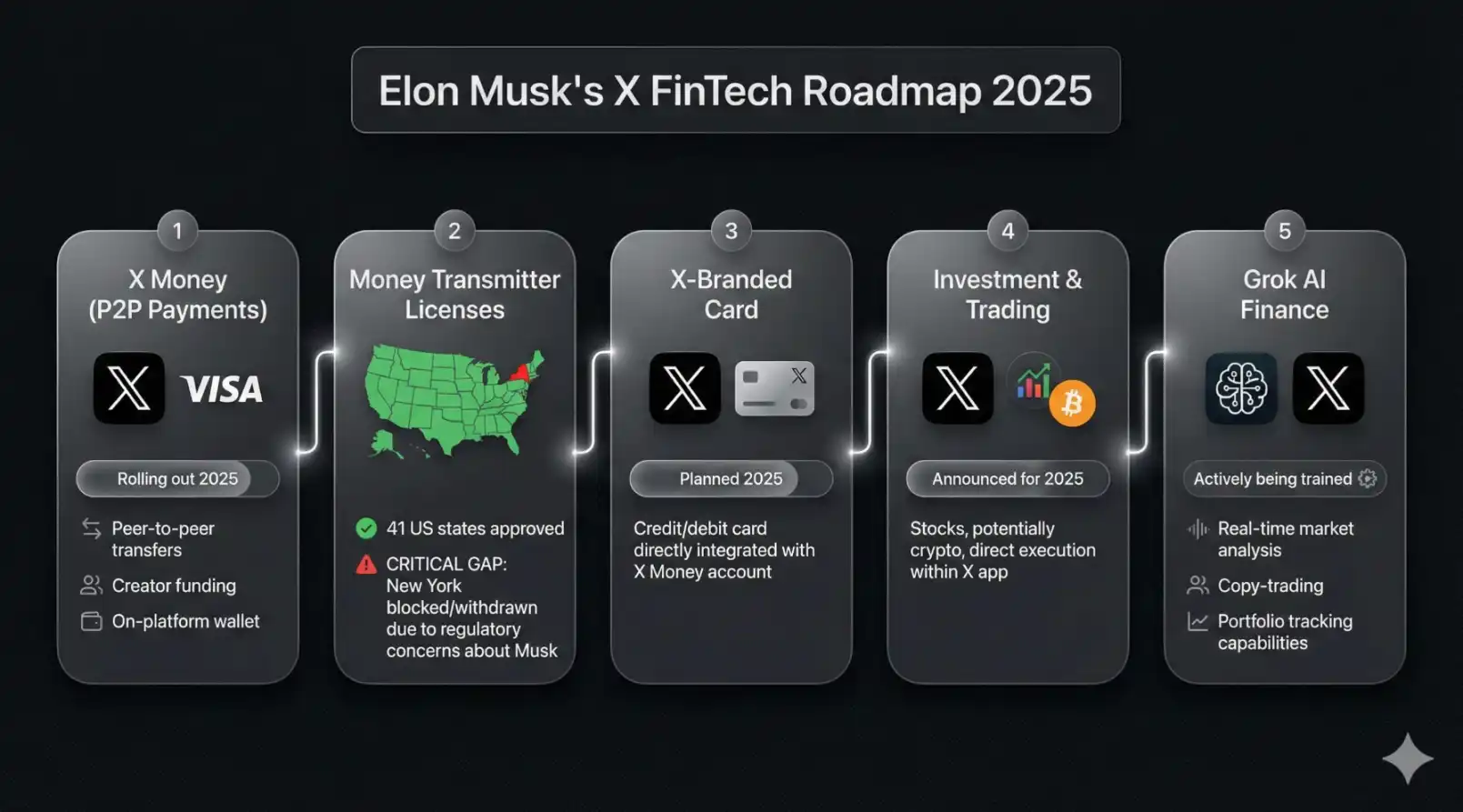
Transaction settlements are facilitated through the Visa Direct network, enabling near-instant fund transfers. In January 2025, X officially announced a partnership with Visa, making the latter X Money's first official payment partner.

The significance of this combination lies in X providing the traffic and场景, while Visa offers global clearing infrastructure. This partnership largely avoids the high barriers of building a payment system from scratch.

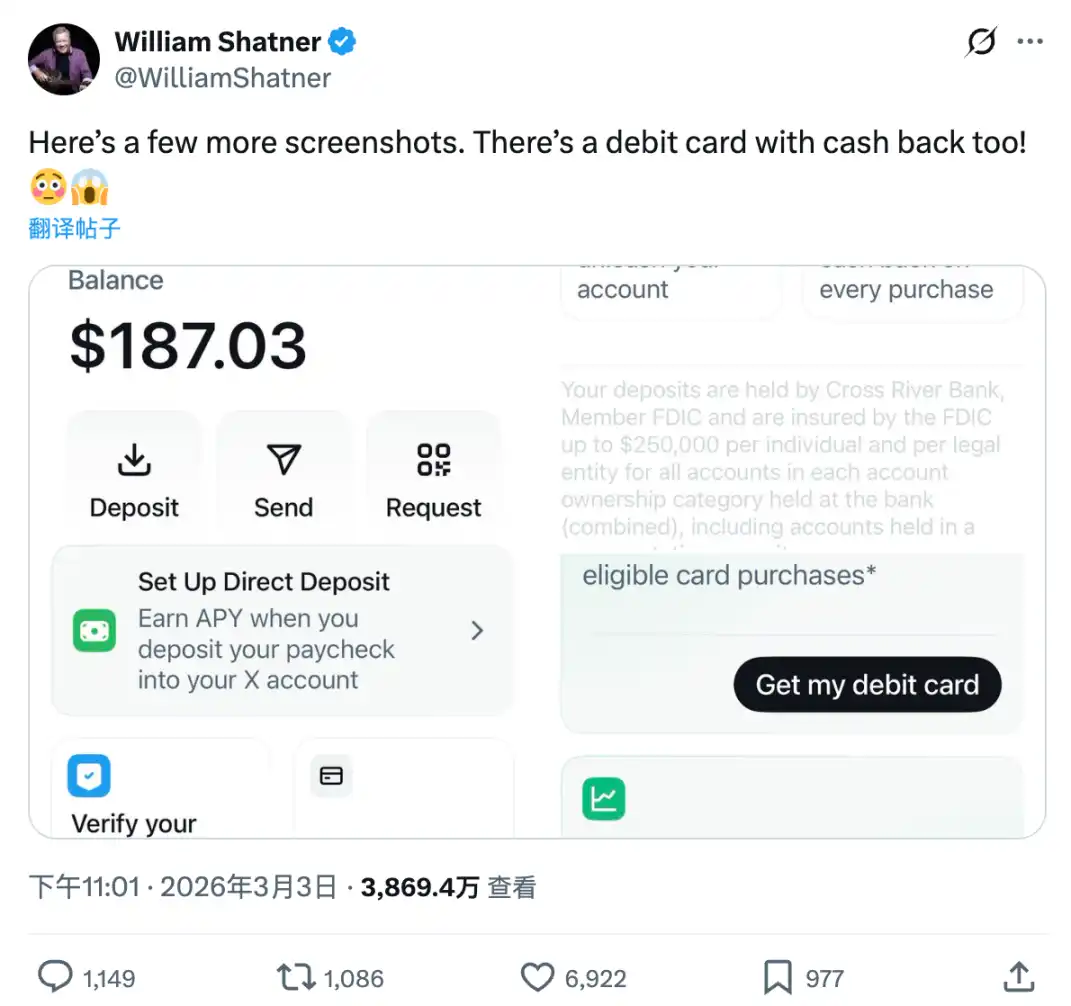
Currently, the product has completed internal closed testing. The external beta phase carries a distinct Musk-style marketing flair—X, through actor William Shatner, initiated a charity auction where donations of $1,000 or more could secure an X Money invitation, with a total of 42 spots released. Shatner himself was among the first to experience the product and shared screenshots on social media.
Ambition to Rival WeChat and the Reality Gap

Musk's reference point has always been WeChat.

The rapid rise of WeChat Pay was largely due to China's unique ecosystem: a near-universal instant messaging tool, a widely integrated merchant system, and a historical window when mobile payments were not yet fully established.

X faces a截然different battlefield. The U.S. payment market is highly mature, with Apple Pay, Venmo, PayPal, and Zelle each holding their ground, and credit card networks deeply embedded in daily consumption scenes.

Although X boasts around 600 million monthly active users, most people are accustomed to using it as an information platform rather than a financial tool. Persuading users to deposit money into a "social app" requires overcoming not just technical barriers but also psychological ones.

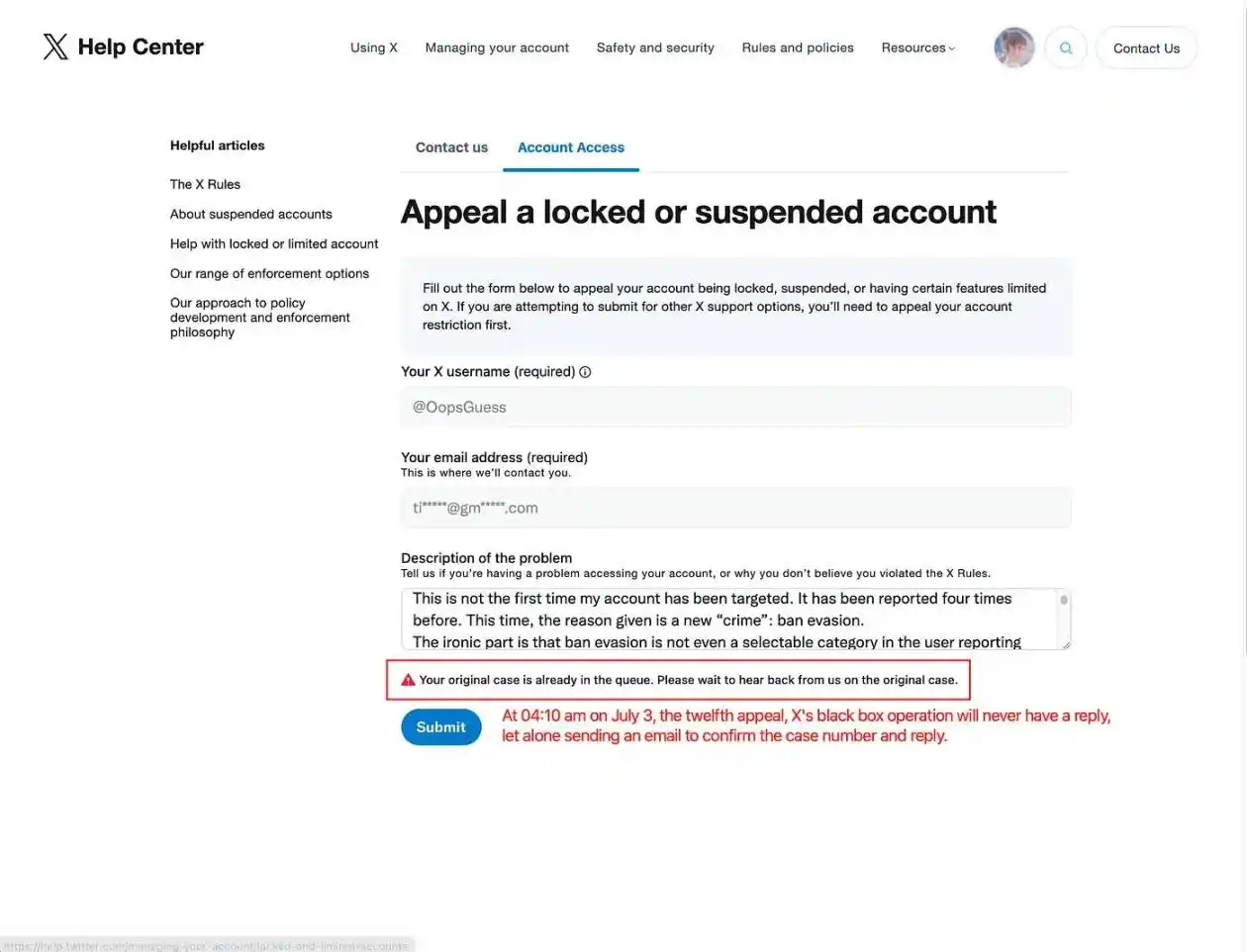
From a trust perspective, X platform account suspensions occur from time to time. If users worry about fund security and account accessibility, even high interest rates may not convince them to migrate their financial assets. Meanwhile, past controversies over data usage and privacy issues on X will be further amplified in financial contexts.
Such concerns have already surfaced at the regulatory level. In 2025, a New York State senator sent an open letter urging the state's Department of Financial Services (DFS) to exercise caution when reviewing licenses related to X Money, citing privacy protection and regulatory risks.

In reality, X has been quietly advancing its compliance布局over the past few years. Currently, X has obtained money transmitter licenses in over 40 U.S. states and Washington D.C., and has registered with the Financial Crimes Enforcement Network (FinCEN). Applications in a few markets like New York State are still pending, but the overall compliance framework is largely in place. User funds are custodied with FDIC-insured Cross River Bank, with coverage up to $250,000.

The Potential Role of Cryptocurrency

Among all the discussions about X Money, one topic始终lingers on the periphery—cryptocurrency. On this issue, Musk has chosen to remain silent, at least for now.

Musk's relationship with the crypto world is well-known. Over the past few years, he has repeatedly expressed support for Dogecoin and is also a public supporter of Bitcoin. Consequently, when news of X Money broke, the crypto community immediately began speculating whether the platform would integrate Dogecoin, XRP, or some form of stablecoin.

Based on currently disclosed information, X Money will initially operate on a pure fiat system, prioritizing the U.S. dollar. Officials have never formally confirmed support for Dogecoin or other crypto assets.

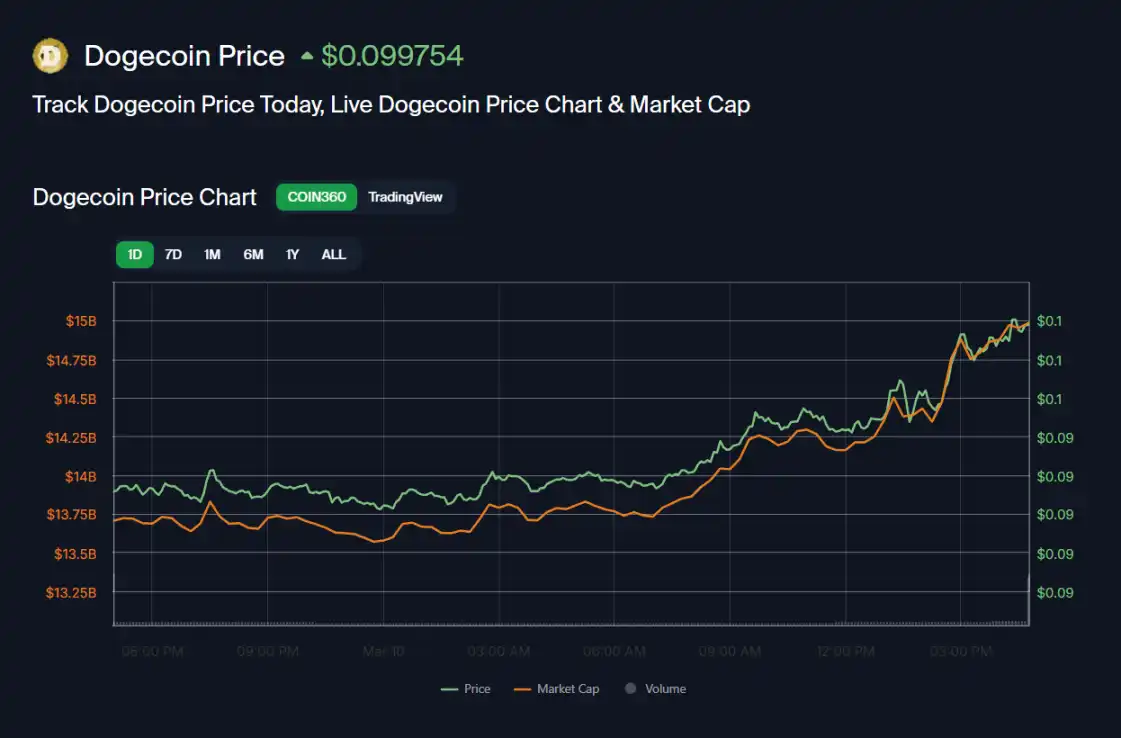
But the market clearly sees it differently: After Musk announced X Money's launch timeline, Dogecoin's price surged, community speculation about the "$" symbol button ran rampant, and even rumors about XRP and Ripple's stablecoin RLUSD continued to circulate within the community.
This ambiguity might be part of Musk's shrewd strategy. For Musk, crypto integration is更像a card that can be played at the right moment. Starting with fiat initially allows him to bypass additional regulatory complexities while building a user base and financial data, preserving future possibilities.

User Trust and Habit Barriers

The real challenge may not necessarily come from crypto assets themselves. For X Money, the pressure isn't just from direct competitors like PayPal or Venmo; a deeper obstacle lies in users' entrenched habits. Depositing funds into a social platform account presents a higher psychological barrier than a technical one for most U.S. users.

On the positive side, X's distribution cost is extremely low. Reaching 600 million users requires no additional customer acquisition investment, an advantage Venmo could only dream of when starting from scratch. The 6% APY could serve as a powerful user acquisition tool, especially in a declining interest rate environment. The metal debit card with username engraving also reinforces product identity on a material level.

On the other hand, the logic of a "super app" has its cultural limitations in the U.S. American users are accustomed to using multiple dedicated apps for different needs rather than relying on a single super entry point. The previous failures of Bakkt and Kraken's受阻application for a Federal Reserve account remind us that fintech faces dual阻力from both regulation and user habits in the U.S., and success is not always guaranteed.
The Test of Scaling and Global Expansion

If X Money successfully completes its early public access in April, the real test is just beginning.

First, can it achieve规模化adoption? The 6% APY is an attractive hook, but retaining users' long-term financial behavior depends on the coherence and reliability of the entire product experience.

Second, the global expansion timeline. X plans to expand internationally by the end of 2026, but factors like EU GDPR, various countries' AML/KYC compliance requirements, and local competitive landscapes are variables that cannot be underestimated.

Third, the profit model. X Money免除s many fees for users, so where will the revenue come from? If it relies on deposit interest rate spreads, it faces pressure during periods of declining interest rates; if it turns to value-added services, it needs to build a more complete financial product matrix.

Historically, U.S. internet giants' forays into finance have often ended in setbacks—Facebook Pay折戟, Bakkt's growth stalled, Google Pay underwent repeated restructuring. X Money's path is closer to that of a bank than a tech company, which is both its advantage and its burden.

True financial ambition cannot be replicated overnight. WeChat's success was the product of timing,地利, and人和. Whether X Money can replicate this miracle in the U.S. and globally remains to be seen. The early public access in April will be the first real report card for this ambitious experiment.


相關問答

QWhat is the core vision behind Elon Musk's X Money and how does it relate to his earlier venture, X.com?

AElon Musk's core vision for X Money is to create an 'Everything App' (super app) that integrates social interactions, payments, shopping, and other services into a single platform, similar to China's WeChat. This ambition dates back to 1999 when he founded X.com, which later evolved into PayPal after merging with Confinity. X Money represents Musk's return to his original goal of revolutionizing online payments and expanding financial services within the X platform.

QWhat are some key features of X Money that differentiate it from traditional P2P payment tools like Venmo or PayPal?

AX Money offers several distinctive features, including a 6% annual percentage yield (APY) on deposits, which is significantly higher than traditional U.S. savings accounts. It also provides P2P instant transfers, direct deposit capabilities, personalized metal debit cards, cashback rewards, zero foreign exchange fees, and a $25 sign-up bonus. The product is designed as a lightweight digital banking account with an interface focused on 'Accounts, Rewards, and Activity,' aiming to build a financial social ecosystem rather than just being a payment tool.

QHow does X Money address regulatory and user trust challenges, particularly regarding financial security and privacy?

AX Money has proactively addressed regulatory hurdles by obtaining money transmitter licenses in over 40 U.S. states and Washington D.C., registering with FinCEN, and partnering with FDIC-insured Cross River Bank to safeguard user funds up to $250,000. However, it faces trust challenges due to X's history of account suspensions and data privacy controversies. Regulatory scrutiny, such as concerns raised by New York State senators, highlights the need for robust privacy protections and compliance to overcome user apprehensions about storing money on a social media platform.

QWhat role might cryptocurrencies play in X Money's future, based on current information and market speculation?

AWhile X Money initially operates solely with fiat currencies (primarily USD) and has not officially confirmed cryptocurrency integration, market speculation suggests potential future involvement. Elon Musk's past support for Dogecoin and Bitcoin has led to community rumors about Dogecoin, XRP, or stablecoins like RLUSD being added. Musk likely views crypto as a strategic option to avoid early regulatory complexity, focusing first on building a user base with fiat services before potentially introducing digital assets to expand functionality.

QWhat are the major obstacles X Money faces in achieving widespread adoption and global expansion, especially in competitive markets like the U.S.?

AX Money faces significant obstacles including entrenched competition from established players like Apple Pay, Venmo, and PayPal, as well as cultural resistance in the U.S. where users prefer specialized apps over super apps. User habits and psychological barriers to storing funds on a social platform pose adoption challenges. Globally, expansion is complicated by varying regulations such as GDPR in the EU and AML/KYC requirements. Additionally, profitability remains uncertain due to fee-free services, relying on deposit spreads or future value-added services for revenue, amidst a history of failed financial ventures by other tech giants.

你可能也喜歡

日本债市,将全线「上链」

2025年8月,美国银行、城堡证券等大型金融机构首次在区块链上实时完成了一笔美国国债回购交易。2026年4月,日本中央清算机构JSCC等联合启动概念验证,计划将价值超过9万亿美元的日本国债(JGB)作为抵押品迁移至Canton Network链上。 JGB是亚洲金融体系中的重要抵押资产,但其传统转移流程效率低下,耗时数日且受限于东京营业时间。相比之下,美国国债已在Canton Network等平台上实现24/7的代币化结算,这使JGB面临失去“顶级抵押品”地位的风险。日本此举旨在通过区块链技术释放被锁定的抵押品价值,提升竞争力。 Canton Network因其能同时满足法律合规、数据隐私和原子结算等复杂要求而被选中。该网络允许不同机构仅共享必要数据,并已支持美债、日债和欧债等主权债券的跨国实时流动。 “全天候”链上结算不仅能加速交易,更能改变市场压力下的行为模式,例如允许直接抵押资产来满足追加保证金要求,从而减弱“强制抛售”的恶性循环,并实现抵押品与现金的原子化同时转移,降低交易对手风险。 目前,历史上最重要的区块链部署正集中于Canton等由传统金融机构管理的许可网络。这并非旨在削弱现有金融权力,而是一场深刻的效率革命,它重建了金融基础设施的“管道”,但并未改变“管工”。

marsbit45 分鐘前

日本债市,将全线「上链」

marsbit45 分鐘前

交易

現貨
合約

熱門文章

什麼是 $S$

理解 SPERO:全面概述 SPERO 簡介 隨著創新領域的不斷演變,web3 技術和加密貨幣項目的出現在塑造數字未來中扮演著關鍵角色。在這個動態領域中,SPERO(標記為 SPERO,$$s$)是一個引起關注的項目。本文旨在收集並呈現有關 SPERO 的詳細信息,以幫助愛好者和投資者理解其基礎、目標和在 web3 和加密領域內的創新。 SPERO,$$s$ 是什麼? SPERO,$$s$ 是加密空間中的一個獨特項目,旨在利用去中心化和區塊鏈技術的原則,創建一個促進參與、實用性和金融包容性的生態系統。該項目旨在以新的方式促進點對點互動,為用戶提供創新的金融解決方案和服務。 SPERO,$$s$ 的核心目標是通過提供增強用戶體驗的工具和平台來賦能個人。這包括使交易方式更加靈活、促進社區驅動的倡議,以及通過去中心化應用程序(dApps)創造金融機會的途徑。SPERO,$$s$ 的基本願景圍繞包容性展開,旨在彌合傳統金融中的差距,同時利用區塊鏈技術的優勢。 誰是 SPERO,$$s$ 的創建者? SPERO,$$s$ 的創建者身份仍然有些模糊,因為公開可用的資源對其創始人提供的詳細背景信息有限。這種缺乏透明度可能源於該項目對去中心化的承諾——這是一種許多 web3 項目所共享的精神,優先考慮集體貢獻而非個人認可。 通過將討論重心放在社區及其共同目標上,SPERO,$$s$ 體現了賦能的本質,而不特別突出某些個體。因此,理解 SPERO 的精神和使命比識別單一創建者更為重要。 誰是 SPERO,$$s$ 的投資者? SPERO,$$s$ 得到了來自風險投資家到天使投資者的多樣化投資者的支持,他們致力於促進加密領域的創新。這些投資者的關注點通常與 SPERO 的使命一致——優先考慮那些承諾社會技術進步、金融包容性和去中心化治理的項目。 這些投資者通常對不僅提供創新產品,還對區塊鏈社區及其生態系統做出積極貢獻的項目感興趣。這些投資者的支持強化了 SPERO,$$s$ 作為快速發展的加密項目領域中的一個重要競爭者。 SPERO,$$s$ 如何運作? SPERO,$$s$ 採用多面向的框架,使其與傳統的加密貨幣項目區別開來。以下是一些突顯其獨特性和創新的關鍵特徵: 去中心化治理:SPERO,$$s$ 整合了去中心化治理模型,賦予用戶積極參與決策過程的權力,關於項目的未來。這種方法促進了社區成員之間的擁有感和責任感。 代幣實用性:SPERO,$$s$ 使用其自己的加密貨幣代幣,旨在在生態系統內部提供多種功能。這些代幣使交易、獎勵和平台上提供的服務得以促進,增強了整體參與度和實用性。 分層架構:SPERO,$$s$ 的技術架構支持模塊化和可擴展性,允許在項目發展過程中無縫整合額外的功能和應用。這種適應性對於在不斷變化的加密環境中保持相關性至關重要。 社區參與:該項目強調社區驅動的倡議,採用激勵合作和反饋的機制。通過培養強大的社區,SPERO,$$s$ 能夠更好地滿足用戶需求並適應市場趨勢。 專注於包容性:通過提供低交易費用和用戶友好的界面,SPERO,$$s$ 旨在吸引多樣化的用戶群體,包括那些以前可能未曾參與加密領域的個體。這種對包容性的承諾與其通過可及性賦能的總體使命相一致。 SPERO,$$s$ 的時間線 理解一個項目的歷史提供了對其發展軌跡和里程碑的關鍵見解。以下是建議的時間線,映射 SPERO,$$s$ 演變中的重要事件: 概念化和構思階段:形成 SPERO,$$s$ 基礎的初步想法被提出,與區塊鏈行業內的去中心化和社區聚焦原則密切相關。 項目白皮書的發布:在概念階段之後,發布了一份全面的白皮書,詳細說明了 SPERO,$$s$ 的願景、目標和技術基礎設施,以吸引社區的興趣和反饋。 社區建設和早期參與:積極進行外展工作,建立早期採用者和潛在投資者的社區,促進圍繞項目目標的討論並獲得支持。 代幣生成事件:SPERO,$$s$ 進行了一次代幣生成事件(TGE),向早期支持者分發其原生代幣,並在生態系統內建立初步流動性。 首次 dApp 上線:與 SPERO,$$s$ 相關的第一個去中心化應用程序(dApp)上線,允許用戶參與平台的核心功能。 持續發展和夥伴關係:對項目產品的持續更新和增強,包括與區塊鏈領域其他參與者的戰略夥伴關係,使 SPERO,$$s$ 成為加密市場中一個具有競爭力和不斷演變的參與者。 結論 SPERO,$$s$ 是 web3 和加密貨幣潛力的見證,能夠徹底改變金融系統並賦能個人。憑藉對去中心化治理、社區參與和創新設計功能的承諾,它為更具包容性的金融環境鋪平了道路。 與任何在快速發展的加密領域中的投資一樣,潛在的投資者和用戶都被鼓勵進行徹底研究,並對 SPERO,$$s$ 的持續發展進行深思熟慮的參與。該項目展示了加密行業的創新精神,邀請人們進一步探索其無數可能性。儘管 SPERO,$$s$ 的旅程仍在展開,但其基礎原則確實可能影響我們在互聯網數字生態系統中如何與技術、金融和彼此互動的未來。

85 人學過發佈於 2024.12.17更新於 2024.12.17

什麼是 $S$

什麼是 AGENT S

Agent S:Web3中自主互動的未來 介紹 在不斷演變的Web3和加密貨幣領域,創新不斷重新定義個人如何與數字平台互動。Agent S是一個開創性的項目,承諾通過其開放的代理框架徹底改變人機互動。Agent S旨在簡化複雜任務,為人工智能(AI)提供變革性的應用,鋪平自主互動的道路。本詳細探索將深入研究該項目的複雜性、其獨特特徵以及對加密貨幣領域的影響。 什麼是Agent S? Agent S是一個突破性的開放代理框架,專門設計用來解決計算機任務自動化中的三個基本挑戰: 獲取特定領域知識:該框架智能地從各種外部知識來源和內部經驗中學習。這種雙重方法使其能夠建立豐富的特定領域知識庫,提升其在任務執行中的表現。 長期任務規劃:Agent S採用經驗增強的分層規劃,這是一種戰略方法,可以有效地分解和執行複雜任務。此特徵顯著提升了其高效和有效地管理多個子任務的能力。 處理動態、不均勻的界面:該項目引入了代理-計算機界面(ACI),這是一種創新的解決方案,增強了代理和用戶之間的互動。利用多模態大型語言模型(MLLMs),Agent S能夠無縫導航和操作各種圖形用戶界面。 通過這些開創性特徵,Agent S提供了一個強大的框架,解決了自動化人機互動中涉及的複雜性,為AI及其他領域的無數應用奠定了基礎。 誰是Agent S的創建者? 儘管Agent S的概念根本上是創新的,但有關其創建者的具體信息仍然難以捉摸。創建者目前尚不清楚,這突顯了該項目的初期階段或戰略選擇將創始成員保密。無論是否匿名,重點仍然在於框架的能力和潛力。 誰是Agent S的投資者? 由於Agent S在加密生態系統中相對較新,關於其投資者和財務支持者的詳細信息並未明確記錄。缺乏對支持該項目的投資基礎或組織的公開見解,引發了對其資金結構和發展路線圖的質疑。了解其支持背景對於評估該項目的可持續性和潛在市場影響至關重要。 Agent S如何運作? Agent S的核心是尖端技術,使其能夠在多種環境中有效運作。其運營模型圍繞幾個關鍵特徵構建: 類人計算機互動:該框架提供先進的AI規劃,力求使與計算機的互動更加直觀。通過模仿人類在任務執行中的行為,承諾提升用戶體驗。 敘事記憶:用於利用高級經驗,Agent S利用敘事記憶來跟蹤任務歷史,從而增強其決策過程。 情節記憶:此特徵為用戶提供逐步指導,使框架能夠在任務展開時提供上下文支持。 支持OpenACI:Agent S能夠在本地運行,使用戶能夠控制其互動和工作流程,與Web3的去中心化理念相一致。 與外部API的輕鬆集成:其多功能性和與各種AI平台的兼容性確保了Agent S能夠無縫融入現有技術生態系統,成為開發者和組織的理想選擇。 這些功能共同促成了Agent S在加密領域的獨特地位,因為它以最小的人類干預自動化複雜的多步任務。隨著項目的發展,其在Web3中的潛在應用可能重新定義數字互動的展開方式。 Agent S的時間線 Agent S的發展和里程碑可以用一個時間線來概括,突顯其重要事件: 2024年9月27日:Agent S的概念在一篇名為《一個像人類一樣使用計算機的開放代理框架》的綜合研究論文中推出,展示了該項目的基礎工作。 2024年10月10日:該研究論文在arXiv上公開,提供了對框架及其基於OSWorld基準的性能評估的深入探索。 2024年10月12日:發布了一個視頻演示,提供了對Agent S能力和特徵的視覺洞察,進一步吸引潛在用戶和投資者。 這些時間線上的標記不僅展示了Agent S的進展,還表明了其對透明度和社區參與的承諾。 有關Agent S的要點 隨著Agent S框架的持續演變,幾個關鍵特徵脫穎而出,強調其創新性和潛力: 創新框架:旨在提供類似人類互動的直觀計算機使用,Agent S為任務自動化帶來了新穎的方法。 自主互動:通過GUI自主與計算機互動的能力標誌著向更智能和高效的計算解決方案邁進了一步。 複雜任務自動化:憑藉其強大的方法論,能夠自動化複雜的多步任務,使過程更快且更少出錯。 持續改進:學習機制使Agent S能夠從過去的經驗中改進,不斷提升其性能和效率。 多功能性:其在OSWorld和WindowsAgentArena等不同操作環境中的適應性確保了它能夠服務於廣泛的應用。 隨著Agent S在Web3和加密領域中的定位,其增強互動能力和自動化過程的潛力標誌著AI技術的一次重大進步。通過其創新框架,Agent S展現了數字互動的未來,為各行各業的用戶承諾提供更無縫和高效的體驗。 結論 Agent S代表了AI與Web3結合的一次大膽飛躍,具有重新定義我們與技術互動方式的能力。儘管仍處於早期階段,但其應用的可能性廣泛且引人入勝。通過其全面的框架解決關鍵挑戰,Agent S旨在將自主互動帶到數字體驗的最前沿。隨著我們深入加密貨幣和去中心化的領域,像Agent S這樣的項目無疑將在塑造技術和人機協作的未來中發揮關鍵作用。

729 人學過發佈於 2025.01.14更新於 2025.01.14

什麼是 AGENT S

如何購買S

歡迎來到HTX.com!在這裡,購買Sonic (S)變得簡單而便捷。跟隨我們的逐步指南,放心開始您的加密貨幣之旅。第一步:創建您的HTX帳戶使用您的 Email、手機號碼在HTX註冊一個免費帳戶。體驗無憂的註冊過程並解鎖所有平台功能。立即註冊第二步:前往買幣頁面,選擇您的支付方式信用卡/金融卡購買:使用您的Visa或Mastercard即時購買Sonic (S)。餘額購買:使用您HTX帳戶餘額中的資金進行無縫交易。第三方購買:探索諸如Google Pay或Apple Pay等流行支付方式以增加便利性。C2C購買:在HTX平台上直接與其他用戶交易。HTX 場外交易 (OTC) 購買:為大量交易者提供個性化服務和競爭性匯率。第三步:存儲您的Sonic (S)購買Sonic (S)後,將其存儲在您的HTX帳戶中。您也可以透過區塊鏈轉帳將其發送到其他地址或者用於交易其他加密貨幣。第四步:交易Sonic (S)在HTX的現貨市場輕鬆交易Sonic (S)。前往您的帳戶,選擇交易對,執行交易,並即時監控。HTX為初學者和經驗豐富的交易者提供了友好的用戶體驗。

1.5k 人學過發佈於 2025.01.15更新於 2025.03.21

如何購買S

相關討論

歡迎來到 HTX 社群。在這裡,您可以了解最新的平台發展動態並獲得專業的市場意見。 以下是用戶對 S (S)幣價的意見。

活动图片