Written by: Xiaobing
On the evening of August 19, a vote on Optimism's governance platform, Agora, had 16 minutes and 52 seconds remaining. On screen, the disapproval votes stood at 45.77%, and the proposal seemed destined for rejection.
The proposal's content was to reallocate 546.9 million OP tokens from the "User Airdrop" allocation to the "Strategic Ecosystem Fund" under the Foundation's jurisdiction. This amount represents 12.7% of the total token supply and nearly 24% of the circulating supply.
Then, a vote of 8.49 million OP tokens came crashing down. The approval rate instantly jumped to 61.84%, and the proposal passed.
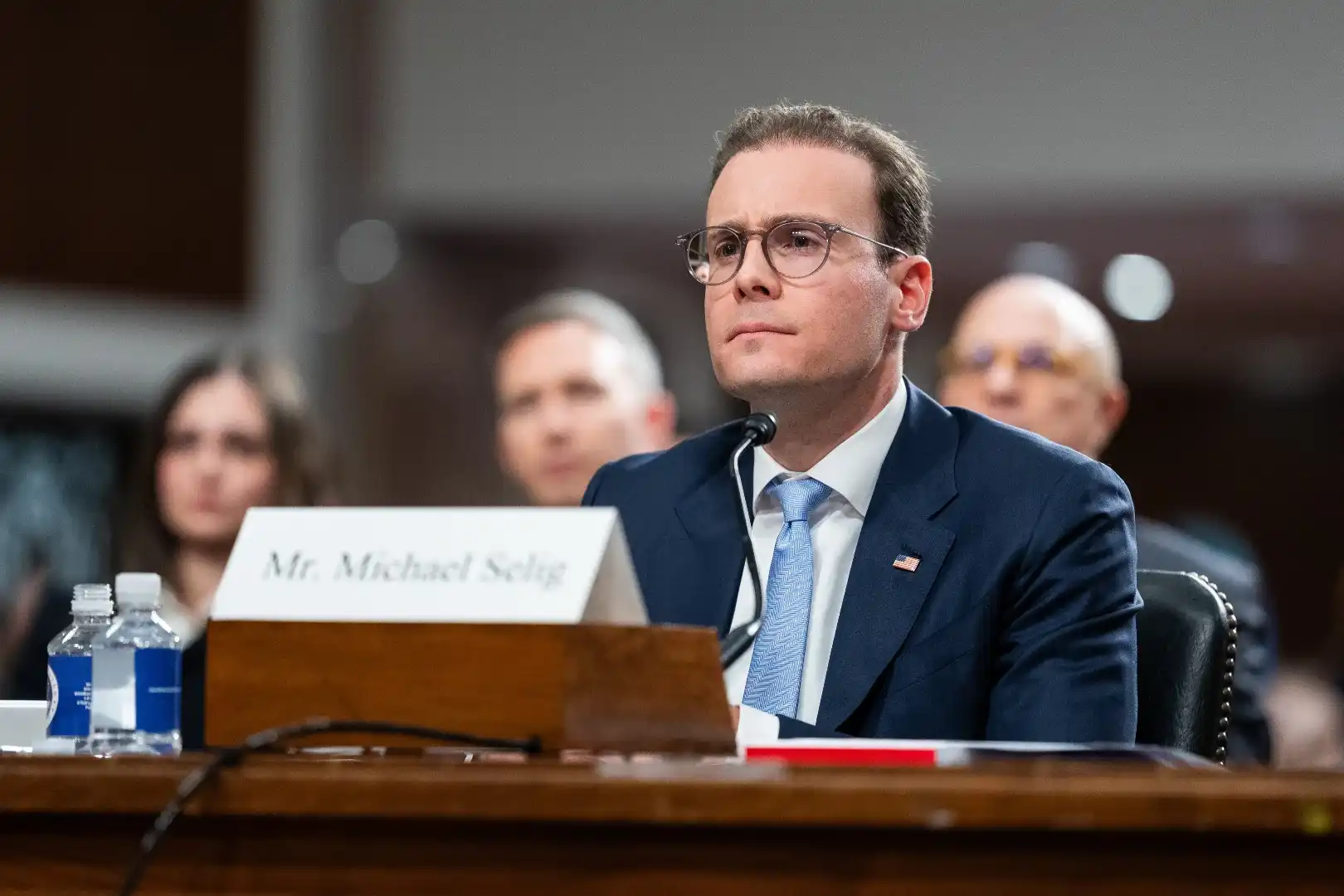
This decisive vote was cast by Test in Prod. The team's introduction on Agora is clear: the Core Development Team of the Optimism Collective. In the 2025 Security Council nomination document, they wrote themselves: "fully funded by the Collective." In June of this year, they were just granted a new 12-month term on the Security Council.
A core team fully funded by Optimism cast the deciding vote in the final 17 minutes, transferring tokens worth approximately $49.7 million from users' pockets to the Foundation's account.
Whose Money, Whose Say?
The Foundation has its own logic. Optimism conducted five airdrop rounds from 2022 to 2024, distributing a total of 269.1 million OP tokens to users, but the effectiveness declined with each round. Both academic analysis and on-chain data indicate that the later airdrops had minimal impact on user retention. The Foundation's conclusion is: large-scale airdrops are a tool suitable for early user acquisition, not for the current stage of institutional expansion.
OP Enterprise is now the Foundation's strategic focus.
Bitpanda launched Vision Chain on Optimism, South Korea's largest exchange Dunamu signed a memorandum of understanding for GIWA Chain, and Ether.fi brought $220 million in TVL and over 70,000 active payment cards to OP Mainnet. The Foundation believes that to secure these enterprise-level clients, a flexible treasury of tokens is needed, rather than continuing to lock 547 million OP under the unused "airdrop" label.
Test in Prod defended their vote bluntly: corporate bids require confidentiality, competitive windows are fleeting, and Optimism needs this war chest.
The Opponents Saw Something Else
L2BEAT, an independent Ethereum Layer 2 research institution, voted against the proposal.
Their wording is worth reading line by line: the Foundation's mandate is overly broad, the connection between token deployment and OP holder interests is unclear, and the effectiveness of previous partner investments hasn't undergone formal evaluation. In a system that has already spent 686 million OP on ecosystem funds (including Partner, Seed, and Unallocated categories), adding another 547 million to a vaguely defined new fund, L2BEAT considered the evidence insufficient.
Polynya, an independent researcher who was long involved in Optimism governance and resigned from his representative position in 2025, returned specifically for this vote. His judgment was sharper: handing over 24% of the circulating supply based on a "vague hand-wavey promise," especially when the Foundation's past incentive spending results have been mixed at best, is irresponsible.
A community member named Luckyhooman.eth pointed out the most stinging fact: Approximately 686 million OP has already been invested under the ecosystem fund categories, more than 2.5 times the total user airdrop amount. Yet OP Mainnet has not become a mainstream public chain for daily user use. Taking the airdrop allocation from users rewrites the initial distribution promise before the user-side experiment has been fully tested.
The Real Problem Isn't Voter Turnout
The classic dilemma of on-chain governance is low voter turnout. But Optimism's issue this time is precisely the opposite: enough people participated, and the quorum was met. The proposal passed because a voter with a special status changed the outcome at the last minute.
This opens a deeper question. When a team's funding source, salary payments, and future contract renewals all depend on the Foundation's decisions, to what extent is that team's vote on the Foundation's budget proposal an independent judgment? In traditional corporate governance, this is called a related-party transaction, requiring at least the recusal of the interested party from voting. In the DAO world, there is currently no such rule.
An even more fundamental layer is: Can DAO governance voting rewrite the distribution promises made at the founding moment?
When Optimism launched the OP token in 2022, it explicitly stated in black and white that 19% of the total supply was allocated to user airdrops. This number was written into the tokenomics documentation, included by major data platforms, and held by countless users as a long-term expectation for participating in the Optimism ecosystem. Using a majority vote to rename the remaining airdrop allocation as a "Strategic Fund" at the Foundation's disposal might be completely legally compliant within DAO governance, which is designed to modify any parameter. But what it undermines is something softer: user trust in the project's promises.
The price of OP has fallen from around $4.85 in March 2024 to about $0.09 today, a drop of over 98%.
At this price, 546.9 million OP tokens are worth approximately $49.7 million, nearly a quarter of OP's market cap. For the Foundation, this is ammunition that can be immediately deployed in corporate bidding. For retail holders still holding OP, this is a signal that their once-anticipated airdrop share has been officially canceled.
Looking back, DAO governance is moving toward an ironic convergence point: it invented on-chain voting to replace the backroom decisions of a board, only to ultimately reproduce the most classic dilemmas of board governance—who watches the watchers, and whether a majority vote can legitimately redefine the rights of a minority.